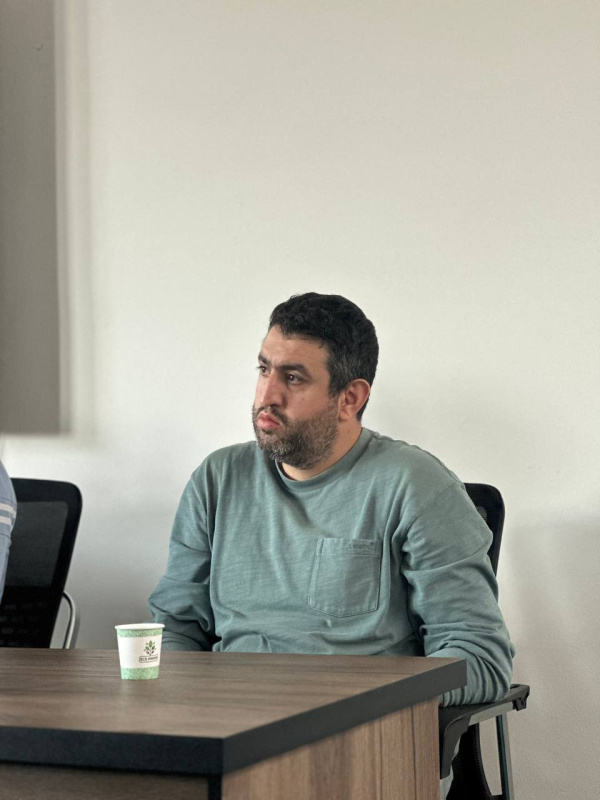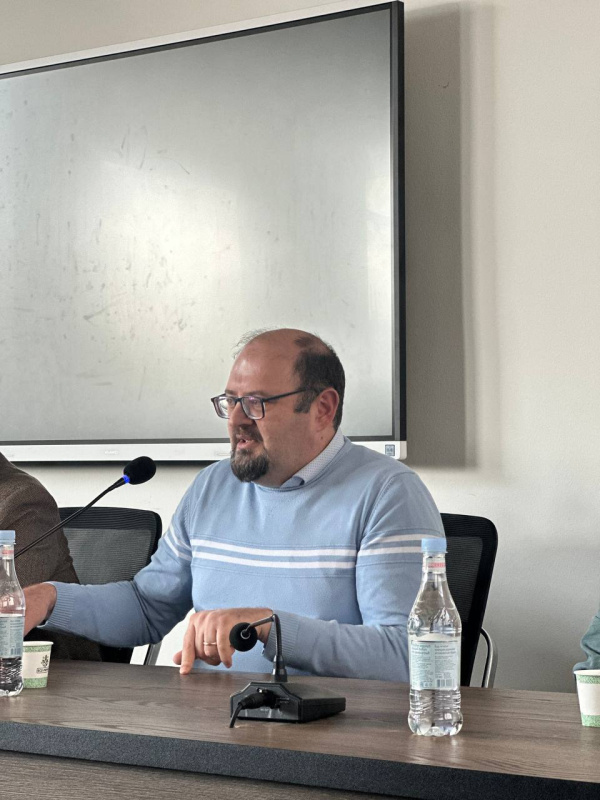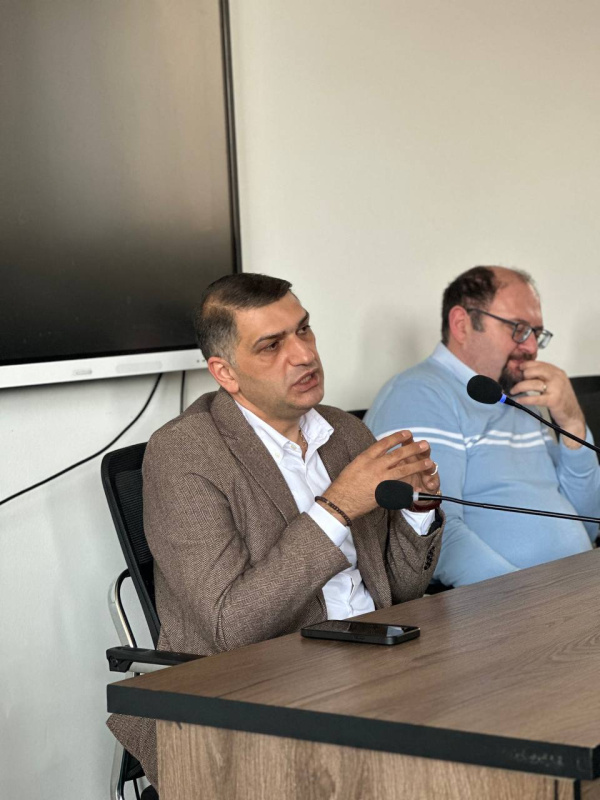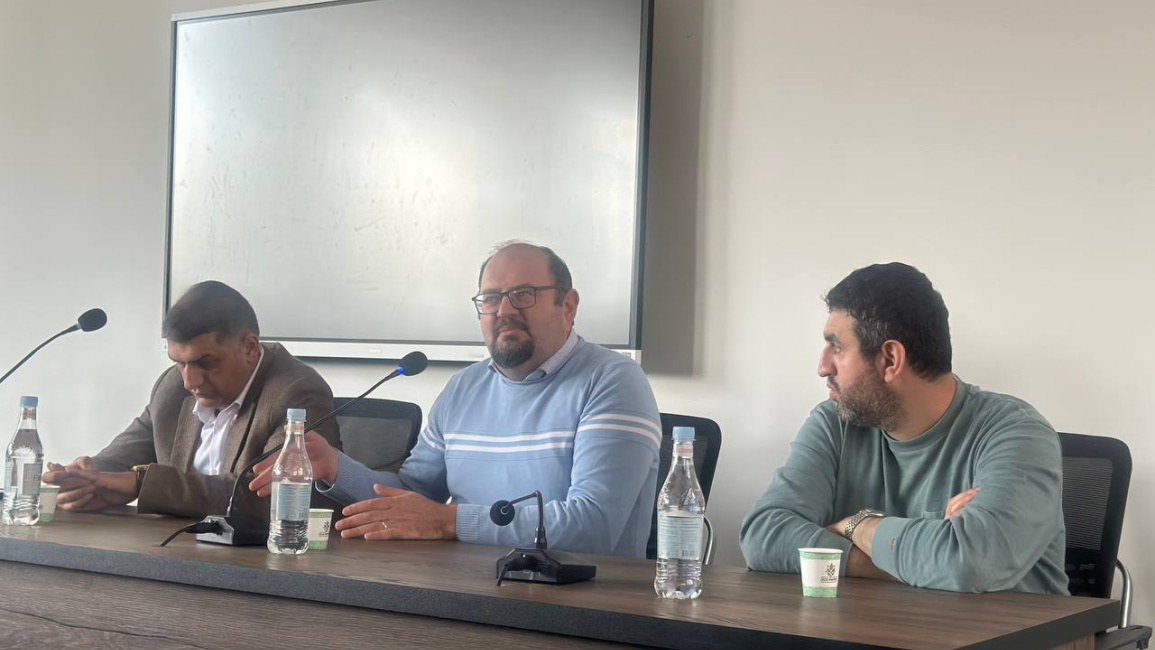
A panel discussion titled "Tensions in the Middle East: The Future of US–Israel–Iran Relations" was held at the initiative of the Student Council of the YSU Faculty of Oriental Studies. The event brought together leading specialists in the field, who analyzed recent regional developments and possible scenarios.
Iran's domestic situation and military dynamics
Associate Professor at the Chair of Iranian Studies, PhD in Philology Artyom Tonoyan provided a detailed analysis of the current situation in Iran, ongoing military operations and the risks of a subsequent "political vacuum". The expert paid particular attention to (a) official statements made during wartime and criticism directed at the governing administration, (b) challenges arising during an interim period in the absence of a spiritual leader, and (c) prospects for new presidential elections in the context of possible future developments.
Challenges in Arab world and "defensive jihad"
Head of the Chair at Arabic Studies, Associate Professor, PhD in History Hayk Kocharyan focused in his speech on the challenges facing Arab states, presenting (a) the concept of Shiite "defensive jihad" and its impact on the conflict, (b) the degree of involvement of Arab states depending on their geographical position and political interests, and (c) information warfare and the influence of distortions in media flows on public opinion.
Turkey's position and regional cooperation
Associate Professor at the Chair of Turkology, PhD in History Mher Abrahamyan discussed Turkey's adopted policies and the position of President Recep Tayyip Erdoğan. The discussion covered key issues such as (a) the risks and opportunities arising from Turkey's geographic position in the context of war, and (b) a statement by Iranian Foreign Minister Seyed Abbas Araghchi addressed to Azerbaijan regarding its close cooperation with Israel.
At the conclusion of the discussion, Artyom Tonoyan provided additional observations regarding the possible duration and outcomes of the conflict.
The meeting was held in an interactive format. Students participating in the discussion had the opportunity to ask the speakers questions on complex regional processes and receive comprehensive answers.