September 28, 2026 | 12:14
Science
Research
International cooperation
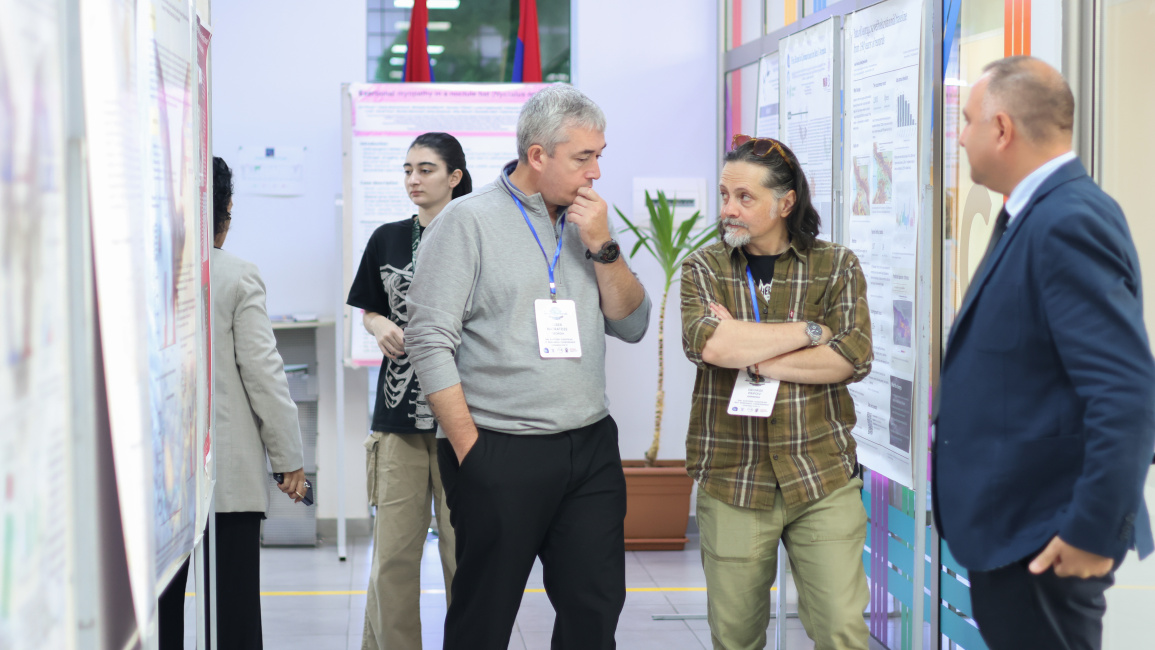
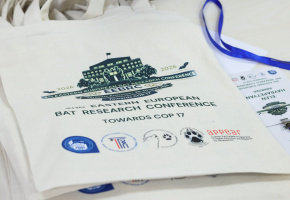
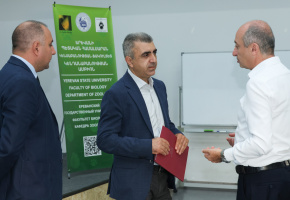
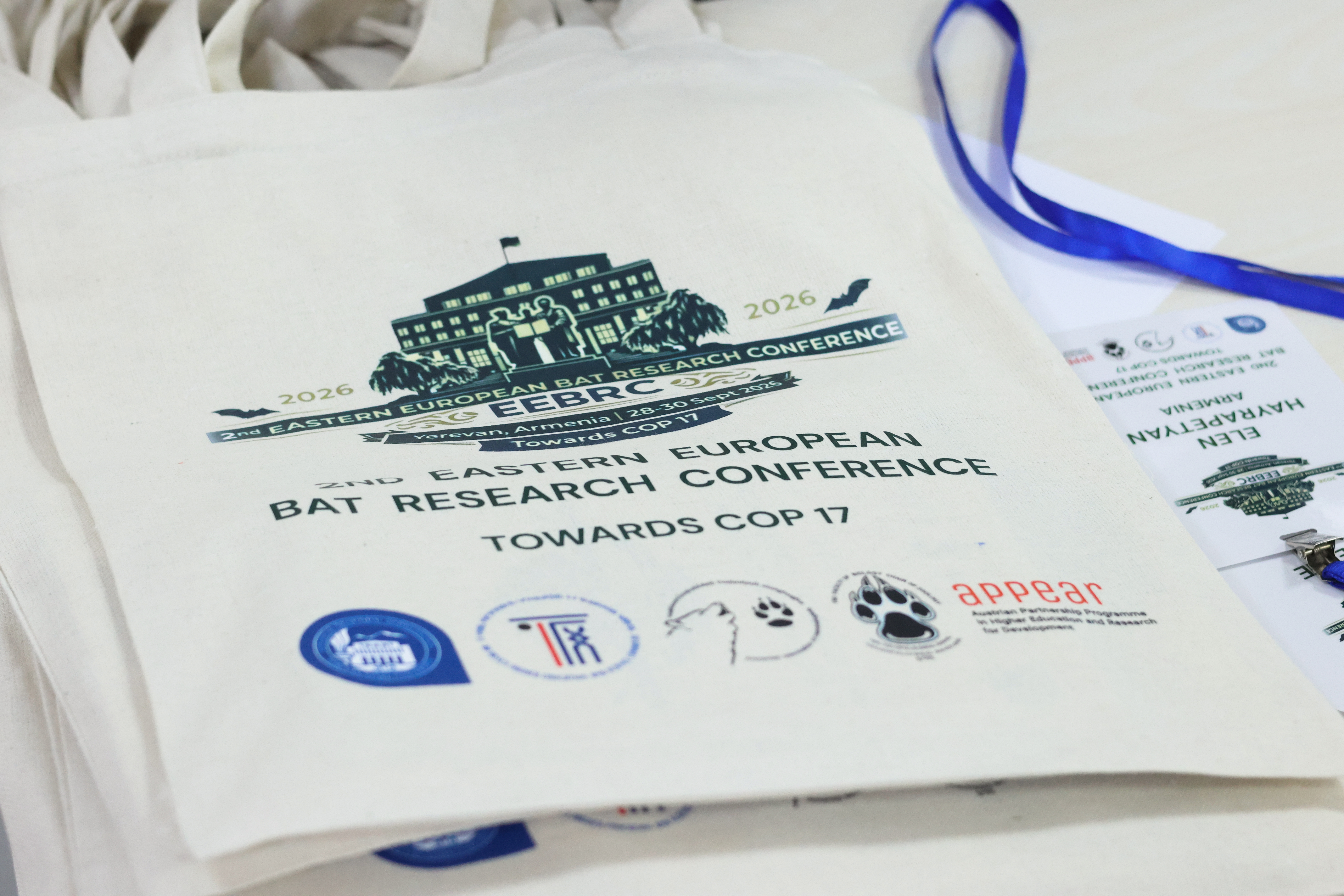
The conference is being held ahead of the 17th meeting of the Conference of the Parties to the UN Convention on Biological Diversity (COP17) and serves as a platform for regional scientific cooperation and the exchange of expertise.
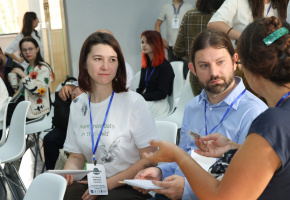
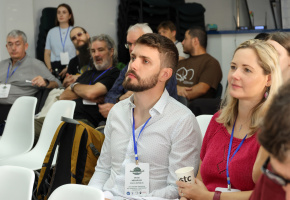
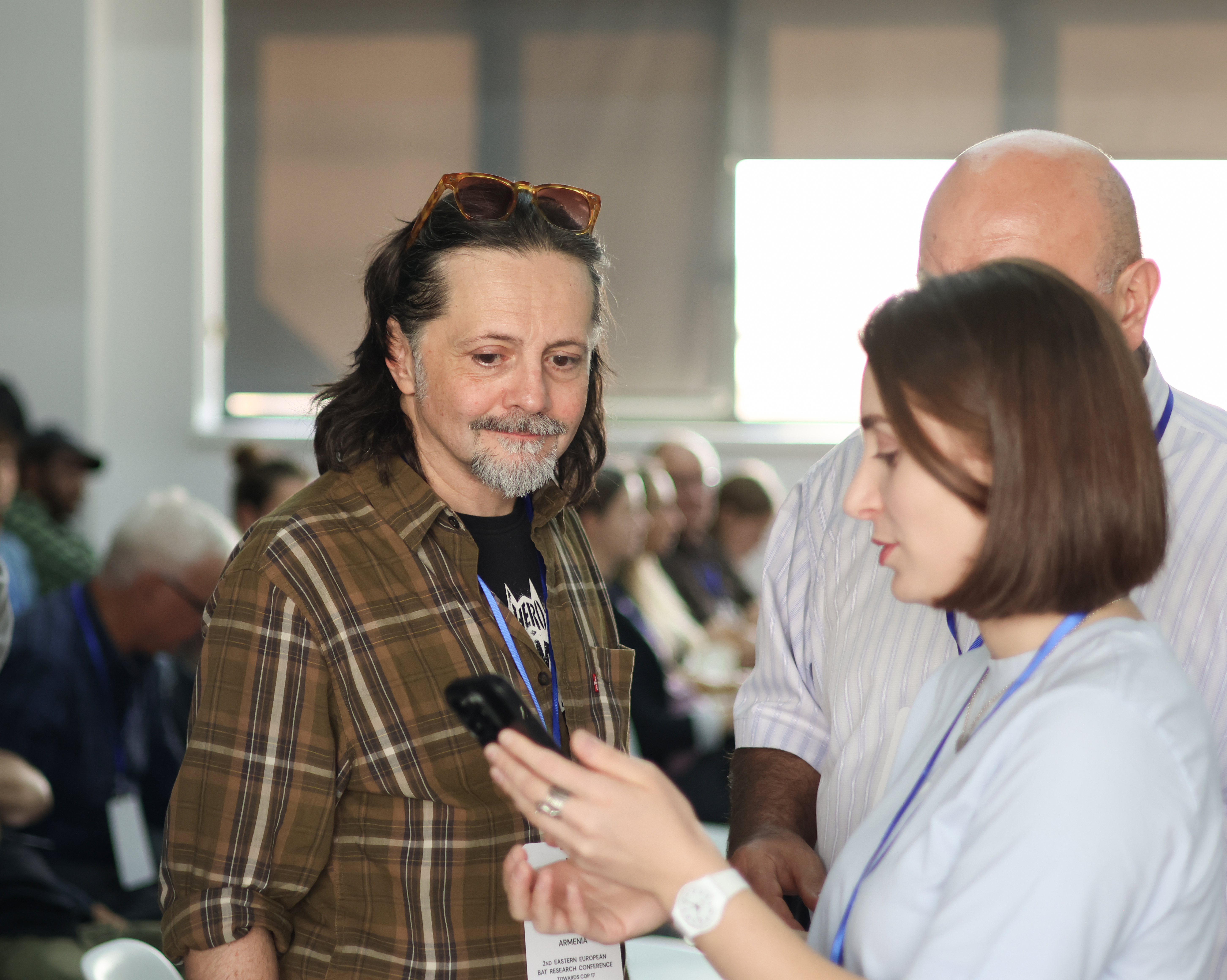
The scientific event has brought together scientists, researchers, conservationists and bat conservation specialists from Eastern Europe, the Caucasus and neighboring regions. The conference agenda covers bat ecology, habitat conservation, species monitoring, genetic diversity, migration, cave ecosystems, pathogen surveillance, the mitigation of anthropogenic threats and the development of effective conservation mechanisms.
According to Astghik Ghazaryan, Head of the YSU Chair of Zoology, the idea for the conference was prompted by the fact that many specialists in the region are unable to attend major international conferences.
"We saw that many scientists could not attend international conferences because they are often held very far away, in Australia or elsewhere. We therefore began thinking about how we could create a platform where these scientists could present their research findings, discuss challenges in the field and help one another," Ghazaryan said.
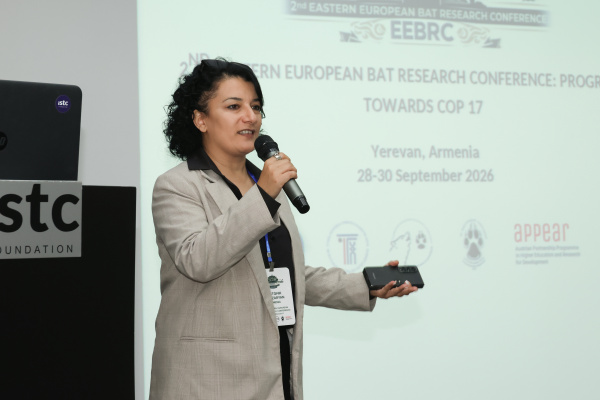
The idea led to the organization of the first Eastern European Bat Research Conference in 2018, which brought together representatives from 11 countries.
"It was then that I began collaborating with my Czech colleagues, and we have been conducting substantial research together ever since," she emphasized.
This year's conference marks a new stage in the development of that cooperation. While one of the main objectives of the first meeting was to establish connections among specialists, the focus has now shifted toward larger-scale and longer-term joint projects.
"Our objective now is not only to present the achievements of recent years, but also to form consortia — groups that can participate in European grant programs and carry out major research projects together," Ghazaryan said.
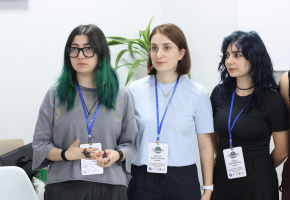
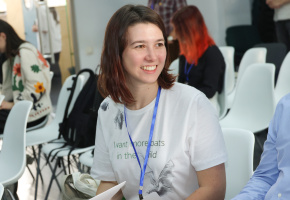
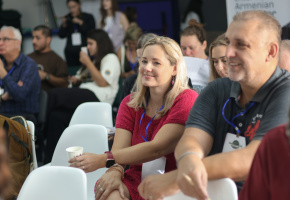
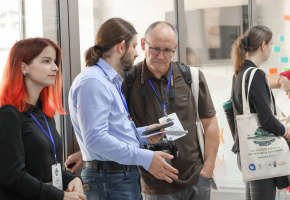
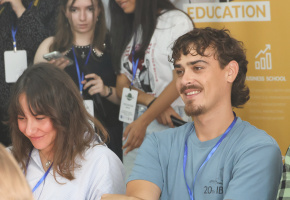
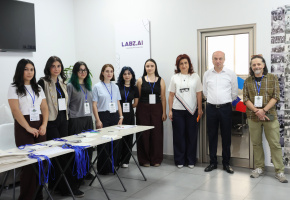
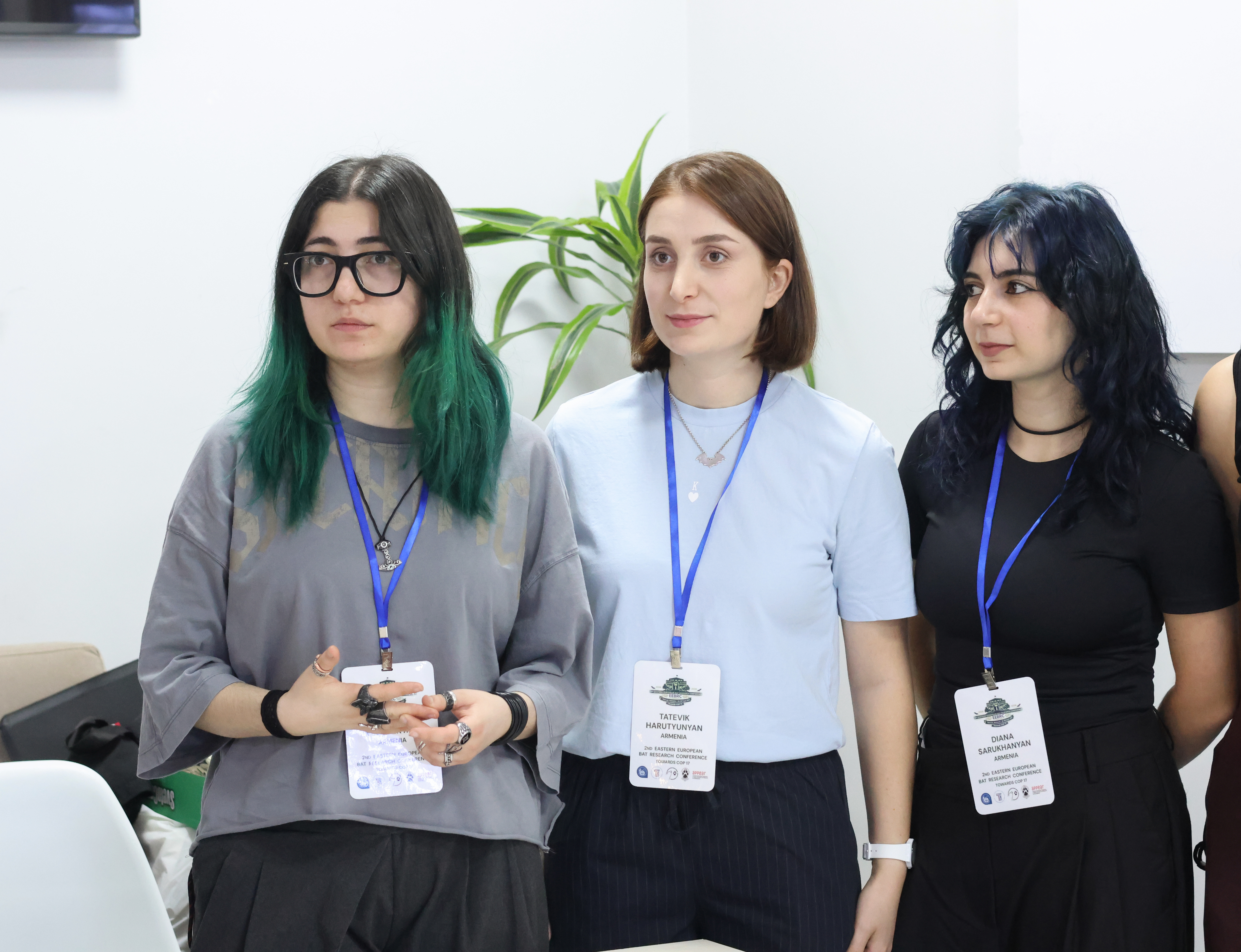
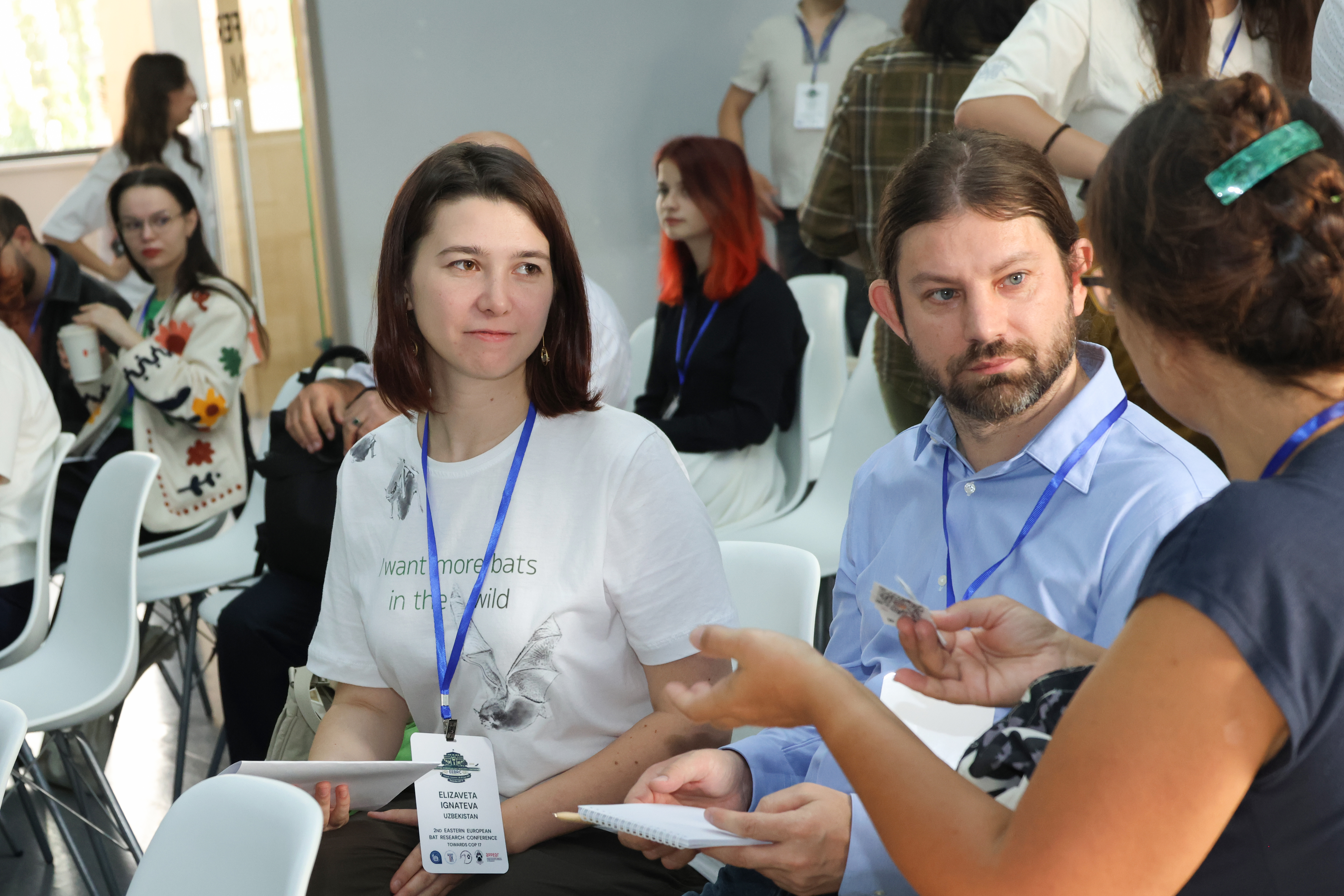
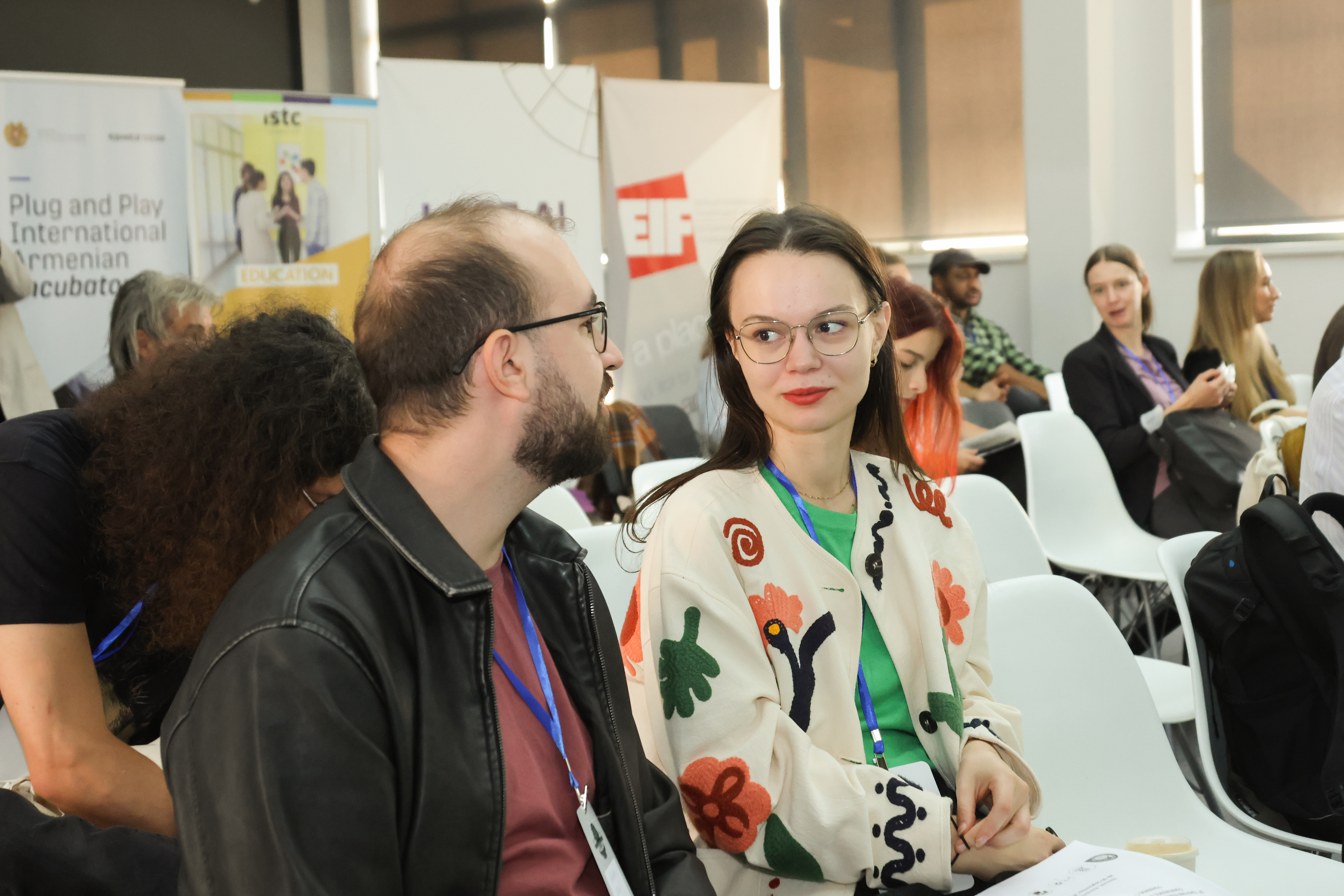
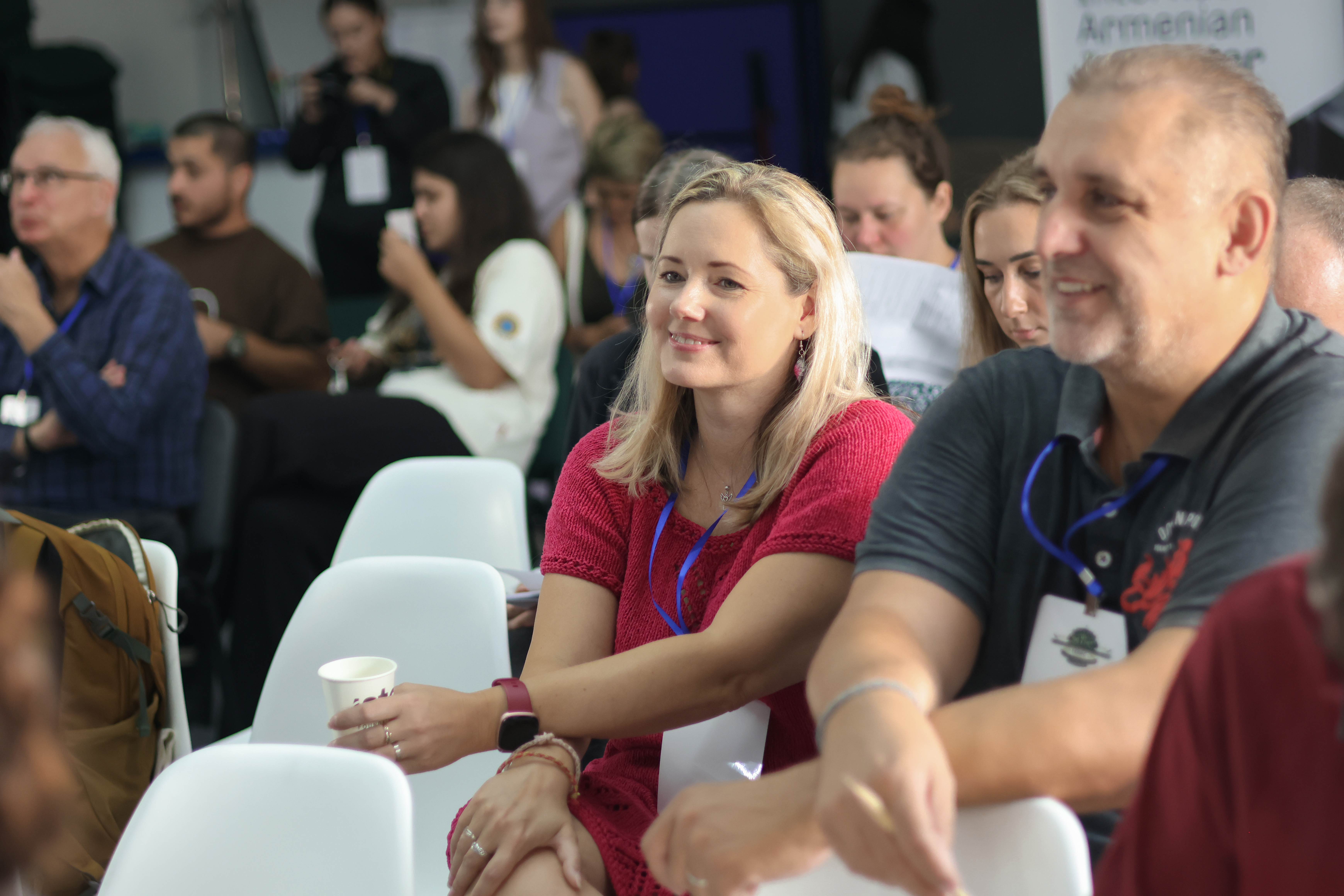
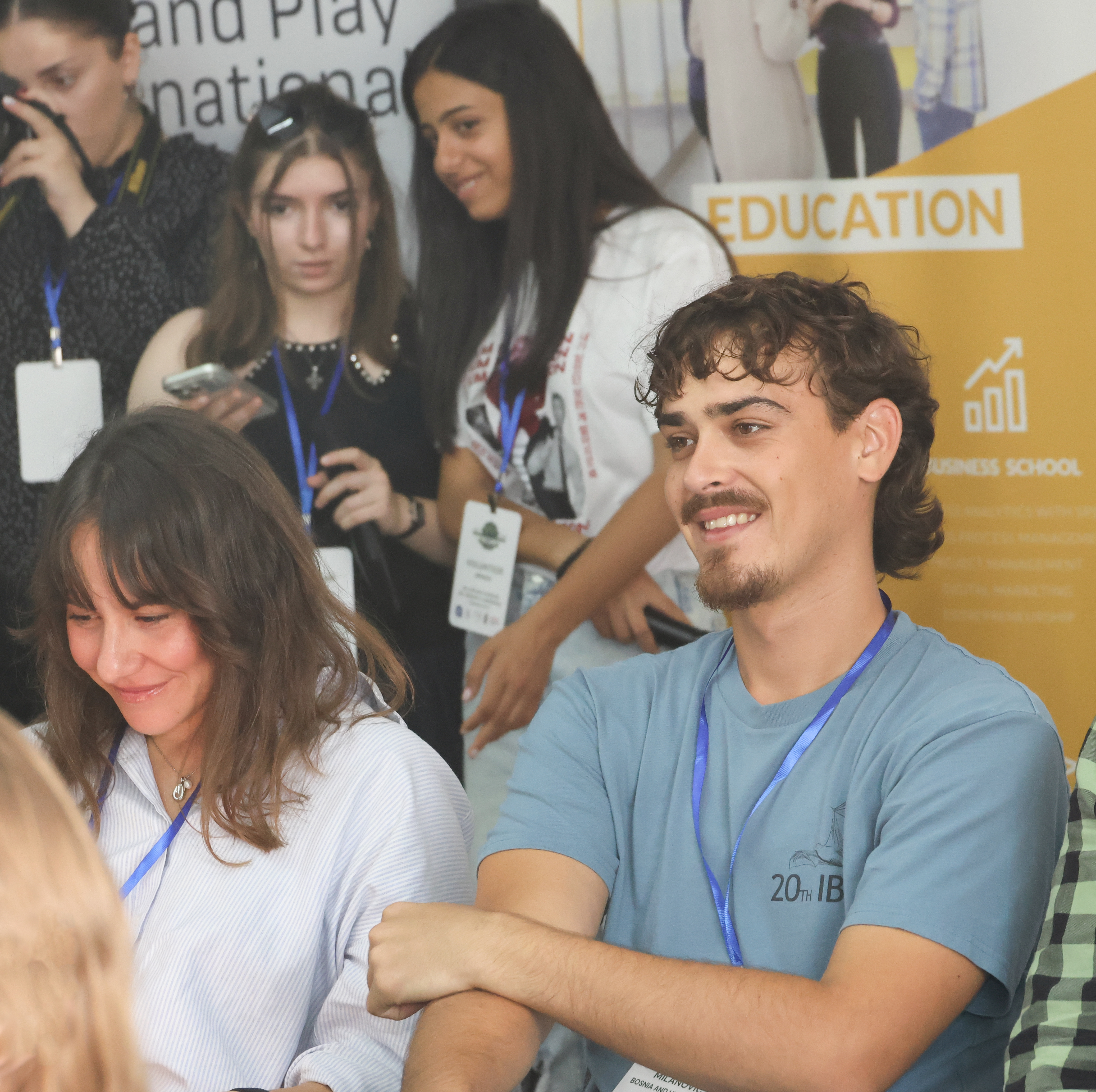
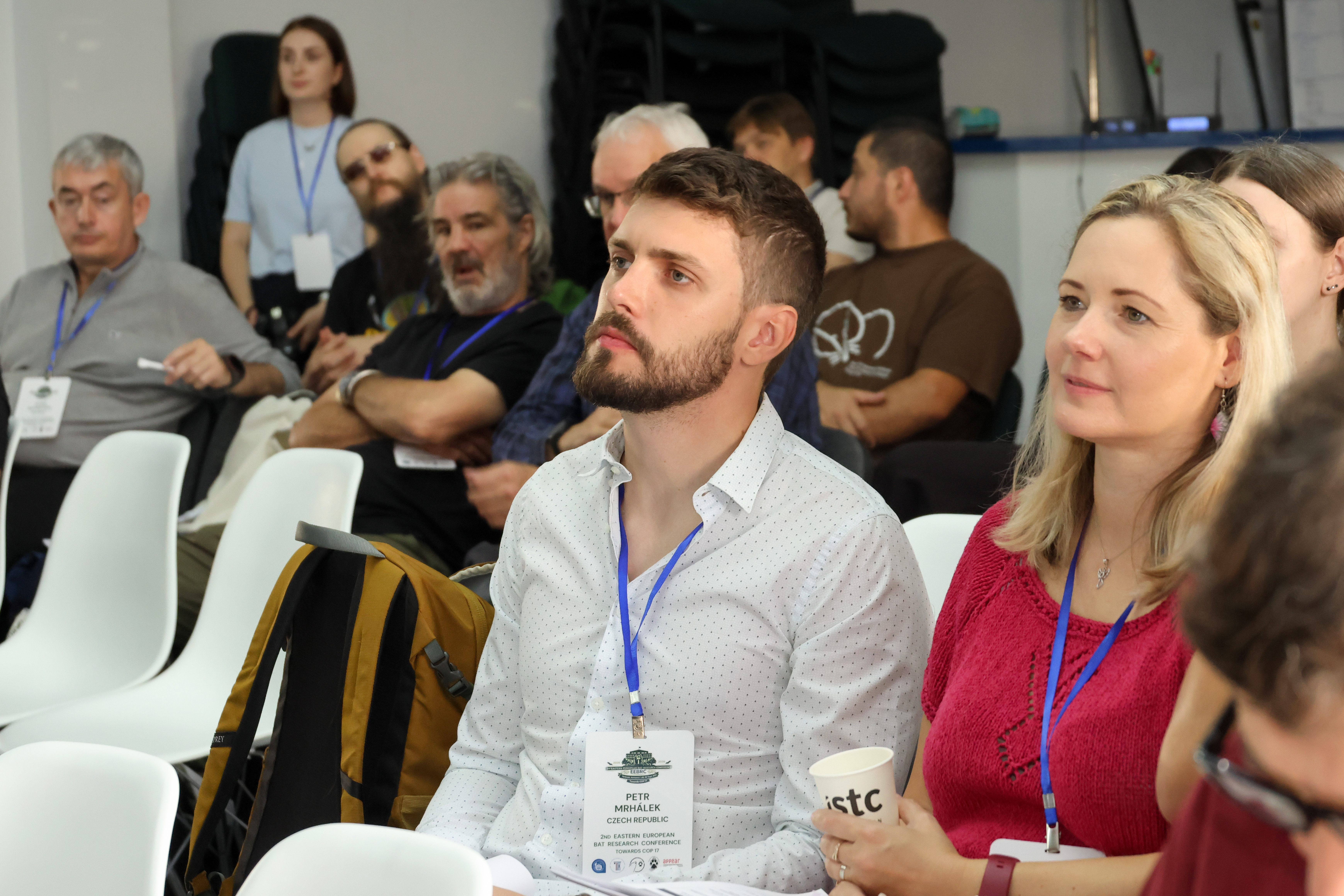
Representatives from 15 countries are participating in this year's conference. According to the organizers, the involvement of young researchers is another notable feature of the event. Students from the Czech Republic, Tajikistan, Uzbekistan and other countries have traveled to Armenia to expand their professional networks and learn from the experience of their colleagues.
"It is a major achievement for us that people are now finding the conference themselves and want to participate. I am very pleased that young people like these have come. They can share their research and experience with us, while we can try to connect them with people who may be able to help them in the future," Ghazaryan added.
Sergey Chakhmakhchyan, a representative of the National Center for Disease Control and Prevention of the Ministry of Health, noted that scientific cooperation and evidence-based decision-making are increasingly important today given the interconnection between environmental and public health issues.
Bats play an important role in ecosystems by regulating insect populations, contributing to pollination and dispersing seeds. At the same time, environmental changes and growing interaction between humans and wildlife have made research into bat ecology and population dynamics increasingly relevant.
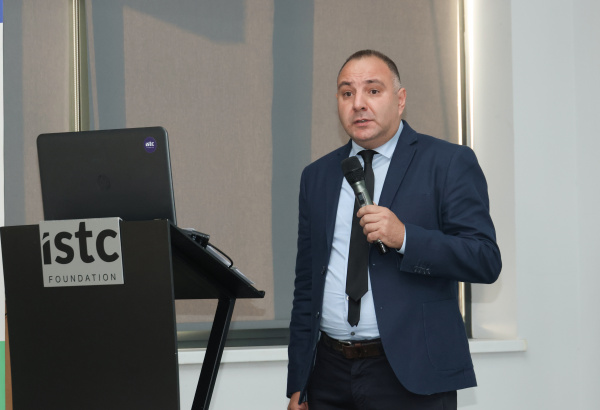
"Bat research is important not only for zoologists and conservationists, but also for specialists working in infectious diseases and epidemiological surveillance," Chakhmakhchyan said.
In this context, the One Health approach is particularly important, with the study of interactions among humans, animals and the environment regarded as an important component of public health protection.
The conference also addressed pathogen surveillance associated with bat populations, including research into viruses, mycobacteria and parasites. Vector-borne diseases and interactions among bats, their parasites and pathogens are also being discussed.
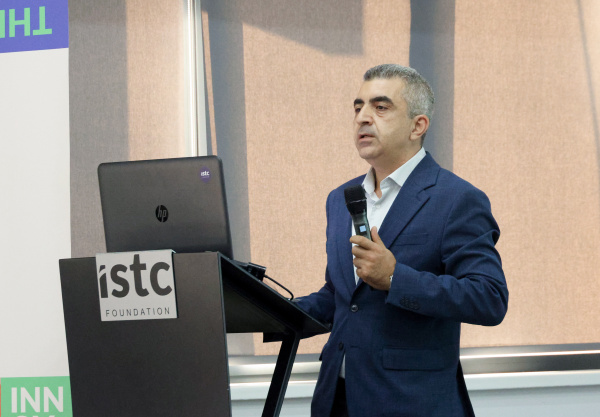
According to Sevak Baloyan, WWF's representative in Armenia, scientific research is one of the key foundations of nature conservation, while the use of scientific data makes it possible to manage habitats more effectively and develop conservation policies.
"The conference also provides an opportunity to strengthen cooperation among scientists, environmental organizations, state institutions and specially protected areas, and to translate theoretical knowledge into practical conservation measures," Baloyan emphasized.
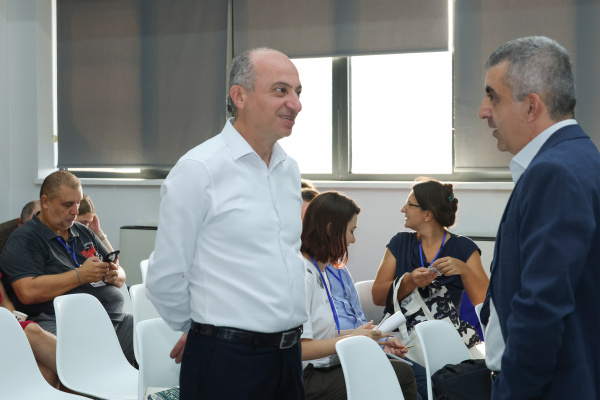
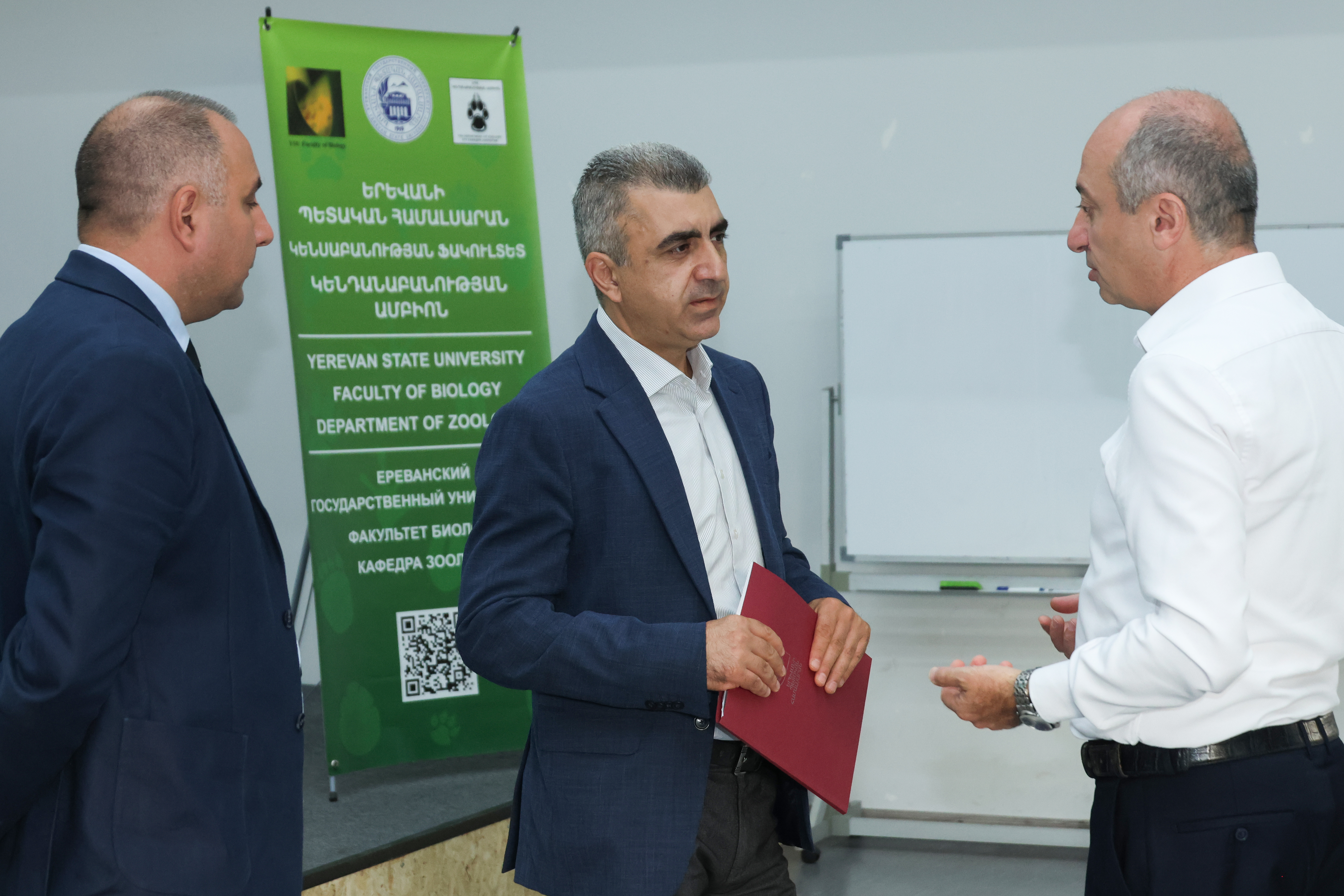
Karen Ghazaryan, Dean of the YSU Faculty of Biology, emphasized the importance of hosting scientists from Eastern Europe who specialize in bat research in Armenia.
He highlighted the university's long-standing scientific and research traditions, particularly those of the Faculty of Biology, highlighting that the conference can facilitate new collaborations and research projects.
Particular emphasis was also placed on the importance of student involvement in expanding opportunities for exchanges and joint research.
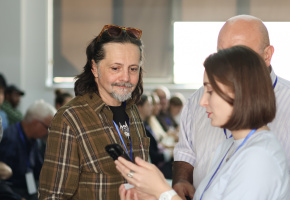
Peter Lina, a member of the organizing team and scientific committee of the first conference, is also participating in this year's event. He noted that he has been attending national and international conferences for around 50 years.
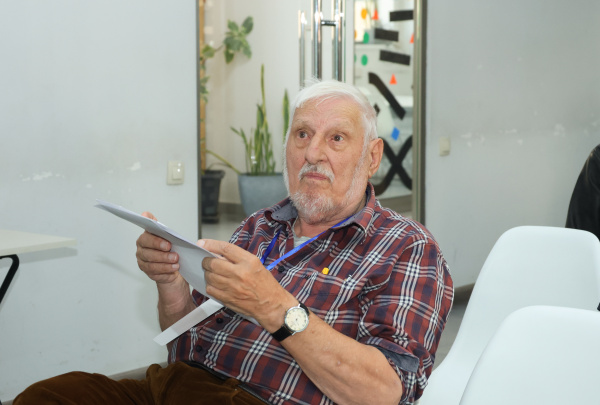
According to Lina, bat research has developed rapidly in recent years, particularly in Eastern Europe.
"Today, we need to move beyond notions of an East-West divide and view the scientific community as a single space in which scientists can cooperate freely and exchange knowledge," he said.
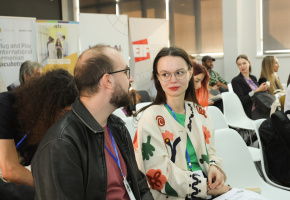
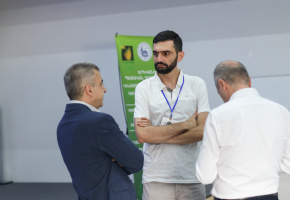
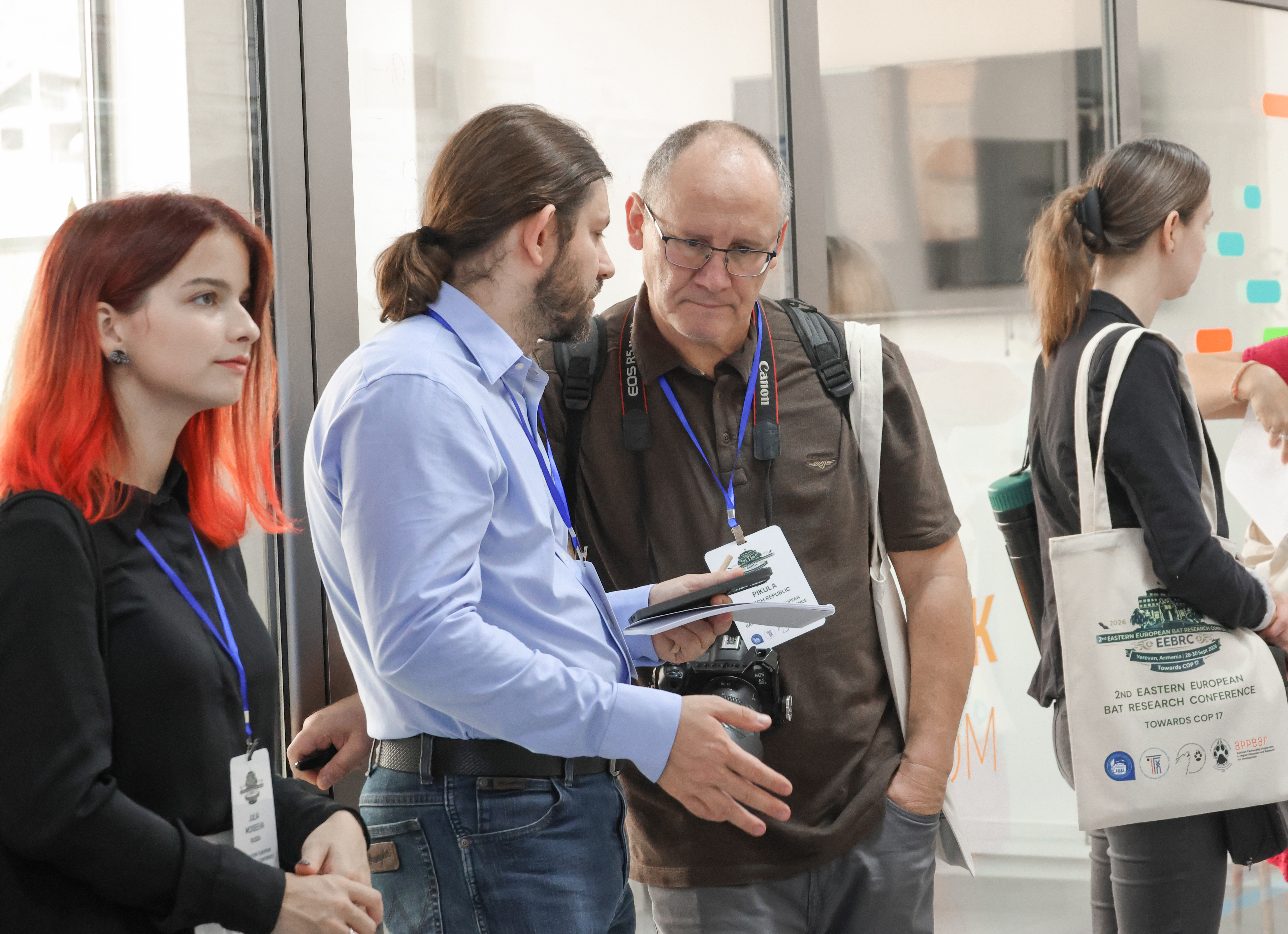
Lina also highlighted the role of informal interaction at conferences, noting that new scientific connections and ideas also emerge through direct communication.
The conference will continue through September 30.