September 29, 2026 | 15:01
Conferences
Education
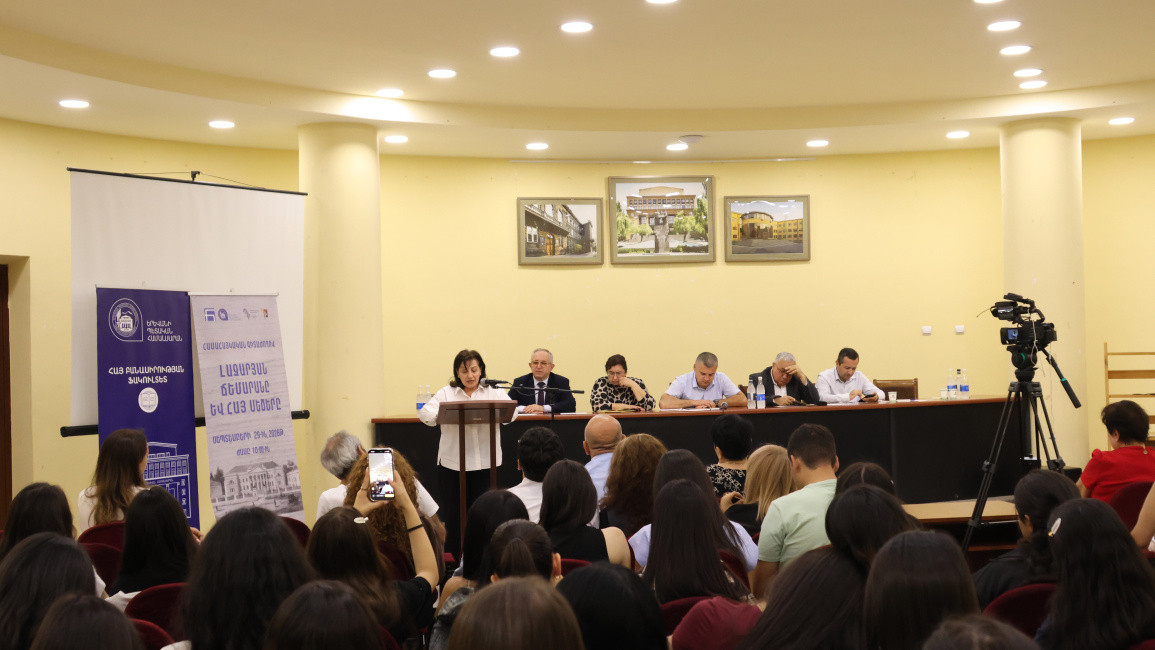
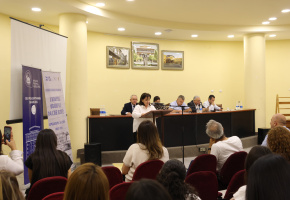
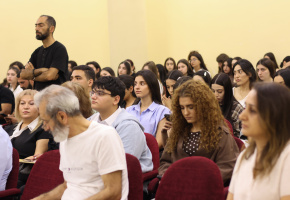
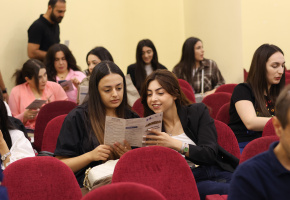
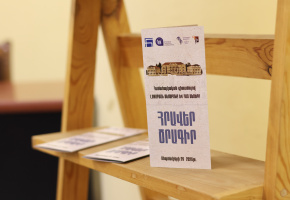
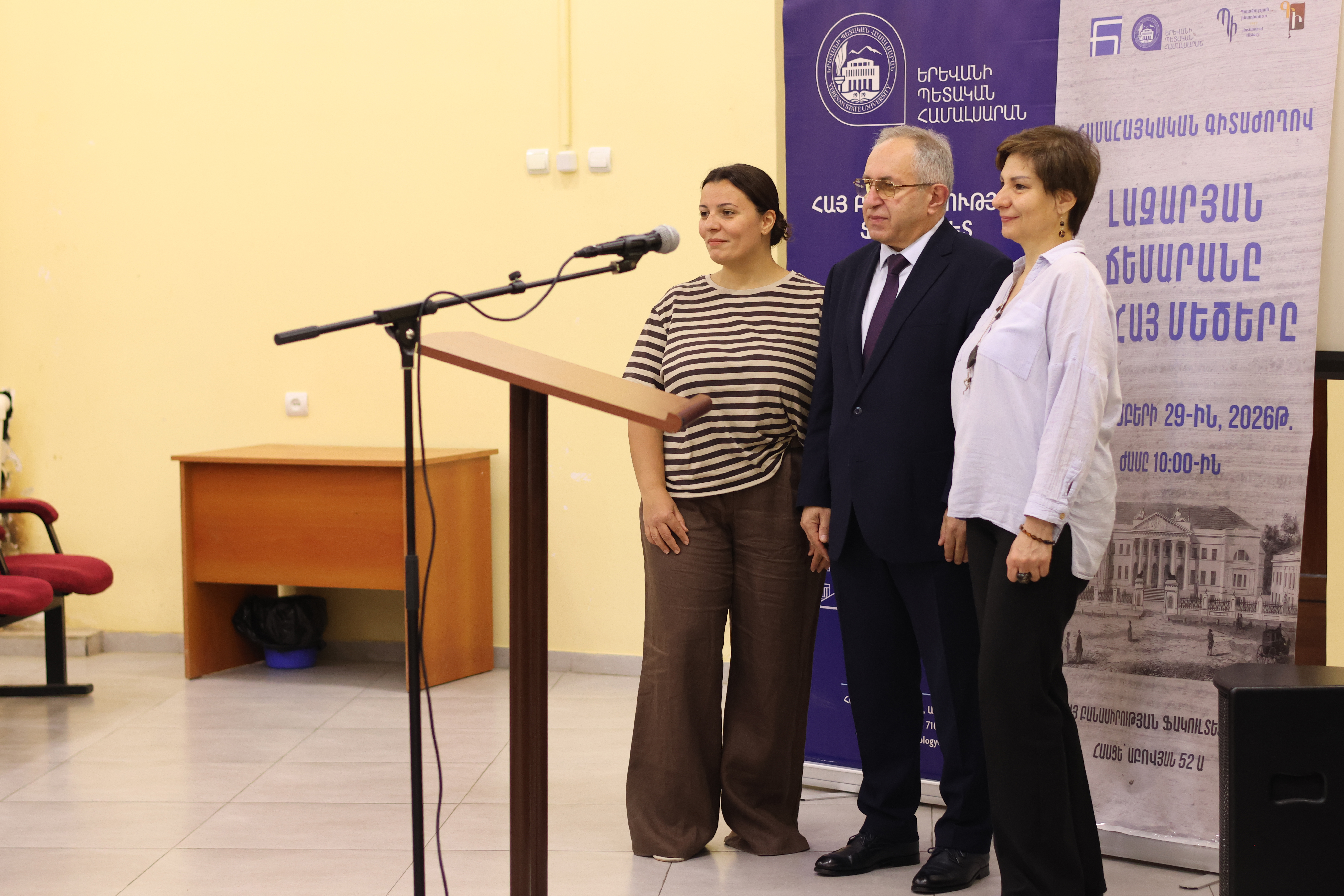
Organized at the initiative of the Hamazkayin Armenian Educational and Cultural Society Armenia Office, in cooperation with the YSU Faculty of Armenian Philology, the Institute of History of the National Academy of Sciences of the Republic of Armenia and the M. Abeghyan Institute of Literature, the conference focused on examining and assessing the multifaceted activities of the Lazarev Institute as a major center of Armenian and Oriental studies and an important educational and scholarly institution. The program featured a wide range of substantive presentations and active professional discussions.
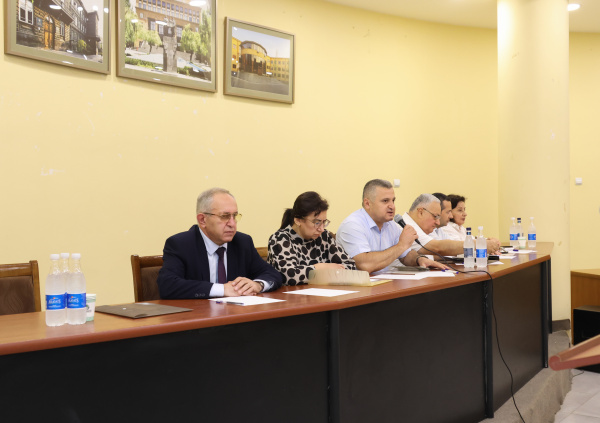
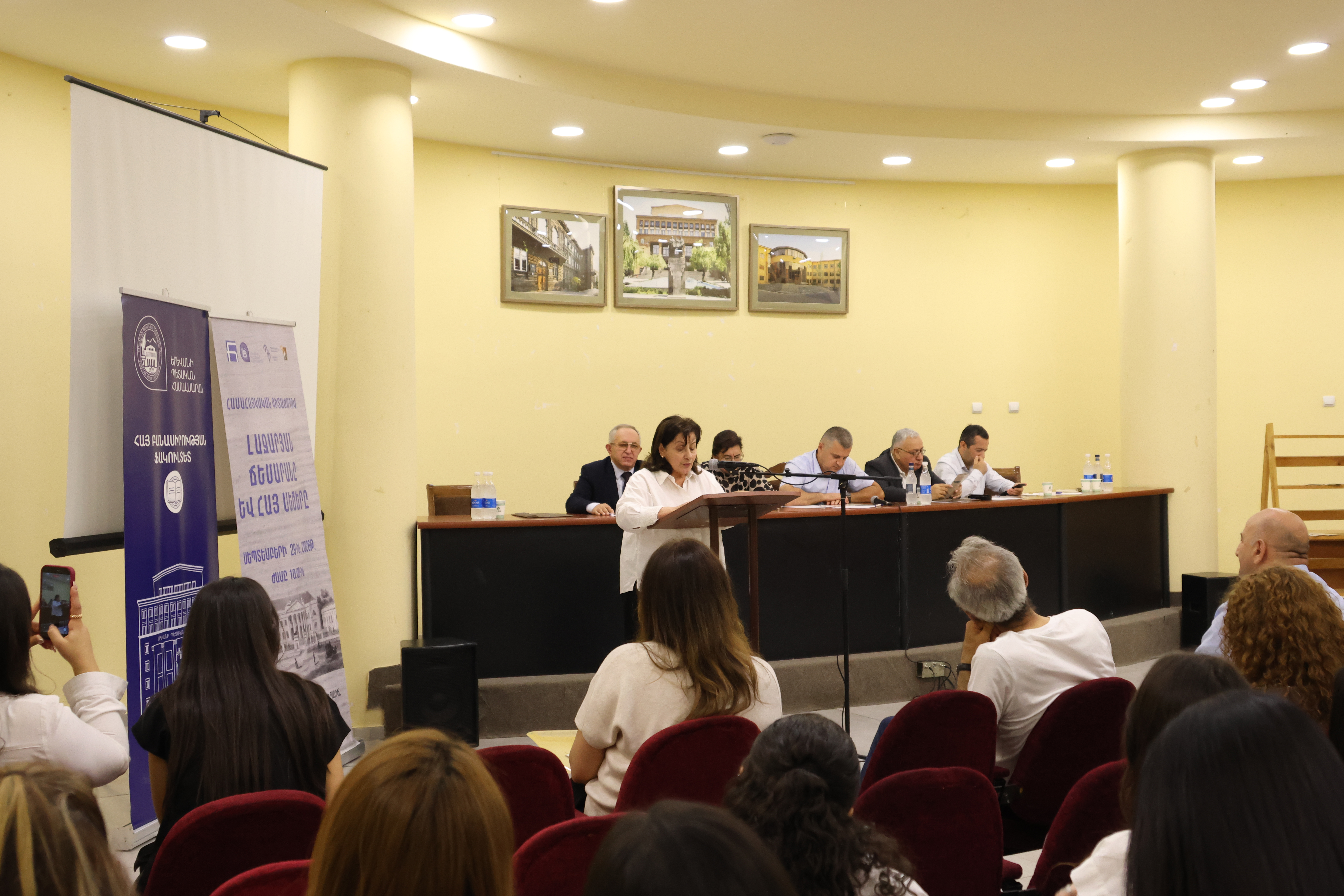
Arshaluys Galstyan, Dean of the YSU Faculty of Armenian Philology, emphasized that the more than 200-year history of the Lazarev Institute reflects an exceptionally valuable institution with a clear mission, and that it is difficult to find an educational institution outside Armenia that has had a comparable long-term impact. She noted that the biographies of many prominent intellectuals and writers, including Vahan Teryan, Hovhannes Hovhannisyan, Gevorg Dodokhyan, Smbat Shahaziz, Rafayel Patkanyan and others, are directly connected with the institute.
"Many renowned intellectuals taught there, and it is difficult to find educational institutions outside Armenia that have had such a long and valuable history of activity," Arshaluys Galstyan said.
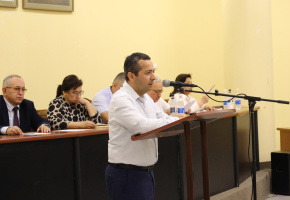
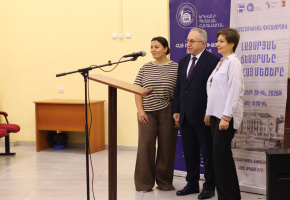
Representatives of the conference's co-organizing institutions also delivered welcoming remarks, including Hamo Sukiasyan, Director of the Institute of History of the National Academy of Sciences of the Republic of Armenia; Heriknaz Vorskanyan, Director of the M. Abeghyan Institute of Literature; Artashes Shahbazyan, a member of the Central Board of the Hamazkayin Armenian Educational and Cultural Society; Ruzan Arakelyan, Director of the Society's Armenia Office; and Artur Paytyan, Head of the Moscow Office. In their remarks, the speakers emphasized the Lazarev Institute's role in the internationalization of Armenian studies, the development of the Oriental studies school, and the education of generations of Armenian intellectuals in the 19th and 20th centuries.
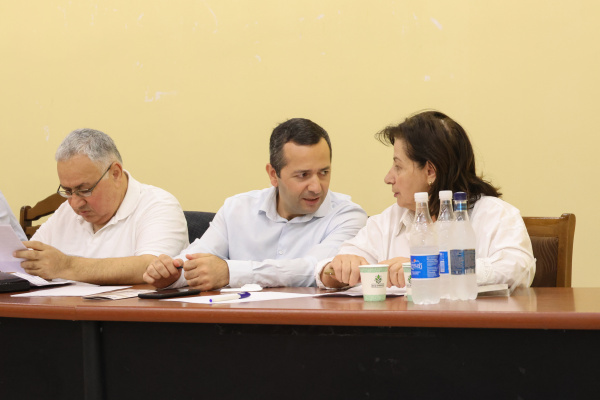
"The literary and scholarly legacy left by the institute is rich and multifaceted. If the center of Armenian studies was outside Armenia in the 19th century, today Armenia itself is the center, and our task is to develop Armenian studies in Armenia while maintaining ties with existing centers abroad and establishing new ones," Hamo Sukiasyan emphasized.
The conference then presented scholarly discoveries, bringing together in-depth and multifaceted historical, philological and cultural studies. Speakers addressed the founding of the institute and highlighted its unique mission in bringing together the Armenian community, preserving national identity and fostering spiritual and cultural revival. Particular attention was paid to the invaluable literary, scholarly and journalistic legacy of the institute's distinguished graduates and their achievements in the development of Armenian and Oriental studies.
The program was notable for its rich content and thematic diversity. Researchers presented papers examining various aspects of the institute's activities, including the Lazarevs as continuers of the Mkhitarist tradition; the contributions of Smbat Shahaziz as a Lazarev Institute alumnus; the work of the institute's literary trio, Vahan Teryan, Poghos Makintsyan and Tsolak Khanzadyan; the correspondence and epistolary legacy of Mkrtich Emin and other figures; and Mikayel Nalbandyan's literary and social thought and ideas of freedom, among other topics.
Great Armenian figures at Lazarev Institute
The conference highlighted the prominent figures who shaped the history of the institute. Over the years, the Lazarev Institute served as both a gathering place and an educational institution for the Armenian intellectual community, where some of the most notable figures in Armenian history and major figures of literature and poetry studied, taught or worked. Vahan Teryan, Hovhannes Hovhannisyan, Smbat Shahaziz, Rafayel Patkanyan, Gevorg Dodokhyan and others received their education there and took their first steps toward intellectual achievement.
The institute was also the workplace of the distinguished Armenologist, historian and philologist Mkrtich Emin, whose efforts led to the publication of exceptional primary sources on Armenian historiography and valuable scholarly studies.
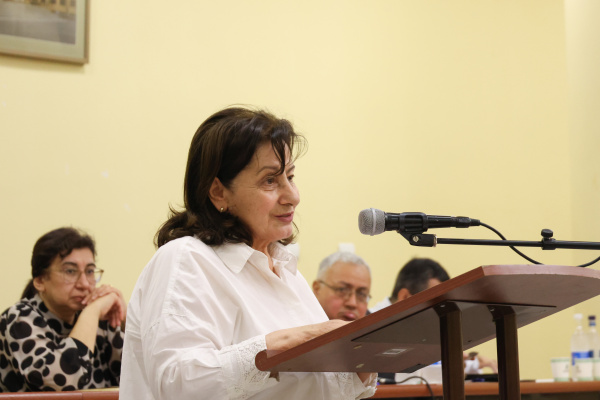
"This initiative aims to once again highlight the significance of the Lazarev Institute in the course of Armenian history. The Lazarev Institute played an indispensable role not only in shaping the educational system, but also in preserving and disseminating national values. Over time, the institute became one of the most influential cultural and scholarly centers of the Eastern Armenian world. When examining the historical significance of this educational institution in the context of its time, we must also recognize that it was unique in the region as a stronghold of national identity, language and culture for Armenians," Ruzan Arakelyan noted.
It is noteworthy that the institute also had a broad international reach. Over the years, students from other nationalities studied there, learning Oriental languages, history and culture and becoming experienced specialists in Oriental studies.
Thus, reassessing the invaluable legacy of the Lazarev Institute is not only a tribute to our history and its great figures, but also a meaningful bridge between the rich traditions of the past and new educational and cultural horizons for the future.