October 19, 2026 | 14:00
Education
International cooperation
Student
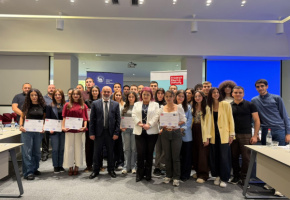
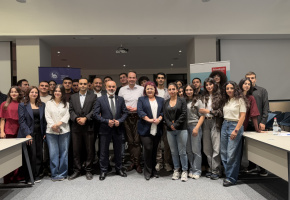
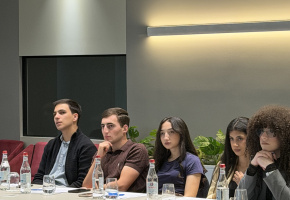
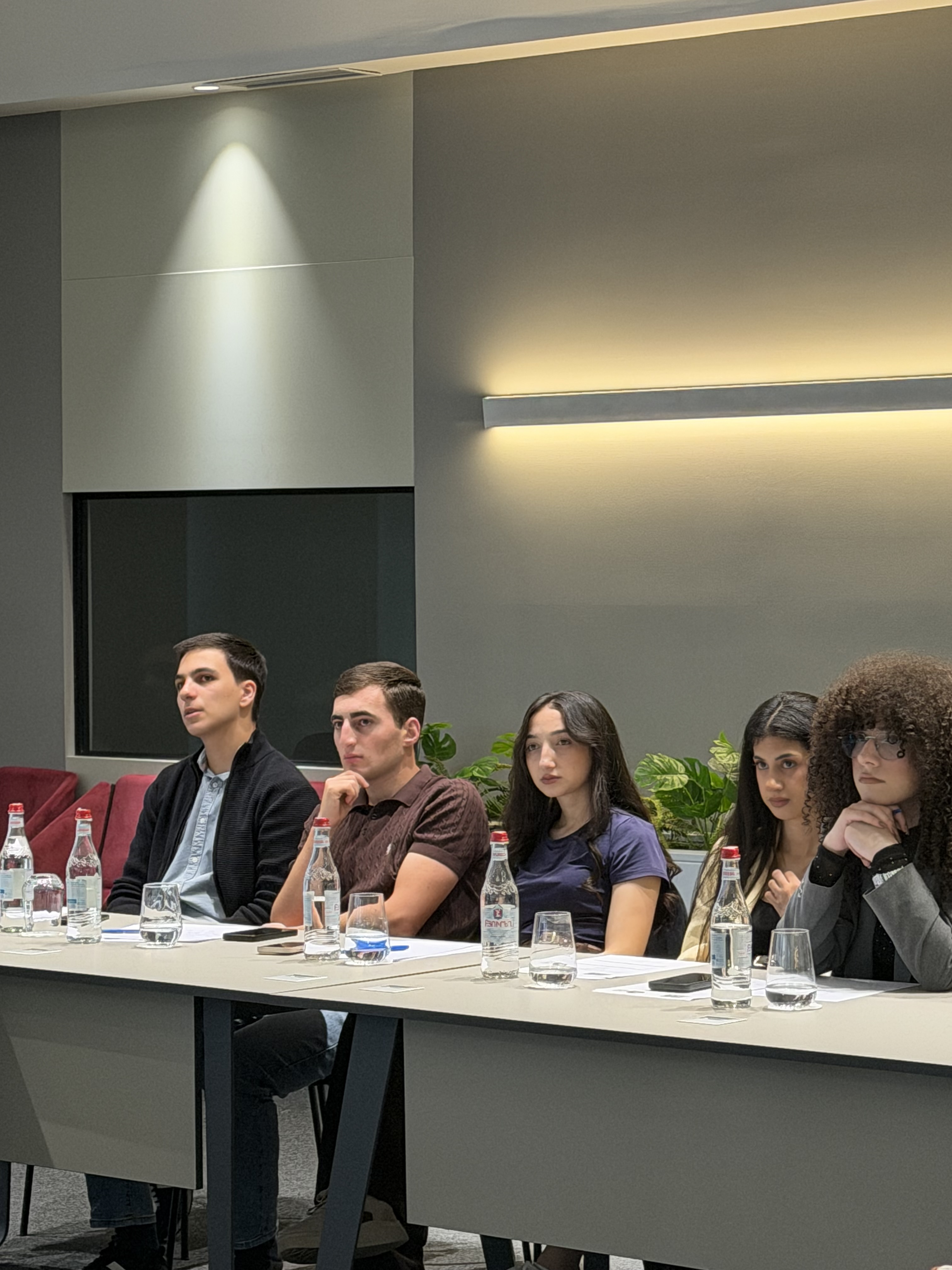
This year's four-stage school "Core Principles Guiding the EU's Policy Framework and Decision-Making" brought together participants from Yerevan State University, represented by seven faculties, Brusov State University, the National University of Architecture and Construction of Armenia, the American University of Armenia, Khachatur Abovian Armenian State Pedagogical University, Gladzor University, Shirak State University and Russian-Armenian University, as well as the National Archives of Armenia.
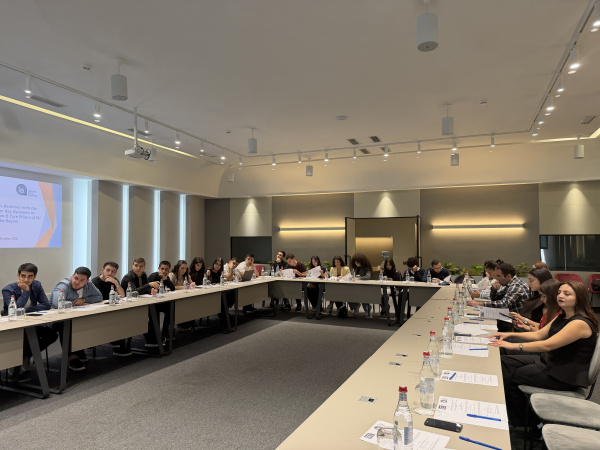
Throughout the four stages, speakers included prominent Armenian scholars and experts in military affairs, politics, international relations, law, economics and security, as well as representatives of the Central Bank of Armenia and the ministries of Foreign Affairs and International Trade, Internal Affairs, Defense, and Education, Science, Culture and Sport.
The program was designed to equip students with the knowledge and analytical skills needed to study EU-Armenia and EU-South Caucasus relations, European politics and diplomacy, decision-making processes, European values, domestic and foreign policy issues, and the activities of various actors involved in regional and global political developments.
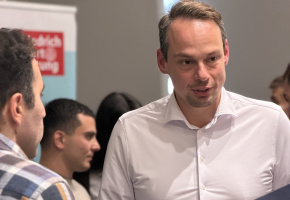
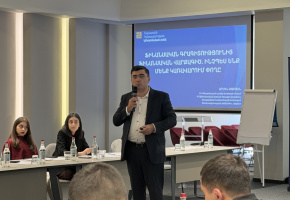
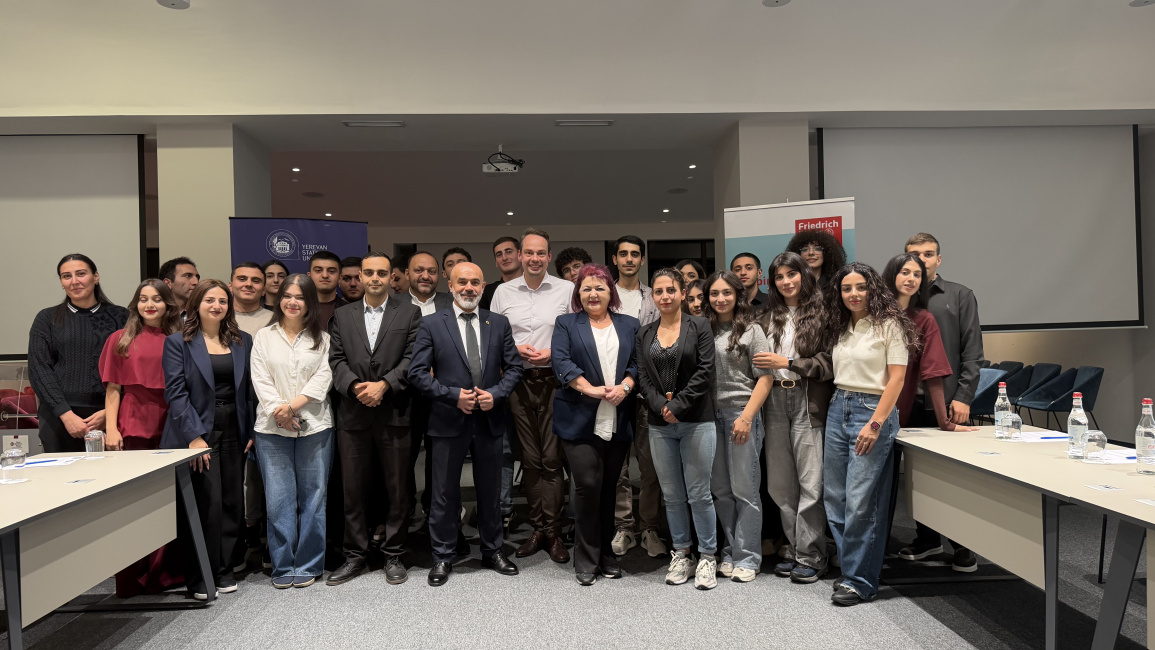
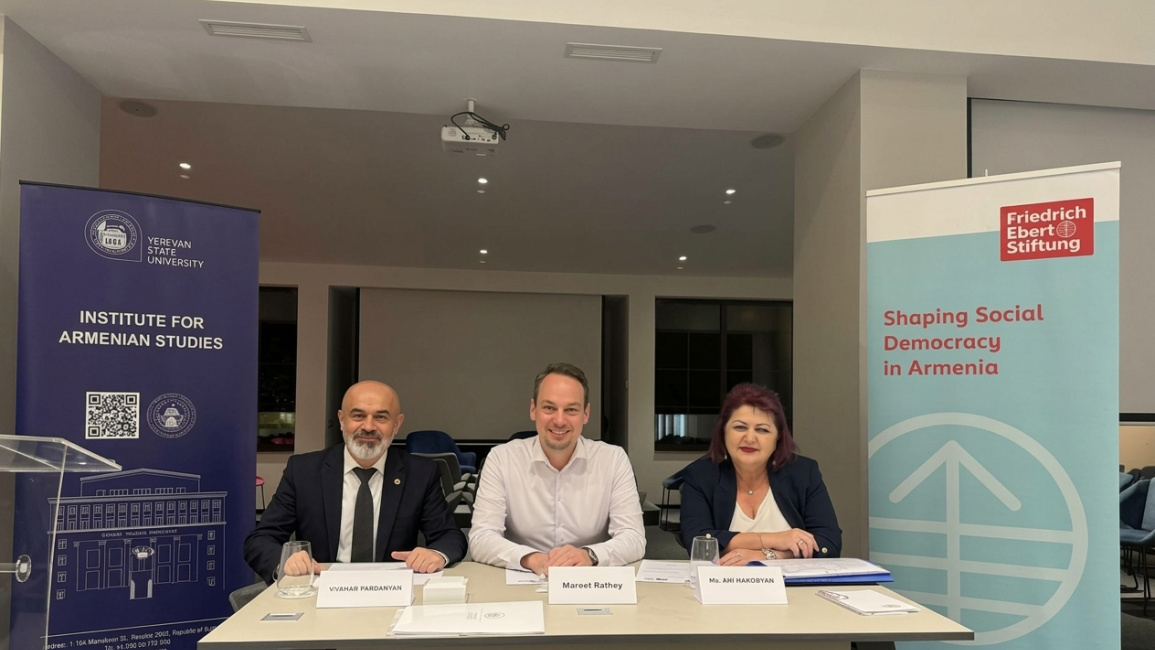
The opening ceremony of the school's autumn session was attended by Marcel Röthig, Director of FES South Caucasus; Naira Gevorgyan, Head of FES Armenia; and Vahram Petrosyan, Director of the YSU Institute for Armenian Studies (IAS).
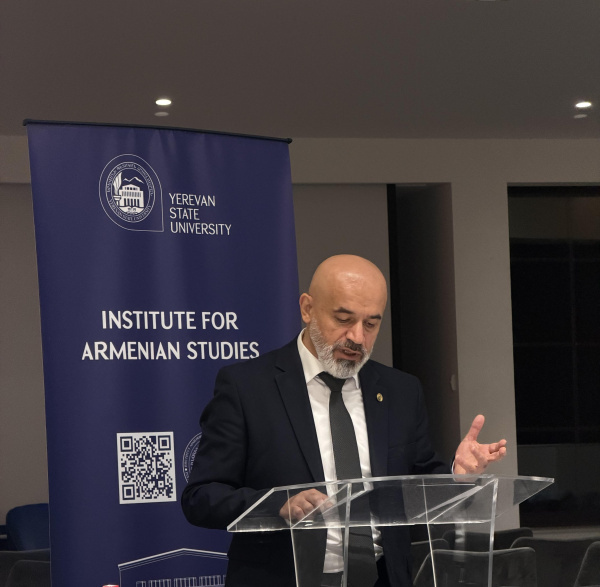
Petrosyan noted that the institute's work extends beyond studying and preserving historical and cultural heritage to examining Armenia's development prospects in light of global and regional developments. An important part of this work, he said, is helping students develop the professional and analytical skills to make informed contributions to public discussions and policymaking.
According to Petrosyan, the autumn school offers students an opportunity not only to learn about EU policy but also to develop independent thinking, research skills and professional connections. He encouraged participants to take an active part in lectures, workshops and discussions to make the most of the program.
"Dear students, the growth in your knowledge and analytical capabilities over the course of this initiative—a transformation moving visibly from a quantitative accumulation to a qualitative leap—is truly remarkable and evident to us all," Petrosyan said.
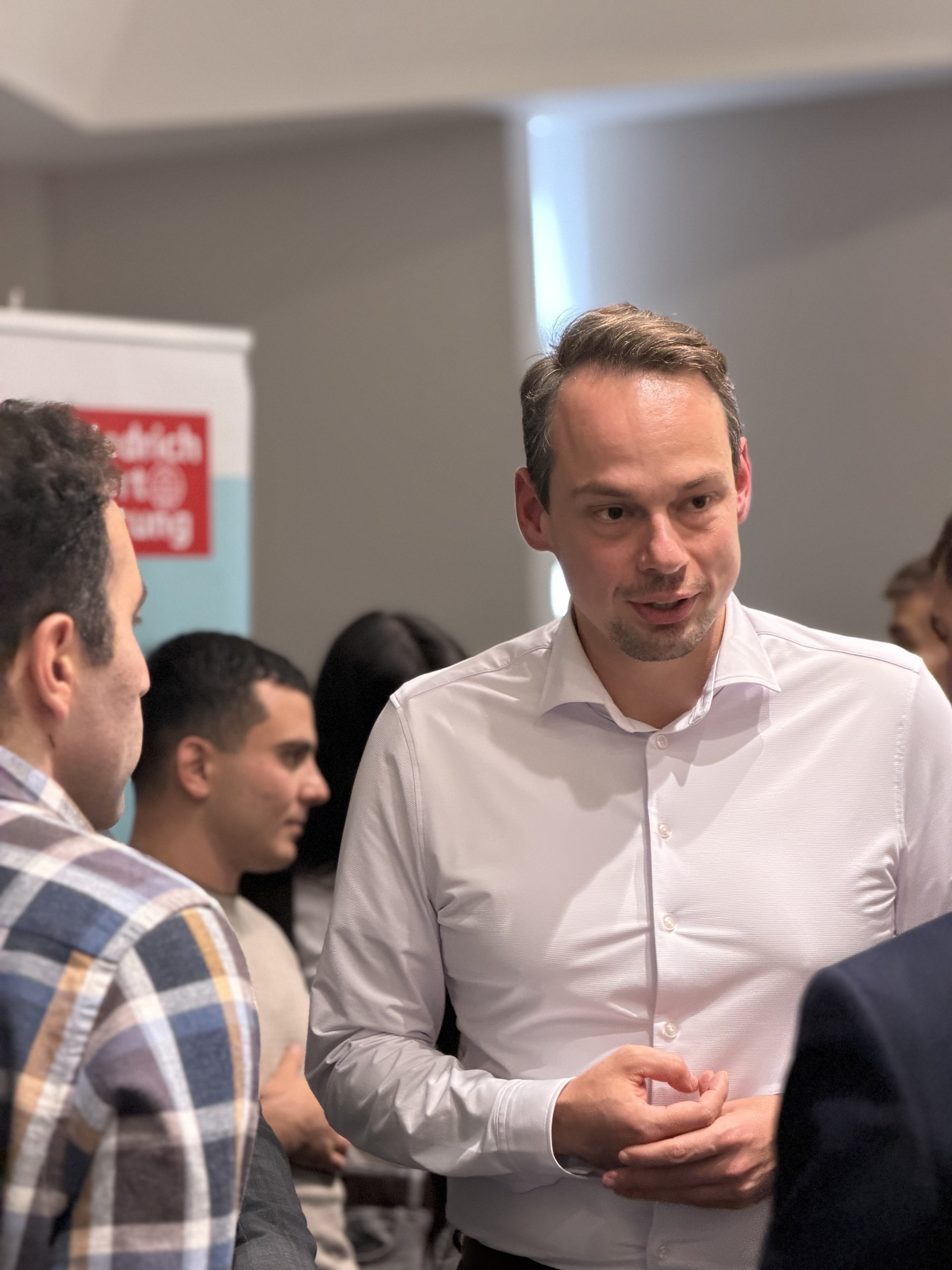
Marcel Röthig, FES Resident Representative for Armenia, Georgia and Azerbaijan, spoke about the foundation's history, activities and vision, paying particular attention to the EU's development, European values, EU policy in the region and the fundamental principles of decision-making.
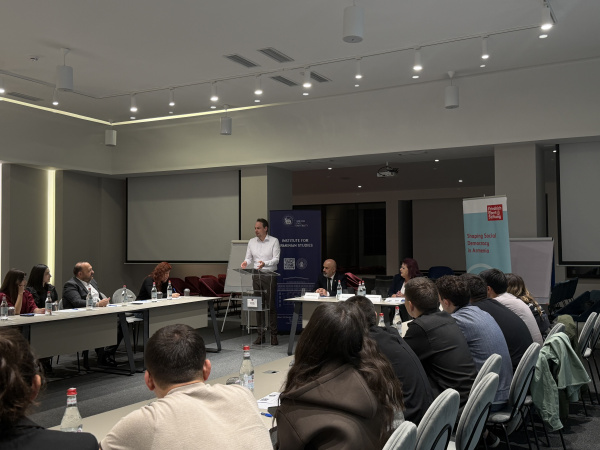
Röthig also stressed the importance of the foundation's long-standing cooperation with the Institute for Armenian Studies and educational initiatives of this kind. He said such programs bring together students from different academic backgrounds around shared ideas, allowing them to exchange knowledge and experience and explore new opportunities for cooperation.
Naira Gevorgyan, Head of FES Armenia, emphasized the importance of the program, now in its fourth consecutive year. She highlighted the program's contribution to young people's professional development, the promotion of analytical thinking and a deeper understanding of European political processes.
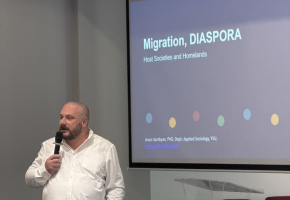
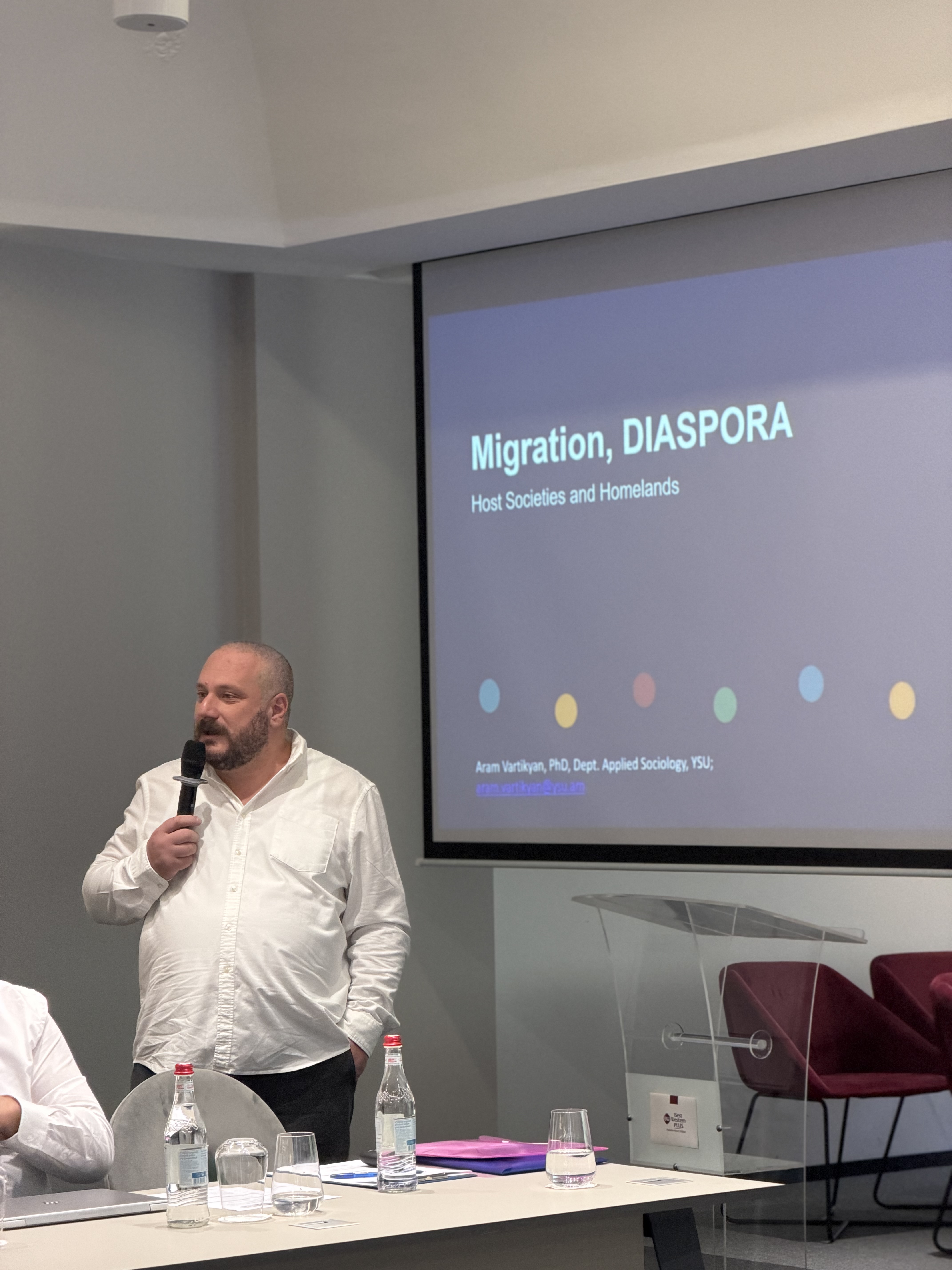
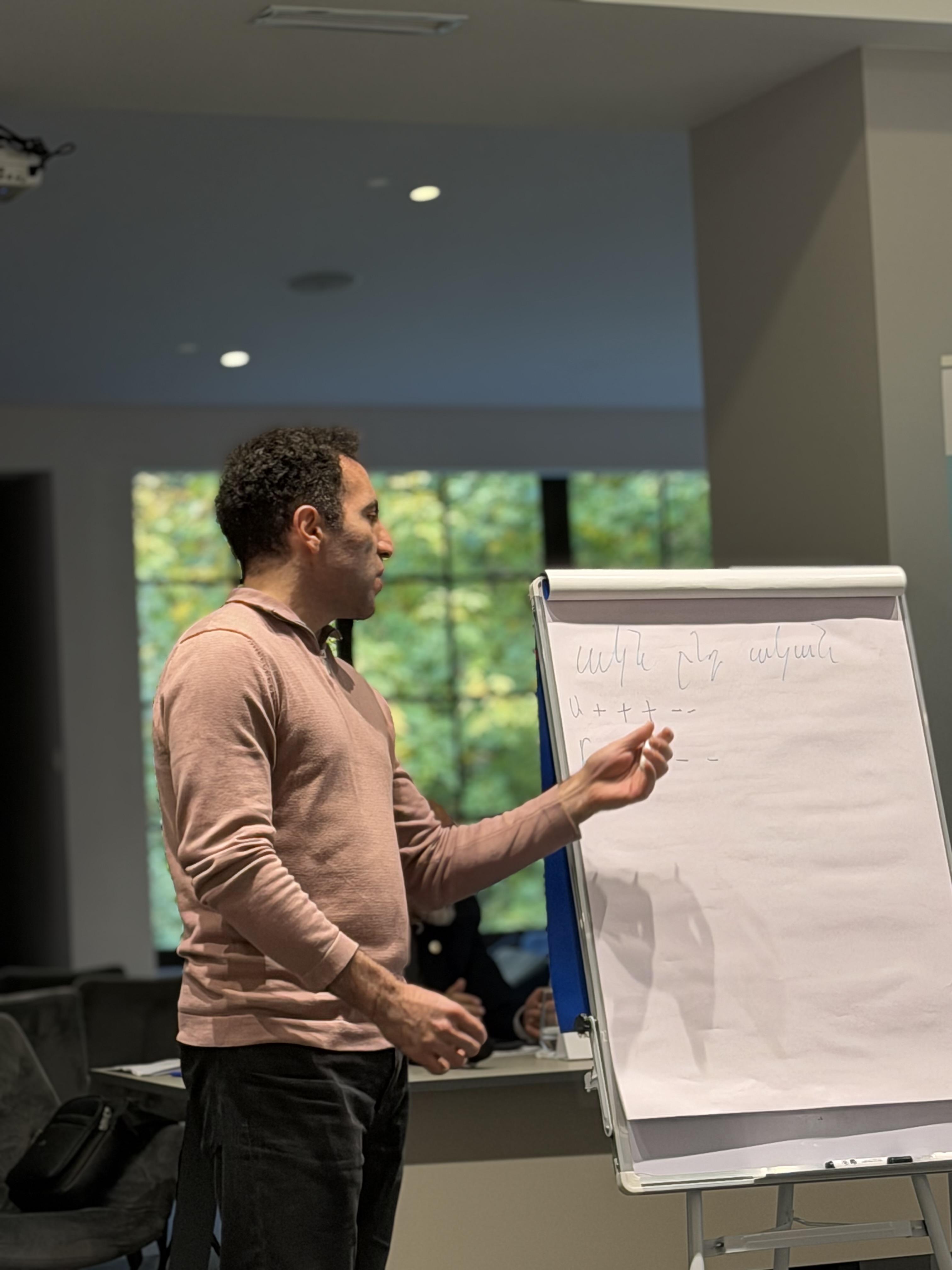
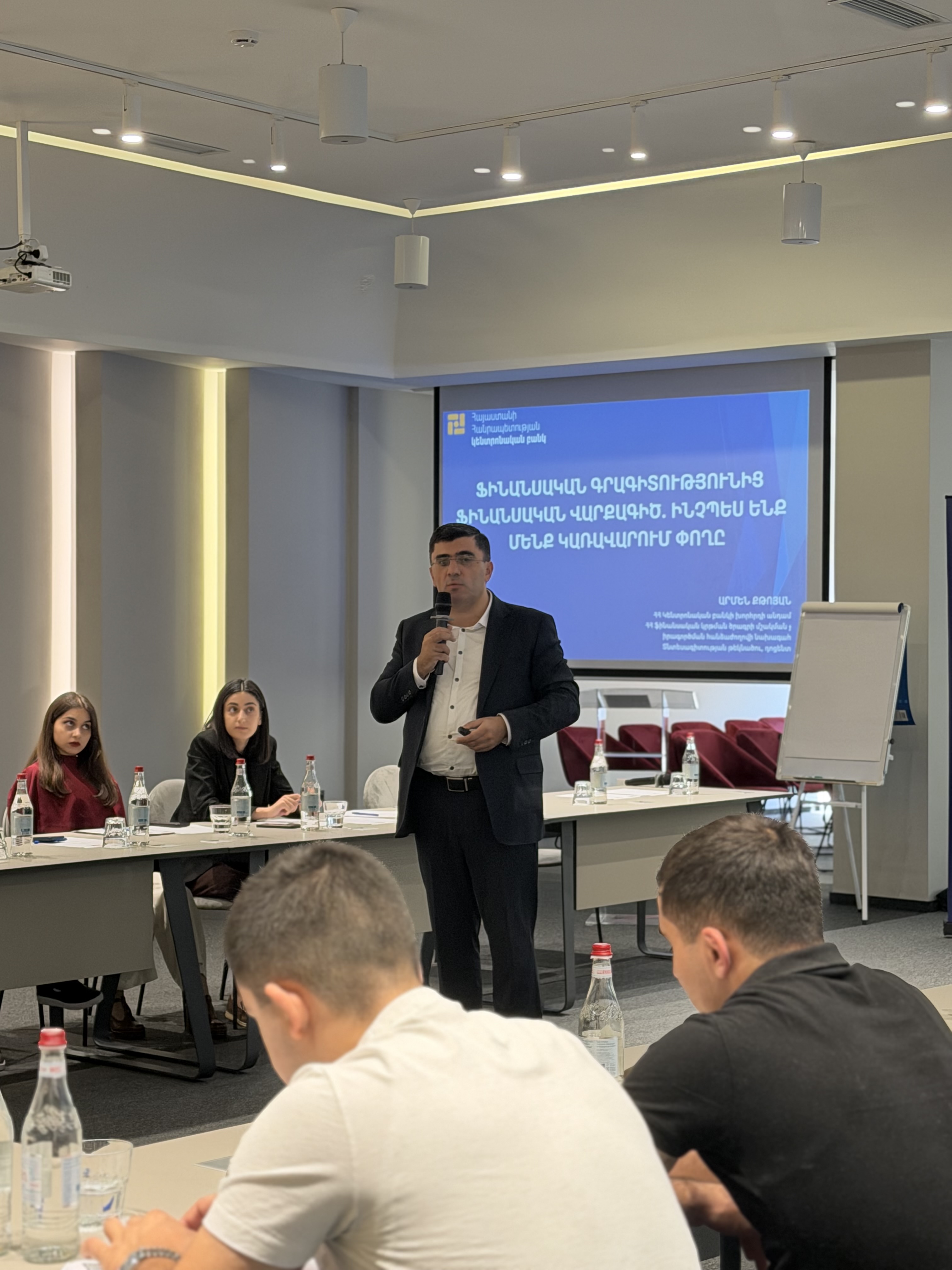
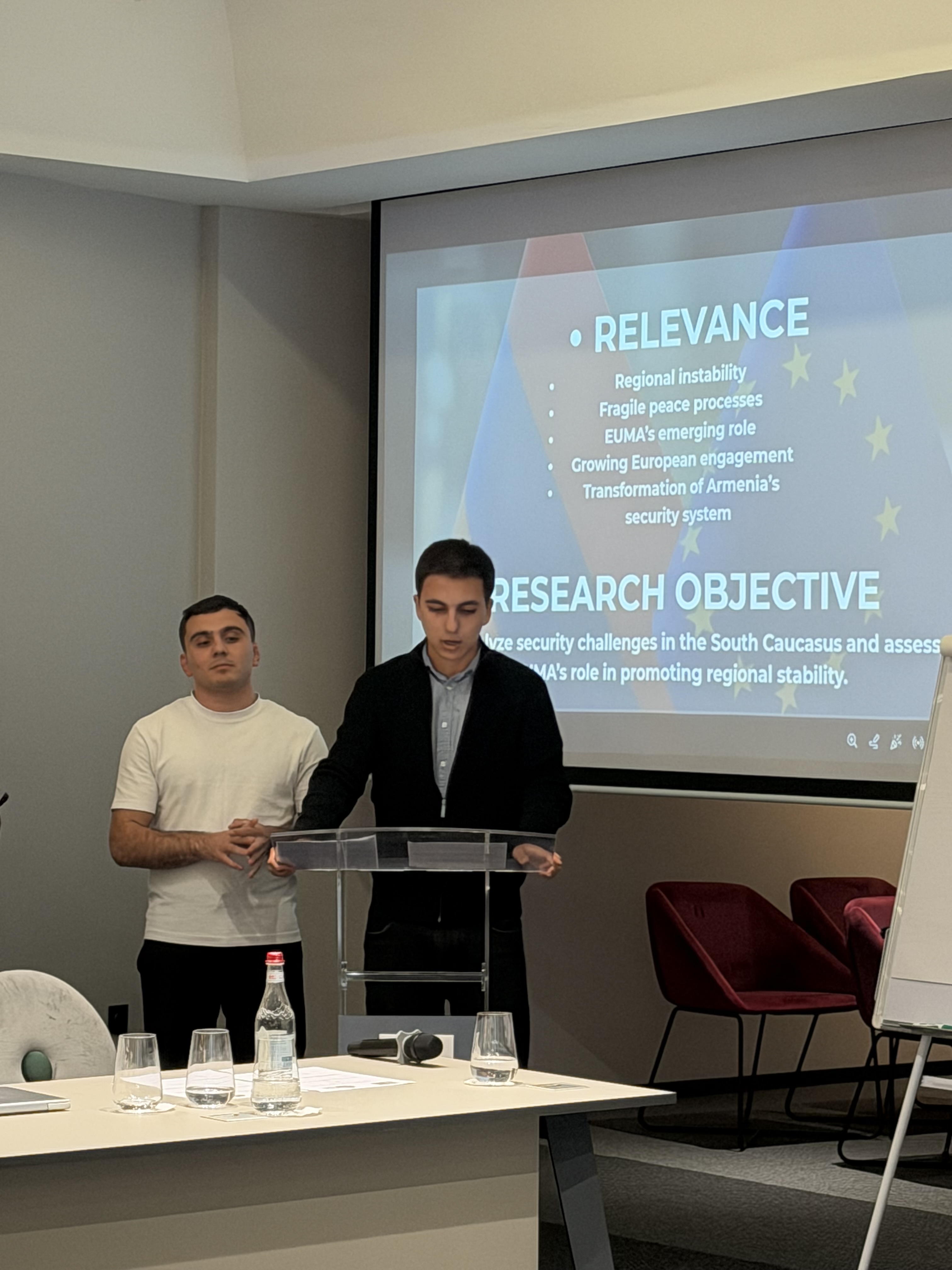
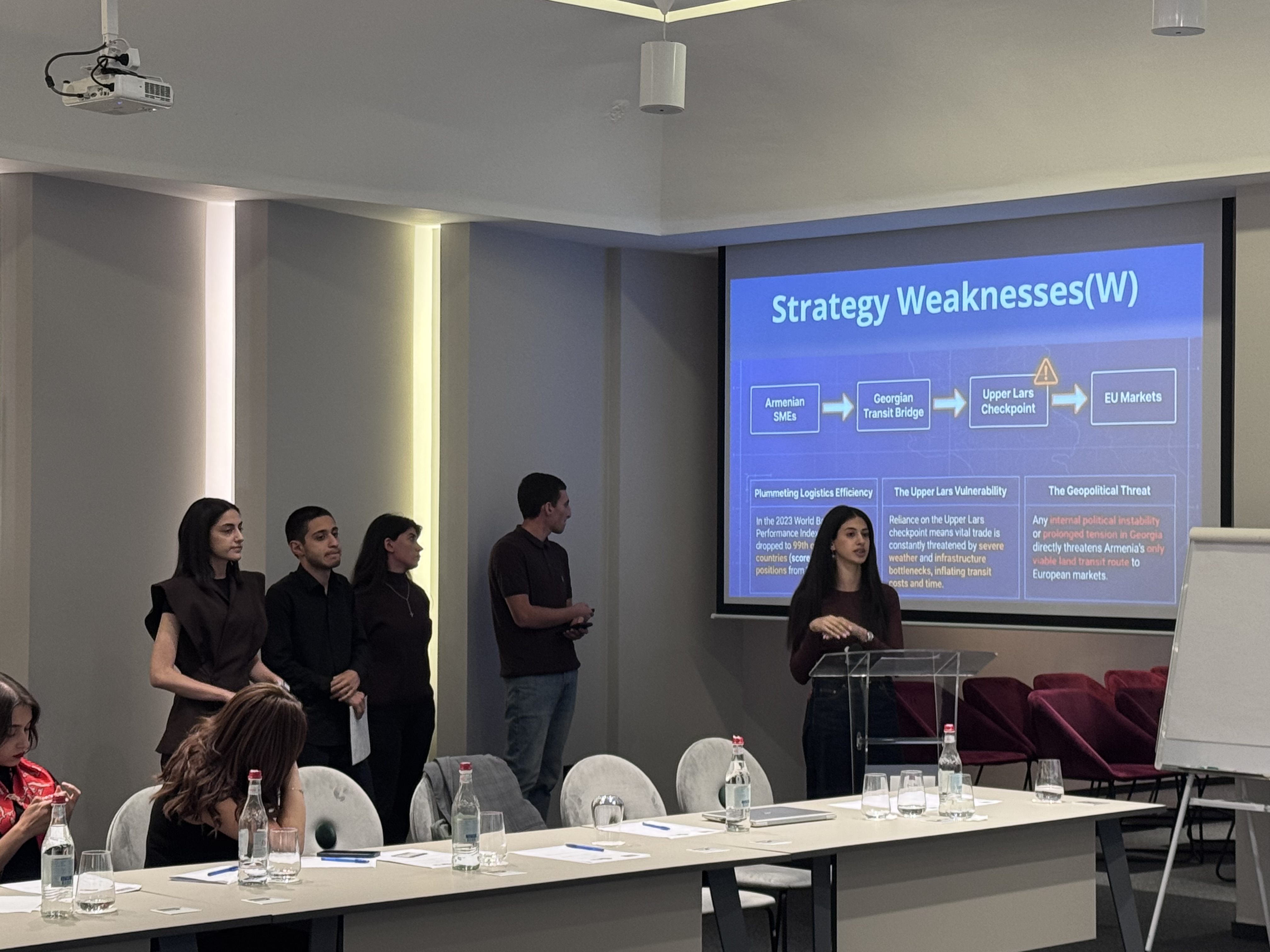
The program's final stage took place in Dilijan on October 9-11. Speakers included Roman Karapetyan, a lecturer at the Chair of International Relations and Diplomacy of the YSU Faculty of International Relations; Aram Vartikyan, a lecturer at the Chair of Applied Sociology of the YSU Faculty of Sociology; Mushegh Ghahriyan, Head of the Department of Strategic Research of Neighboring Countries of Armenia and Its Near Abroad at the Institute for Armenian Studies; and Armen Ktoyan, Board Member of the Central Bank of Armenia and Chair of the Financial Education Steering Committee.
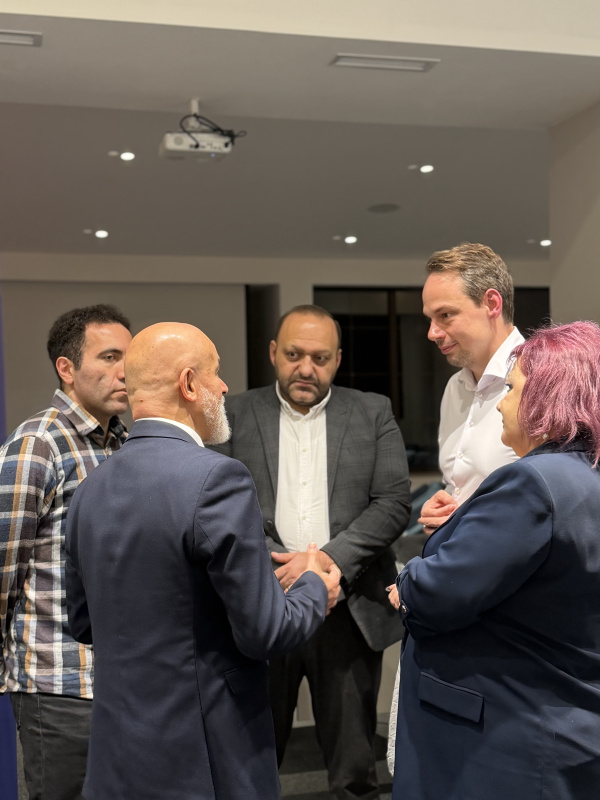
Presenting their research and analysis on the European Union, the speakers examined EU policies, governance mechanisms and decision-making processes, as well as opportunities to strengthen cooperation between Armenia and its European partners.
Their research addressed key issues concerning the EU's institutional structure, legislative procedures and fundamental principles of governance. Particular attention was paid to the EU's core values, including human dignity, democracy and the rule of law, and their role in the bloc's internal and external policies.
Discussions also covered the principles of solidarity and consensus-building, questions of balancing national sovereignty with supranational integration, and the importance of political dialogue and compromise in decision-making.
Participants also explored how the EU promotes its values and regulatory standards in international relations and responds to economic, political and security challenges. Another important focus of discussion was the EU's strategic autonomy and normative power.
Against the backdrop of regional and global developments, studying EU institutions, policies and decision-making mechanisms is important for preparing future researchers, diplomats and public policy professionals. It helps them better understand how European governance works and the EU's role in international relations.
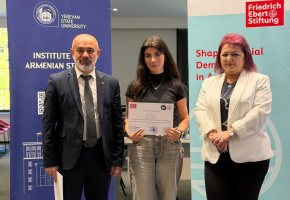
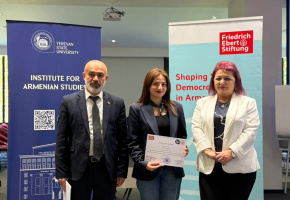
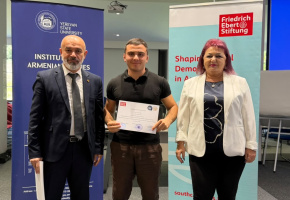
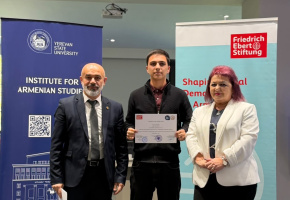
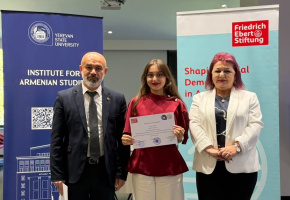
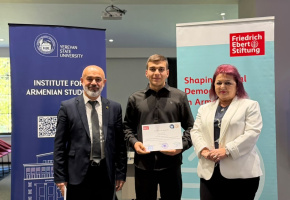
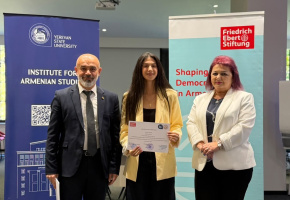
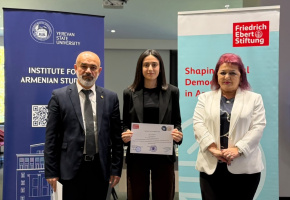
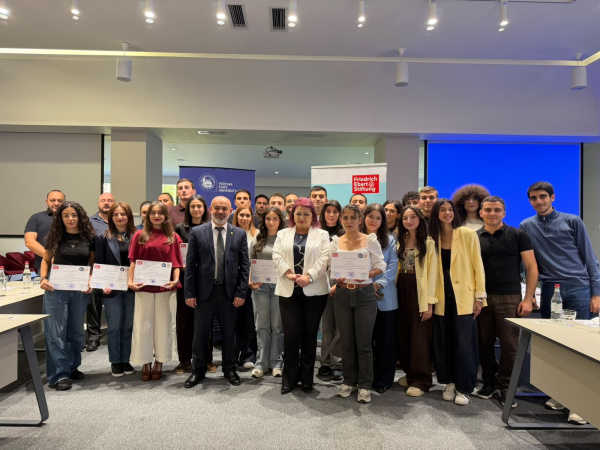
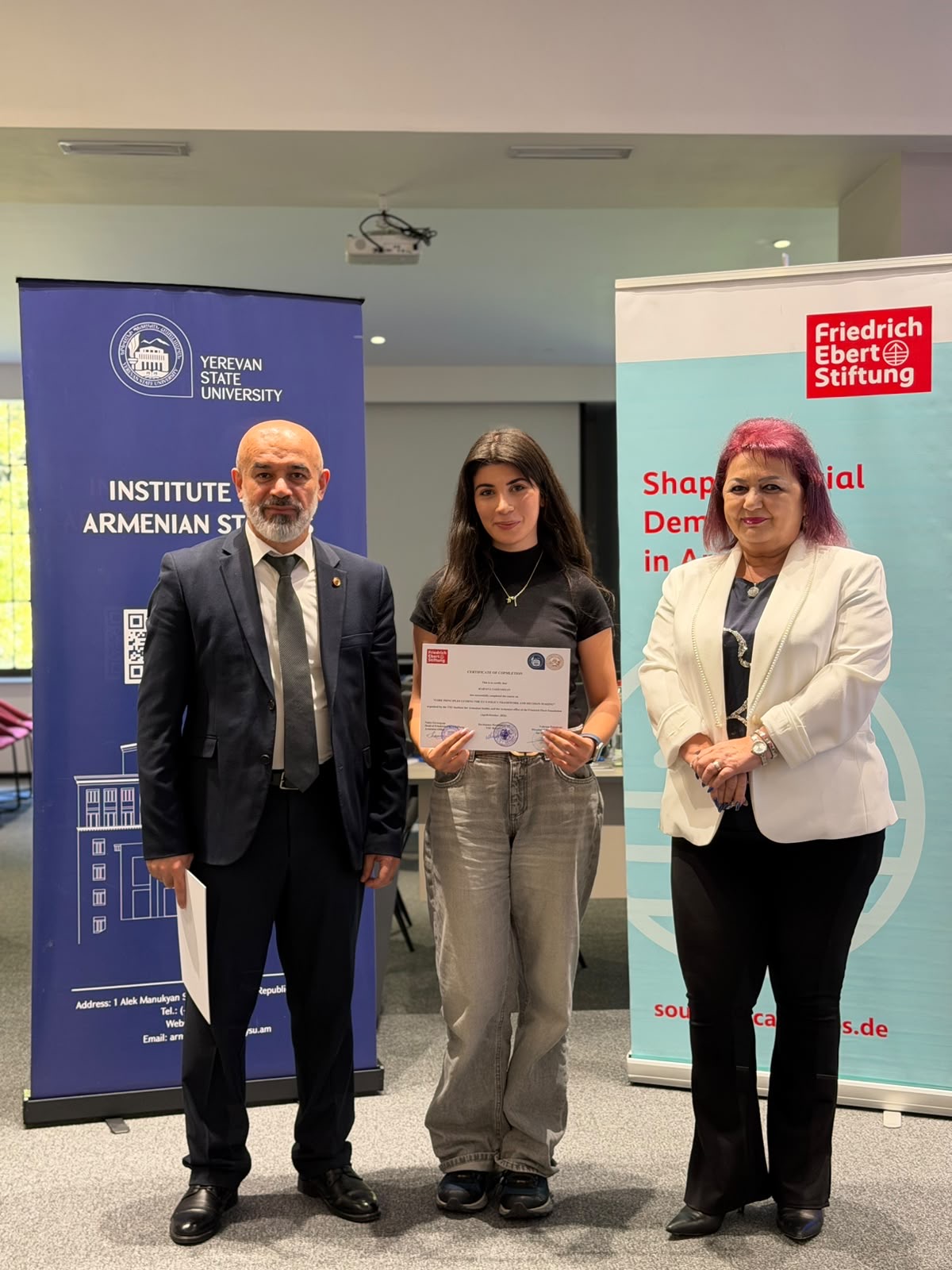
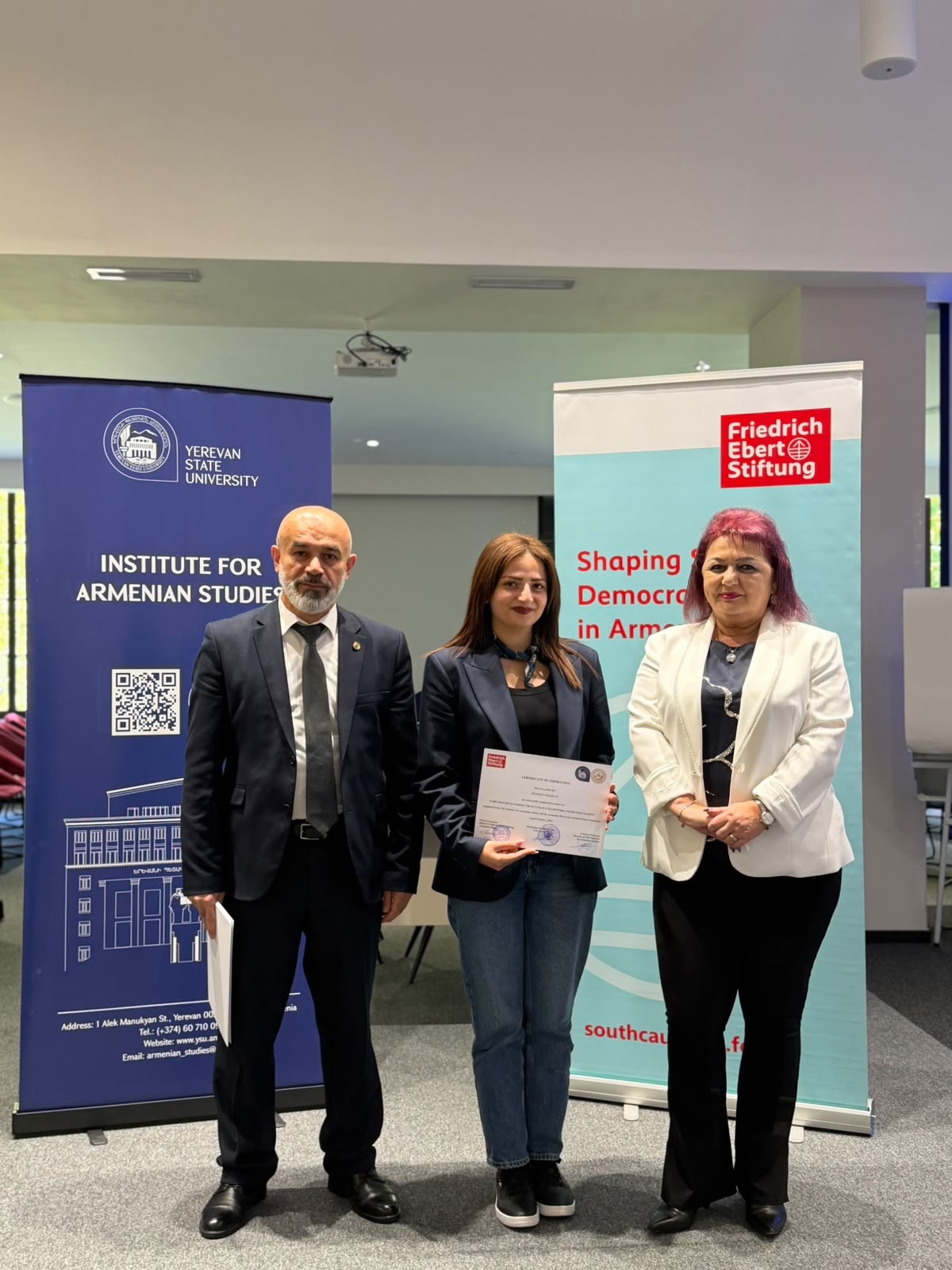
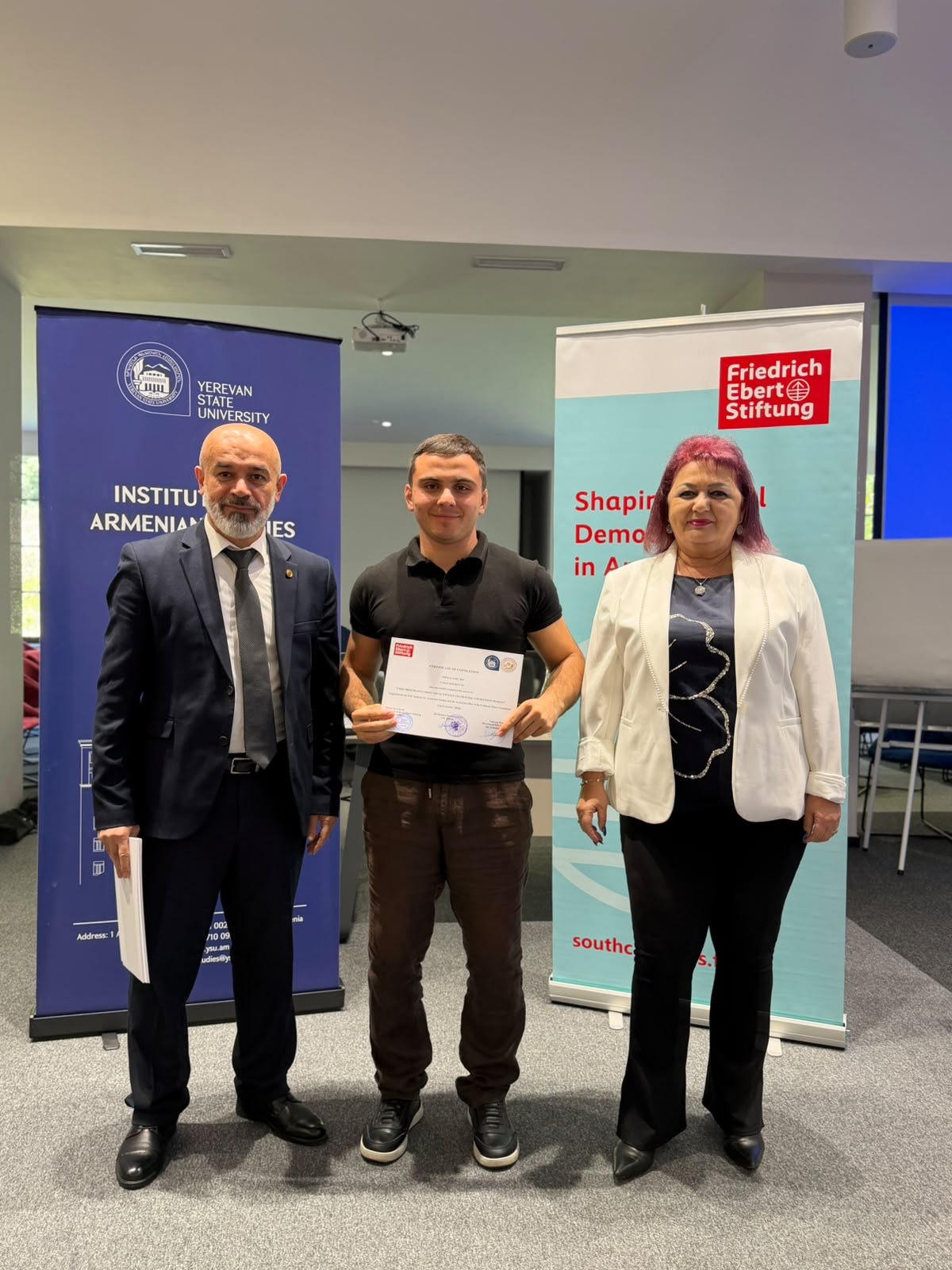
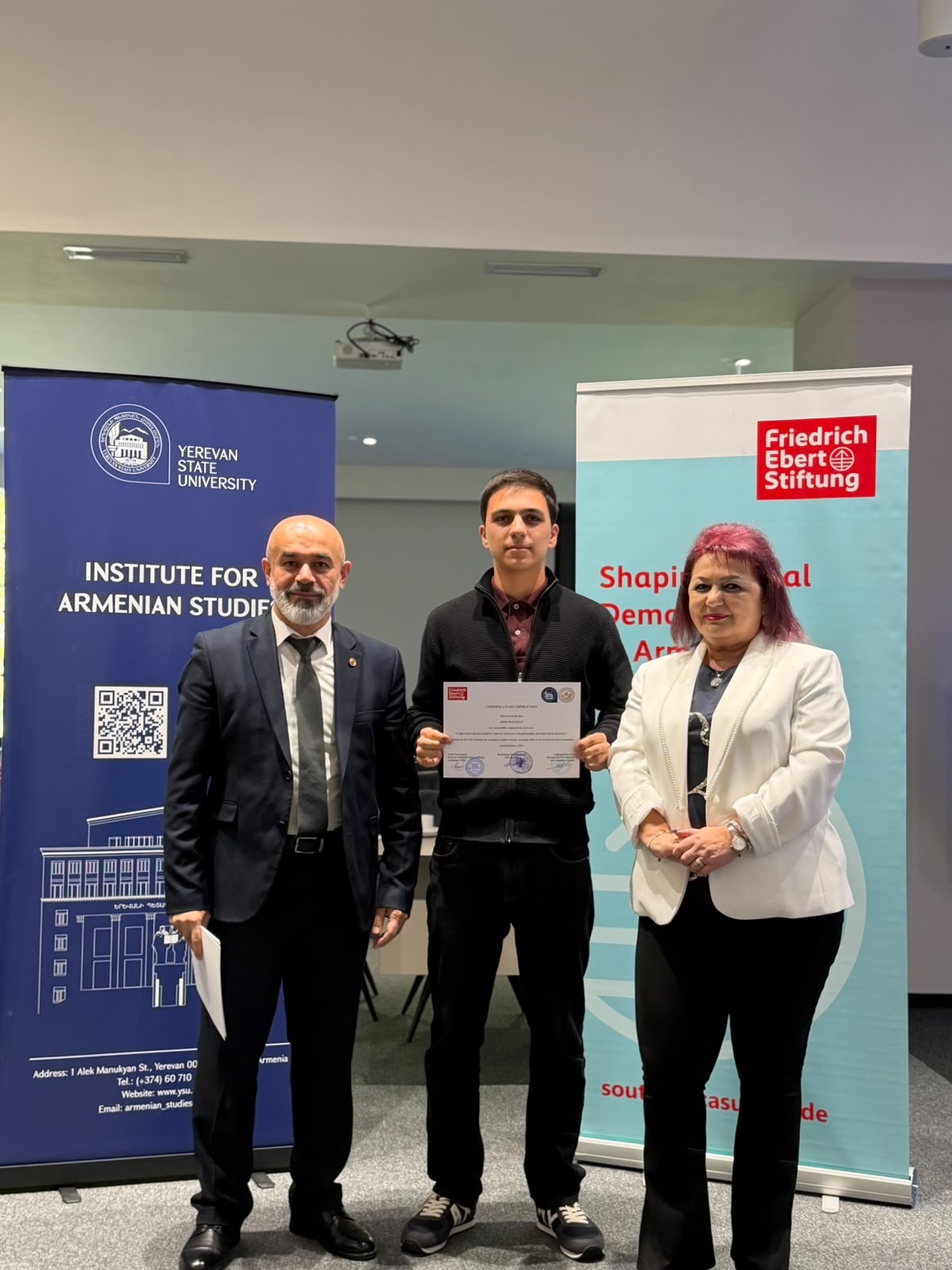
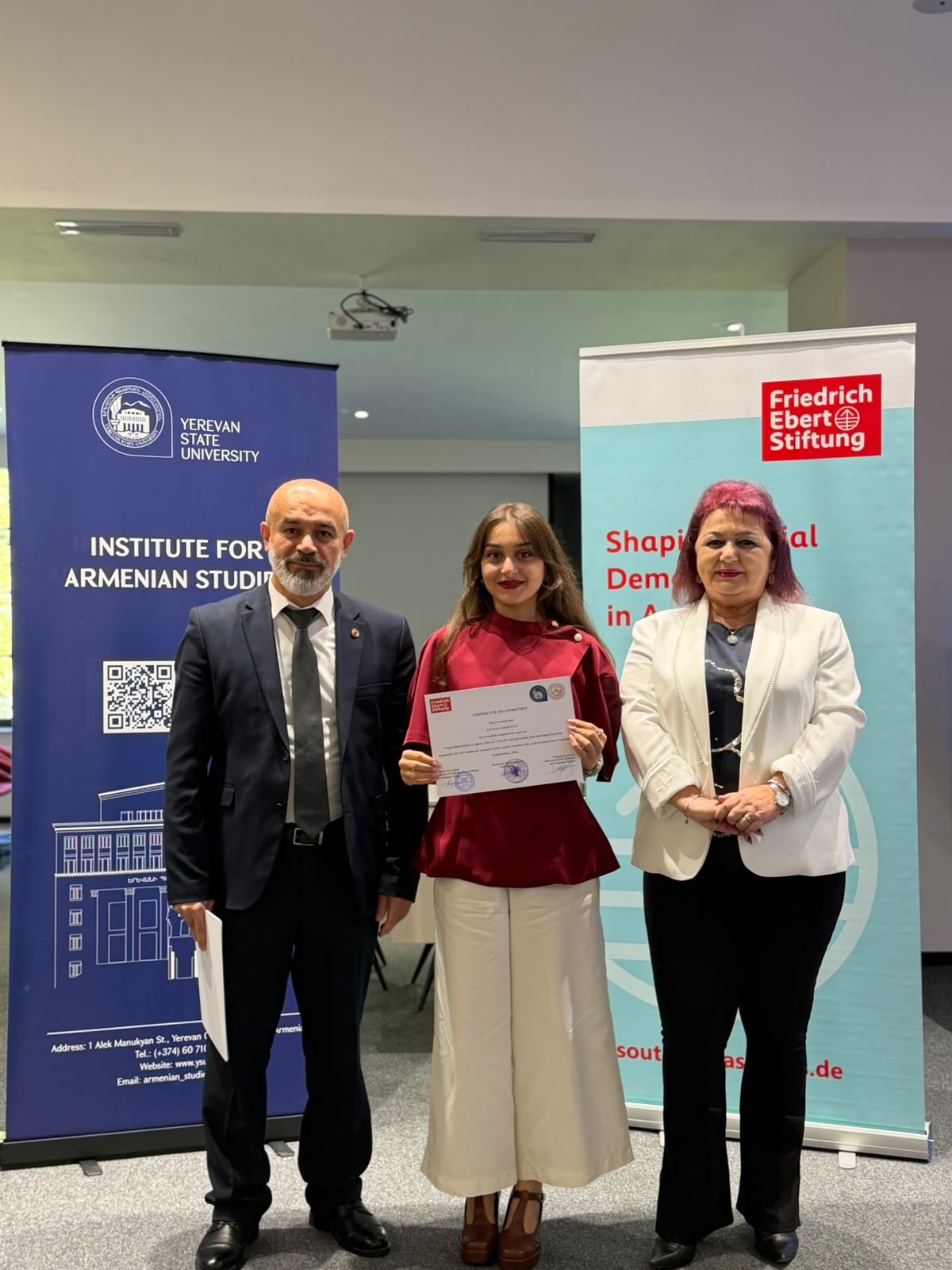
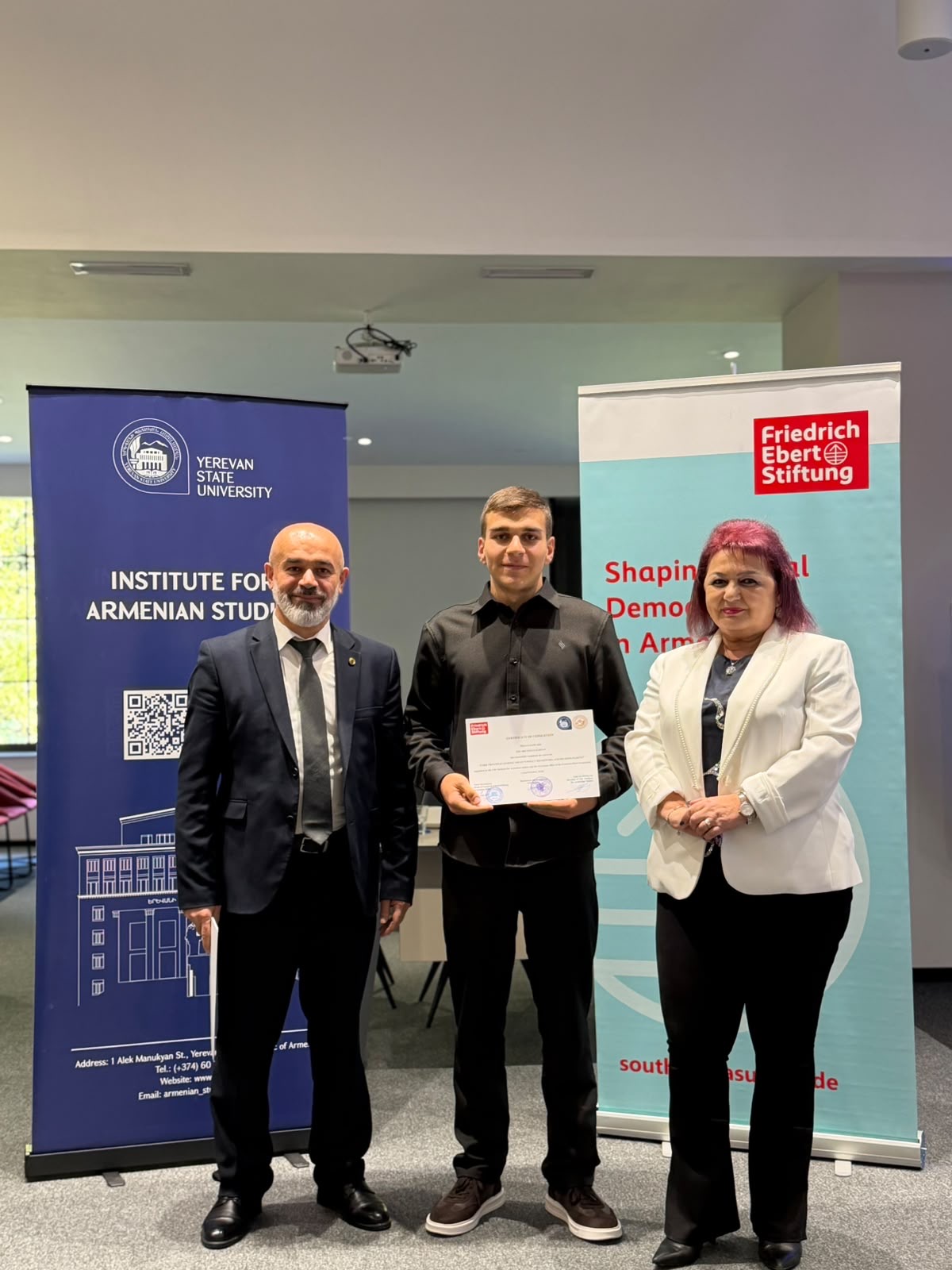
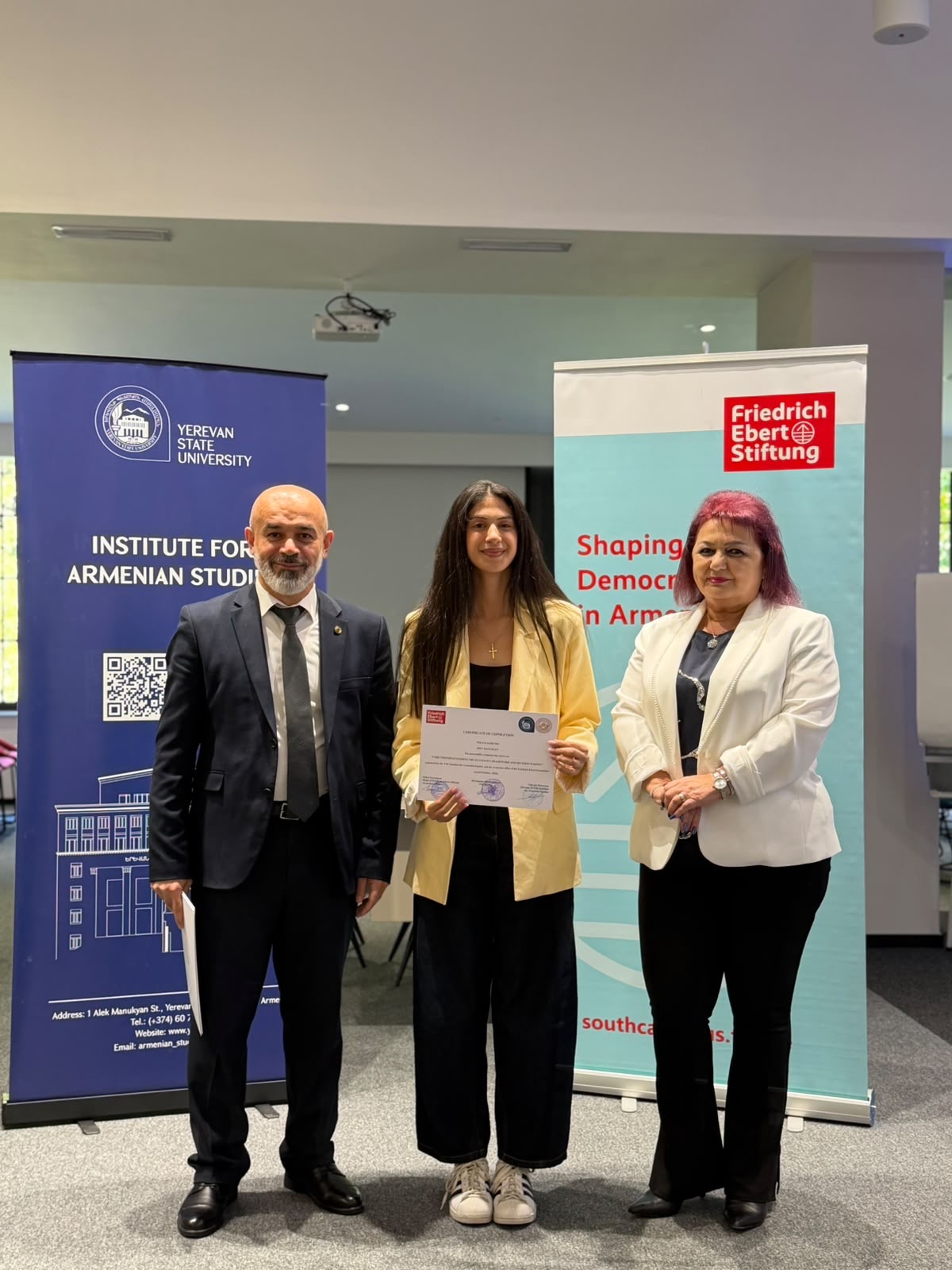
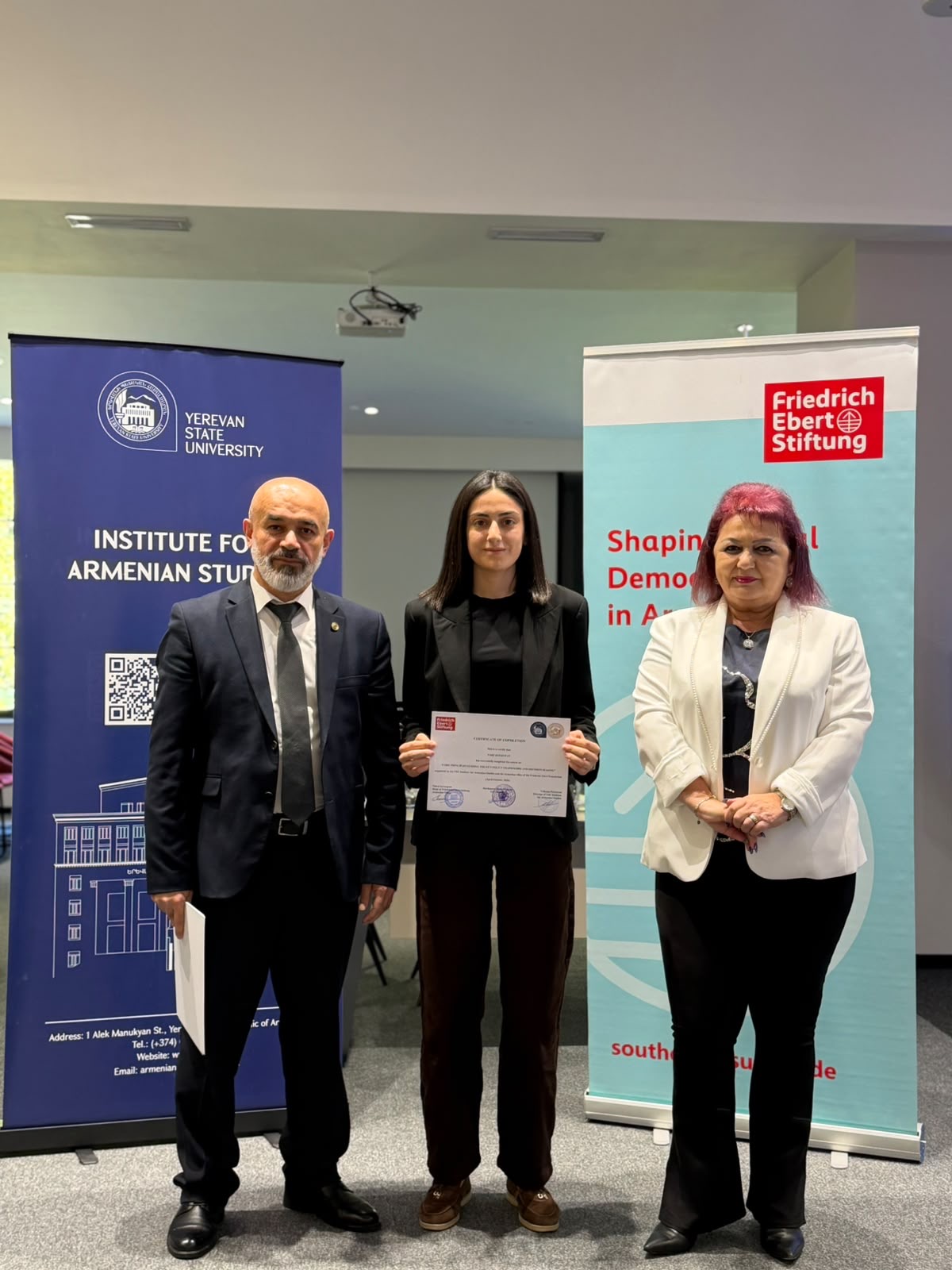
At the conclusion of the FES-funded program, participants received certificates and joined the school's alumni community, which brings together more than 100 graduates.
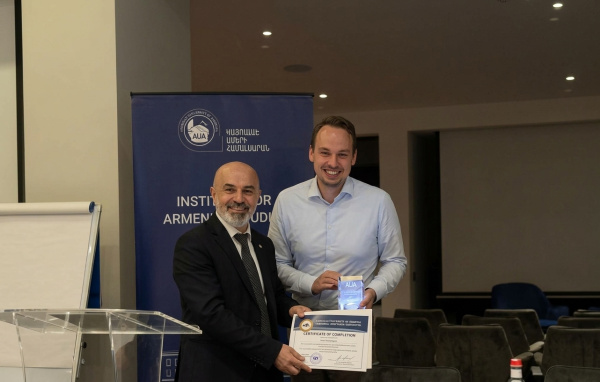
As part of the program, Marcel Röthig was awarded the Charles Aznavour Medal of the YSU Institute for Armenian Studies.
"This medal is awarded in recognition of his exceptional contributions to promoting European values in Armenia, his steadfast and consistent support for scientific and educational programs, and his vital role in developing and deepening relations between Armenia and the European Union, as well as between Armenia and Germany," said Vahram Petrosyan, Director of the Institute for Armenian Studies.
The lectures and professional discussions held during the four-stage school "Core Principles Guiding the EU's Policy Framework and Decision-Making" helped students broaden their knowledge, sharpen their analytical thinking and develop practical skills. The program also grew into an important platform for strengthening ties between universities, exchanging professional experience and fostering collaboration, laying the groundwork for participants' further academic and professional development.
The first stage of the school took place in Tsaghkadzor on April 11-13, followed by the second and third stages on May 23-25 and June 27-29, respectively, also in Tsaghkadzor.