October 28, 2026 | 16:30
Science
Educational programs
International cooperation
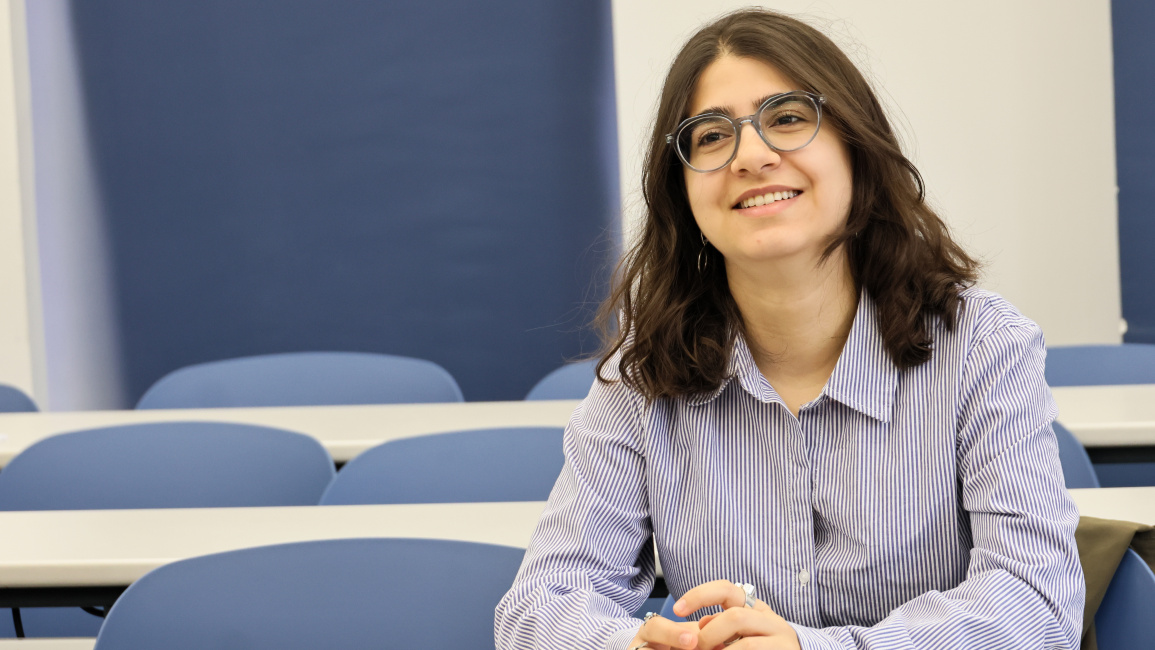
Romain Topalian, a specialist at the Institute for Applied Biotechnology at Biberach University of Applied Sciences in Germany, initiated the course and taught it free of charge. He aimed to introduce students to Python, data analysis and the fundamentals of machine learning, with particular emphasis on applying these tools to processing biological and pharmaceutical data.
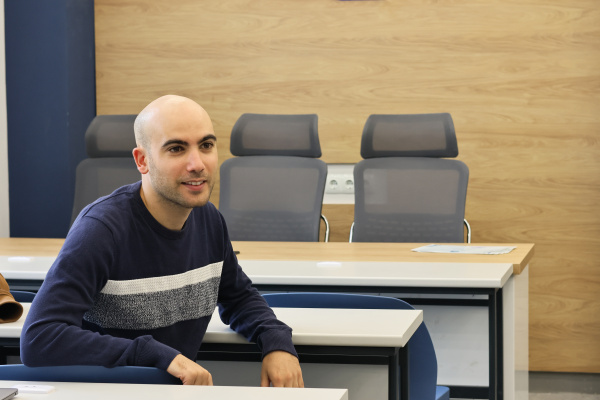
The program combined theoretical instruction with practical exercises. Participants worked in Jupyter Notebook and Google Colab, learned to use the Pandas library for data processing and analysis, and practiced data visualization and statistical hypothesis testing. They were also introduced to building and evaluating basic machine learning models for classification, regression and clustering. At the end of the course, participants completed projects based on experimental data from drug development and biomedical research.
More than 20 bachelor's, master's and doctoral students from the YSU Faculty of Biology and Institute of Pharmacy had registered for the course. Seven successfully completed the program and passed the final examination.
A certificate award ceremony was held today at the Faculty of Biology.
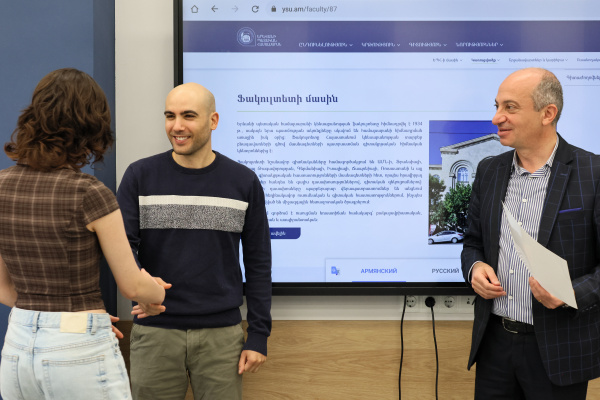
Karen Ghazaryan, Dean of the YSU Faculty of Biology, sought feedback from the students and asked how effective they had found the program. Participants highlighted the value of its practical component, particularly in developing their data-handling skills. They also suggested extending the course to include a more comprehensive introduction to programming fundamentals.
The discussion also explored the possibility of incorporating the course into the curriculum as an elective. The dean and students considered offering it to upper-year students, given the prior knowledge required to follow the program. They also discussed options for future delivery, including a combination of in-person and online instruction.
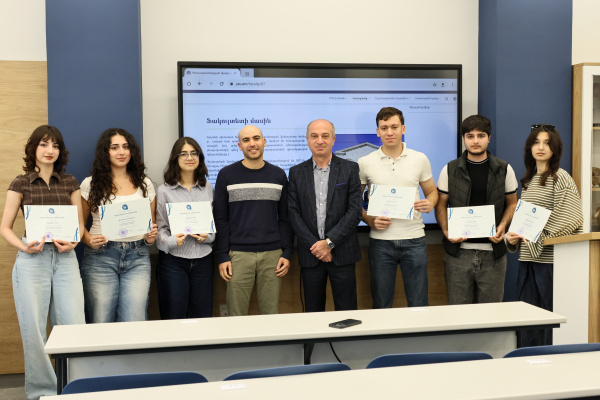
Commenting on the initiative and future plans, Ghazaryan said: "The initiative came from our guest, who delivered the program free of charge. The application of artificial intelligence across various fields is increasingly relevant, and this knowledge is important for our students. We aim to establish an ongoing partnership.
"In the coming months, we will discuss the possibility of including the program in the curriculum as an elective in a future semester, so that students' results and the credits they earn are also reflected in their official university records.
"We are also exploring ways to continue our collaboration, including through online lectures and the involvement of a visiting lecturer."
The course marks an important step in developing students' knowledge and practical skills in applying artificial intelligence tools to biomedical and pharmaceutical sciences. The planned continuation of the collaboration would help expand educational opportunities for students in this field.