Home
envelope
ՀայերենРусскийEnglish

Main Navigation (Eng)

  • Admission
    • Undergraduate admission
    • Master’s degree admission
    • Postgraduate admission
    • Foreign Students
    • Preparatory courses
    • Work Carried out with Applicants
    • YSU STEM High School
  • Education
    • Guide Book for First Year Students
    • Educational programs
    • Granting qualification of a pedagogue
    • Center for Academic Writing
    • Continuing education
    • Academic Calendar
    • Olympiad
  • Science
    • Open science
    • Conferences
    • Library
    • Grants
    • Publishing House
    • Doctoral Thesis Defence Councils
    • HRS4R
  • News and events
    • Events
    • Activities
    • News
    • Newsletter
    • Announcement
    • Photo gallery
    • Video gallery

Secondary Navigation (Eng)

  • About YSU
    • YSU Management
    • YSU Symbols
    • YSU International Cooperation
    • Quality assurance
    • YSU History Museum
    • Vacancies
    • FAQ
  • Structure
    • YSU Faculties and Educational Centers
      • Faculty of Geography and Geology
      • Faculty of Theology
      • Faculty of Oriental Studies
      • Faculty of European Languages and Communication
      • Faculty of Journalism
      • Faculty of Informatics and Applied Mathematics
      • Faculty of Law
      • Faculty of Biology
      • Faculty of Armenian Philology
      • Faculty of International Relations
      • Faculty of History
      • Institute of Physics
      • Faculty of Russian Philology
      • Faculty of Sociology
      • Faculty of Economics and Management
      • Faculty of Philosophy and Psychology
      • Faculty of Chemistry
      • Faculty of Mathematics and Mechanics
      • Pedagogy and Education Development Center
      • Center for European Studies
      • Institute of Pharmacy
      • Chair of Civil Defense
      • Chair of Physical Education and Sports
      • Information Technologies Educational and Research Center
    • Column Wrapper
      • YSU STEM High School
      • YSU Ijevan Branch
    • Scientific Centers and Laboratories
      • Institute for Humanities Research
      • Research Institute of Biology
      • Institute for Armenian Studies
      • Center for Mathematical and Applied Research
      • Research Center for Chemistry
      • Research Center for the Institute of Pharmacy
      • Research Laboratory of Applied Sociology
      • Research Institute of Physics
    • Scientific and Educational Centers
      • Scientific and Educational Center for Control and Monitoring of the Quality of Medicines
      • American Studies Center
      • Legal Clinic
      • Research Center-Library of Greek Studies
      • Russian Center
      • Center for Russian Studies
      • Distance Learning Laboratory of Sociology
    • Column Wrapper
      • Banner
    • Administrative Divisions of YSU
      • Academic Secretary
      • Center for Doctoral Education
      • General Division
      • YSU History Museum
      • Department of Energy System Operation
      • Financial Analysis Department
      • Human Resources Department
      • Center for Admissions and Affairs with Applicants
      • Vehicle Fleet
      • Business Incubator
      • Byurakan Industrial Practice Base
      • Medical Center
      • Science Policy Department
      • Procurement Planning Department
      • Dilijan Sports and Health Center
      • YSU Archive
      • Publishing House
      • Legal Service
      • Marketing Department
      • International Cooperation Office
      • Tsaghkadzor training and production base
      • Cultural Center
      • Fire Safety Service
      • Alumni and Career Center
      • Hankavan Industrial Practice Base
      • Accounting Department
      • Center for Quality Assurance
      • Department for Special Affairs
      • Guest House
      • Student Dormitory
      • Educational-Methodological Department
      • Marie and Sarkis Izmirlian Library
      • Center for Strategic Planning
      • Rectorate
      • Rector's Office
      • Department of Territory Improvement and Landscape Design
      • Information Technology Department
      • Department of Organization and Control of Economic Activities
  • Structure
  • Alumni and Career
    • Alumni Community
    • Career Center
    • Friends of YSU
  • Student life
    • YSU Student Scientific Society
    • YSU Student Council
    • Art and Culture
ՀայերենРусскийEnglish
envelope

Main Navigation (Eng)

  • Admission
    • Undergraduate admission
    • Master’s degree admission
    • Postgraduate admission
    • Foreign Students
    • Preparatory courses
    • Work Carried out with Applicants
    • YSU STEM High School
  • Education
    • Guide Book for First Year Students
    • Educational programs
    • Granting qualification of a pedagogue
    • Center for Academic Writing
    • Continuing education
    • Academic Calendar
    • Olympiad
  • Science
    • Open science
    • Conferences
    • Library
    • Grants
    • Publishing House
    • Doctoral Thesis Defence Councils
    • HRS4R
  • News and events
    • Events
    • Activities
    • News
    • Newsletter
    • Announcement
    • Photo gallery
    • Video gallery

Secondary Navigation (Eng)

  • About YSU
    • YSU Management
    • YSU Symbols
    • YSU International Cooperation
    • Quality assurance
    • YSU History Museum
    • Vacancies
    • FAQ
  • Structure
    • YSU Faculties and Educational Centers
      • Faculty of Geography and Geology
      • Faculty of Theology
      • Faculty of Oriental Studies
      • Faculty of European Languages and Communication
      • Faculty of Journalism
      • Faculty of Informatics and Applied Mathematics
      • Faculty of Law
      • Faculty of Biology
      • Faculty of Armenian Philology
      • Faculty of International Relations
      • Faculty of History
      • Institute of Physics
      • Faculty of Russian Philology
      • Faculty of Sociology
      • Faculty of Economics and Management
      • Faculty of Philosophy and Psychology
      • Faculty of Chemistry
      • Faculty of Mathematics and Mechanics
      • Pedagogy and Education Development Center
      • Center for European Studies
      • Institute of Pharmacy
      • Chair of Civil Defense
      • Chair of Physical Education and Sports
      • Information Technologies Educational and Research Center
    • Column Wrapper
      • YSU STEM High School
      • YSU Ijevan Branch
    • Scientific Centers and Laboratories
      • Institute for Humanities Research
      • Research Institute of Biology
      • Institute for Armenian Studies
      • Center for Mathematical and Applied Research
      • Research Center for Chemistry
      • Research Center for the Institute of Pharmacy
      • Research Laboratory of Applied Sociology
      • Research Institute of Physics
    • Scientific and Educational Centers
      • Scientific and Educational Center for Control and Monitoring of the Quality of Medicines
      • American Studies Center
      • Legal Clinic
      • Research Center-Library of Greek Studies
      • Russian Center
      • Center for Russian Studies
      • Distance Learning Laboratory of Sociology
    • Column Wrapper
      • Banner
    • Administrative Divisions of YSU
      • Academic Secretary
      • Center for Doctoral Education
      • General Division
      • YSU History Museum
      • Department of Energy System Operation
      • Financial Analysis Department
      • Human Resources Department
      • Center for Admissions and Affairs with Applicants
      • Vehicle Fleet
      • Business Incubator
      • Byurakan Industrial Practice Base
      • Medical Center
      • Science Policy Department
      • Procurement Planning Department
      • Dilijan Sports and Health Center
      • YSU Archive
      • Publishing House
      • Legal Service
      • Marketing Department
      • International Cooperation Office
      • Tsaghkadzor training and production base
      • Cultural Center
      • Fire Safety Service
      • Alumni and Career Center
      • Hankavan Industrial Practice Base
      • Accounting Department
      • Center for Quality Assurance
      • Department for Special Affairs
      • Guest House
      • Student Dormitory
      • Educational-Methodological Department
      • Marie and Sarkis Izmirlian Library
      • Center for Strategic Planning
      • Rectorate
      • Rector's Office
      • Department of Territory Improvement and Landscape Design
      • Information Technology Department
      • Department of Organization and Control of Economic Activities
  • Structure
  • Alumni and Career
    • Alumni Community
    • Career Center
    • Friends of YSU
  • Student life
    • YSU Student Scientific Society
    • YSU Student Council
    • Art and Culture
  1. Main
  2. News
  3. "Dictionaries seem to reflect the minds of people who lived in a particular era": Alexandra Olkhovskaya
November 25, 2026 | 15:15
Science
International cooperation
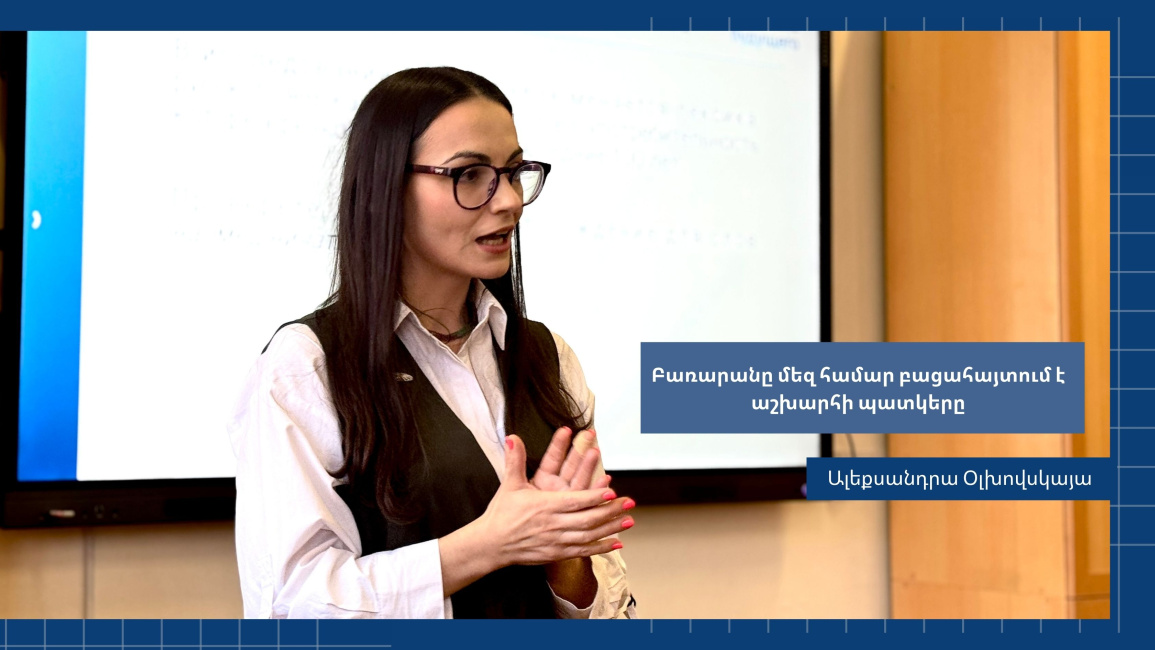
"Dictionaries seem to reflect the minds of people who lived in a particular era": Alexandra Olkhovskaya

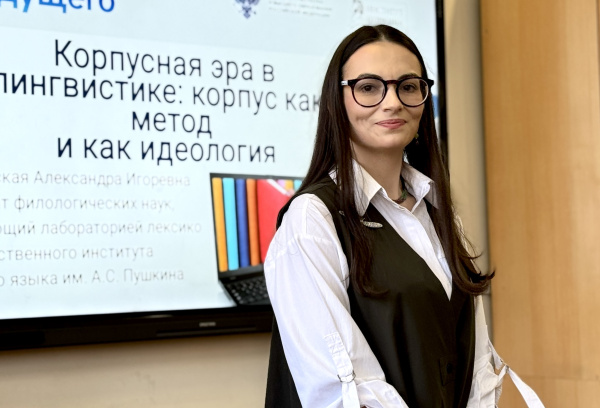
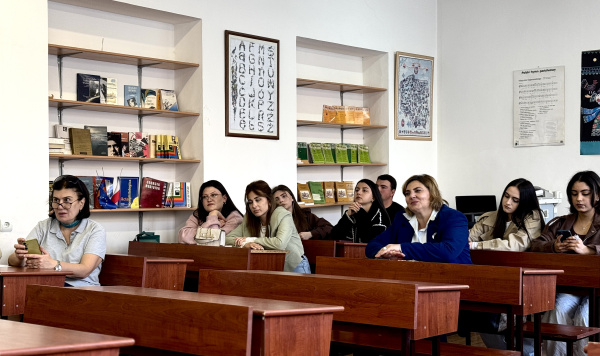
As part of the international Future Scientists program, Russian linguist and lexicographer Alexandra Olkhovskaya, PhD in Philology, delivered a lecture at the YSU Faculty of Russian Philology.

«Կորպուսային դարաշրջանը լեզվաբանության մեջ. կորպուսը՝ որպես մեթոդ և գաղափարախոսություն» խորագրով դասախոսության ընթացքում բանախոսն անդրադարձել է լեզվաբանական հետազոտություններում լեզվական կորպուսների նշանակությանը, դրանց կիրառման հնարավորություններին և ժամանակակից տեխնոլոգիաների ազդեցությանը։

Թե ինչպես է կորպուսային լեզվաբանությունը փոխում լեզվի ուսումնասիրության ավանդական մոտեցումները, ինչ դեր կարող է ունենալ արհեստական բանականությունը, և ինչու են լեզվական կորպուսներն անհրաժեշտ հատկապես երիտասարդ հետազոտողներին, պարզել ենք Ալեքսանդրա Օլխովսկայայի հետ զրույցում։

- Ձեր դասախոսության վերնագրում հետաքրքիր արտահայտություն կա՝ «կորպուսային դարաշրջան լեզվաբանության մեջ»։ Ինչպե՞ս եք մեկնաբանում այս հասկացությունը, և ի՞նչ է փոխվել լեզվի ուսումնասիրության մեջ մեծածավալ լեզվական կորպուսների ի հայտ գալուց հետո։

- Ինձ թվում է՝ ամենակարևոր փոփոխությունն այն է, որ լեզվաբանական և, ավելի լայն առումով, բանասիրական հետազոտությունների ապացուցողական հիմքը զգալիորեն ամրապնդվել է։ Մինչկորպուսային շրջանում բազմաթիվ գիտական աշխատանքներ հիմնվում էին ենթադրությունների և վարկածների վրա, որոնք միշտ չէ, որ հաստատվում էին մեծածավալ լեզվական նյութով։
Այսօր կորպուսների շնորհիվ կարող ենք գիտական տարբեր վարկածներ և հայեցակարգեր հիմնավորել էմպիրիկ, տեսանելի և վիճակագրորեն ստուգելի տվյալներով։ Իմ կարծիքով՝ սա կորպուսային լեզվաբանության ամենակարևոր ձեռքբերումն է։

Մյուս կարևոր փոփոխությունն այն է, որ վերացական լեզվական համակարգի ուսումնասիրությունից կրկին վերադարձել ենք տեքստին՝ լեզվաբանի հետազոտության հիմնական առարկային։ Գիտության զարգացման տարբեր փուլերում ուշադրության կենտրոնում եղել են բառը, քերականությունը, լեզվական կառույցները։ Այժմ կրկին ուսումնասիրում ենք տեքստը, սակայն արդեն նոր մակարդակում. այն գիտականորեն մշակված և նշագրված է, ինչը հնարավորություն է տալիս բացահայտելու դրա ավելի խորքային շերտերը։

- Ինչո՞ւ են լեզվական կորպուսներն այսօր լեզվաբանների համար այդքան կարևոր գործիք դարձել։

- Իրականում դրանք կարևոր գործիք են դարձել ի հայտ գալու պահից։ Սակայն դեռևս 1990-ականներին ստեղծված կորպուսներն ունեին մի շարք սահմանափակումներ։ Դրանք պարունակում էին համեմատաբար փոքր ծավալի նյութ և բավարար չափով նշագրված չէին, քանի որ տեքստերի ավտոմատ մշակման ու նշագրման գործիքները դեռևս այնքան արդյունավետ չէին, որքան այսօր։

Բացի դրանից՝ կորպուսները հասանելի չէին բոլոր հետազոտողներին։ Դրանցից օգտվելու համար անհրաժեշտ էր ունենալ որոշակի տեխնիկական գիտելիքներ, իսկ որոնման համակարգերն ու միջերեսները բավականին բարդ էին։

Այսօր իրավիճակն էապես փոխվել է. կորպուսները դարձել են ծավալուն, լավ նշագրված և հասանելի։ Այժմ նույնիսկ դպրոցական քերականության հիմնական տերմիններին ծանոթ լեզվաբանը կարող է ճիշտ ձևակերպել որոնման հարցումը և գտնել իրեն անհրաժեշտ արդյունքները։ Հենց այդ պատճառով կորպուսները դարձել են հետազոտության հիմնական գործիքներից մեկը։

- Ի՞նչ ապագա է սպասվում կորպուսային լեզվաբանությանը արհեստական բանականության զարգացման պայմաններում։ Կարո՞ղ են ժամանակակից տեխնոլոգիաներն ամբողջությամբ փոխել լեզվի և կորպուսների ուսումնասիրության մեթոդները։

- Կարծում եմ՝ այստեղ անհրաժեշտ է արհեստական բանականության և լեզվական կորպուսների արդյունավետ համադրություն։ 

Արհեստական բանականության նեյրոնային ցանցերը նույնպես ուսուցանվում են տեքստերի մեծ հավաքածուների միջոցով։ Դրանք, եզրույթի խիստ մասնագիտական իմաստով, միշտ չէ, որ լեզվական կորպուսներ են, սակայն, միևնույն է, մեծածավալ տեքստային տվյալներ են, որոնց հիման վրա հաշվարկվում են տեքստերի կառուցման որոշակի վիճակագրական հավանականություններ։

Այնուամենայնիվ, արհեստական բանականությունն ինքնին դեռ չի կարող լիարժեքորեն ուսումնասիրել լեզուն։ Իսկ կորպուսների նշագրման գործընթացում դրա կիրառումը կարող է շատ արդյունավետ լինել։ Որքանով ինձ հայտնի է, Ազգային կորպուսի հետ աշխատող հետազոտողներն արդեն կիրառում են այս մոտեցումը՝ արհեստական բանականությունը ներմուծելով կորպուսի նշագրման համակարգ։ Այսպիսով՝ ձևավորվում է միասնական համակարգ, որտեղ համադրվում են կորպուսային տվյալներն ու նեյրոնային ցանցերը։

- Ի՞նչ կարող է տալ կորպուսային լեզվաբանությունն ուսանողներին և հատկապես երիտասարդ հետազոտողներին։ Կարո՞ղ են նրանք այս մեթոդն օգտագործել իրենց գիտական աշխատանքներում։

- Իհա՛րկե։ Կարծում եմ՝ այսօր արդեն անընդունելի է որևէ հետազոտություն կատարել՝ առանց այն կորպուսային տվյալներով հիմնավորելու։ Հատկապես լեզվաբանական, ինչպես նաև գրականագիտական ուսումնասիրությունները պետք է հիմնվեն կորպուսային լեզվաբանության մեթոդների վրա։
Ժամանակակից կորպուսներն ունեն որոնման լայն հնարավորություններ. կարելի է սահմանել տարբեր պարամետրեր և ձևակերպել գրեթե ցանկացած հետազոտական հարցում։

Դասախոսության ընթացքում փորձել եմ ուսանողներին ներկայացնել որոշակի ալգորիթմներ, որոնք կօգնեն նրանց աշխատել իրենց գիտական թեմաների և հետազոտական խնդիրների շուրջ։ Սովորաբար մեր աշխատանքներում չենք ուսումնասիրում ամբողջ լեզուն, այլ ընտրում ենք դրա որոշակի հատվածը։ Այն վերլուծելու համար նախ անհրաժեշտ է հավաքել լեզվական օրինակներ, որոնք հետագայում կուսումնասիրենք և կմշակենք։ Հենց այս հնարավորությունն է տալիս կորպուսը։

Կարծում եմ՝ սա բոլոր բանասերների համար թիվ մեկ գործիքն է։ Ուսանողներին կորպուսային լեզվաբանությանը պետք է ծանոթացնել դեռևս բուհի առաջին կուրսից, որպեսզի նրանք հենց սկզբից կարողանան դրա մեթոդները կիրառել նաև ուսումնական առաջադրանքները կատարելիս։

- Որպես լեզվաբան՝ ունե՞ք ամենասիրելի բառ։

- Ի՜նչ բարդ հարց է։ Երևի, իմ ամենասիրելի բառը բառարանն է։

- Ինչո՞ւ հենց այդ բառը։

- Նախ՝ որովհետև ամբողջ կյանքս զբաղվել եմ բառարանագրությամբ՝ բառարանների կազմման գիտությամբ։ Ինձ թվում է՝ բառարանը յուրահատուկ տեքստ է, որը մեզ համար բացահայտում է աշխարհի պատկերը։

Բառարաններն ասես որոշակի ժամանակաշրջանում ապրած մարդկանց գիտակցության արտացոլանքն են։ Դրանցում պահպանվում են տվյալ ժամանակի համար արդիական բառերը, գաղափարներն ու պատկերացումները։ Ինձ շատ հարազատ է նաև բառարանում աշխարհի դասակարգման և համակարգման սկզբունքը, քանի որ այն որոշ չափով բացահայտում է տիեզերքի կառուցվածքը։

Ալբինա Խանզրատյան

Latest News

"Dictionaries seem to reflect the minds of people who lived in a particular era": Alexandra Olkhovskaya

25.11.2026

Leadership in times of crisis: Davit Hakobyan delivers lecture at YSU on experience, adaptability and trust

25.11.2026

"From the Sorbonne to Yerevan University": YSU opens exhibition marking Hrachya Acharian's 150th birth anniversary

24.11.2026
Show All

Announcement

Բուխարեստում կանցկացվի ֆրանսիախոս գիտական հետազոտությունների 5-րդ սիմպոզիումը

11.25.2026 - 11.26.2026

Your Idea For Green Future: Join YSU's Green Innovation Hackathon

11.18.2026 - 12.05.2026

Call for Applications: Erasmus Mundus RESCO Master's Program

11.13.2026 - 11.16.2026
Show All

Արագ հասանելիություն

  • Intranet
  • E-learning
  • Mulberry
  • Online applications
  • Phone book
  • Registrar
  • Documentation

Footer(ENG)

  • Main pages
    • Admission
    • Education
    • Science
    • News
  • Information
    • Frequently asked Questions
    • Vacancies
    • Search for educational programs
    • For the applicants
    • For the students
  • About YSU
    • YSU management
    • YSU symbols
© Yerevan state university 2026
Address: Republic of Armenia, Yerevan, 0025, 1 Alex Manoogian (+37460) 710000 info@ysu.am