January 22, 2026 | 14:00
Science
International cooperation
Events

The PoSoCoMeS (Post-Soviet and Comparative Memory Studies) Working Group is part of the Memory Studies Association. The group aims to bring together researchers, scholars, and activists working in post-socialist countries and regions, promoting both regional and interregional comparative studies that connect Eastern Europe with Africa, Latin America, and Asia, thereby contributing to broader conceptualizations of post-socialist memories.
Within the framework of the conference, a strong emphasis is placed on the choice of venue. The focus is on the South Caucasus, particularly on Armenia, as a continuously transforming post-socialist region.
Amid deep regional crises, the military, diplomatic, and humanitarian pathways through which post-socialist communities and their leaders remember and reinterpret the past are undergoing significant transformations. Memory in the former Soviet and socialist space has become a dynamic battlefield, where competing versions of history contend for dominance, often closely intertwined with ongoing wars and political developments.
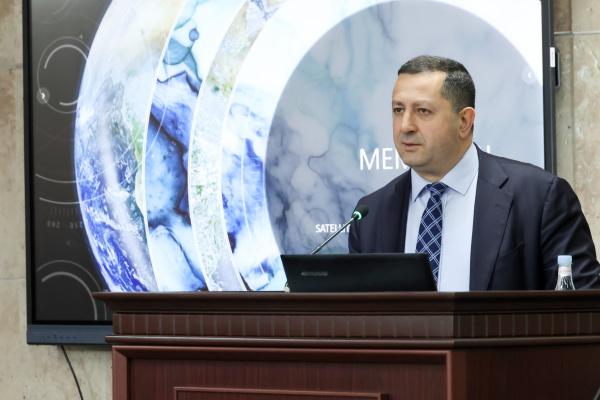
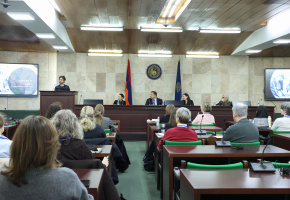
YSU Rector Hovhannes Hovhannisyan highlighted that Yerevan State University organizes numerous, particularly international, conferences every year, and that scholarly publications are a central component of the university's activities.
"YSU is more than an educational institution. A significant number of the university's staff combine teaching with research activities, while over 200 employees are engaged exclusively in scientific work. In recent years, the number of publications by YSU staff in peer-reviewed international journals has grown noticeably, and this growth is continuing, as international scholarly publications are considered a fundamental requirement at every stage of academic advancement," he noted.
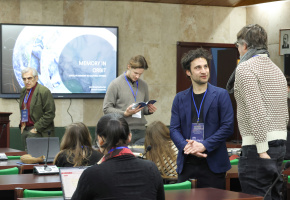
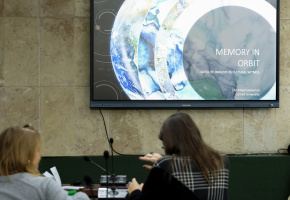
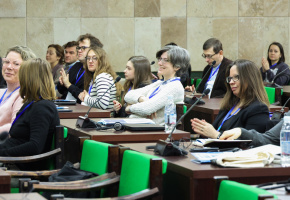
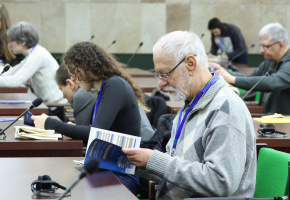
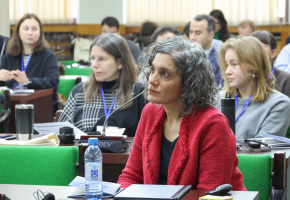
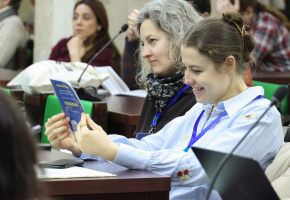
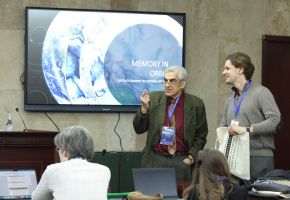
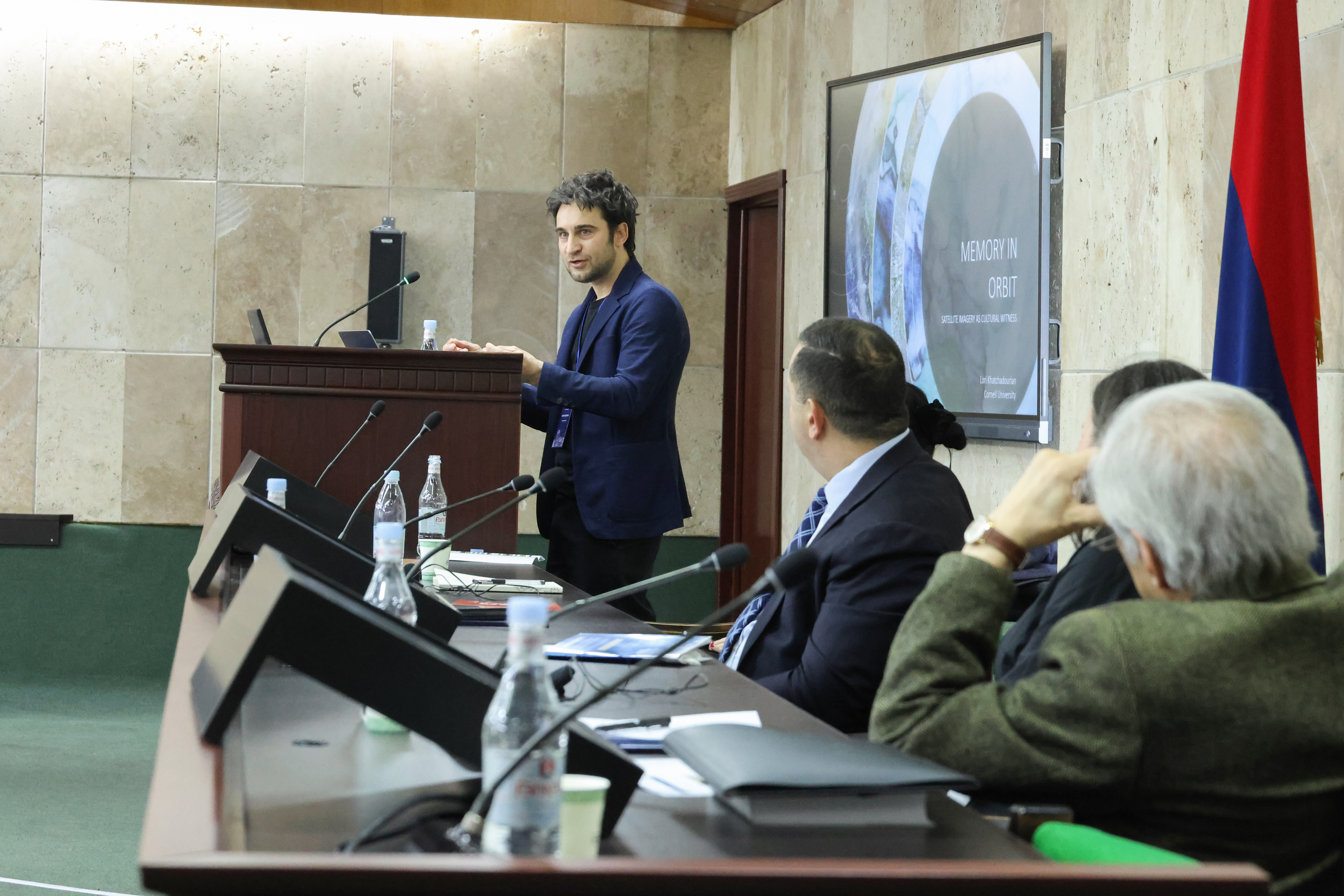
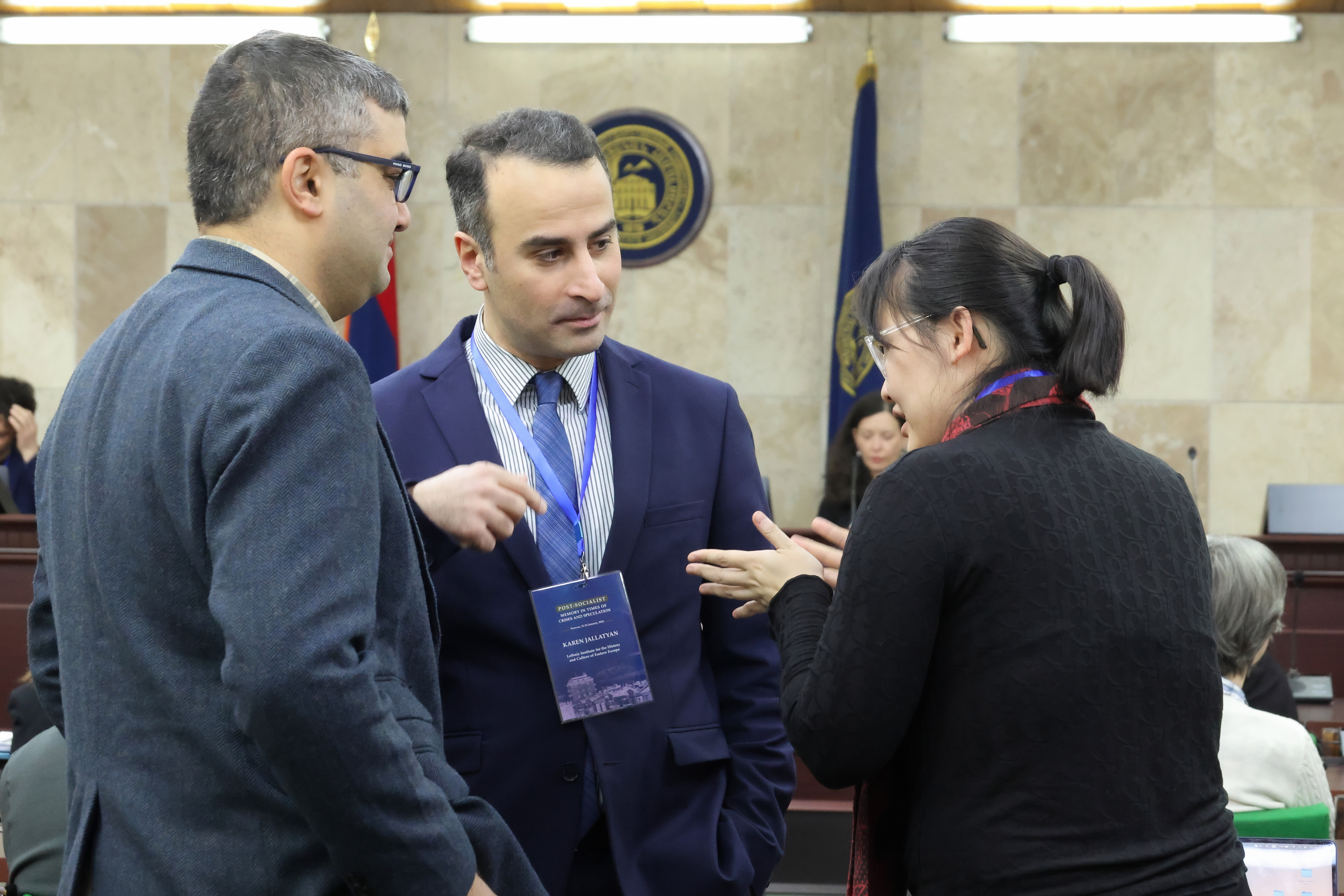
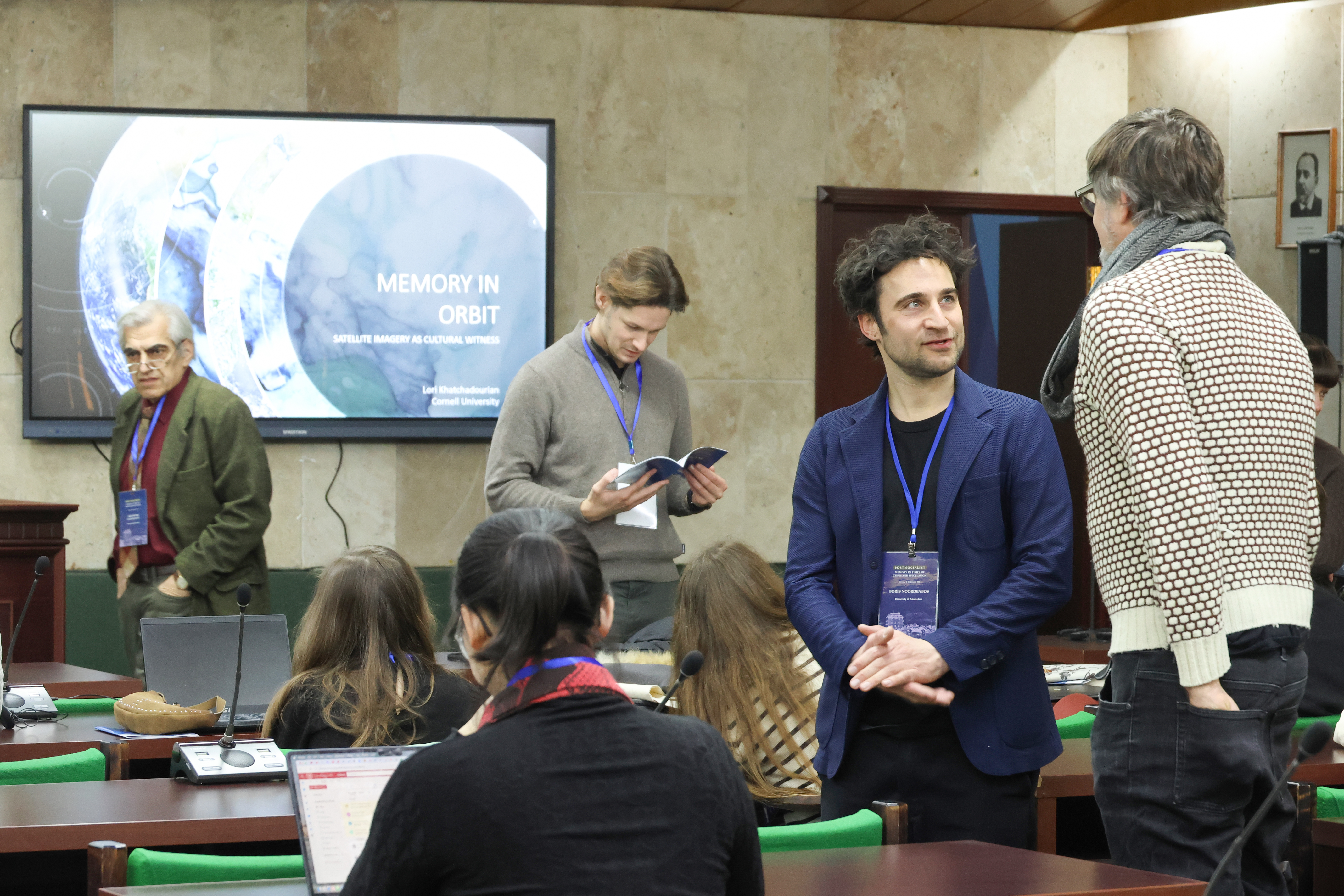
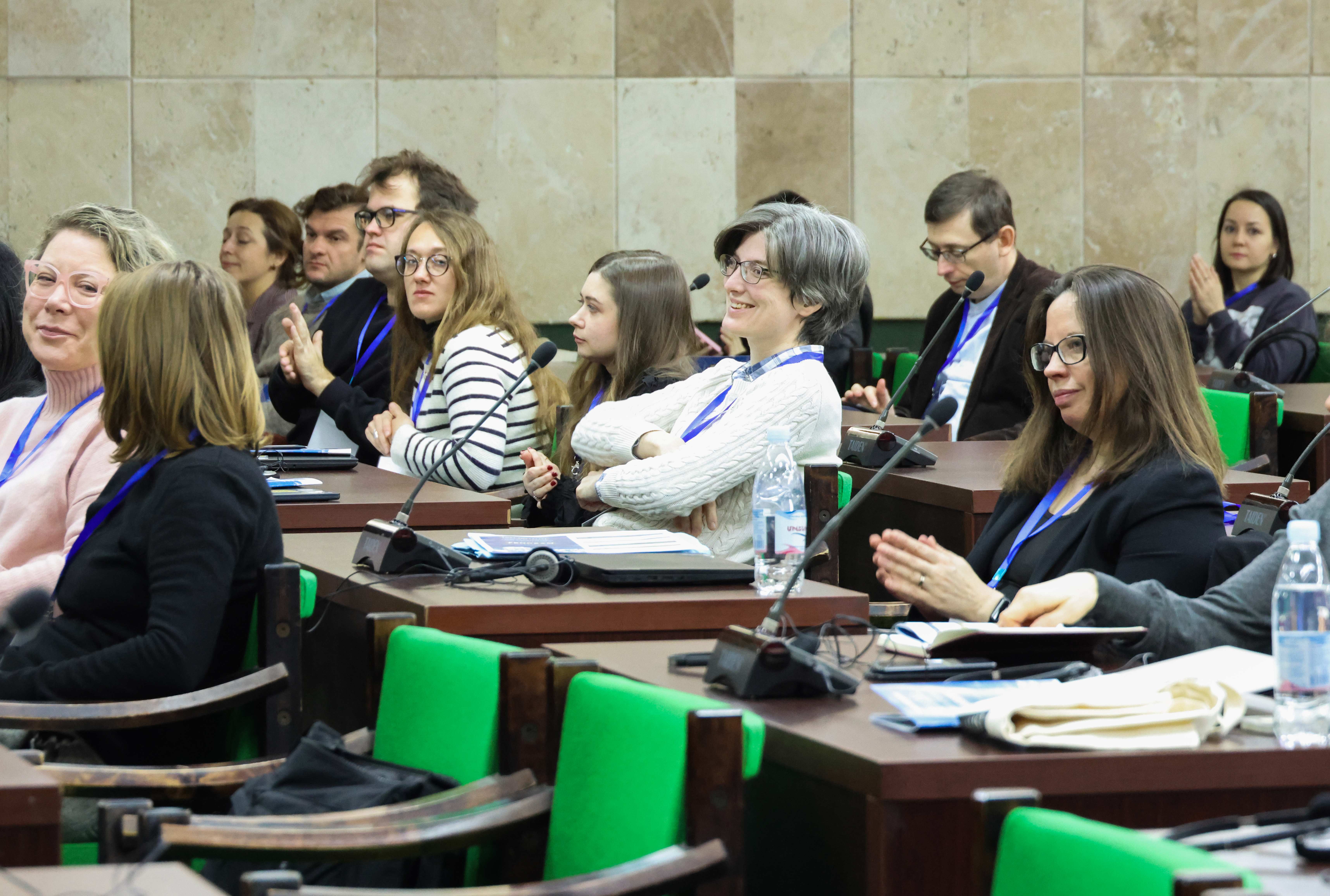
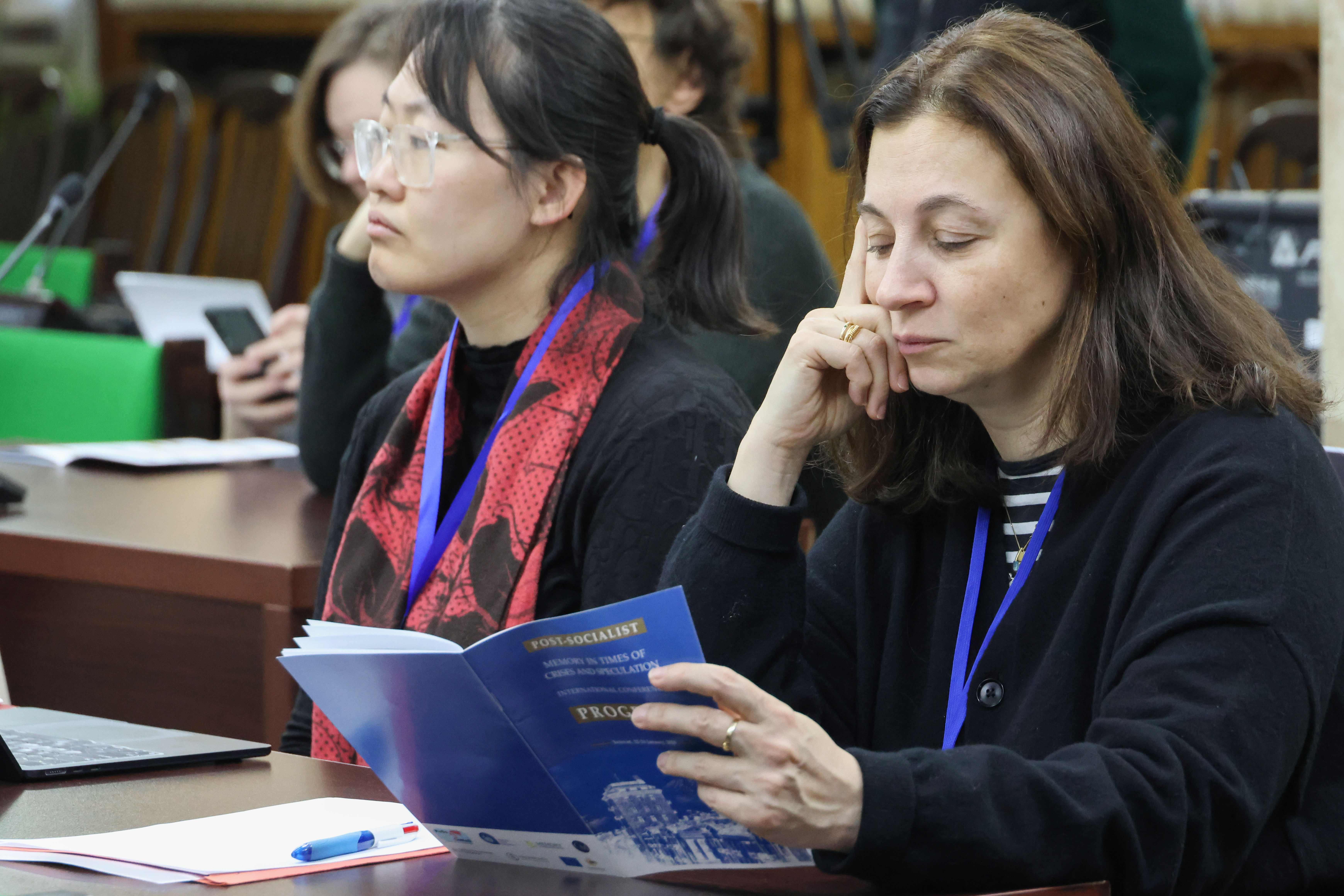
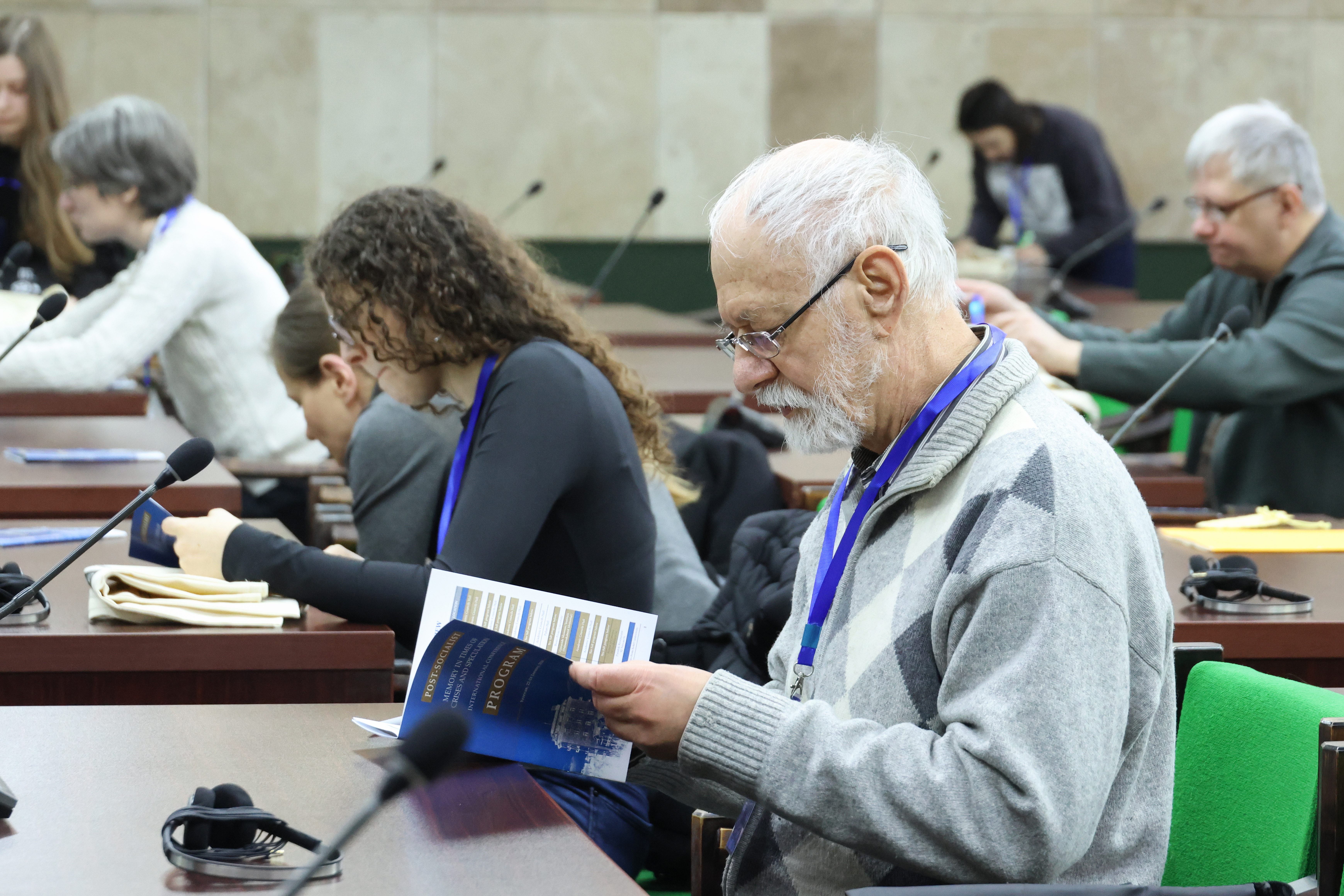
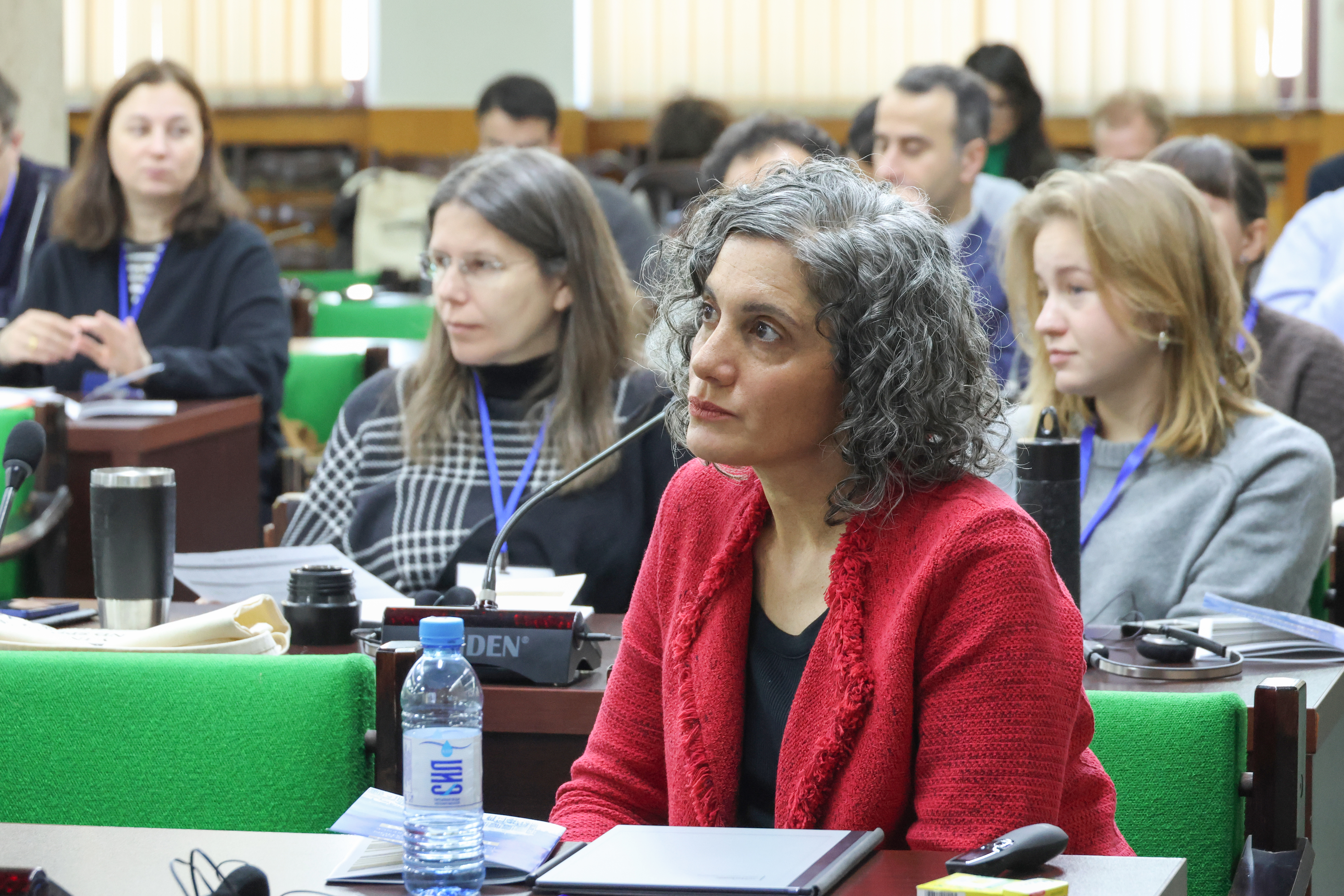
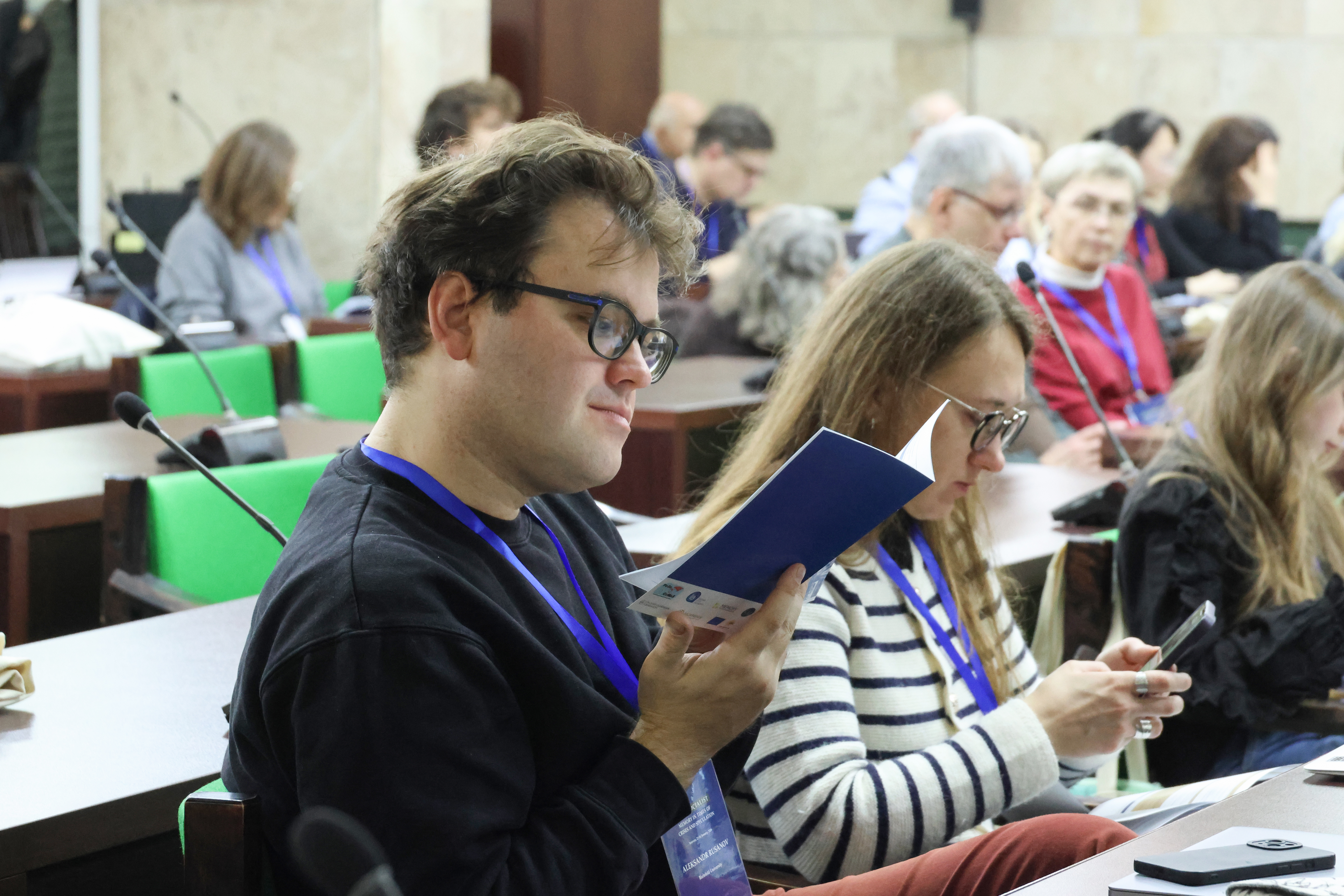
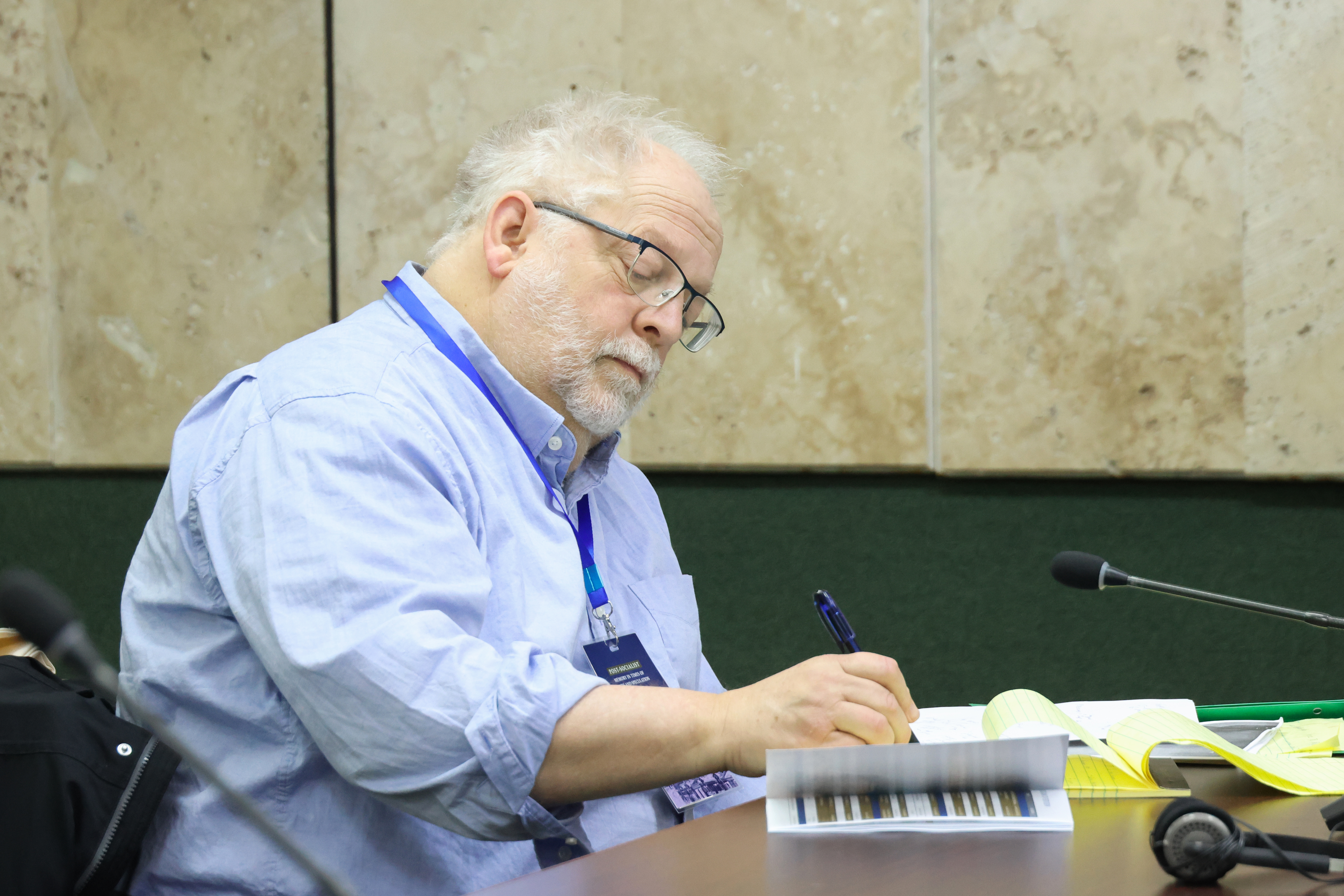
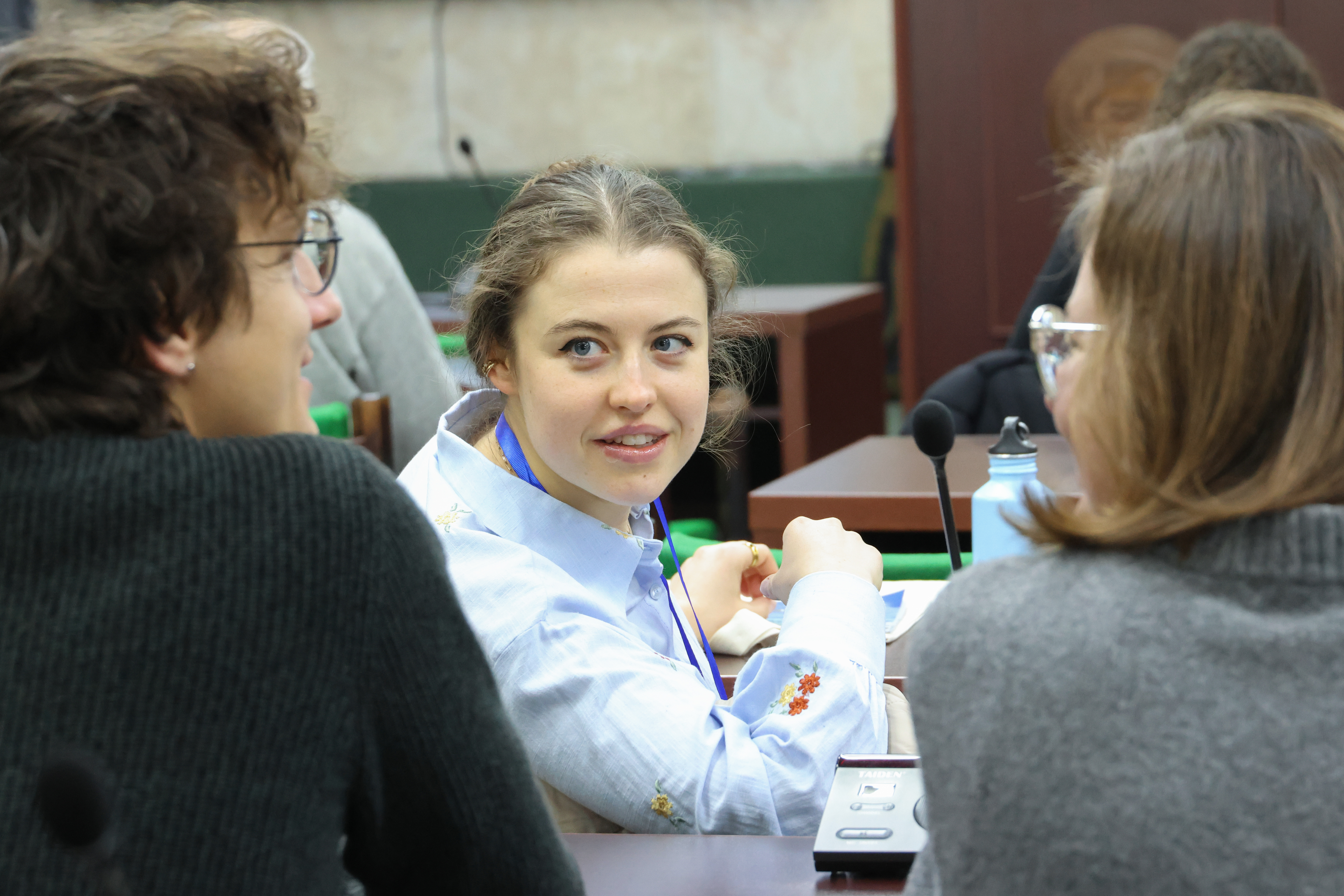
The conference has brought together over 130 participants studying collective and cultural memory in the former communist and socialist countries of Eastern Europe and the Soviet Union. These studies address not only the communist period but also post-communist transformations, which have occurred at an exceptionally rapid pace in recent years.
Additionally, the conference explores how mechanisms of memory are changing, as the digital age fundamentally transforms how people remember and transmit memory. Special attention is also given to how collective memory is often distorted and instrumentalized by political groups, governments, and media actors to achieve their own goals, justify authoritarian control or the wars against neighbors. This is why the conference theme emphasizes crises and speculations.
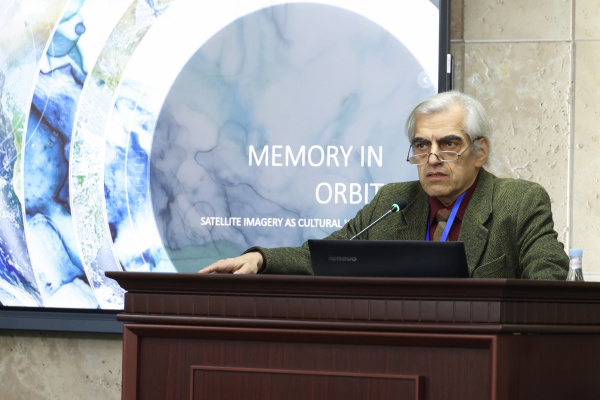
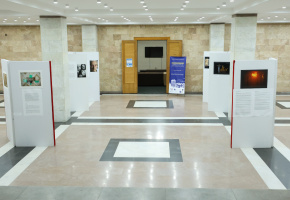
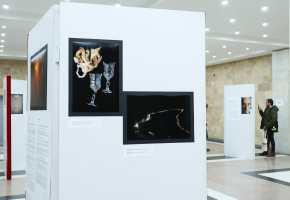
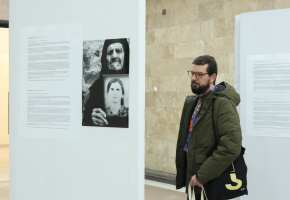
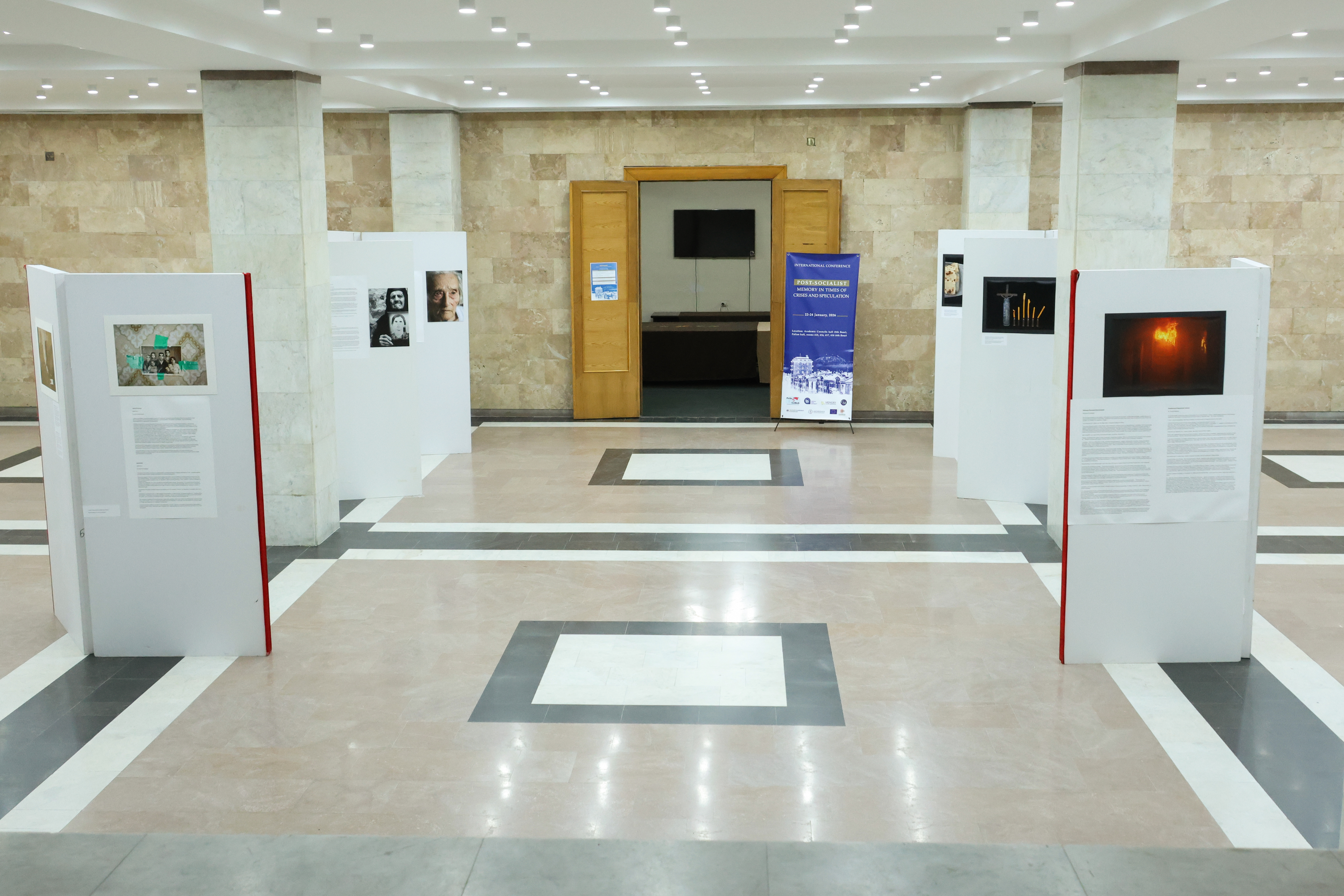
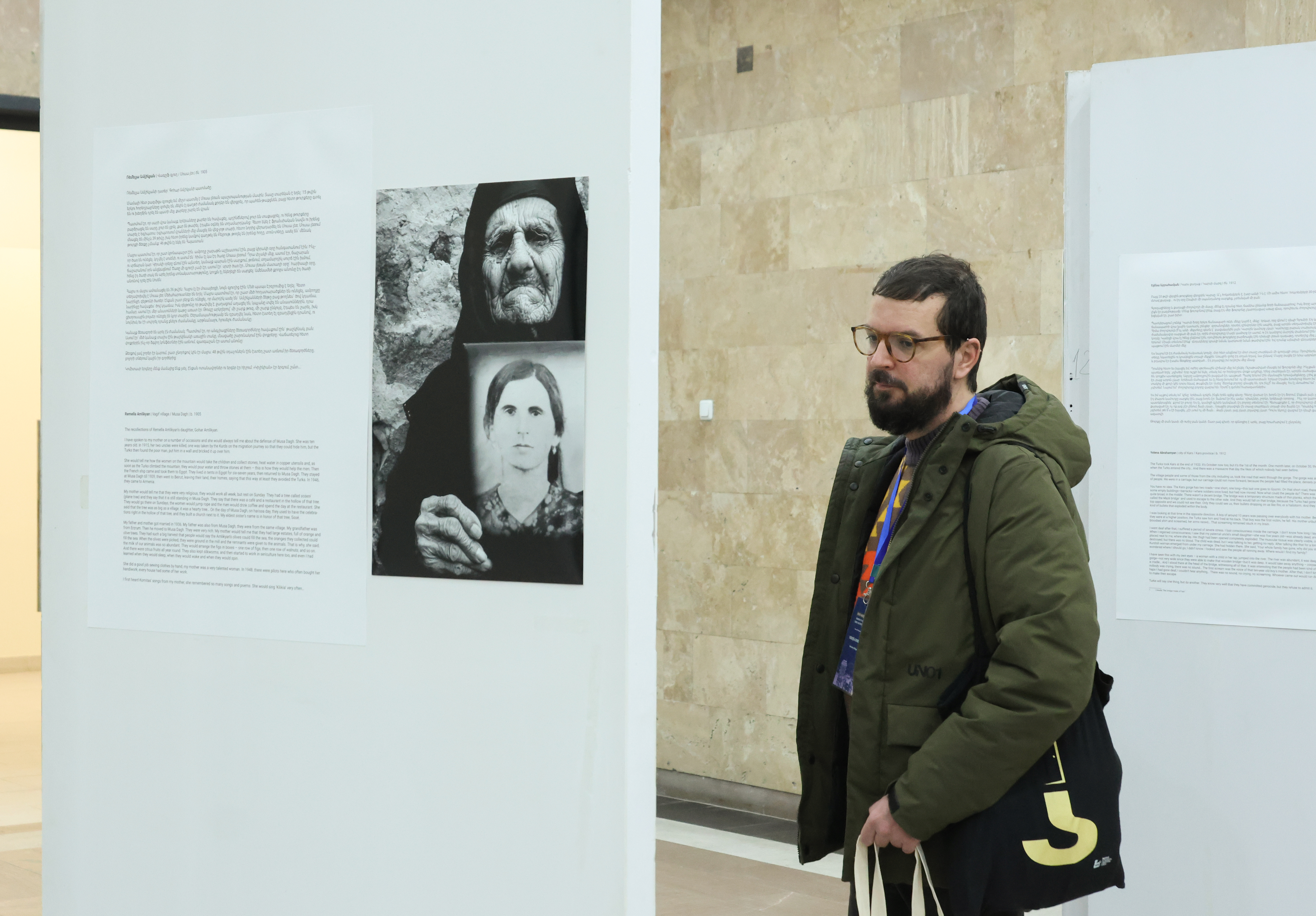
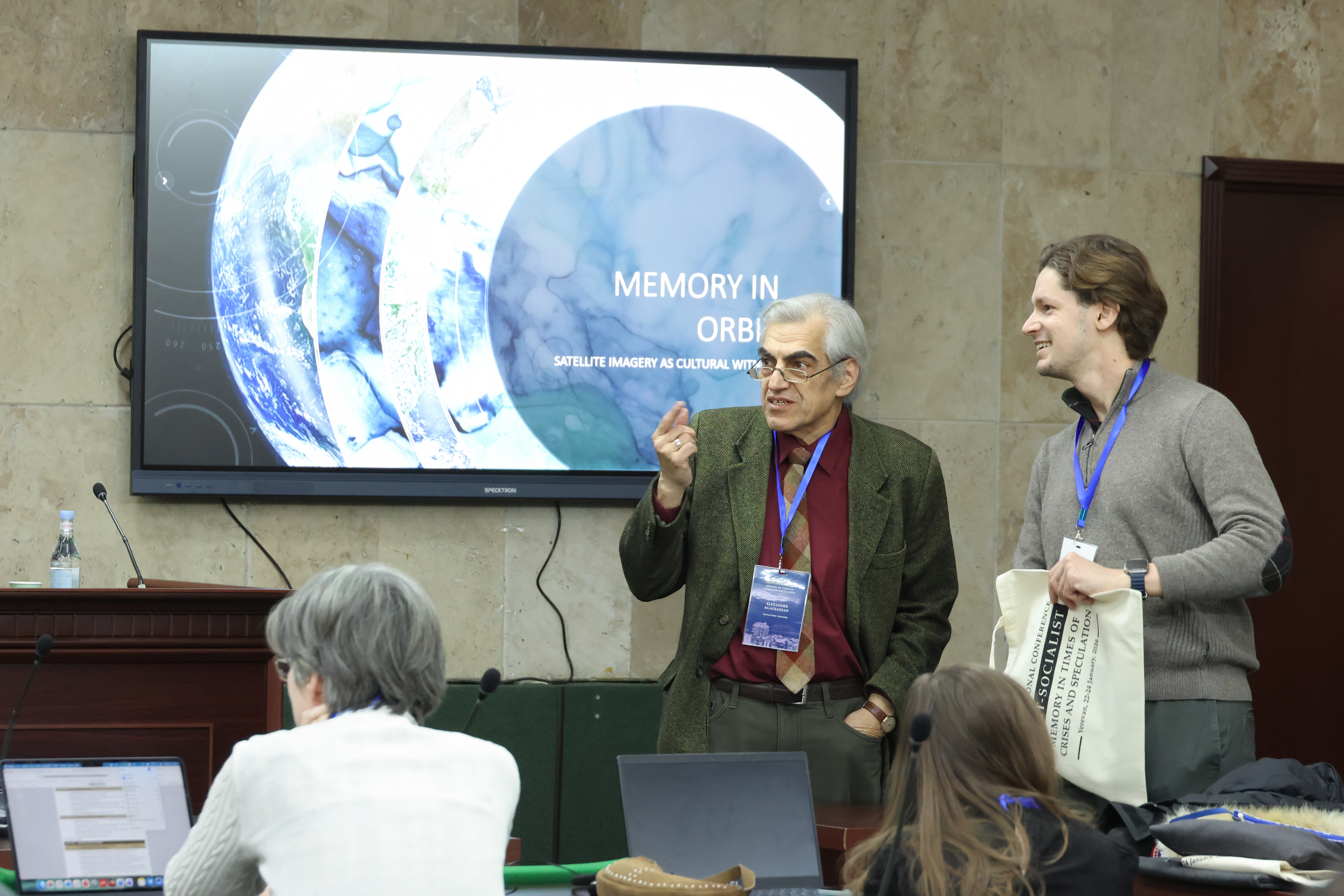
According to Alexander Agadjanian, senior researcher at the Department of Civilization and Cultural Studies of the YSU Center for Armenian Studies and coordinator of the conference, two documentary exhibitions were organized during the event. The first presents a documentary photography project by Nazik Armenakyan, featuring photographic stories of survivors of the Armenian Genocide. The second exhibition focuses on the recent forced displacement of people from Artsakh, featuring photographs taken during the evacuation of its villages and towns.
The conference provides scholars with the opportunity to critically examine how cultural memory interacts with post-socialist epistemological and real-life crises, as well as with the strategies employed to remember them.
The event will continue until January 24 of this year.