Premodern Muslim Perspectives on Dīn (“Religion”)
-
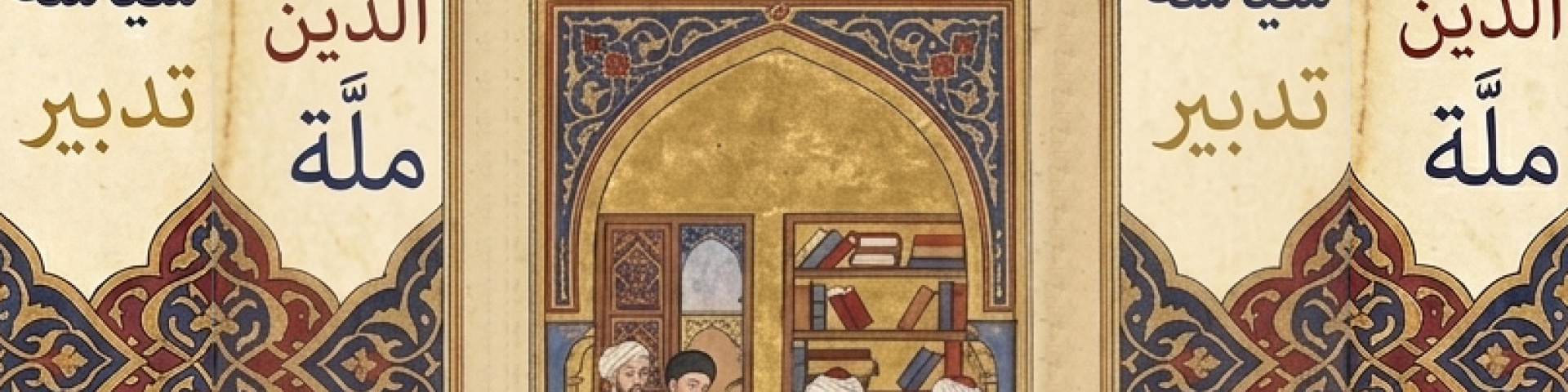
On August 26–28 of this year, YSU will host the international workshop titled “Pre-Modern Islamic Approaches to the Concept of Dīn (“Religion”)”, within the framework of which examines the premodern notion of dīn and its uses within different epistemic traditions of the past. It explores how dīn was conceptualized, objectified, and defined in relation to various socio-political, theological, legal, philosophical, and literary contexts. The central question the workshop seeks to engage concerns the properties of dīn, as examined closely in a range of premodern Arabic texts and the epistemic environments in which they emerged. Key themes of the workshop include—but are not limited to—the examination of the dīn–dunyā pairing; the relationship between “religion” and governance (siyāsa, tadbīr), and “religion” and law; “religion” and knowledge; the functionalization of “religion” within imperial and social orders; its operation in private ethical and communal spheres; its role in the construction of alterity (“otherness”), and other related topics.
The aim is not to produce a definition of dīn, but to chart a semantic field, in order to arrive at a better understanding of its multiple meanings in a contextualized and historicized fashion. This approach should in turn a low for more nuanced engagement with the category of “Islam”, moving beyond normative definitions and essentializations, as well as with that of “religion”, conventionally used to translate dīn.
Given the many contemporary revived debates around the usefulness of the category of “religion” in relation to Islam to begin with, thisworkshop suggests examining the concept of dīn (as well as related terms, such as īmān, milla, and others) through prioritizing Muslim sources and internal debates, in order to unearth their historic diversity and nuances, and thus allow us to gain a better grasp of the historical evolutions of these complex notions.