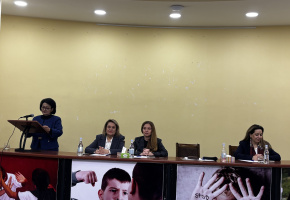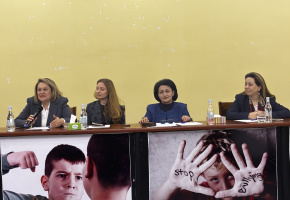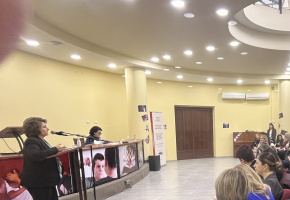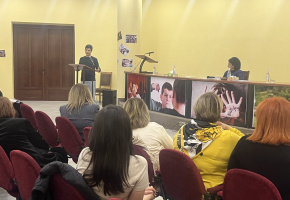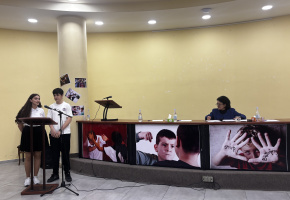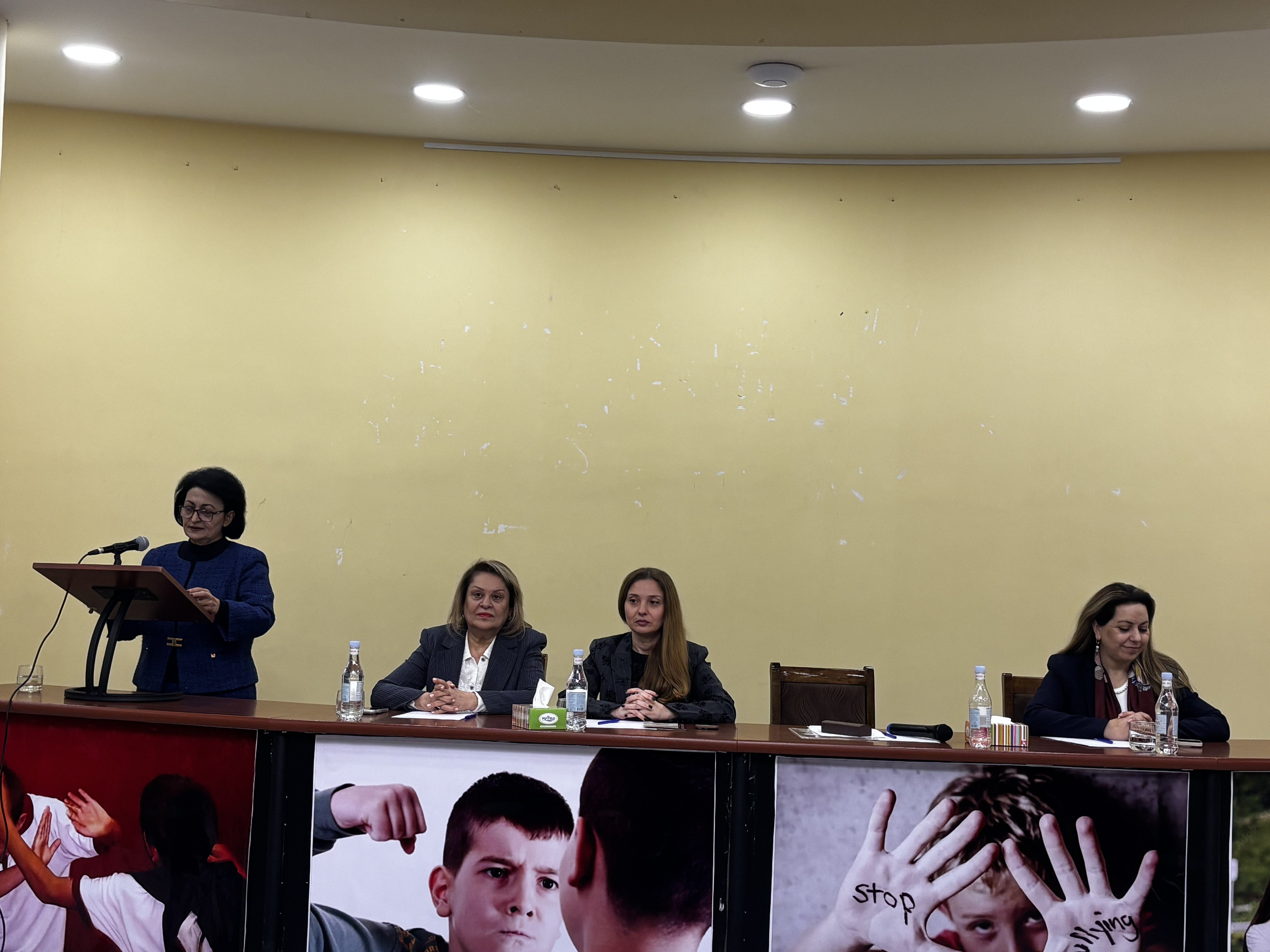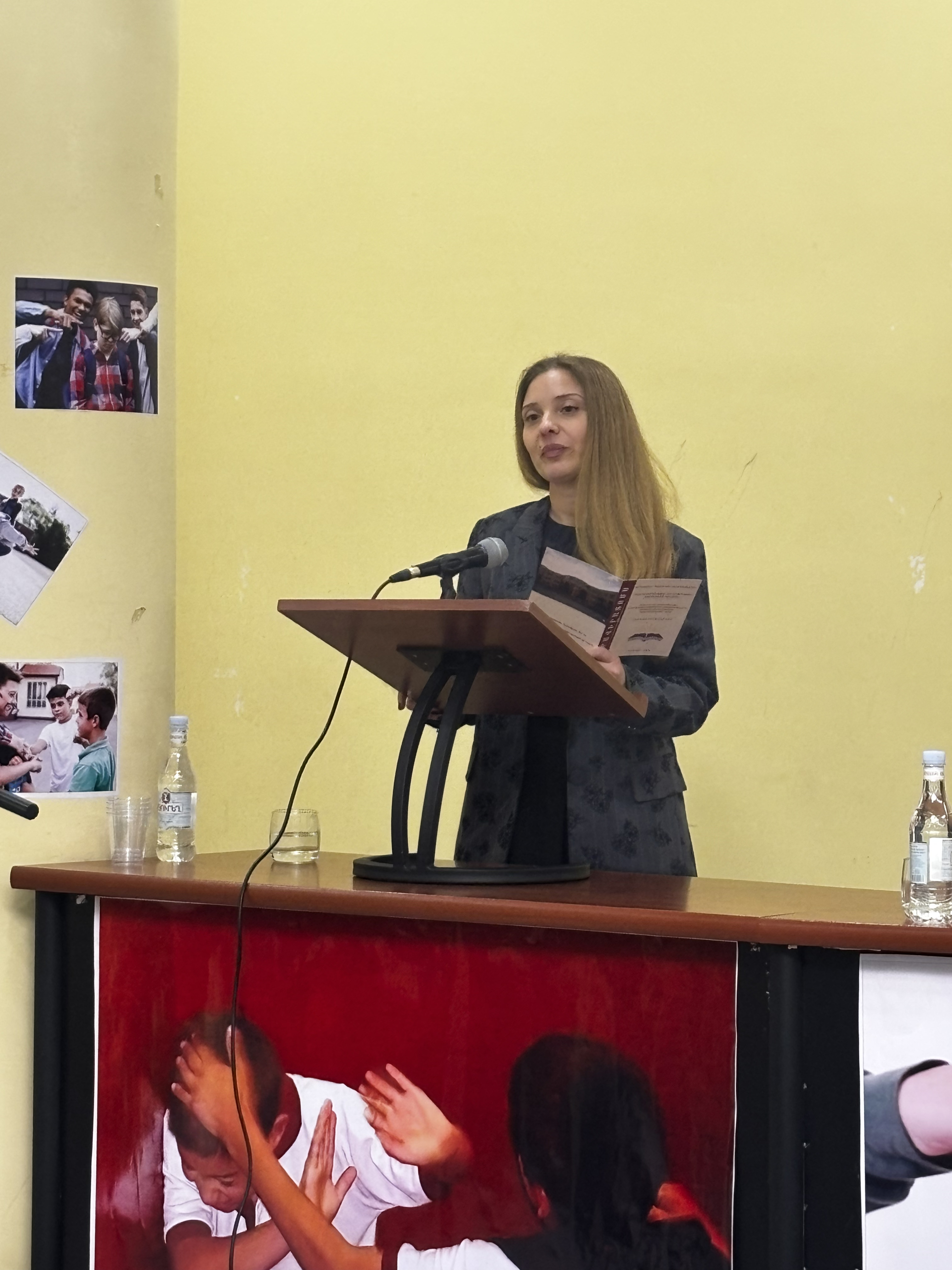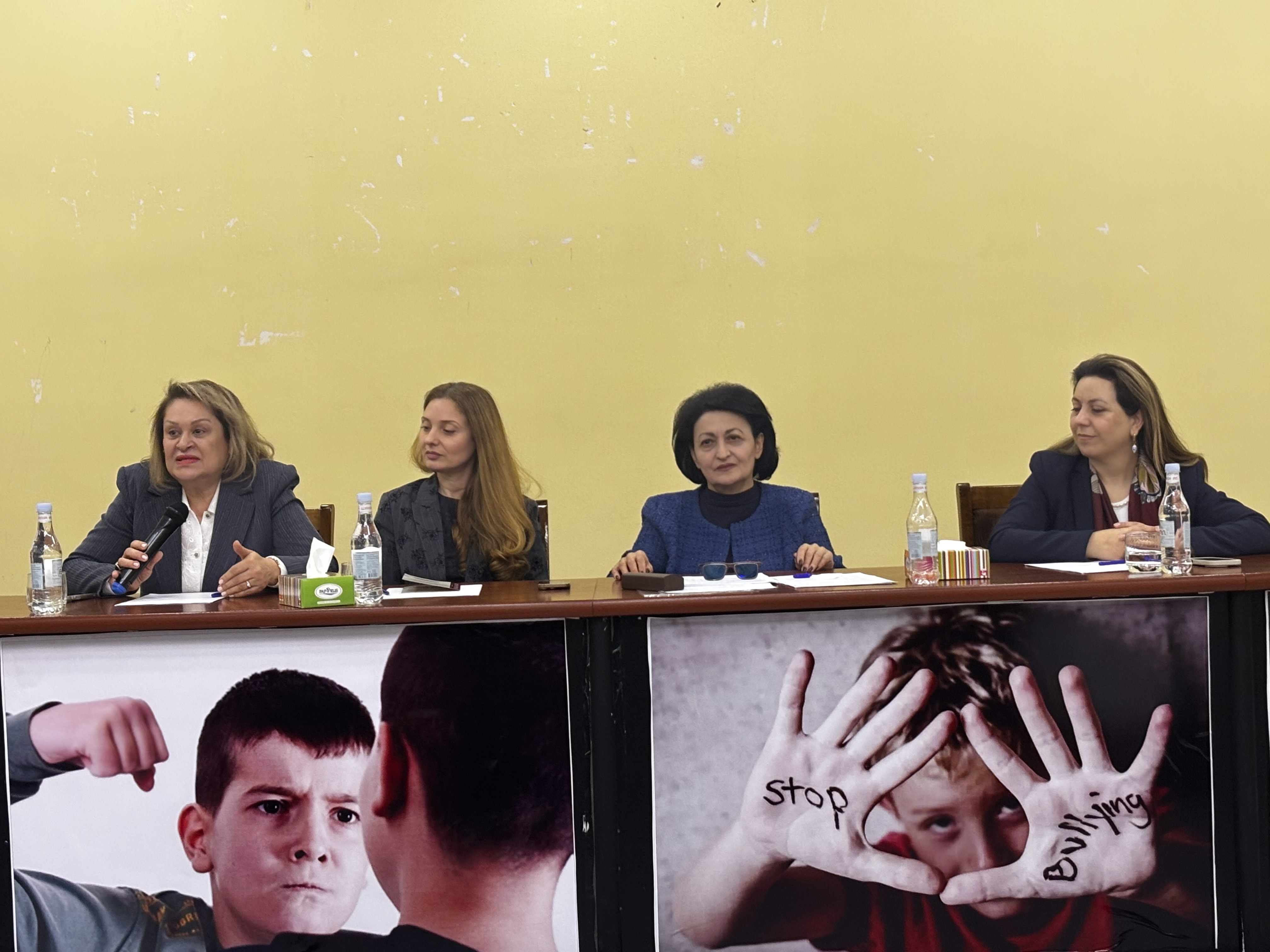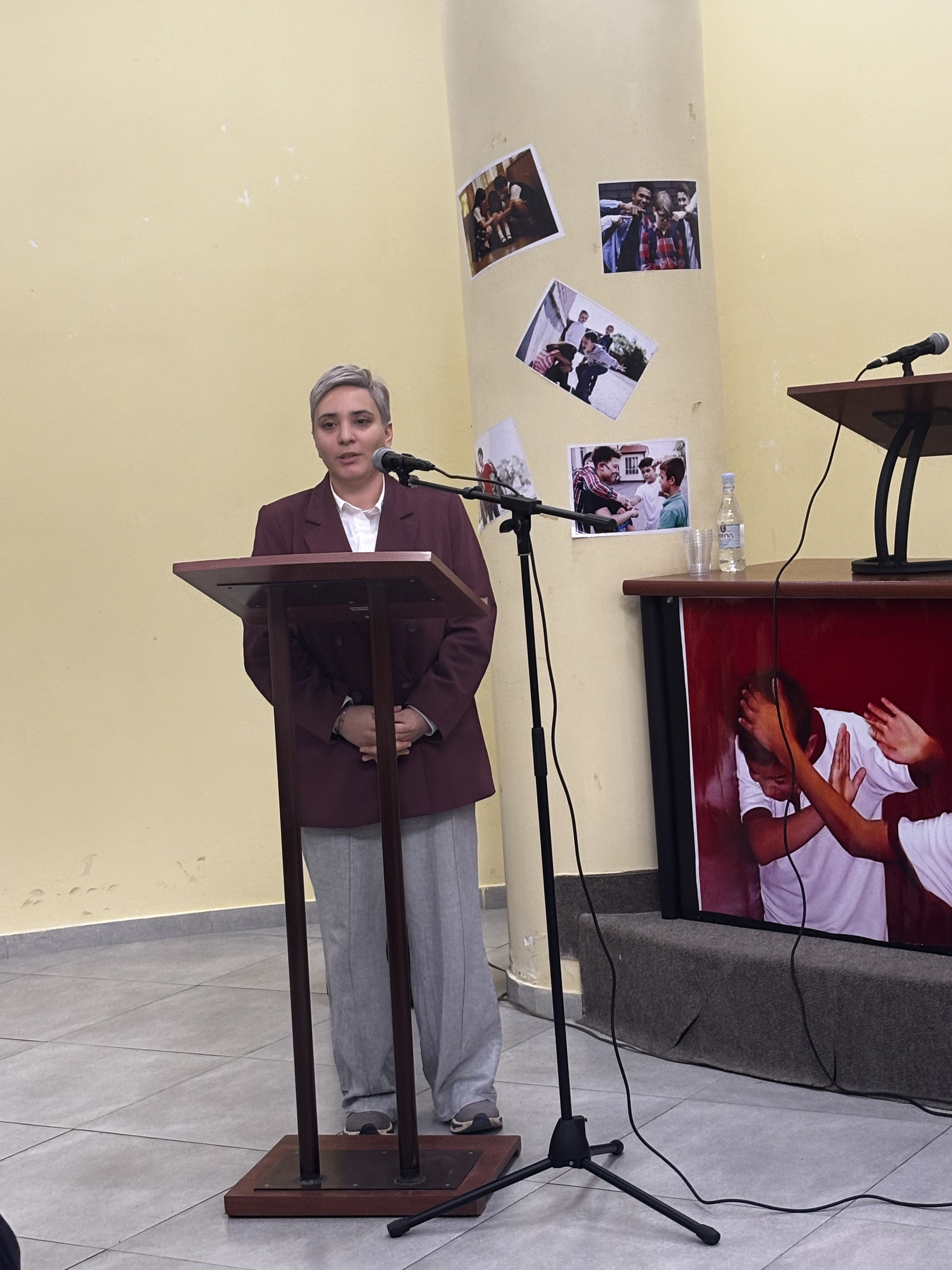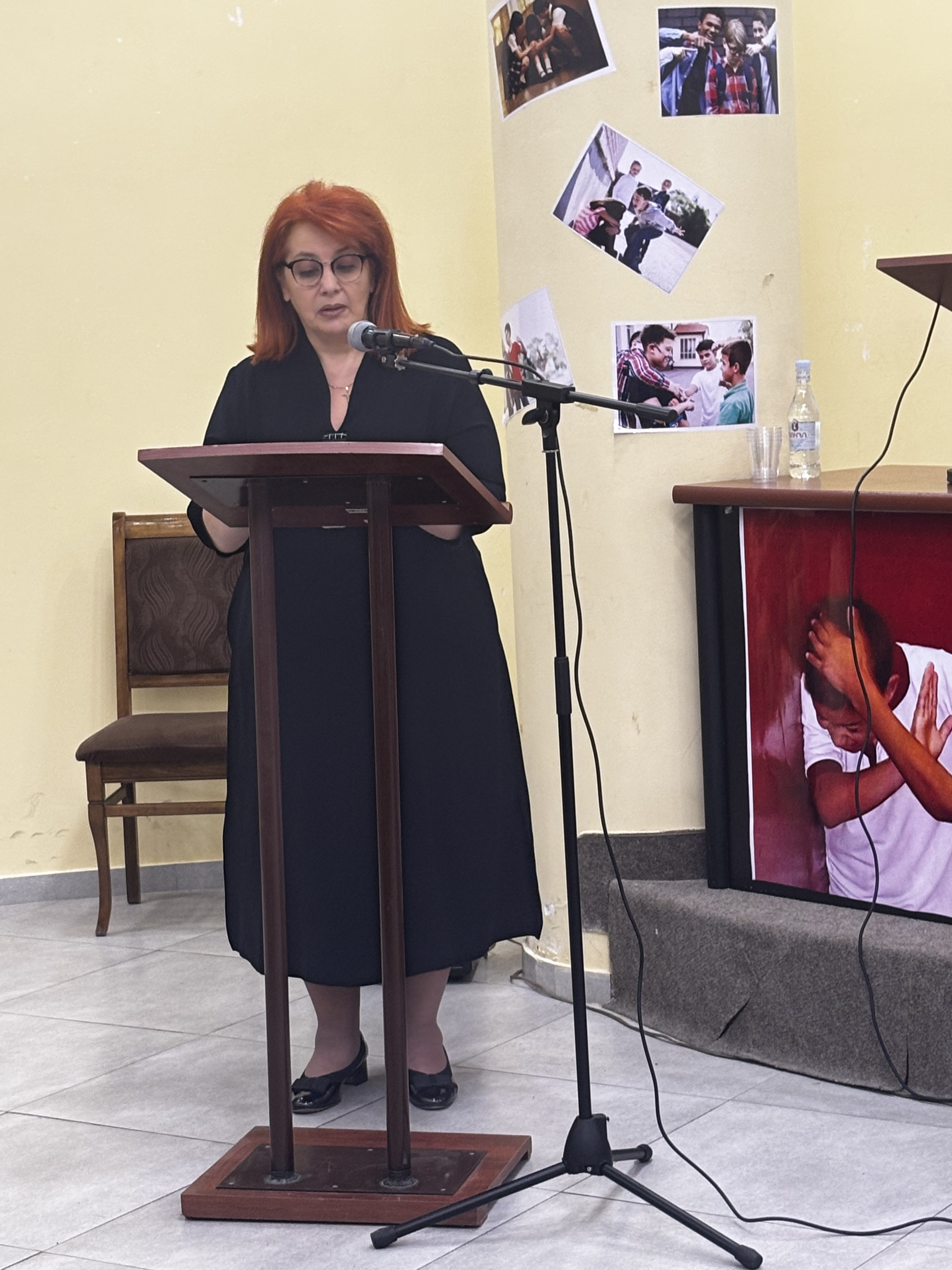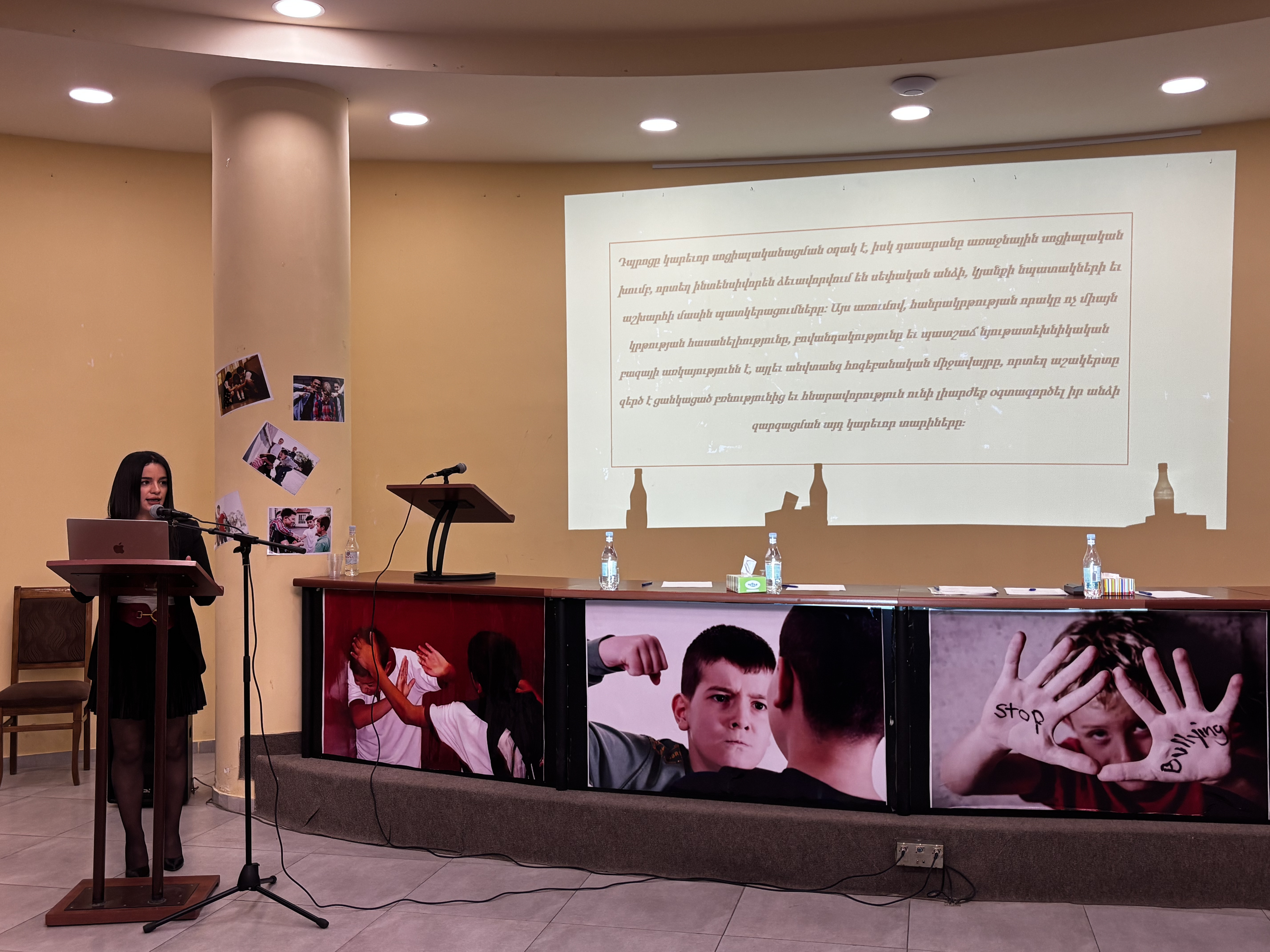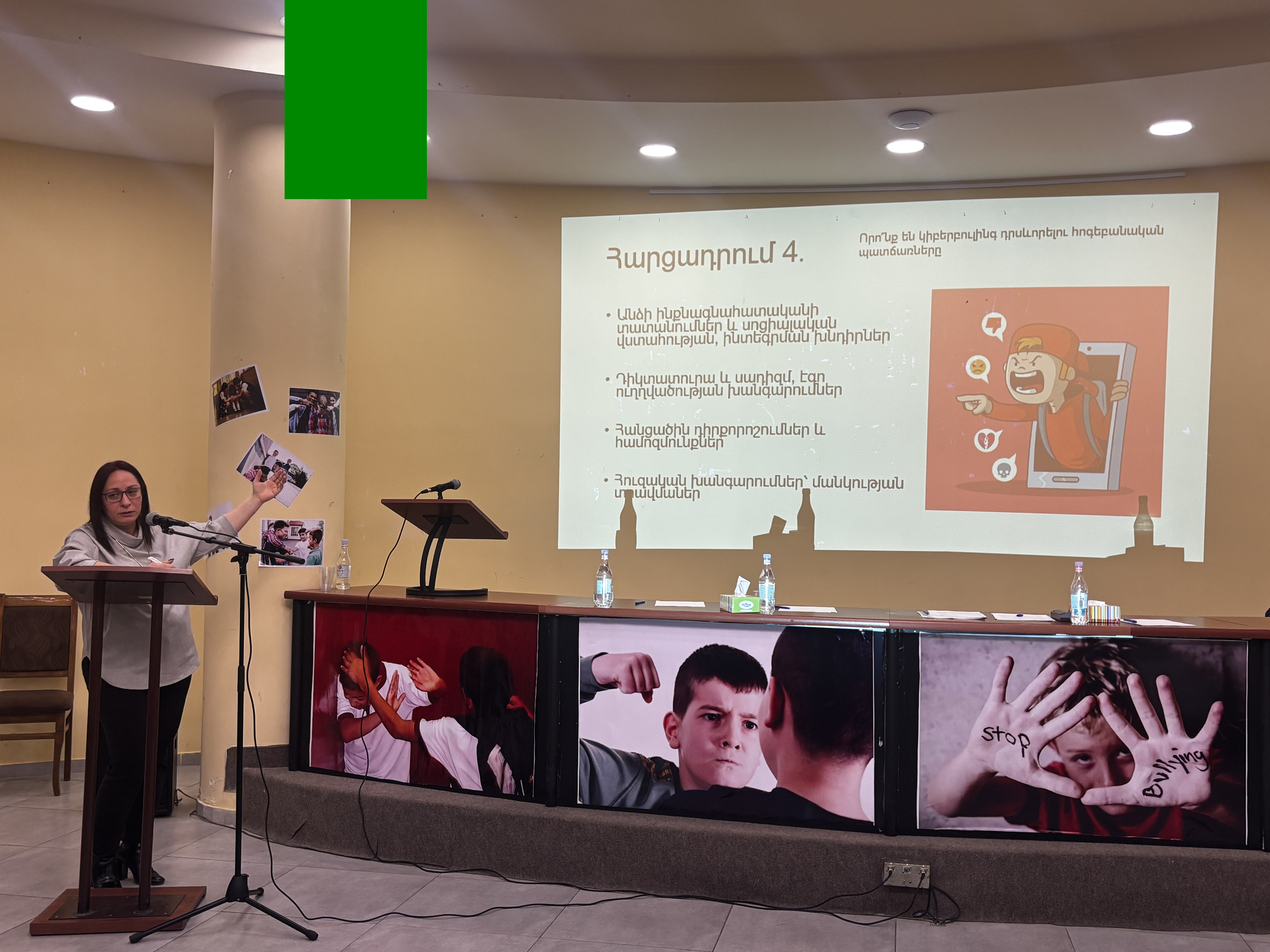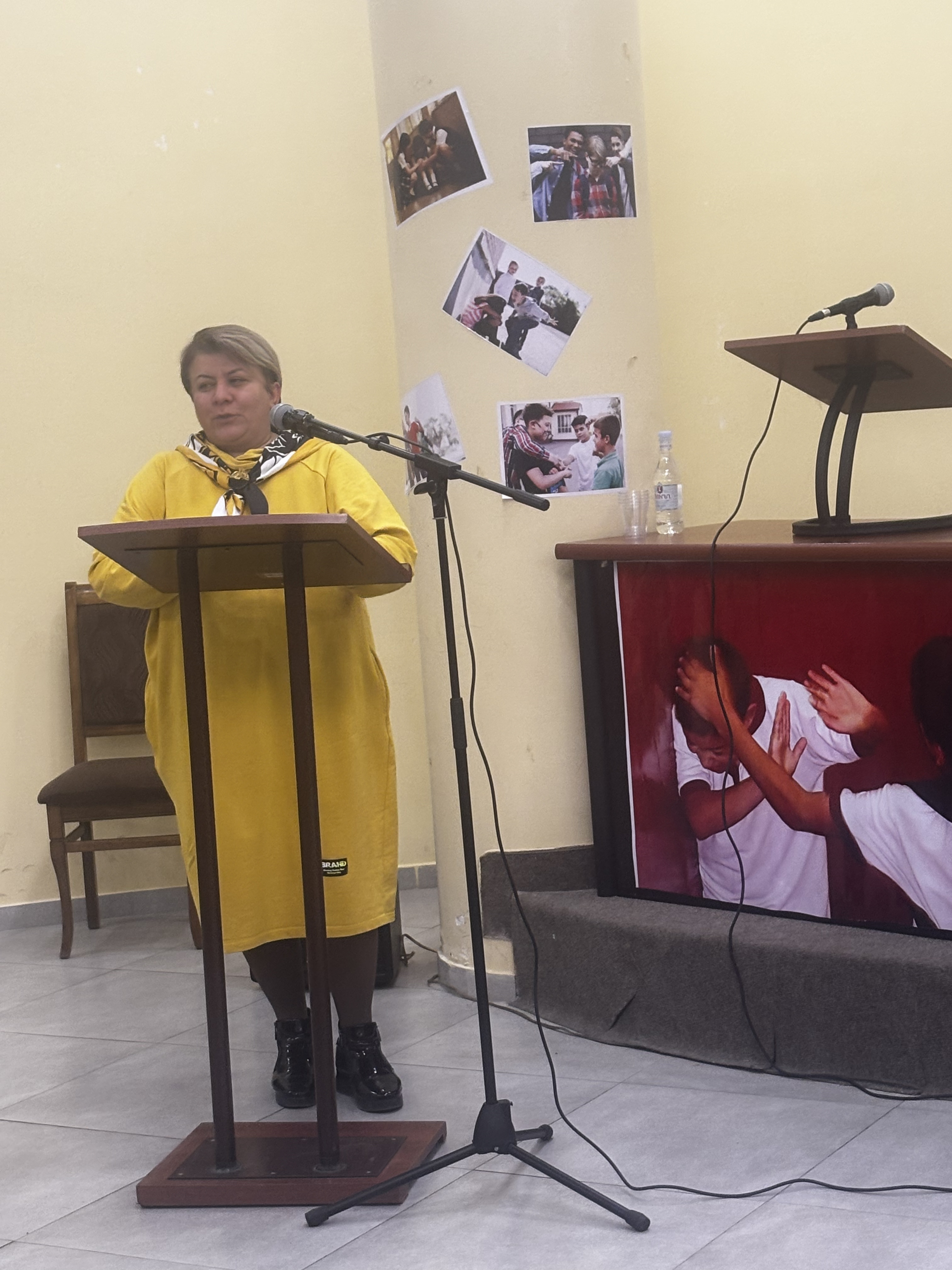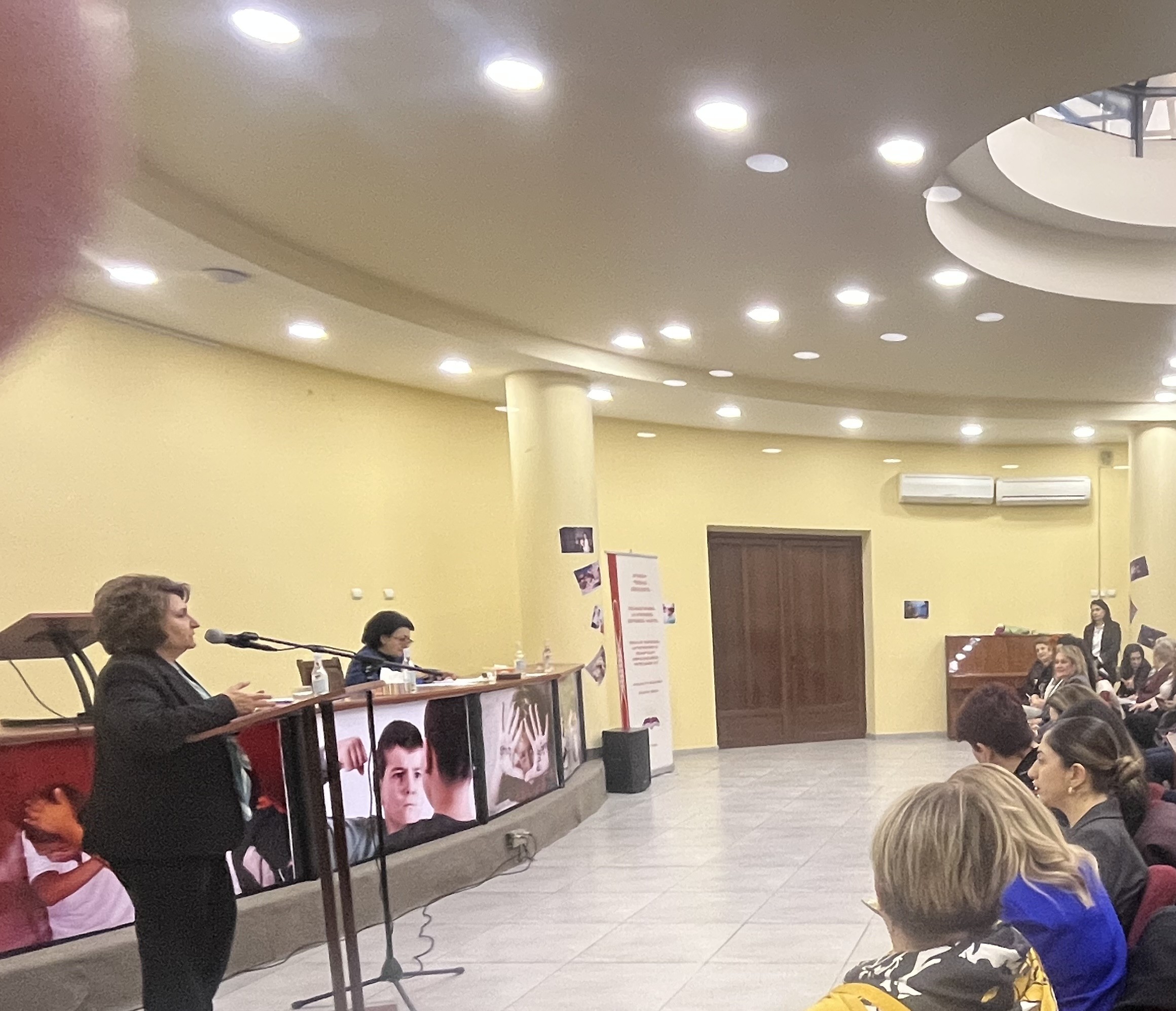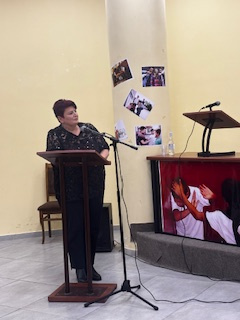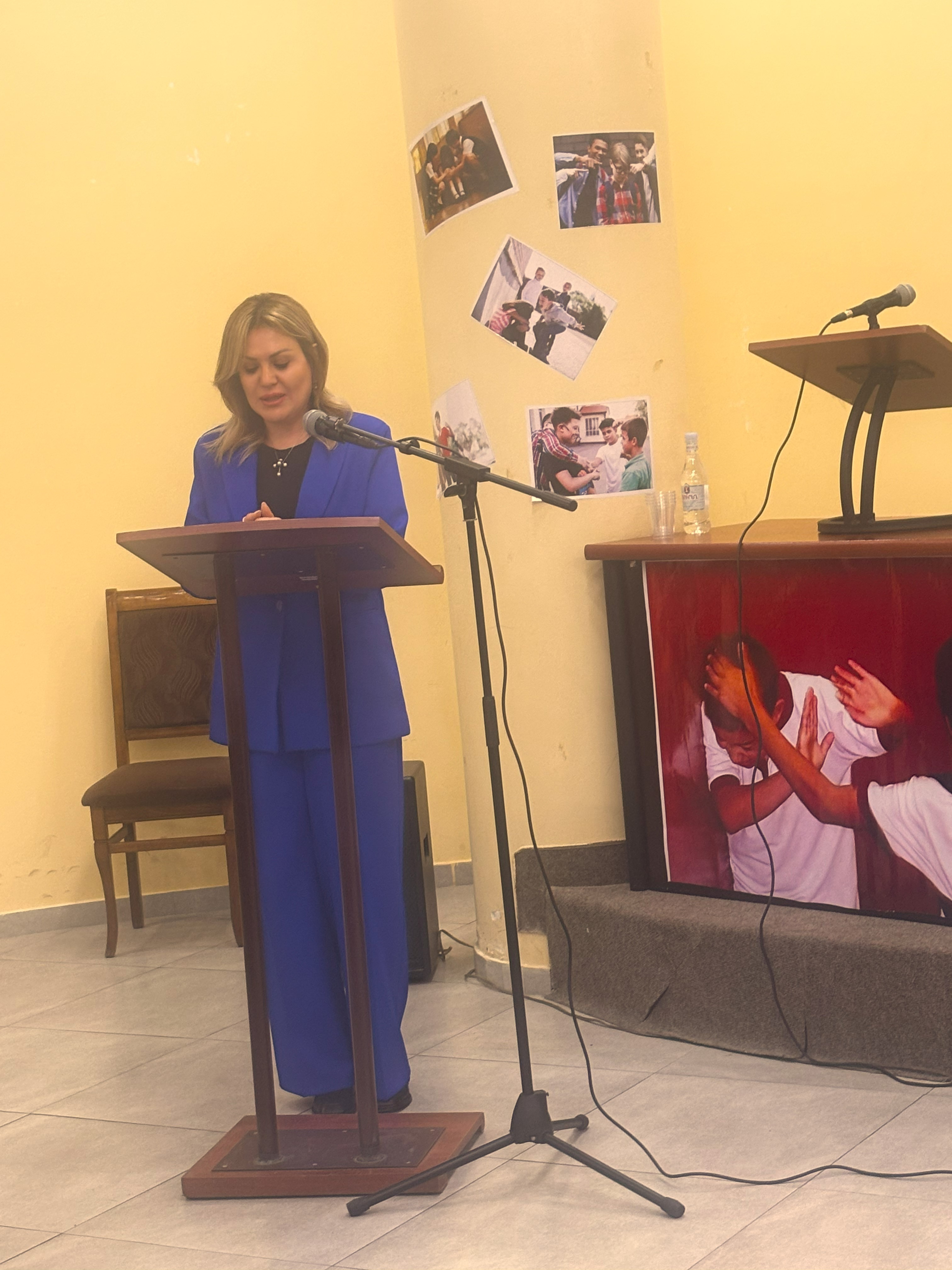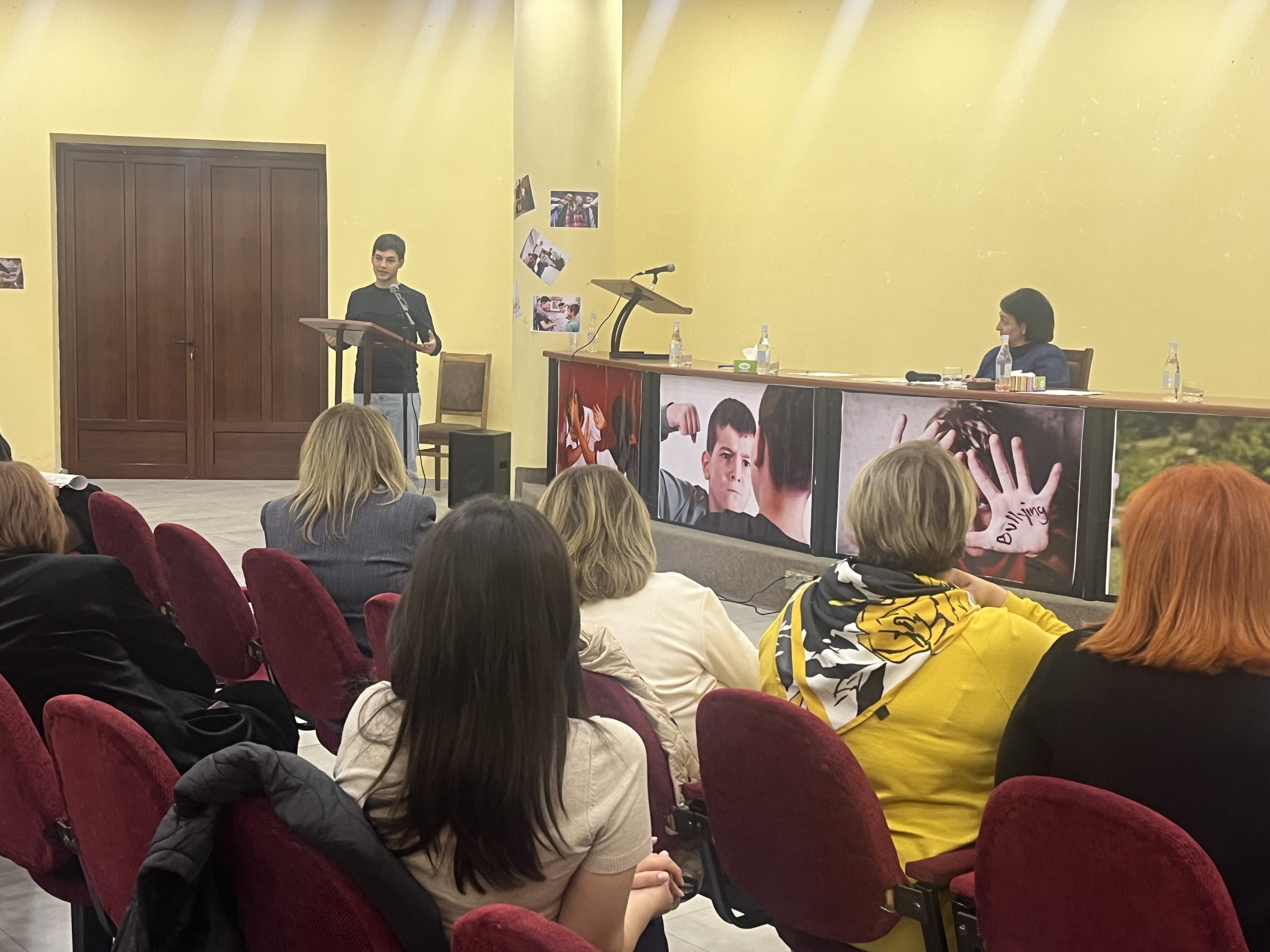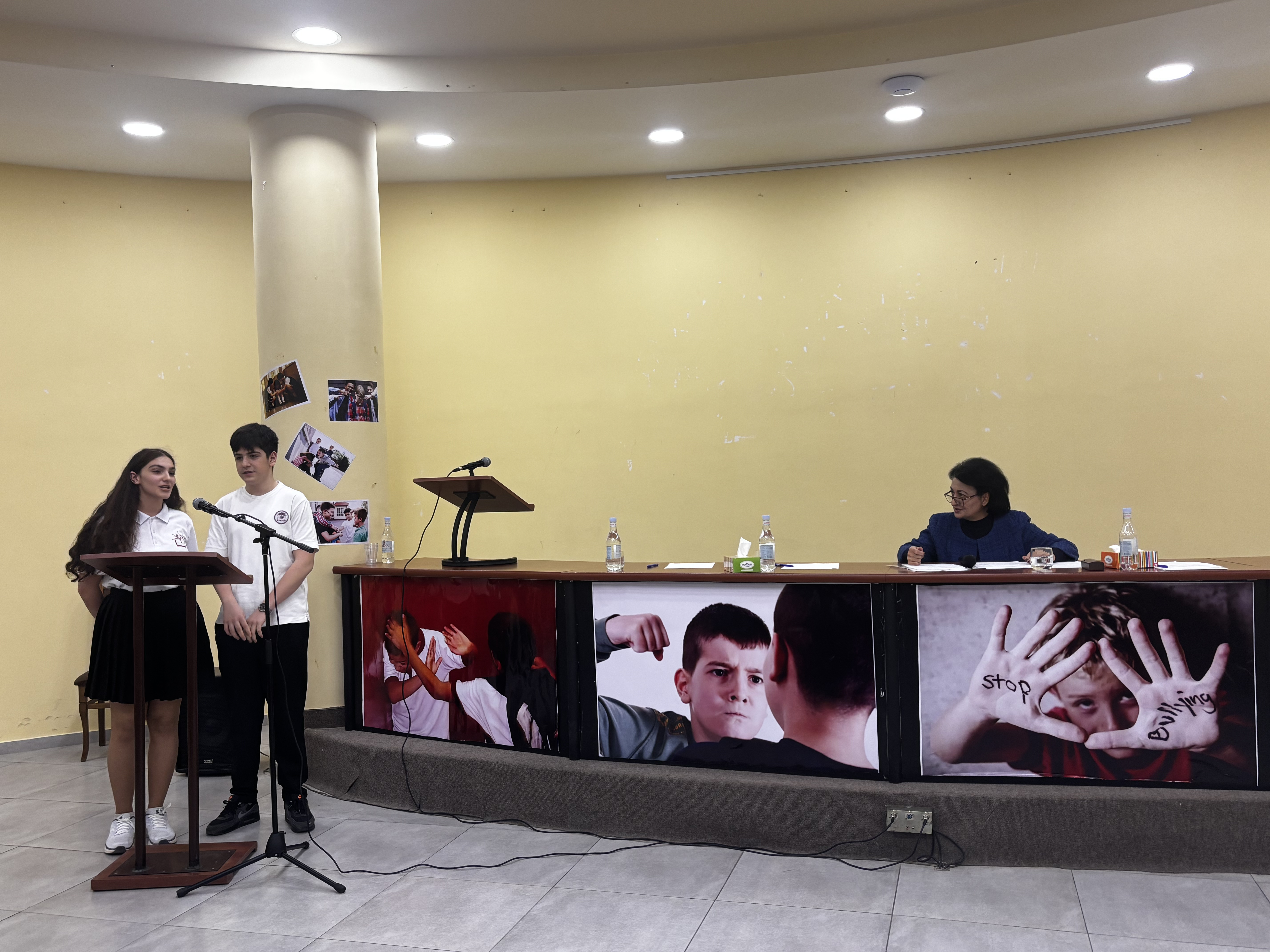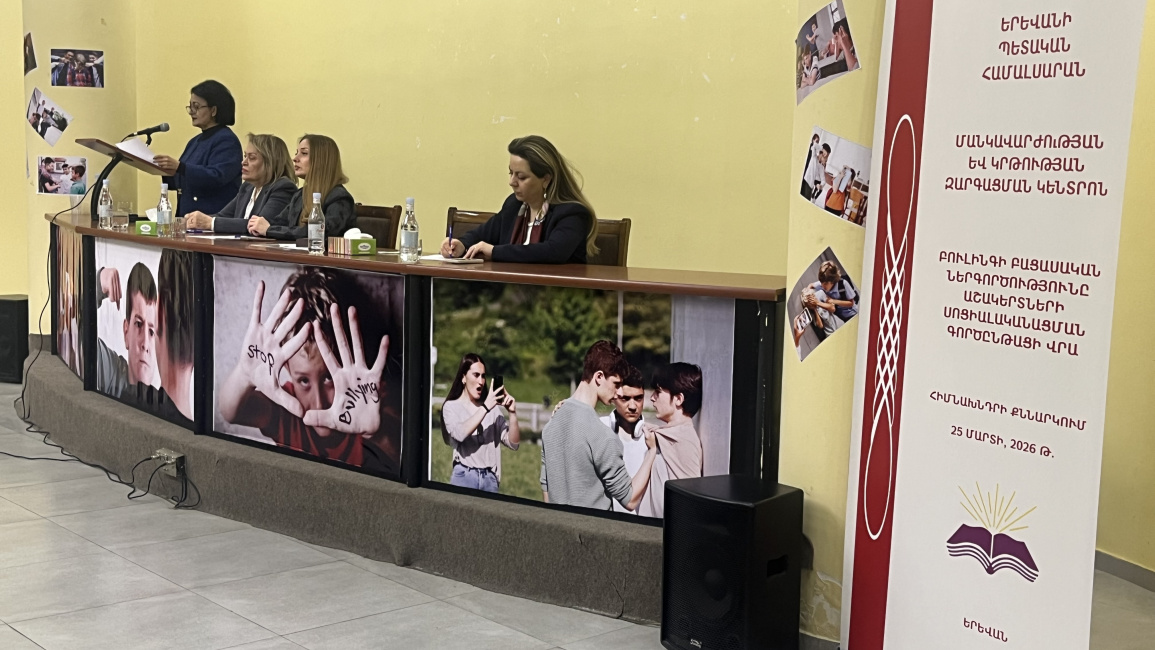
The YSU Pedagogy and Education Development Center hosted a significant expert discussion on the negative impact of bullying on schoolchildren's socialization, with the aim of raising key issues in the field and identifying effective solutions.
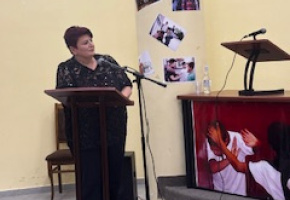
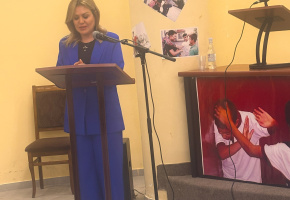
YSU Vice-Rector for Academic Affairs Elina Asriyan, addressing teachers, emphasized their crucial role in fostering a healthy school environment. She noted that the absence of a precise Armenian equivalent for the term "bullying" may reflect a broader tendency within society to overlook or push aside the issue. In this context, she stressed that bullying is a real and pressing problem that requires systemic solutions.
Nazik Harutyunyan, Director of the YSU Pedagogy and Education Development Center, Doctor of Pedagogical Sciences and Professor, highlighted that equal access to education, a safe environment, and—most importantly—the happiness of the child remain goals that have not yet been fully achieved in schools. She pointed to gaps within the school as a social institution that contribute to the emergence of bullying, which negatively affects students' full social development.
She also referred to Japan's advanced experience in general education, which has yielded significant results in raising well-developed and happy generations.
Welcoming remarks were also delivered by representatives of partner organizations, including G. Soghomonyan, Director of the Vardanank Educational Complex; M. Galstyan, Director of the Center for Educational Research and Consulting; and M. Aleksanyan, Educational Programs Coordinator at the Teach For Armenia Foundation.
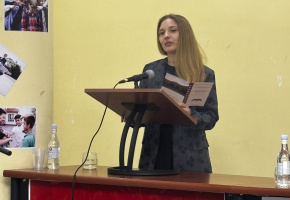
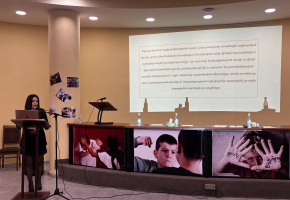
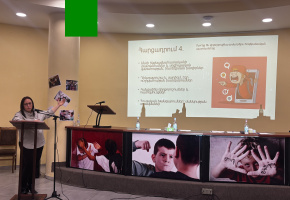
The meeting featured a multi-level professional discussion, with contributions from A. Ashikyan, Associate Professor at the Pedagogy and Education Development Center; D. Sargsyan, Associate Professor at the YSU Chair of Psychology; and Arevik Hambardzumyan, sociologist and researcher at the Center for Educational Research.
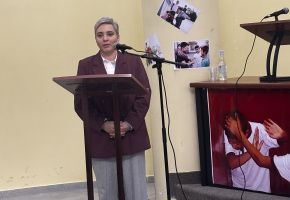
Various school principals also shared their experiences in addressing and preventing bullying. They particularly emphasized the role of the social pedagogue as a key specialist within schools—one who supports students' full socialization, helps create a psychologically safe environment, identifies conflicts at an early stage, and contributes to their effective resolution.
According to the participants, the systematic and professional work of social pedagogues can significantly contribute to bullying prevention, the development of healthy communication among students, and the promotion of a collaborative and inclusive school culture.
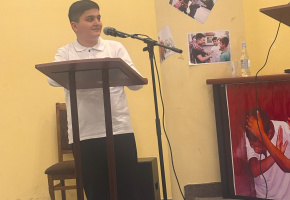
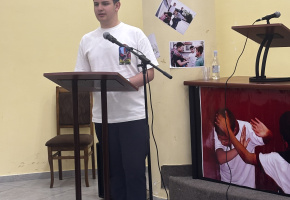
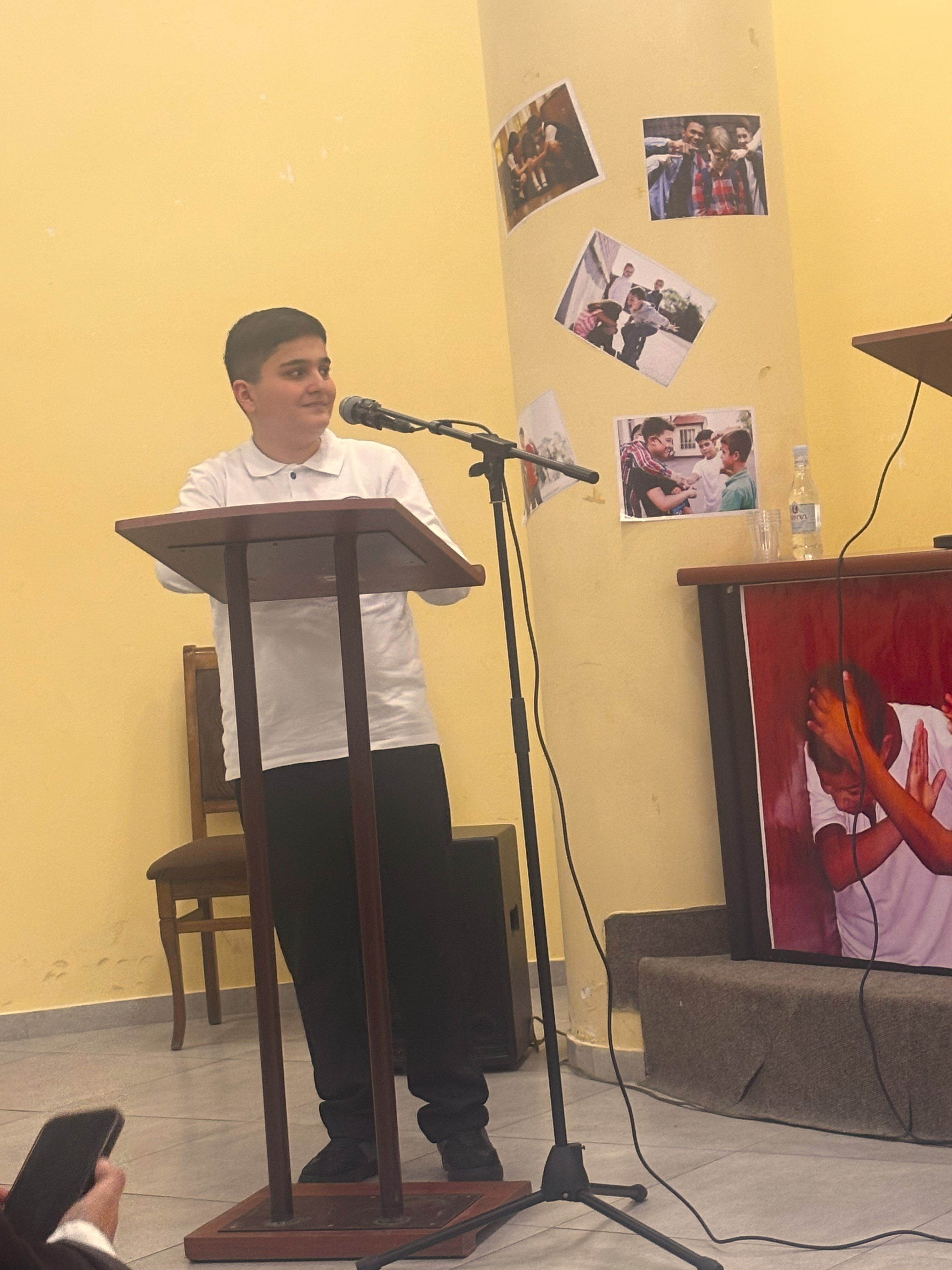
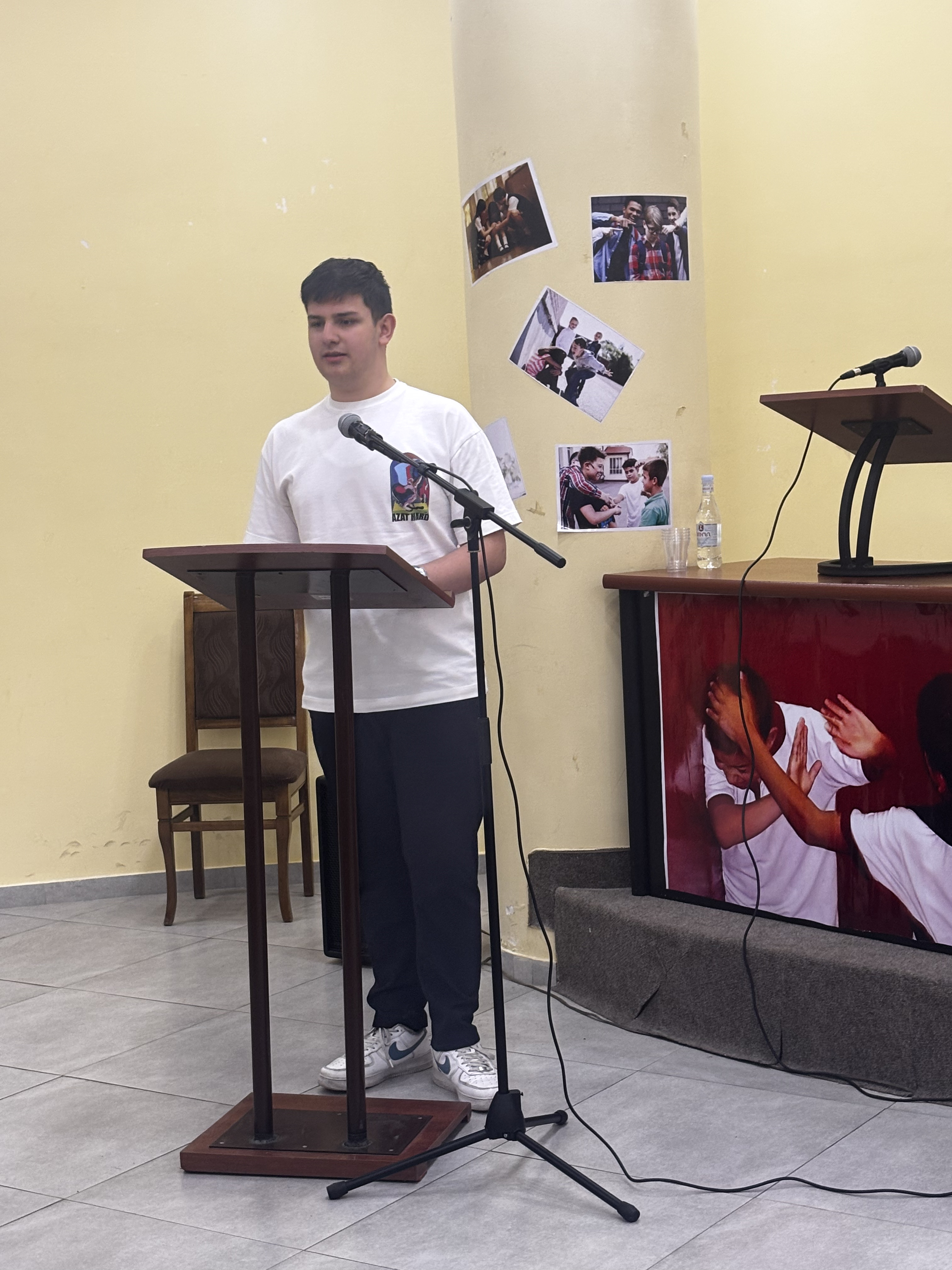
Student contributions were especially notable. They voiced their own perspectives and proposed new approaches to combating bullying. Their active participation demonstrated that amplifying students' voices is essential in addressing the issue effectively.
At the conclusion of the discussion, it was decided to compile a summary document incorporating all proposals and practical actions. The document will be distributed to participating schools as a guideline to support diverse and effective anti-bullying strategies.
Summing up the meeting, Harutyunyan underscored the importance of sustained cooperation between families, schools, and universities. She emphasized that only through coordinated and joint efforts can scientifically grounded solutions be achieved. She also reaffirmed the center's commitment to supporting schools and contributing its professional expertise to the fight against bullying.
The discussion highlighted that combating bullying is not solely an educational issue—it is also closely tied to societal values, children's psychological safety, and civic culture. Only through systematic and conscious efforts can schools become environments where every child feels safe, valued, and happy.
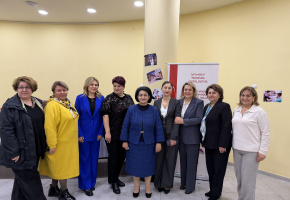
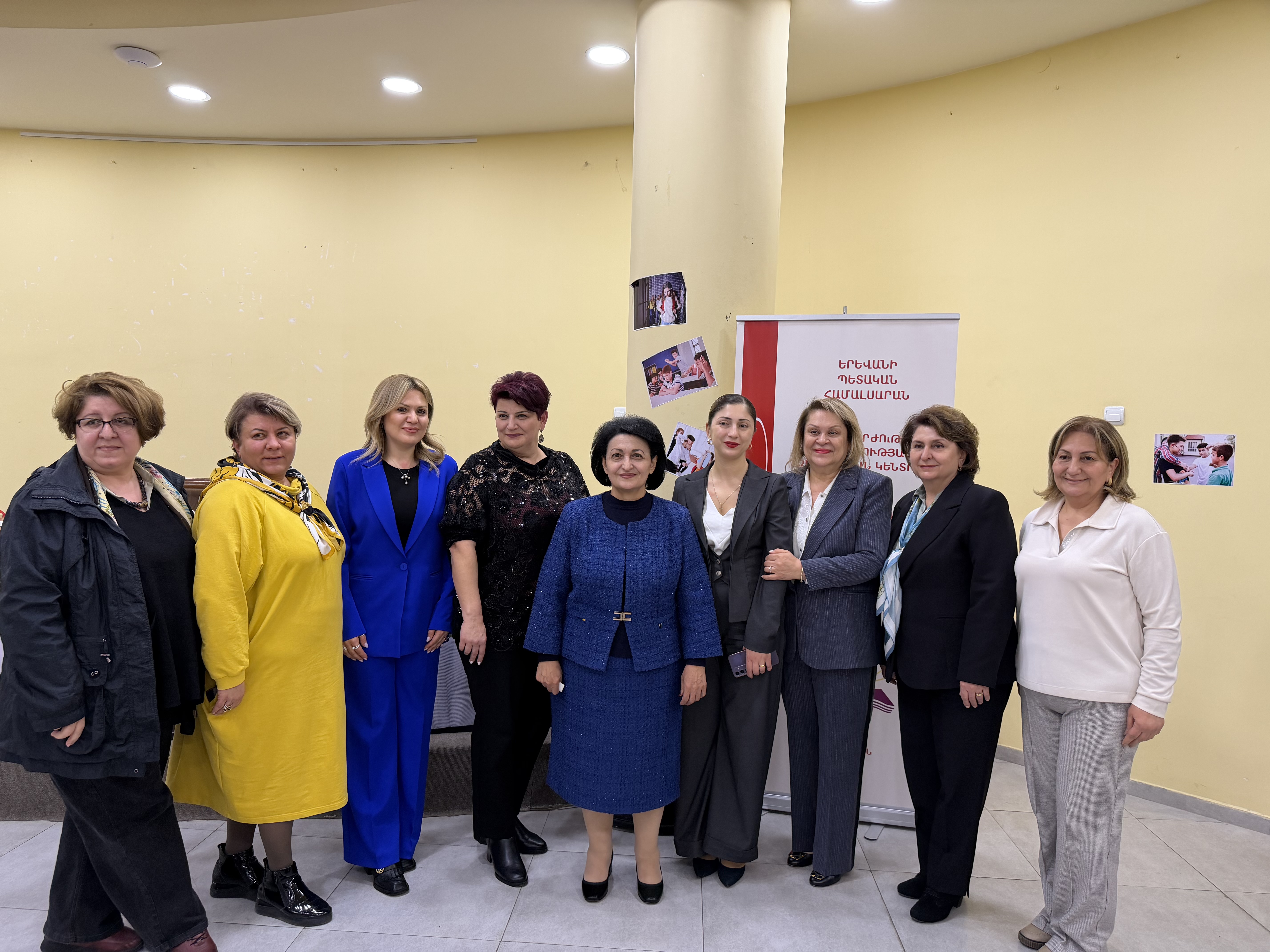
More than 30 school principals and vice-principals, along with students, educators, and representatives of partner organizations from Yerevan and various provinces of Armenia, participated in the meeting. Attendees also included students and faculty members from the center's educational programs, as well as representatives from the Teach For Armenia Foundation, the Center for Educational Research and Consulting, and the Vardanank Educational Complex.