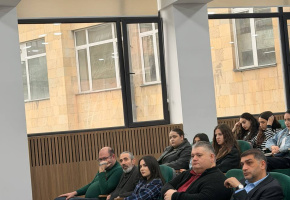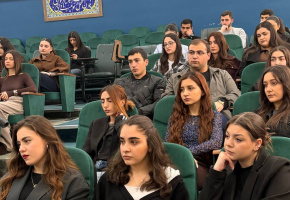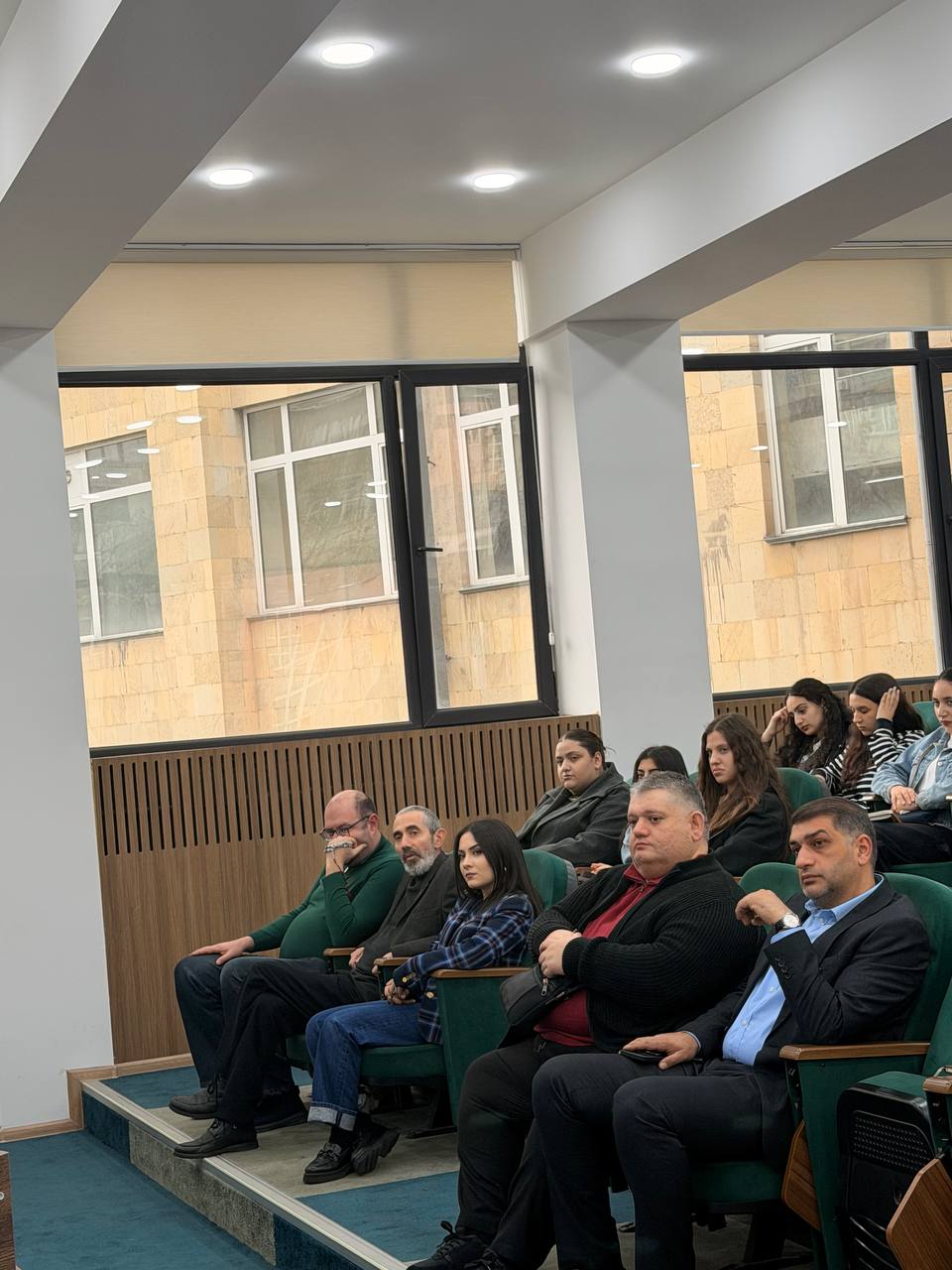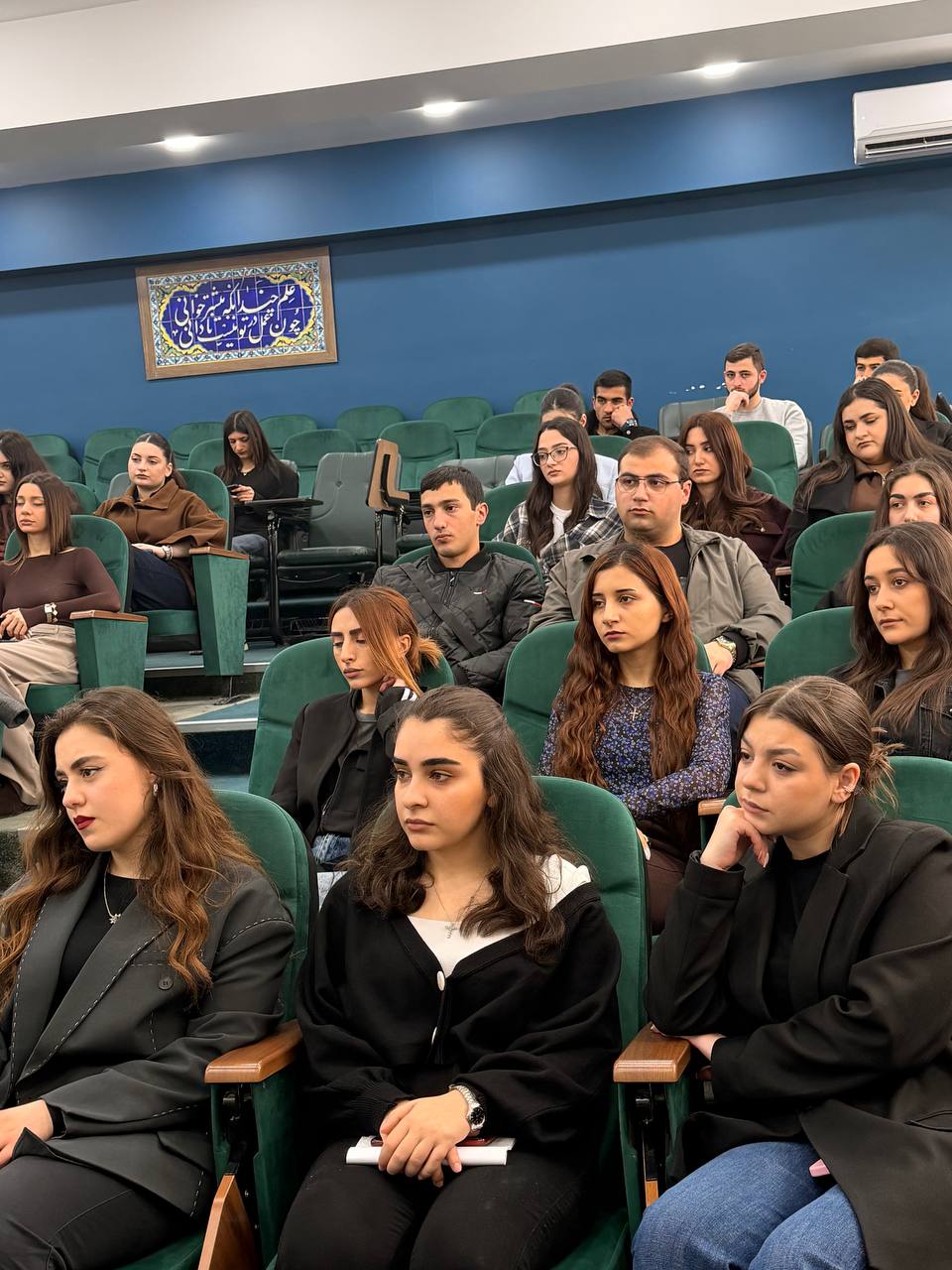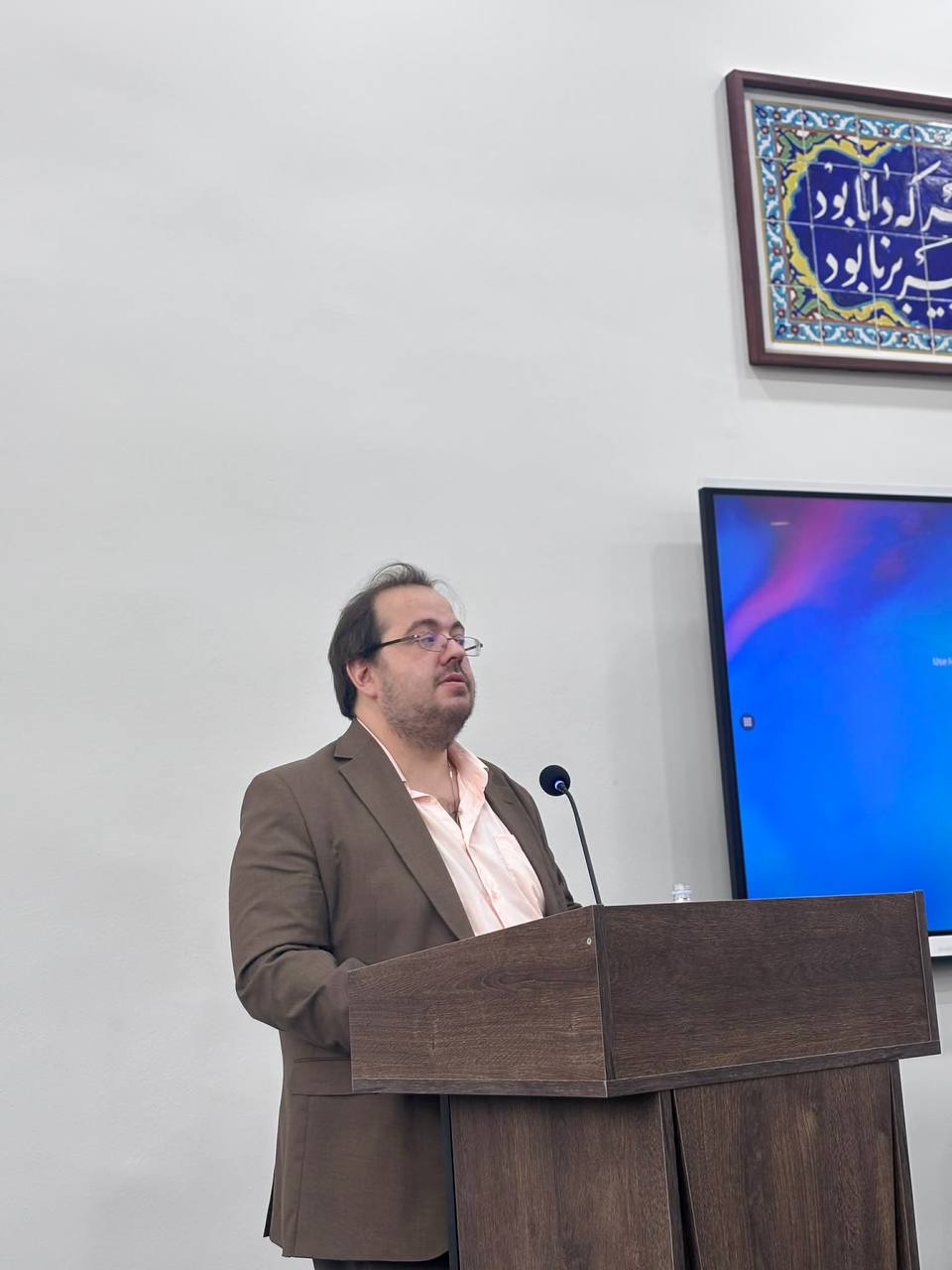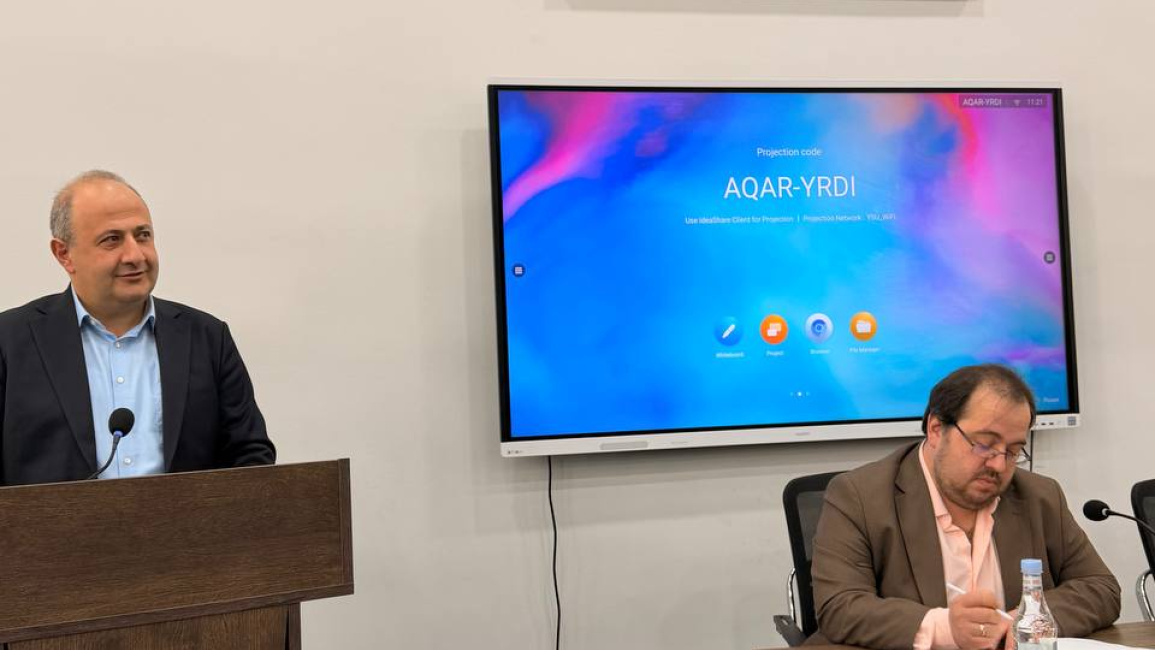
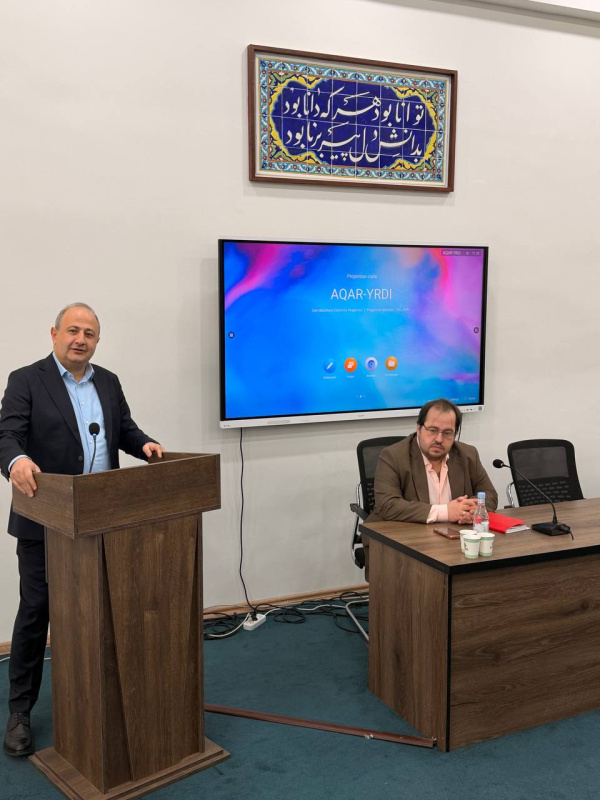
A public lecture focused on the complex geopolitical developments in the Middle East and the interrelations among major power centers was held at the Faculty of Oriental Studies, Yerevan State University.
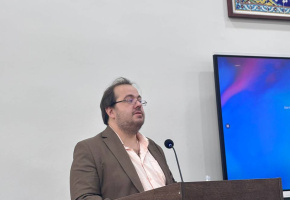
The guest of the Faculty of Oriental Studies was Vasily Kuznetsov, Director of the Center for Arab and Islamic Studies at the Institute of Oriental Studies of the Russian Academy of Sciences, and Associate Professor at the Faculty of World Politics of Lomonosov Moscow State University, PhD in Political Science.
The lecture was opened by the Dean of the YSU Faculty of Oriental Studies, Doctor of Historical Sciences, Professor Ruben Melkonyan. Welcoming the attendees, the dean emphasized the importance of such meetings, which provide students and academic staff with an opportunity to become acquainted with the perspectives of representatives of leading international analytical centers and to engage in in-depth professional analysis.
Lecture's focus and key theses
Vasily Kuznetsov delivered a presentation titled "Turkish–Arab Relations in the Context of the Iranian–Arab Conflict: A View from Moscow". In his analysis, the speaker paid particular attention to the transformations of the regional security system.
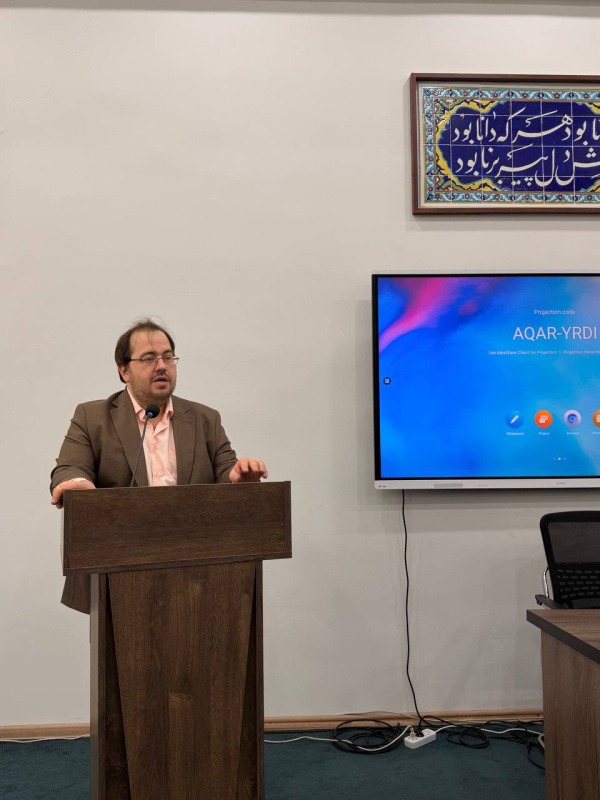
One of the key theses of the lecture was that, in the current tense and multilayered geopolitical environment, a decisive role in stabilizing the region can be played by states pursuing a multi-vector and independent foreign policy. As such "non-aligned" yet influential actors, he highlighted Saudi Arabia and Turkey, emphasizing their growing role in both regional and global processes. The speaker also addressed the emerging political environment surrounding Iran and Russia's positioning in this context.
During his analysis, the lecturer touched upon the Ottoman legacy, stressing that some of the ongoing processes in the region have deep historical roots. In this regard, he noted that while many of today's developments have historical precedents, they have undergone significant transformation under contemporary conditions and manifest themselves in new forms.
Discussion and Q&A session
The lecture was followed by an engaging discussion. Students and faculty members posed numerous questions to the speaker, addressing (a) the prospects of Iran–Arab relations, (b) the priorities of Russia's policy in the Middle East, and (c) the competition among regional powers as well as potential avenues for cooperation.
At the end of the meeting, Professor Ruben Melkonyan thanked Vasily Kuznetsov for the meaningful lecture and expressed hope that such academic exchanges will continue in the future.