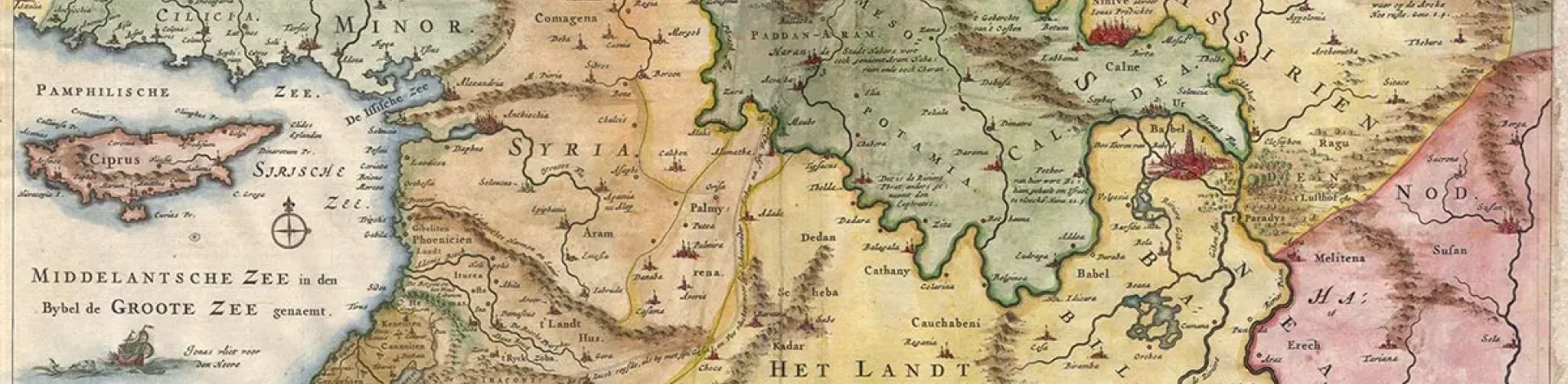
World History
 Master's programme
«Համաշխարհային պատմություն» մագիստրոսական ծրագիր
Ուսման տևողությունը` 2 տարի։
Շնորհվող որակավորումը՝ պատմության մագիստրոս։
Դասերը հիմնականում կազմակերպվում են շաբաթական 3 օր՝ երկրորդ հերթով։
«Համաշխարհային պատմություն» մասնագիտության շրջանակում մագիստրատուրայի ընդունելությունն անցկացվում է՝ համաձայն «ԵՊՀ մագիստրատուրայի (առկա և հեռակա ուսուցման ձևերով) ընդունելության կարգ»-ի պահանջների:
Մանրամասները՝ «Ընդունելություն» բաժնում:
About the Program
The “World History” Master’s program is grounded in an inquiry-based approach and the paradigm of connected history. It aims to develop a comprehensive understanding of global historical processes and to strenghten students’ ability to critically analyze primary sources using contemporary methodological frameworks.
The curriculum is structured into three main components: general, professional, and specialization.
- General Component: Provides the foundational academic knowledge required for Master’s degree, with an emphasis on academic writing, research skills, and critical thinking.
- Professional Component: Offers core theoretical and methodological knowledge in world history, incorporating contemporary historiography and interdisciplinary perspectives.
- Specialization Component: Enables students to concentrate on specific research areas (such as global networks and migration, empires and colonialism, geopolitics and international conflicts, social history, and the history of technology) through required and elective courses that ensure an individualized academic trajectory.
The program integrates theoretical instruction with research practice including archival work and interdisciplinary approaches, ensuring thorough preperation for academic, professional, and educational careers.
Admission Requirements
Admission to the “World History” Master’s program is conducted in accordance with the regulations governing Master’s degree programs at Yerevan State University (full-time and part-time study formats). For further information, please refer to the Admissions section.
Program Objective
The program is designed to prepare highly qualified researchers and analysts capable of examining historical processes within global and interdisciplinary contexts.
Upon completion of the program, graduates will acquire the following competencies:
- Independent Research: Ability to conduct advanced scholarly research based on the critical analysis of local and international archival materials and primary sources.
- Analytical Skills: Capacity to analyze and interpret contemporary geopolitical and global developments within a broader historical framework.
- Project Management: Skills to design and implement academic, cultural, and educational projects.
- Academic Communication: Proficiency in presenting research at international academic forums and publishing in scholarly journals.
Advantages
The World History program at Yerevan State University offers a range of opportunities for academic and professional development:
- Research Infrastructure and Resources: Access to the archives and libraries of Yerevan State University and the National Academy of Sciences of the Republic of Armenia, as well as international electronic databases such as JSTOR, EBSCO, and Cambridge Core.
- Academic Mobility: Opportunities to participate in the Erasmus+ exchange program, including one-semester study periods at partner European universities.
- Academic Staff: Instruction provided by active researchers, visiting lecturers from Armenian and international institutions, and field practitioners, including diplomats and public sector experts.
Applied Learning and Public History: Integration of theoretical instruction with seminars, archival training, and applied research projects.
Career Opportunities
Graduates of the program may pursue careers in a wide range of sectors:
- Academic and Research Institutions: Institutes of History and Oriental Studies of the National Academy of Sciences of the Republic of Armenia, research centers, and university laboratories.
- Education Sector: Secondary and higher education institutions, as well as educational program development and management.
- Public Administration and Diplomacy: The Ministries of Foreign Affairs, Defense, and Education, Science, Culture and Sports of the Republic of Armenia, as well as the National Assembly.
- International Organizations and Civil Society: Offices of the United Nations in Armenia, international development agencies, and human rights foundations.
- Media and Cultural Heritage: Analytical units within media organizations, as well as museums and archival institutions.
Contacts
Program Head: PhD, Associate Professor Smbat Hovhannisyan
Address: Yerevan State University, Faculty of History, Chair of World History (Room 323)
 (+374 60) 710 610
 smbat_hovhannisyan@ysu.am