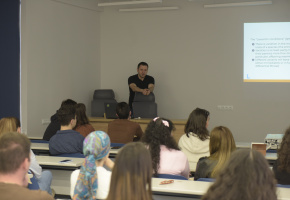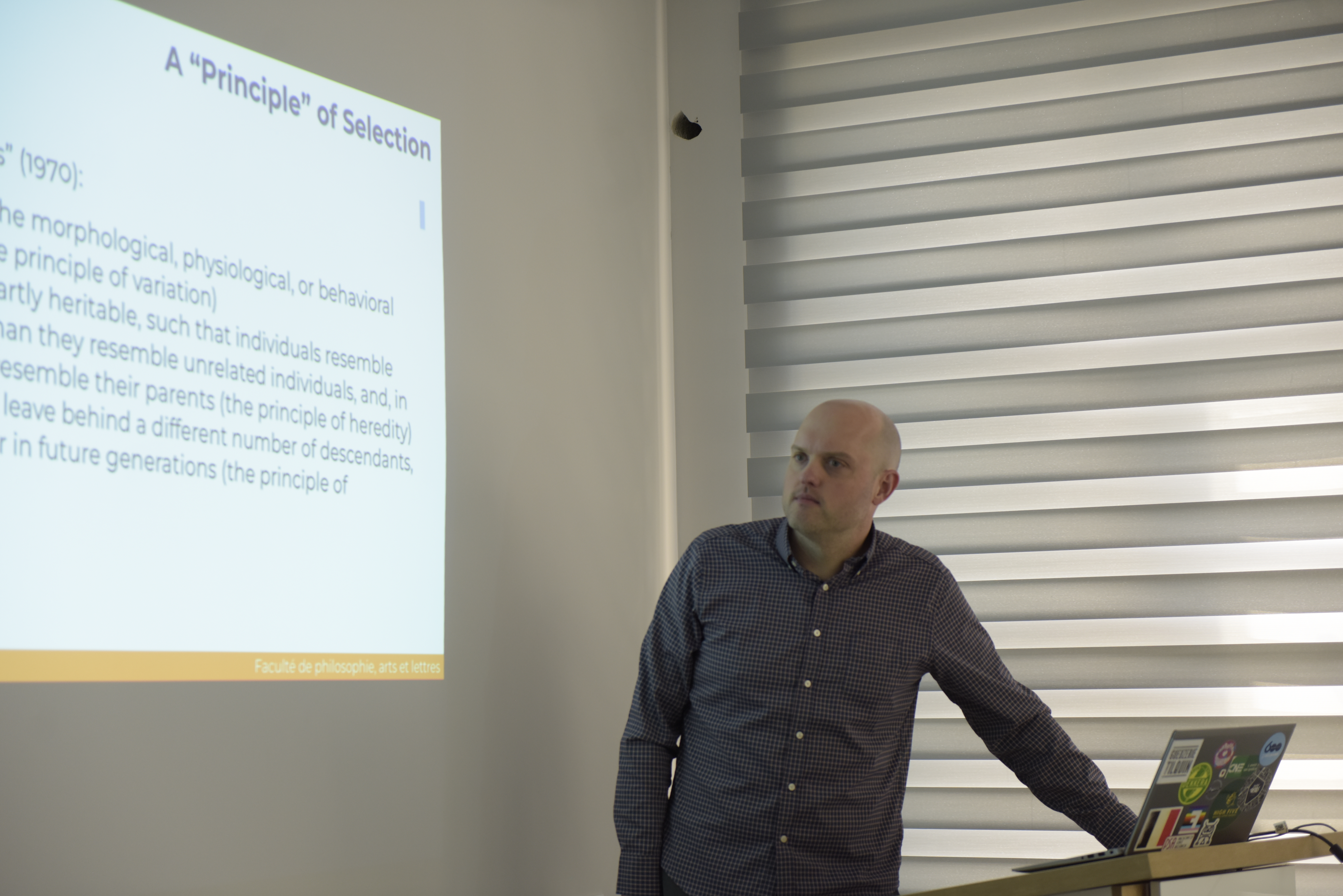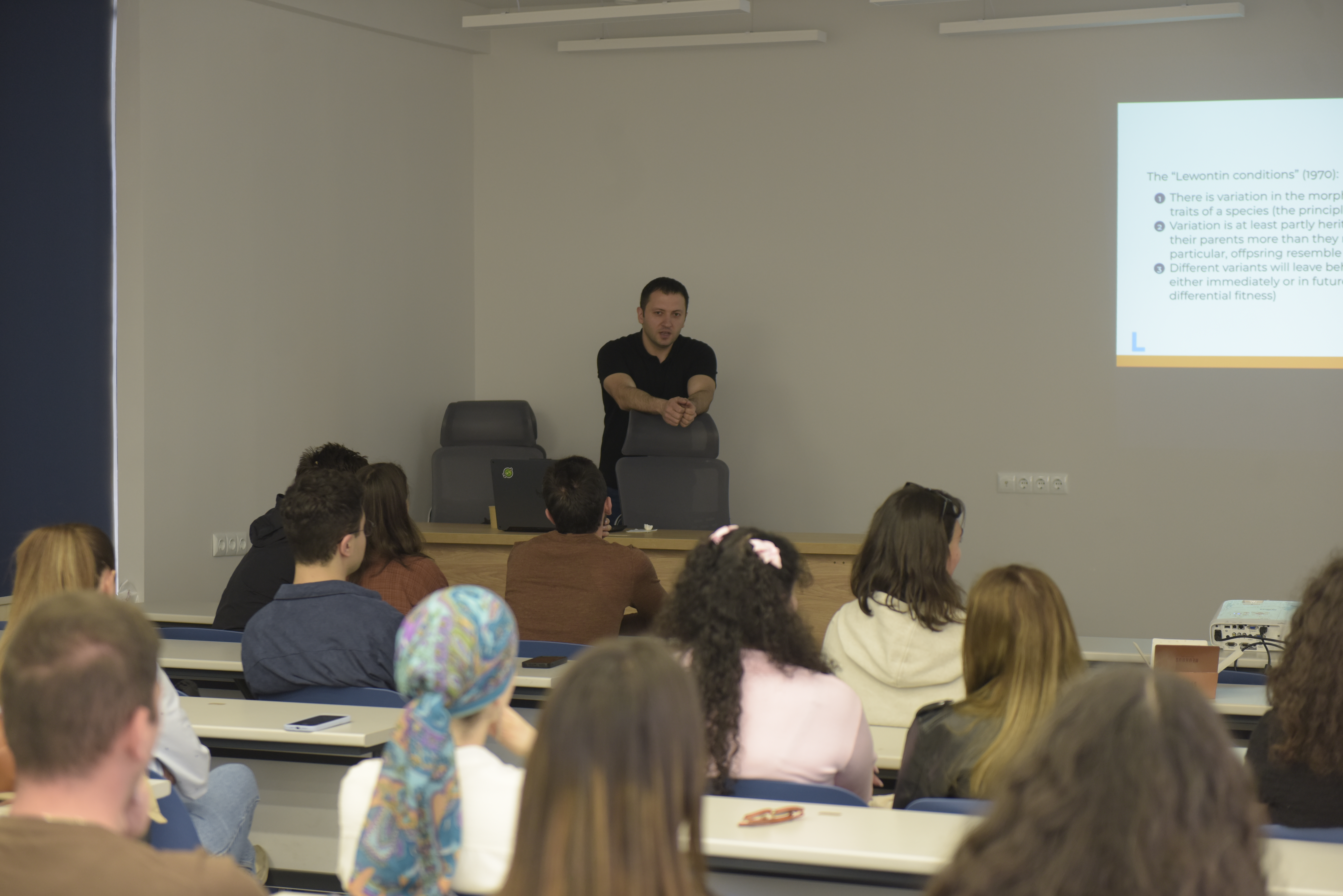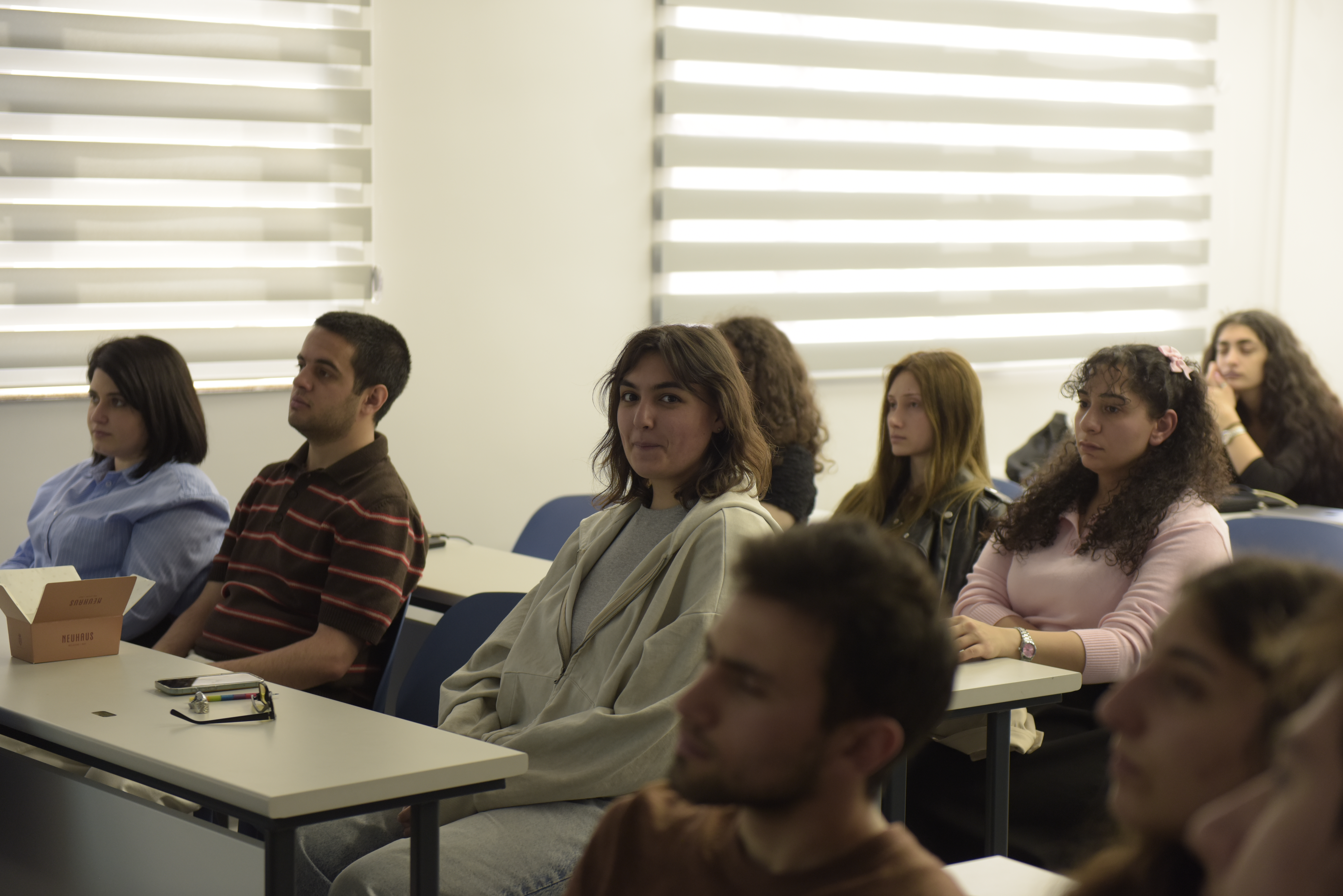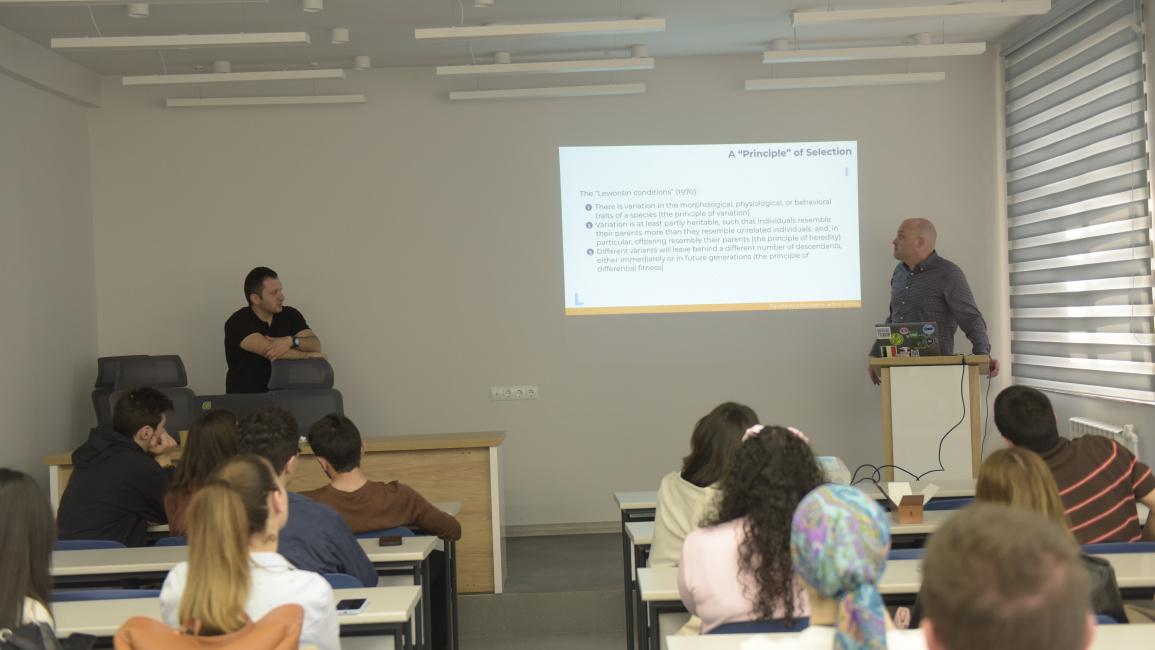
Within the framework of the Erasmus+ staff mobility program, Charles Pence, Director of the Center for Philosophy of Science and Society at the Catholic University of Louvain (UCLouvain) and a philosopher and historian of science and technology, delivered a special one-week course titled "Philosophical Foundations of Evolution" at the YSU Faculty of Philosophy and Psychology.
The interdisciplinary course addressed key philosophical questions related to evolution, adaptation, the formation of thought, and a range of issues at the intersection of biology and philosophy.
History of evolutionary theory
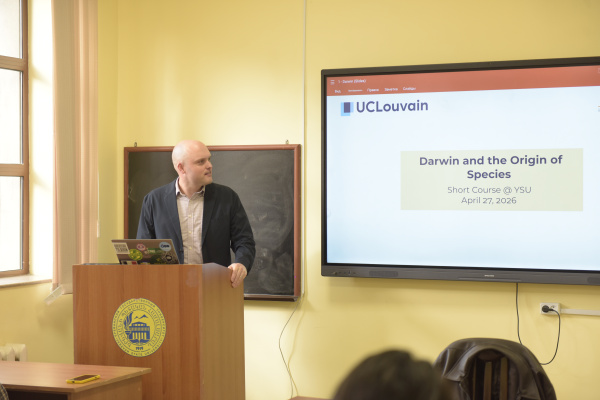
The first session introduced the historical background of the emergence of evolutionary theory, including an overview of 19th-century scientific thought. Particular attention was given to the life and research of Charles Darwin, outlining the development of his scientific work and the path that led to the formulation of the theory of evolution.
The second session focused on the evolutionary processes of natural selection, adaptation, and fitness, as well as their philosophical interpretation. The discussion also examined the normative and ethical implications that may arise from evolutionary theory, along with the limitations that must be considered when drawing moral conclusions from biological explanations.
Preconditions for formation of human thought
During the third meeting, the focus was on the biological and environmental prerequisites for the formation of human thought. It explored the roles of biological characteristics and external environment in shaping thinking, value systems, and behavioral patterns. Participants emphasized that understanding human thought and behavior requires consideration of both biological bases and the influence of social and cultural contexts.
The course concluded with a discussion of the ethical implications derived from the philosophical analysis of evolution. Participants reflected on whether studying the biological foundations of human thought and behavior can contribute to theoretical and practical efforts aimed at improving society.
Multidisciplinary approaches to key issues
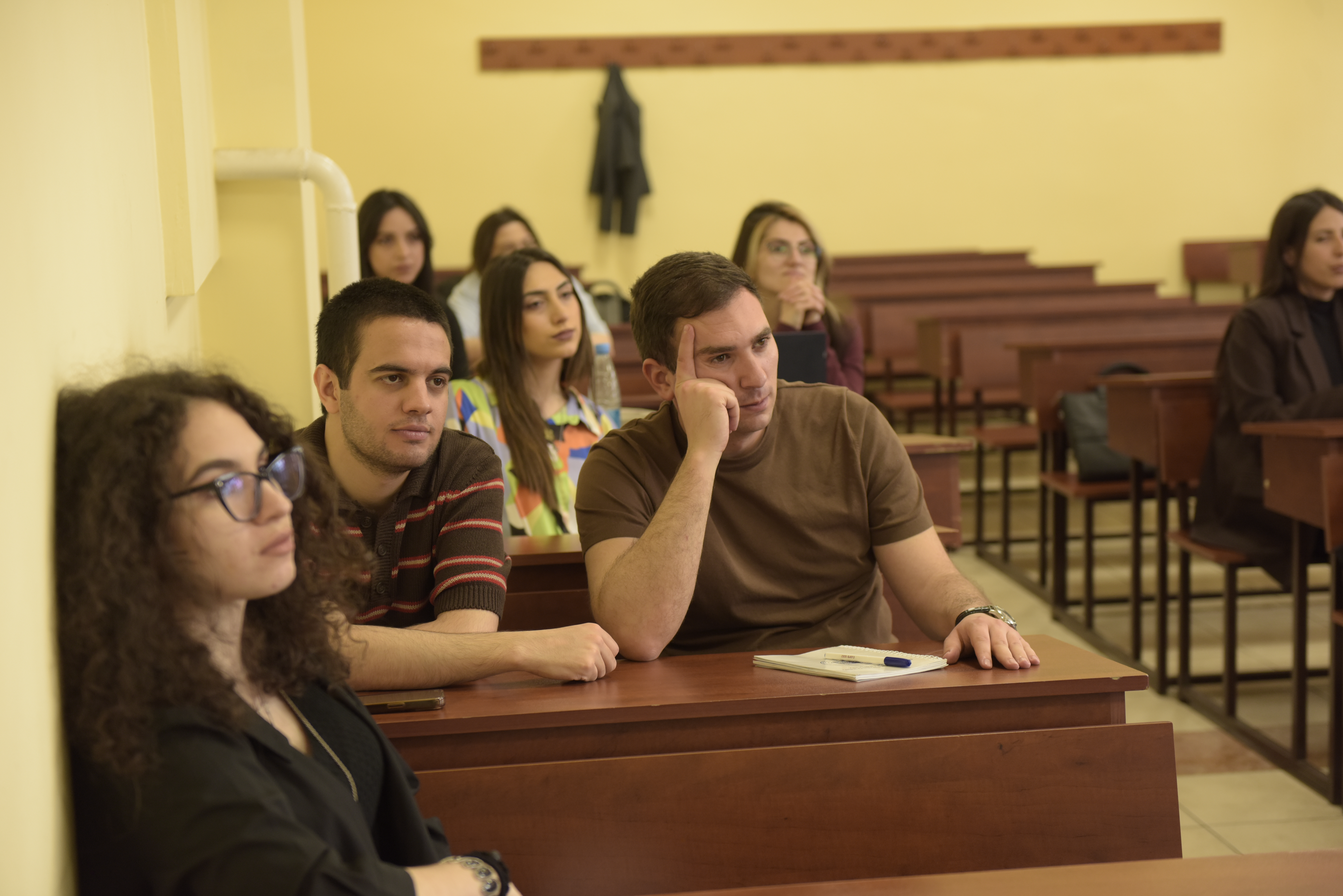
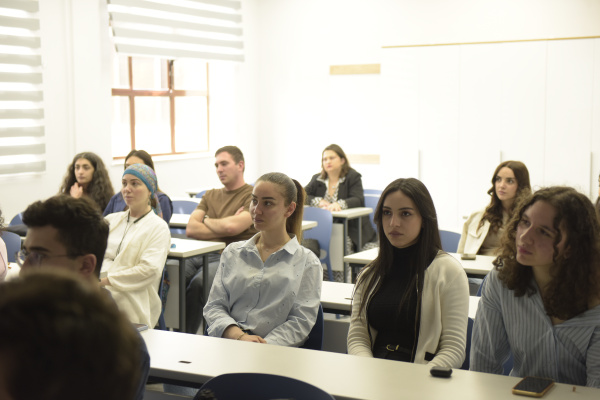
The course was coordinated by Associate Professor Levon Babajanyan of the YSU Faculty of Philosophy and Psychology, who also provided Armenian translation throughout the sessions. Students from the Faculty of Philosophy and Psychology, as well as from other faculties and universities, took part in the course.
The diverse academic backgrounds of participants enabled a multidimensional discussion of the topics from philosophical, biological, psychological, political science, and even architectural perspectives.
Students highlighted the importance of continuing such formats, noting that they provide valuable opportunities to engage with current topics in the international academic community and to interact directly with scholars teaching and conducting research at foreign universities. The course served as an effective platform for knowledge exchange, interdisciplinary dialogue, and academic cooperation.