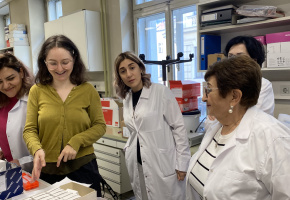
Researchers from the Chair of Botany and Mycology of the YSU Faculty of Biology and the Laboratory of Diversity and Bioactivity Assessment of Fungi and Plants of the Biology Research Institute underwent training at the University of Vienna, Austria, from September 14 to 21.
The visit took place within the framework of APPEAR Project 373, "Biodiversity Assessment and DNA Barcoding of Mycorrhizal and Xylotrophic Fungi in Forested Regions of Armenia."
The project is implemented through a partnership between Yerevan State University, the University of Vienna, and the Armbiotechnology Scientific and Production Center of the National Academy of Sciences of the Republic of Armenia.
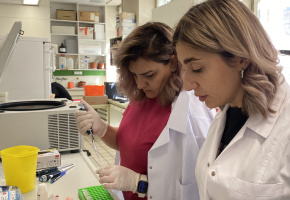
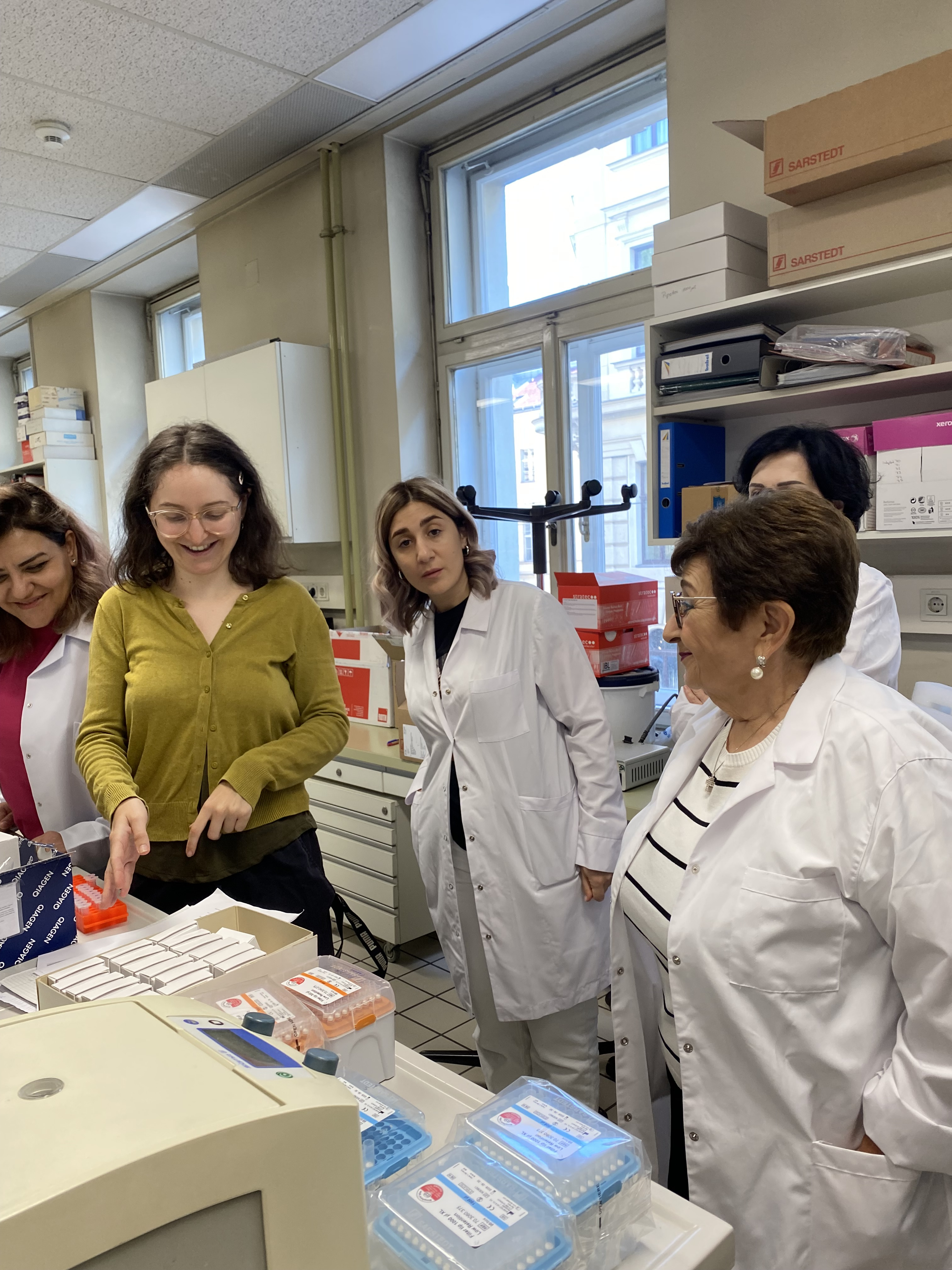
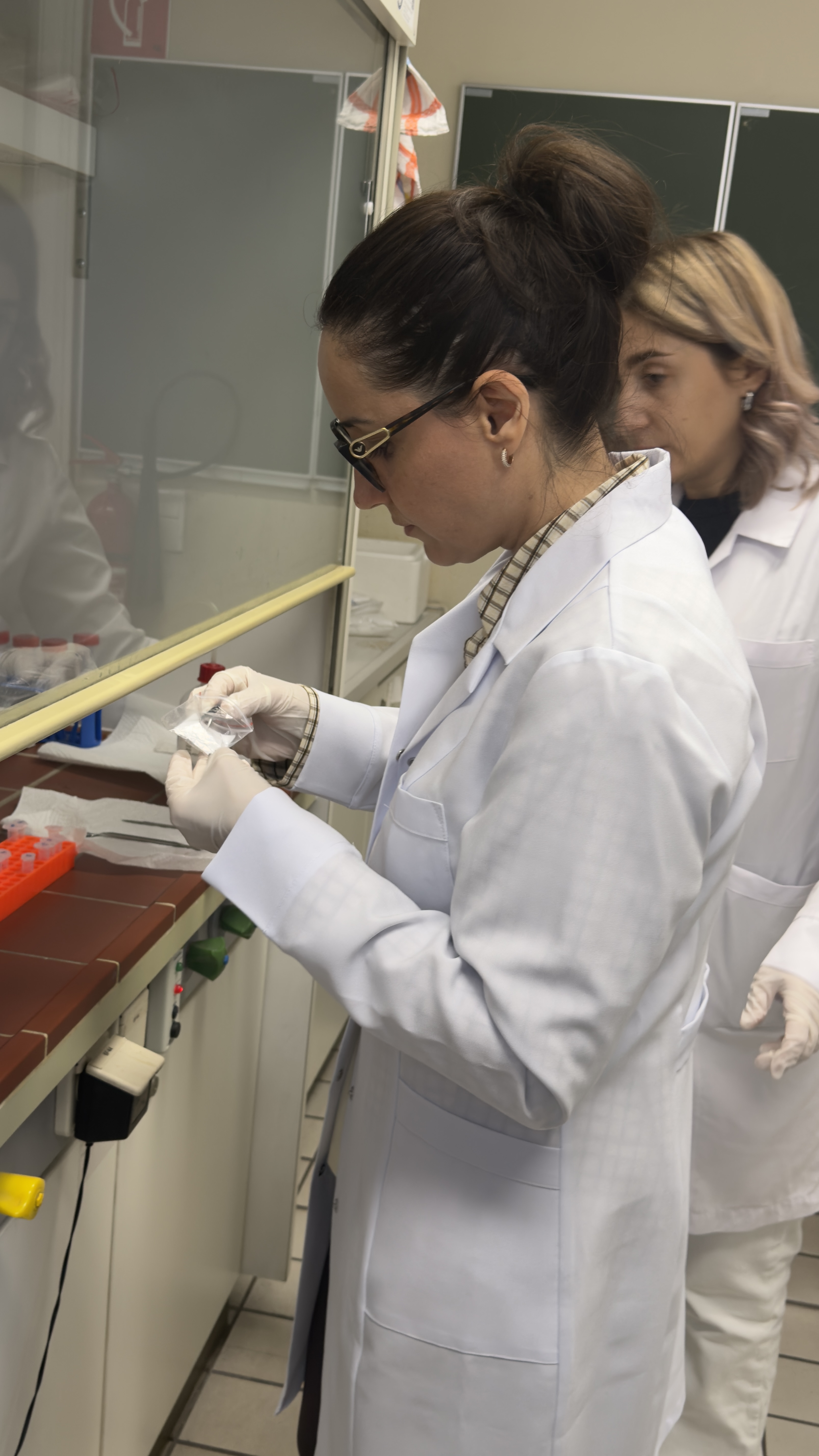
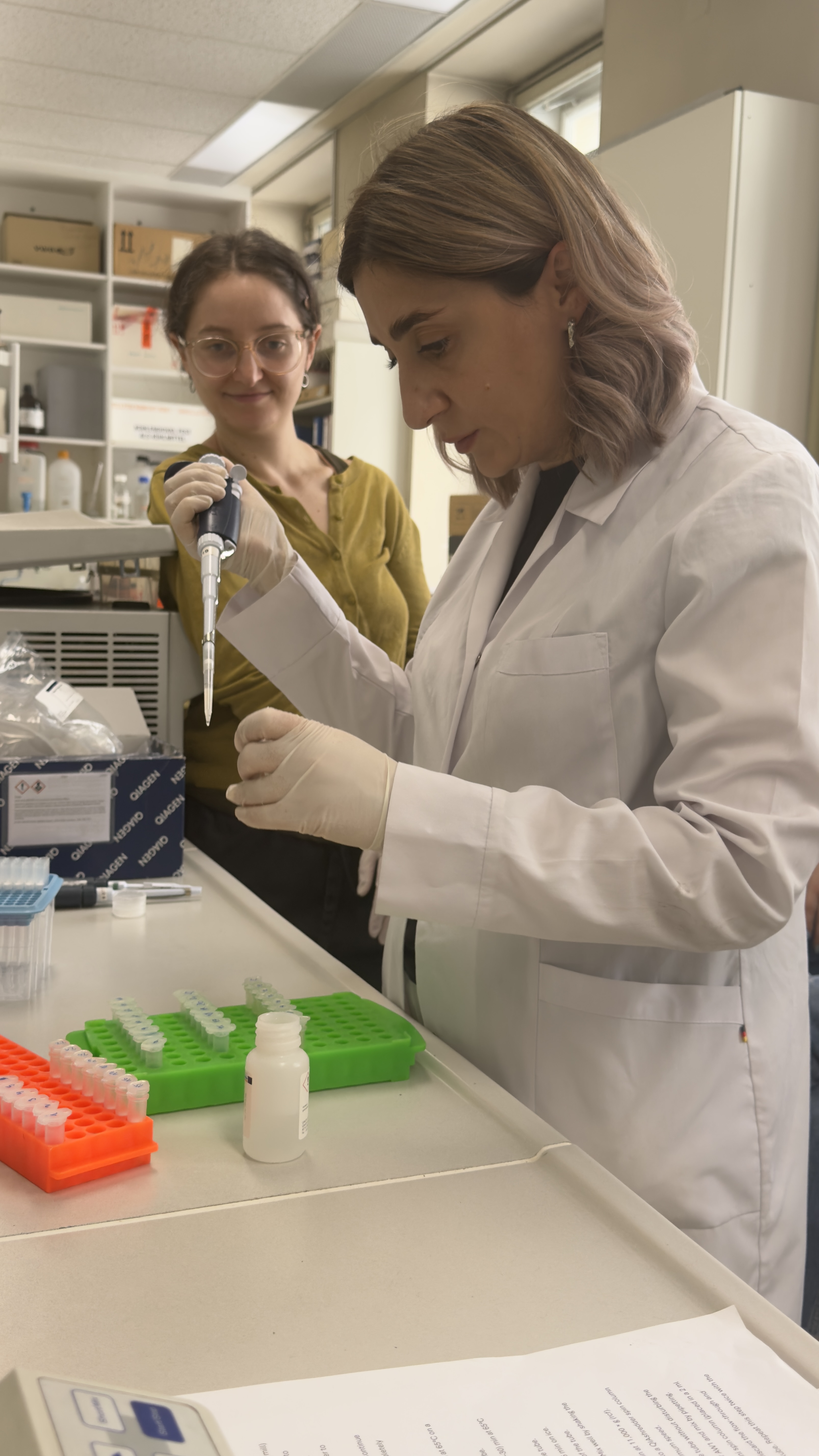
During the training, YSU researchers participated in laboratory activities at the Department of Botany and Biodiversity Research of the University of Vienna, exploring modern methods of fungal molecular identification, DNA barcoding and sequencing.
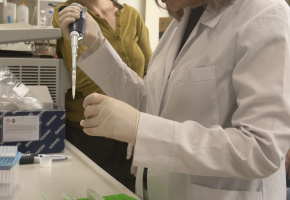
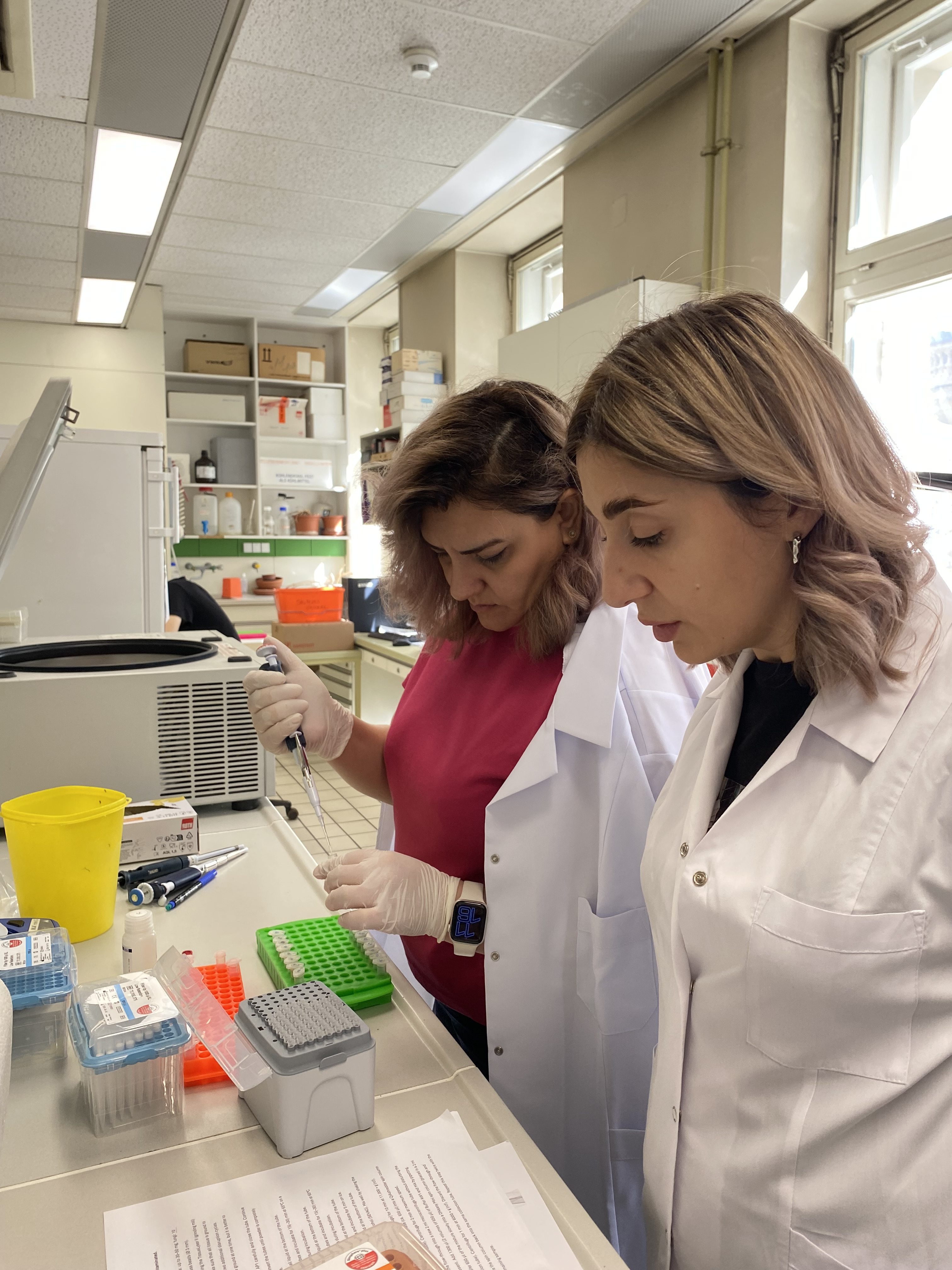
During the laboratory sessions, project participants prepared fungal samples, extracted genomic DNA, carried out PCR amplification of DNA regions, and prepared samples for sequencing.
Particular attention was given to DNA sequencing using Oxford Nanopore technology. The training covered the fundamental principles and practical application of Oxford Nanopore technology. The technology enables determination of nucleotide sequences and generation of molecular data. Participants were also trained in methods for processing and analyzing the resulting nucleotide sequences, which are essential for fungal species identification and taxonomic studies.
Through DNA sequencing and subsequent molecular data analysis, the researchers identified a fungal species not previously recorded in the mycobiota of Armenia. This discovery highlights the importance of combining traditional morphological approaches with modern molecular methods in studying fungal biodiversity in Armenia and detecting species that have not previously been recorded in the country.
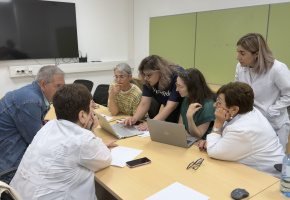
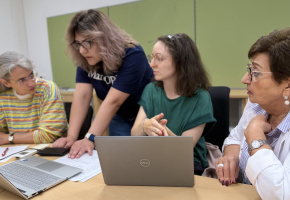
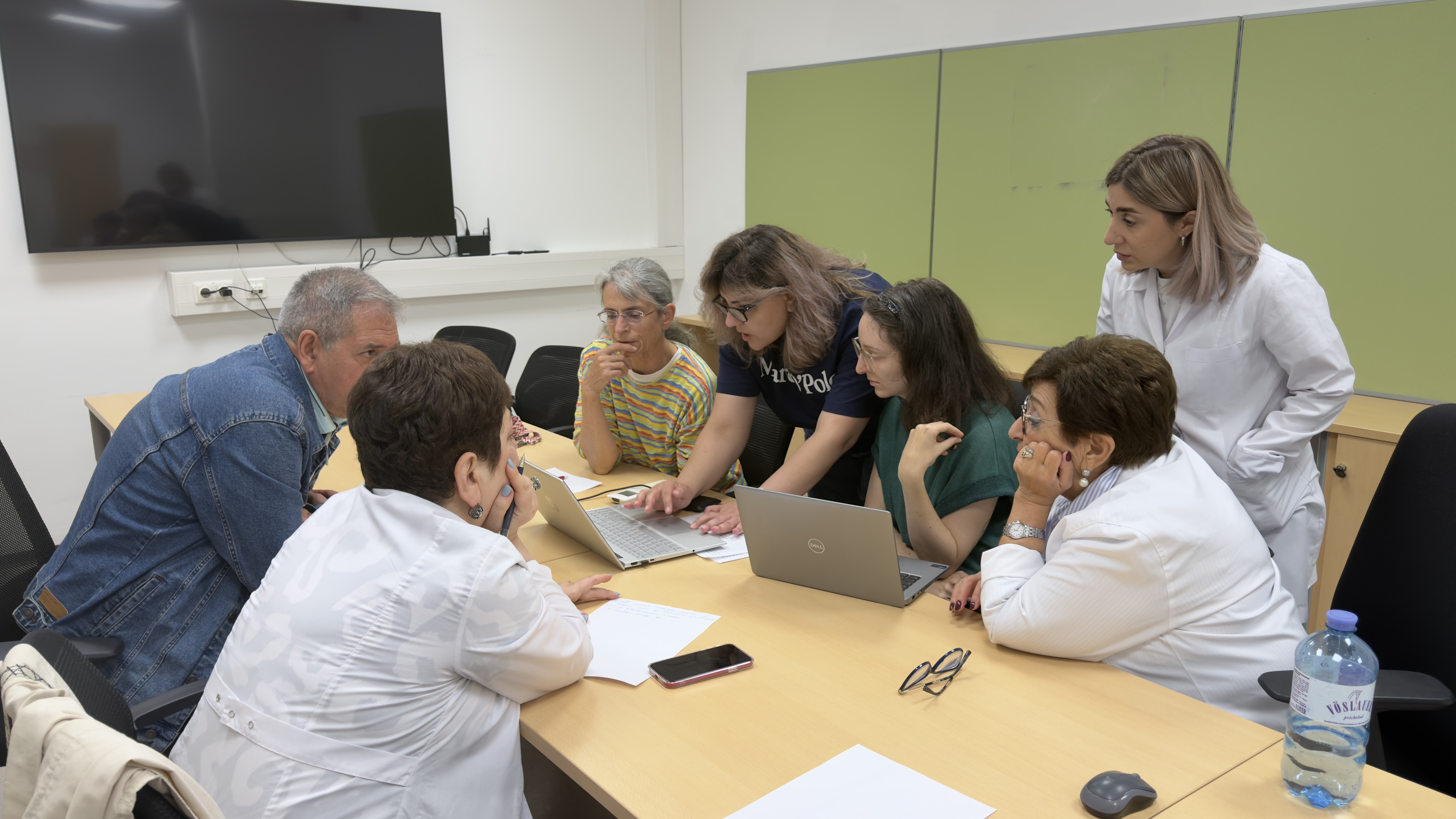
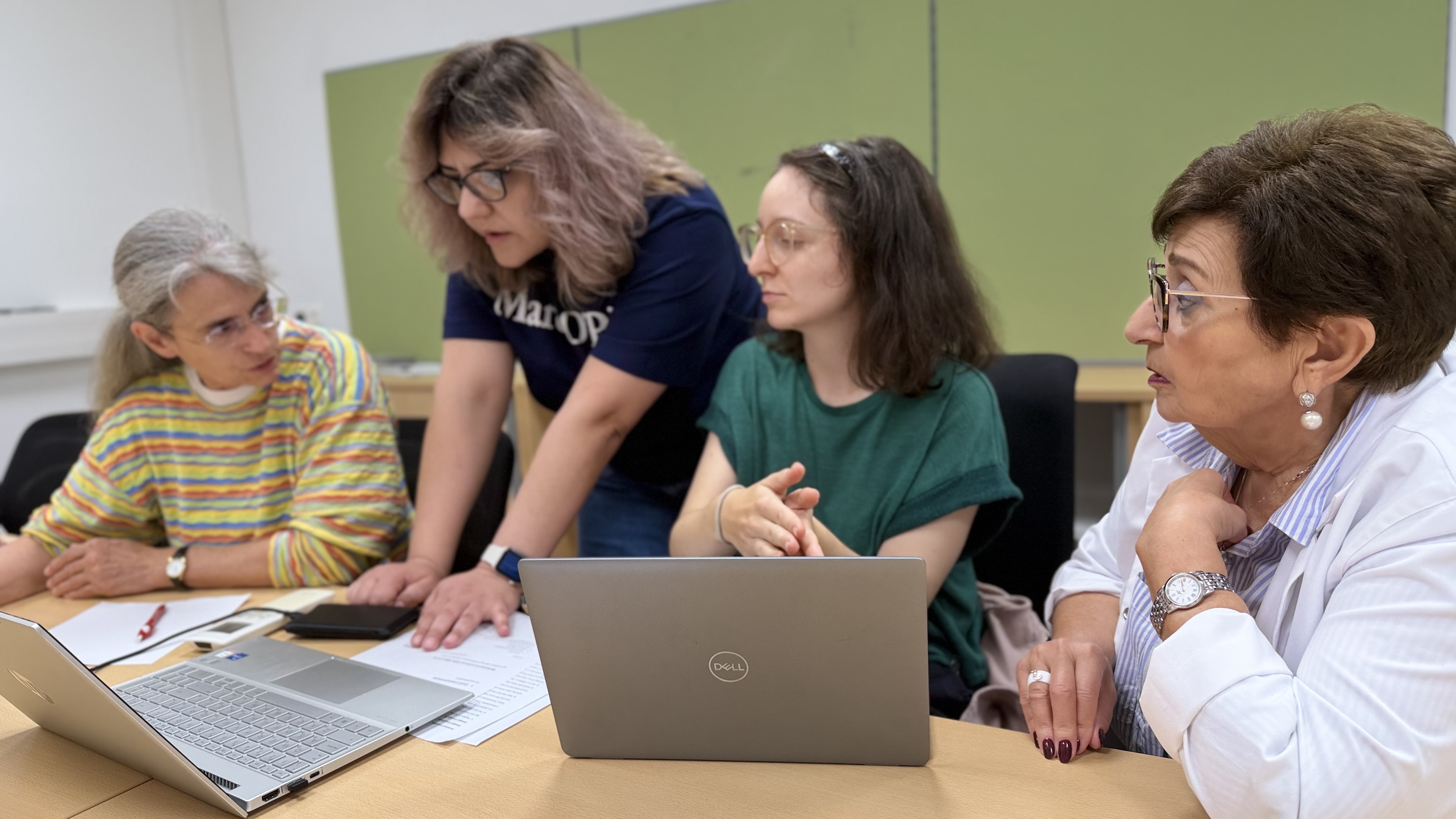
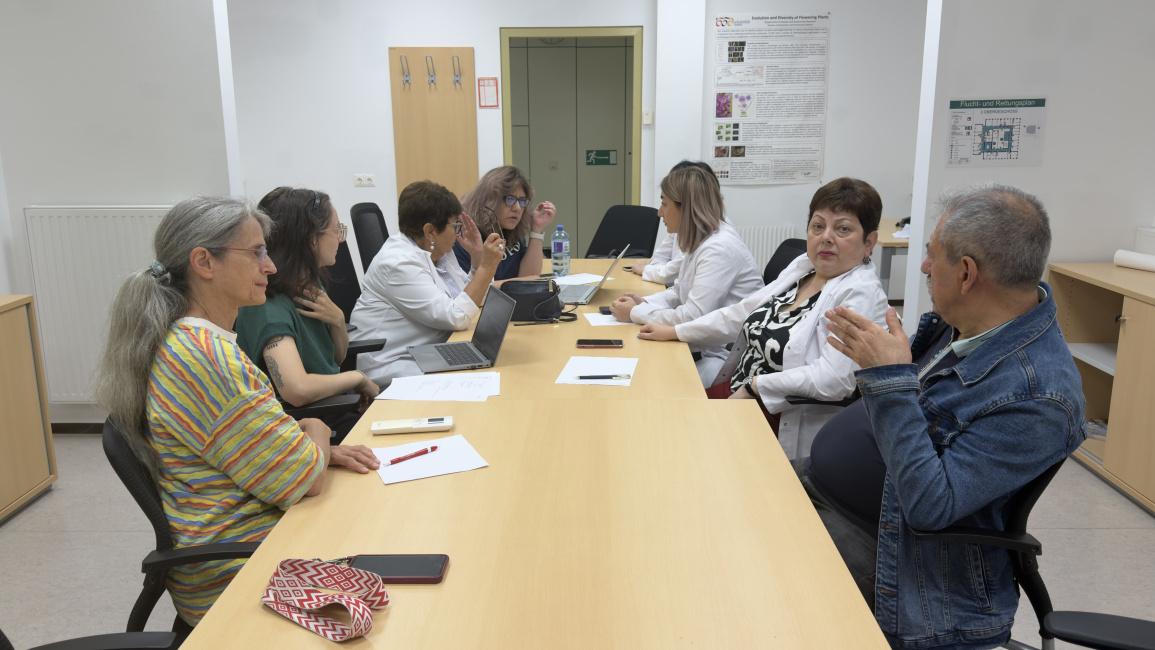
In addition to laboratory activities, project participants took part in scientific discussions with their colleagues at the University of Vienna, sharing their research experience and knowledge in fungal taxonomy, molecular identification and biodiversity research. The discussions covered the results of ongoing research, methodological approaches, and opportunities for further scientific collaboration within the framework of APPEAR Project 373.
During the visit, the project partners also discussed the agenda and organizational aspects of Autumn School 2026, which is planned to take place in Armenia in connection with the 17th meeting of the Conference of the Parties to the Convention on Biological Diversity (COP17). Particular attention was devoted to developing the school's scientific and educational program, including planned lectures and practical training sessions, as well as opportunities for international collaboration.
Autumn School 2026 will provide students, early-career researchers, and specialists in the field with an opportunity to exchange knowledge and experience in fungal biodiversity, molecular identification and conservation.
The visit marked an important step towards strengthening Yerevan State University's research capacity in molecular mycology and fungal biodiversity research. The knowledge and experience gained will be integrated into ongoing research and educational activities, contributing to the development of modern molecular approaches to fungal biodiversity assessment and conservation in Armenia.
The training also expanded opportunities for scientific partnership between Yerevan State University and the University of Vienna, promoting collaborative research and international academic exchange.