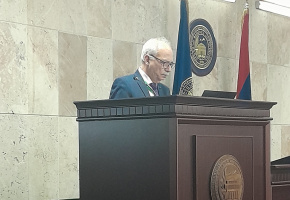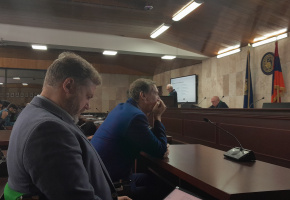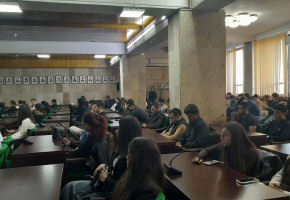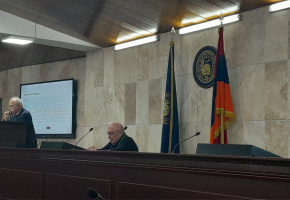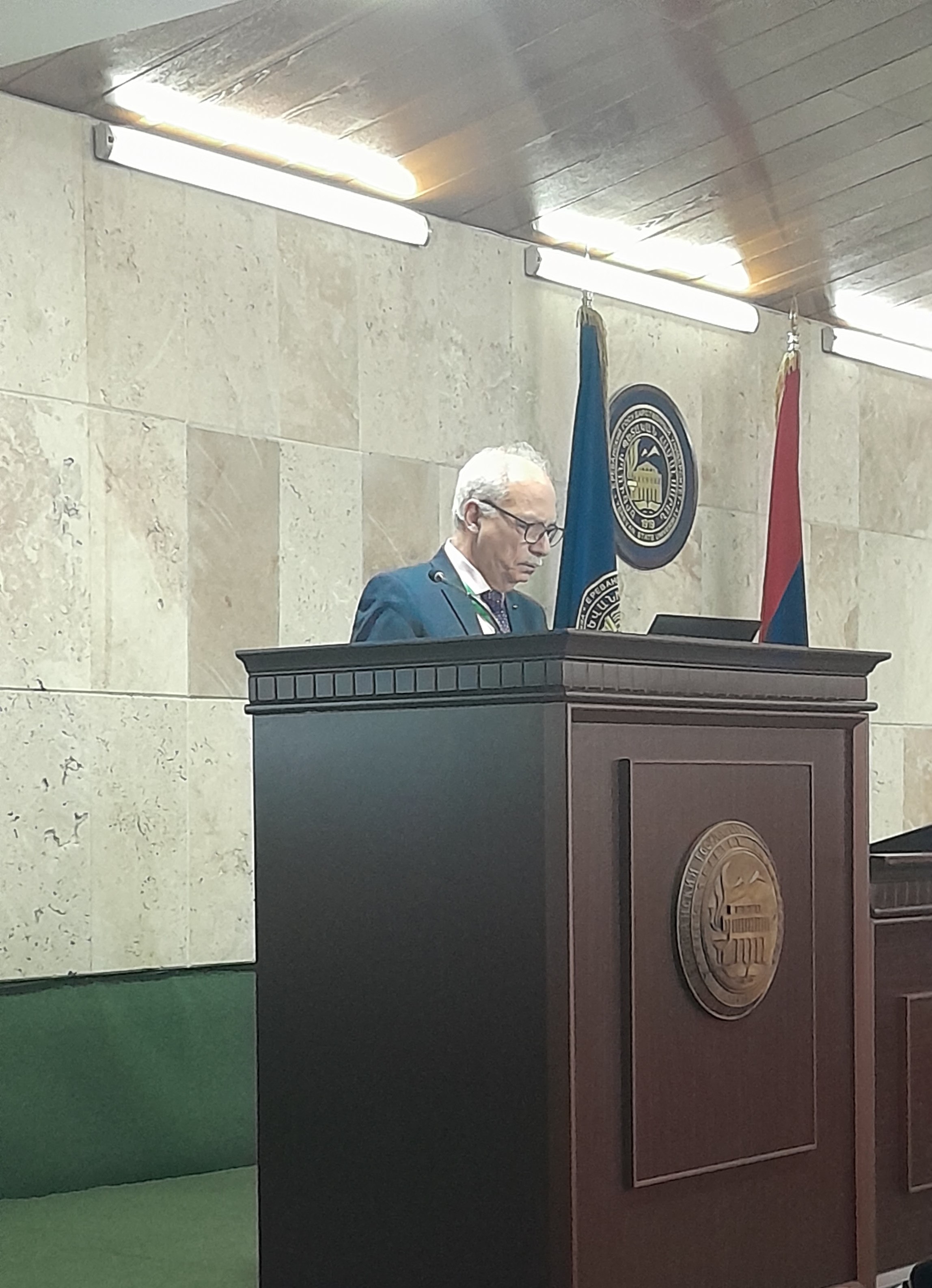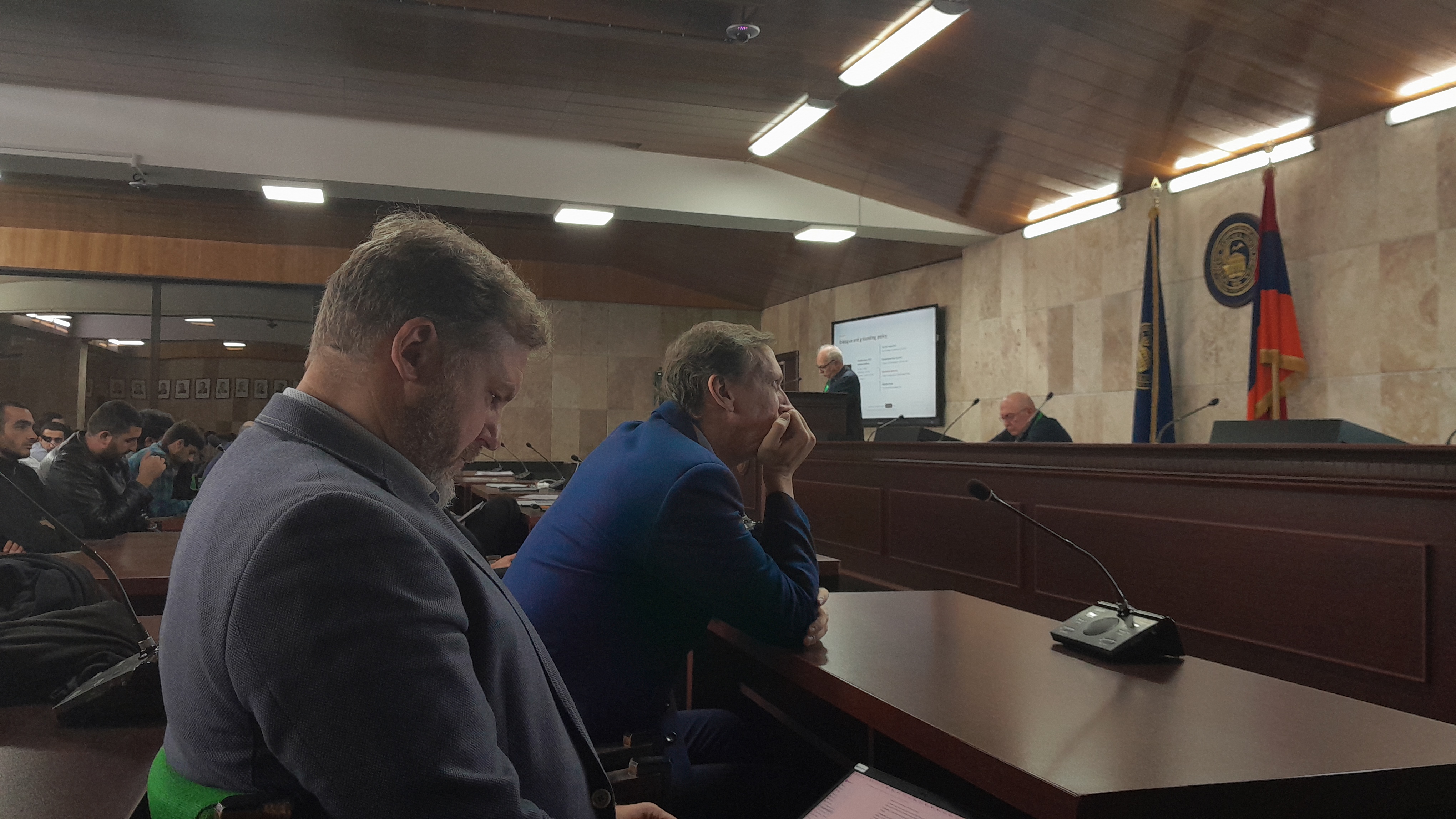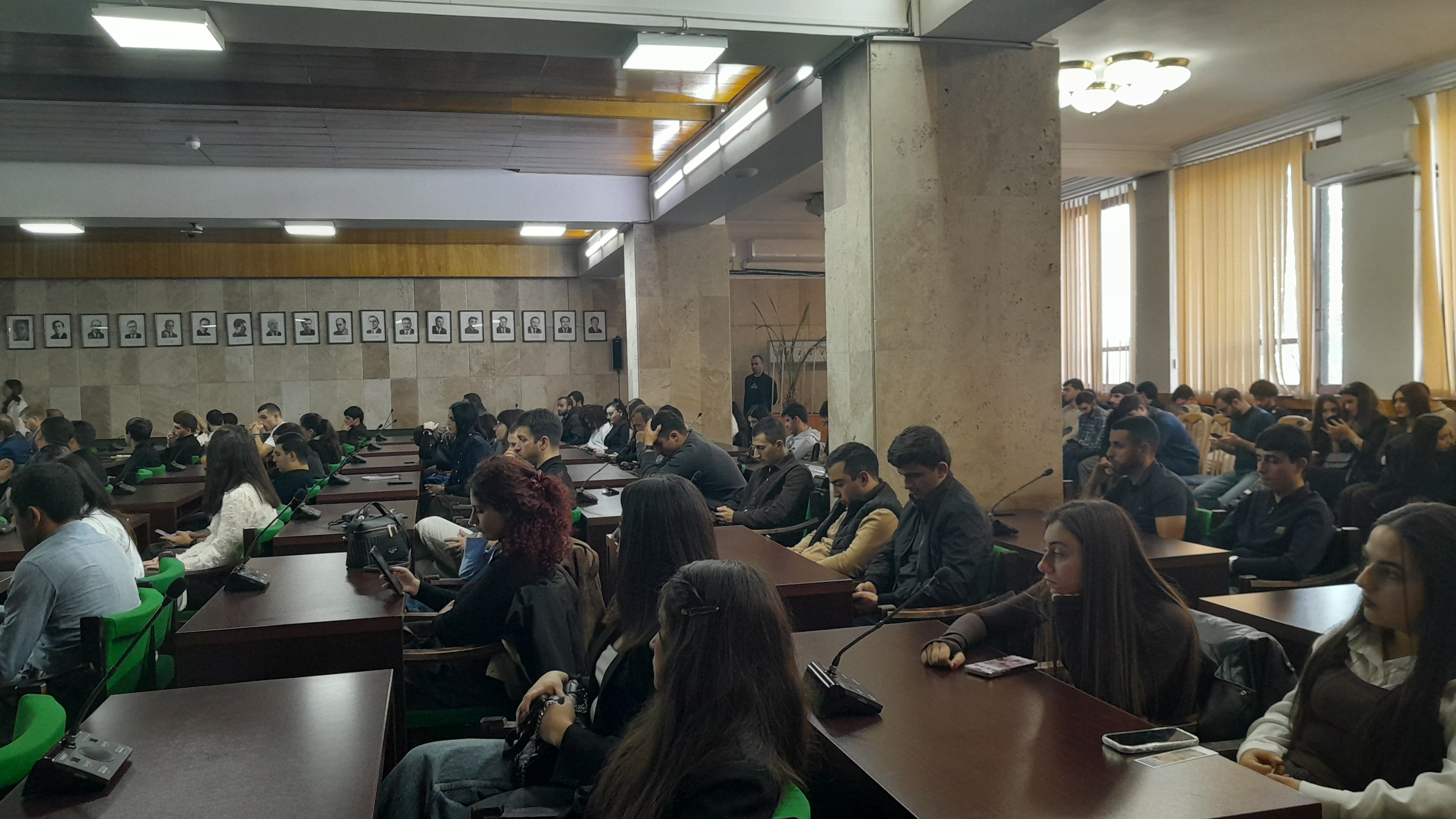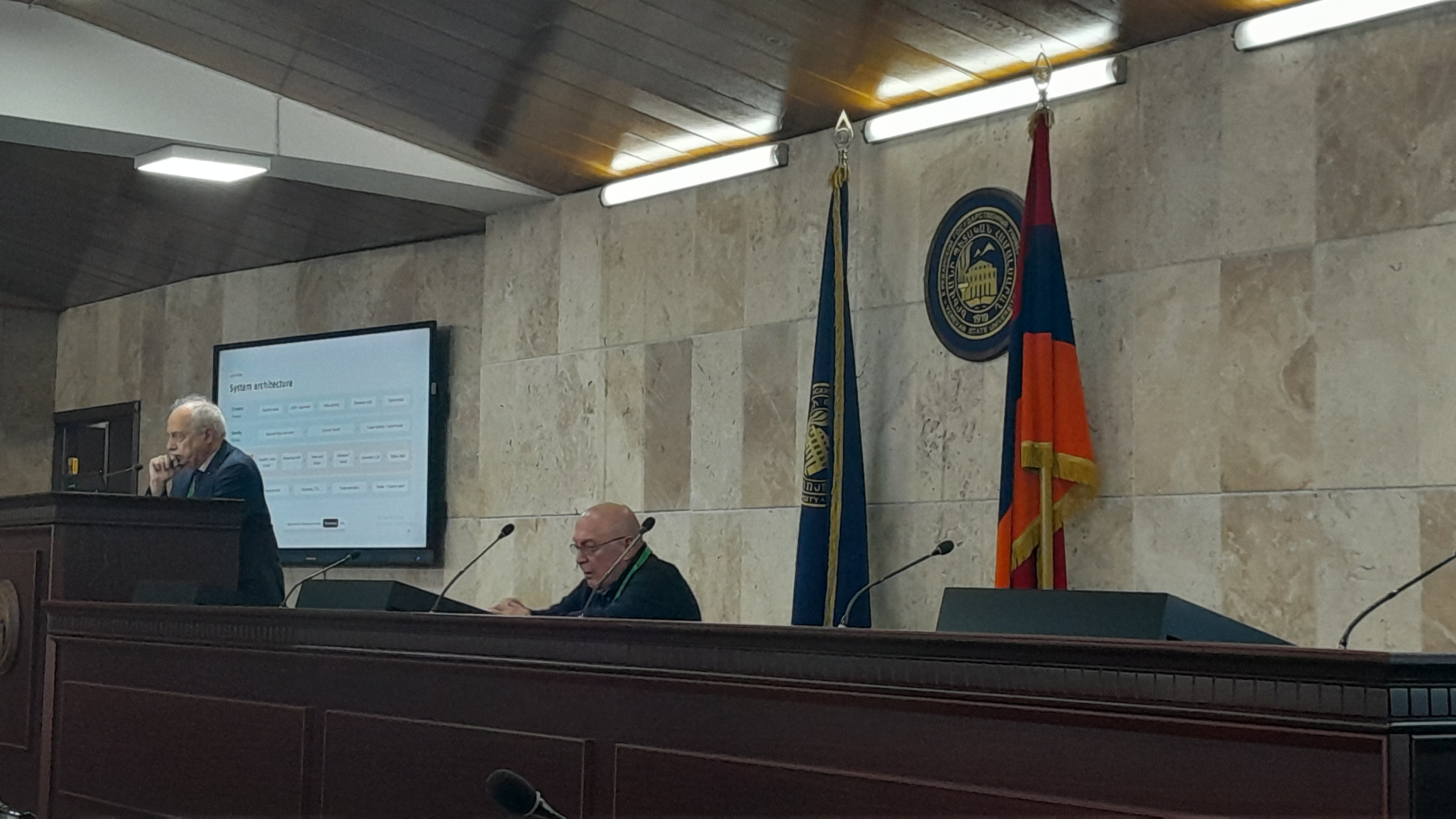
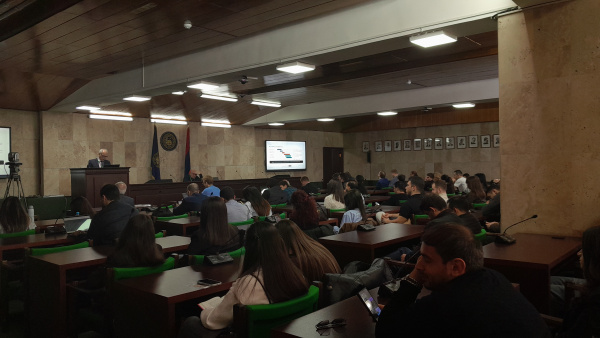
The IEEE East-West Design & Test Symposium (EWDTS 2026) was held at Yerevan State University (YSU) on November 2-4, co-organized by the YSU Information Technologies Educational and Research Center (ITERC). The symposium brought together researchers and professionals in microelectronics, electronic system design and testing, information technology and related fields to present research findings, exchange ideas and foster professional collaboration.
One of the symposium's founders is Vladimir Hahanov, whose contribution has played an important role in its establishment and development. Yervant Zorian served as general chair. Samvel Shoukourian, Scientific Director of ITERC, and Andre Ivanov from Canada co-chaired the program committee, while Eugenia Litvinova headed the organizing committee.
The symposium's scientific and program committees included experts from Armenia, the United States, Canada, Italy, Estonia, Romania, Iran, Poland, Germany, Norway and other countries in the region, highlighting the event's international scope and the importance of scientific cooperation.
The EWDTS 2026 program covered a wide range of contemporary technological and engineering research areas, including microelectronic system design and testing, system reliability, embedded systems, the Internet of Things (IoT), artificial intelligence, machine learning, cybersecurity, automotive electronics, robotics and signal processing.
Presentations addressed research on both hardware and software system design and optimization, as well as applications of artificial intelligence across various fields.
Topics included machine learning algorithms for route optimization, real-time object tracking using the NVIDIA Jetson Orin NX platform, optimization of processors based on the RISC-V architecture, and new approaches to medical data processing and analysis.
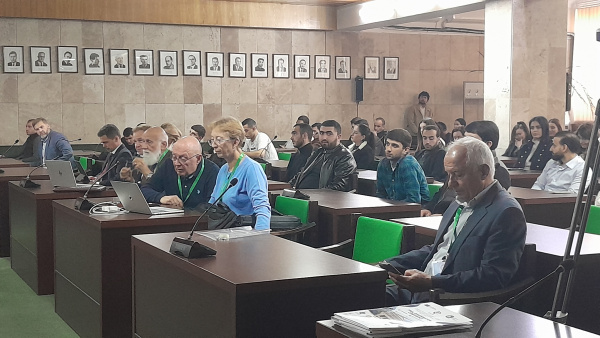
On November 4, keynote addresses were delivered by Yervant Zorian, President of Synopsys Armenia; Artur Jutman, CEO of Testonica (Estonia); Zain Navabi, Professor at Worcester Polytechnic Institute (United States); and Katayoon Basharkhah, a representative of IMEC (Belgium).
The presentations covered the use of machine learning in energy management systems, the design of next-generation automotive computing platforms, and other current issues in modern electronic systems.
The symposium was held in a hybrid format, with both in-person and online participation. Scientific sessions took place at Yerevan State University, Dvin Music Hall and the educational division of Synopsys Armenia.
ITERC's involvement in organizing EWDTS 2026 underscores YSU's engagement in international scientific cooperation and its contribution to advancing information technology research.
"Such symposiums are highly important for both IT professionals and students, as they provide an opportunity to stay informed about the rapid developments and latest advances in information technology," said Samvel Shoukourian, Scientific Director of ITERC. He added that such scientific events help strengthen professional ties, facilitate knowledge exchange and foster new research collaborations, while also expanding the international presence of Armenia's scientific community.
Further information about the symposium and its scientific program is available on the official EWDTS 2026 website.