September 03, 2026 | 11:00
Education
International cooperation
Student

In an interview with us, Arsen spoke about the distinctive features of the German education system, academic freedom, interactions with new friends and his vision for legal reforms in Armenia.
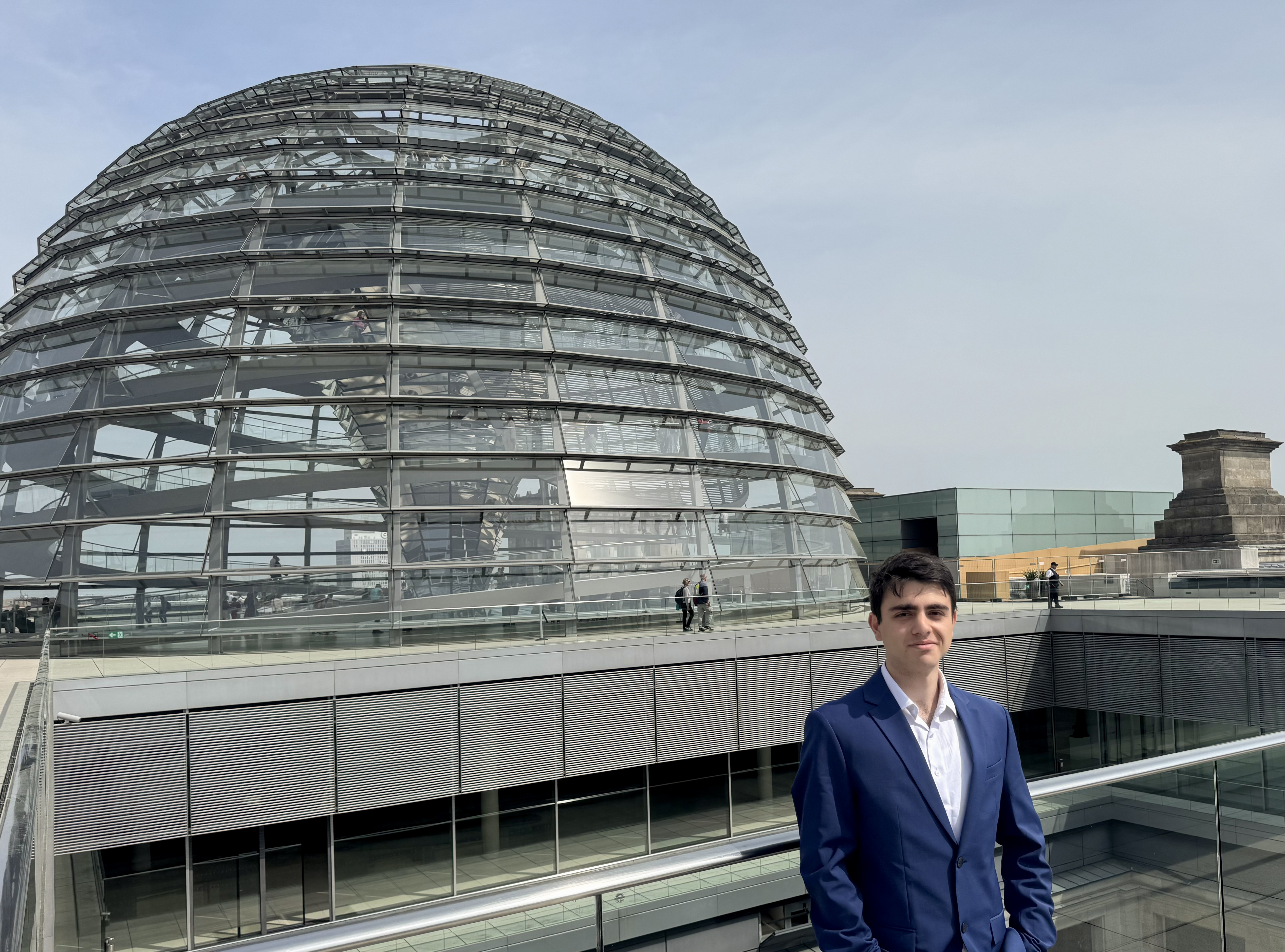
At Humboldt University of Berlin, Arsen chose courses in Law and Religion, Labor Law, Contract Law, International Human Rights, Logic and German.
With B2-level proficiency in German, he took most of his courses in German, except for International Human Rights, which was taught in English.

Speaking about the differences between the German and Armenian education systems, Arsen particularly highlighted the flexibility of the schedule and the student-centered approach.
"The schedule was more flexible for international students: We chose our courses and We chose our courses and selected the class times to attend. In terms of study materials, we had access to a wider range of textbooks and resources. Some lecturers recommended several different books, and students could decide for themselves which methodology to use when preparing for exams," he said, adding that during examinations, lecturers were willing to guide students by asking additional questions. He also noted that the grade appeal process at Humboldt University is stricter than the mechanisms applied at YSU.
While studying abroad, Arsen attended proceedings in German courts and became familiar with the particular features of the local judicial process.
"I attended a lecture by criminal law expert Ronen Steinke, where I gained skills in distinguishing between the right to freedom of thought and its abuse. I also attended a conference on artificial intelligence, where new legal regulations concerning the use of AI were presented, which still require further refinement," he noted.
For Arsen, one of the most memorable events of student life was an International Dinner held in the university courtyard, where he introduced international students to traditional Armenian cuisine.
"I made harissa. Of course, I prepared it myself, but my grandmother helped me remotely with her advice. It was a great pleasure to present my national dish, as well as to taste dishes prepared by people from other countries, including Poles, Ukrainians and Chinese, and to learn about one another's cultures," he said.
Arsen mainly spent time with students from China, Singapore, England, Poland and Greece. He was particularly interested in interacting with Greek students, given the Christian, historical and cultural commonalities between the two peoples.

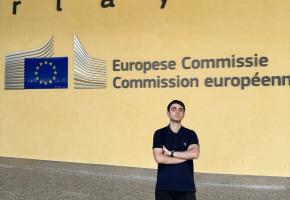
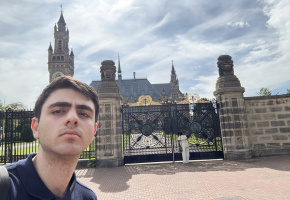
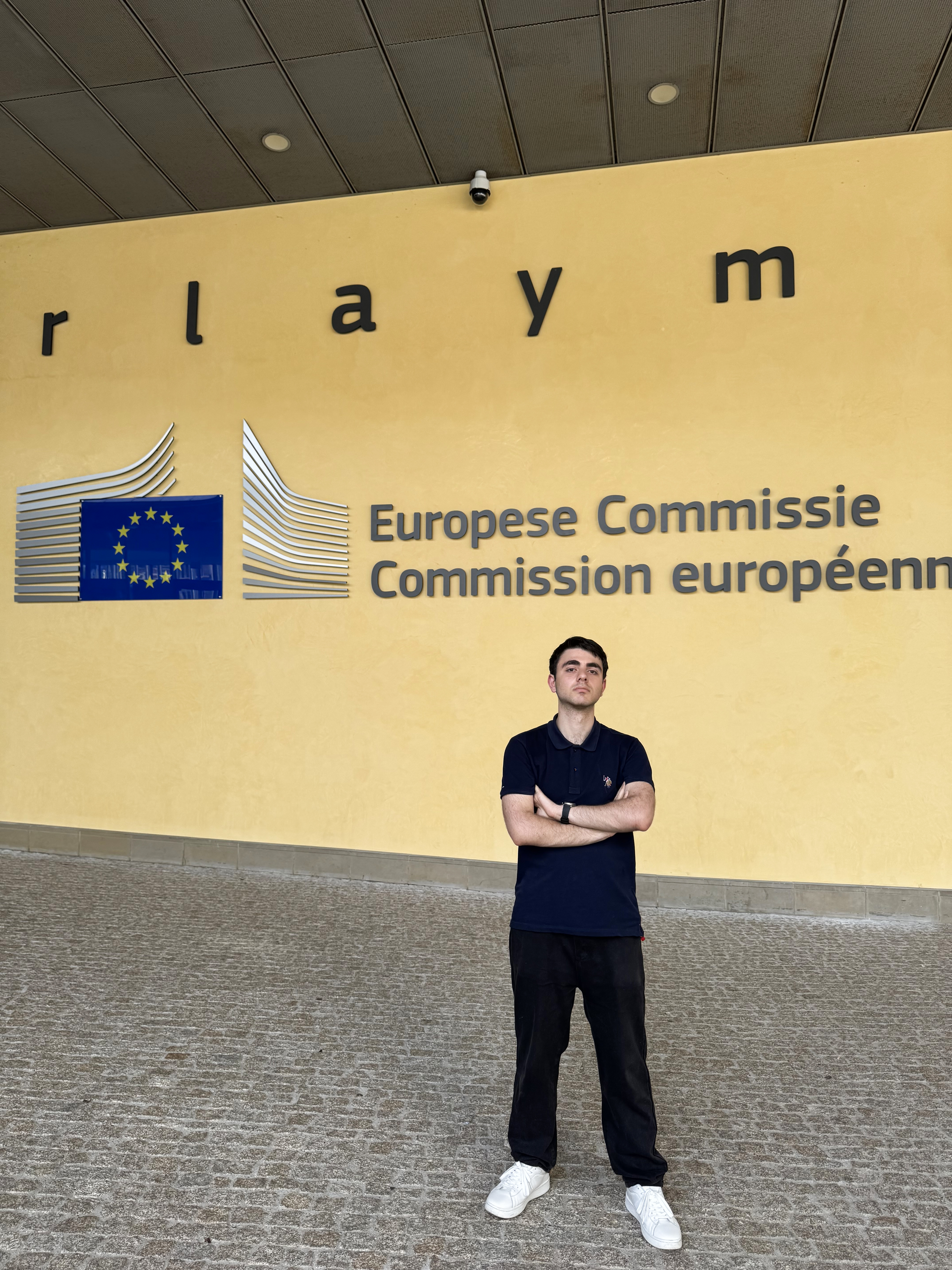
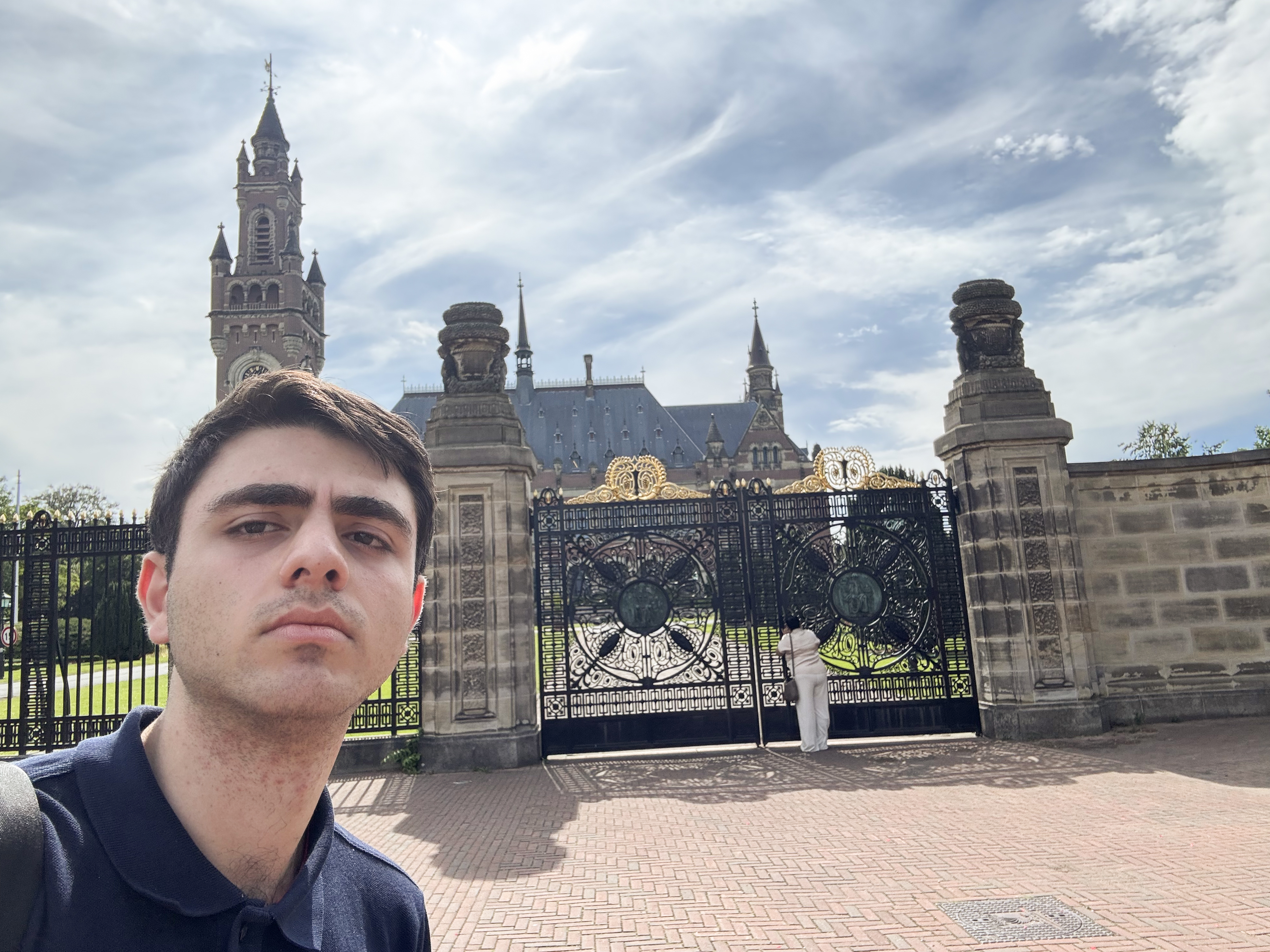
Together with several YSU students studying in Germany, Arsen chose to travel independently and explore Europe. In addition to Berlin, he visited Potsdam, Dresden, Cologne and Aachen, as well as other European cities, including Amsterdam, Brussels, Prague, Vienna and Venice.
Arsen considers the knowledge he gained from the Law and Religion course his most important professional achievement and hopes to apply it in Armenia.
"In my view, state-church relations are inadequately regulated under our national legislation, which creates a crisis. In the German system, these relations are regulated much more effectively, which, in my opinion, provides a clearer delineation of the respective areas of competence of the state and the church," Arsen Sargsyan said.
He noted that studying the Law and Religion course had helped him develop a model that could be proposed to the Republic of Armenia for reforming the field of state-church relations.