September 10, 2026 | 10:00
Career
Society
Lifelong learning

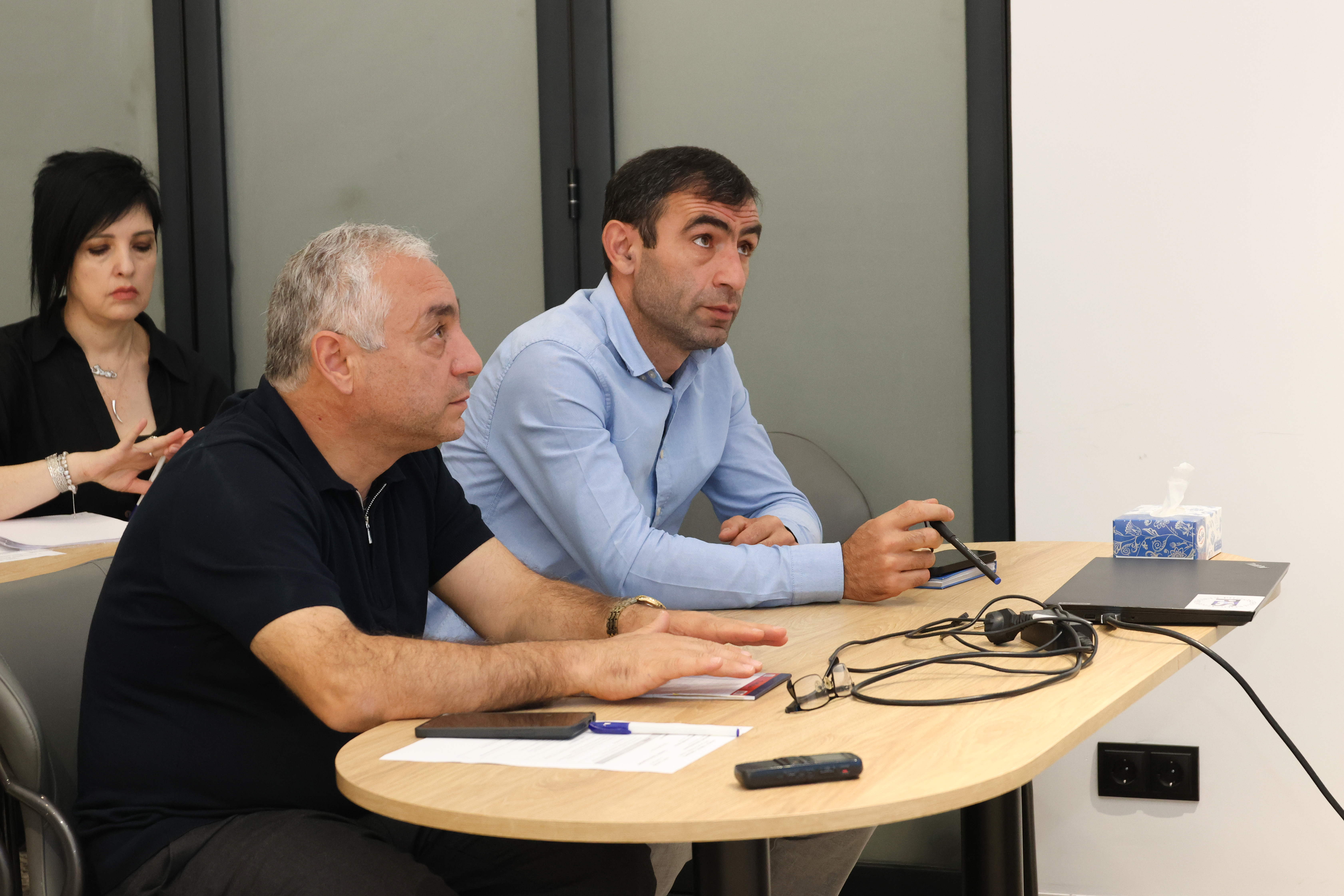
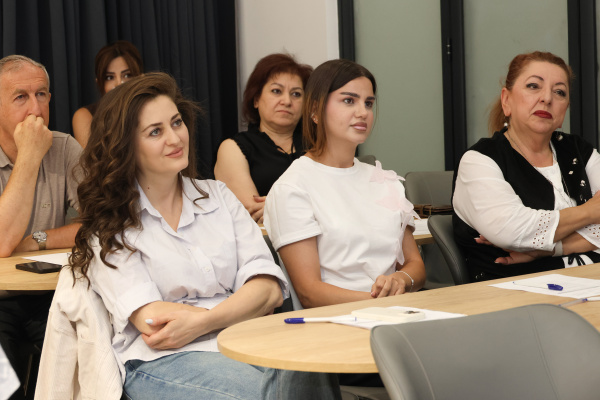
Participants include specialists and staff members from the Office of the Prime Minister of the Republic of Armenia, various ministries, regional administrations, the Prosecutor General's Office, the Investigative Committee, the Eco-Patrol Service and other state institutions.
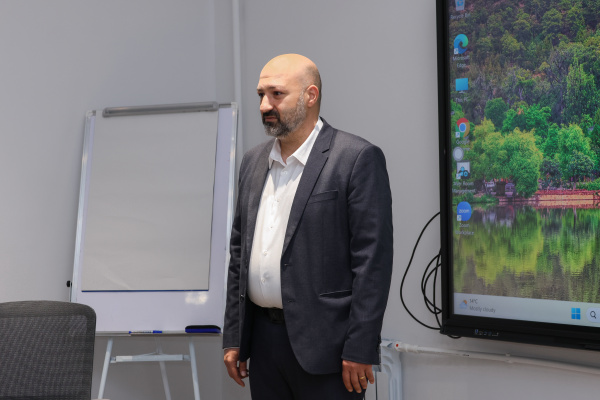
Welcoming the participants, YSU Vice Rector for International Cooperation, Development and Innovation Mikayel Hovhannisyan emphasized their role in ensuring effective public administration and contributing to the country's development.
"You are the people at the core of our public administration system, and when you develop your problem-solving skills, our state has greater opportunities to develop more rapidly," Hovhannisyan said.
He noted that, as part of its public mission, YSU also prioritizes the professional and personal development of public-sector representatives. The vice rector expressed hope that participants would gain both theoretical and practical knowledge through the program.
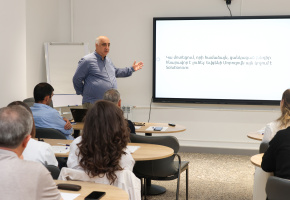
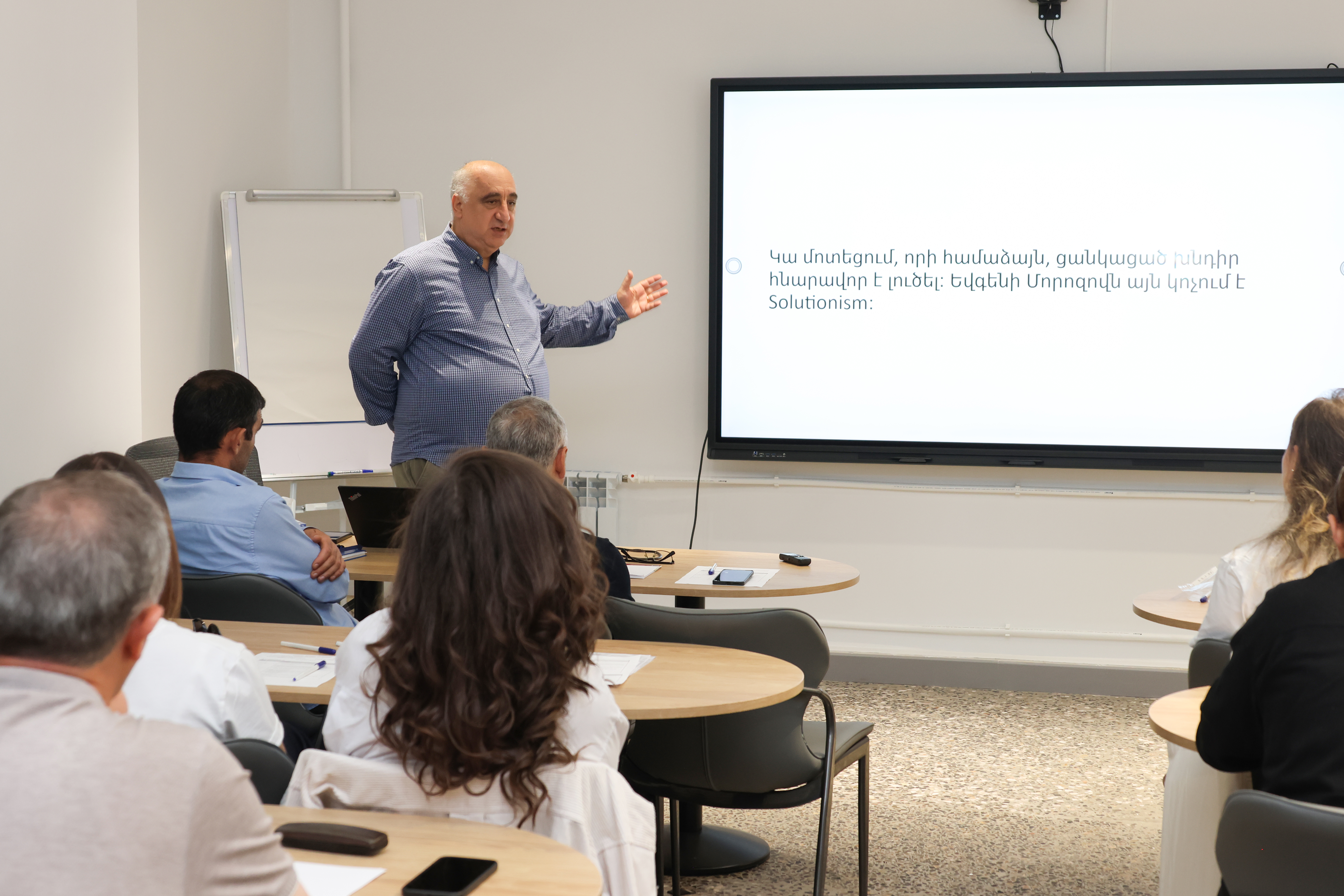
The training began with the Problem Solving course, led by Serob Khachatryan, a lecturer at the YSU Faculty of Philosophy and Psychology. Addressing the complex challenges of modern life, he said: "Our lives, from beginning to end, are a series of problems, and they are often far more complex than mathematical problems."
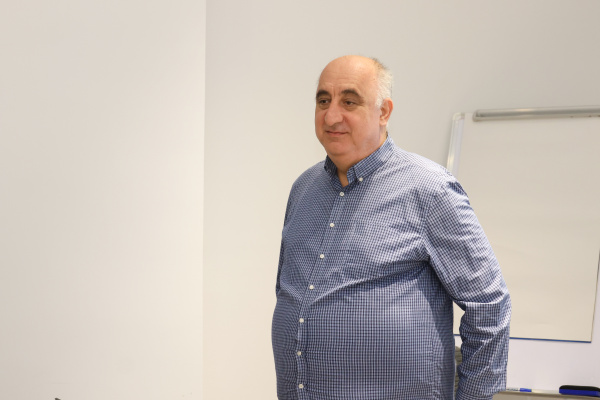
Khachatryan said it is important to move away from the assumption that every issue can be resolved immediately and to show perseverance.
"There are many social problems for which solutions have still not been found. Simple problems must be solved. Development means moving from simple problems to more complex ones. And the more complex a society's problems are, the more developed that society is. However, we must also learn to live with unresolved and unsolvable problems," he said.
Khachatryan also pointed to the importance of being able to identify problems for employees in both the public and private sectors. "One of the most important skills is being able to see the problem," he said.
He also noted that the "Future of Jobs" report publishes a list of the 10 most in-demand skills in the labor market every two years, based on surveys of employers.
"According to the latest survey results in 2025, three of the 10 skills are related to problems," he added, underscoring the importance of the topic.
According to Asya Aghasyan, who is responsible for civil servant training programs at the YSU Continuing Education Center, the number of groups has increased from 8 last year to 14 this year, in response to strong demand from the public sector and positive feedback. This year, 177 participants in seven groups will take part in the Conflict Management course, 117 participants in five groups will attend the Negotiation course, and 63 participants in two groups will take part in the Problem Solving course. She added that remote groups for the professional training of civil servants have also been established as part of the training programs.
"The training programs are implemented following competitive selection processes organized by the Civil Service Office of the Office of the Prime Minister of the Republic of Armenia. The university has been cooperating with the office since 2002, implementing various programs," Aghasyan said.
The courses are delivered by experienced specialists. The Problem Solving course is taught by Serob Khachatryan, a lecturer at the YSU Faculty of Philosophy and Psychology; the Negotiation course is taught by Hayarpi Sahakyan, a lecturer at Yerevan State Medical University after Mkhitar Heratsi; and the Conflict Management course is taught by conflict studies and human rights specialist Lusine Kosakyan.
Participants will take tests as part of the courses and, based on their results, receive the credits required for three-year training.
The courses will continue through December 10.