October 27, 2026 | 11:22
Science
Society
International cooperation
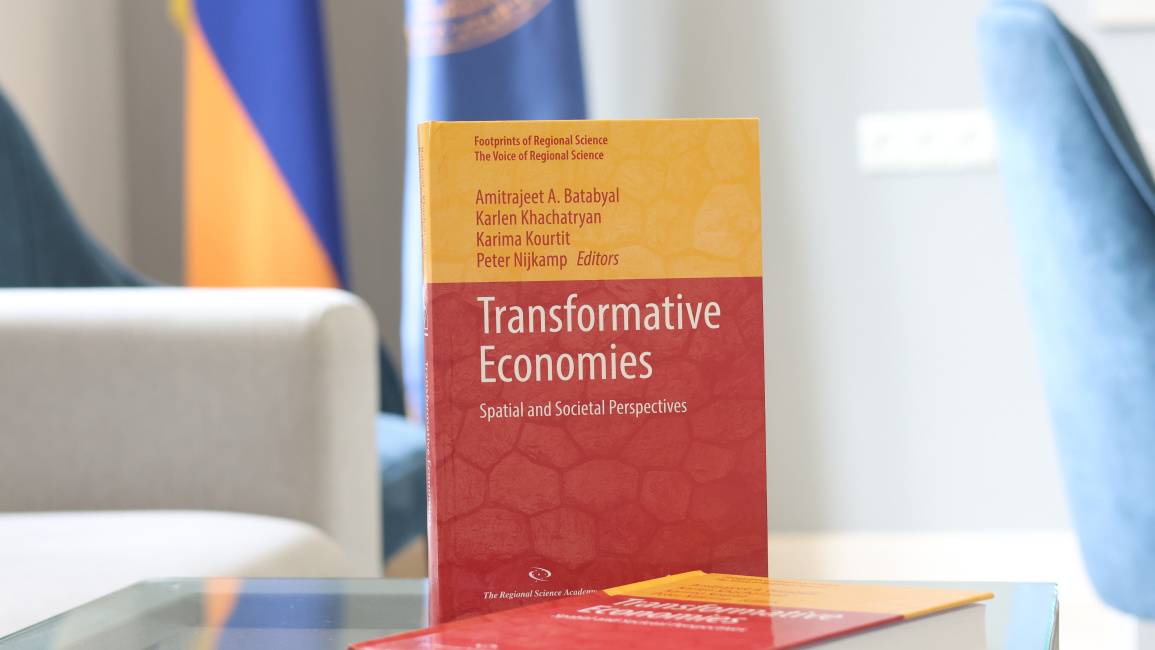
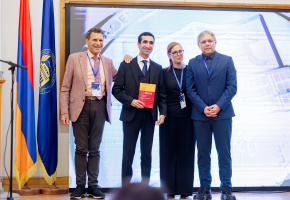
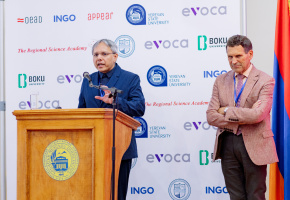
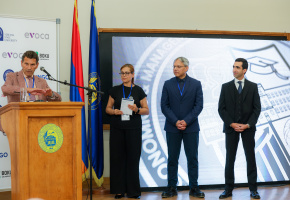
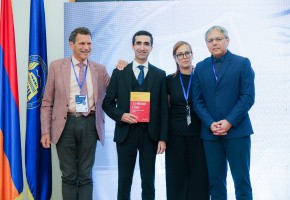
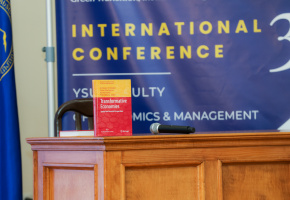
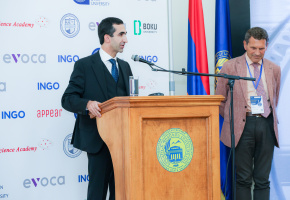
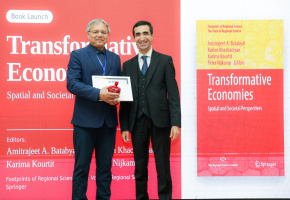
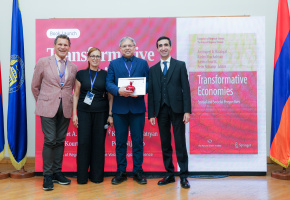
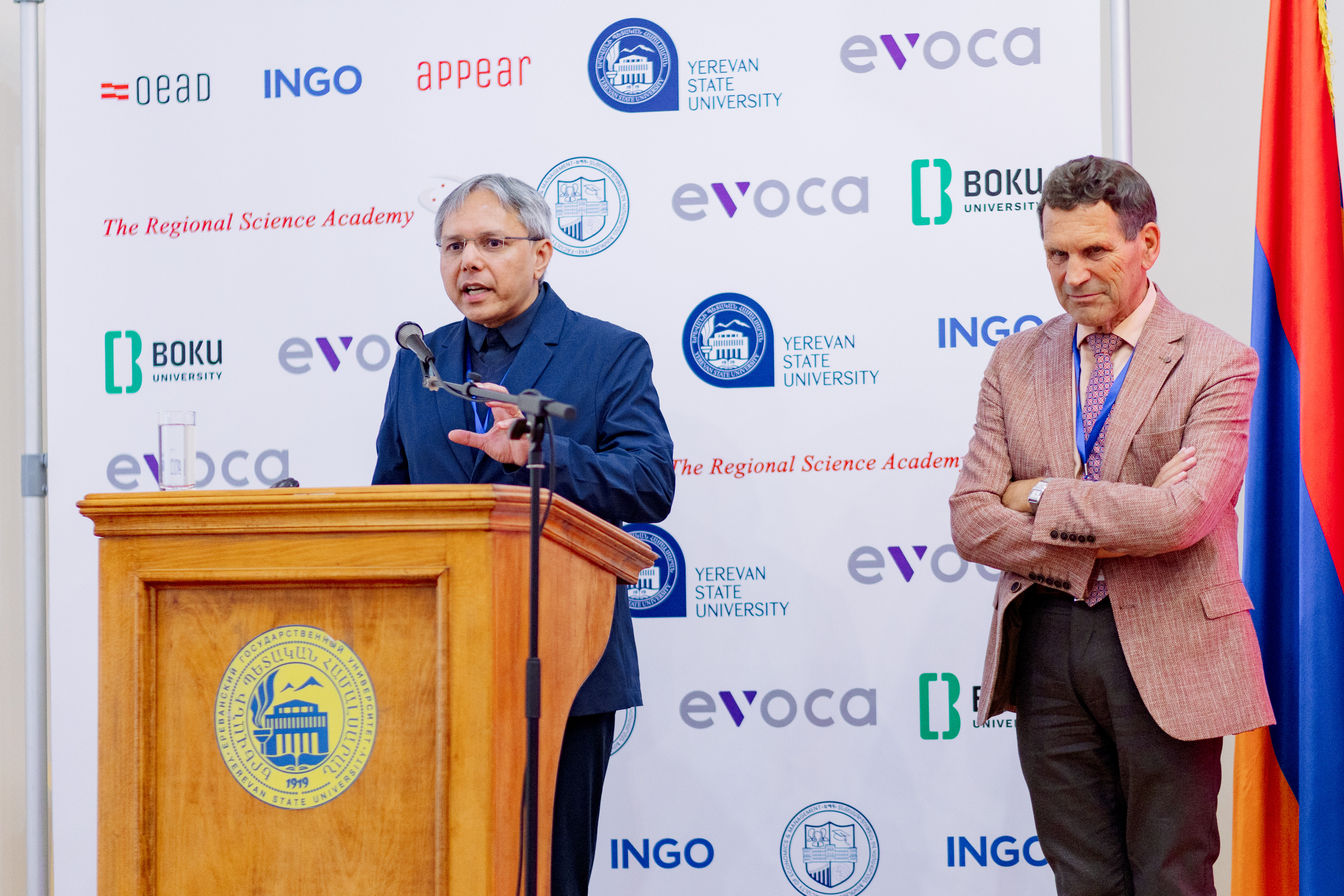
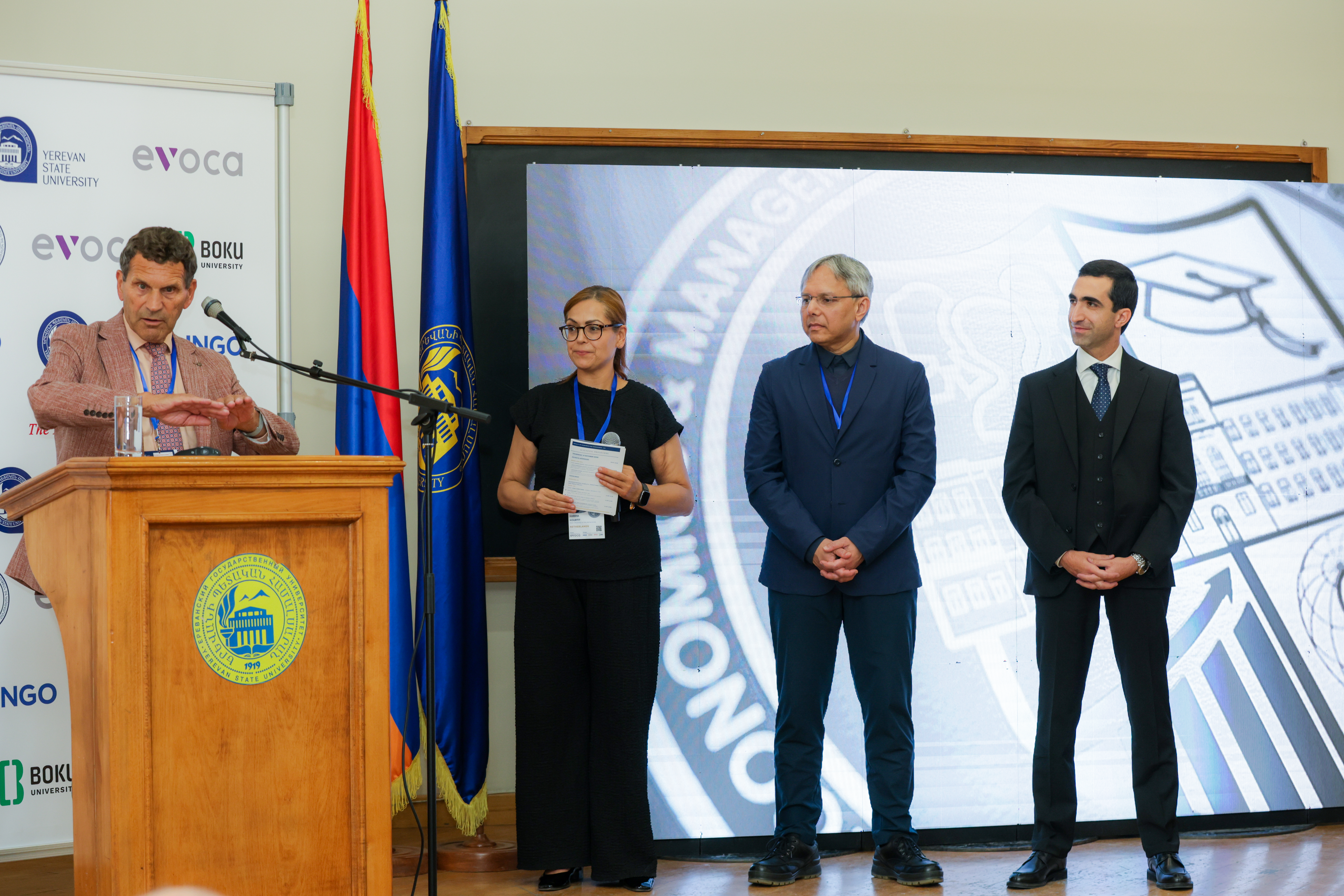
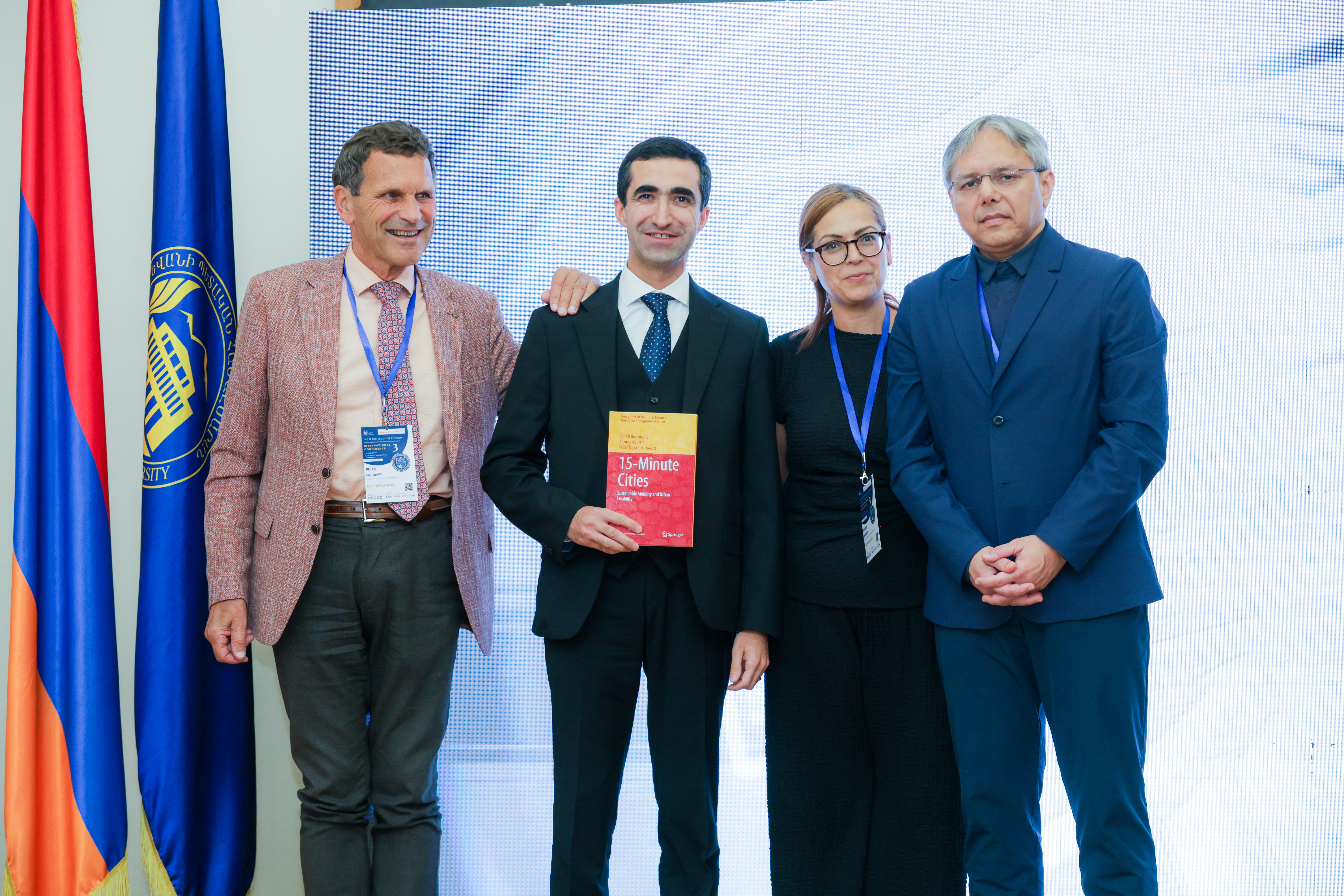
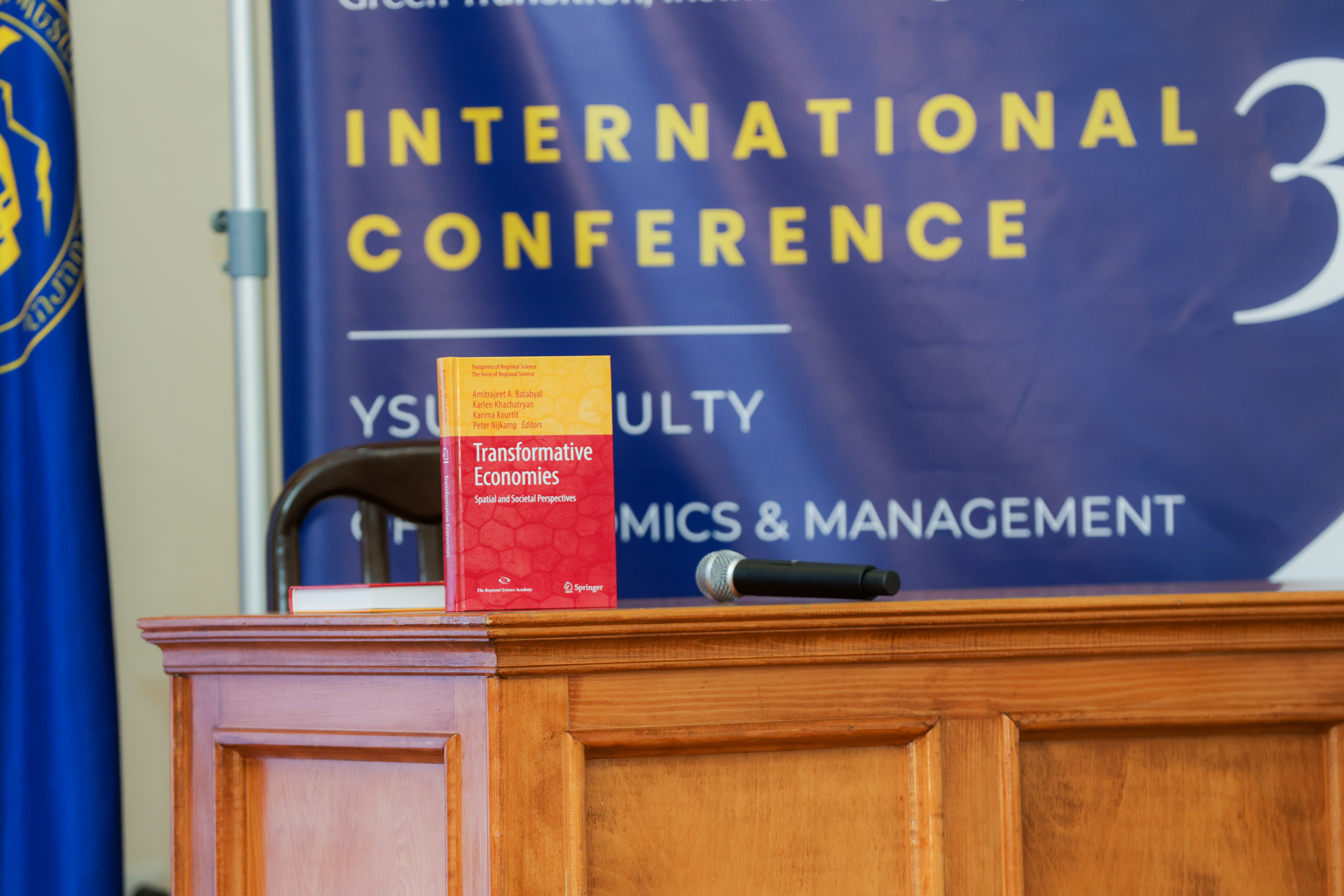
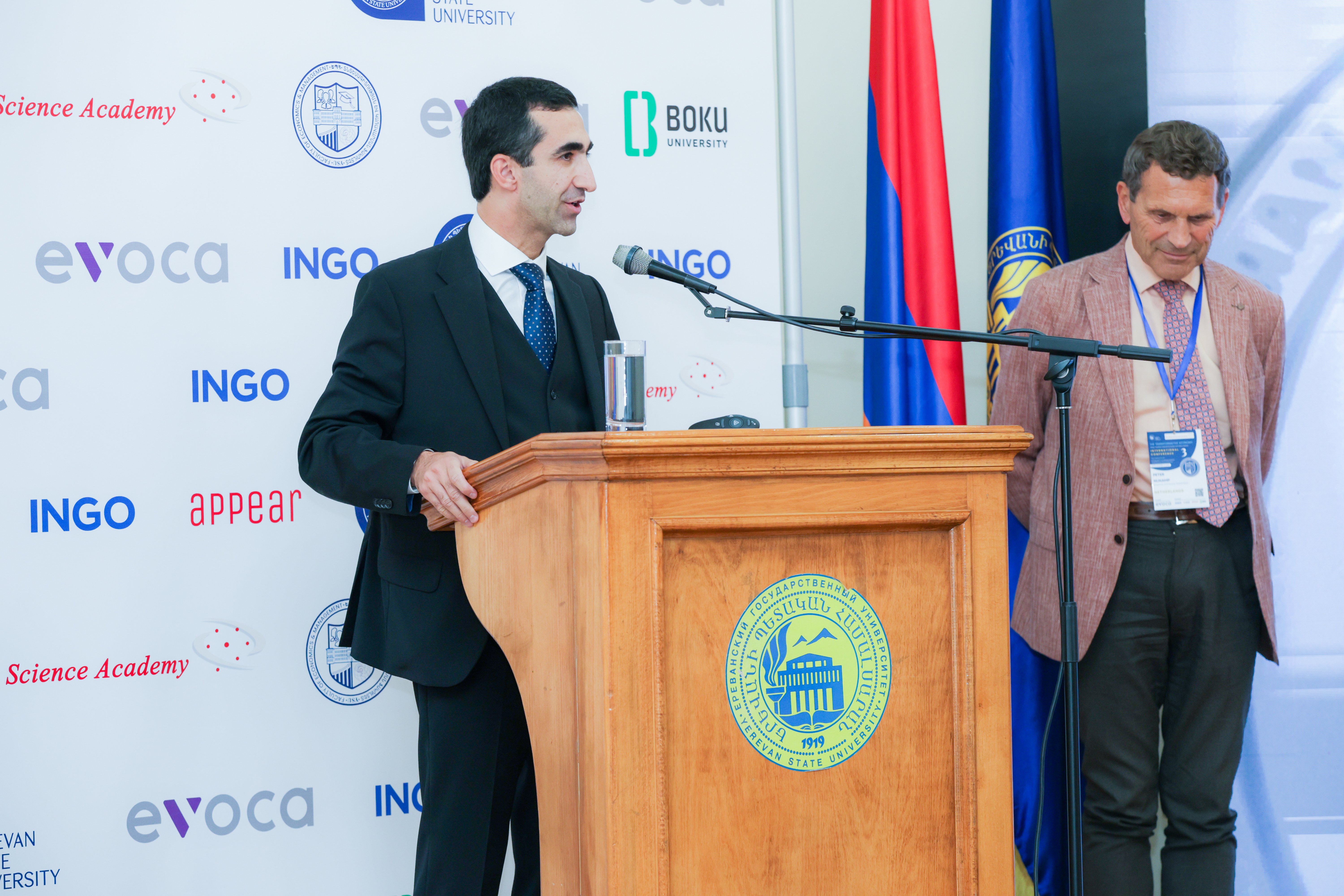
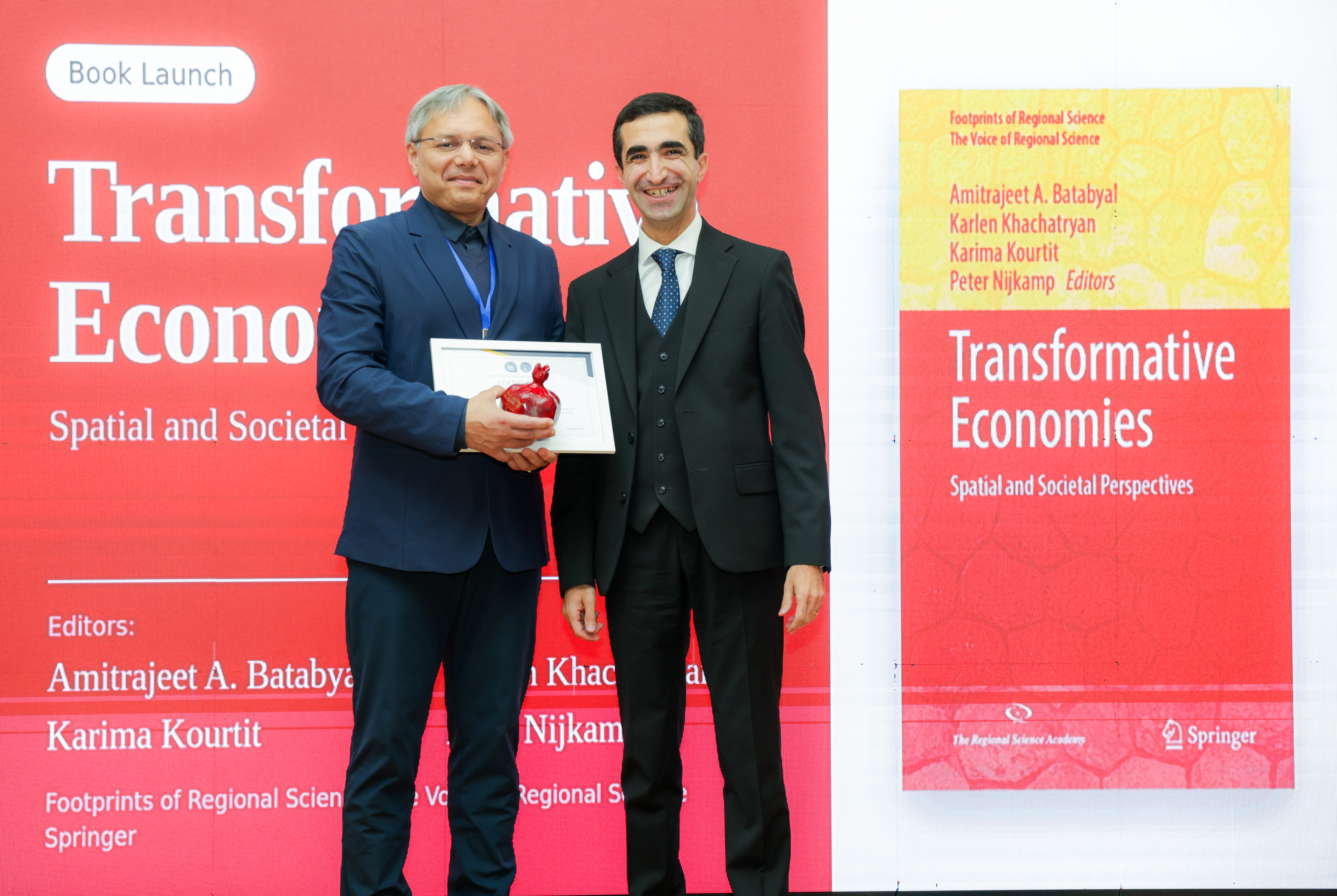
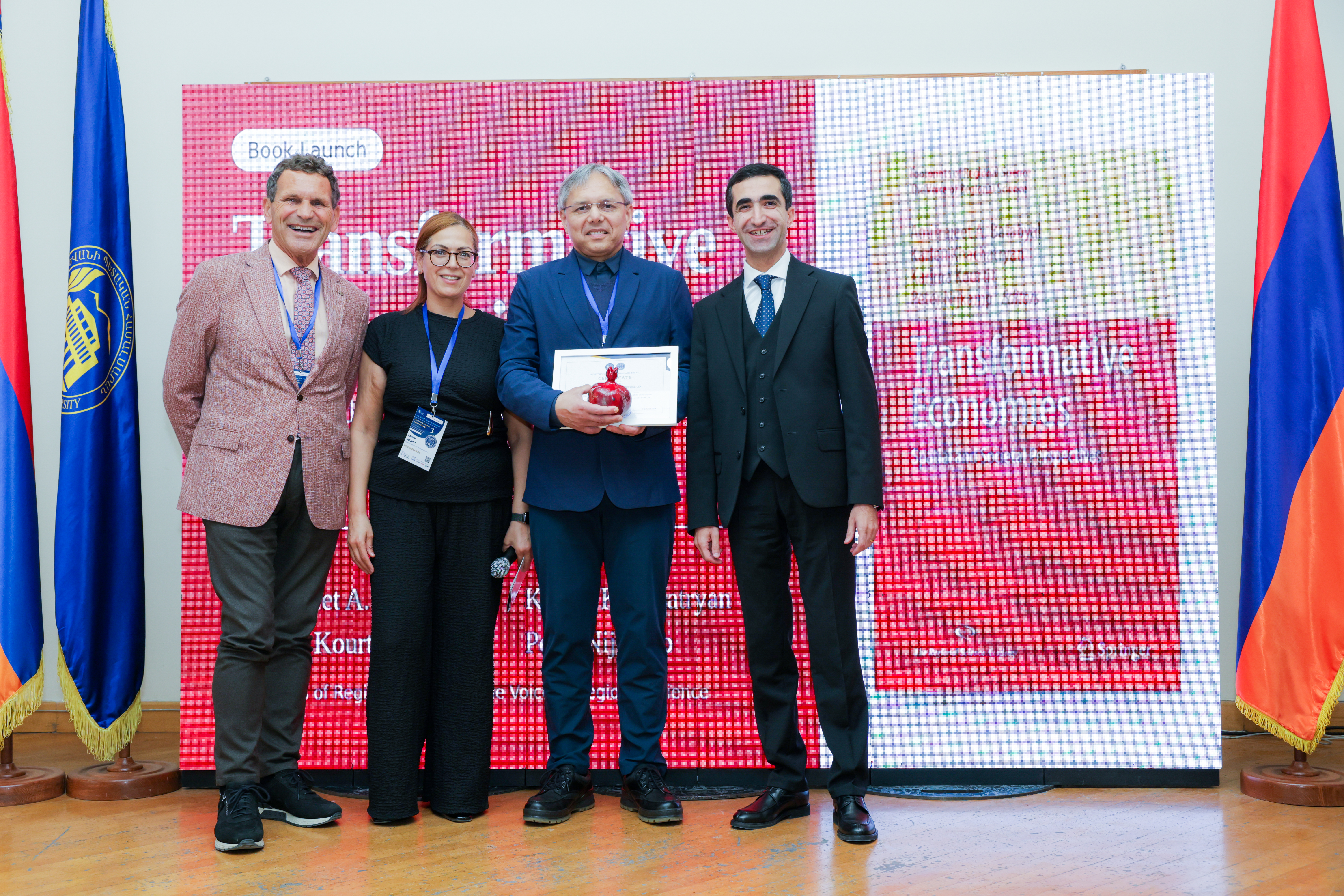
Ժողովածուի շնորհանդեսը տեղի է ունեցել ԵՊՀ տնտեսագիտության և կառավարման ֆակուլտետում՝ The volume was launched at the YSU Faculty of Economics and Management during the Third International Conference "Transformative Economy: Green Transition, Institutional Quality and Value Creation". All four editors attended the launch, where they introduced the book and discussed its scholarly significance.
We spoke with Karlen Khachatryan about the development of the volume, the experience of working with an international editorial team and the importance of studying economic transformations.
- Mr. Khachatryan, how did the idea for this volume emerge, and what is the significance of YSU's involvement in an international project of this kind?
- This volume is the result of our efforts to strengthen international ties. The initiative originated at the YSU Faculty of Economics and Management. The idea emerged in 2024, when we organized the first international conference on "Transformative Economy" at the faculty.

The conference brought together prominent scholars from different countries, and discussions with them helped establish new international connections. These connections subsequently developed into long-term professional collaborations.
Following the conference, our faculty developed the idea for a scholarly volume and submitted a proposal to Springer, outlining its concept, thematic areas, prospective contributors and editorial team. Springer approved the proposal, after which the main work on the book began.
We brought together the contributors, set submission deadlines and organized a multistage peer-review process. Every study included in the volume underwent several rounds of peer review and was revised and reworked at least twice. Through this editorial and peer-review process, the volume was prepared in accordance with Springer's requirements and published in 2026.
- What kind of research does the volume include, and who can benefit from it? Is it also accessible to YSU students and researchers from other countries?
- The volume contains 13 research papers by 38 authors from 12 countries. The contributors represent academic communities in the United States, Armenia and several countries across Europe and Asia.
The volume features research by YSU scholars as well as academics from other universities and research institutions in Armenia. Our aim was to bring together members of Armenia's academic community and help showcase their research on an international academic platform.
The book is primarily intended for the economics community, both in Armenia and internationally. It is available as an open-access publication on Springer's platform, allowing researchers, professionals and students from different countries to benefit from its findings. We also want the volume to be accessible and of interest to YSU students.
- As part of the international editorial team, how did you organize the work? What were the main stages, and what experience did you gain from collaborating with authors from different countries?
- At the outset, the four of us divided the work, with each editor overseeing the editing and peer-review process for several studies. We worked remotely, communicating by email and holding regular meetings.

During these meetings, we discussed and reviewed one another's work to ensure consistency in the volume's scholarly content and editorial approach.
I can say that the collaboration was highly productive, and this approach allowed us to maintain consistent academic and editorial standards throughout the book.
- While working with researchers from different countries, what new approaches or ideas did you encounter that particularly interested you as an economist?
- The first conference in 2024 featured around 80 presentations. We selected a number of studies from these, ultimately including 13 in the volume. In making our selections, we considered not only the scientific novelty of the research but also the thematic connections between the studies.
The volume examines economic transformations from different perspectives, ranging from the role of human capital and institutions to cultural characteristics, innovation and digital technologies. We sought to highlight the interconnections between these factors and their role in economic development.
- Mr. Khachatryan, what will readers find in this volume, and why is it important today?
- Economic systems in today's world are constantly evolving, and understanding the causes and consequences of these transformations is important for both researchers and those interested in economic policy.
The studies presented in the volume examine these changes from different perspectives, addressing the role of human capital, institutions, innovation and technological development.
I believe the book can be valuable to anyone seeking a deeper understanding of the mechanisms of economic transformation and their impact on society.
The volume also includes a study co-authored by Karlen Khachatryan, Gagik Vardanyan, Professor at the YSU Faculty of Economics and Management, and Ani Khalatyan, Assistant Professor at the same faculty. Titled "The Impact of Human Capital and Institutions on Economic Development: Fragility Context", the study examines the relationship between human capital, institutional quality and economic development using data from 120 countries.