September 22, 2026 | 10:29
Education
International cooperation
Student
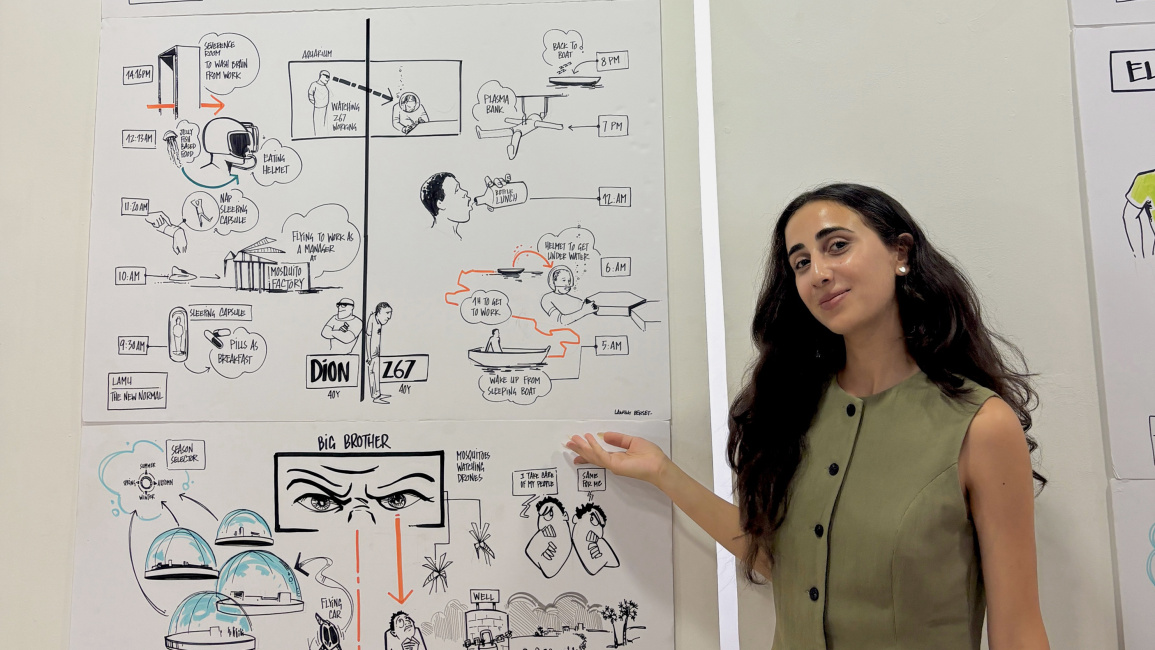
Together with Lusine, we explored step by step what such a journey can offer students.
– Lusine, could you tell us about the program you participated in and what made it distinctive?
– I took part in a three-week summer school organized by Université Côte d'Azur in Nice.
The program was primarily focused on leadership, but it differed from other similar programs I had participated in. We concentrated not only on current challenges, but also on potential future projects and development scenarios.
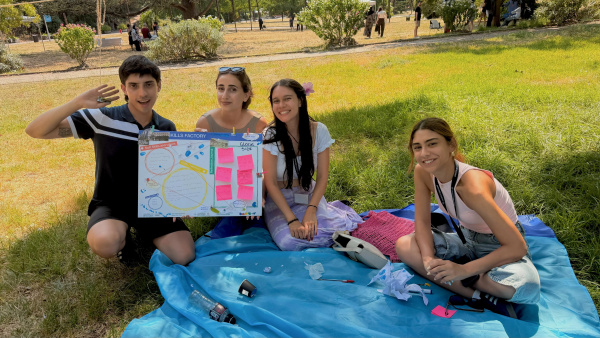
For example, we would be presented with a problem affecting a particular village or area and asked to study it and propose possible development projects extending as far as 2065. We tried to think in the long term and sometimes came up with fairly unconventional solutions.
What was also very interesting was the sense that our proposals were not simply academic assignments. When we presented them, they were treated as though the projects might genuinely be implemented one day.
For one project, for example, we worked for three days, describing even the smallest details and considering how it could potentially be put into practice.
– What new skills or approaches did you gain that you could also apply at university or in your future work?
– First and foremost, the program helped me greatly improve my communication skills. I study French at university, but previously my proficiency was not particularly high. While in France, I had the opportunity to communicate mainly in a French-speaking environment, which helped me express my thoughts more freely and interact not only with other participants in the program, but also with locals. This contributed significantly to the development of my language skills.
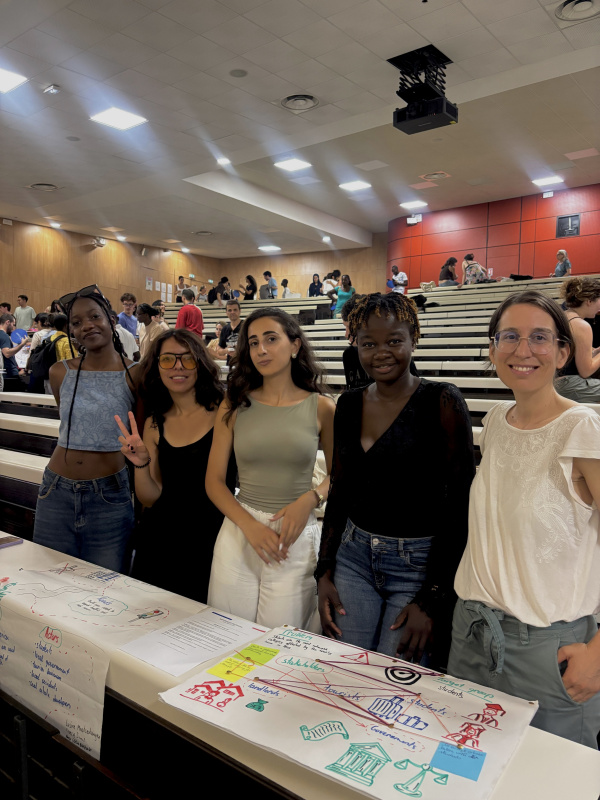
The program also brought together many young people from different African countries. Their English proficiency was not always high, while French was a very important language of communication for them. This also motivated me to speak more French and use it in real-life communication.
Being in an international environment also helped me think "outside my own frame of reference" and look at issues from different perspectives. For every question, we tried to listen to everyone's views, record them and consider different approaches. I believe this is an especially important skill for someone studying international relations.
– To what extent did your education at YSU help prepare you for that international environment?
– Studying international relations at YSU and the experience I gained during this program complemented each other.
I tried not only to take part in the activities included in the program, but also to interact personally with other participants and learn about their countries, cultures and traditions. Through those conversations, I came to understand more clearly that we should not limit ourselves to our own cultural experience and should be more open to the customs and ways of thinking found in other countries.
For example, when someone spoke about traditions related to bread or food in their country, it was something new to me. I learned to accept that the same phenomenon can be perceived in entirely different ways in different cultures.
I believe this is a major advantage in the field of international relations. In the future, when I interact with people from other countries, it will be easier for me to understand cultural differences and avoid situations in which the immediate reaction is, "We don't do it that way." In my view, accepting and understanding those differences is an important part of working in an international environment.
– If we consider the summer school as a personal experience, what impact could it have on your future plans?
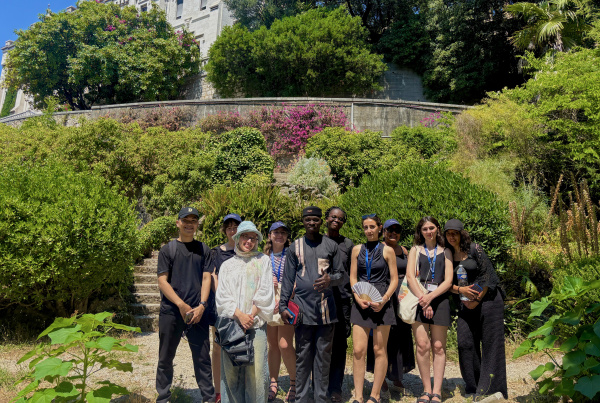
– This experience was also very important to me because I consider French my third language, and the opportunity to live and study in France was a major step for me.
I plan to continue my education in France, and the program gave me an opportunity not only to improve my language skills, but also to gain a better understanding of the country's educational and social environment.
Before going to France, I had heard that if you make mistakes when speaking French, people can respond rather harshly or immediately correct you. However, I did not encounter that attitude at all. On the contrary, I received a very warm welcome, and the experience further strengthened my desire to continue my education in France.
It is also very important to me that, while studying or working abroad, I can represent Armenia and speak about our country, culture and experience.
– Overall, how would you assess the organization and content of the program?
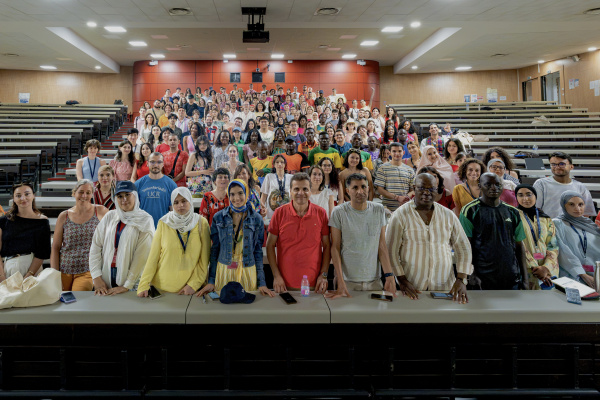
– The program was undoubtedly an excellent experience. What was particularly important was that the organizers constantly encouraged us to move beyond conventional ways of thinking and look for ideas and solutions that we might not have considered before.
The program was very intensive. From around 9:30 a.m. to 4:30 p.m., we were engaged in various courses, discussions and project work. Yet despite the demanding schedule, I did not feel tired. The participants and organizers were so active that each day passed very quickly.
I returned to Armenia with that same sense of energy. I believe the summer school gave me knowledge and skills, as well as experience in thinking differently, meeting new people and engaging with different cultures.