September 18, 2026 | 12:37
Research
International cooperation
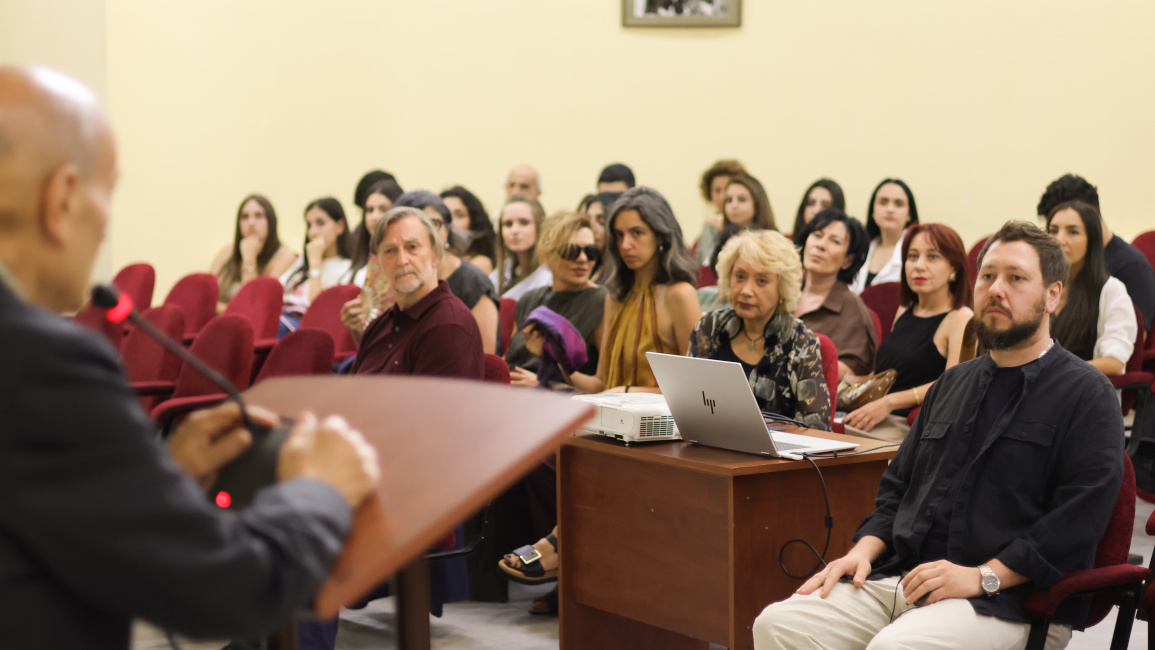
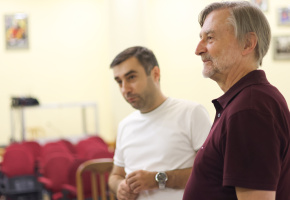
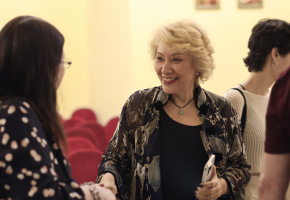
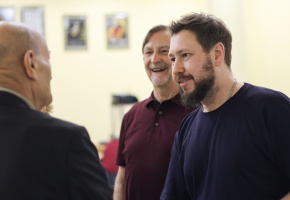
Yerevan State University and the Narekatsi Chair in Armenian Studies at the University of California, Los Angeles (UCLA) organized the symposium, with the support of the YSU Laboratory of Philosophy and Theory of History.
Scholarly perspectives from new angle
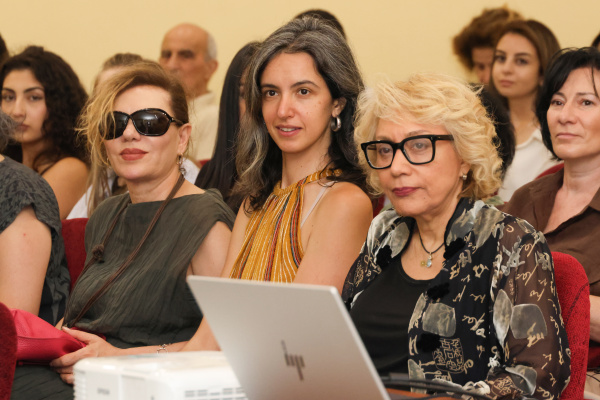
The symposium provided specialists from different fields with an opportunity to approach Gurdjieff's legacy from new perspectives. One central issue was the contemporary relevance of Gurdjieff's ideas: why it is necessary to revisit his legacy today, what questions it poses to modern individuals, and how it may offer answers to the questions that concern them.
The symposium featured academic presentations and discussions addressing various aspects of Gurdjieff's life, work, ideas and cultural legacy.
Book donation and expanded international cooperation: Gurdjieff studies as connecting link
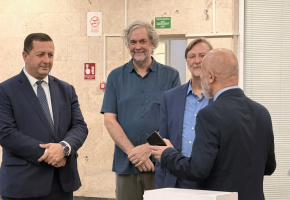
As part of the event, at the initiative of the Narekatsi Chair in Armenian Studies at UCLA, a valuable collection of specialized literature on the life and teachings of Georgi Gurdjieff, comprising more than 80 books, was donated to the YSU Sargis and Marie Izmirlian Library.
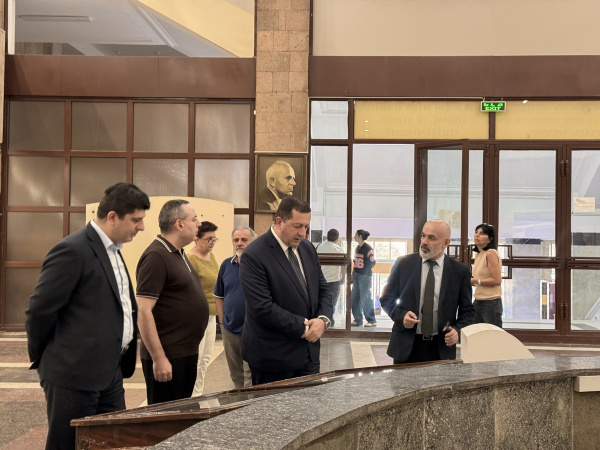
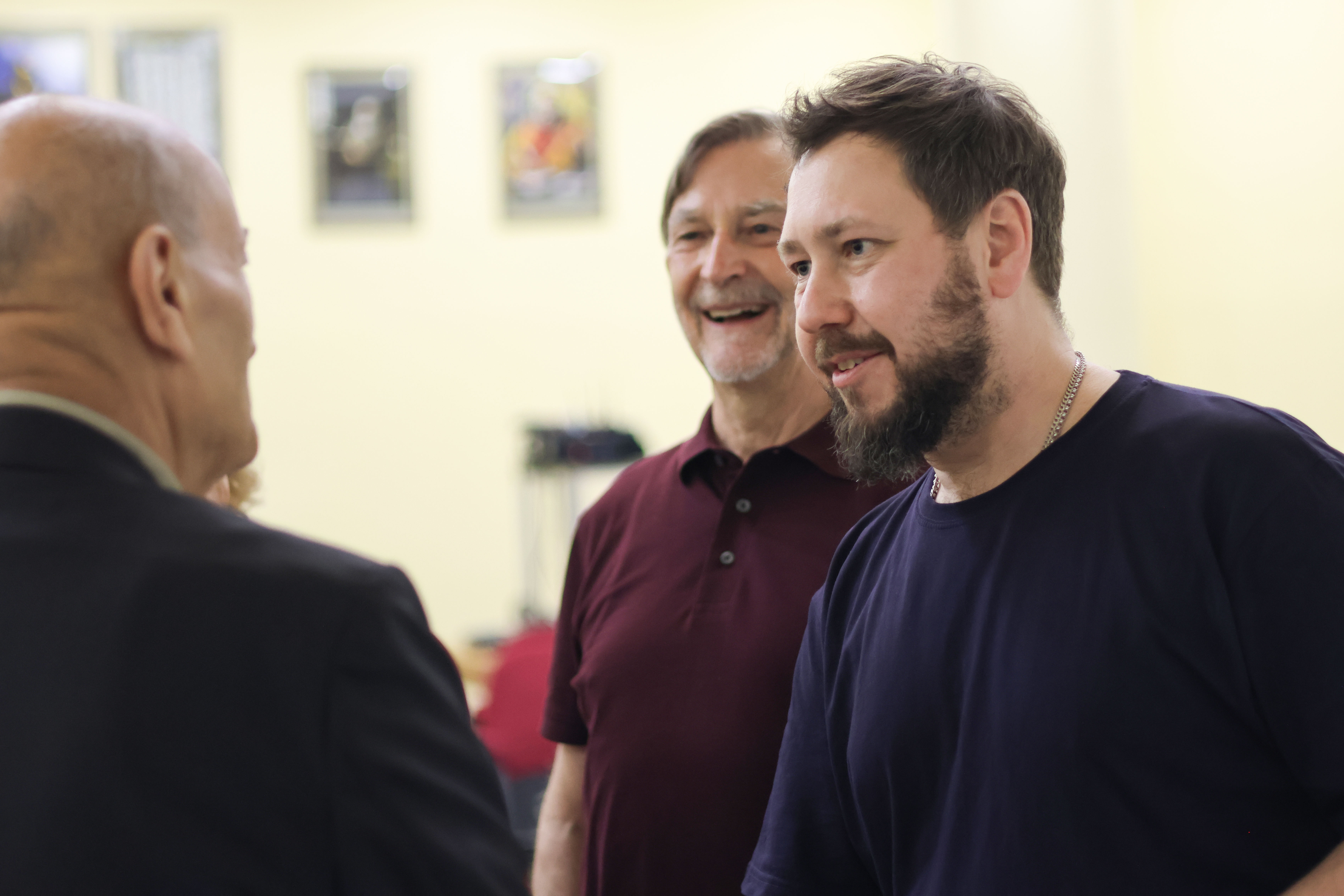
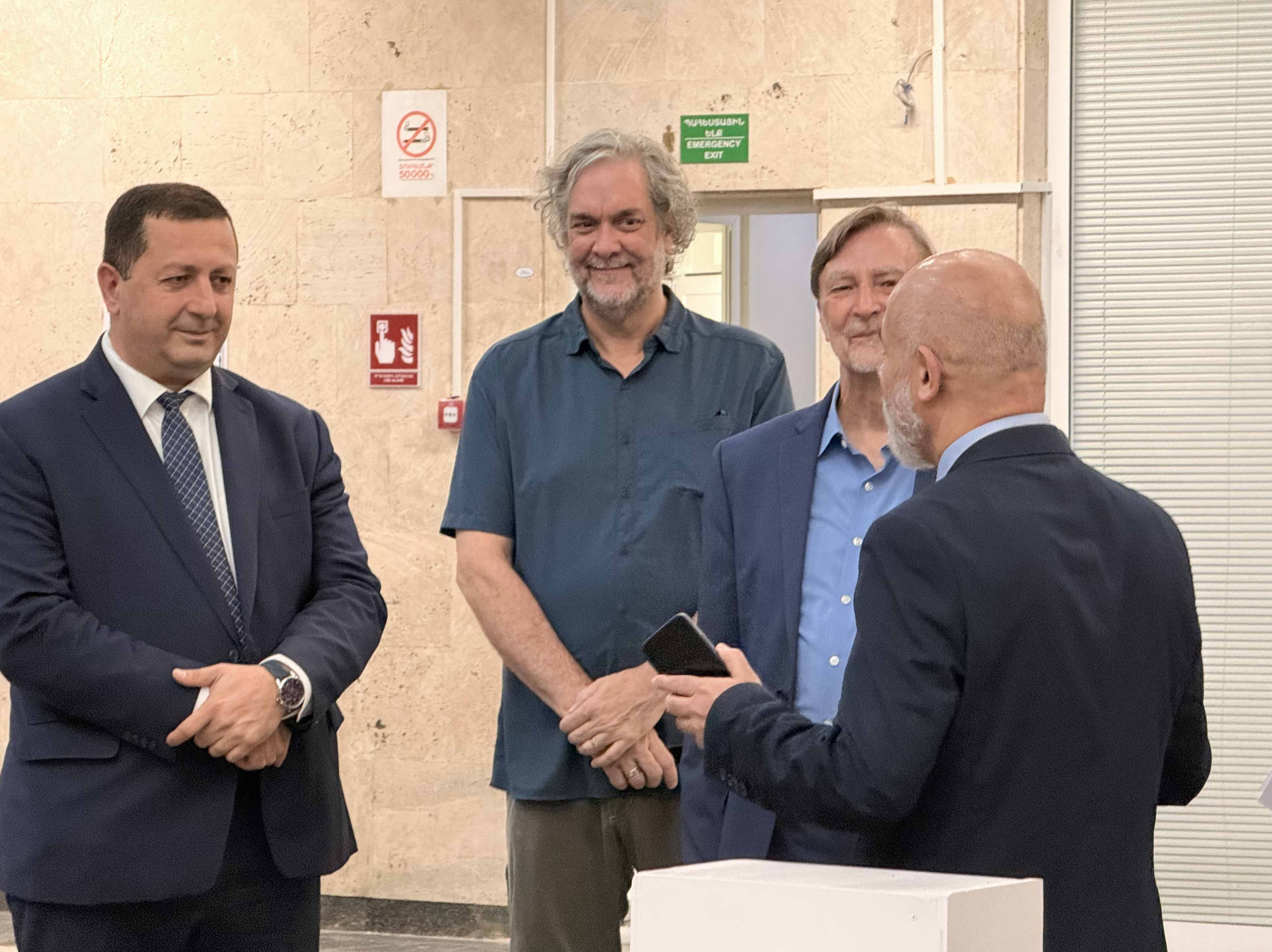
YSU Rector Hovhannes Hovhannisyan thanked Professor Peter Cowe, Head of the Narekatsi Chair in Armenian Studies at UCLA, for the book donation and his longstanding efforts, highlighting the warm and friendly relations that have developed over many years. He emphasized the effectiveness of nearly two decades of cooperation with the professor, marked by his consistent willingness to support YSU. The rector added that the university, in turn, would continue the productive cooperation.
During the event, Vahram Petrosyan, Director of the YSU Institute for Armenian Studies, underscored the importance of bilateral cooperation, noting that the books would be fully available for students and researchers.
From present toward desired vision
Professor Peter Cowe noted that cooperation with YSU has grown stronger year by year, developing into a stable and continuous partnership. He stressed that the donated books acquire their true value only through readers and students. The professor also expressed hope that specialized courses devoted to Gurdjieff's teachings would be introduced at YSU in the near future.
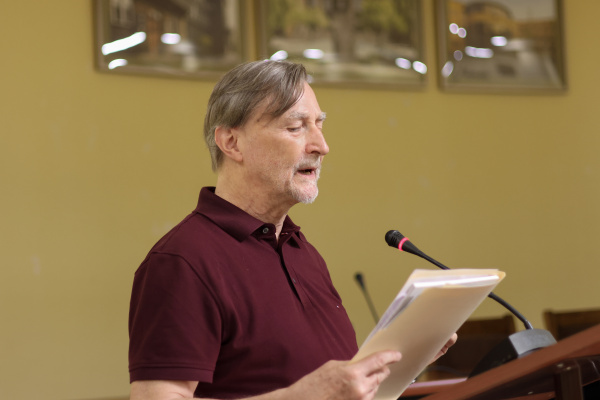
"Even the University of Sydney, which is considered a global center for Gurdjieff studies, does not offer a comprehensive course devoted to this field. If such opportunities are created in Yerevan, this would make a major contribution internationally, paving the way for the training of new specialists from the bachelor's level through master's and doctoral studies," he said.
Turning to international cooperation, Professor Peter Cowe said that an academic network spanning several countries had been established. The conference was held in Yerevan last year, is planned in Athens in the near future, and in Tbilisi in 2027. According to him, Gurdjieff studies have so far been dominated by an English-language approach, while it is especially important to examine the cultural and intellectual environment of the South Caucasus in which Gurdjieff's thought was formed.
Interdisciplinary approach to scholarly legacy
The conference emphasized the importance of an interdisciplinary approach to studying Gurdjieff's legacy, bringing together Armenian studies, history, art history, musicology and philosophical studies.
The question "Why now?" also became one of the conference's core themes, seeking to understand why interest in Gurdjieff's ideas continues and what new questions may shape contemporary research into his legacy.
Why now? Philosophy of "staying awake and relating to oneself"
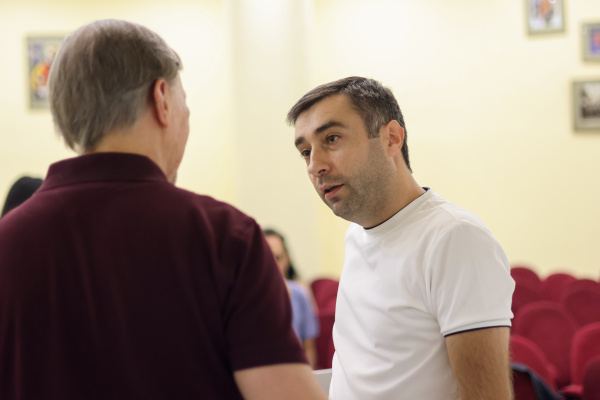
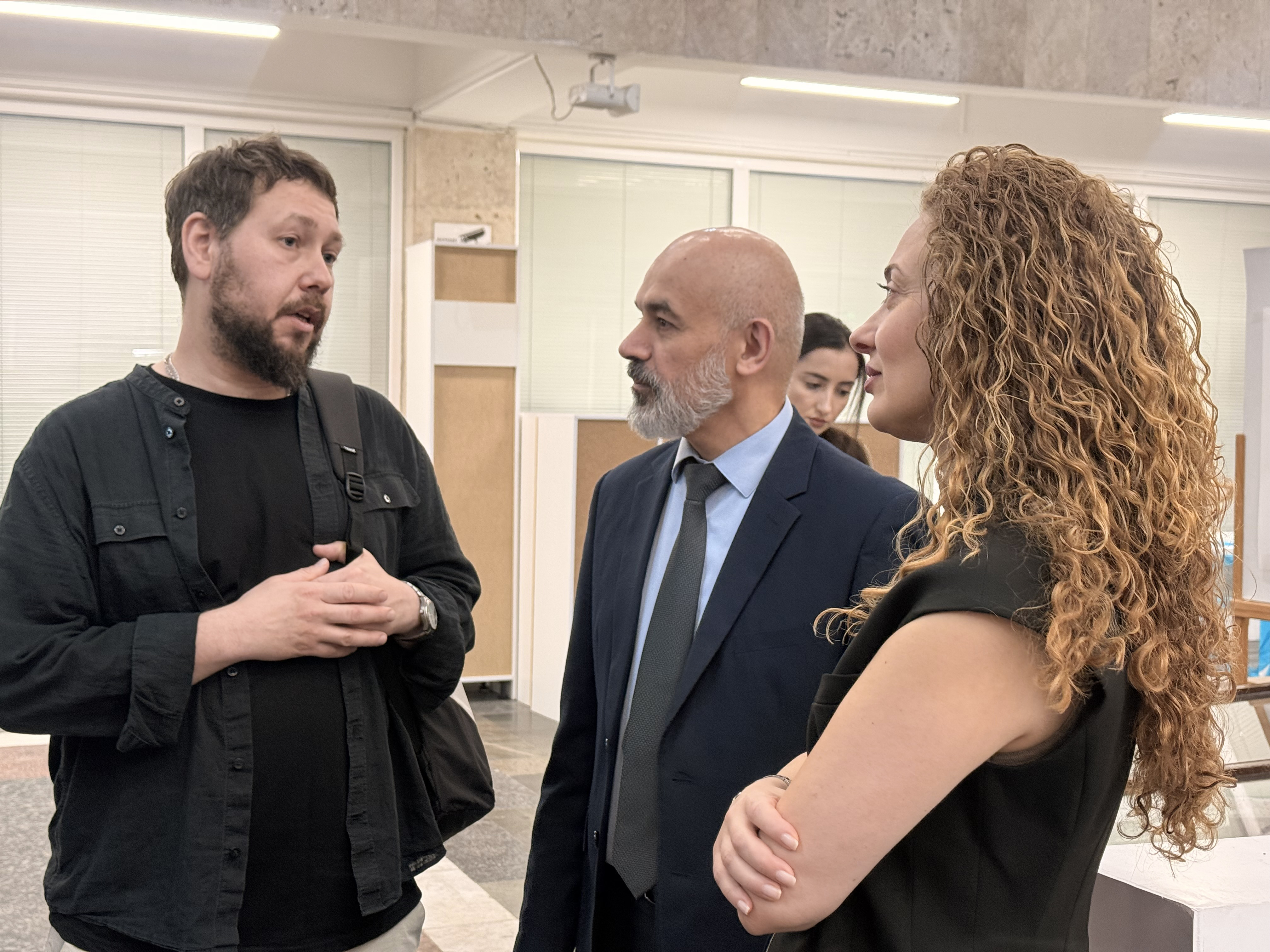
"The question 'Why now?' is not accidental. Geopolitical turmoil confronts modern individuals with serious challenges. In this context, Gurdjieffian 'work' provides an opportunity to stay awake and relate to oneself. Gurdjieff's entire teaching is not simply about practical skills, but about the individual — the person trying to survive and 'be' amid this chaos. It is a teaching about 'being': how to live a conscious life," said Davit Mosinyan, Associate Professor at the YSU Faculty of Philosophy and Psychology and head of the group at the Laboratory of Philosophy and Theory of History.
Referring to the presentations delivered during the symposium, Davit Mosinyan noted that participants addressed Gurdjieff's life, work and key concepts within his philosophical system. In particular, a specialist from Australia discussed one of the central concepts of the teaching, the idea of the "carriage." Mosinyan added that another presentation focused on the Gurdjieffian concept of "work," examining what this work means and its essential nature.
Art and science on one platform
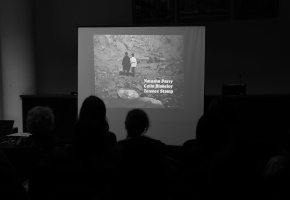
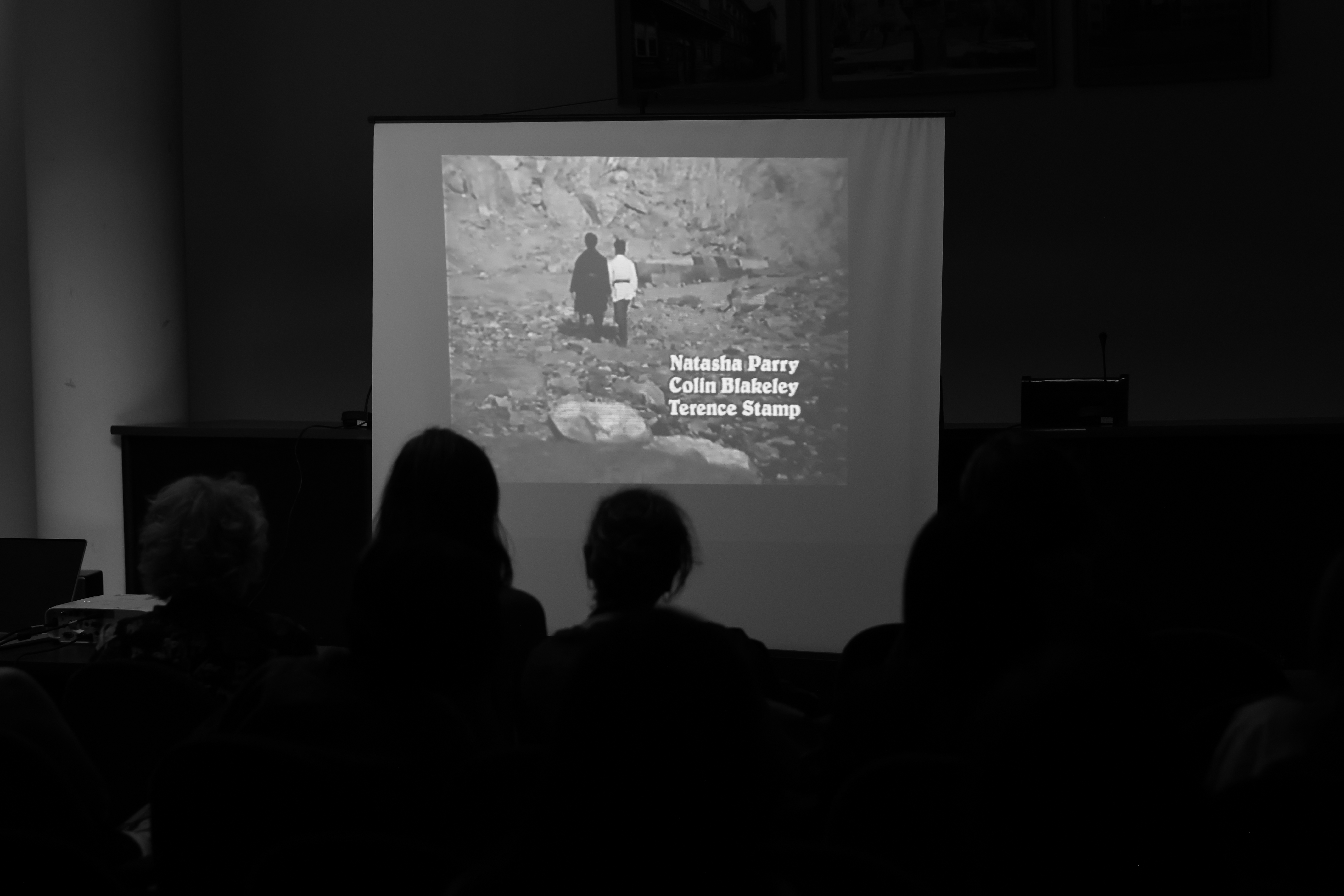
The cultural component also held a prominent place in the event program. The 1979 film "Meetings with Remarkable Men," based on Gurdjieff's book of the same name, was screened and followed by a discussion.
The symposium also features an exhibition, allowing attendees to delve into Gurdjieff's legacy not only through scholarship but also through art.
The two-day international conference served as a meeting platform for representatives of different academic and cultural circles, offering new perspectives on Gurdjieff's legacy and on his role and significance in the contemporary cultural and scholarly landscape.