November 20, 2026 | 11:45
Education
Society
Events
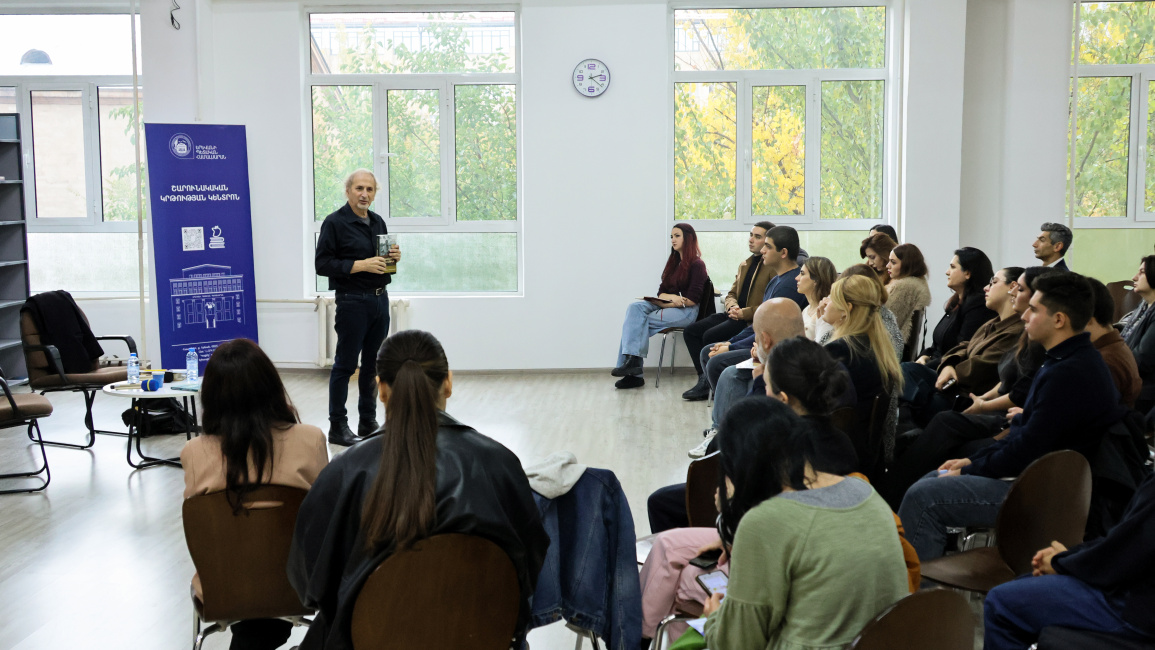
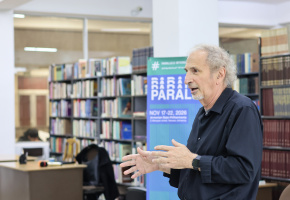
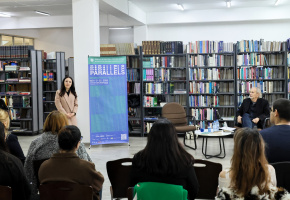
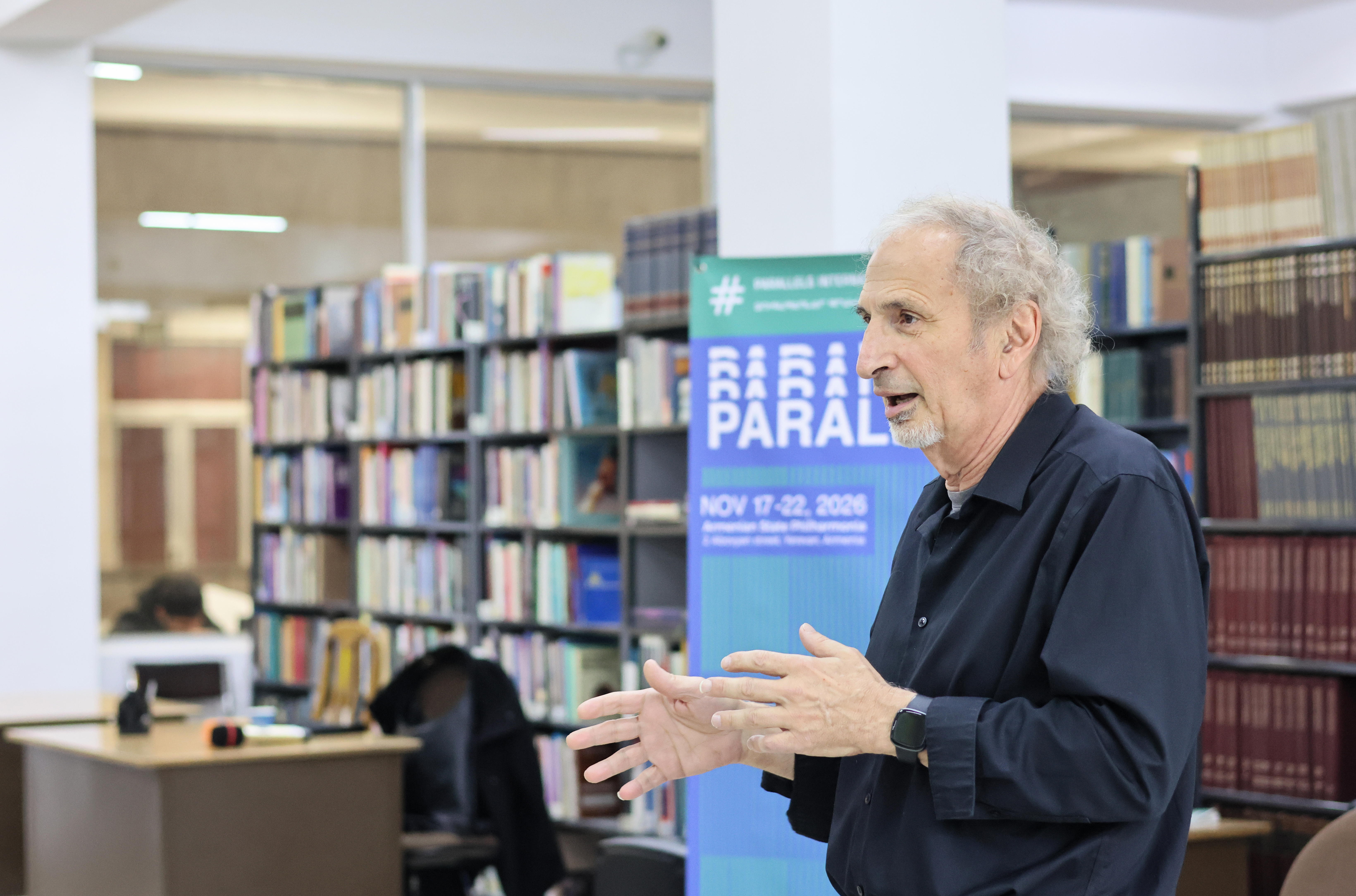
During his lecture, titled "The Transmission of Trauma Across Generations," Balakian discussed how trauma is passed down from one generation to the next, the search for personal identity and ways to overcome the psychological effects of the Armenian Genocide.
Growing up in the United States, Balakian remained unaware for decades of the tragedy his grandmother and family had endured. The subject was taboo in his household, as the older generation sought to shield children from the pain of the past. According to Balakian, these unspoken, suppressed memories manifested as unexplained anxiety and unease, passing invisibly to the third generation.
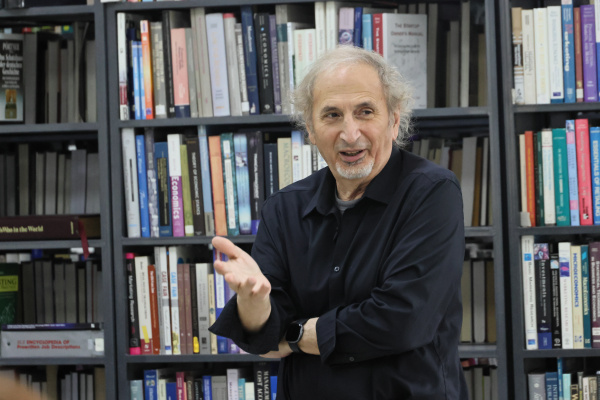
"I'm very proud that my books have been published in Armenian. ... I apologize for not being able to speak Armenian. That is one of the many failures of my life," Balakian said.
Balakian grew up in the suburbs of New York in the 1950s and ’60s, navigating two distinct cultures. On one side was a typical American lifestyle, with a youthful passion for sports and rock 'n' roll. On the other was an Armenian identity that remained largely behind closed doors.
The Armenian Genocide was never openly discussed in Balakian's family. His parents used Armenian as a secret language, while his grandmother, genocide survivor Nafina Shekerlemdjian, communicated memories of the past through Armenian folktales. As an adult, Balakian gradually began to decipher the family's silence, which found expression in his grandmother's stories, hushed conversations and other symbols of Armenian daily life.
"Every family has a secret, and when you're old enough, you open the closet and see what skeletons are inside. My family's secret, which no one spoke about openly, was the dark and horrific past of the Armenian Genocide," Balakian said.
Balakian explores this phenomenon in depth in "Black Dog of Fate," offering a distinctive psychoanalytic exploration of his family and the Armenian Genocide.
The trauma passed down to him through fragments of history, episodes from Armenian folklore and rituals surrounding the preparation of traditional Armenian dishes, together with his fragmented childhood memories, eventually led him to investigate his family's past and, ultimately, discover his own identity.
According to Balakian, when individuals uncover their family's suppressed history, silence gives way to conscious remembrance. Literature, by giving voice to personal experience and historical truth, becomes a much-needed lifeline—a means of overcoming trauma and breaking the cycle of its transmission.
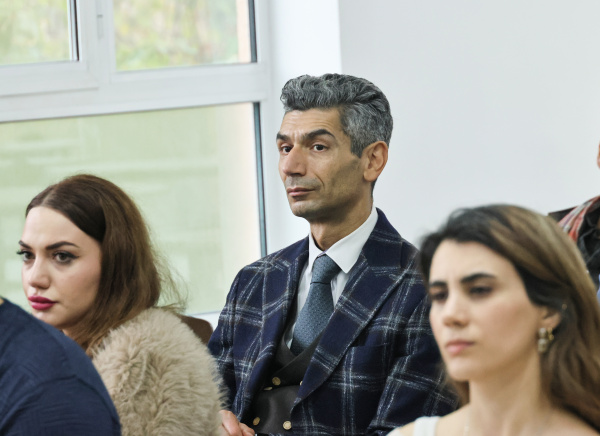
A turning point in his deeper exploration of the past came when he read the memoirs of Henry Morgenthau, who served as U.S. ambassador to the Ottoman Empire from 1913 to 1916. The memoirs helped the young Balakian grasp the true scale of his family's tragedy.
These explorations laid the foundation for Balakian's poetry collection "Sad Days of Light," in which he addresses Turkish denialism. According to Balakian, this struggle extends beyond Armenian-Turkish relations and represents a universal fight against human rights abuses, corruption and denialism.
Ultimately, every Armenian's family history and personal experience form an essential part of the larger, complex mosaic that shapes our collective memory.