Home
envelope
ՀայերենРусскийEnglish

Main Navigation (Eng)

  • Admission
    • Undergraduate admission
    • Master’s degree admission
    • Postgraduate admission
    • Foreign Students
    • Preparatory courses
    • Work Carried out with Applicants
    • YSU STEM High School
  • Education
    • Guide Book for First Year Students
    • Educational programs
    • Granting qualification of a pedagogue
    • Center for Academic Writing
    • Continuing education
    • Academic Calendar
    • Olympiad
  • Science
    • Open science
    • Conferences
    • Library
    • Grants
    • Publishing House
    • Doctoral Thesis Defence Councils
    • HRS4R
  • News and events
    • Events
    • Activities
    • News
    • Newsletter
    • Announcement
    • Photo gallery
    • Video gallery

Secondary Navigation (Eng)

  • About YSU
    • YSU Management
    • YSU Symbols
    • YSU International Cooperation
    • Quality assurance
    • YSU History Museum
    • Vacancies
    • FAQ
  • Structure
    • YSU Faculties and Educational Centers
      • Faculty of Geography and Geology
      • Faculty of Theology
      • Faculty of Oriental Studies
      • Faculty of European Languages and Communication
      • Faculty of Journalism
      • Faculty of Informatics and Applied Mathematics
      • Faculty of Law
      • Faculty of Biology
      • Faculty of Armenian Philology
      • Faculty of International Relations
      • Faculty of History
      • Institute of Physics
      • Faculty of Russian Philology
      • Faculty of Sociology
      • Faculty of Economics and Management
      • Faculty of Philosophy and Psychology
      • Faculty of Chemistry
      • Faculty of Mathematics and Mechanics
      • Pedagogy and Education Development Center
      • Center for European Studies
      • Institute of Pharmacy
      • Chair of Civil Defense
      • Chair of Physical Education and Sports
      • Information Technologies Educational and Research Center
    • Column Wrapper
      • YSU STEM High School
      • YSU Ijevan Branch
    • Scientific Centers and Laboratories
      • Institute for Humanities Research
      • Research Institute of Biology
      • Institute for Armenian Studies
      • Center for Mathematical and Applied Research
      • Research Center for Chemistry
      • Research Center for the Institute of Pharmacy
      • Research Laboratory of Applied Sociology
      • Research Institute of Physics
    • Scientific and Educational Centers
      • Scientific and Educational Center for Control and Monitoring of the Quality of Medicines
      • American Studies Center
      • Legal Clinic
      • Research Center-Library of Greek Studies
      • Russian Center
      • Center for Russian Studies
      • Distance Learning Laboratory of Sociology
    • Column Wrapper
      • Banner
    • Administrative Divisions of YSU
      • Academic Secretary
      • Center for Doctoral Education
      • General Division
      • YSU History Museum
      • Department of Energy System Operation
      • Financial Analysis Department
      • Human Resources Department
      • Center for Admissions and Affairs with Applicants
      • Vehicle Fleet
      • Business Incubator
      • Byurakan Industrial Practice Base
      • Medical Center
      • Science Policy Department
      • Procurement Planning Department
      • Dilijan Sports and Health Center
      • YSU Archive
      • Publishing House
      • Legal Service
      • Marketing Department
      • International Cooperation Office
      • Tsaghkadzor training and production base
      • Cultural Center
      • Fire Safety Service
      • Alumni and Career Center
      • Hankavan Industrial Practice Base
      • Accounting Department
      • Center for Quality Assurance
      • Department for Special Affairs
      • Guest House
      • Student Dormitory
      • Educational-Methodological Department
      • Marie and Sarkis Izmirlian Library
      • Center for Strategic Planning
      • Rectorate
      • Rector's Office
      • Department of Territory Improvement and Landscape Design
      • Information Technology Department
      • Department of Organization and Control of Economic Activities
  • Structure
  • Alumni and Career
    • Alumni Community
    • Career Center
    • Friends of YSU
  • Student life
    • YSU Student Scientific Society
    • YSU Student Council
    • Art and Culture
ՀայերենРусскийEnglish
envelope

Main Navigation (Eng)

  • Admission
    • Undergraduate admission
    • Master’s degree admission
    • Postgraduate admission
    • Foreign Students
    • Preparatory courses
    • Work Carried out with Applicants
    • YSU STEM High School
  • Education
    • Guide Book for First Year Students
    • Educational programs
    • Granting qualification of a pedagogue
    • Center for Academic Writing
    • Continuing education
    • Academic Calendar
    • Olympiad
  • Science
    • Open science
    • Conferences
    • Library
    • Grants
    • Publishing House
    • Doctoral Thesis Defence Councils
    • HRS4R
  • News and events
    • Events
    • Activities
    • News
    • Newsletter
    • Announcement
    • Photo gallery
    • Video gallery

Secondary Navigation (Eng)

  • About YSU
    • YSU Management
    • YSU Symbols
    • YSU International Cooperation
    • Quality assurance
    • YSU History Museum
    • Vacancies
    • FAQ
  • Structure
    • YSU Faculties and Educational Centers
      • Faculty of Geography and Geology
      • Faculty of Theology
      • Faculty of Oriental Studies
      • Faculty of European Languages and Communication
      • Faculty of Journalism
      • Faculty of Informatics and Applied Mathematics
      • Faculty of Law
      • Faculty of Biology
      • Faculty of Armenian Philology
      • Faculty of International Relations
      • Faculty of History
      • Institute of Physics
      • Faculty of Russian Philology
      • Faculty of Sociology
      • Faculty of Economics and Management
      • Faculty of Philosophy and Psychology
      • Faculty of Chemistry
      • Faculty of Mathematics and Mechanics
      • Pedagogy and Education Development Center
      • Center for European Studies
      • Institute of Pharmacy
      • Chair of Civil Defense
      • Chair of Physical Education and Sports
      • Information Technologies Educational and Research Center
    • Column Wrapper
      • YSU STEM High School
      • YSU Ijevan Branch
    • Scientific Centers and Laboratories
      • Institute for Humanities Research
      • Research Institute of Biology
      • Institute for Armenian Studies
      • Center for Mathematical and Applied Research
      • Research Center for Chemistry
      • Research Center for the Institute of Pharmacy
      • Research Laboratory of Applied Sociology
      • Research Institute of Physics
    • Scientific and Educational Centers
      • Scientific and Educational Center for Control and Monitoring of the Quality of Medicines
      • American Studies Center
      • Legal Clinic
      • Research Center-Library of Greek Studies
      • Russian Center
      • Center for Russian Studies
      • Distance Learning Laboratory of Sociology
    • Column Wrapper
      • Banner
    • Administrative Divisions of YSU
      • Academic Secretary
      • Center for Doctoral Education
      • General Division
      • YSU History Museum
      • Department of Energy System Operation
      • Financial Analysis Department
      • Human Resources Department
      • Center for Admissions and Affairs with Applicants
      • Vehicle Fleet
      • Business Incubator
      • Byurakan Industrial Practice Base
      • Medical Center
      • Science Policy Department
      • Procurement Planning Department
      • Dilijan Sports and Health Center
      • YSU Archive
      • Publishing House
      • Legal Service
      • Marketing Department
      • International Cooperation Office
      • Tsaghkadzor training and production base
      • Cultural Center
      • Fire Safety Service
      • Alumni and Career Center
      • Hankavan Industrial Practice Base
      • Accounting Department
      • Center for Quality Assurance
      • Department for Special Affairs
      • Guest House
      • Student Dormitory
      • Educational-Methodological Department
      • Marie and Sarkis Izmirlian Library
      • Center for Strategic Planning
      • Rectorate
      • Rector's Office
      • Department of Territory Improvement and Landscape Design
      • Information Technology Department
      • Department of Organization and Control of Economic Activities
  • Structure
  • Alumni and Career
    • Alumni Community
    • Career Center
    • Friends of YSU
  • Student life
    • YSU Student Scientific Society
    • YSU Student Council
    • Art and Culture
  1. Main
  2. News
  3. "Robots of the future should not replace people but expand human capabilities," world-renowned economist Sung Won Sohn says at YSU
November 19, 2026 | 15:01
Science
Society
International cooperation
"Robots of the future should not replace people but expand human capabilities," world-renowned economist Sung Won Sohn says at YSU

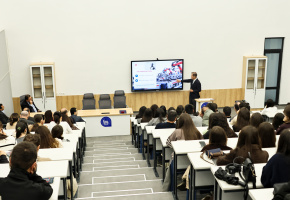
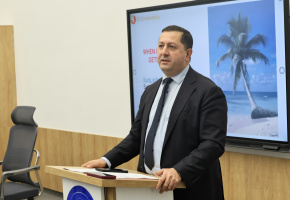
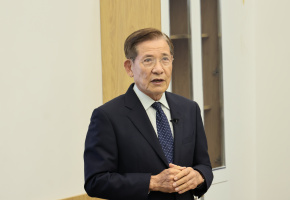
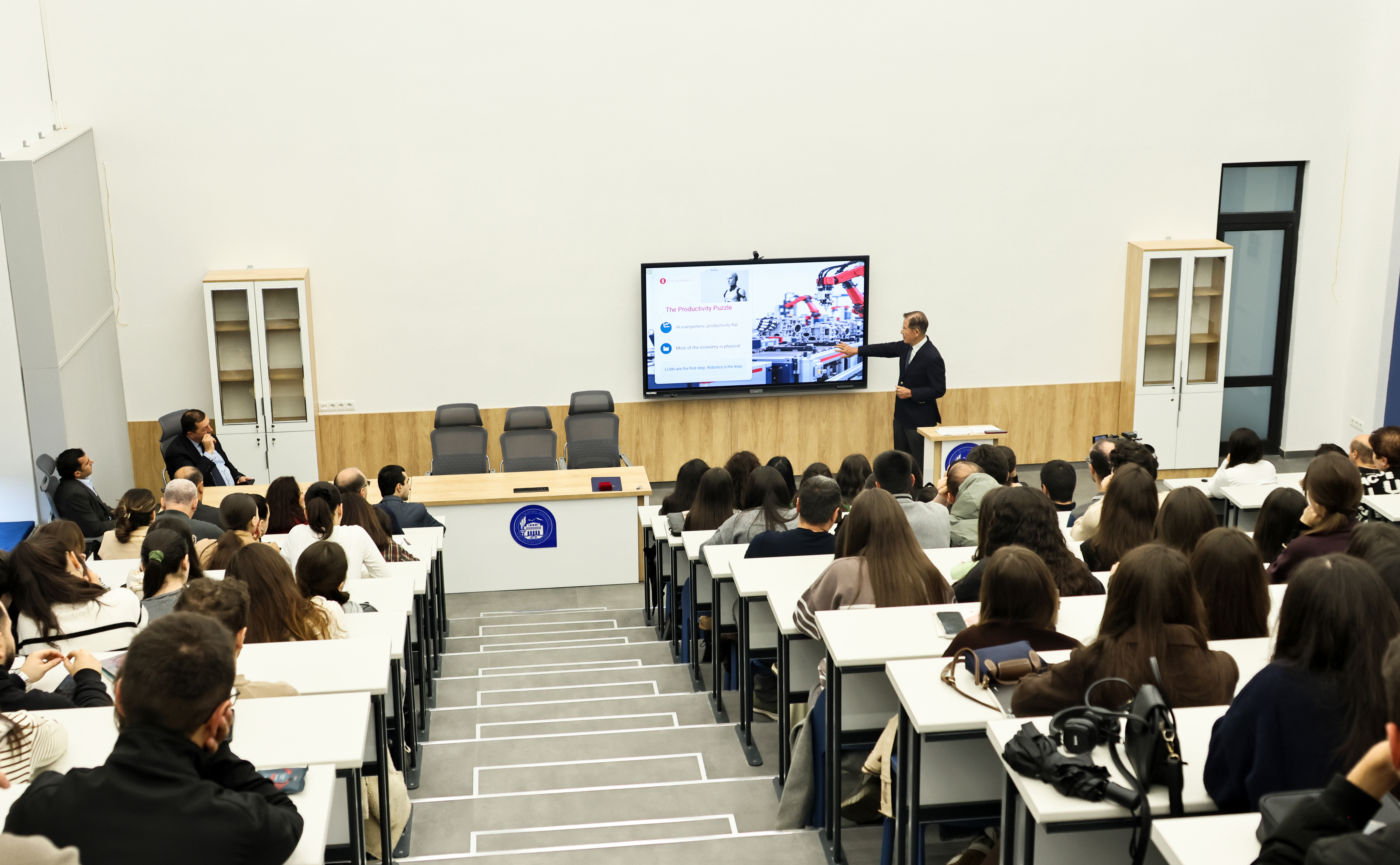
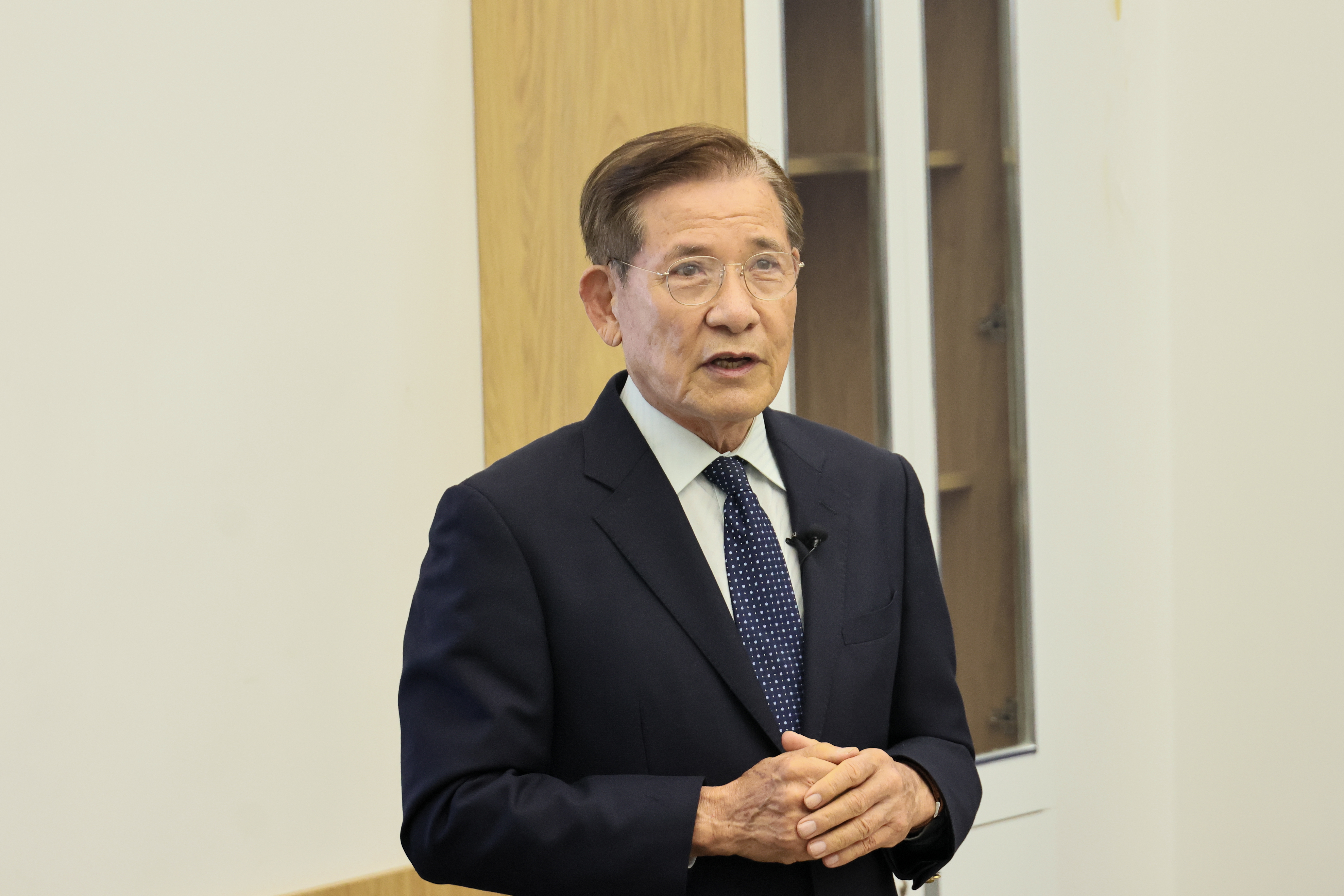
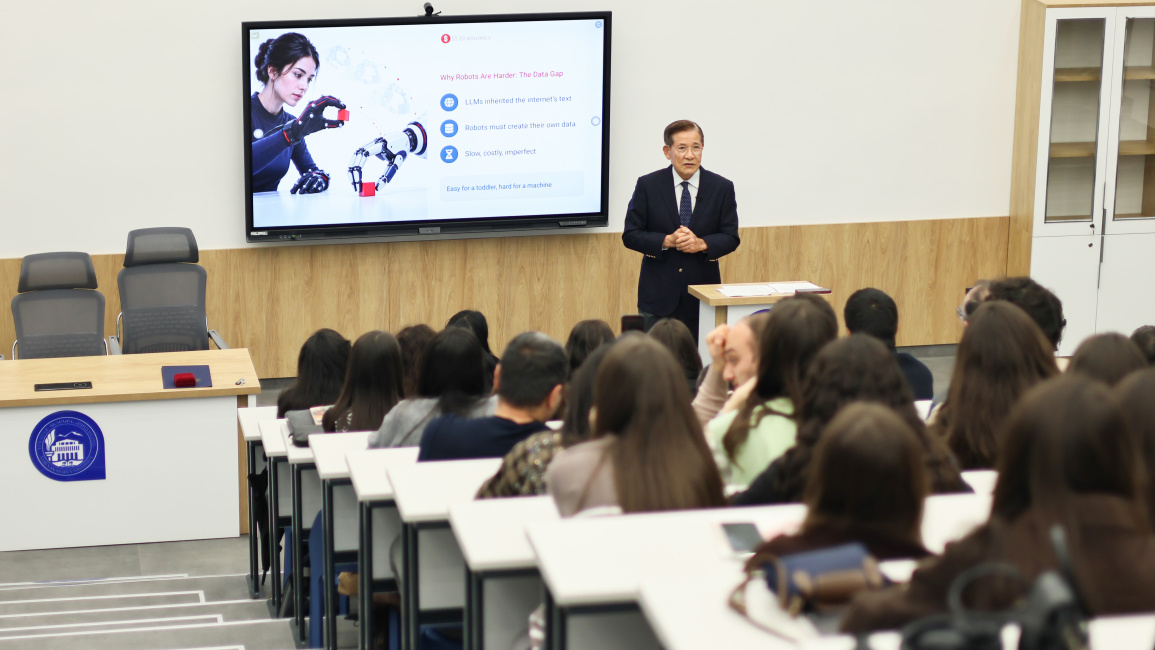
Can robots change how we think about work, improve living standards and even solve some of the global economy's biggest challenges? What will happen when artificial intelligence moves beyond the computer screen and begins operating in the physical world? These questions were at the heart of a public lecture at Yerevan State University (YSU) delivered by Professor Sung Won Sohn, an internationally renowned Korean-American economist.

During his lecture titled "Physical AI: When Intelligence Gets a Body," the renowned economist discussed the prospects for the development of robotics and its potential impact on the global economy, productivity and the labor market.

AI's next step: from thinking to acting

In recent years, artificial intelligence has learned to write, analyze, answer questions and process vast amounts of information. According to Sung Won Sohn, the next major stage of technological development is bringing these capabilities into the physical world.
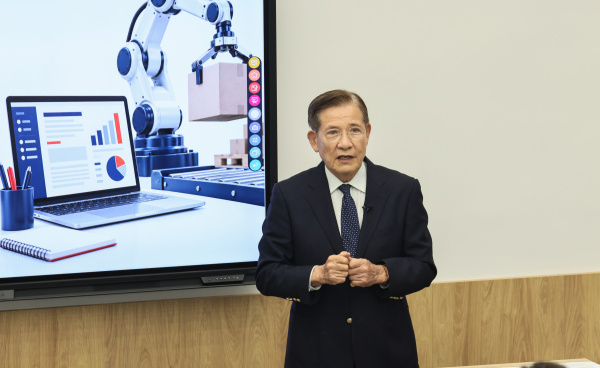
The professor believes that combining AI and robotics may become a new driver of productivity growth, comparable in significance to the Industrial Revolution.

"Large language models provide the brain, while robotics provides the body. They are partners, not competitors," the economist emphasized.

According to Sohn, systems that process information alone are not enough to achieve substantial gains in economic productivity. What is needed are technologies capable not only of thinking or proposing solutions but also of performing physical tasks, such as manufacturing, building, transporting, providing services and assisting people with everyday activities.

The speaker recalled that major increases in productivity throughout history have consistently been driven by significant technological changes. The Industrial Revolution and the spread of steam engines and electricity transformed not only how production was organized but also people's living standards.

In his view, physical AI has the potential to bring about a similar transformation today.

Why is teaching a robot to pick up an apple harder than teaching it to write text?

One of the lecture's interesting segments focused on the specific aspects of training robots.
Sohn explained that much of the information needed to develop language models already exists in digital form. Robots, however, must learn to interact with the physical world, where every movement involves numerous variables.

For example, to pick up an apple, a robot must be able to assess the object's position, the force to be applied, the precision of its finger movements and how to move the apple safely.

Such actions come naturally to humans, but for robots, they require extensive data, training and complex technological solutions.

The economist outlined the stages of robotics development, from industrial robots performing simple, repetitive tasks to modern machines equipped with sensors, vision systems and learning capabilities.

He also addressed the need to develop humanoid robots. According to Sohn, human environments, including homes, workplaces, furniture and equipment, are designed around the structure of the human body. As a result, a humanoid design could offer practical advantages for certain robots performing a variety of tasks in the same spaces as people.

Robots and the future of work: competition or collaboration?

One of the lecture's central themes was the impact of technological progress on employment.

Sohn acknowledged that concerns among young people about job losses caused by AI are understandable. However, he stressed that technological change should not be viewed solely in terms of replacing human labor.
In his view, advances in robotics could create new professions and employment opportunities, particularly in technology design, programming, maintenance and management.

"I do not see artificial intelligence and robotics as substitutes for humans. They will make us more productive," the professor said.

He suggested viewing the future labor market as a new division of labor between humans and robots. Robots could take over monotonous, repetitive, physically demanding or dangerous tasks, allowing people to focus on creative work, design, supervision and decision-making.

The economist believes that genuine productivity growth depends not only on introducing new equipment but also on rethinking how work is organized.

In this context, he emphasized the importance of widespread technology adoption, noting that even the development of the most advanced robot would not, by itself, bring about an economic revolution unless the technology became part of practical operations across different sectors of the economy.

Can robots care for people?

The lecture also explored the social and ethical dimensions of robotics applications.

Sohn paid particular attention to the challenges of aging populations and labor shortages in countries around the world. He noted that humanoid robots could eventually play an important role in elderly care, health care services and everyday household tasks.

The discussion also addressed the development of robots' emotional response capabilities. Such technologies could assist older adults living alone, remind them when to take medication or help them perform daily tasks. However, their use also raises new questions.
Who will have access to people's personal data? How will the security of that information be ensured? Who will be held responsible if technology is used to exploit someone's trust?

Sohn emphasized that as these systems develop, attention must be paid to privacy protection, confidentiality and the responsible use of technology.

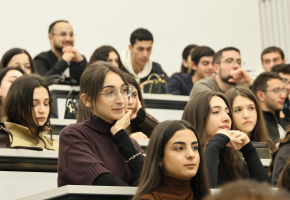
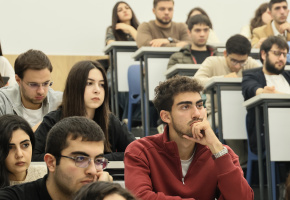
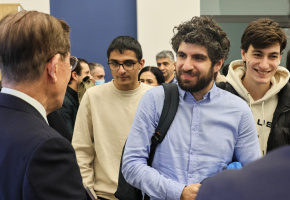
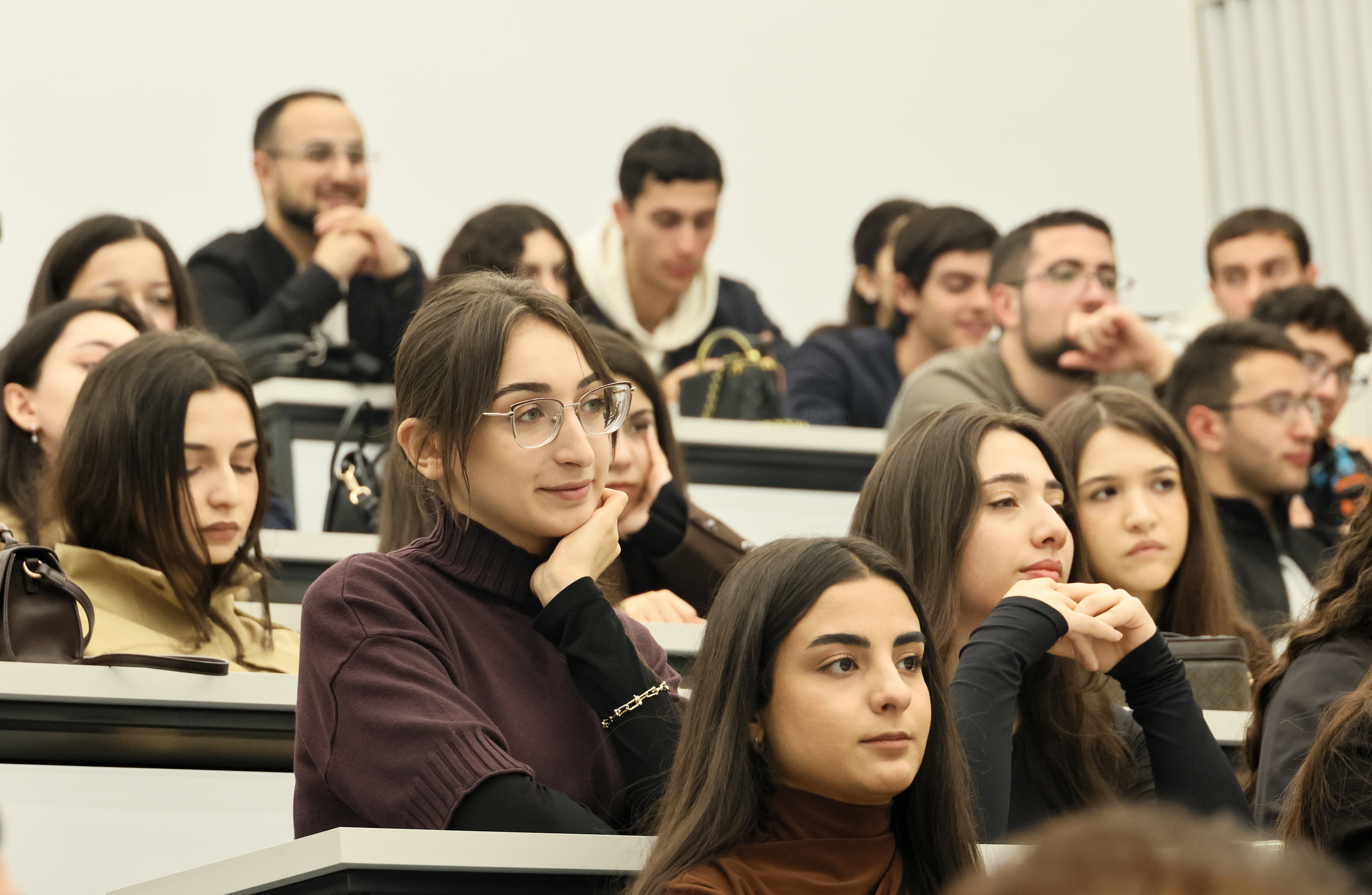
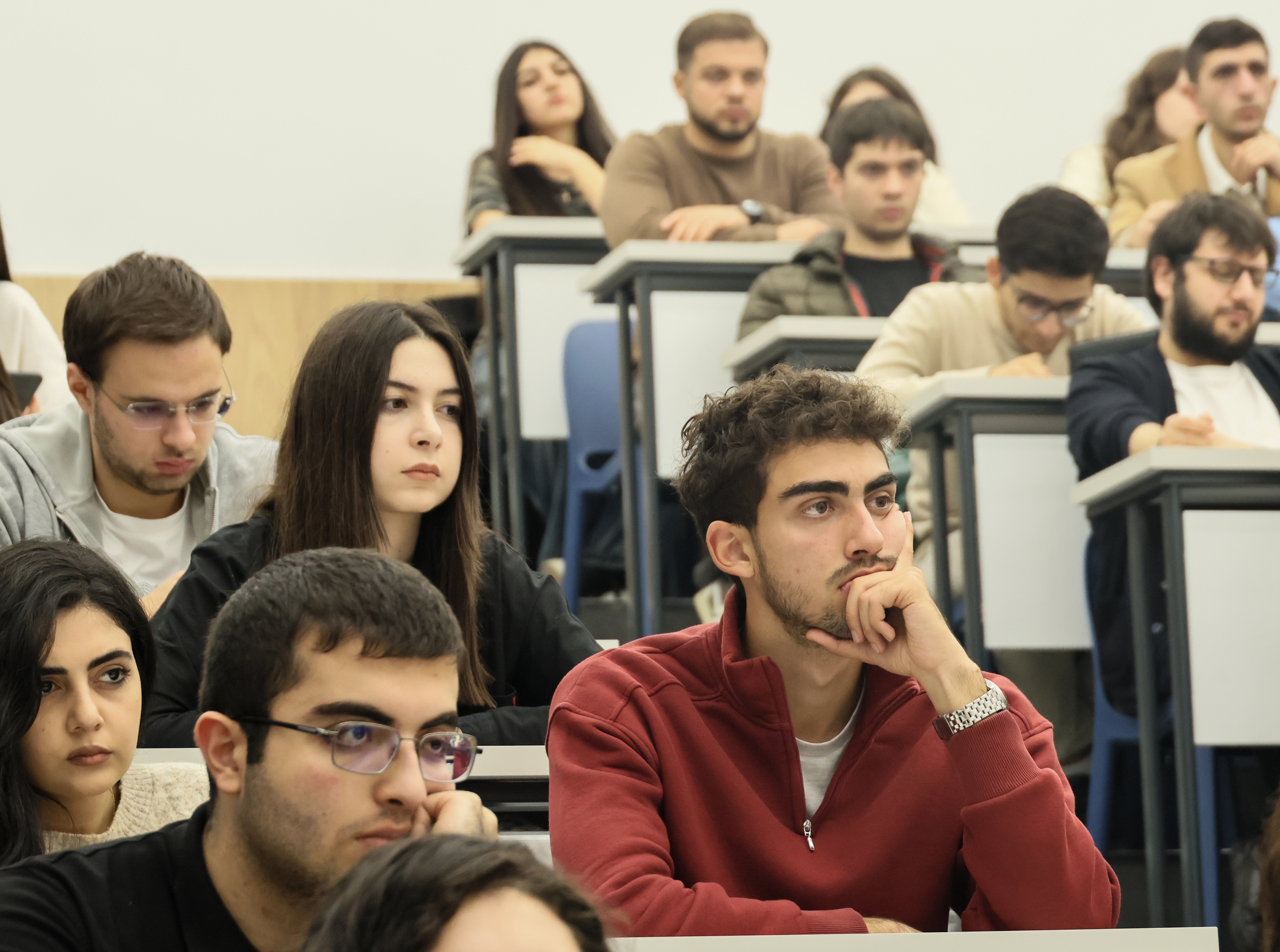
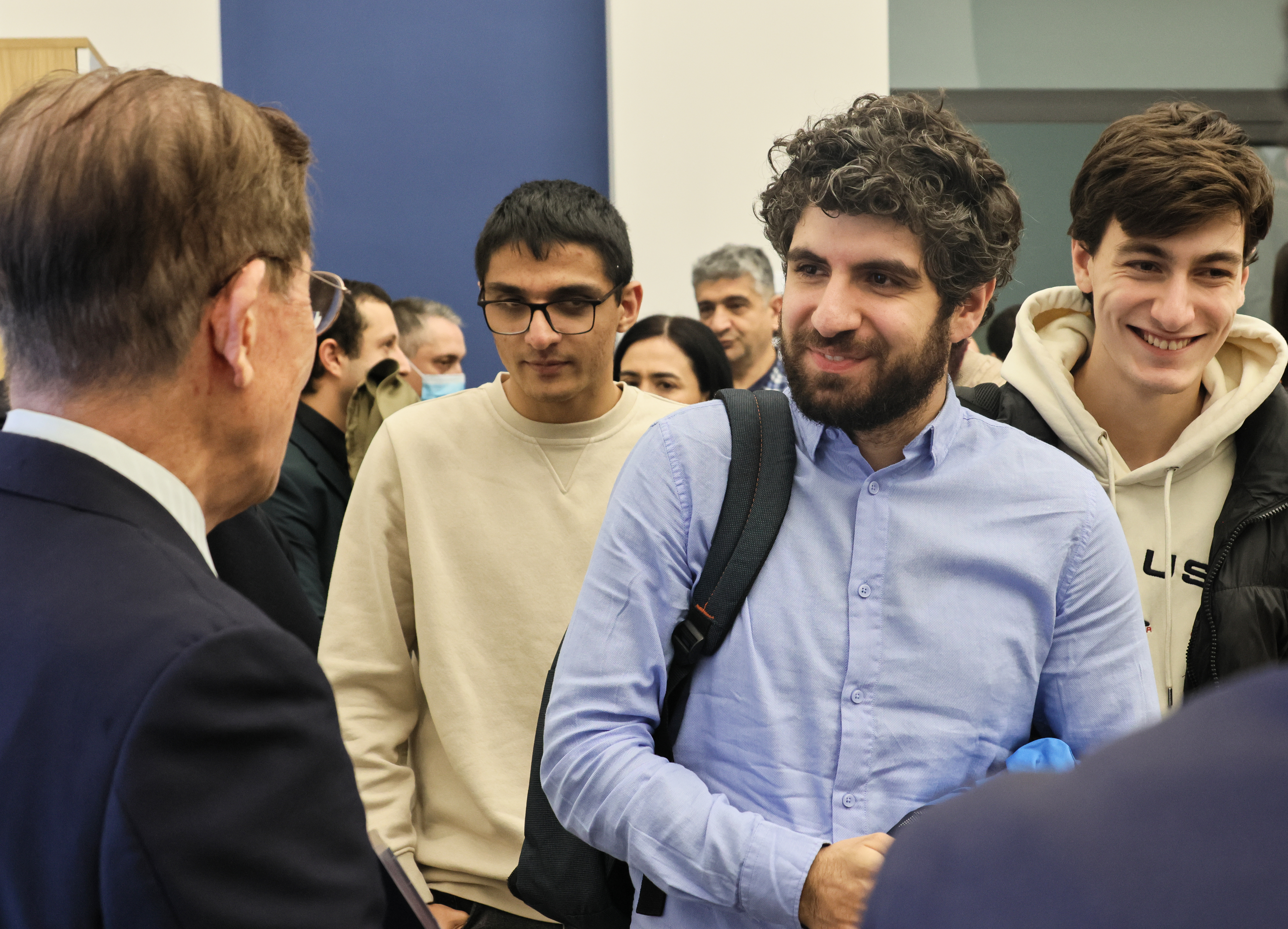
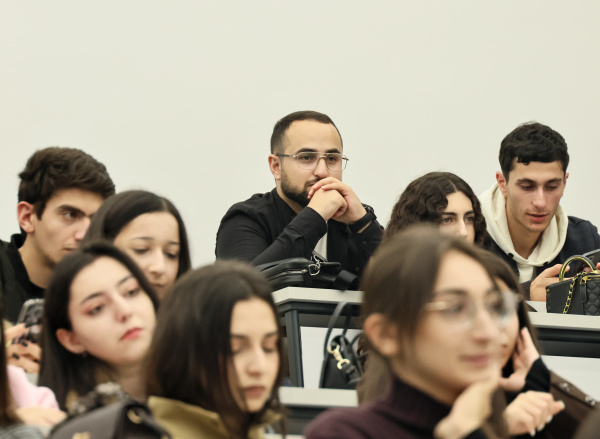
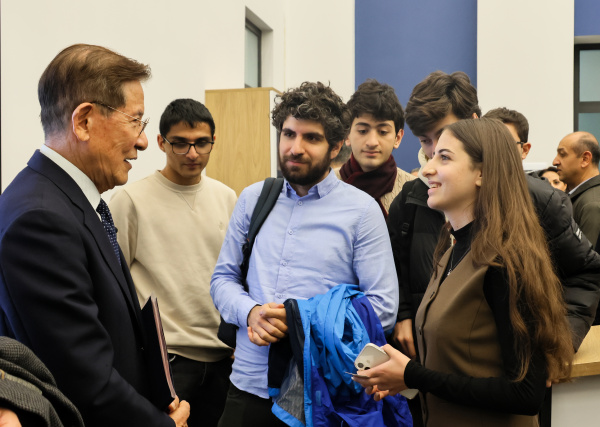
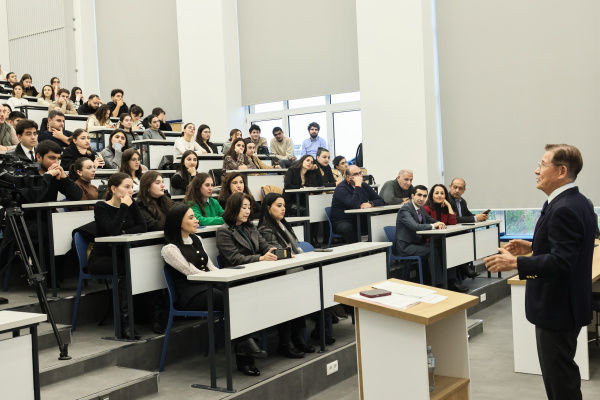
The lecture also developed into an active discussion, with YSU students asking questions about humanoid robots' design, sensitivity, practical effectiveness and potential role in people's lives.

"The main obstacle to technological development is not technology, but us"

Concluding his presentation, Sohn shared an idea that brought together the lecture's economic and technological themes.
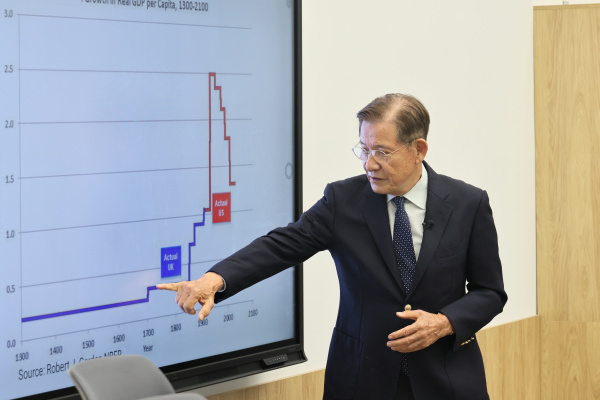
In his view, the world already has considerable capabilities to develop advanced robots. The main challenge, however, lies in ensuring their effective use, integration into the economy and widespread adoption.

"The main obstacle is not technology. It's us," the professor emphasized, referring to the need to turn innovation into practical results.

He encouraged students to pay attention to robotics as a rapidly developing field that will create new professional opportunities.

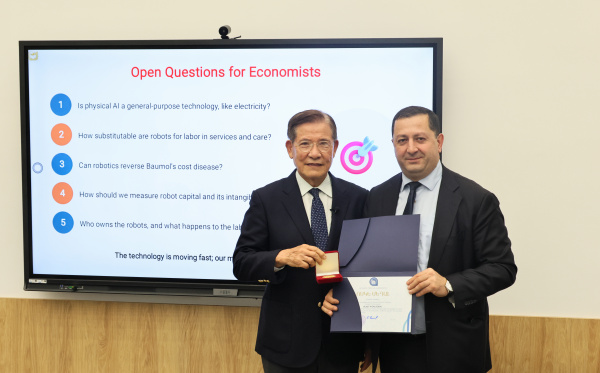
At the same time, the economist raised one of the central questions about the technological future: If robots make production more efficient and affordable, who will control these technologies, and how will different groups in society benefit from the economic gains they generate?

YSU participates in technological change and helps shape the future

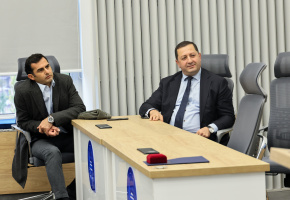
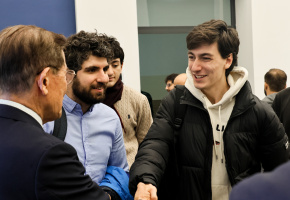
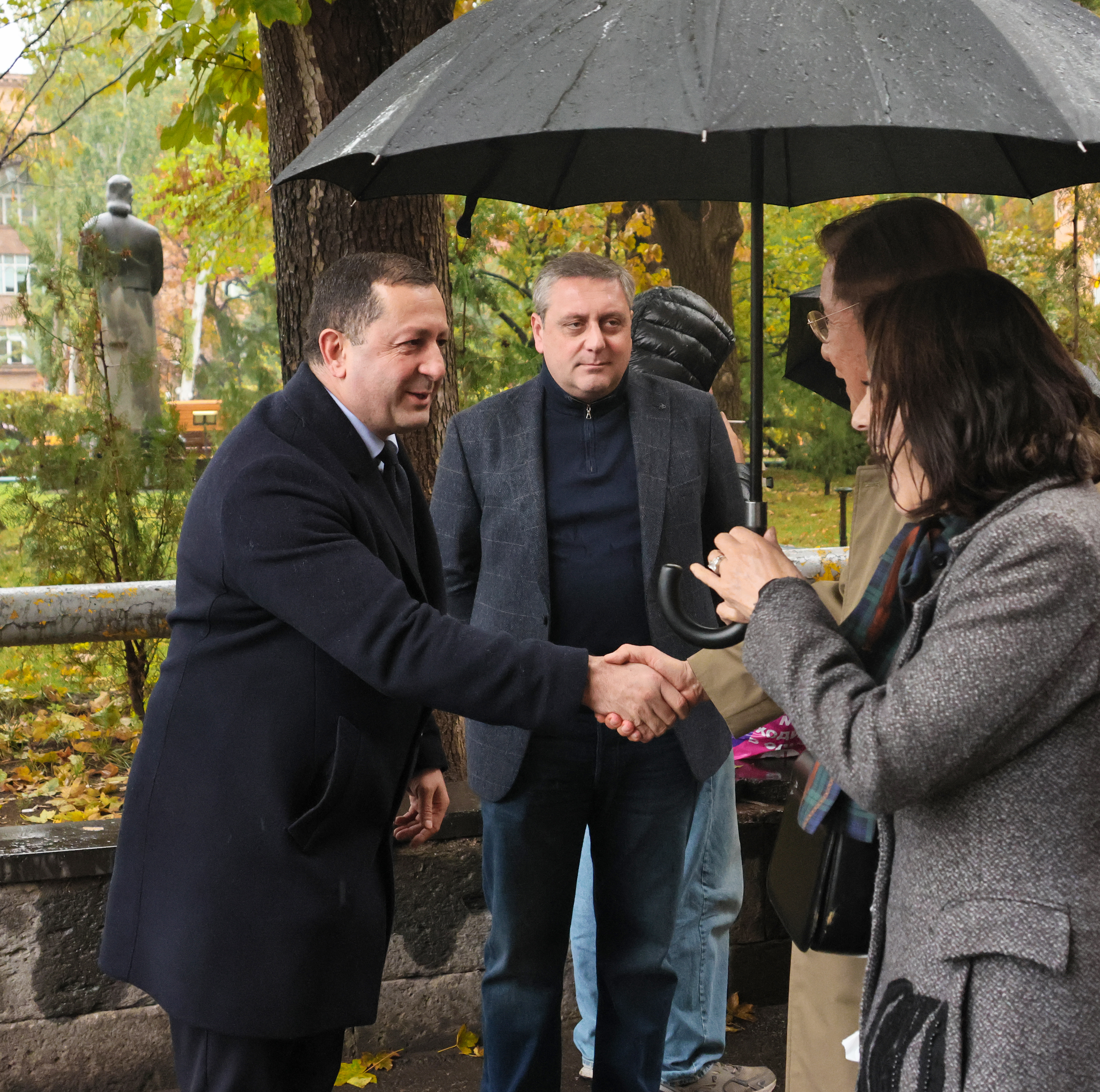
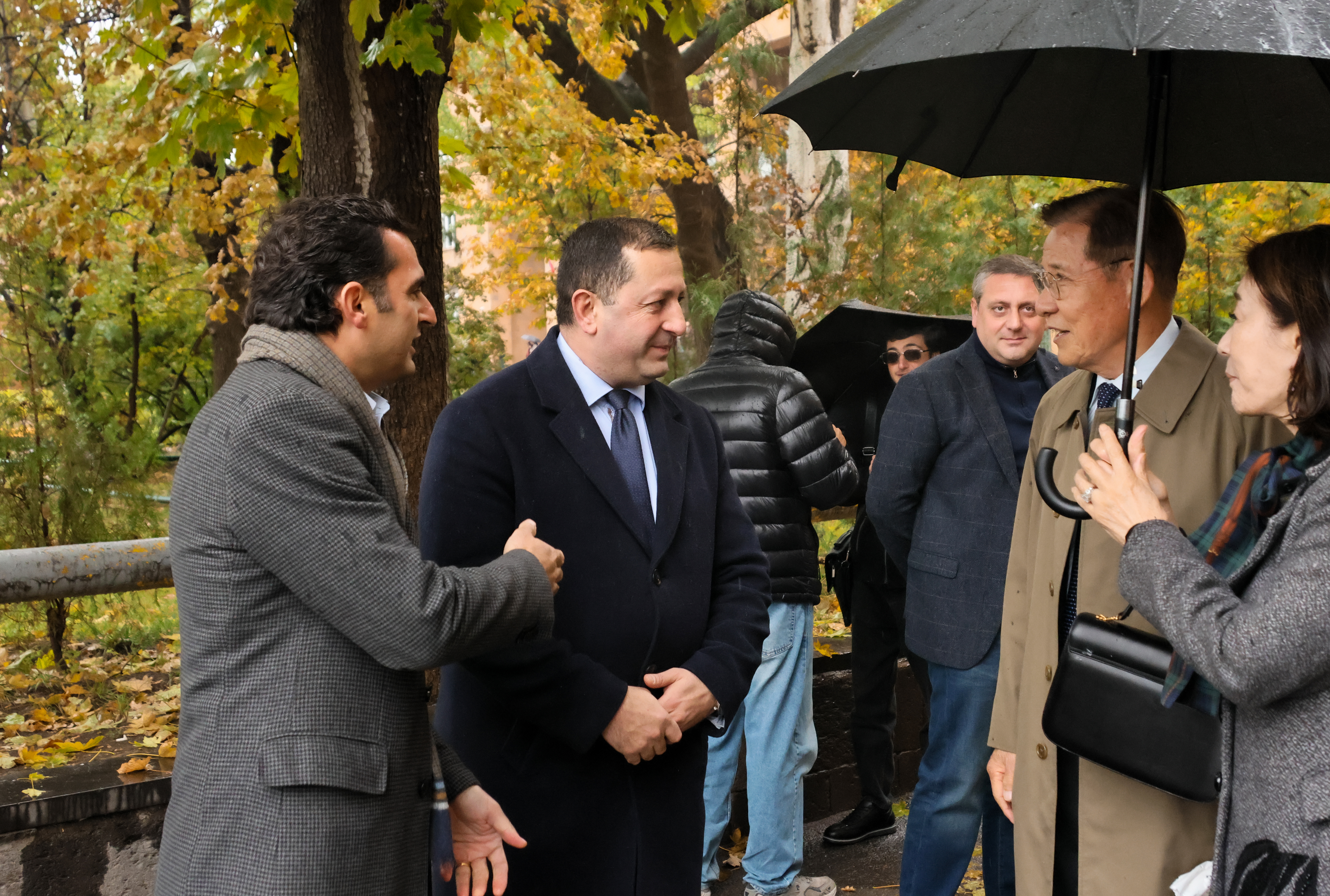
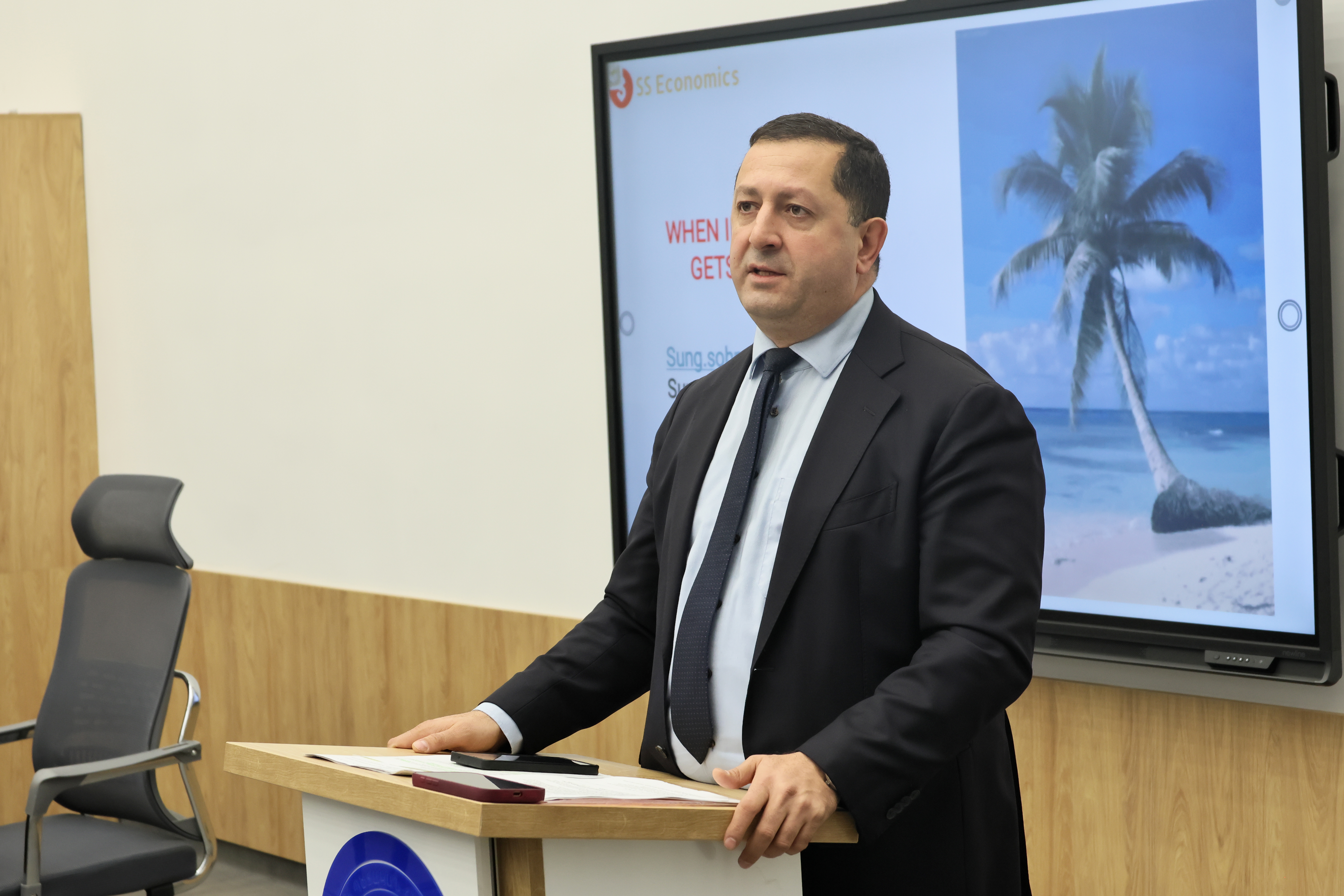
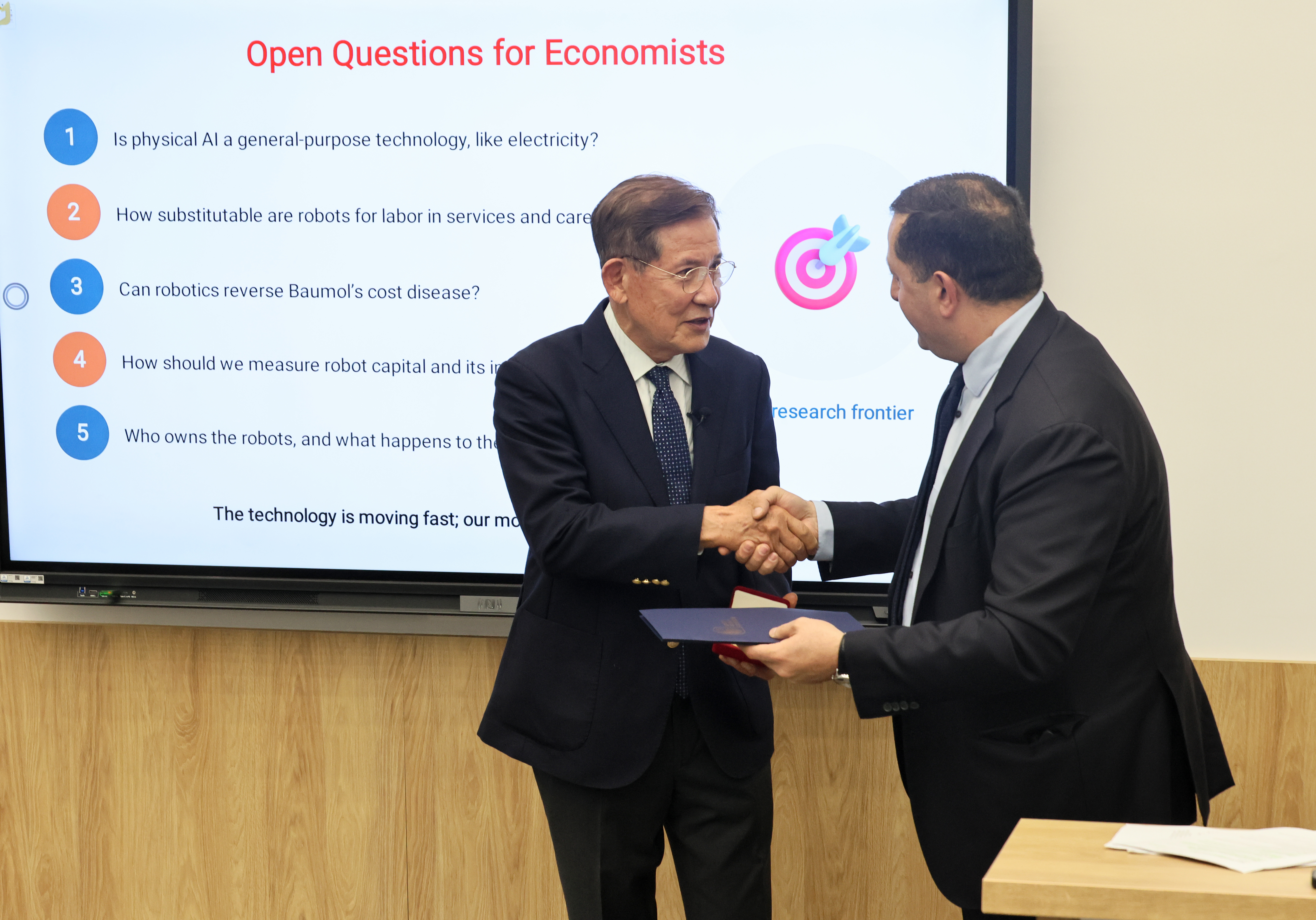
At the conclusion of the lecture, YSU Rector Hovhannes Hovhannisyan thanked Sung Won Sohn and emphasized the importance of holding such discussions at the university.

The rector noted that the current pace of scientific and technological development is creating new challenges for educational institutions as well.
According to Hovhannisyan, it is difficult to predict exactly how the labor market, professions and people's everyday lives will change in the coming years. However, one of the most important missions of universities is to prepare young people for these changes.

He expressed hope that the lecture would encourage students not only to think about the future but also to help shape it through their own ideas and initiatives.

Hovhannisyan also discussed new technological opportunities being developed at YSU, noting that the university plans to launch programs in physical AI that will enable students to become more actively involved in developments in the field.

The rector also emphasized the importance of continuing cooperation with Sohn, expressing hope that the meeting would lay the foundation for further research and educational ties between the university and the renowned economist.

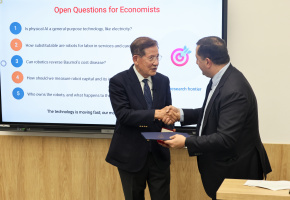
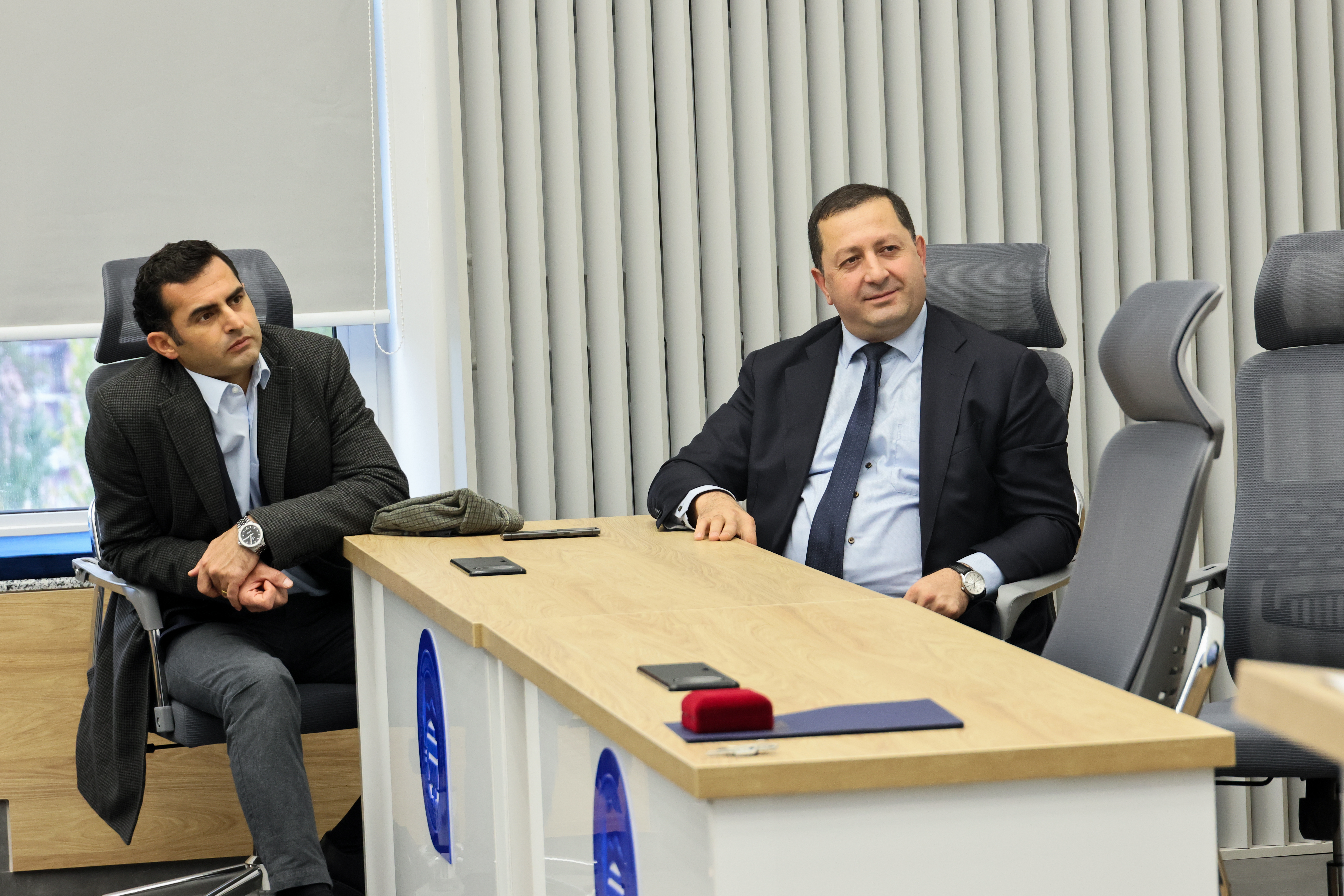
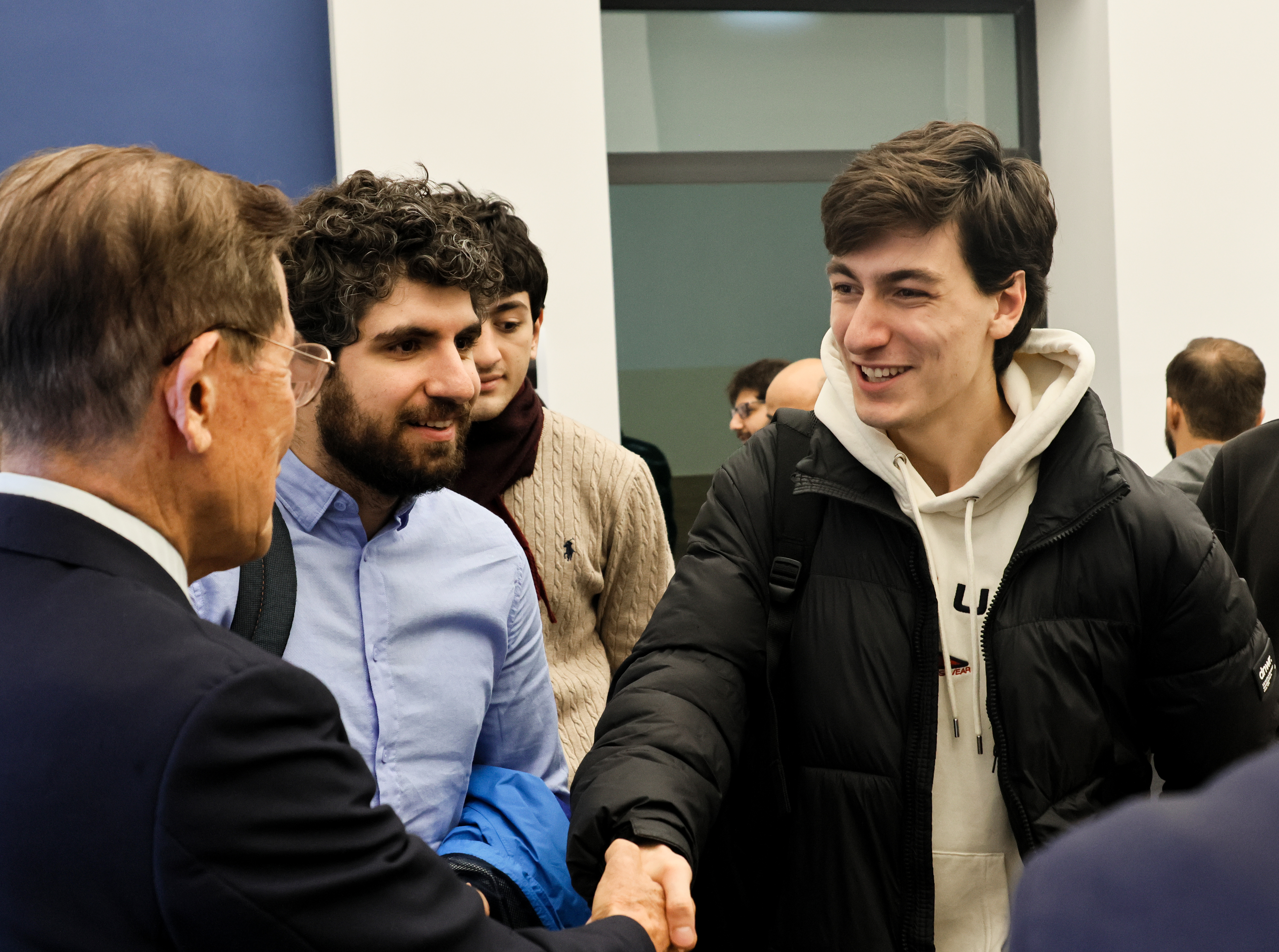
At the conclusion of the meeting, Hovhannes Hovhannisyan awarded Sung Won Sohn the YSU Gold Medal in recognition of his valuable contributions to advancing and disseminating knowledge in artificial intelligence and robotics, as well as his contribution to developing productive research and educational cooperation with Yerevan State University.

About Sung Won Sohn

Dr. Sung Won Sohn is an internationally renowned Korean-American economist, President of the economic consulting firm SS Economics and Professor of Finance and Economics at Loyola Marymount University in Los Angeles.
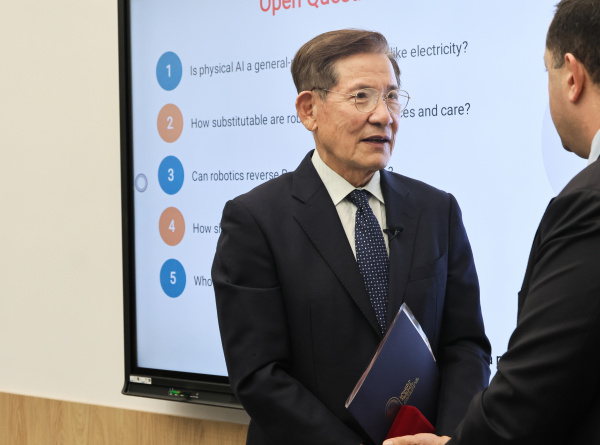
Throughout his career, he has served as Executive Vice President and Chief Economist at Wells Fargo, as well as President and Chief Executive Officer of Hanmi Bank and Hanmi Financial Corporation.

He also served as a Senior Economist on the White House Council of Economic Advisers.

In 2006, The Wall Street Journal named him America's most accurate economist, and in 2025, it ranked him among the country's five best economic forecasters.

Sung Won Sohn visited Armenia at the invitation of the Armenian Innovation Foundation.

  • Download
  • Download
  • Download
  • Download
  • Download
  • Download
  • Download
  • Download
  • Download
  • Download
  • Download

    Latest News

    Միասին մտածել և գործել. արդի մարտահրավերներն ու փիլիսոփայական մտքի դերը

    20.11.2026

    From family secret to universal justice: Peter Balakian delivers lecture at YSU

    20.11.2026

    "Robots of the future should not replace people but expand human capabilities," world-renowned economist Sung Won Sohn says...

    19.11.2026
    Show All

    Announcement

    Your Idea For Green Future: Join YSU's Green Innovation Hackathon

    11.18.2026 - 12.05.2026

    International Master of Public Administration (MPA) Program

    11.13.2026 - 12.31.2026

    Հայտարարվում է «Էրազմուս Մունդուս»-ի «RESCO» մագիստրոսական ծրագրի ընդունելությունը

    11.13.2026 - 11.16.2026
    Show All

    Արագ հասանելիություն

    • Intranet
    • E-learning
    • Mulberry
    • Online applications
    • Phone book
    • Registrar
    • Documentation

    Footer(ENG)

    • Main pages
      • Admission
      • Education
      • Science
      • News
    • Information
      • Frequently asked Questions
      • Vacancies
      • Search for educational programs
      • For the applicants
      • For the students
    • About YSU
      • YSU management
      • YSU symbols
    © Yerevan state university 2026
    Address: Republic of Armenia, Yerevan, 0025, 1 Alex Manoogian (+37460) 710000 info@ysu.am