October 19, 2026 | 09:18
Science
Conferences
Education
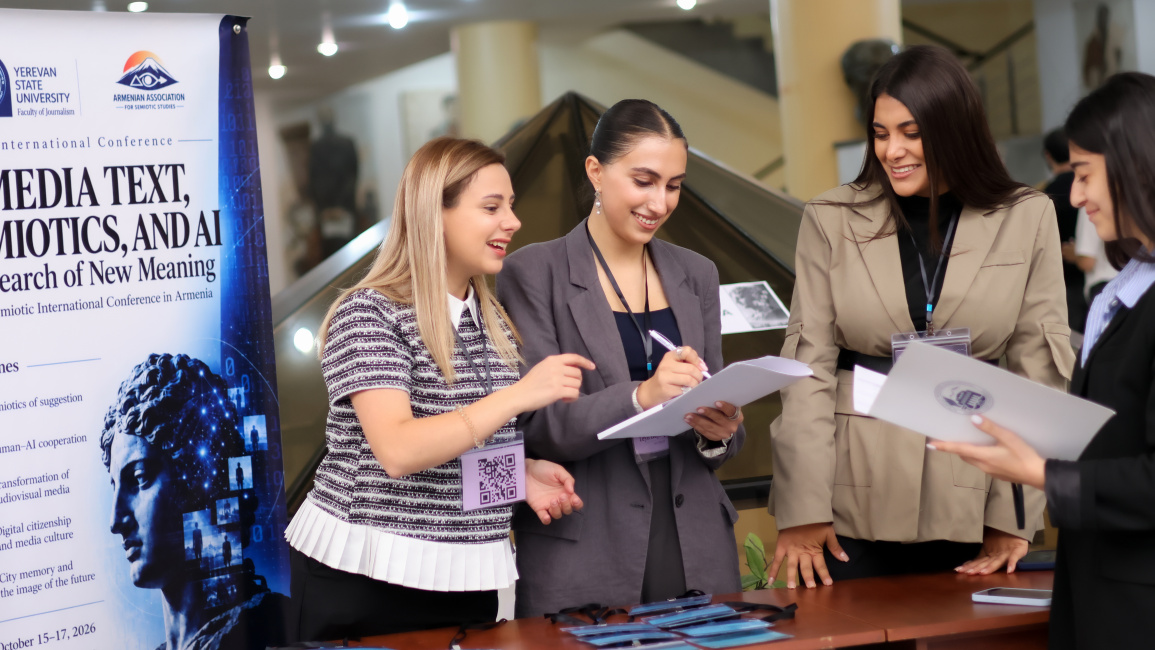
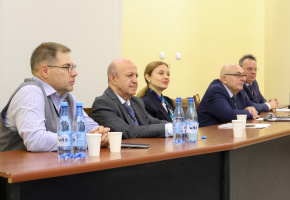
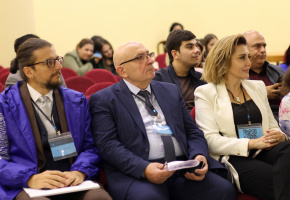
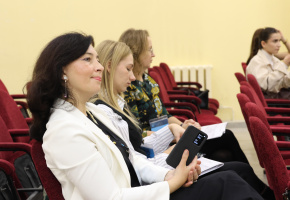
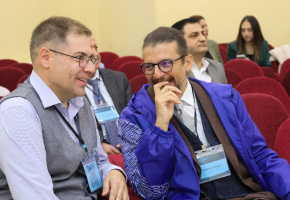
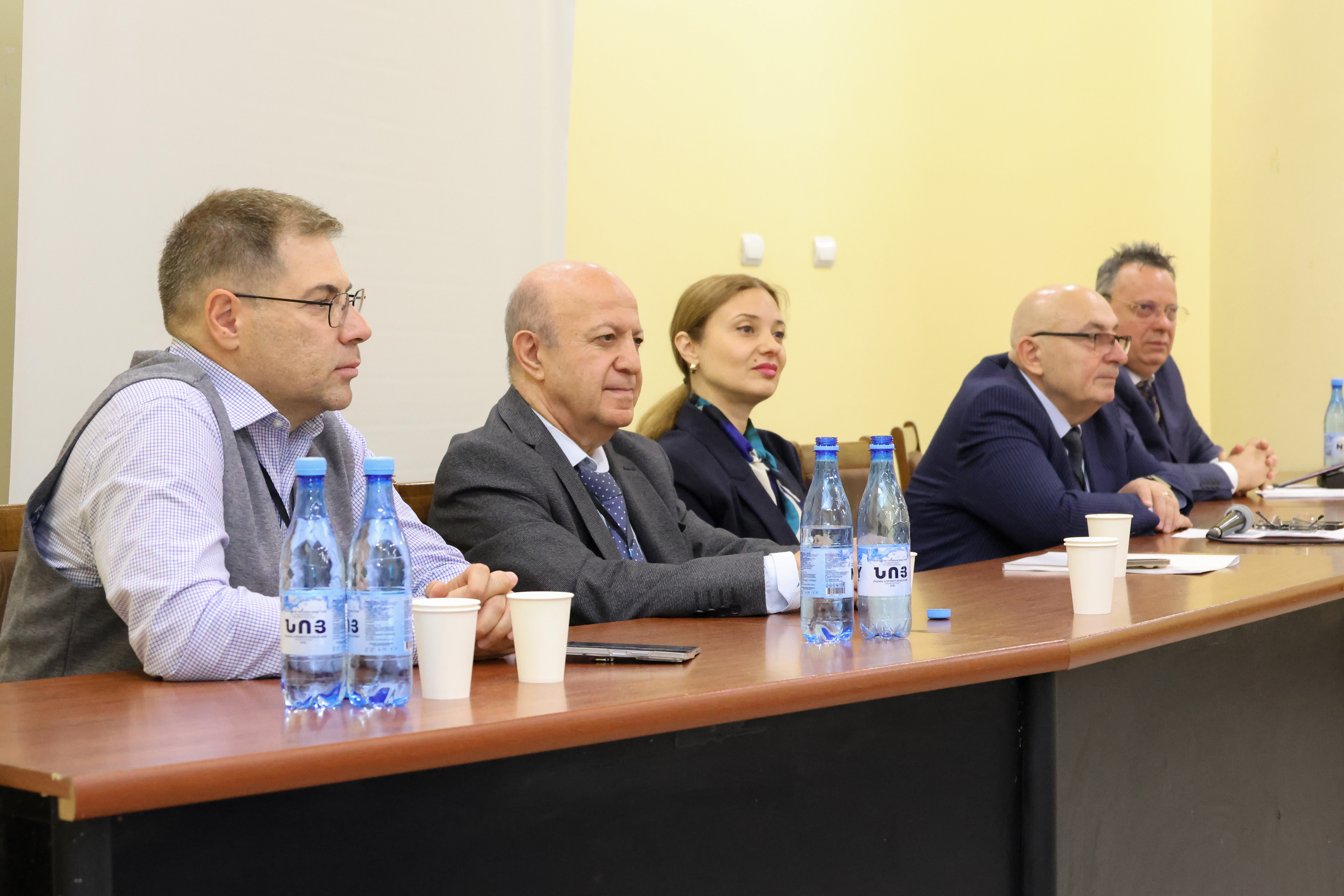
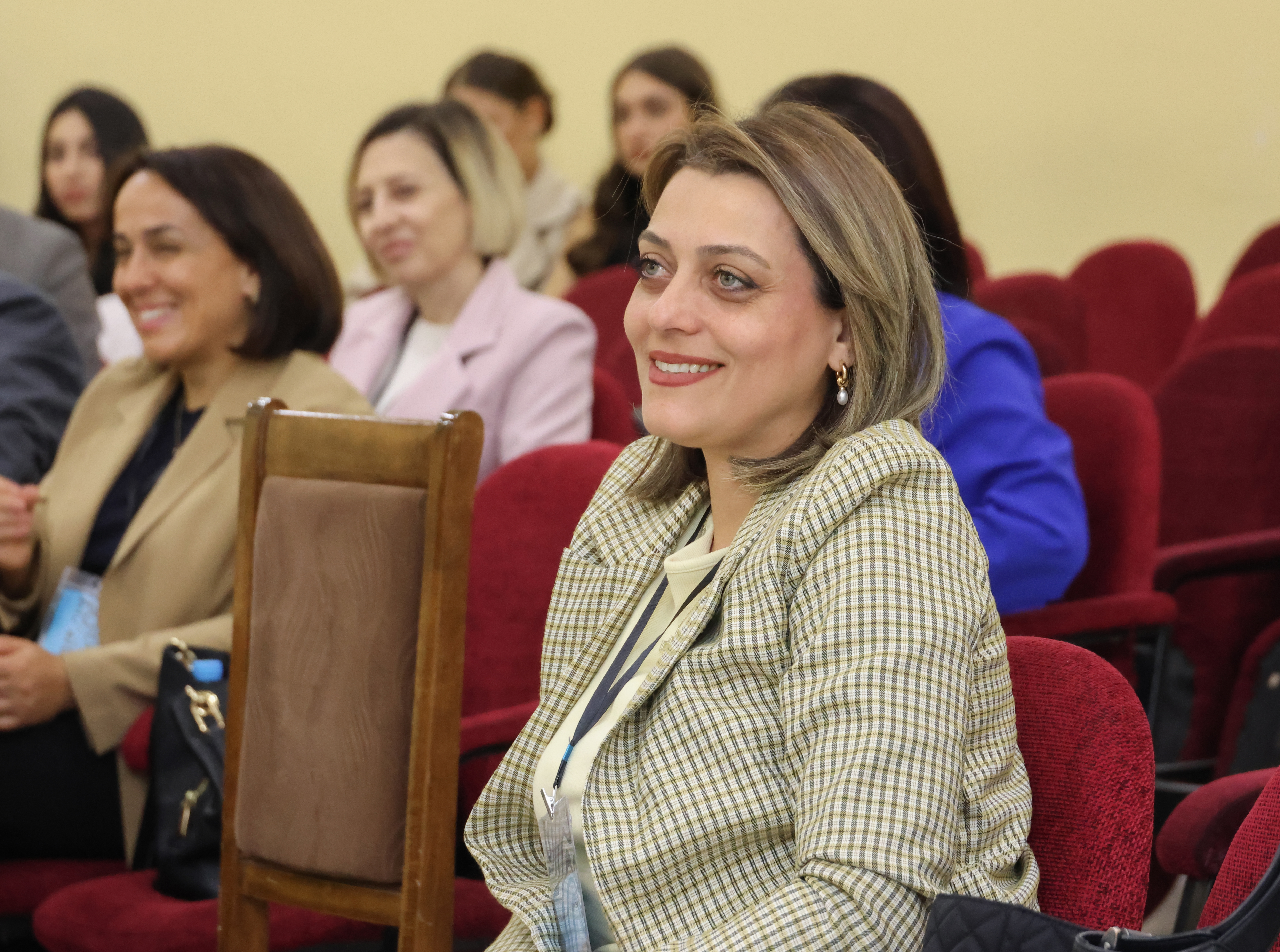
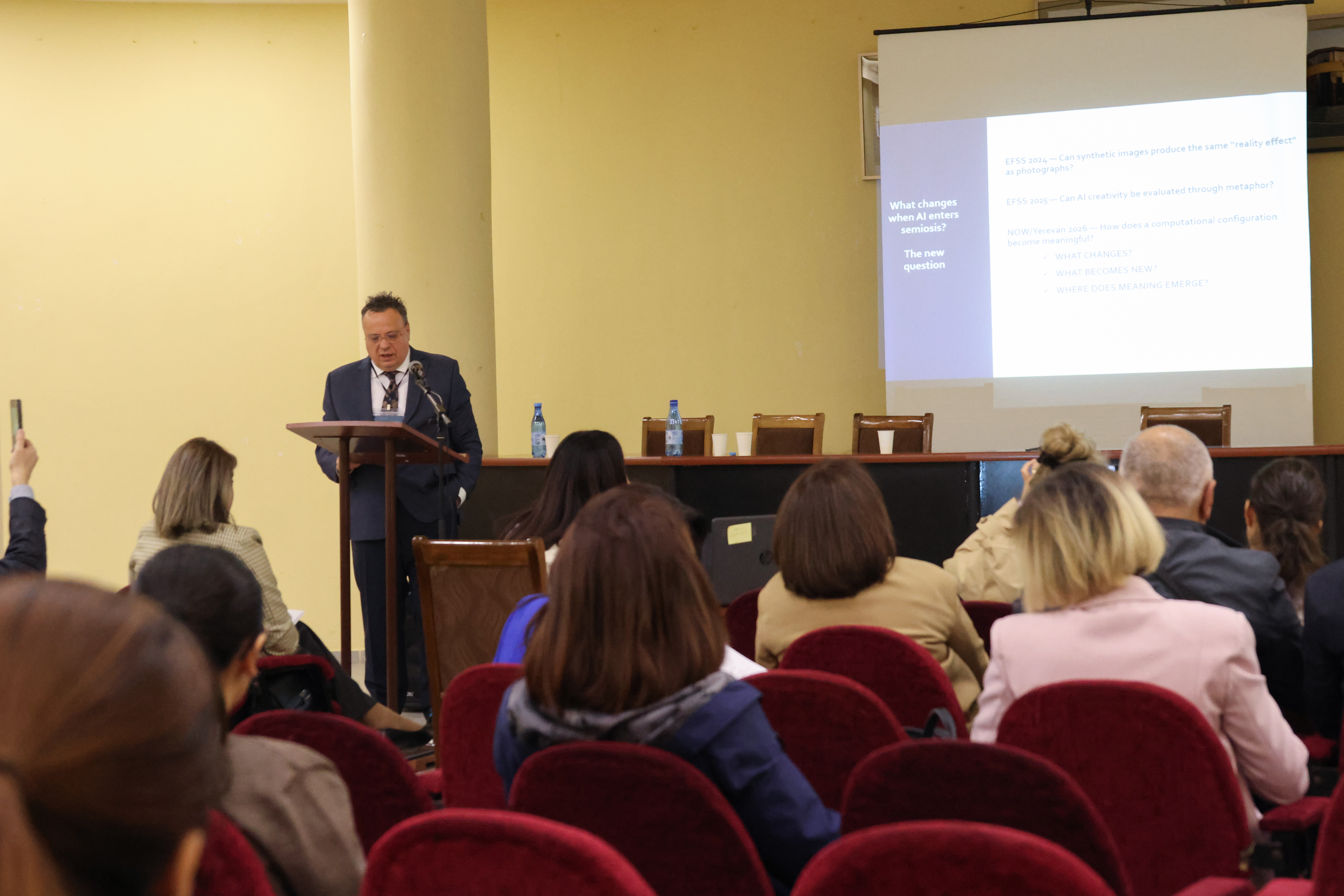
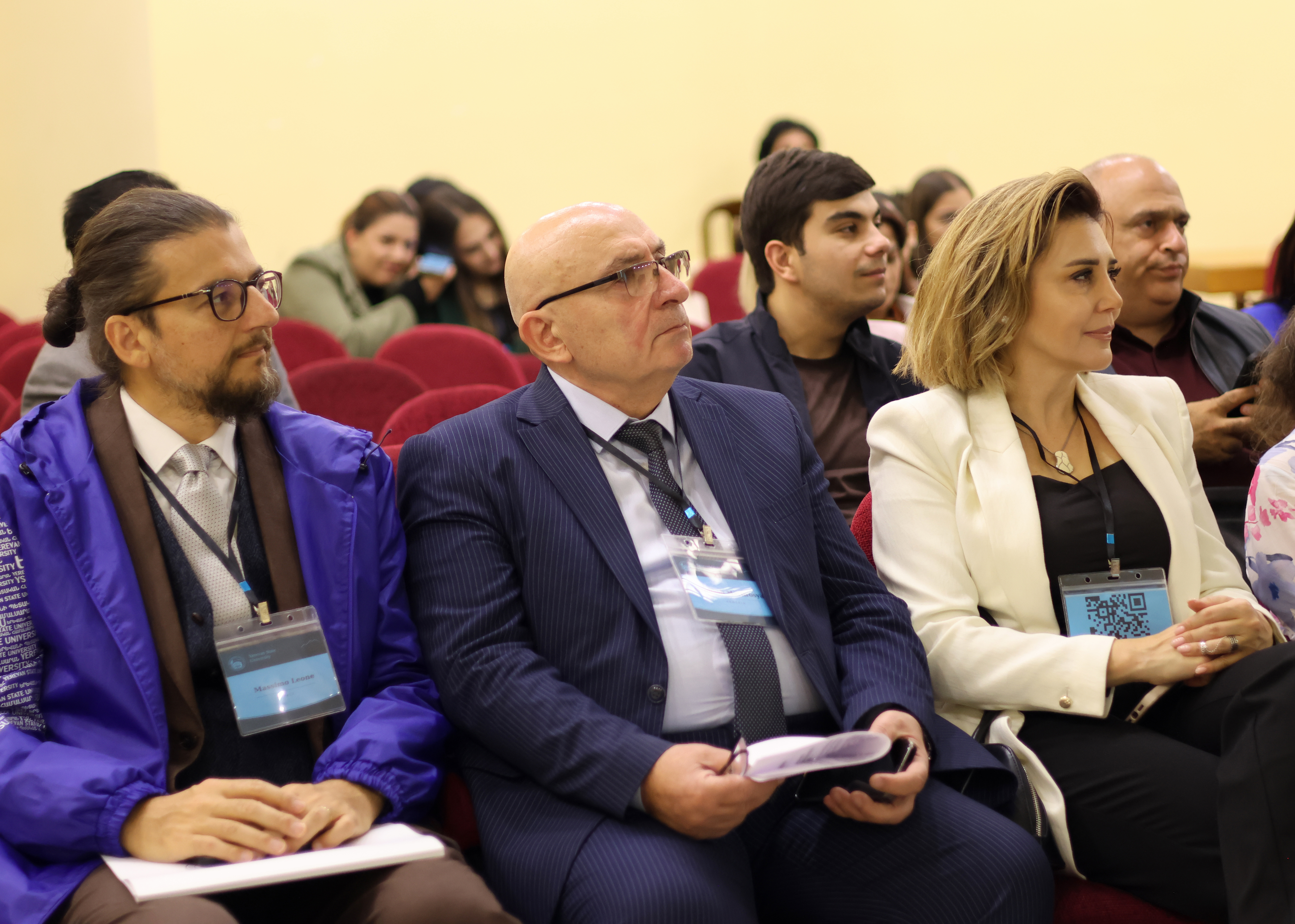
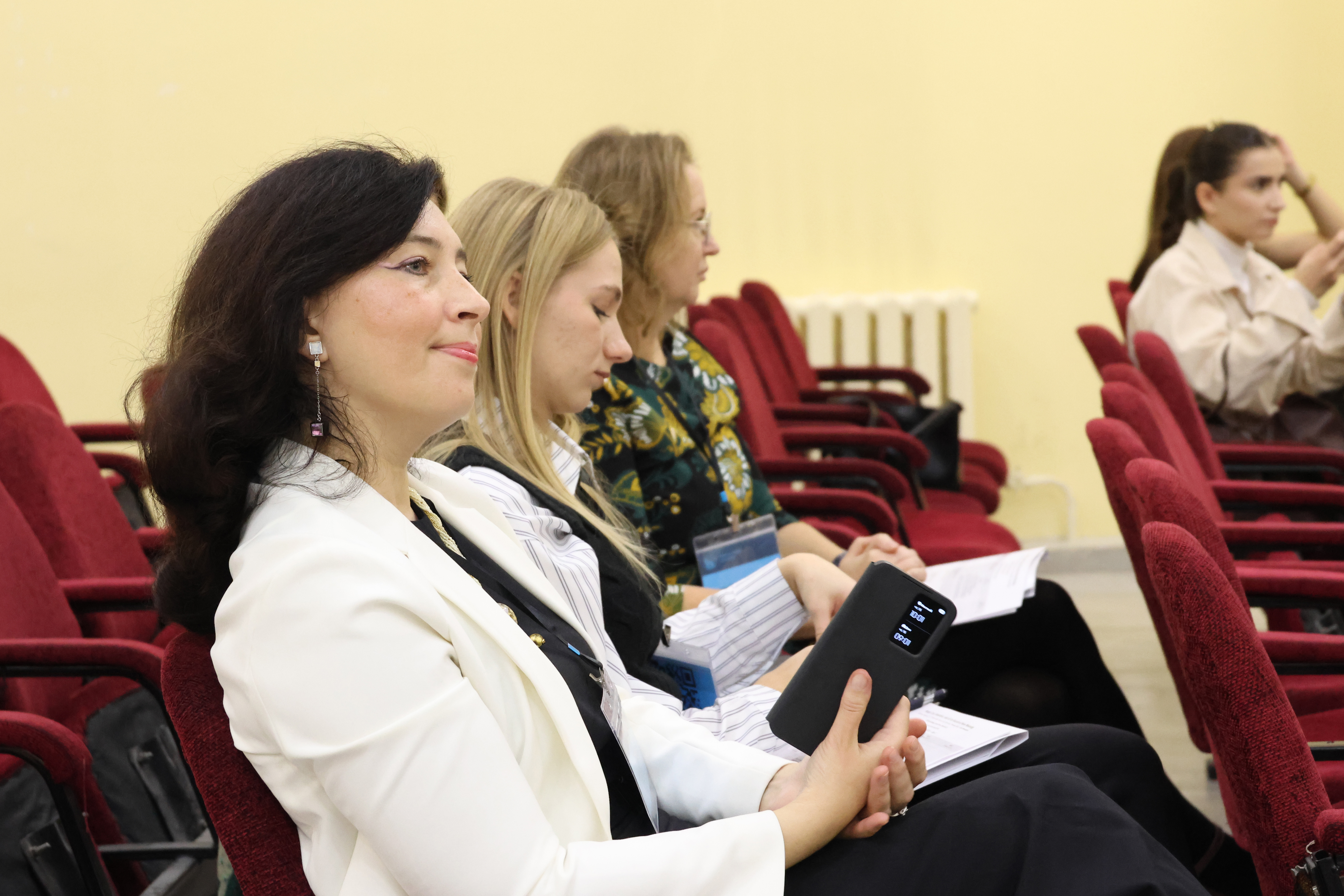
The international conference "Media Text, Semiotics, and AI: In Search of New Meaning" took place at YSU on October 15-17, organized by the YSU Faculty of Journalism and the Armenian Association for Semiotic Studies. It brought together scholars from different disciplines to examine how meaning is created, conveyed and perceived in a changing media landscape. Researchers from Armenia and abroad took part, including specialists from Hungary, Austria, Poland and Romania.
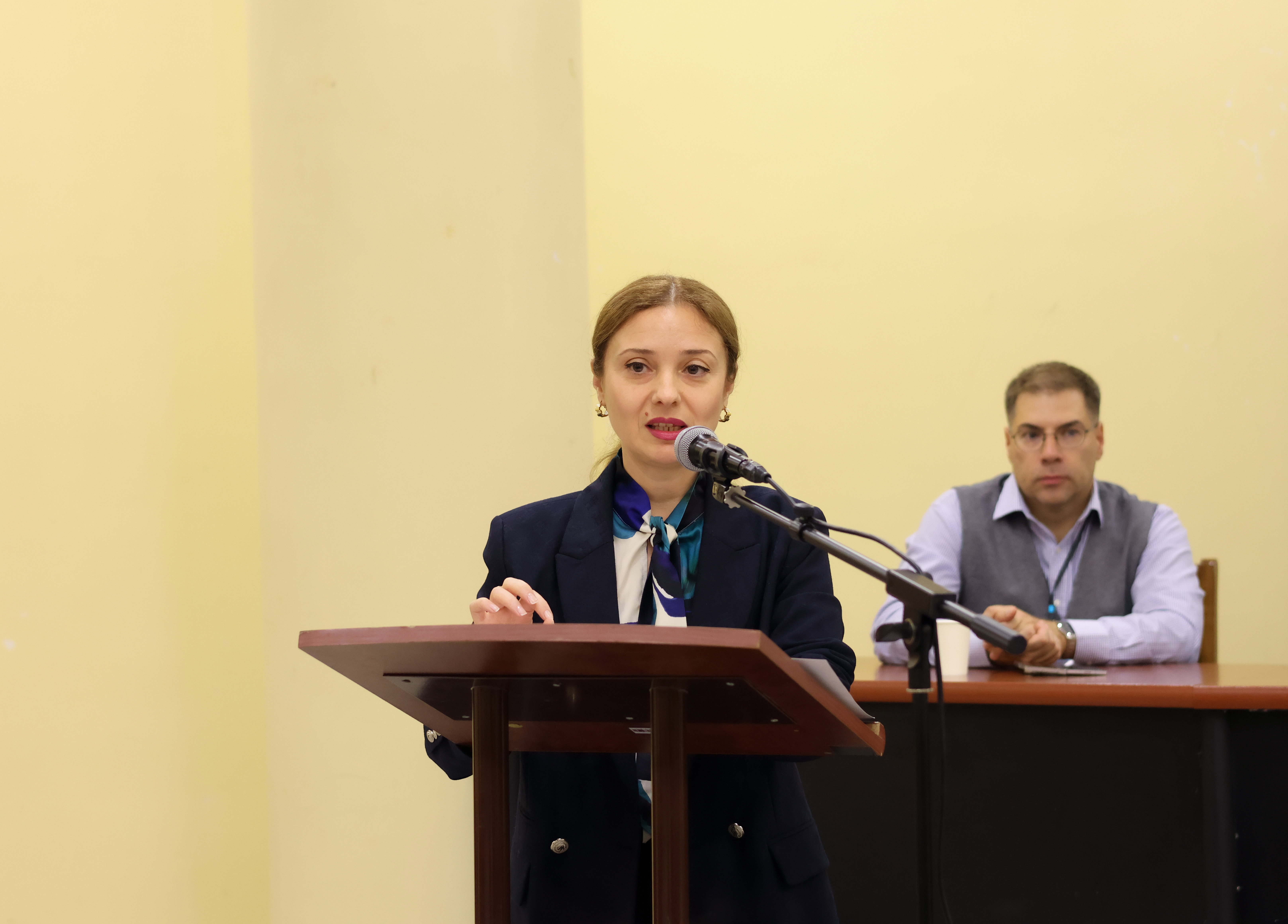
Opening remarks highlighted the relevance of the relationship between media and artificial intelligence, as well as the need for dialogue across various disciplines.
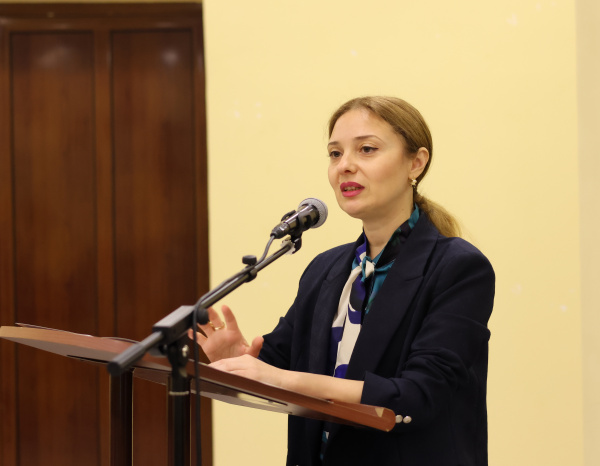
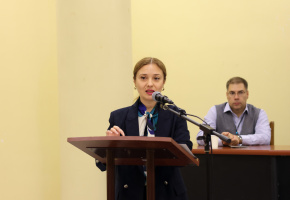
YSU Vice-Rector for Academic Affairs Elina Asriyan highlighted the connections among the topics discussed at the conference: "This conference brings together topics such as human-AI collaboration, synthetic media, the linguistic landscape, digital signals, cultural memory and representations of the future. These are not isolated subjects but interconnected phenomena that need to be considered as a whole."
Specialists from abroad took part in discussions on the challenges facing contemporary media, drawing on different disciplinary perspectives, research approaches and experience. Such dialogue is particularly important as the influence of artificial intelligence extends beyond journalism to education, science and cultural communication.
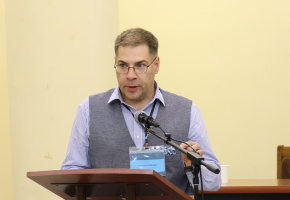
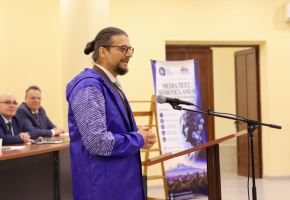
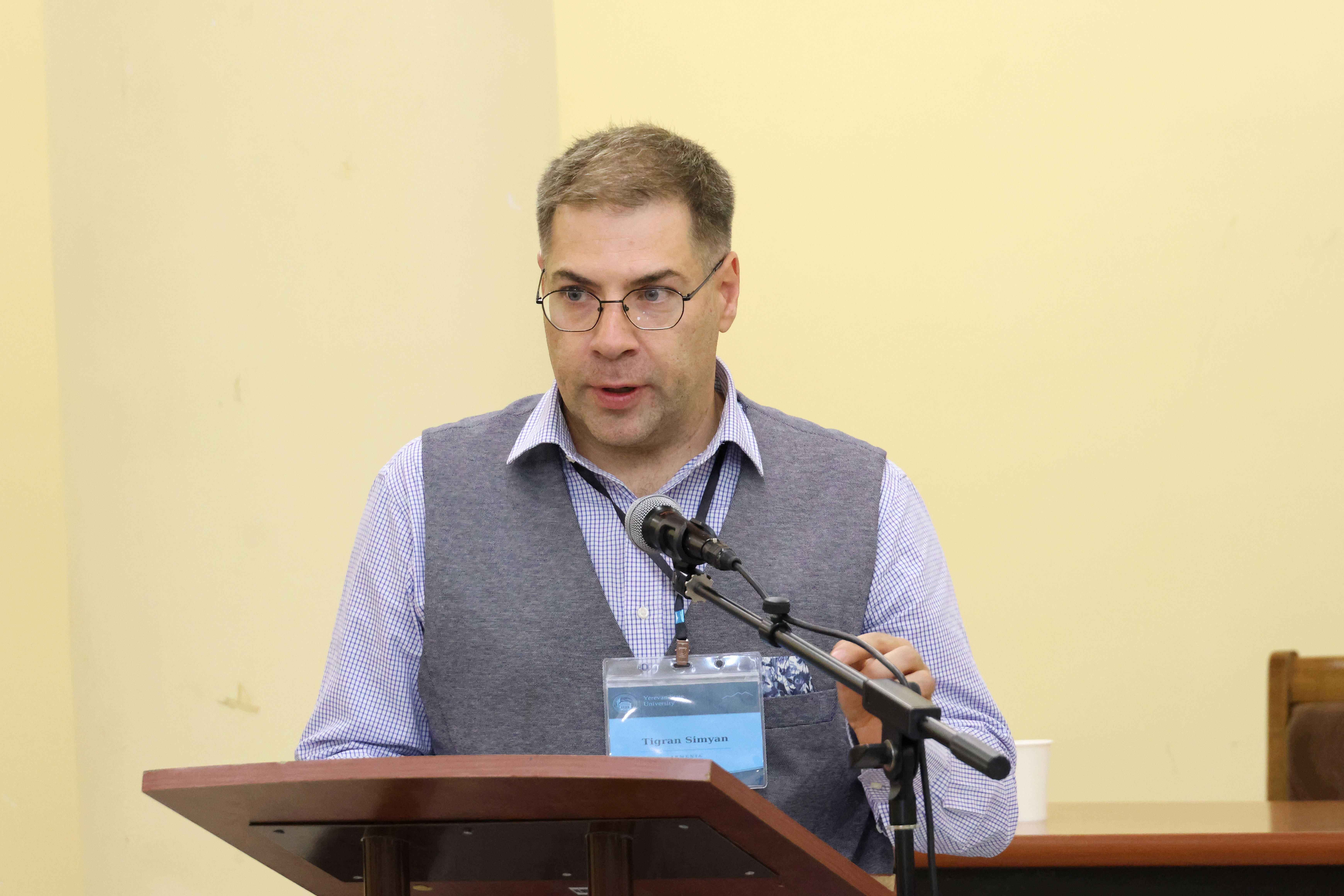
Romanian scholar Nicolae-Sorin Drăgan, the conference's first speaker, stressed its importance as a forum for academic dialogue and the exchange of ideas: "Beyond being an academic event, this conference creates a new forum for dialogue, and its topics could hardly be more relevant."
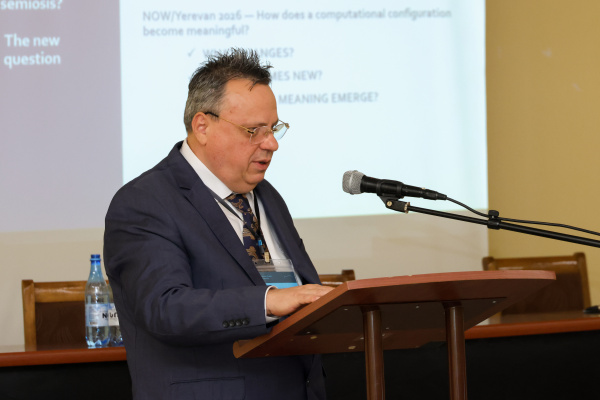
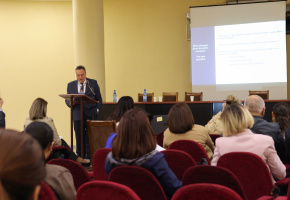
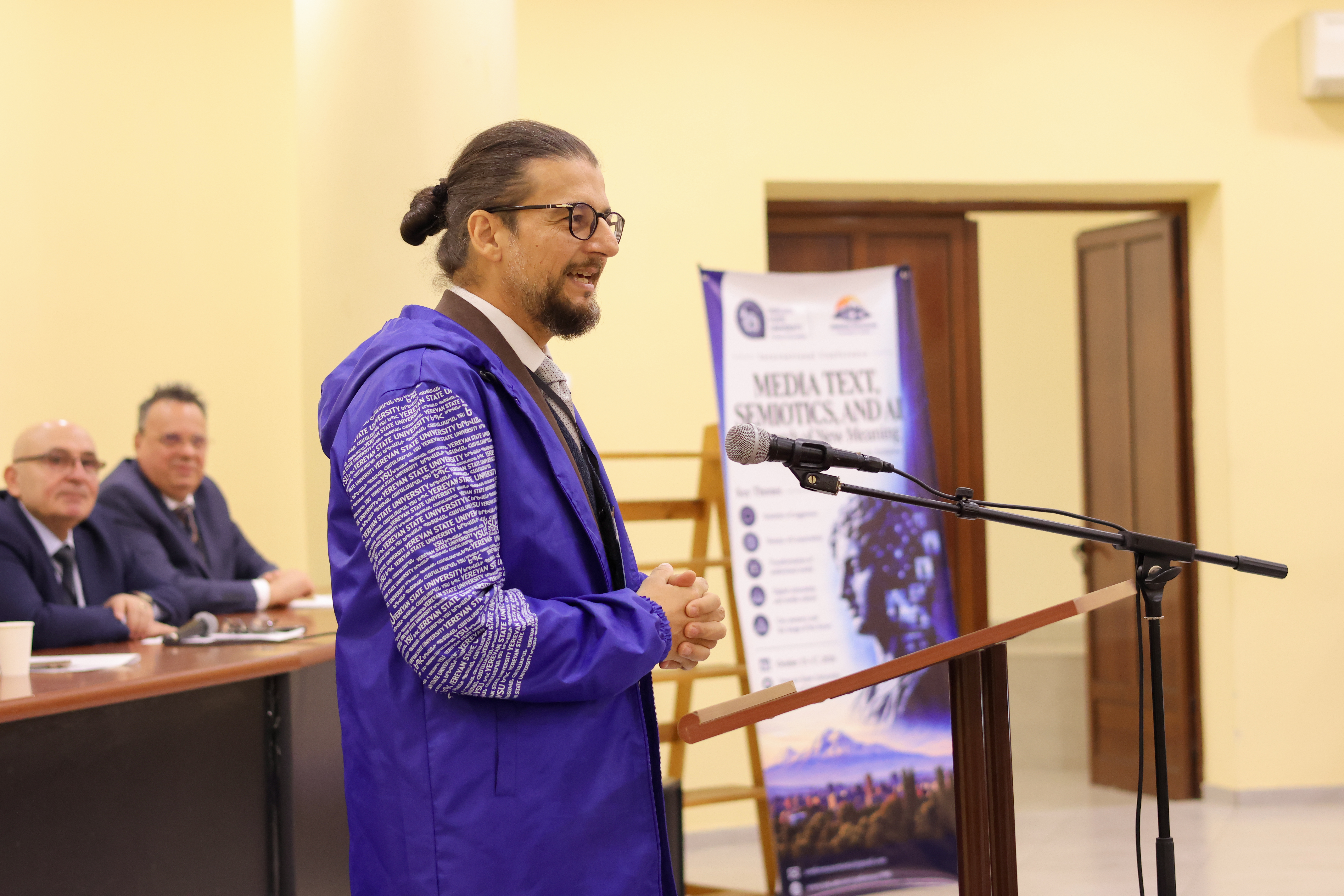
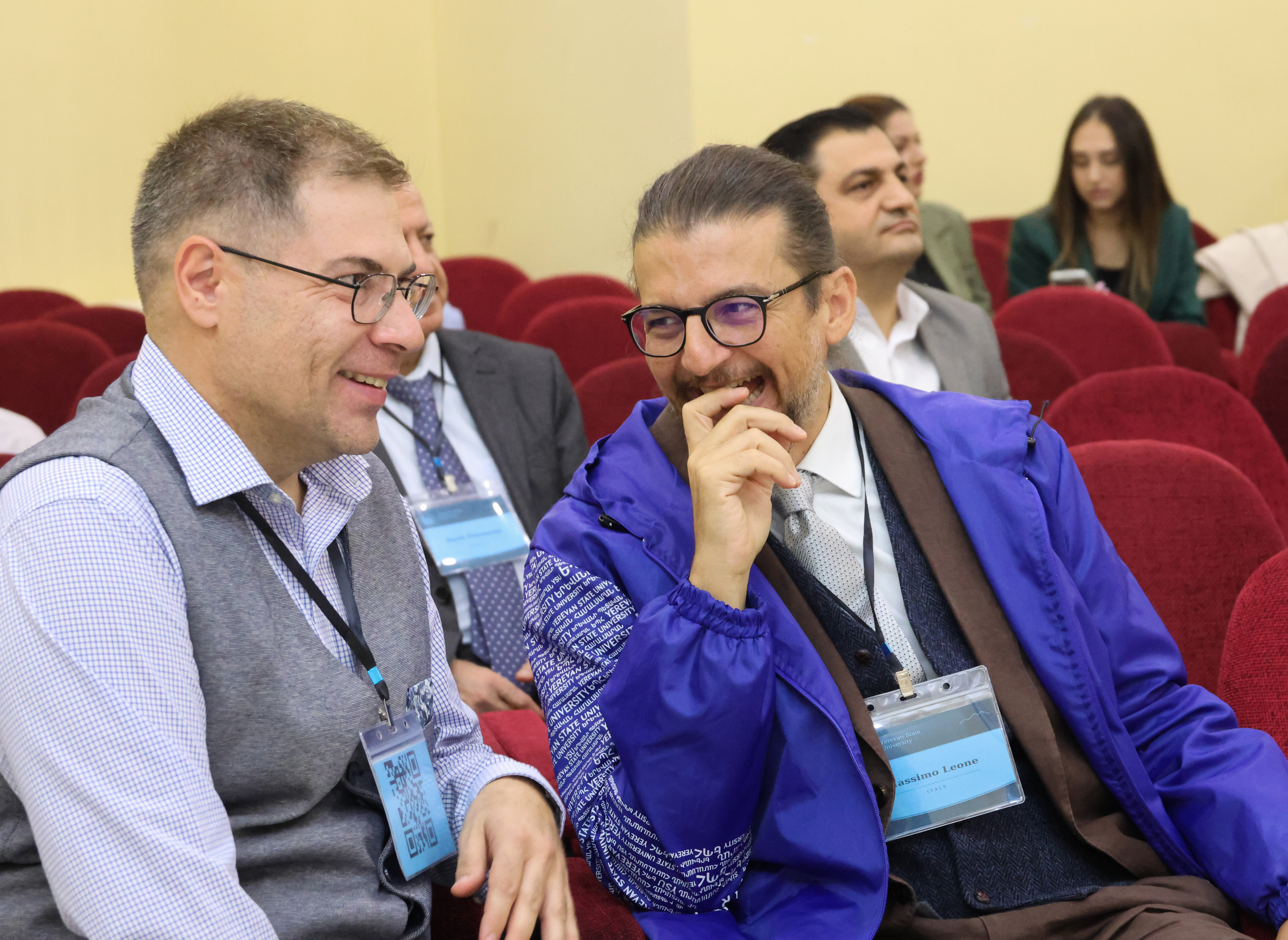
During the three-day conference, Italian semiotician Massimo Leone, Professor of Philosophy of Communication and Cultural Semiotics at the University of Turin, delivered a presentation titled "Synthetic Culture. A Semiotic Approach to Machine-Generated Textuality," examining AI-generated texts and ways to study them.
Leone also addressed technological change from the perspective of academic work and professional identity. For years, linguistic knowledge, textual analysis and content creation have been central to professional expertise. Now that artificial intelligence can perform some of these tasks, new questions are emerging about the role of humans, the value of their work and their professional futures.
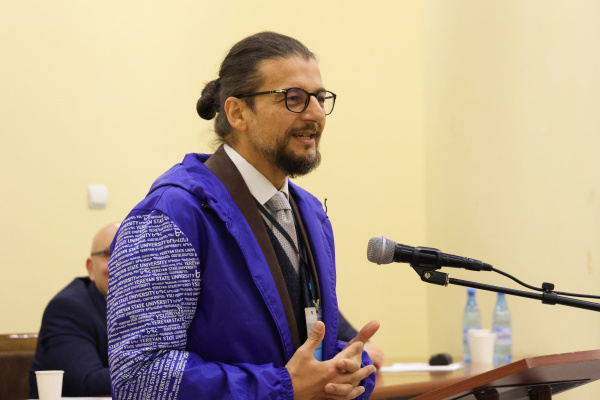
"All my life, I have done academic work using my knowledge of language and my abilities, and I have made a decent living from it. It has also given me social standing. But now it turns out that artificial intelligence can replace me," he said, expressing a concern faced by professionals in other fields as well.
Leone also stressed the importance of face-to-face interaction between lecturers and students, arguing that technology should not replace personal contact and dialogue in education.
The conference program also covered transformations in audiovisual media, the linguistic landscape, digital citizenship, urban cultural memory, the construction of images of the future, and ecological and biosemiotic issues.
The second day of the conference, October 16, coincided with Armenian Press Day, creating a symbolic link between the history of the Armenian press and the challenges facing contemporary media. From the days of Azdarar to today's digital media, the means of communication have changed, but the question of how information reaches people and shapes their perceptions remains just as important.

Naghash Martirosyan, Dean of the YSU Faculty of Journalism, reflected on the legacy of Harutyun Shmavonyan, the priest who edited Azdarar, the first Armenian periodical. He stressed that the mission of the press extends beyond conveying information to include responsibility for its influence on audiences.
"Harutyun Shmavonyan, the priest who edited Azdarar, the first Armenian periodical, did not know what media texts, semiotics or artificial intelligence were, but he knew that what he created had to transform his audience. We are here today to continue his mission," Martirosyan said.
The international conference at YSU brought together scholars from different disciplines to examine how artificial intelligence and the digital environment are changing the ways meaning is created and conveyed. Discussions focused not only on new technological opportunities but also on the role of humans and the value of face-to-face interaction.