October 20, 2026 | 14:00
Partners
Events
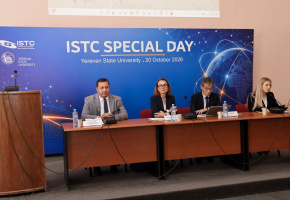
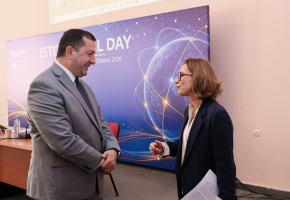
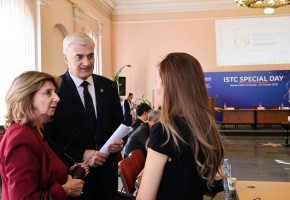
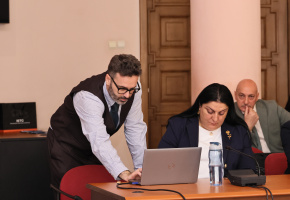
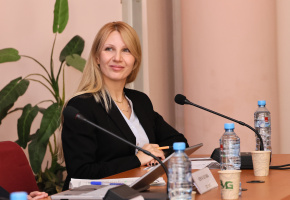
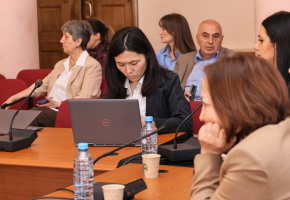
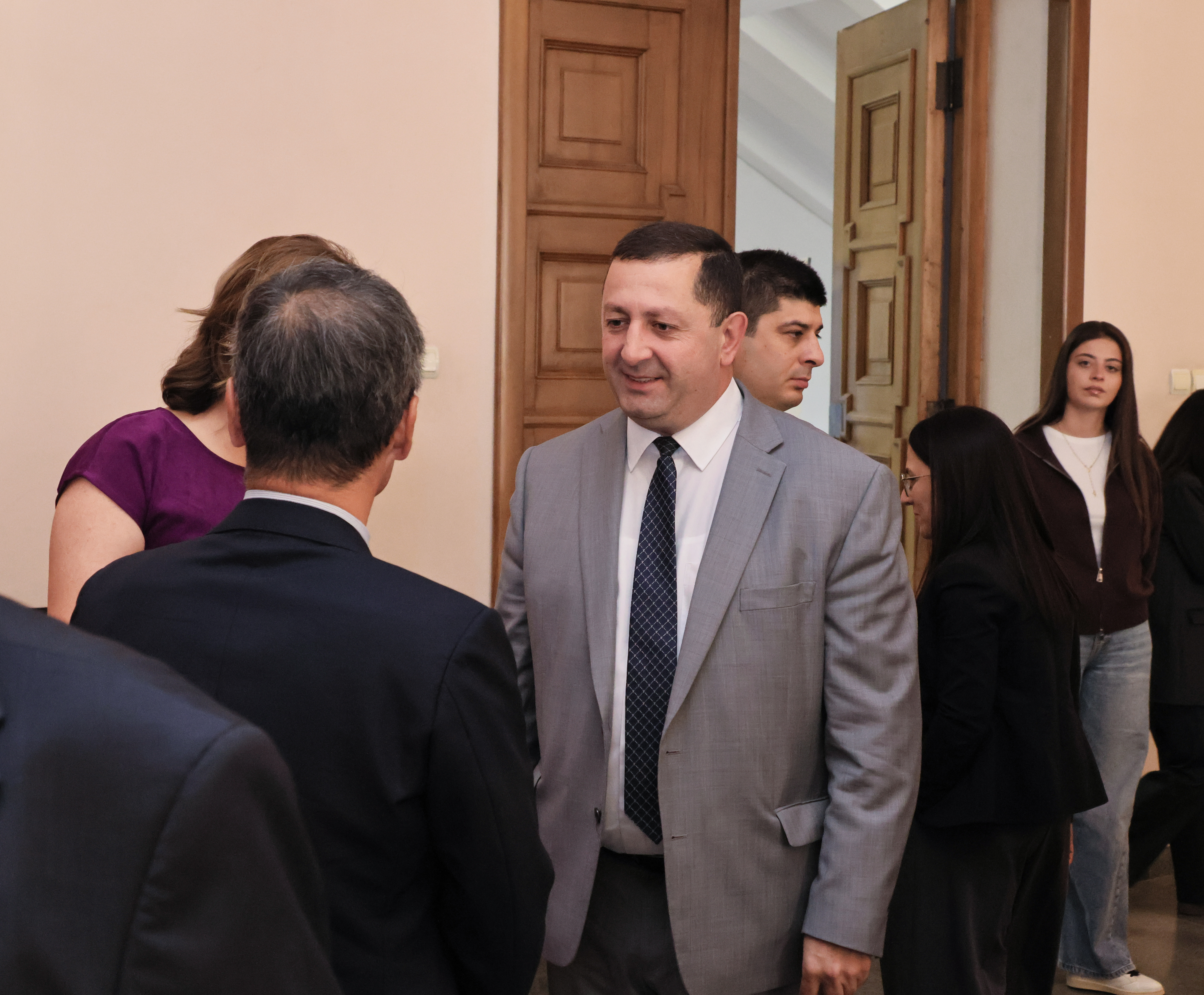
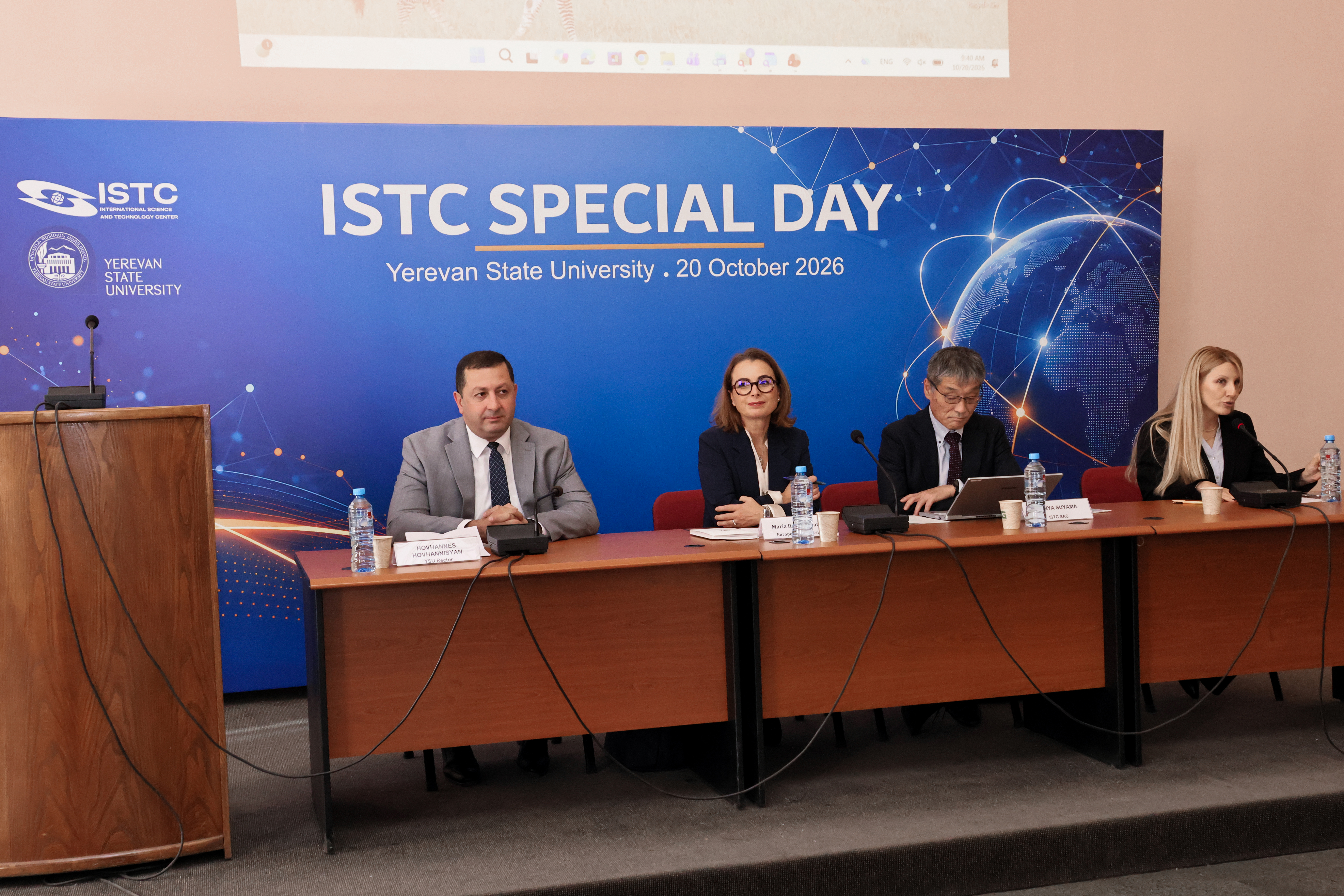
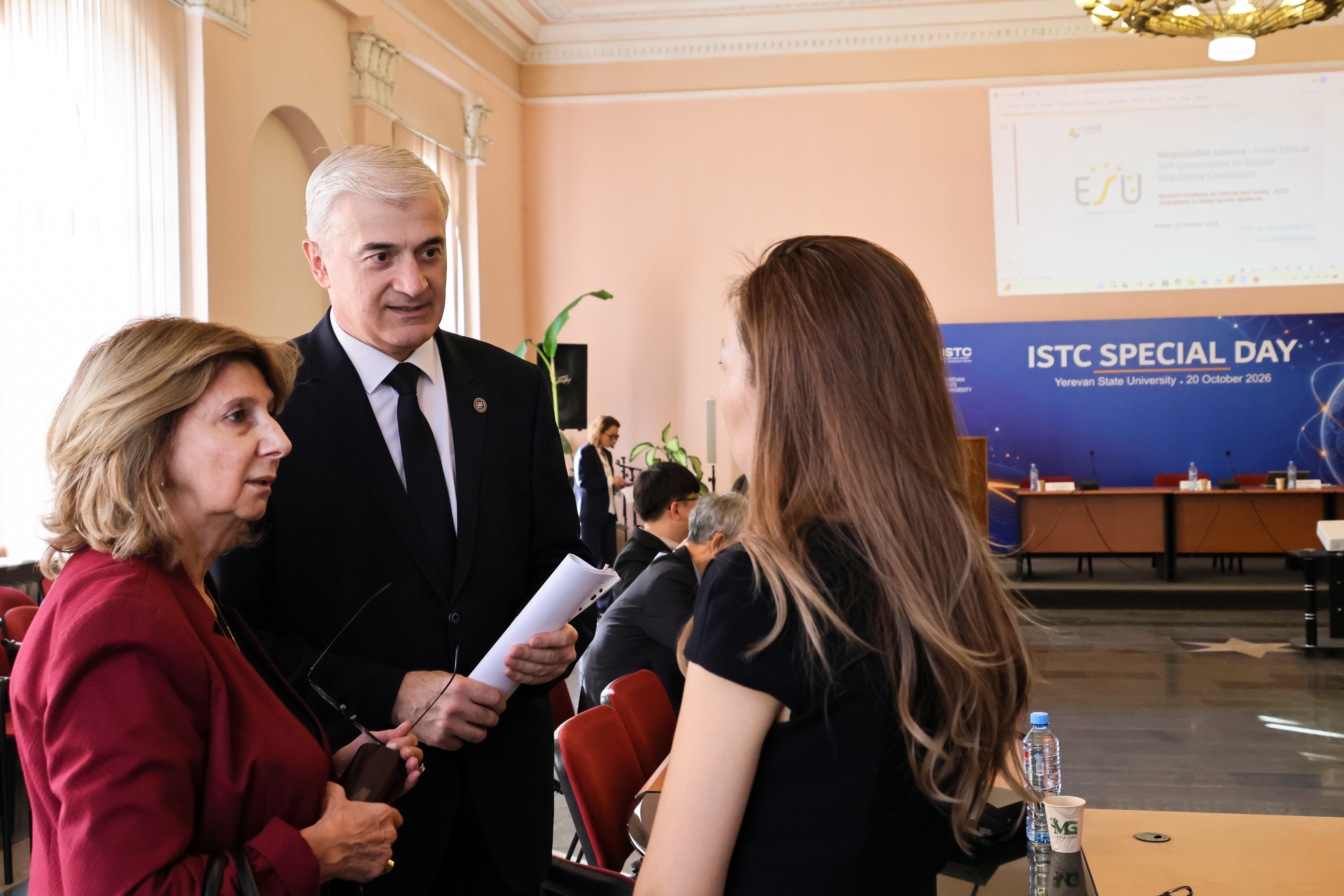
The event, titled "ISTC Special Day: Research Excellence for Security and Society, ISTC's Contribution to Global Security Resilience," was held in partnership with Yerevan State University, the International Science and Technology Center (ISTC) and Armenian authorities.
The event's agenda featured discussions on the role science plays in strengthening global security, the risks associated with dual-use technologies and opportunities for international cooperation.
Scientific potential and prospects for international cooperation
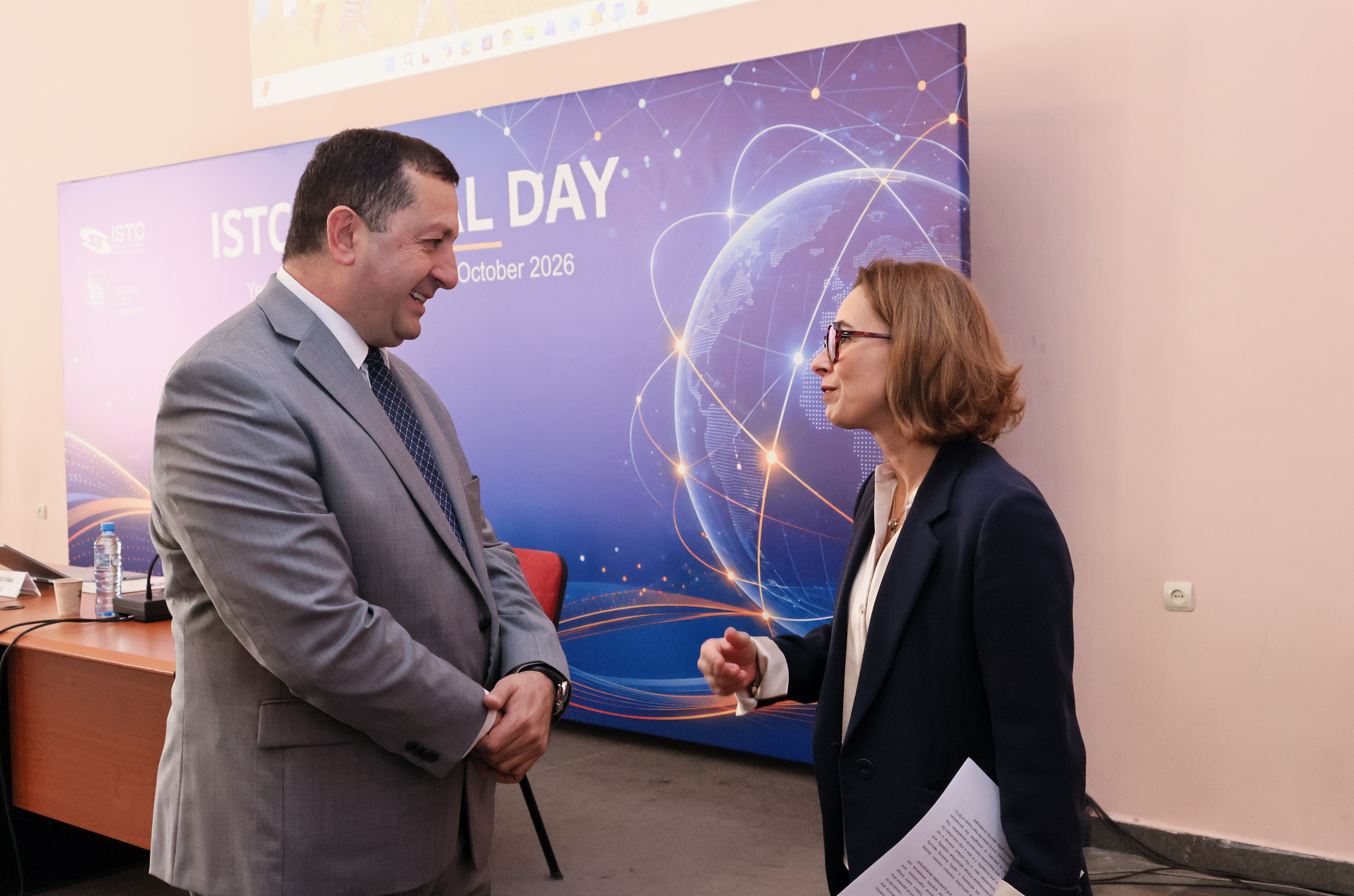
YSU Rector Hovhannes Hovhannisyan highlighted the importance of cooperation with ISTC for developing Armenia's scientific potential, expanding international ties and increasing opportunities to use advanced technologies. He also noted that research funding has increased since 2018, emphasizing that government investment, the purchase of scientific equipment and improved pay for researchers have contributed to improving the research environment.
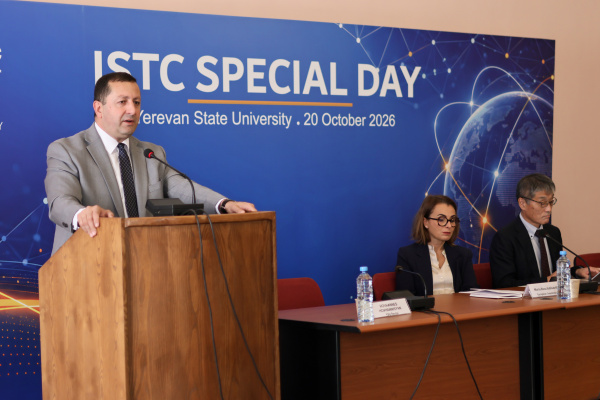
"The number of articles published by YSU researchers in peer-reviewed scientific journals is increasing year by year, while the growth in publications in Q1 journals also indicates an improvement in the quality of research output. YSU also has nine research institutes that play an important role in developing the university's scientific potential," he said.
Addressing developments in artificial intelligence, Hovhannisyan highlighted the role of YSU's supercomputer and AI Laboratory in expanding opportunities for data processing and research projects.
Arevik Khnkoyan, Director of ISTC's Branch Office in Armenia, outlined the history of cooperation between Armenia and the center, noting that Armenia has been an ISTC partner since 1994. She underscored its role in developing Armenia's scientific potential.
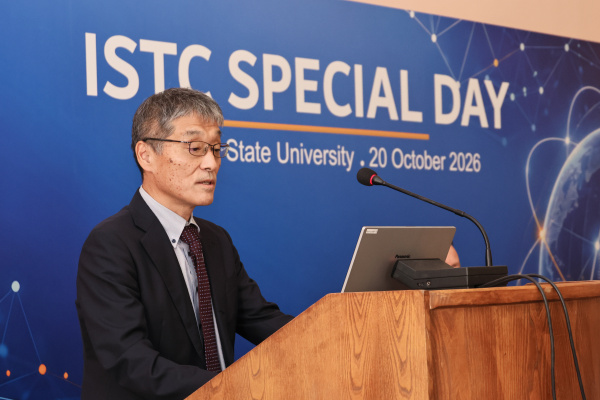
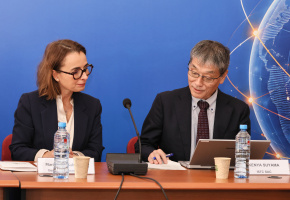
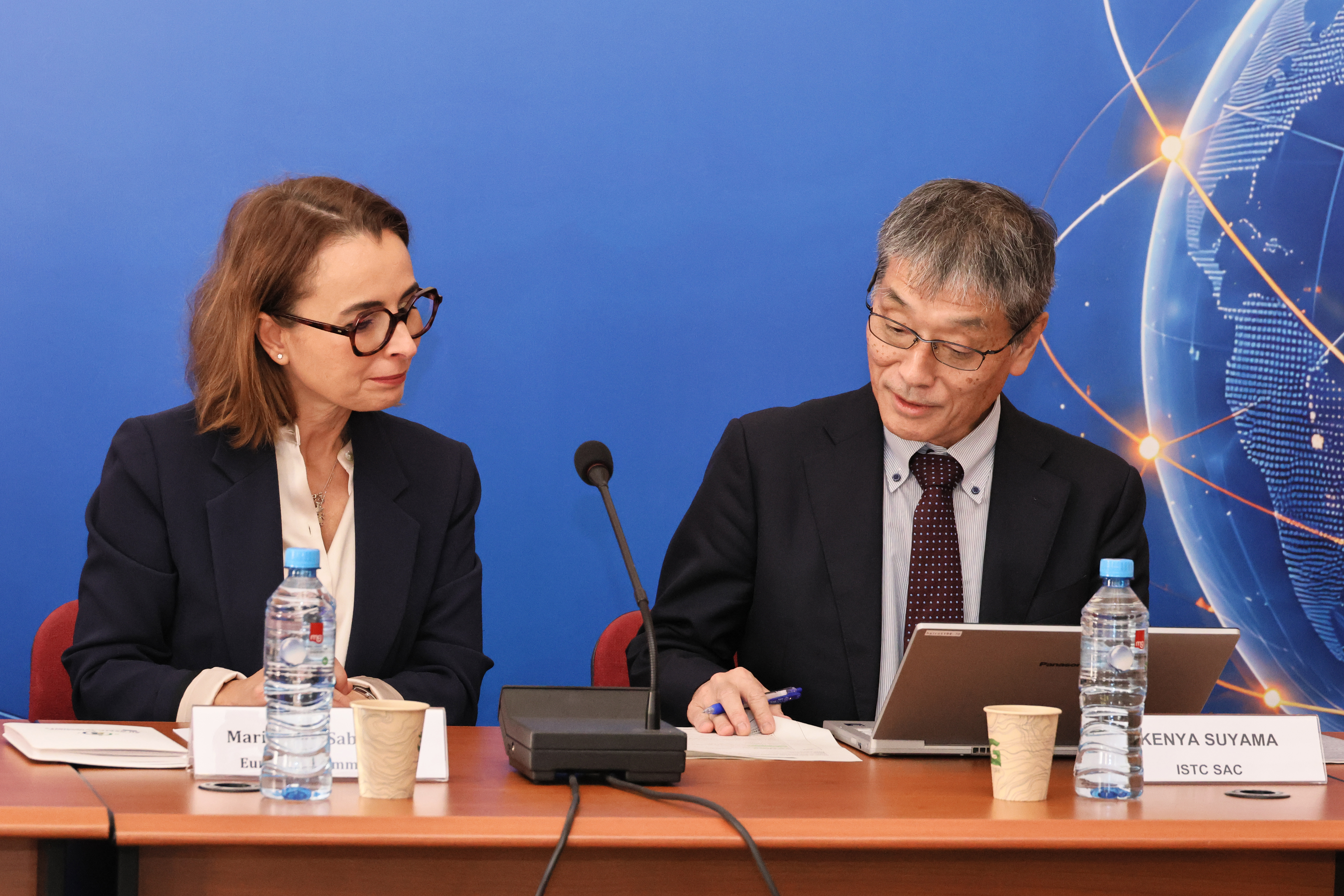
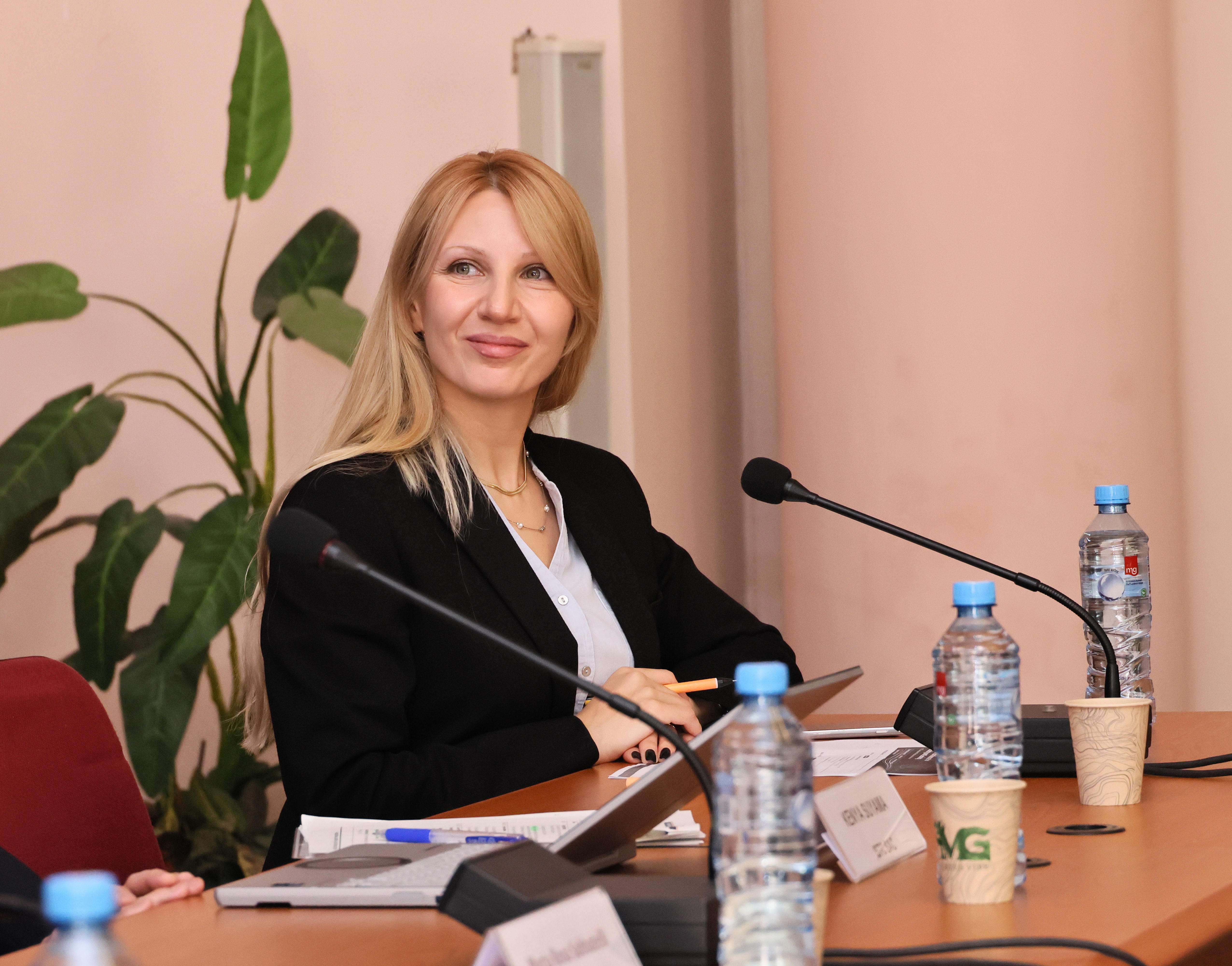
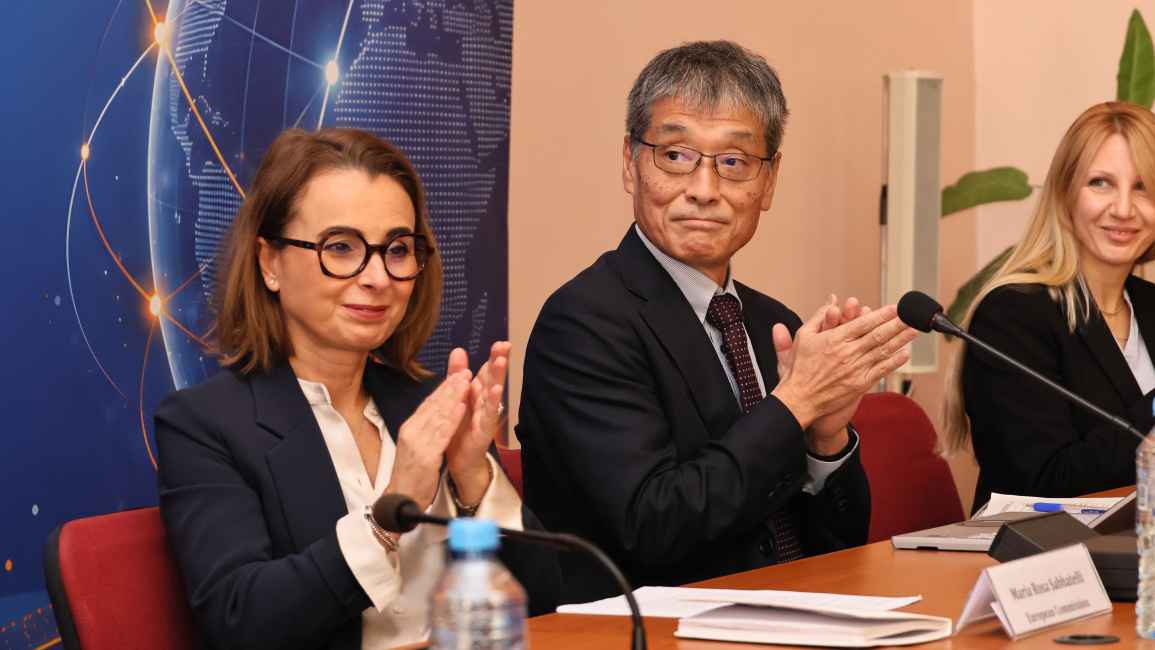
Opening remarks were also delivered by Dr. Kenya Suyama, Chair of ISTC's Scientific Advisory Committee, and Maria Rosa Sabbatelli, Head of Unit at the European Commission's Service for Foreign Policy Instruments. Both speakers stressed the importance of responsible research, managing the risks of dual-use technologies, and maintaining international scientific dialogue amid geopolitical change.
"Research should be conducted in a favorable social environment to support society's development, and its results should also serve our security. However, such research can also have negative effects. Today, advanced artificial intelligence allows almost anyone to use a computer to experiment with different data and their combinations. We need to think seriously about how to address these issues and what we need to do right now to tackle them," Suyama said.
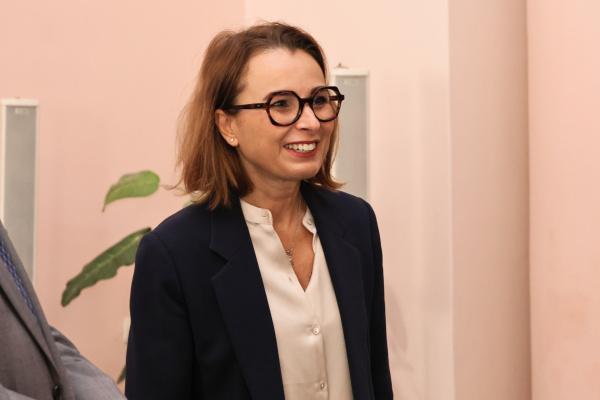
Sabbatelli emphasized that science plays an important role in preventing risks, improving preparedness and fostering international cooperation amid geopolitical instability and emerging security challenges. She stressed the importance of conducting research responsibly and collaboratively, describing this approach as an important condition for strengthening peace and security.
Scientific potential and risks of dual-use technologies
Representatives of ISTC, the European Commission's Joint Research Centre and the University of Liège delivered keynote presentations addressing the importance of research security, the risks posed by emerging technologies and opportunities for international cooperation.
The program also featured thematic panel discussions covering some of the most pressing challenges facing contemporary science.
The first panel explored how scientific research and innovation can help address global security challenges. Participants emphasized the importance of interdisciplinary cooperation and the need to translate research findings into practical solutions that respond to societal needs.
The second panel focused on dual-use research and the opportunities and risks associated with emerging technologies. Participants discussed the responsible use of artificial intelligence and advanced technologies, export controls and adherence to scientific ethics, emphasizing the importance of international cooperation in these areas.
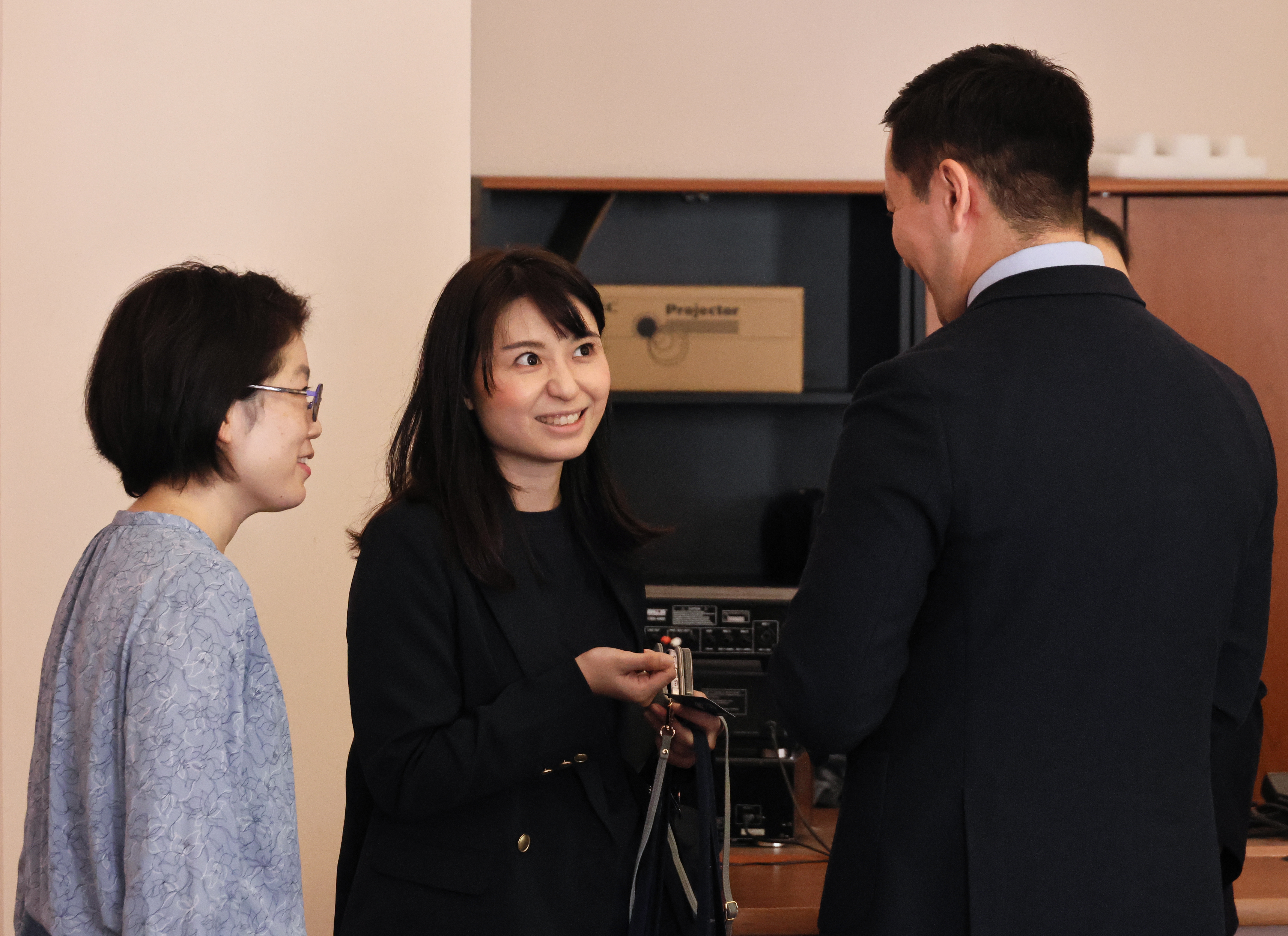
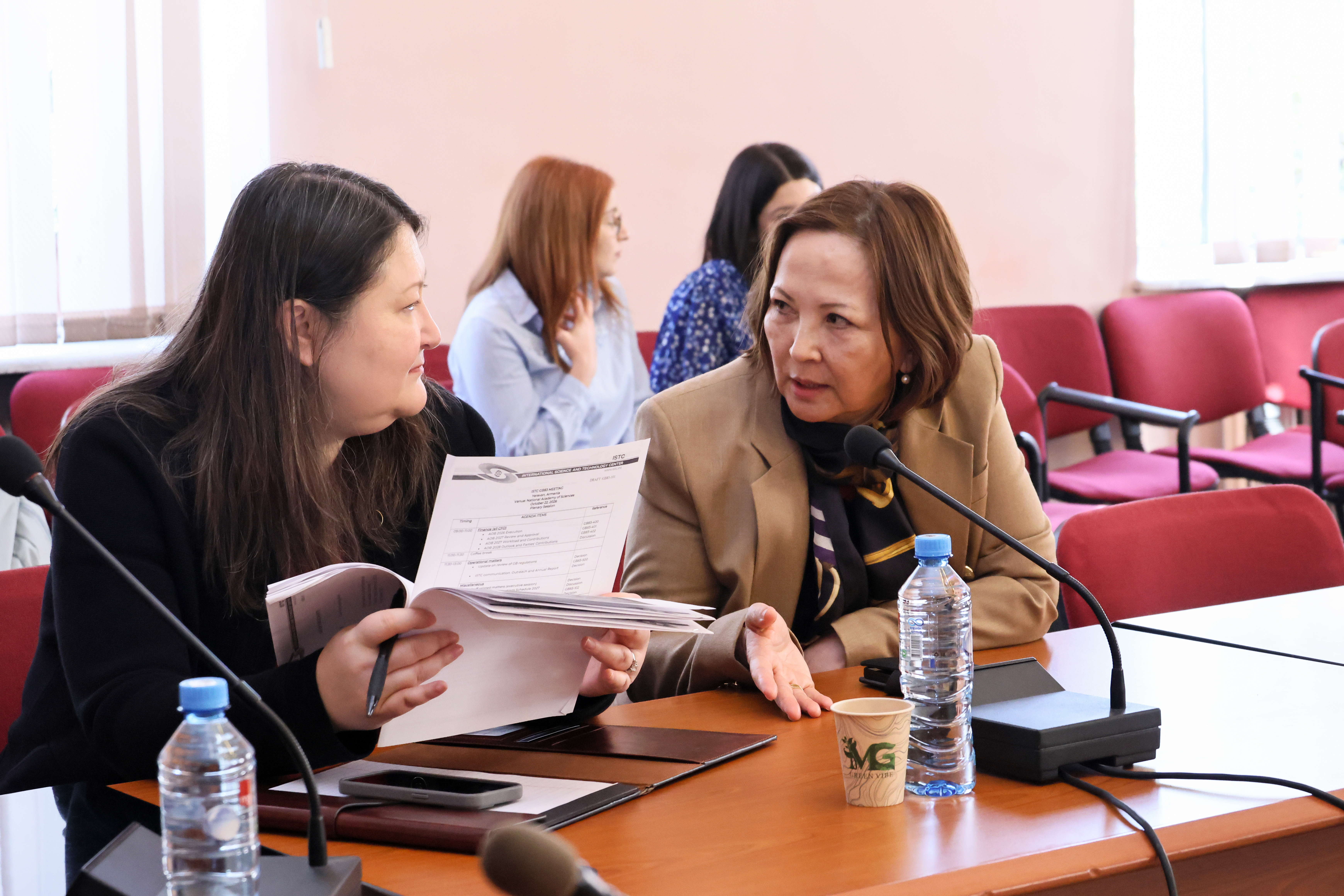
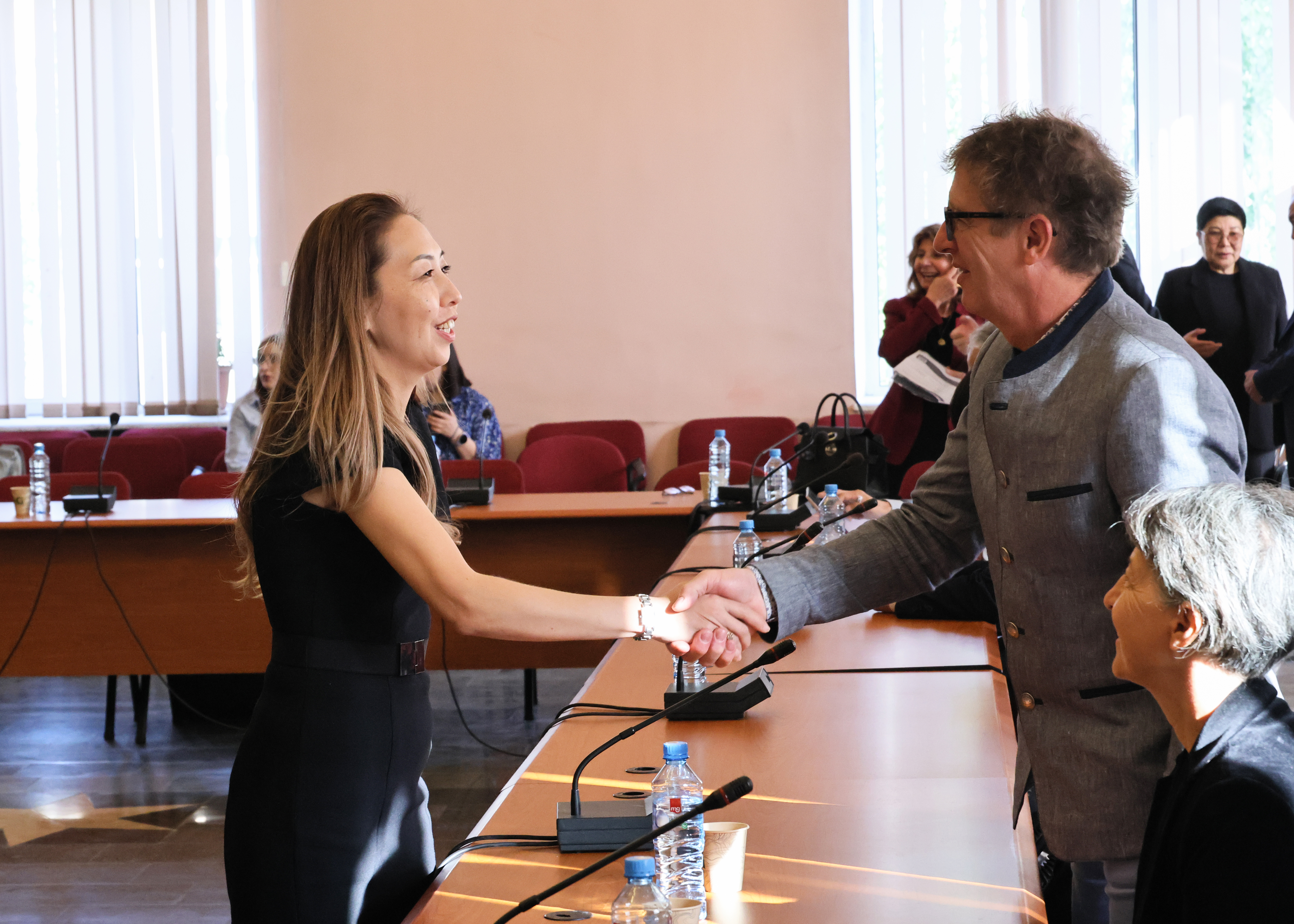
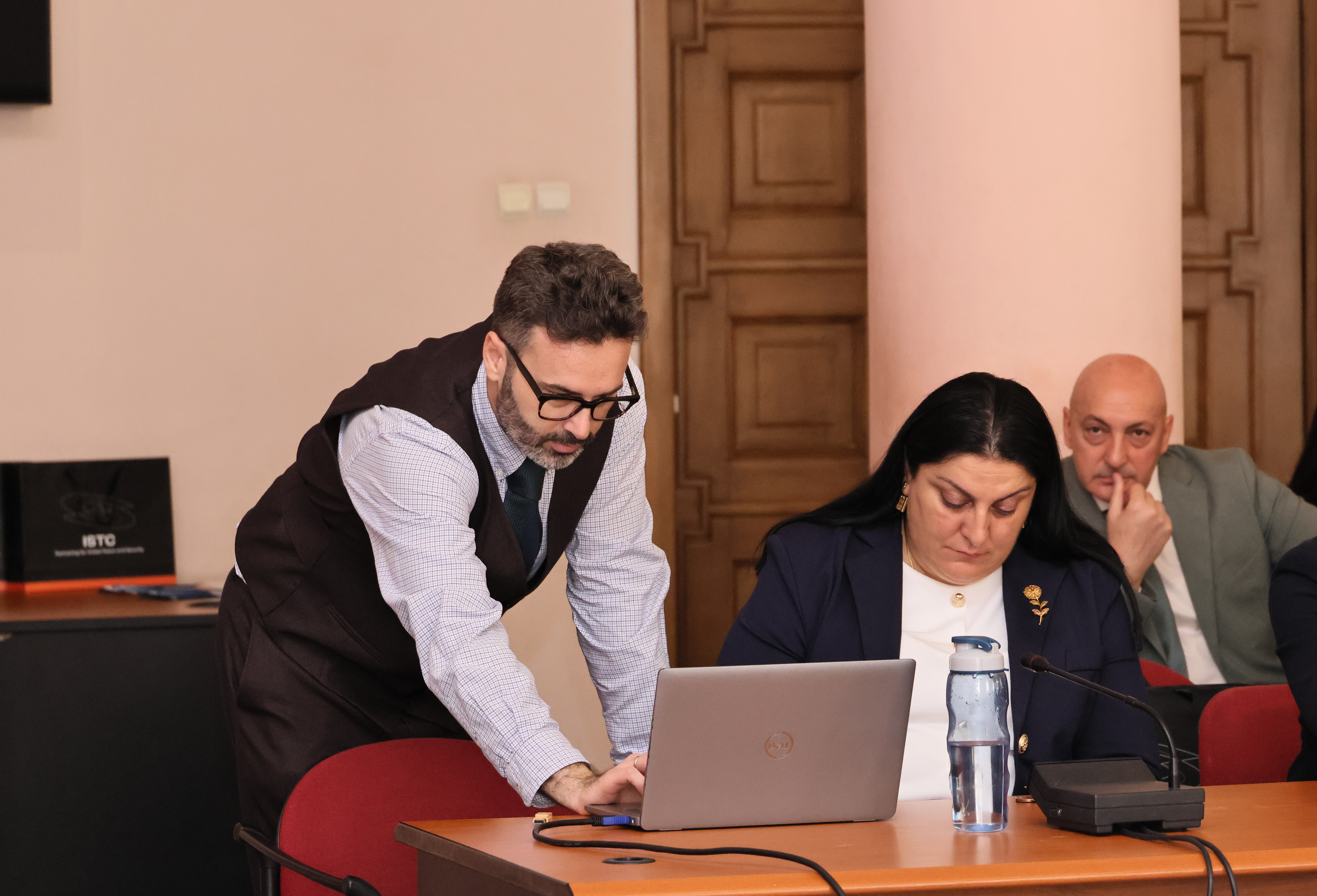
Held both in person and online, the event brought together representatives of the scientific community, government institutions and international organizations to discuss interconnected issues in science, technological development and security.