November 05, 2026 | 13:50
Science
Education
International cooperation
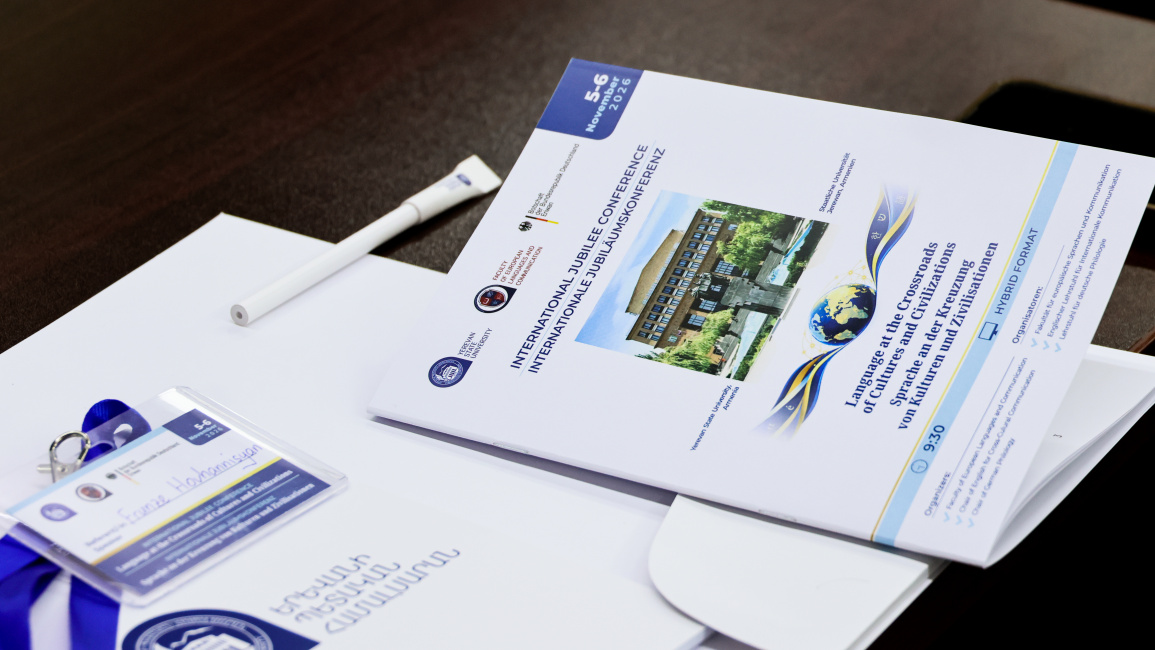
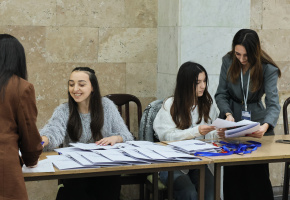
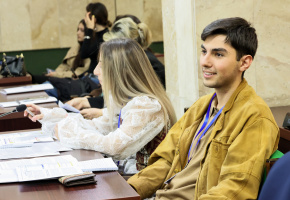
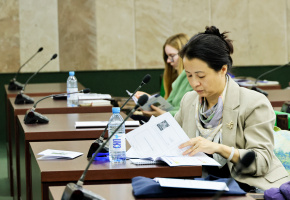
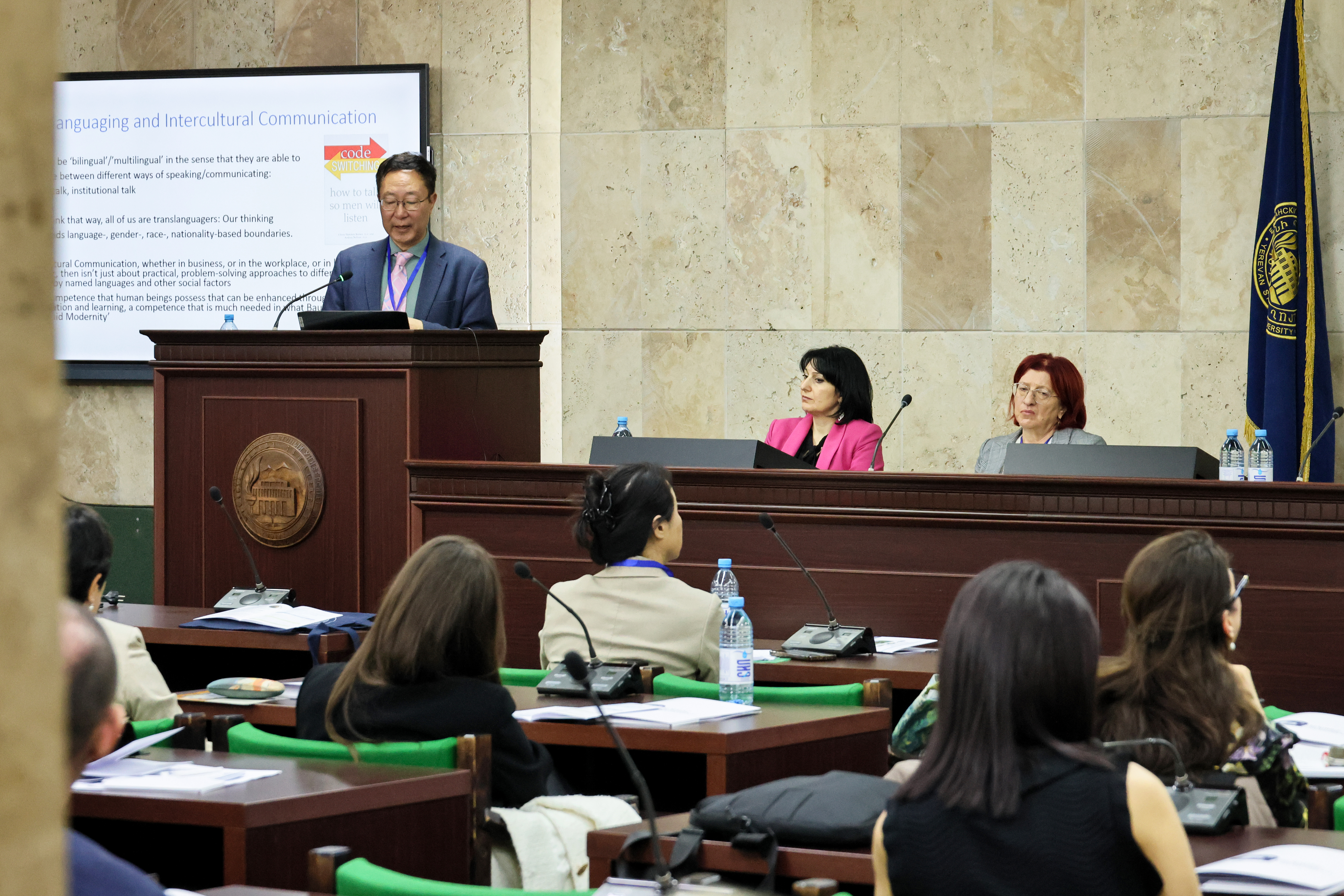
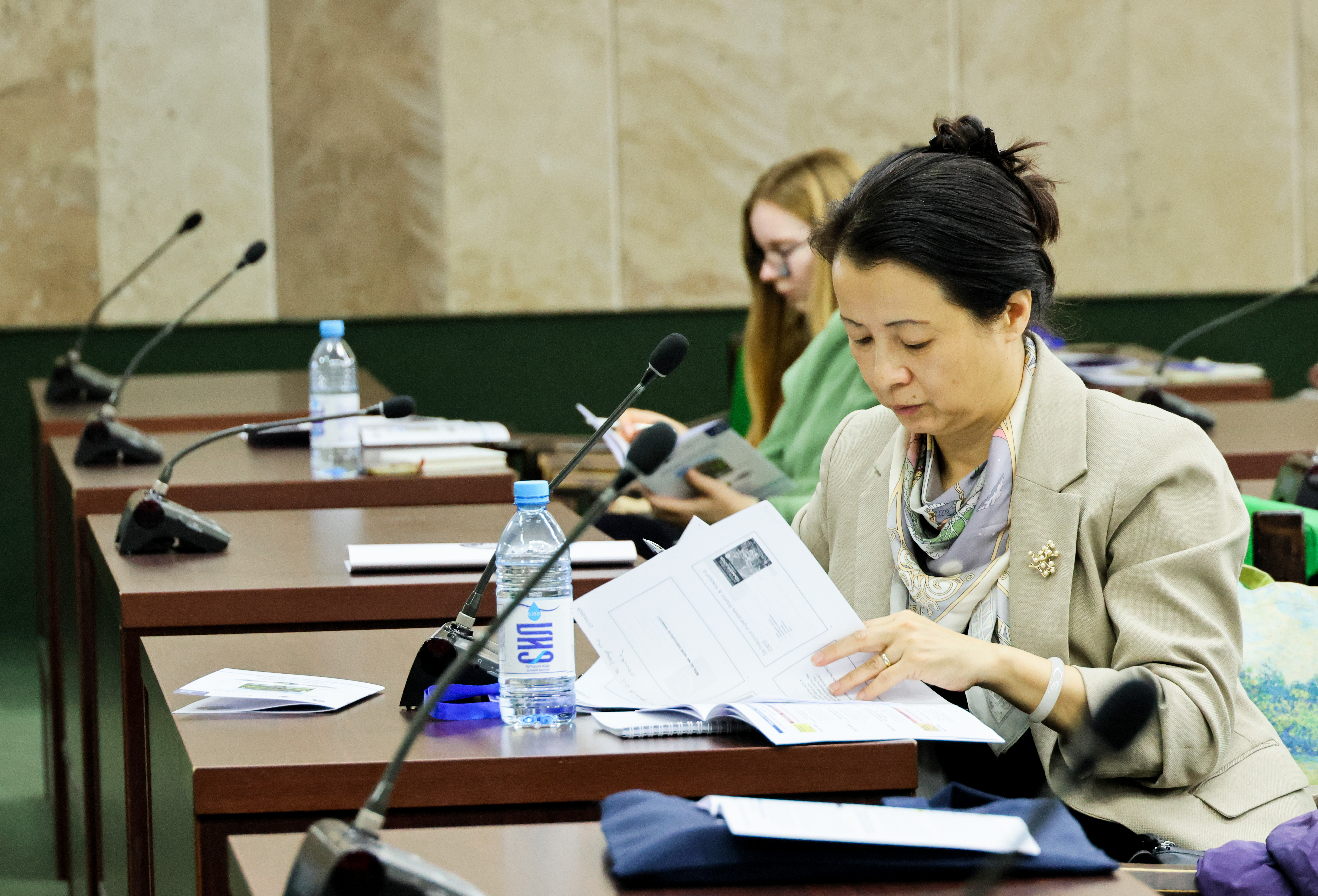
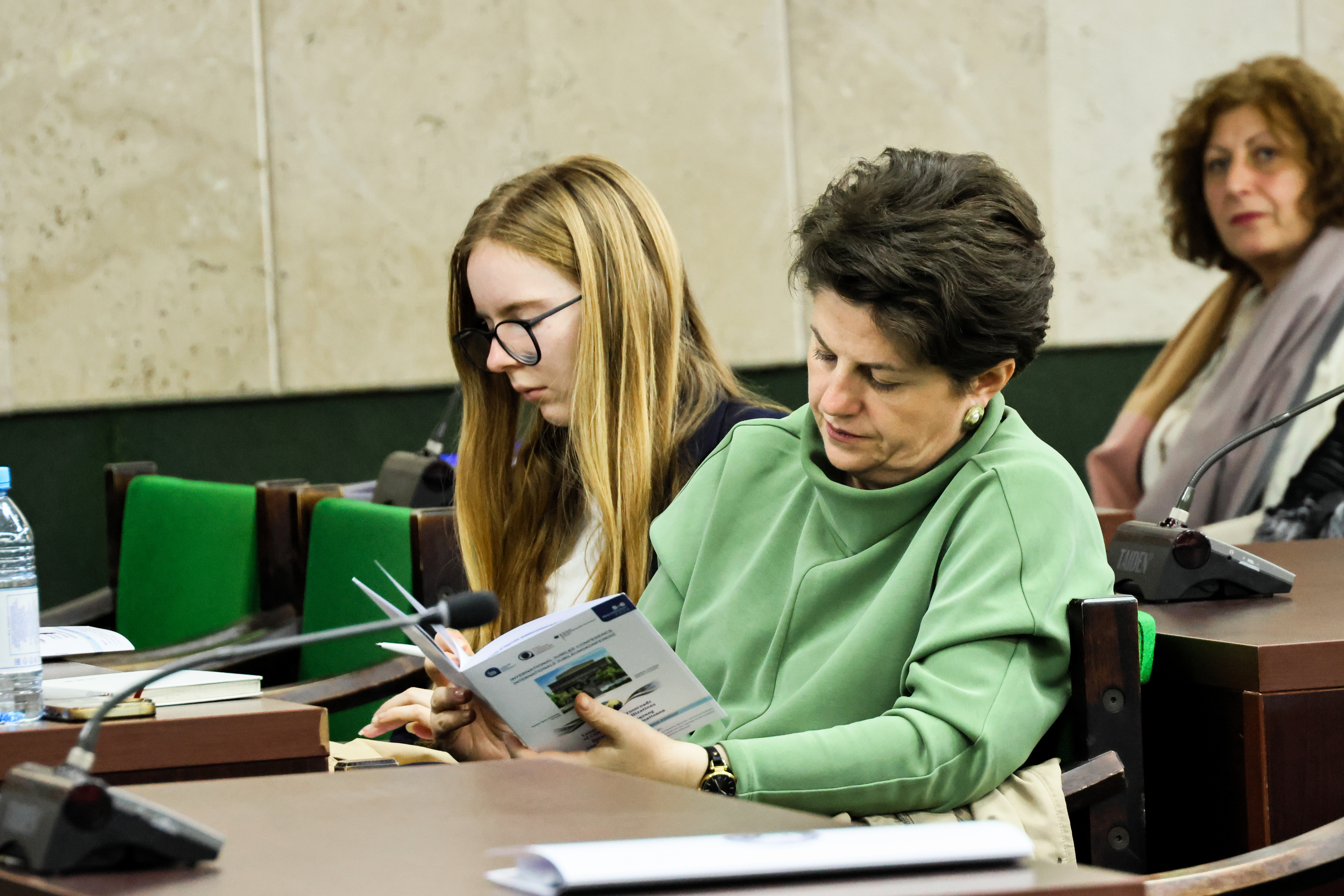
The two-day conference is dedicated to the 35th anniversary of the YSU Faculty of European Languages and Communication and honors the memory of PhD and Associate Professor Alina Tonoyan, founding head of the Chair of German Philology.
The discussions focus on the changing role of language amid globalization and rapid technological advancement. Participants explore how artificial intelligence tools are transforming foreign language teaching, translation and academic research, the opportunities they create, and the ethical questions they raise. Other topics include the impact of digital media and new forms of communication on language, the relationship between language and power, bilingualism and multilingualism, language policy, and the preservation of cultural memory. Particular attention is also given to the development of German studies in the South Caucasus and the role of English as a global language.
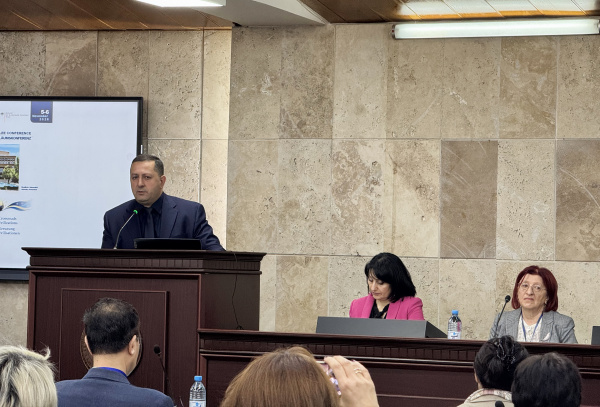
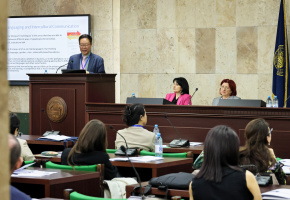
In his address, YSU Rector Hovhannes Hovhannisyan discussed the challenges that the rapid development of artificial intelligence poses for higher education, particularly linguistics. He emphasized that one of the key issues facing leading universities worldwide today is how to effectively integrate AI capabilities into the educational process. Rather than resisting these technological changes, he said, universities need to harness them to advance education and research by rethinking traditional teaching approaches and enriching academic programs.
In this context, Hovhannisyan also presented YSU's initiatives, particularly the university's AI computing infrastructure and ongoing research in the field. He highlighted the importance of studying and adopting the experience of leading international universities, noting that YSU seeks to keep its educational and research processes up to date with global technological developments. The rector also emphasized the importance of international research cooperation, noting that partnerships and academic exchanges between universities help them find effective solutions to shared challenges.
Marine Yaghubyan, Acting Dean of the Faculty of European Languages and Communication, presented the faculty's history and development, as well as the foreign languages taught there. She noted that the faculty continues to advance student-centered education based on academic research and international cooperation.
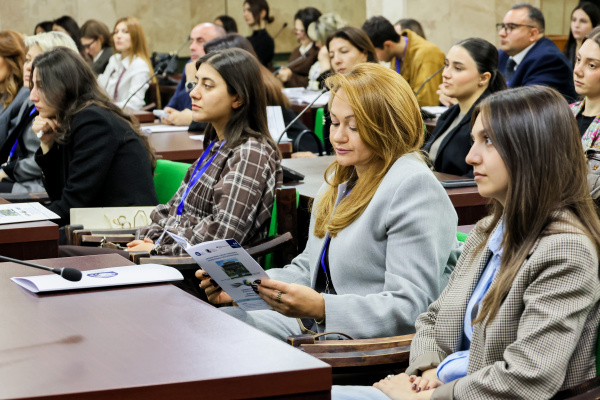
"The faculty actively cooperates with leading universities in Germany, Italy, Spain, Portugal, Poland, Austria and Russia, as well as with local educational institutions. These partnerships enable YSU students and faculty members not only to participate in training programs abroad but also to preserve multilingualism, linguistic identity, cultural memory and research ethics," she said, highlighting the conference's role in expanding the university's international academic ties.
Jan-Tage Kühling, Director of the Goethe-Institut in Armenia, and Eva Mayerer, a representative of the Cultural Section of the Embassy of the Federal Republic of Germany in Armenia, also delivered remarks.
The conference, jointly organized by the YSU Chairs of Intercultural Communication and German Philology and the German Academic Exchange Service (DAAD), centered on the role of language in preserving cultural memory and identity and fostering intercultural dialogue.