November 23, 2026 | 15:15
Society
Events
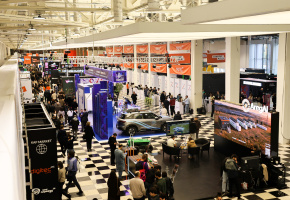
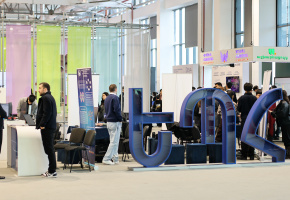
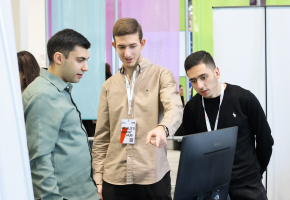
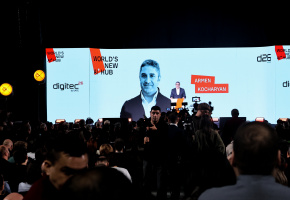
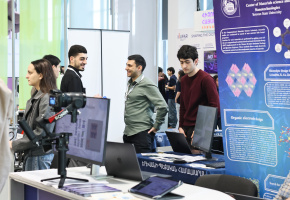
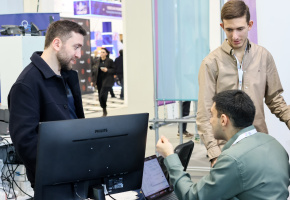
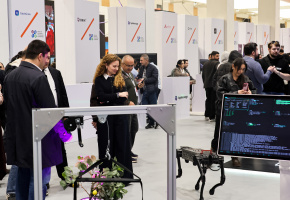
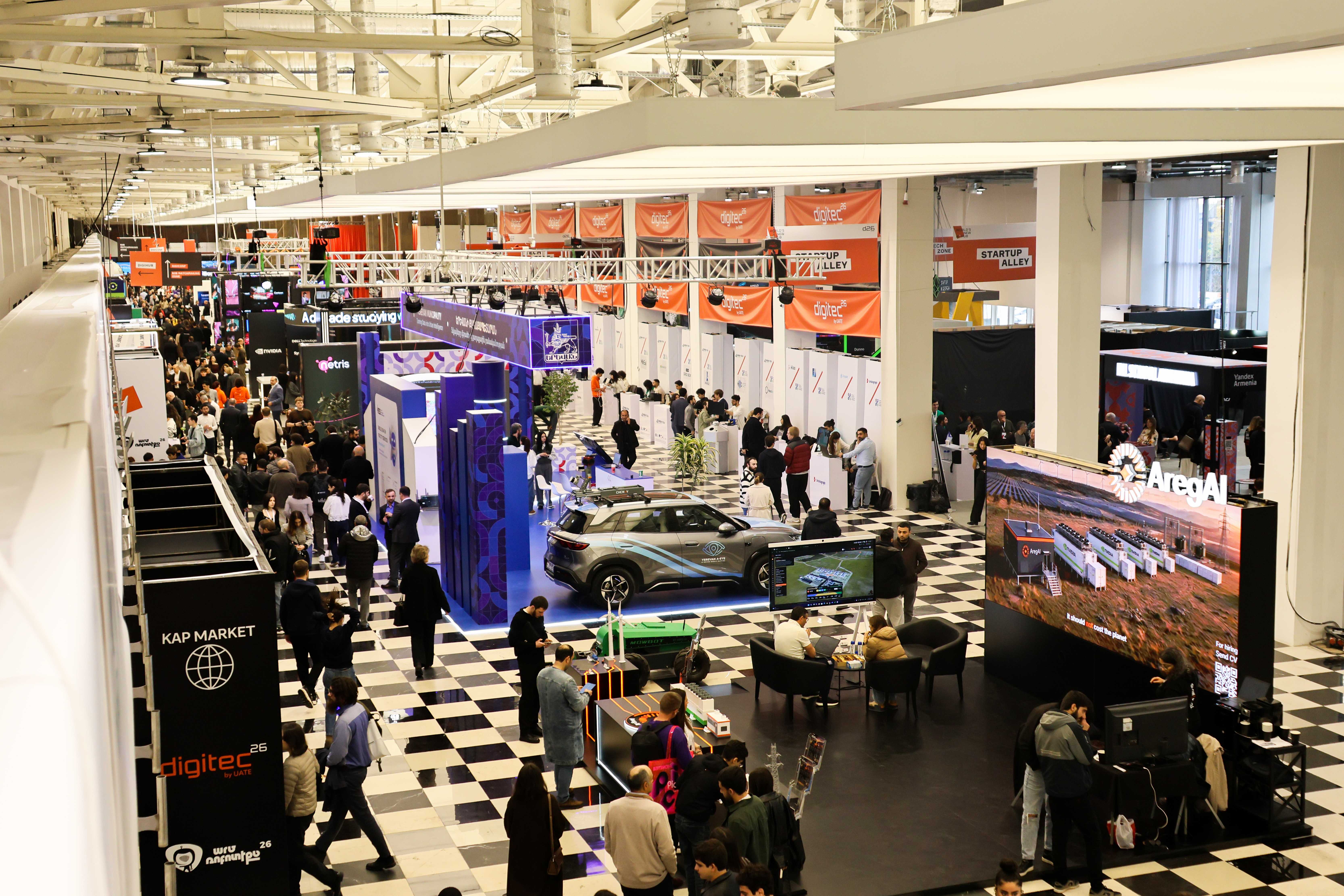
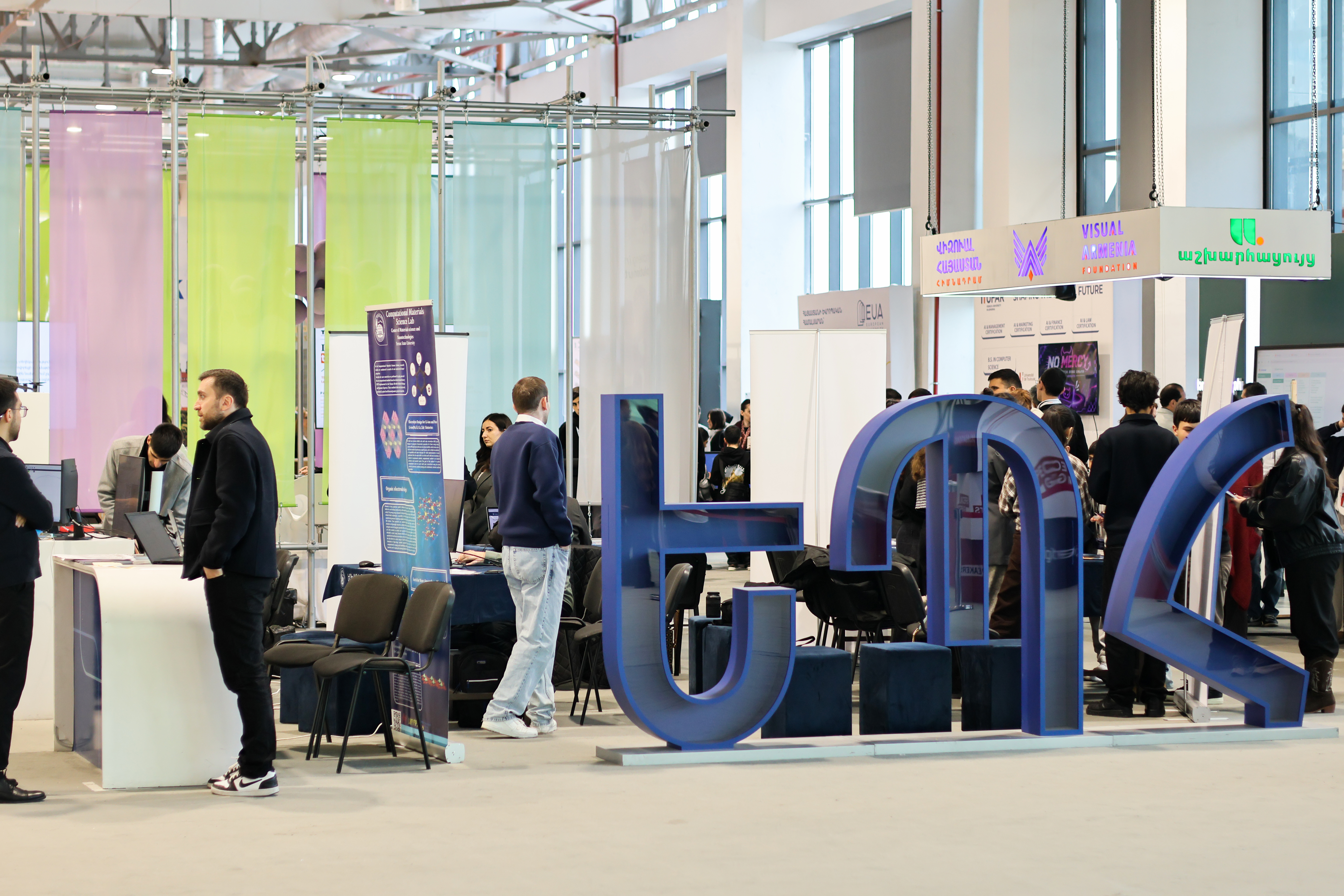
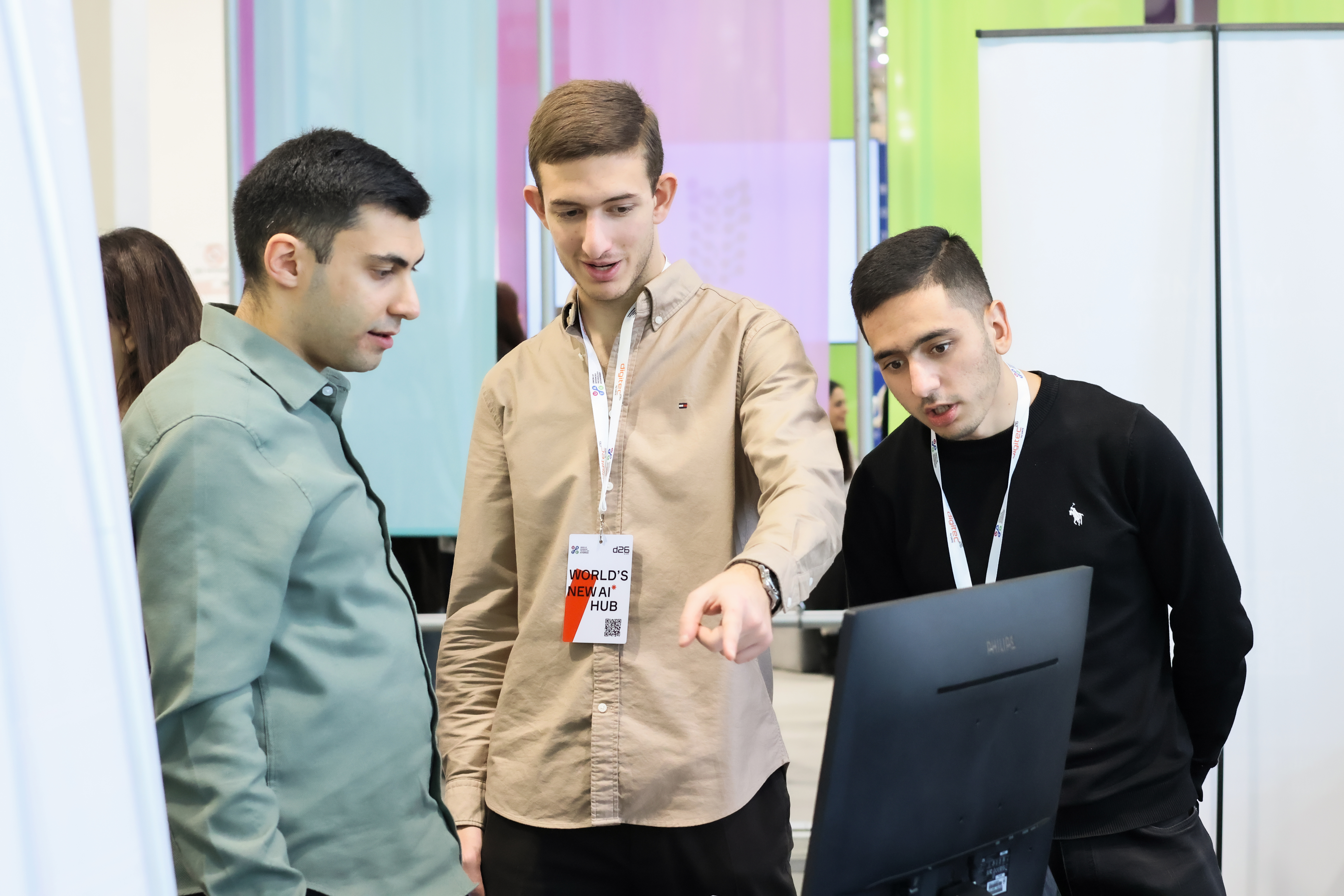
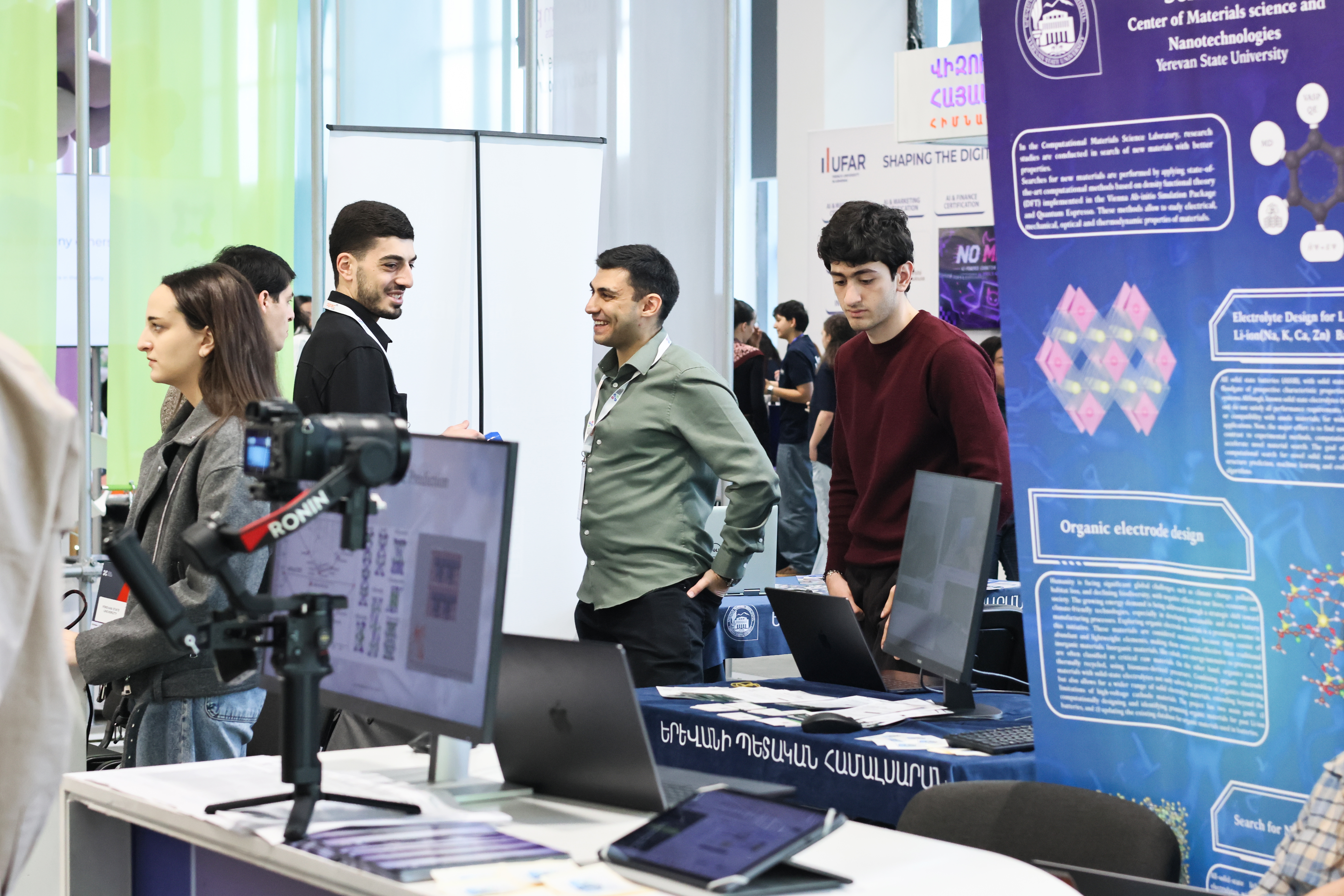
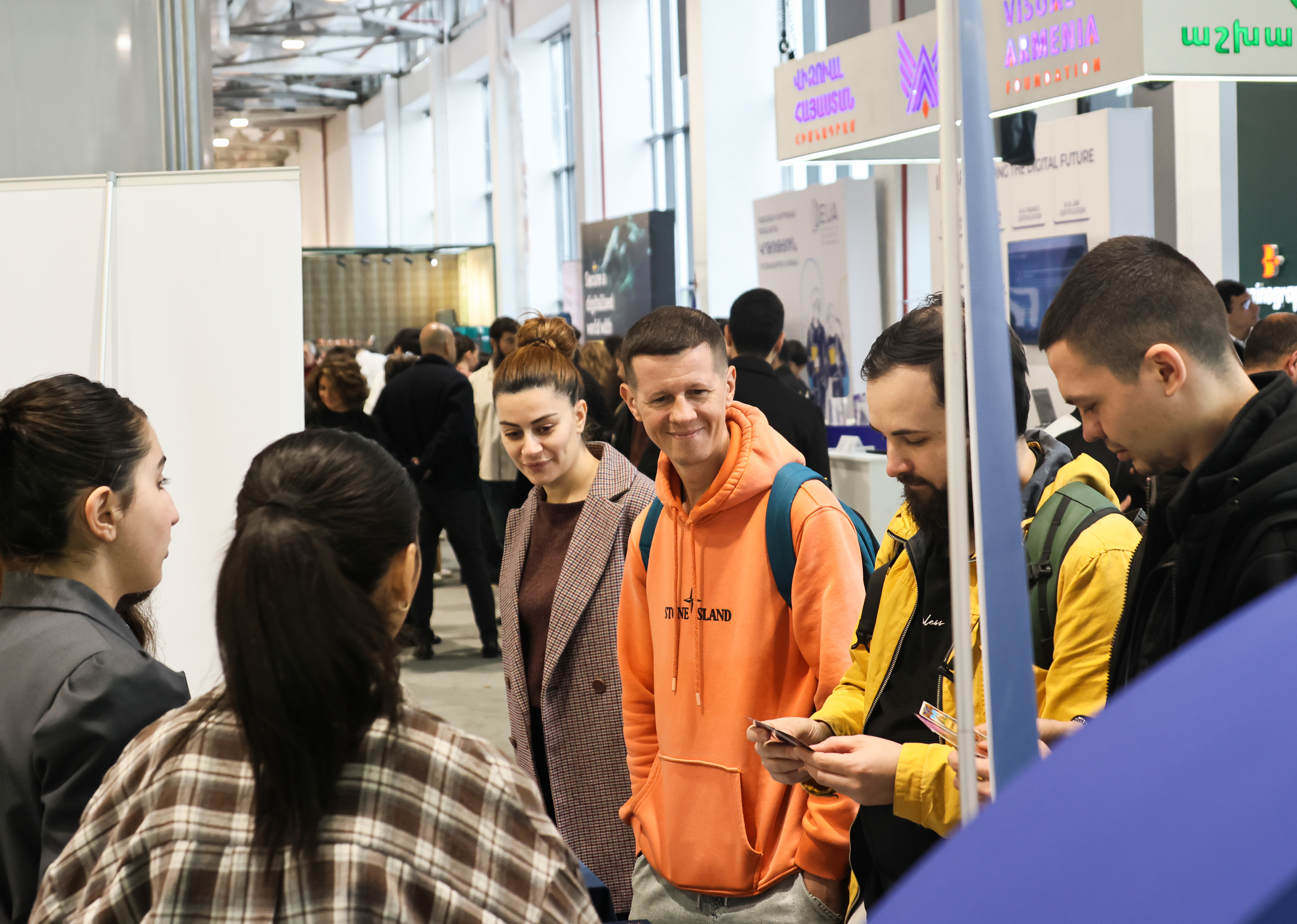
At the DigiTec 2026 technology expo, held November 20–22 at the Meridian Expo Center, Yerevan State University showcased scientific ideas developed in its laboratories and classrooms, highlighting their potential for practical application. Artificial intelligence, supercomputing, photonics, nanotechnology, data science, startup development and STEM education were among the university's main areas of focus at the exhibition.
Predicting new materials using AI and quantum mechanics
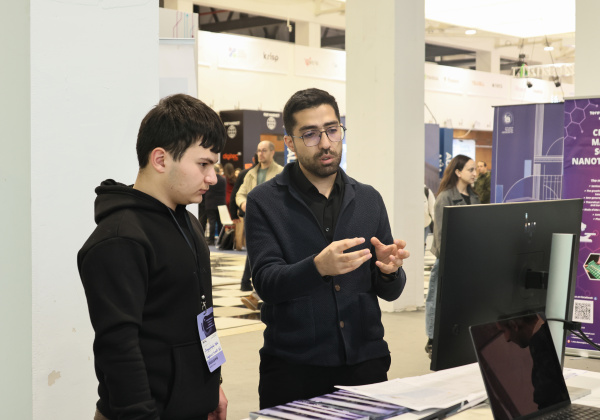
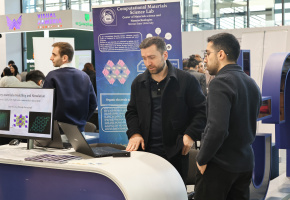
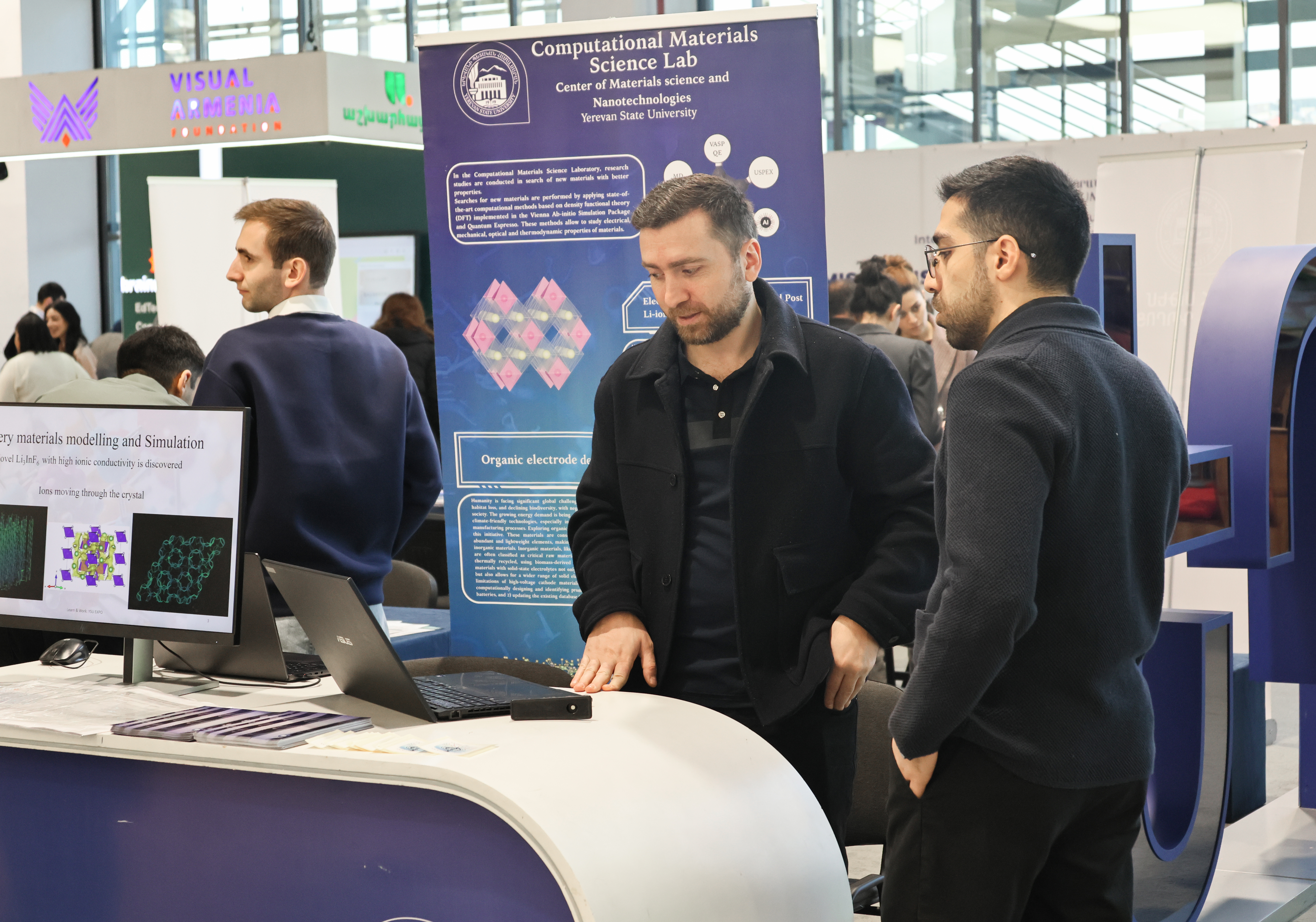
The Computational Materials Science Laboratory team demonstrated how quantum mechanics, artificial intelligence and YSU's supercomputers can be used to predict the existence and properties of new materials. One of the laboratory's key research areas is solid-state batteries, which have attracted growing interest due to their potential to improve safety and increase energy storage capacity.
"Quantum mechanics and these methods have advanced to the point where we can determine in advance whether a material could exist. Our work now focuses on proposing new materials that are not yet known to science and have exceptional properties," said Hayk Zakaryan, Head of the Laboratory.
Gas and flexible sensors for environmental monitoring and motion detection
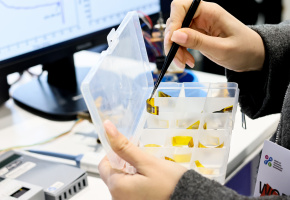
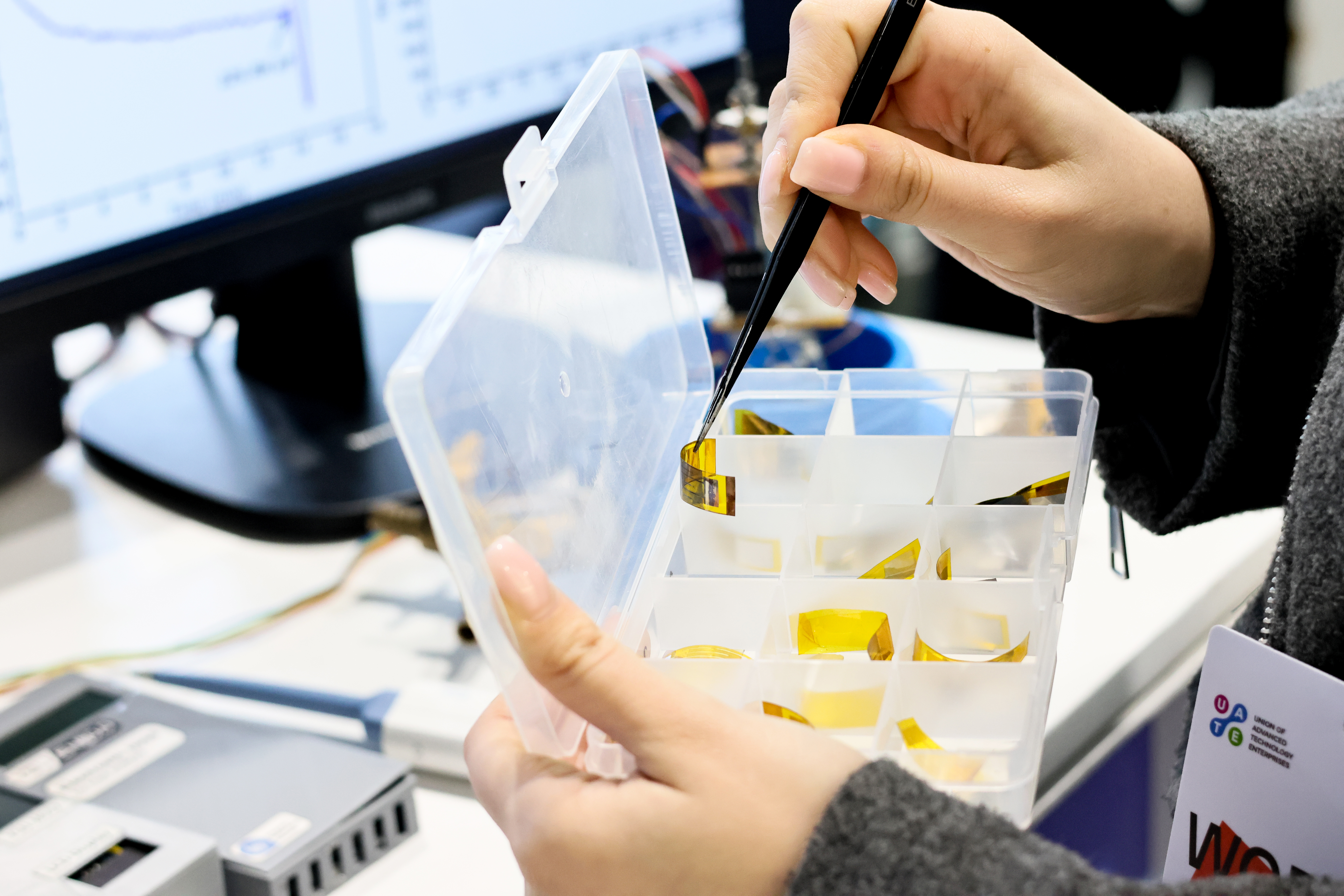
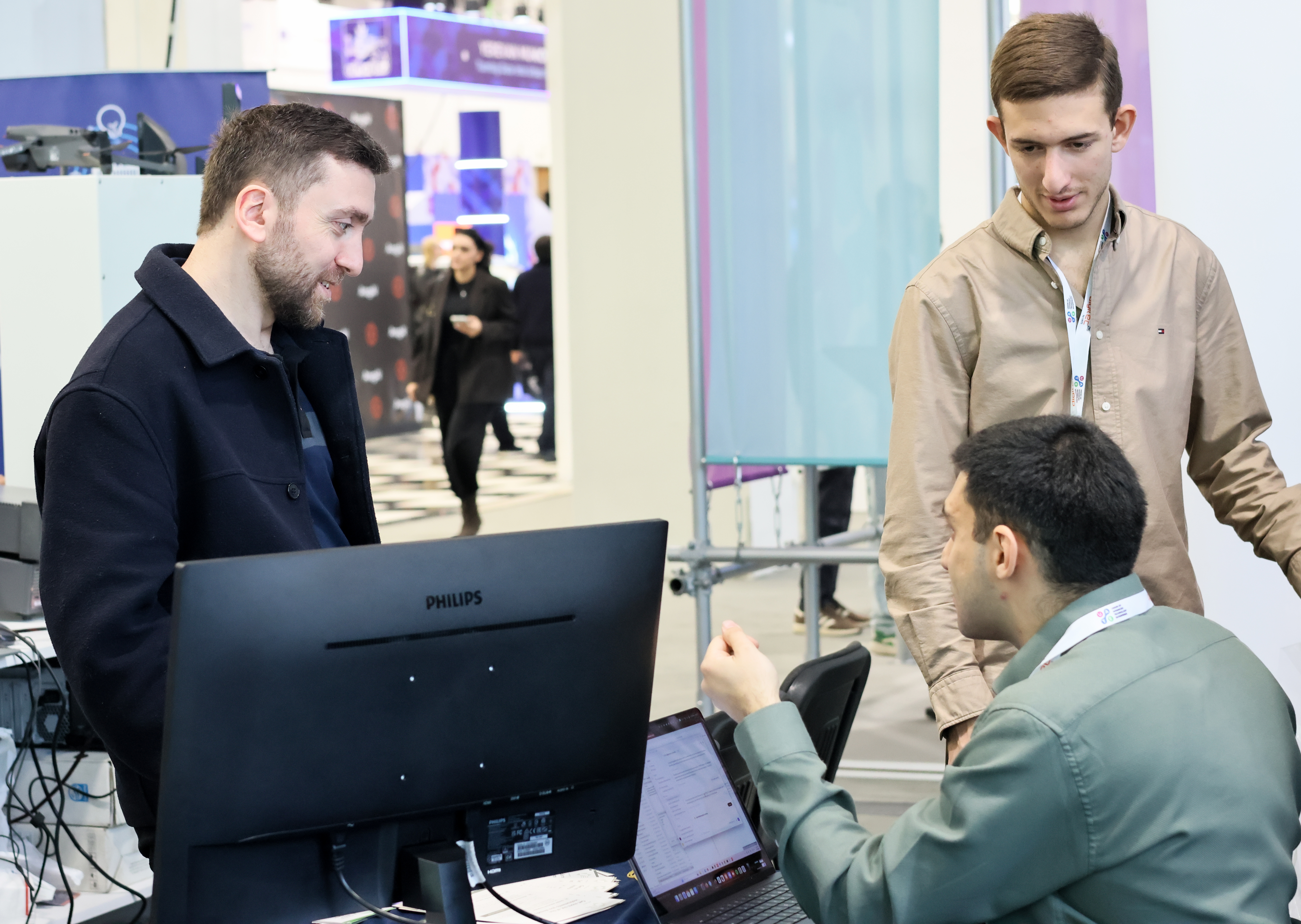
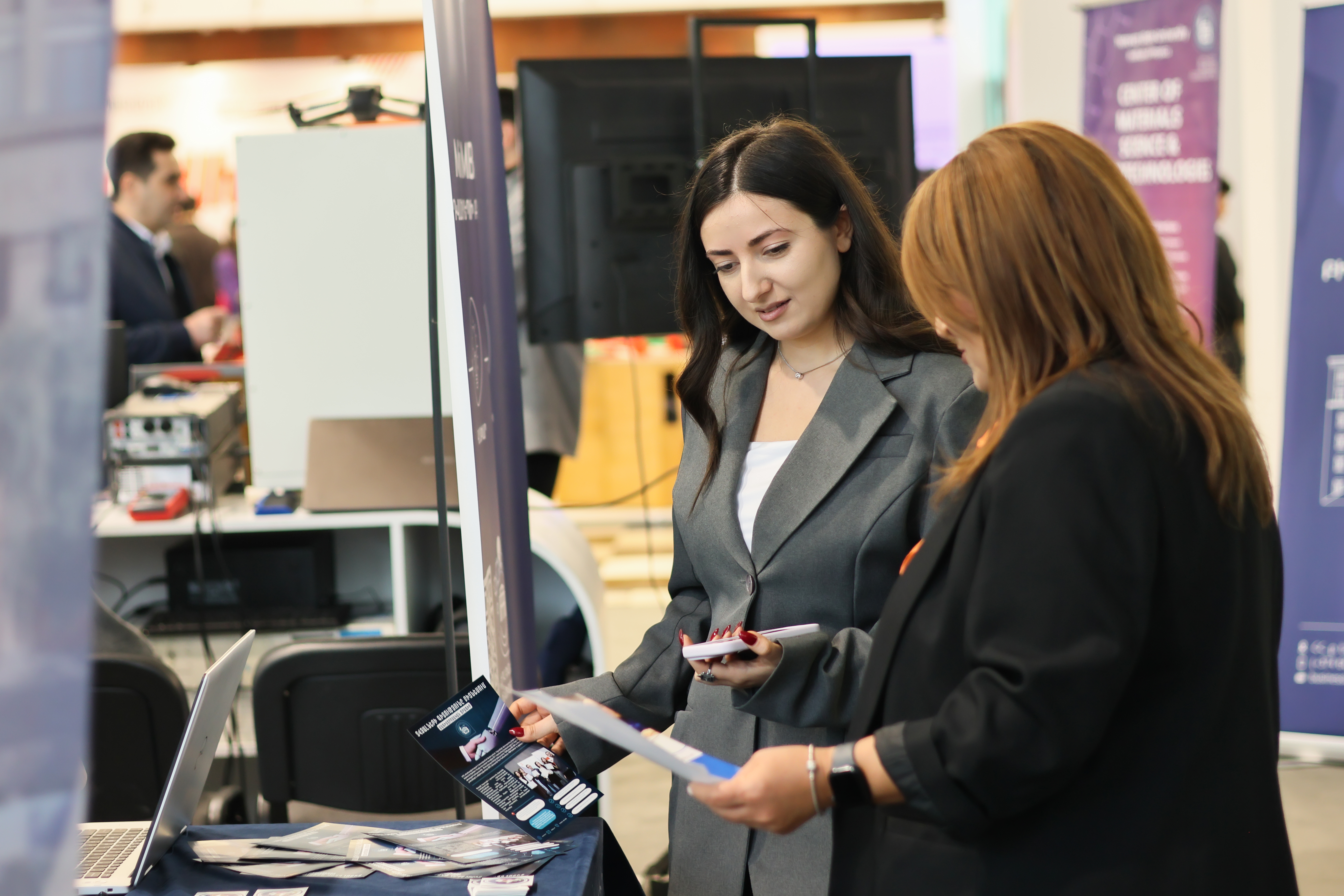
Researchers from the Center for Materials Science and Nanotechnology at the YSU Institute of Physics presented gas and flexible sensors. The gas sensors used in an "electronic nose" system can detect even trace concentrations of harmful gases. Drone-mounted systems allow researchers to measure carbon dioxide (CO₂) levels in Yerevan's air at different altitudes. Flexible sensors, meanwhile, can function as "electronic skin," detecting even the slightest touches and movements.
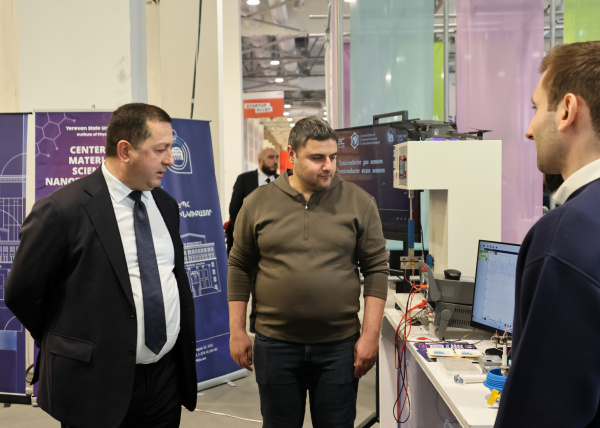
"Our drone-mounted sensors allow us to monitor air quality at different altitudes and assess pollution levels, unlike fixed monitoring stations. We have also received promising proposals for collaboration from private companies," said Artak Sayunts, senior researcher at the center.
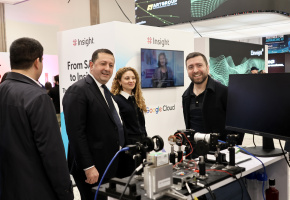
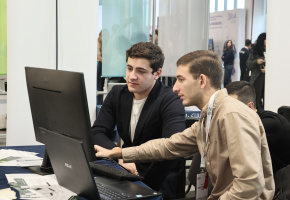
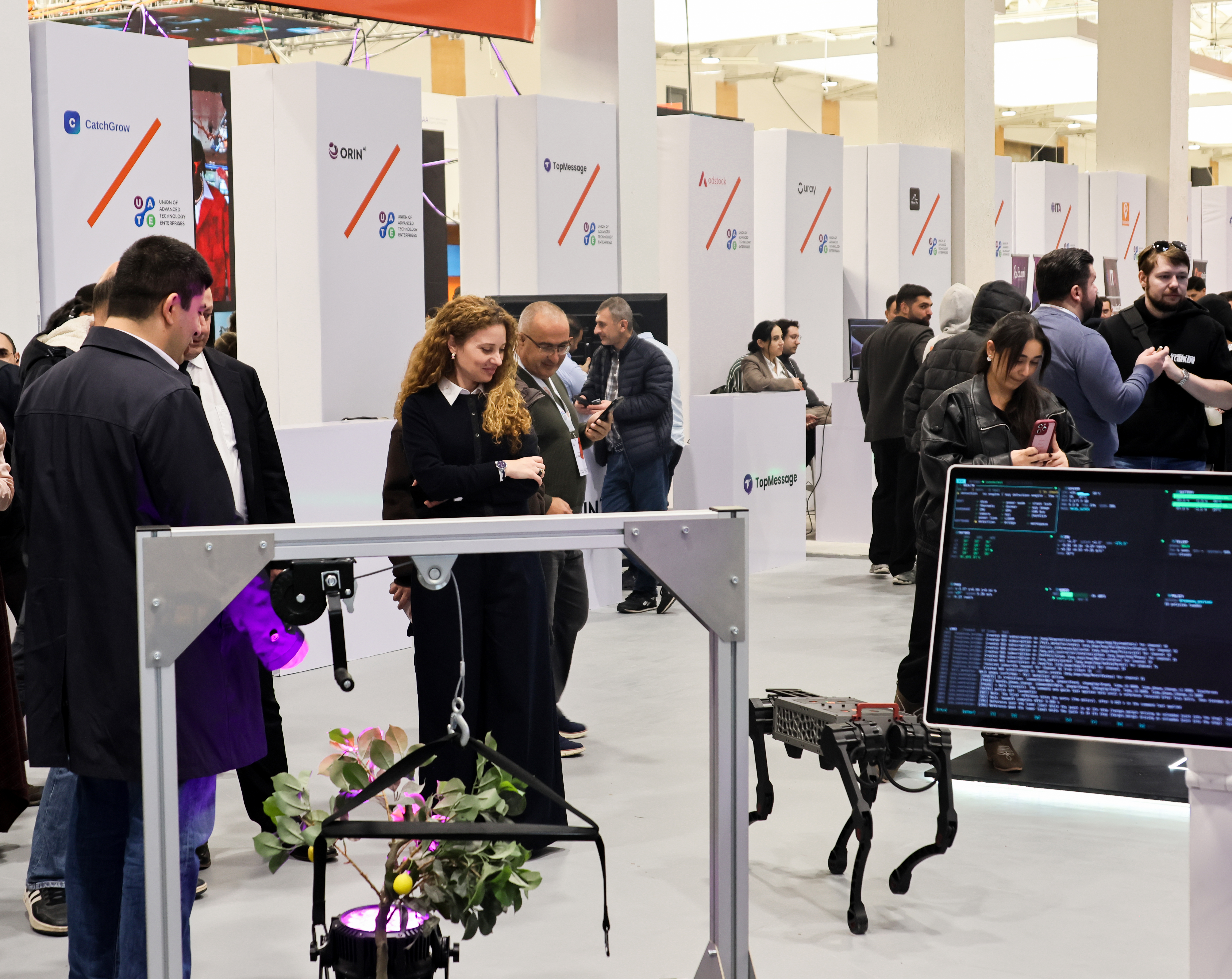
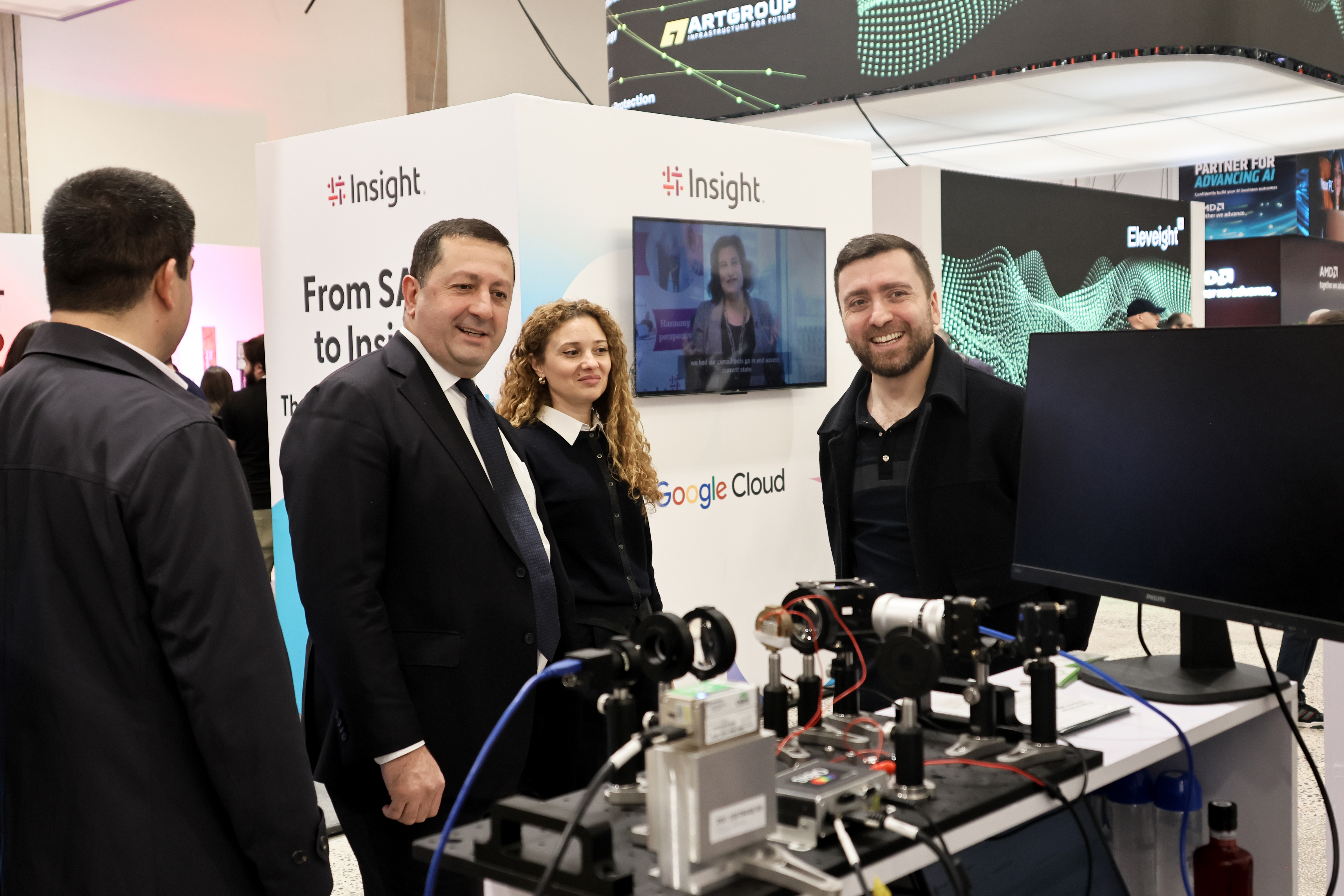
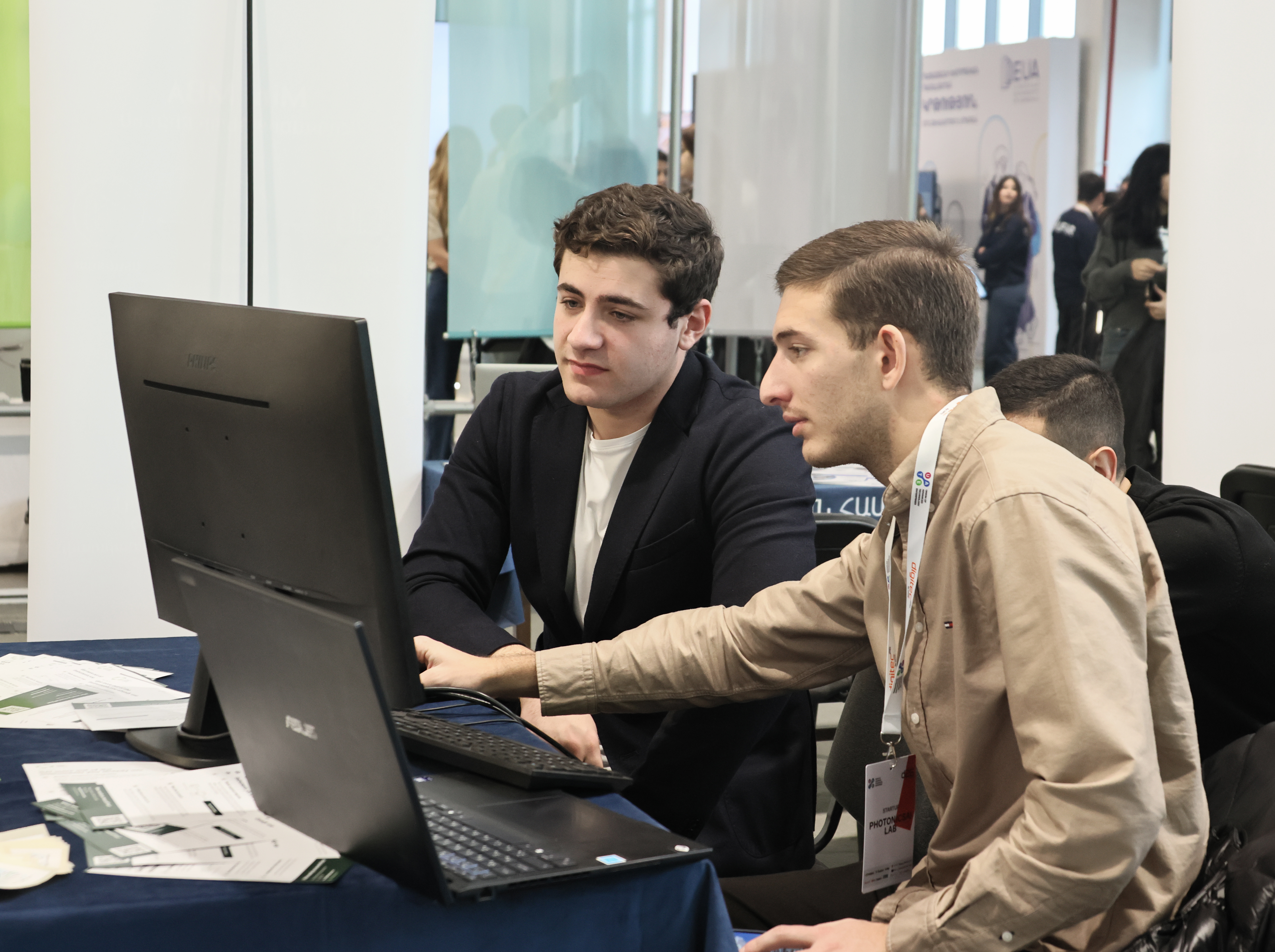
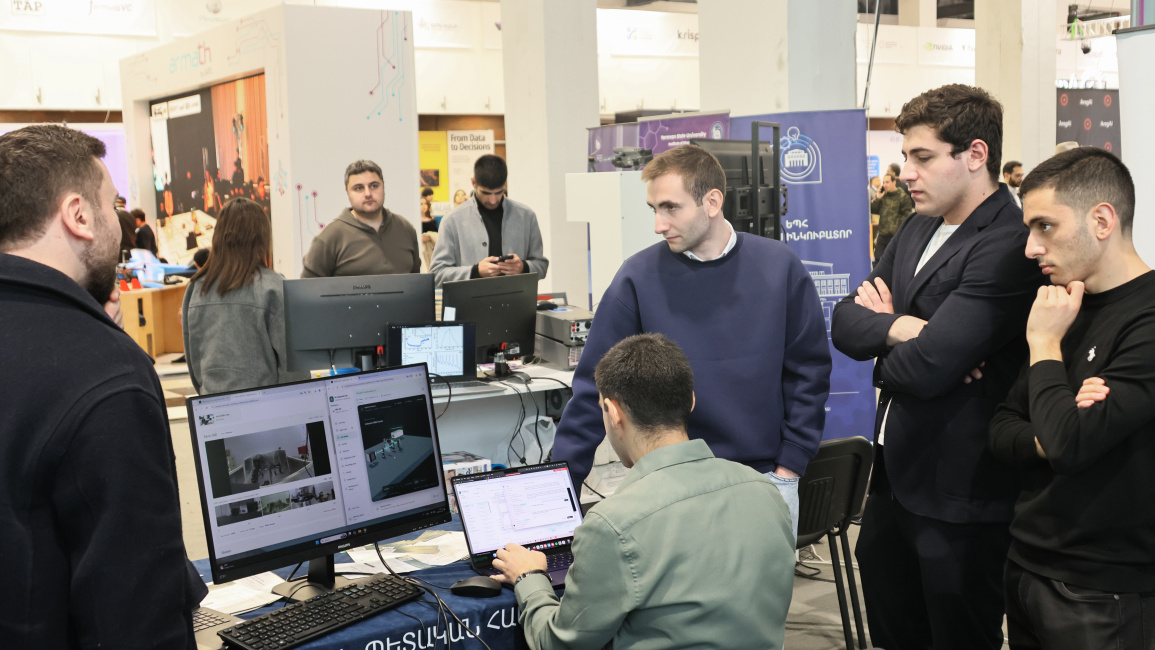
The Photonics and Artificial Intelligence Laboratory also demonstrated technologies for light control, micromachining and AI integration. Visitors to the booth were able to watch in real time as AI systems remotely controlled physical equipment located in the laboratory.
"We are developing systems that allow artificial intelligence and human researchers to work directly with real physical equipment. Although the larger equipment remains in the laboratory, we can control it remotely from here," explained Alexander Hajoyan, an engineering intern at the YSU Photonics and Artificial Intelligence Laboratory.
From scientific research to sustainable startup
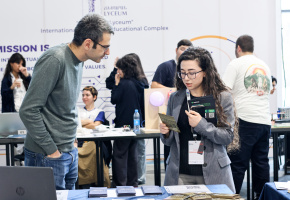
Visitors to the YSU booth also learned about the Business Incubator's Innovate Fellowship Program, "From Scientific Research to Sustainable Startup", designed for doctoral students and early-career researchers with academic degrees. Drawing on Cornell University's experience, the program helps final-year doctoral students turn their research findings into viable businesses by providing approximately $15,000 in funding, mentorship and business incubation support.
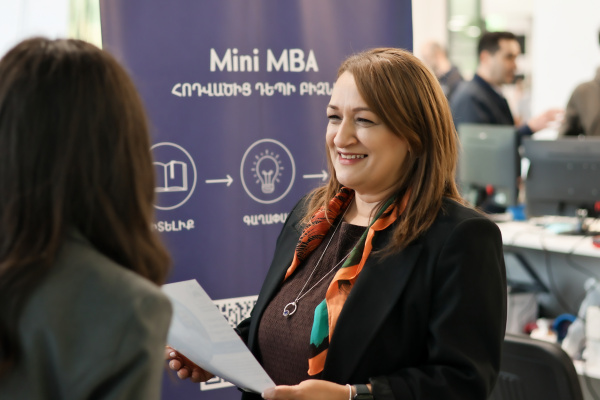
"Universities are vast repositories of ideas, but researchers often do not consider turning their scientific work into products. We help doctoral students make that transition within eight months and establish a registered, operational business," said Gayane Gevorgyan, Project Manager at the YSU Business Incubator.
Visitors were also introduced to business incubation programs for student startup teams and initiatives aimed at commercializing university research and strengthening cooperation with the private sector. These included the "Mini MBA: From Research Paper to Business" incubation program and competition.
The university also provided information about the upcoming Green Innovation Hackathon, scheduled for December 10–11 under the theme "Data and Artificial Intelligence for Solving Environmental Challenges."
Organized in cooperation with GIZ's Private Sector Development and Technical Vocational Education and Training in Armenia (PSD TVET) program, the hackathon aims to develop technological solutions for environmental protection, biodiversity conservation and the sustainable management of water resources.
Data science: from education to employment
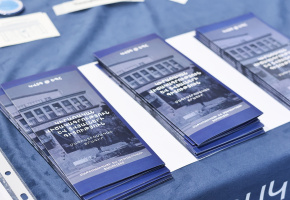
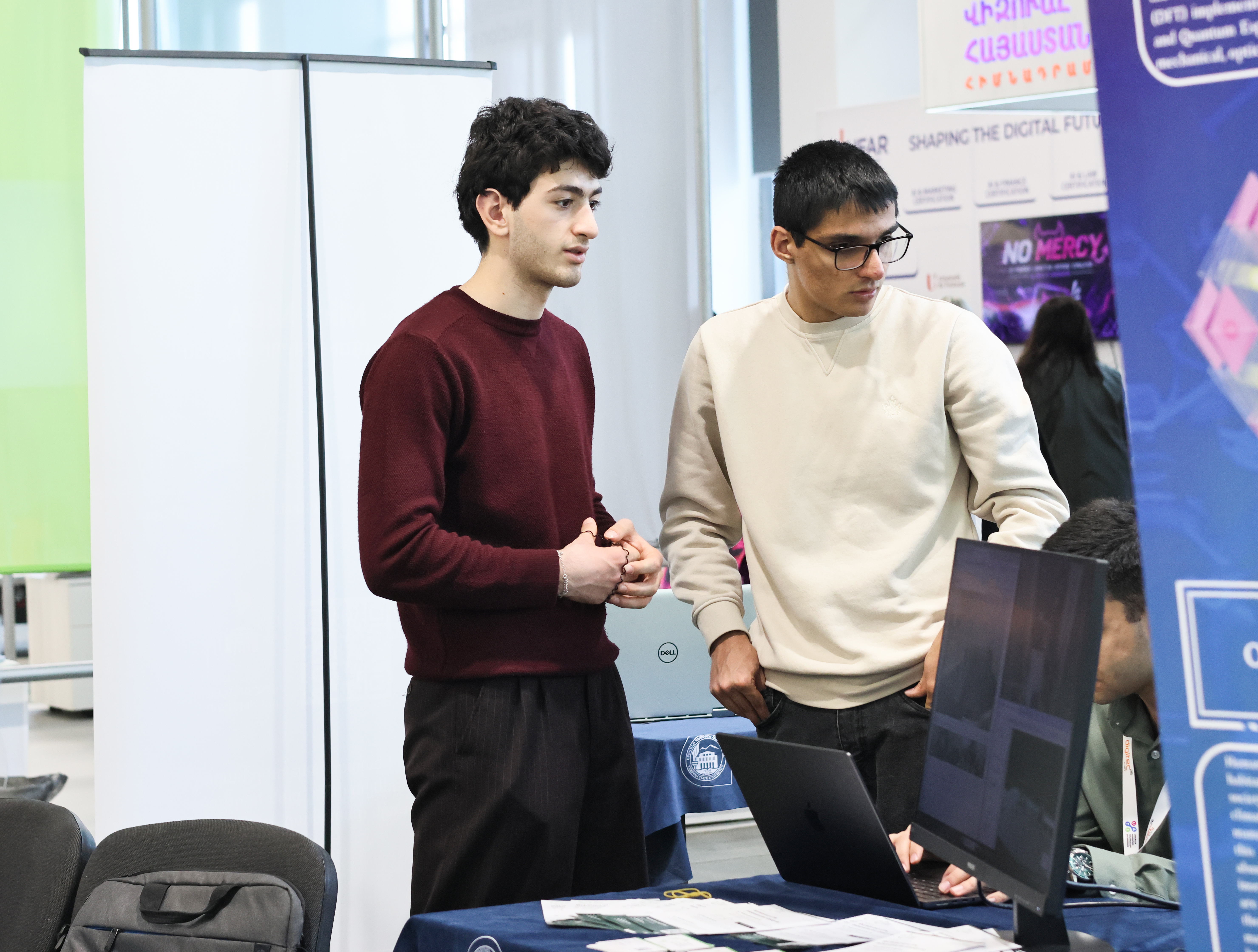
The YSU Faculty of Mathematics and Mechanics presented its bachelor's and master's degree programs "Applied Statistics and Data Science," highlighting their connections to the IT industry and graduates' employment prospects.
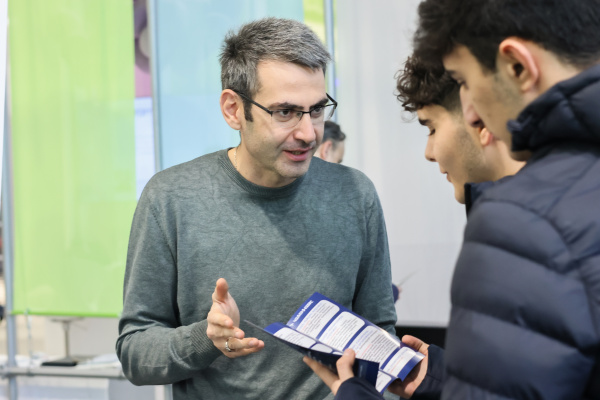
"Interest in the program continues to grow each year. This year, all 40 places in the master's program were filled during the first application round," said Karen Keryan, Assistant Professor at the Chair of Theory of Functions and Differential Equations. He emphasized that approximately 99% of the program's graduates work in the IT sector.
STEM High School students develop educational board games
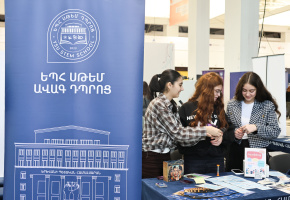
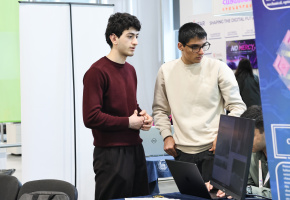
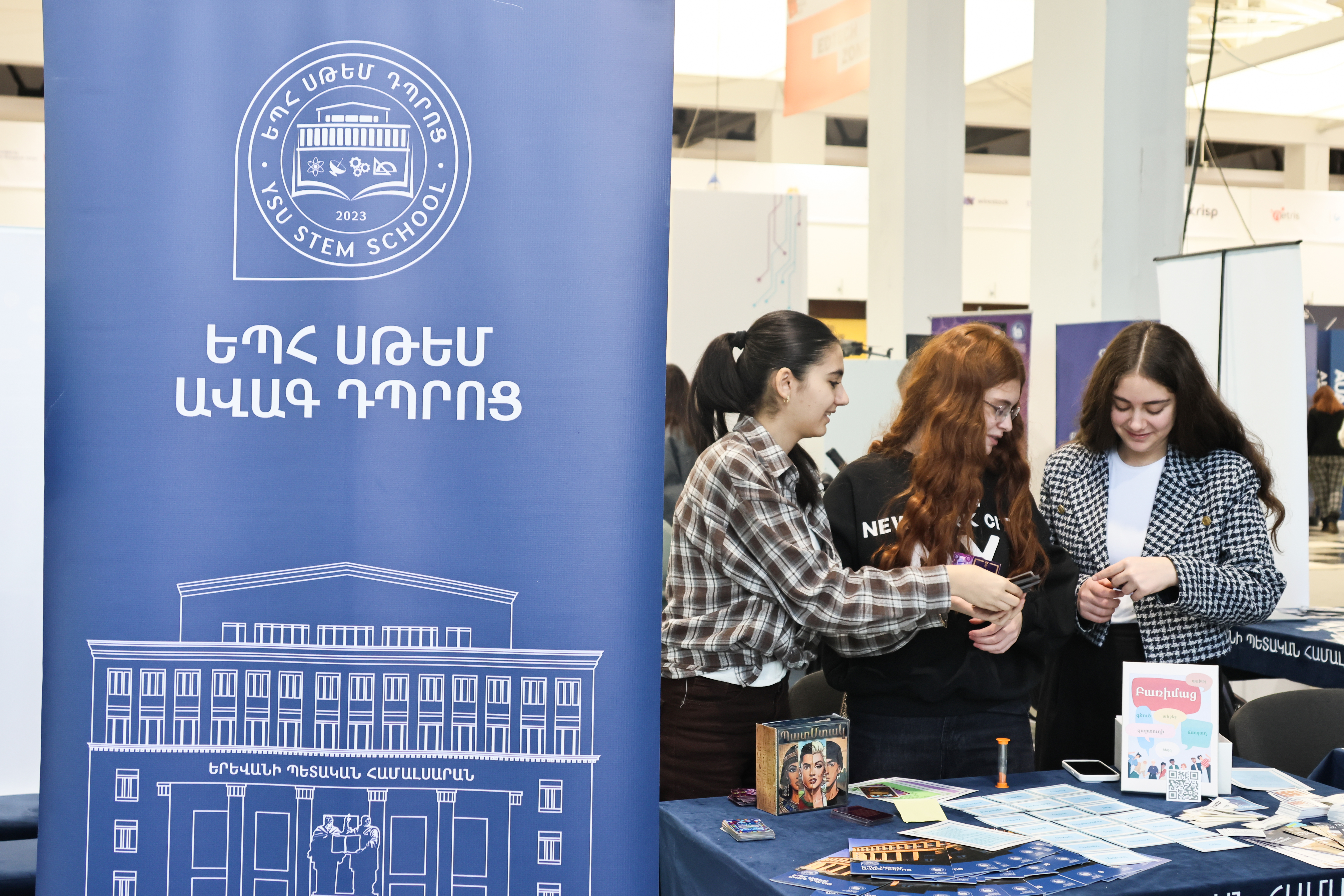
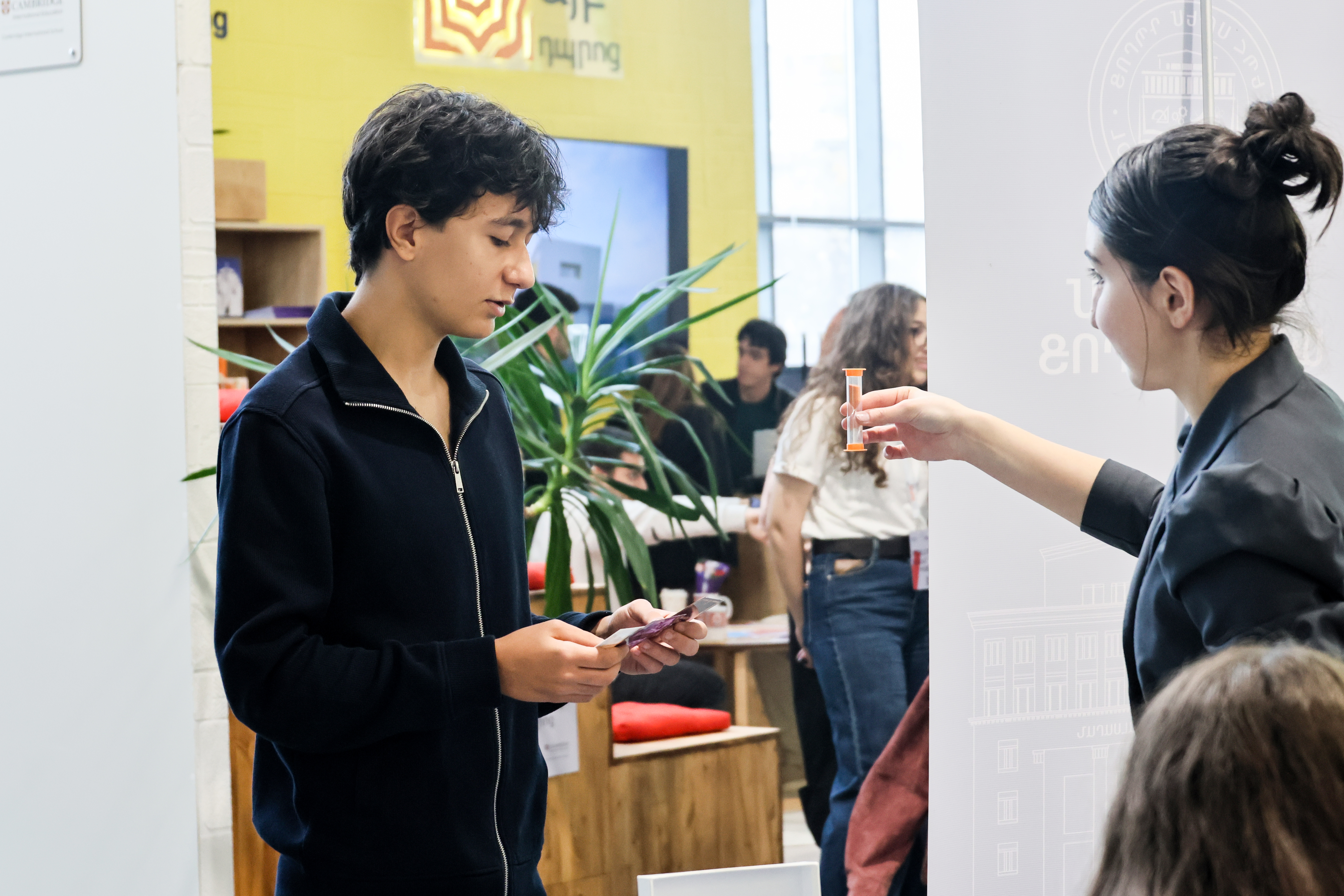
Eleventh-grade students from the YSU STEM High School shared their educational experiences and achievements. They presented two educational board games of their own design, Barimats and Patmtak, created to help school students and prospective university applicants reinforce their knowledge through interactive gameplay.
The students have already won a business incubation competition and received a cash prize. They are now preparing to print and market their games.
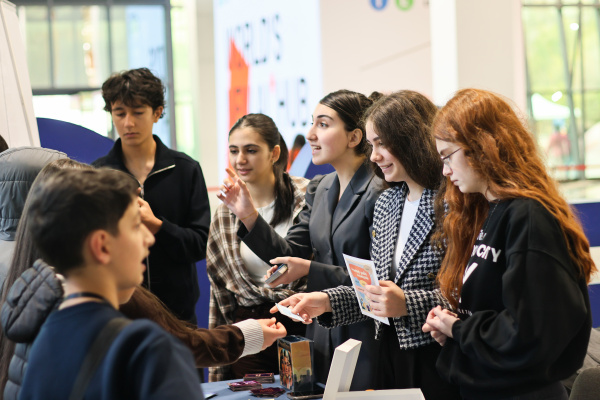
"Visitors have responded very positively, and many are asking where they can buy the games. We are now negotiating with printing companies to begin producing them in larger quantities," said Lilya Danielyan, a student at the YSU STEM High School.
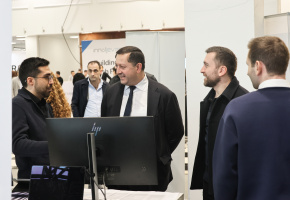
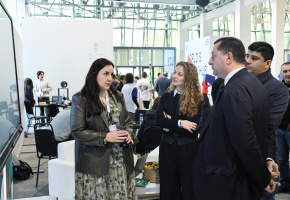
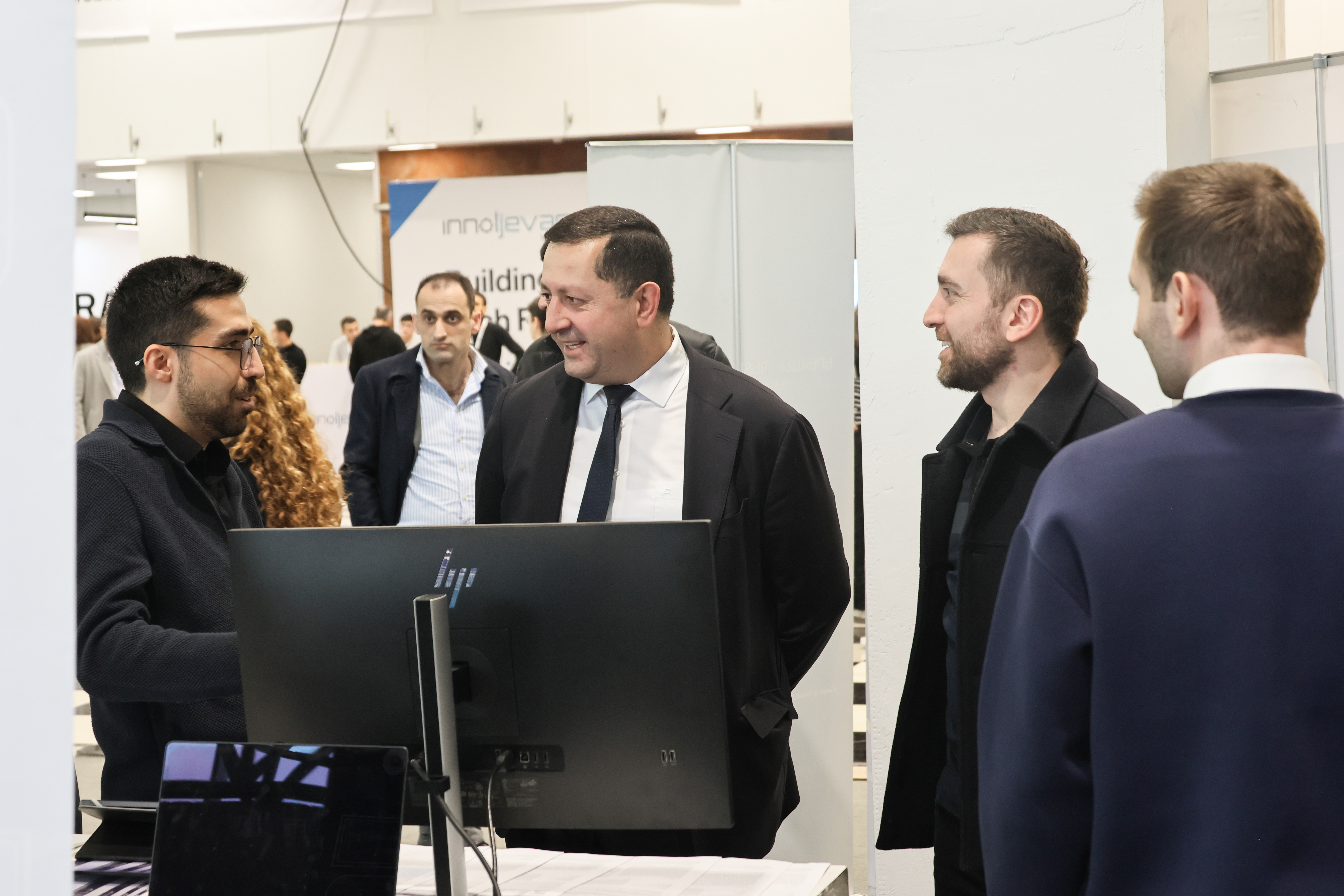
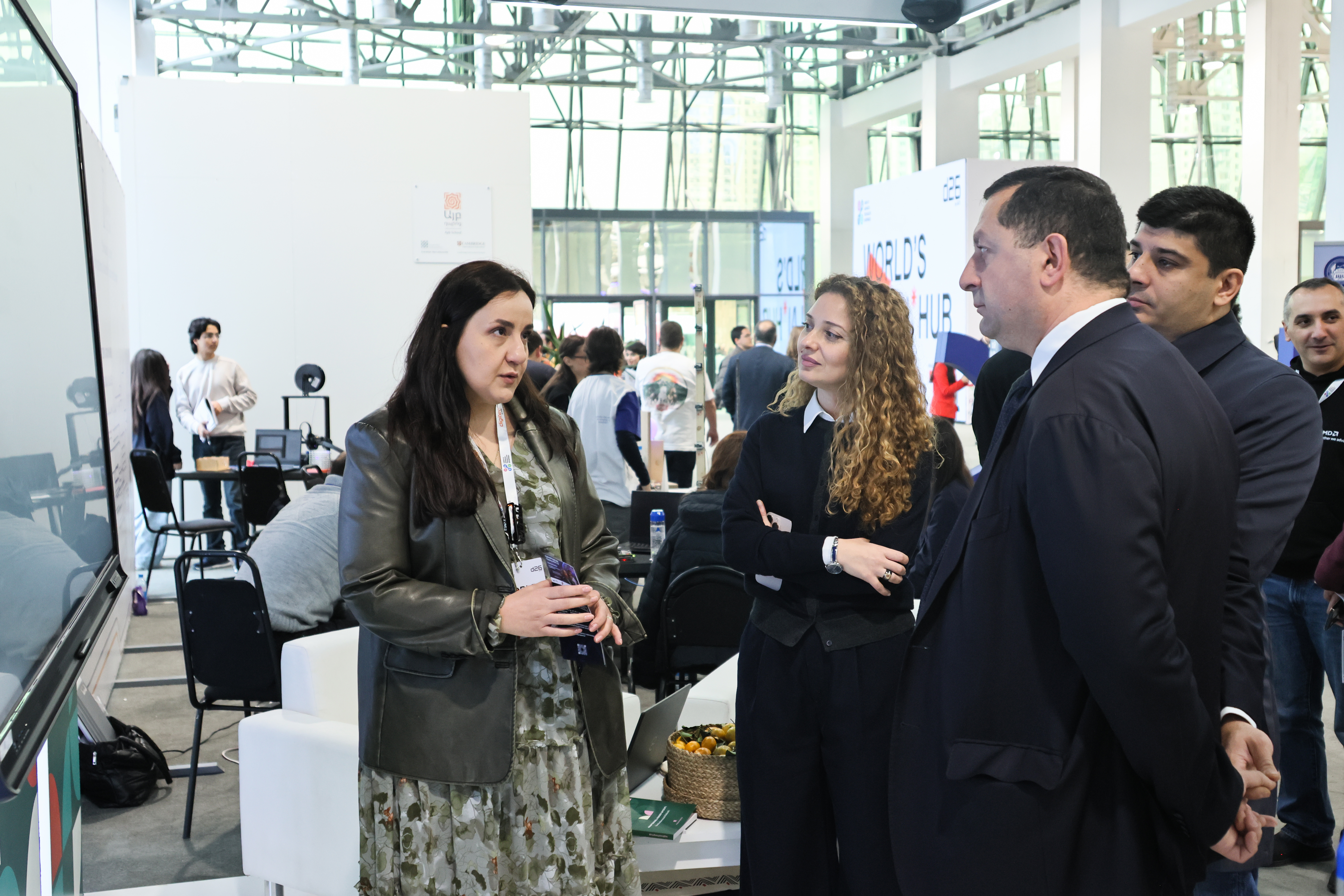
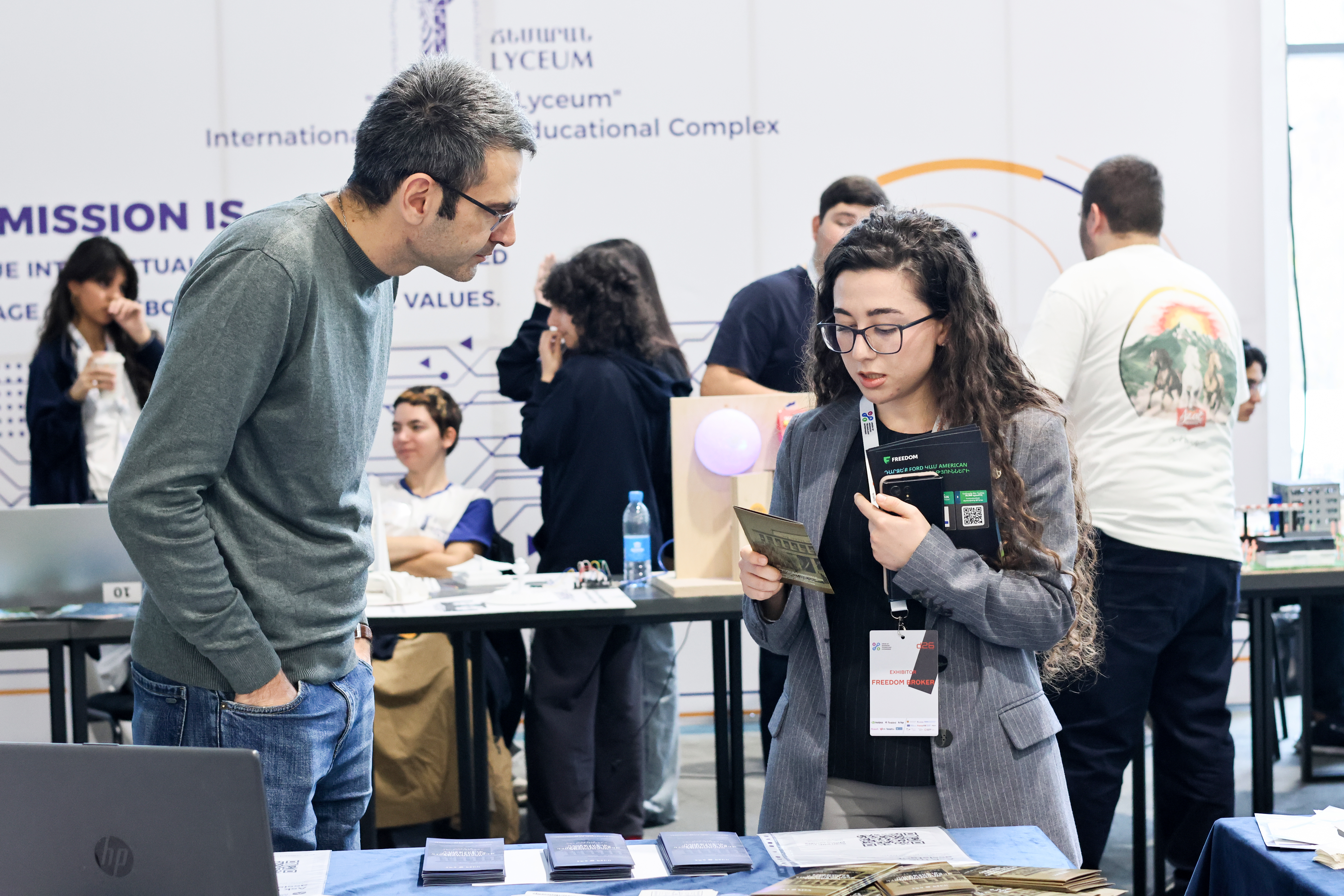
YSU Rector Hovhannes Hovhannisyan and Vice-Rectors Mikayel Hovhannisyan, Elina Asriyan and Rafayel Barkhudaryan also visited the university's booth during the exhibition. They explored the projects on display and spoke with members of the research teams.
The three-day exhibition gave YSU teams an opportunity to showcase their innovations, gather feedback from visitors and discuss potential partnerships with industry representatives. Together, the projects demonstrated the different stages of transforming scientific ideas into practical applications, from computational research into new materials to equipment control, product development and business creation.