November 24, 2026 | 15:19
Science
Conferences
Research
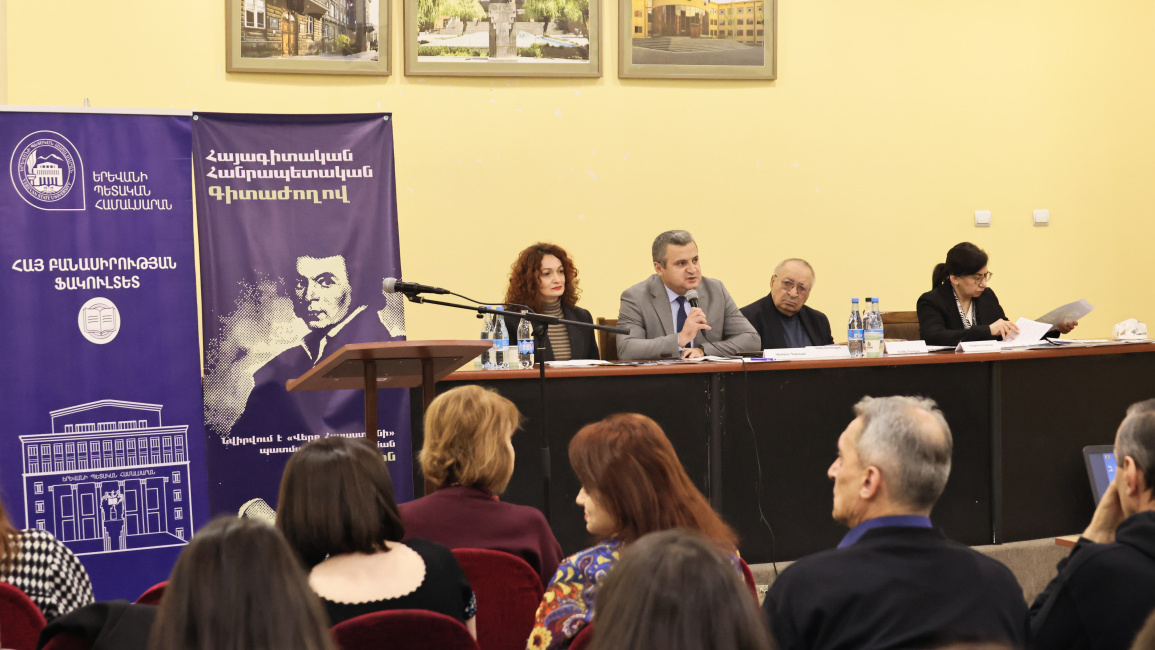
Written in 1841, "Wounds of Armenia" is one of the seminal works in the development of modern Armenian literature. Abovyan not only charted a new course for the development of the Armenian literary language but also raised fundamental questions of national consciousness, historical memory, freedom and enlightenment. The novel's linguistic, ideological and artistic features remain central to the study of Abovyan's works.
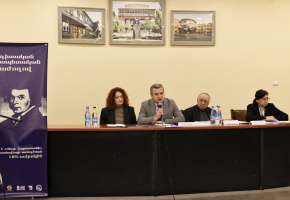
The conference presentations explore a central question: How relevant is Abovyan's masterpiece, "Wounds of Armenia: Lamentation of a Patriot," nearly two centuries later?
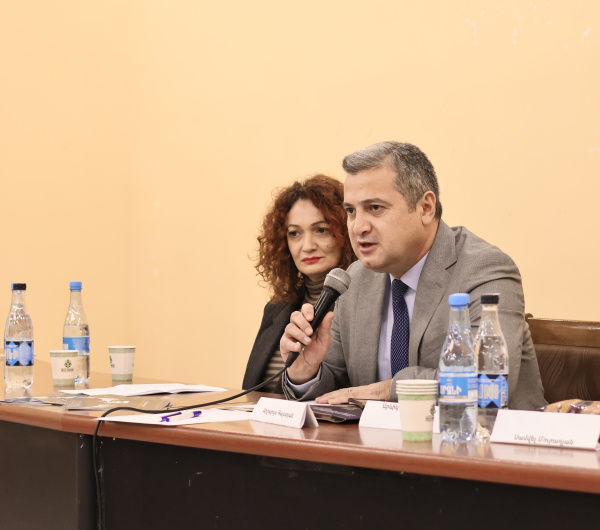
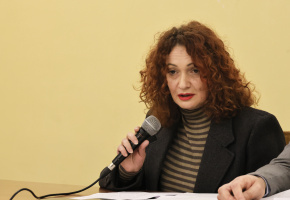
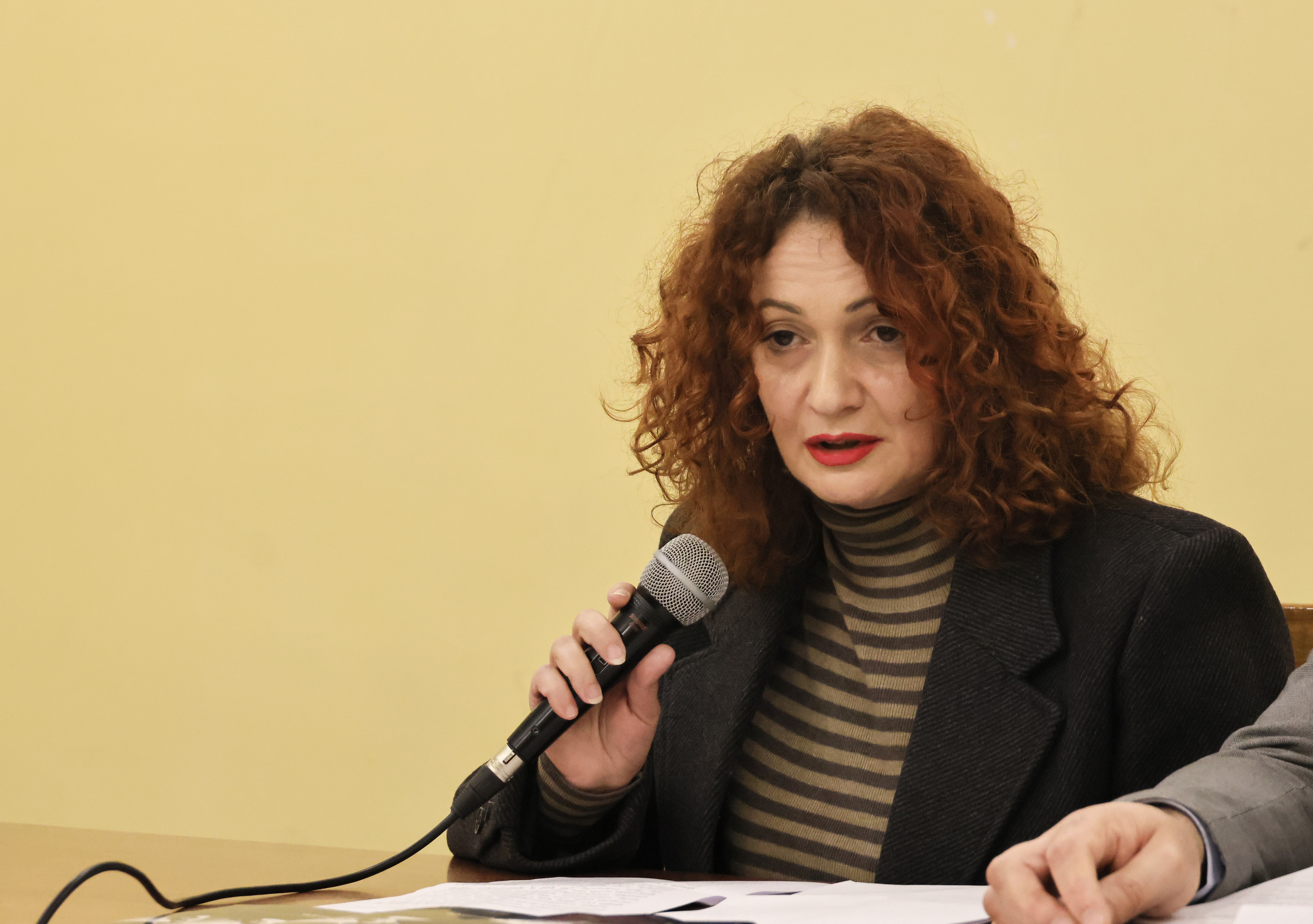
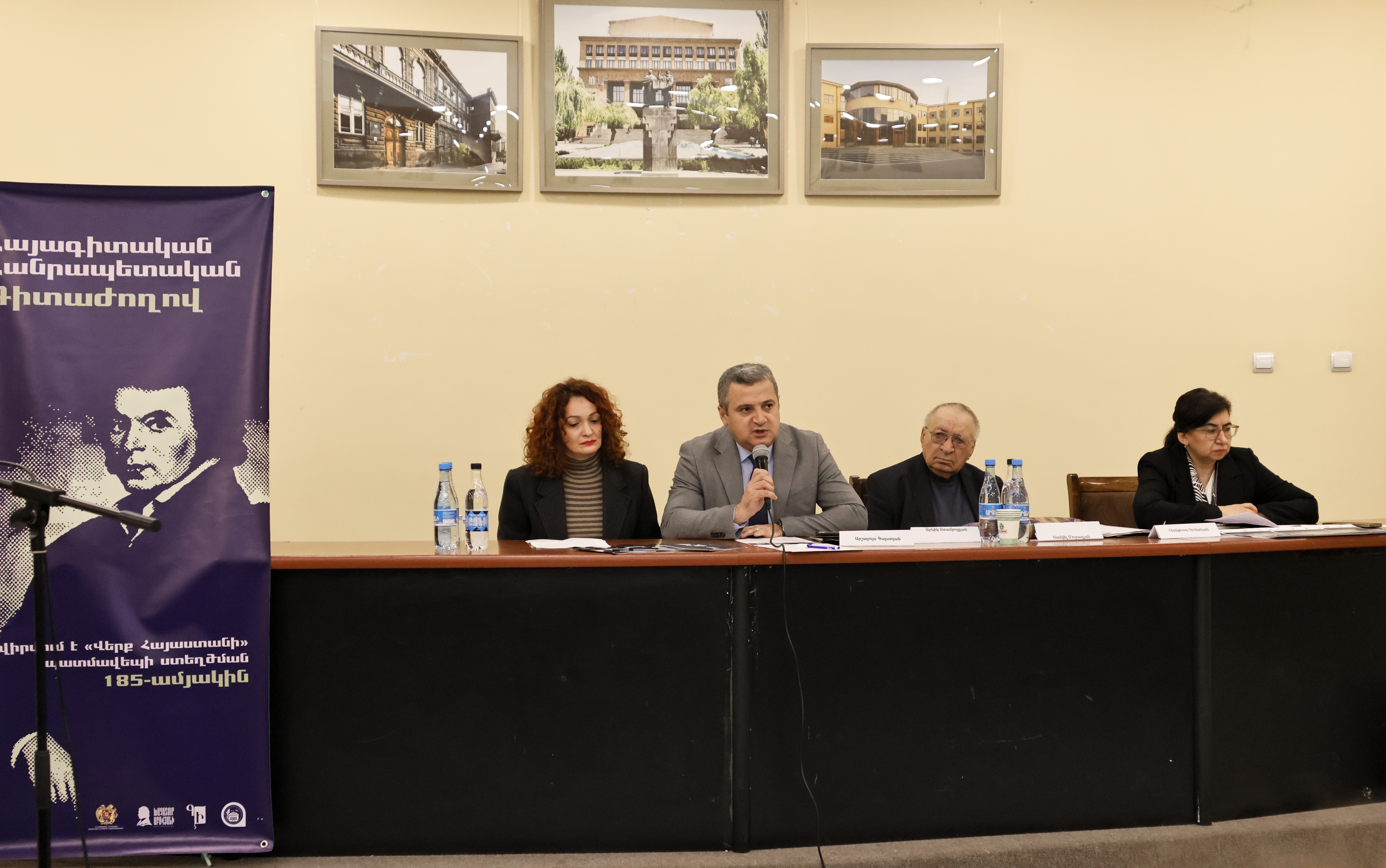
"I believe that even after 185 years, Abovyan's 'Wounds of Armenia,' or 'Lamentation of a Patriot,' remains relevant. It is partly because we have preserved Abovyan's teachings that the Armenian people continue their struggle," said Arshaluys Galstyan, Dean of the Faculty of Armenian Philology, in his opening remarks.
Highlighting the importance of the event, Arevik Stamboltsyan, Director of the Khachatur Abovyan House-Museum, reflected on the great Enlightenment figure's literary work.
"Abovyan's greatness and achievements in advancing enlightenment, culture, national consciousness and the preservation of the Armenian nation in the modern era are immeasurable. One of the greatest manifestations of these achievements is his historical novel 'Wounds of Armenia.' Having weathered the ideological currents of successive historical periods over nearly two centuries, the novel has lost none of its literary or scholarly potential and continues to generate interest," she noted.
In "Wounds of Armenia," historical events serve not only as the foundation of the literary narrative but also as a means of understanding national identity. Through individual destinies, Abovyan conveys the collective experience of the Armenian people, exploring the historical past in relation to the present and the future.
From this perspective, the novel is of scholarly interest not only in literary studies but also in historical research, cultural studies and the study of national identity.
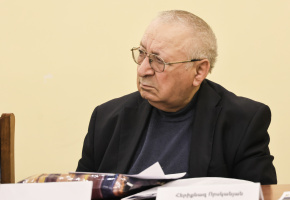
Samvel Muradyan, Doctor of Philological Sciences and Professor, delivered the opening presentation, titled "Abovyan and Selected Issues of Our Time."
"Abovyan is always relevant; he transcends time. No individual, no political party and no great power can keep him within its sphere of influence," Muradyan noted while examining the ideological questions raised in Abovyan's work.
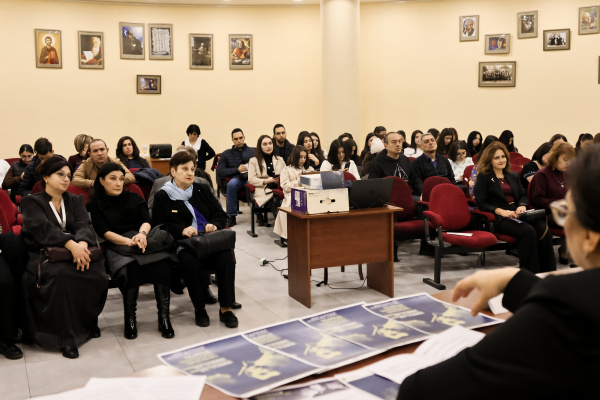
Albert Makaryan, Doctor of Philological Sciences and Professor, then delivered a presentation titled "'Wounds of Armenia' as a Novel of Unique Structure." Examining the novel through the lens of contemporary literary theories, he interpreted its apparent fragmentation as a deliberate artistic choice that brings together the author's voice, elements of folklore and the collective voice of the people.
Makaryan emphasized that the novel's themes of national liberation and historical tragedy intertwine with ideas of affirming national dignity, Enlightenment humanism, and peaceful coexistence among peoples.
The study of Abovyan's legacy has interdisciplinary significance in contemporary Armenian studies, bringing together literary, linguistic, historical, educational and cultural research.
In this context, the conference places particular importance on 19th-century Armenian intellectual life, focusing on the interplay between European Enlightenment ideas, regional historical and political developments, and the transformation of Armenian society.
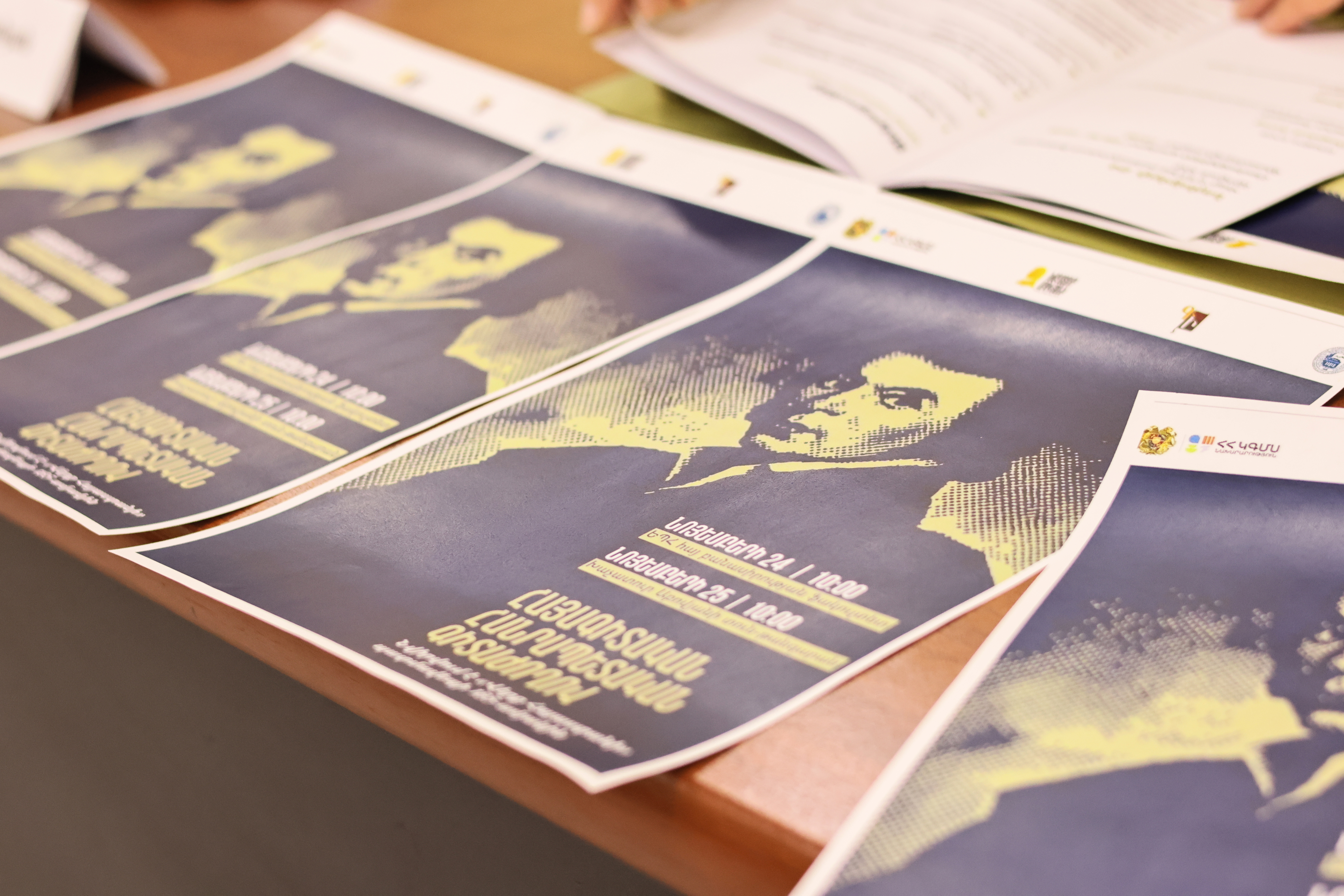
The conference will continue on November 25 at the Khachatur Abovyan House-Museum, featuring presentations on the writer's literary work, personality and various aspects of his life.
The conference papers will be published in Armenian and international peer-reviewed journals, helping bring research on Abovyan's legacy to a wider international scholarly audience.