December 08, 2025 | 13:00
Science
International cooperation
Competitions
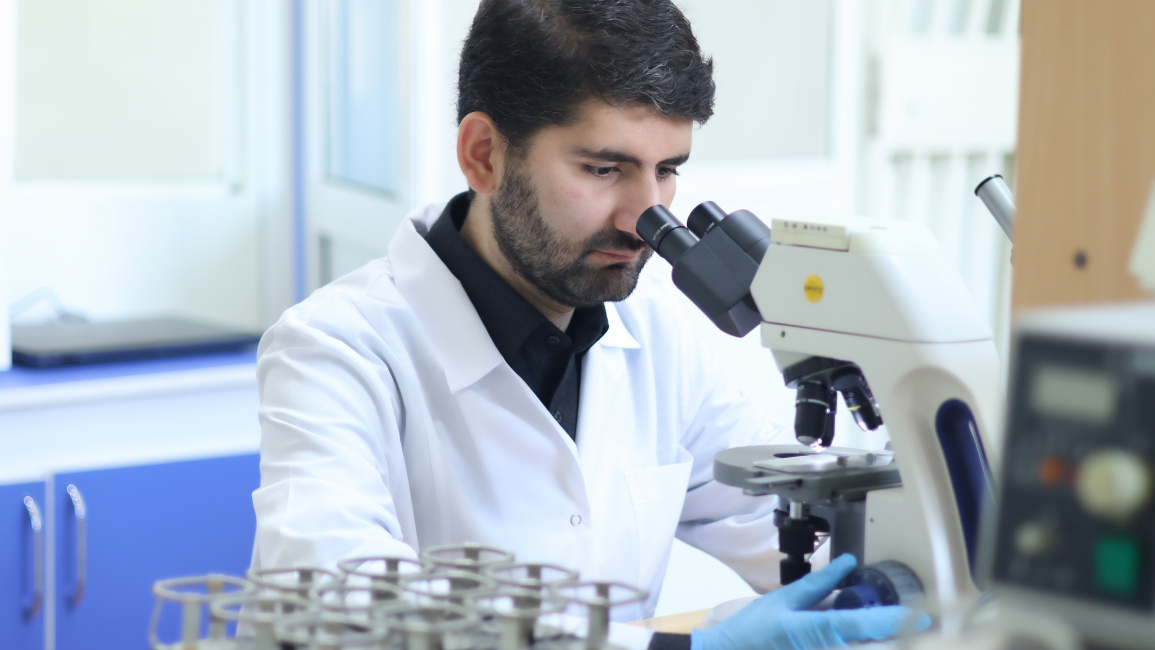
According to the YSU PhD student, aptamers are being introduced and studied in Armenia for the first time.
"An aptamer is an artificial DNA sequence that can affect the DNA of humans or animals. In other words, aptamers are synthesized artificially or chemically; they are DNA sequences not found in nature that can chemically bind to various pathogens and inhibit the activity of dangerous infectious agents," Hovhannes Igityan explained, adding that aptamers can be used as medicine.
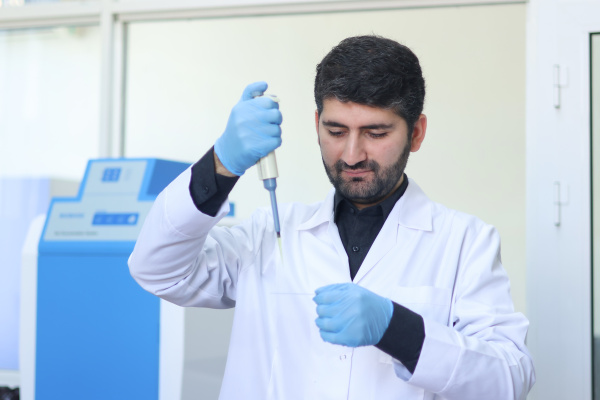
He noted that aptamers affect cells to determine whether genotoxic and cytotoxic effects occur within them.
"Cytotoxic effects halt the life of the cell, while genotoxic effects cause damage to the genome, DNA, in a cell," he stated.
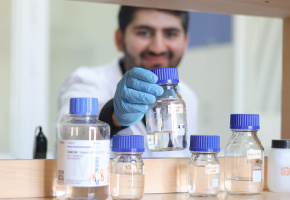
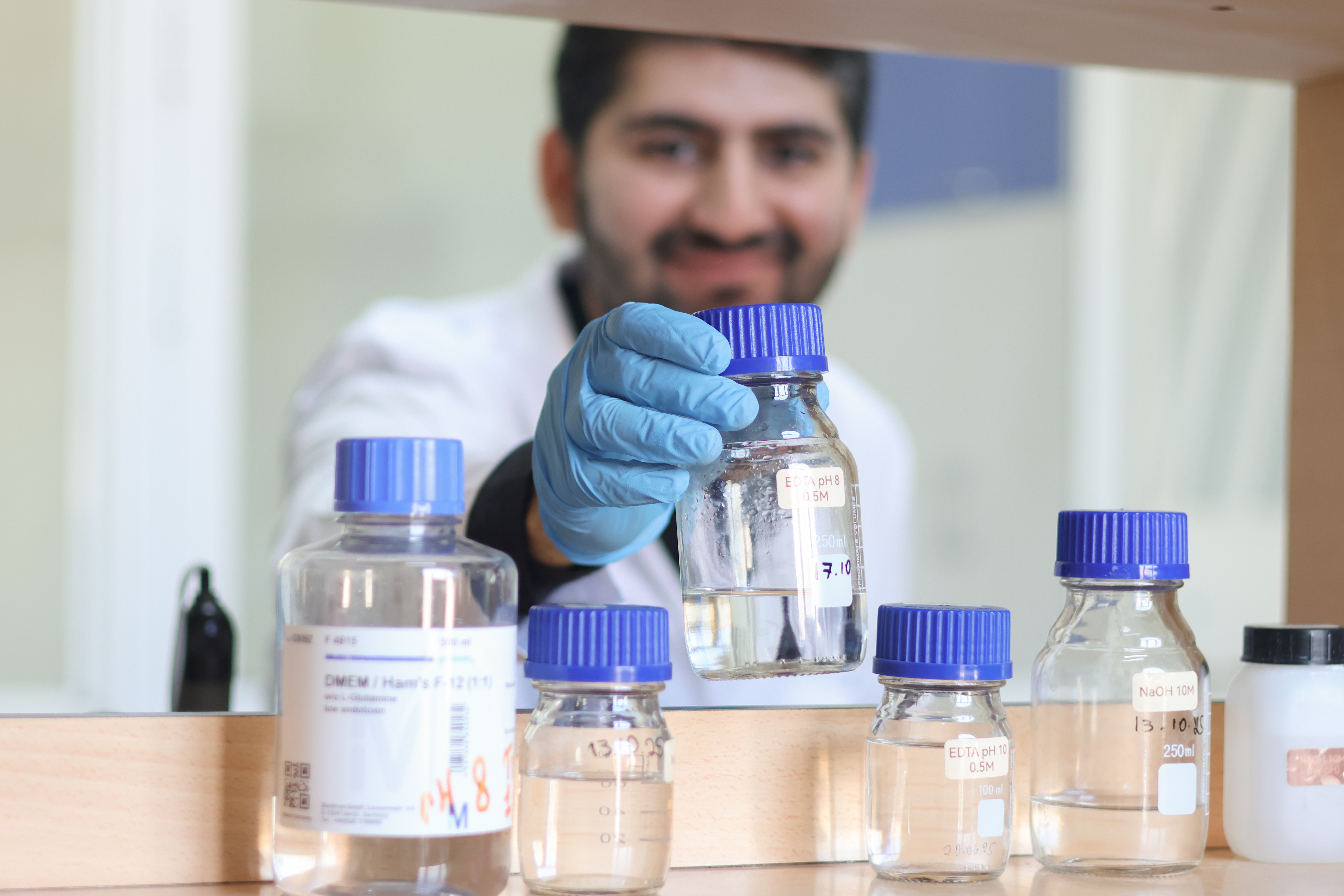
The Laboratory of General and Molecular Genetics in the Chair of Genetics and Cytology at the Research Institute of Biology is conducting research to assess the genotoxic potential of aptamers. The purpose of the study is to evaluate the safety of aptamers for the organism, specifically whether they cause harmful side effects that could increase DNA damage when bound to their target.
Cytotoxic effects are being evaluated at the Laboratory for Antiviral Drug Discovery at the Institute of Molecular Biology of the National Academy of Sciences of Armenia, where the antiviral activity of aptamers is tested.
"These aptamers inhibit the African swine fever virus by binding to the EGFR receptor. The virus normally enters the cell through this receptor, but if it is blocked by an aptamer, viral entry is prevented," Hovhannes Igityan said.
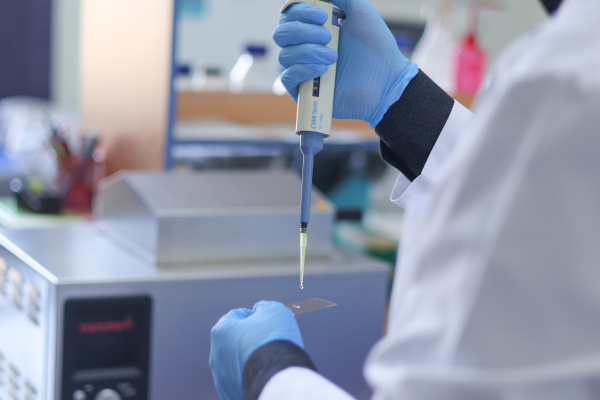
He added that by testing multiple aptamers, the goal is to identify sequences that effectively limit viral entry into cells while remaining safe for the organism, as both genotoxic and cytotoxic effects are carefully evaluated.
As part of this research, the Laboratory of General and Molecular Genetics at the Research Institute of Biology collaborates with the Institute of Molecular Biology of the National Academy of Sciences of Armenia, the Chemistry Institute of Moscow State University, and the Flerov Laboratory of Nuclear Reactions at the Joint Institute for Nuclear Research in Dubna.
Hovhannes Igityan's scientific project, titled "New Aptamers as Antiviral, Genotoxic, and Cytotoxic Potential Agents Against African Swine Fever Virus", has received funding under the "Research Assistance Program for Young Applicants and PhD Students–2025" competition announced by the RA MoESCS Higher Education and Science Committee.