December 04, 2025 | 12:28
Education
International cooperation
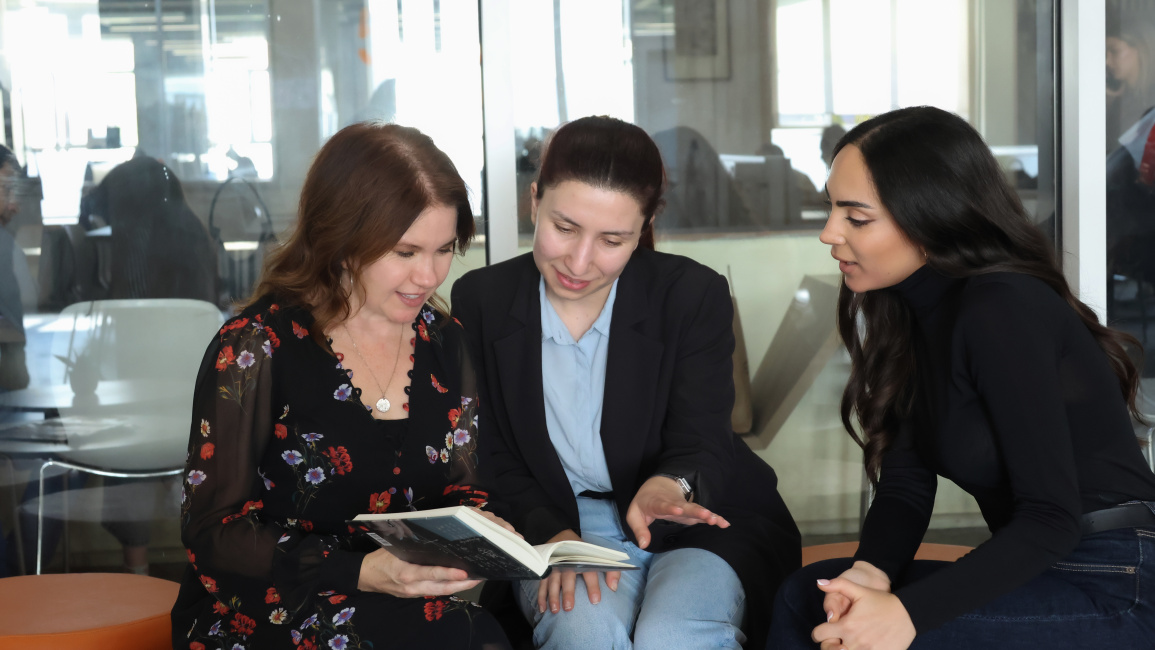
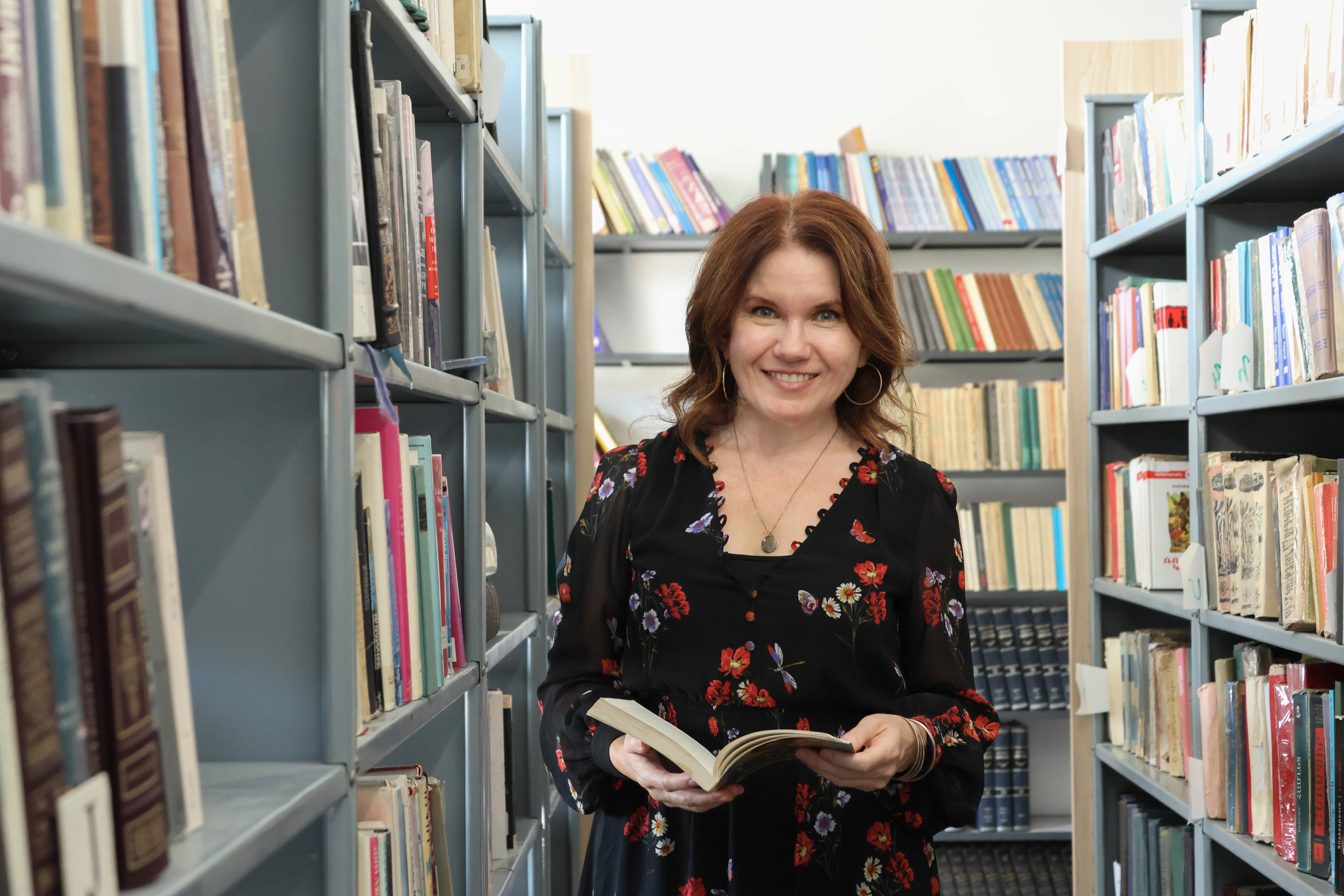
The English Language Fellow Program offers a unique opportunity for experienced specialists in Teaching English to Speakers of Other Languages (TESOL) to contribute to meaningful and sustainable advancements in English language education abroad. The program is sponsored by the Bureau of Educational and Cultural Affairs of the U.S. Department of State and funded by the U.S. government. Through projects developed by U.S. embassies in more than 80 countries, fellows collaborate directly with local teachers, students, and education professionals to improve the quality of English instruction at prestigious universities and various educational institutions.
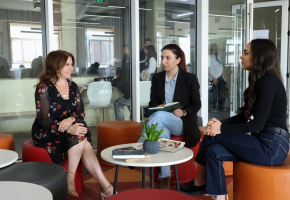
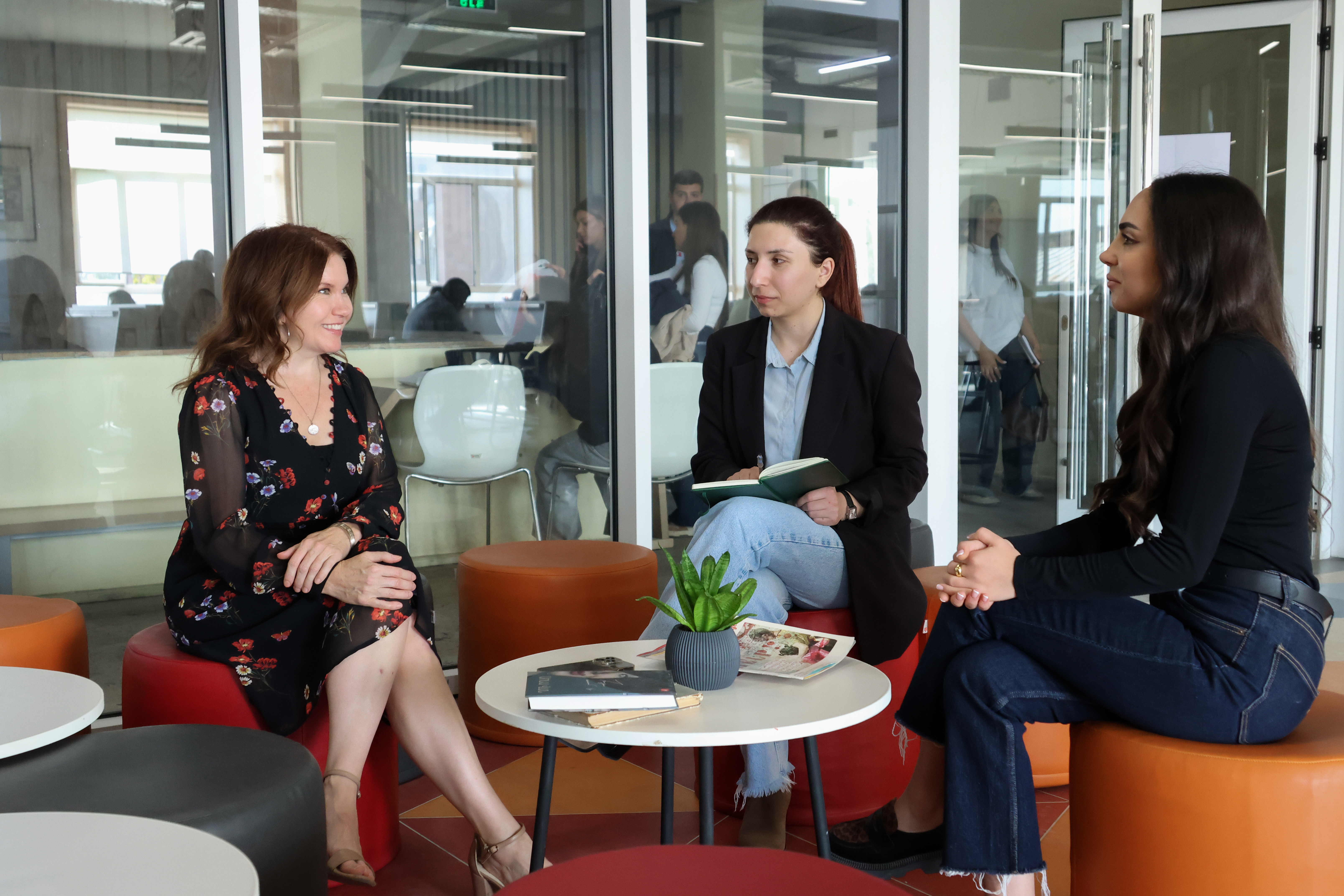
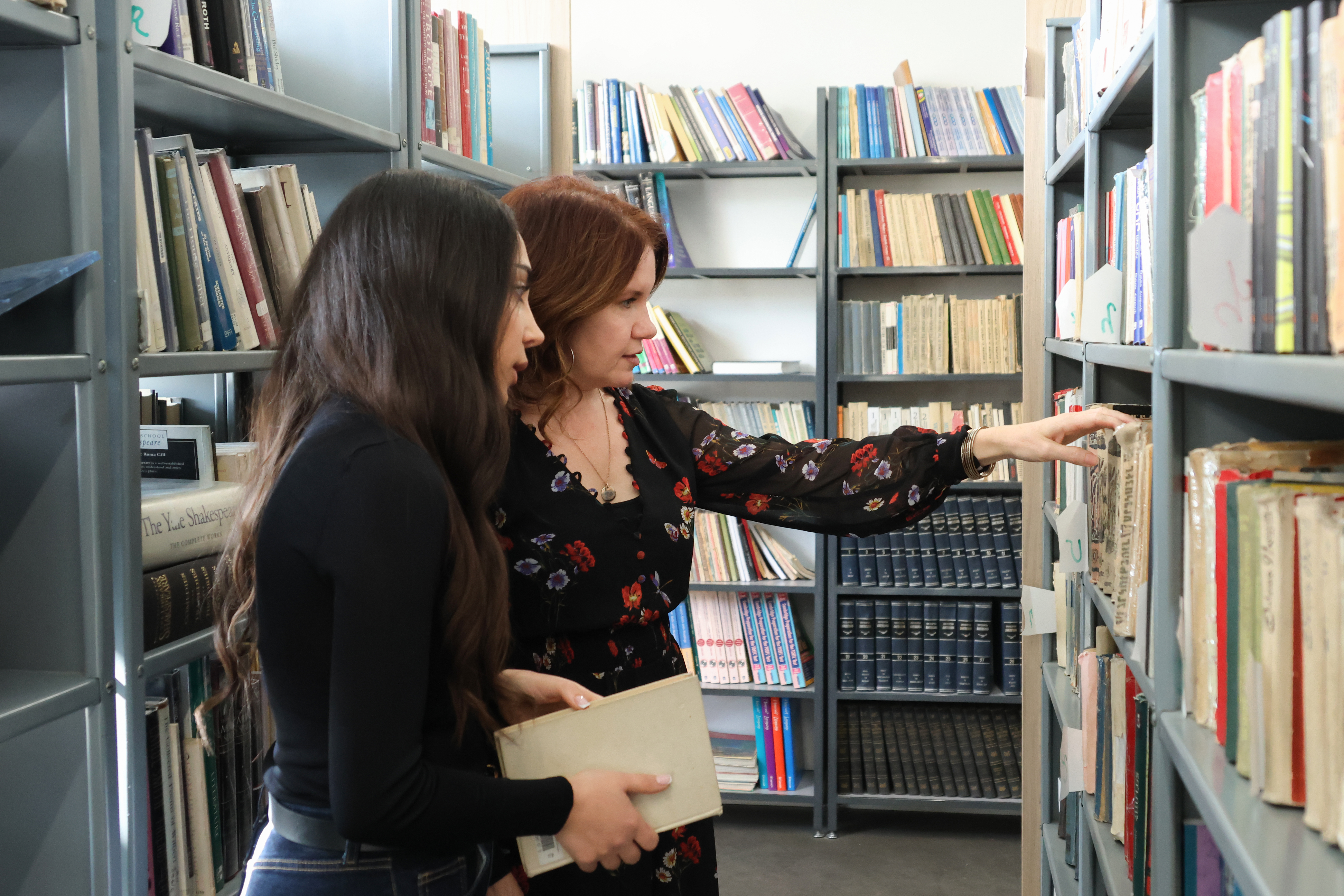
We spoke with Kiri Manookin about the courses she conducted at the university, her impressions of Armenia, and several other interesting topics.
– How did it come about that you came to Armenia to teach and conduct research?
– Actually, I did not choose Armenia myself. I was working within a project called the English Language Program, sponsored by the U.S. Department of State. Initially, I had been assigned to Kathmandu, Nepal. However, while I was there, the pandemic began, and we were evacuated, and the program's activities were suspended. When the work resumed, I expected to return to Nepal, but instead I was offered the opportunity to come to Armenia. I gladly accepted, as it was a wonderful chance to work in such a fascinating and beautiful country.
– Are you happy to be in Armenia now?
– Absolutely. My experience in Armenia has been an emotional journey—full of highs and lows. Everything here is different—the culture, the people. Although I have traveled to many parts of the world, I faced challenges in Armenia that I had never encountered before.
– What were your first impressions of Armenia?
– One of my first impressions of YSU students was that most of them are girls—very beautiful and neatly dressed. I remember thinking that I, too, needed to elevate my appearance. I also noticed differences in people's mindsets and worldviews. One thing is certain—everything here is truly different.
What impressed me most was how safe Yerevan is. I often tell my fellow citizens about the city's safety, even for children. People in this country are very attentive and caring toward children.
– What do you like most about Armenian culture or daily life?
– I love the warmth and sincerity that Armenians possess—their hospitality and their attentiveness. It is really beautiful.
– What is your favorite place in Armenia?
– I am a nature lover, so I appreciate Yerevan's green spaces. But I especially enjoy the city center. It is a unique blend of European and Soviet architectural styles—vibrant, full of music and events. Although the noise and traffic can sometimes be tiring, I love simply wandering the streets of Yerevan.
– Have you traveled outside Yerevan?
– Yes, I visited Dilijan. It is a beautiful town and reminds me of home. Although I did not stay overnight, I was able to enjoy its magnificent nature.
– In your view, should teachers possess psychological skills?
– Definitely. Teaching is not merely the transmission of knowledge; it also involves supporting the development of a student's emotional intelligence. When a student's inner world is at peace, they not only learn better but also grow as individuals. True education helps a person evolve from within, learning how to manage their thoughts and emotions.
– What advice would you give to foreign teachers intending to teach in Armenia?
– First, I would advise familiarizing themselves with the specific characteristics of the post-Soviet environment. It presents a completely different mindset—sometimes challenging, but also fascinating.
Second, they should be open to going through difficulties. Students here are inquisitive. When introducing new concepts, their initial reactions may seem unusual, but they quickly adapt and become receptive.
Third, maintain a warm yet professional approach in working with students. This makes all the difference. When students feel heard, respected, and trusted, they truly "open up".
– Which Armenian dish have you enjoyed the most?
– The simplest one—scrambled eggs with tomatoes. I love it, especially with fresh bread. I also really like khashlama—it is delicious, even in its simplest version.
– And now I have a question: what did my courses give you, my students?
– We were particularly impressed by the meditation sessions, which helped us focus and manage stress. You also taught us to enjoy the process in everything we do. During your classes, we felt that we were on the right path. We aimed not only to gain knowledge but also to grow personally—to learn independently, think critically, and develop our analytical skills.