April 02, 2026 | 17:30
International cooperation
Events
Culture
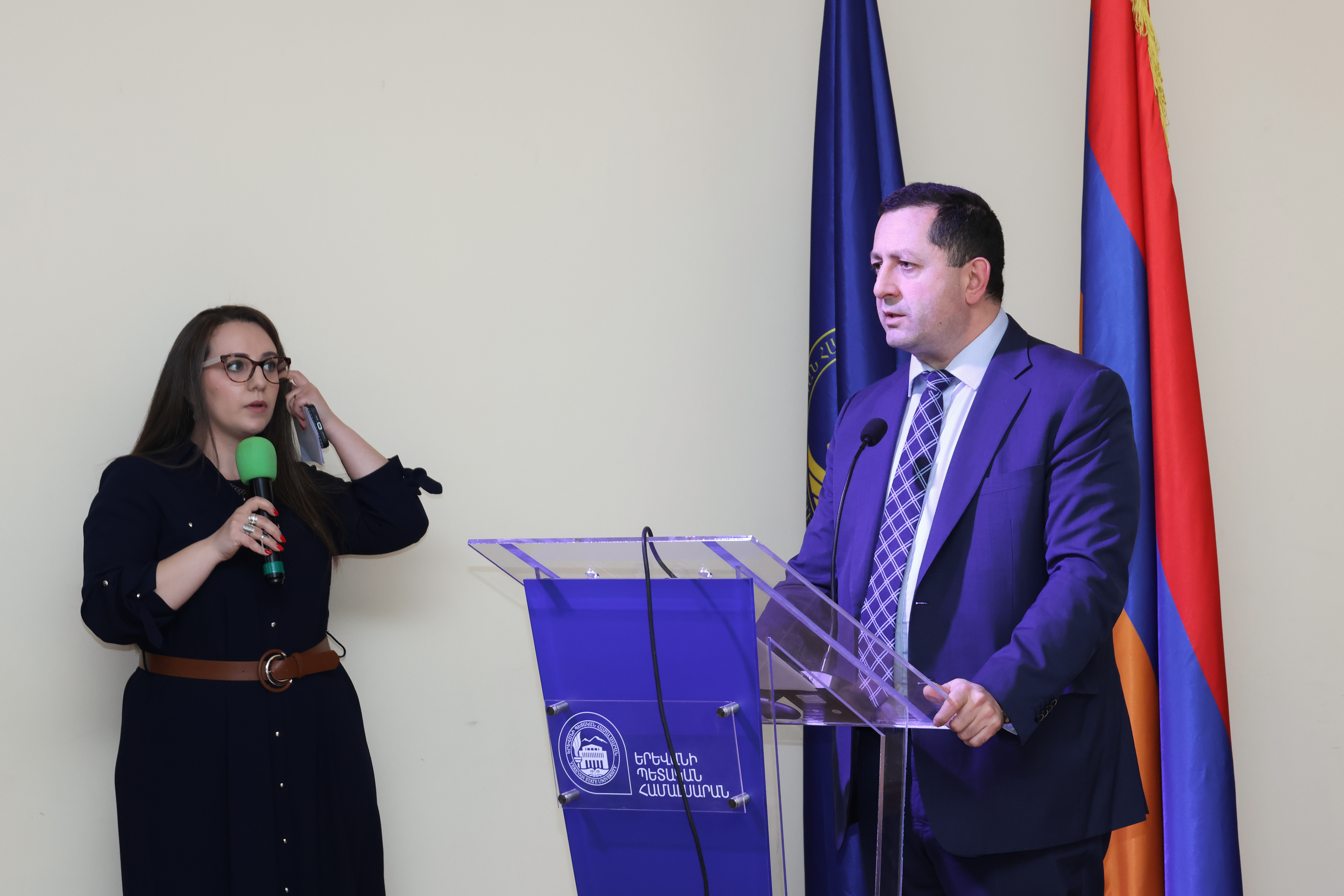
During the event, the significance of strengthening connections with the diaspora, including within the academic environment, was emphasized. At Yerevan State University, diaspora studies are represented both through numerous scholarly research projects and publications, as well as educational programs.
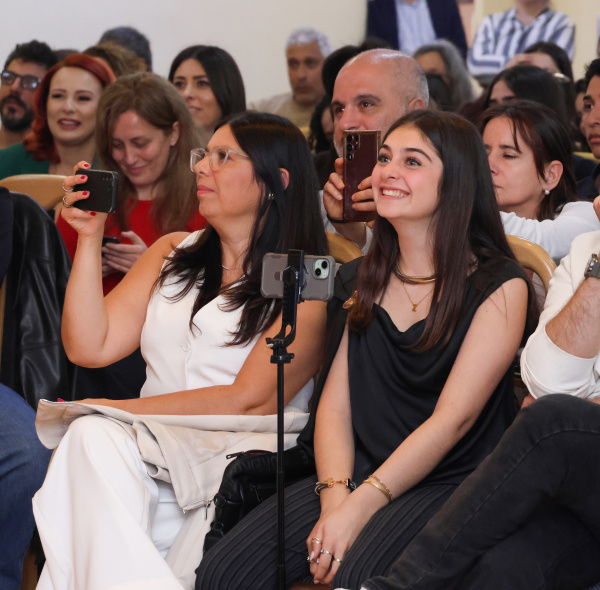
Specifically, the university offers the "Diaspora Studies" and "Genocide Studies" master's programs, while the Faculty of Armenian Philology provides instruction in Western Armenian, contributing to the continuity of language and culture.
It was also noted that, for the third consecutive year, the university has collaborated with a diaspora Armenian organization based in California, and YSU remains open to new international partnerships, particularly within the framework of diaspora Armenian educational and cultural initiatives.
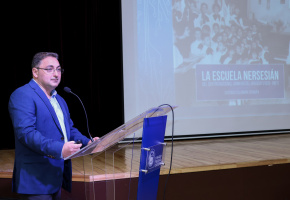
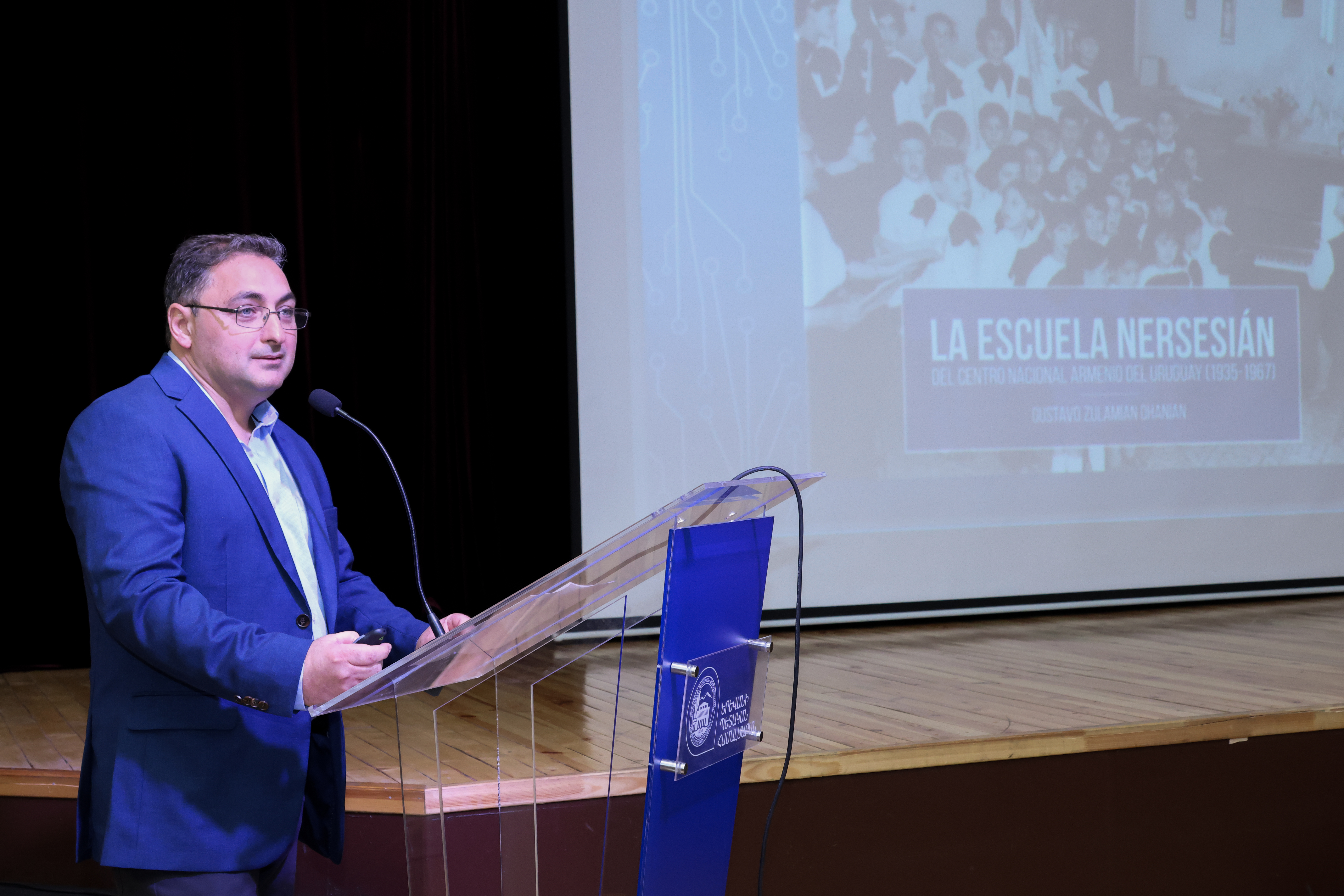
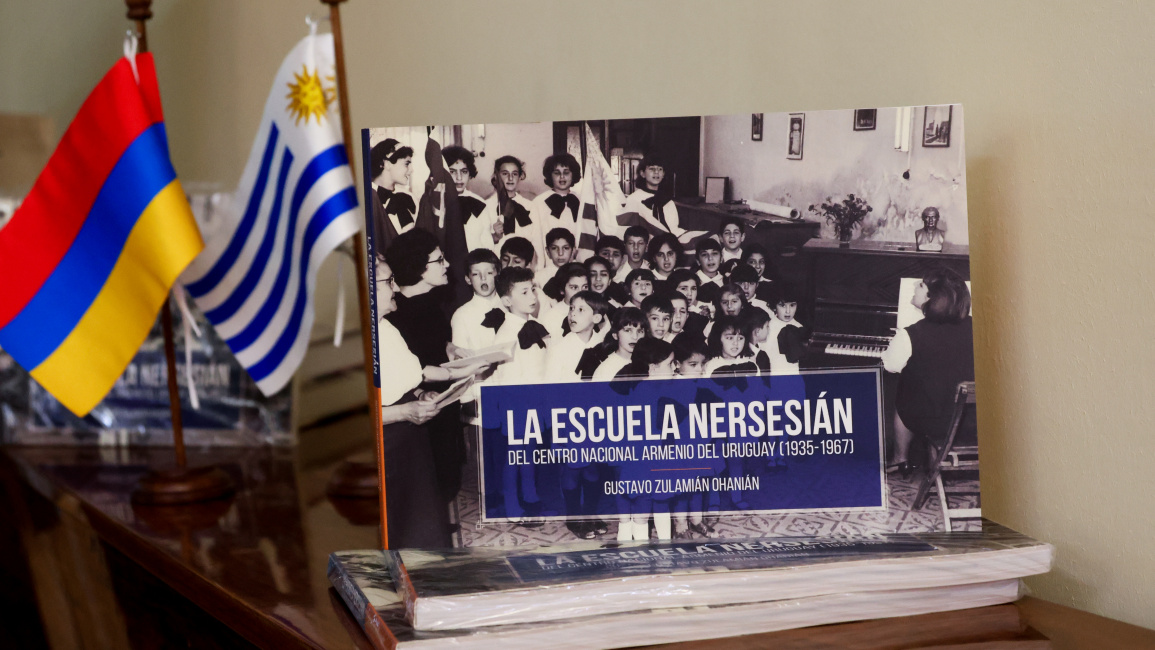
In his address, the author presented the history of the Nersisian School as an example of one of the key educational centers that preserved the identity of the Armenian community in Uruguay. He emphasized that the school held a unique position within the local Armenian educational system, shaping generations that maintained their language, culture, and national memory even under challenging socio-political conditions.
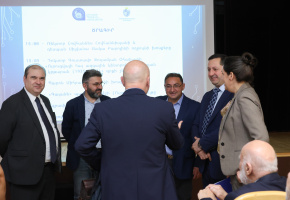
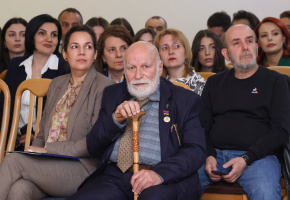
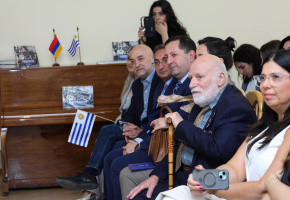
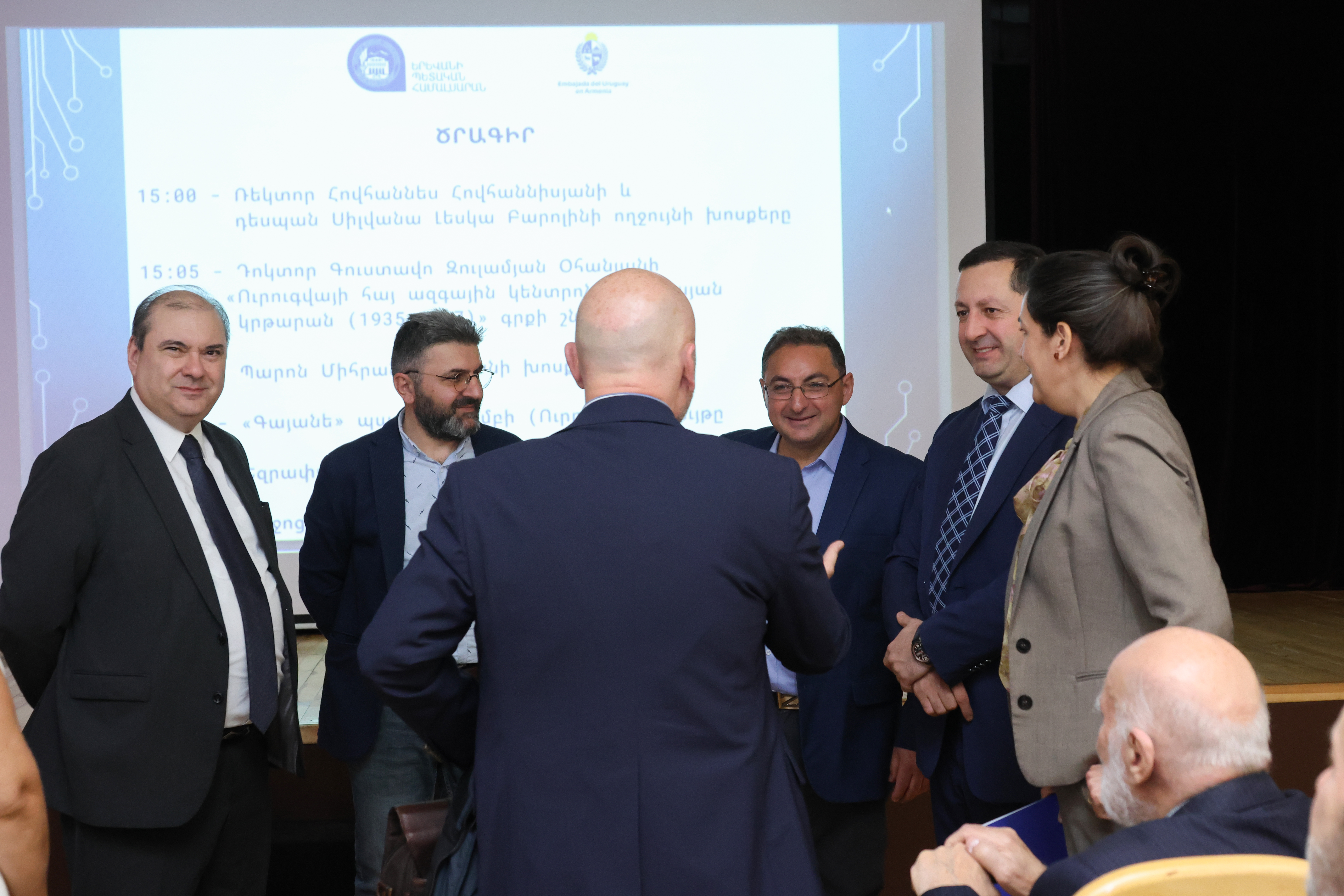
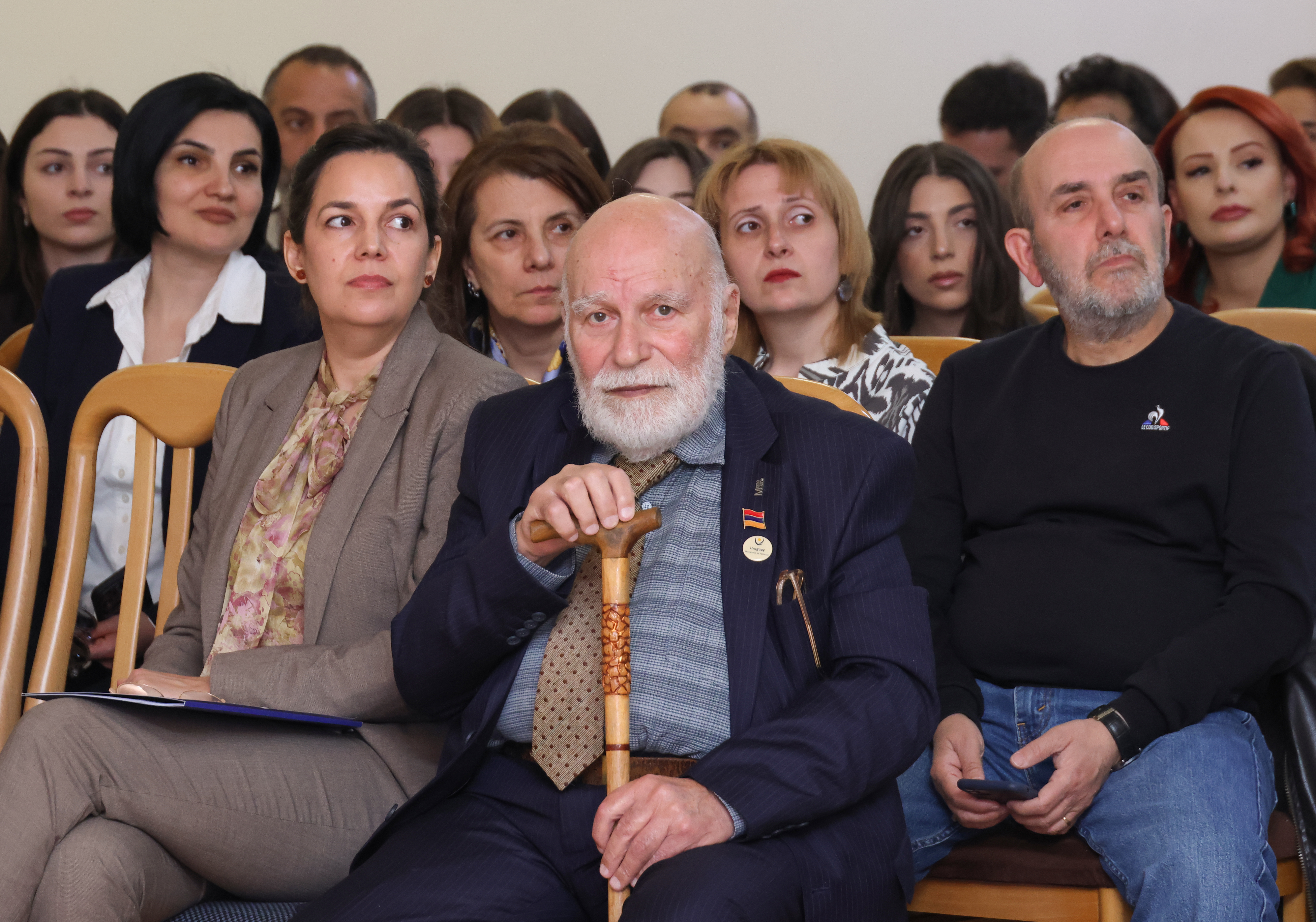
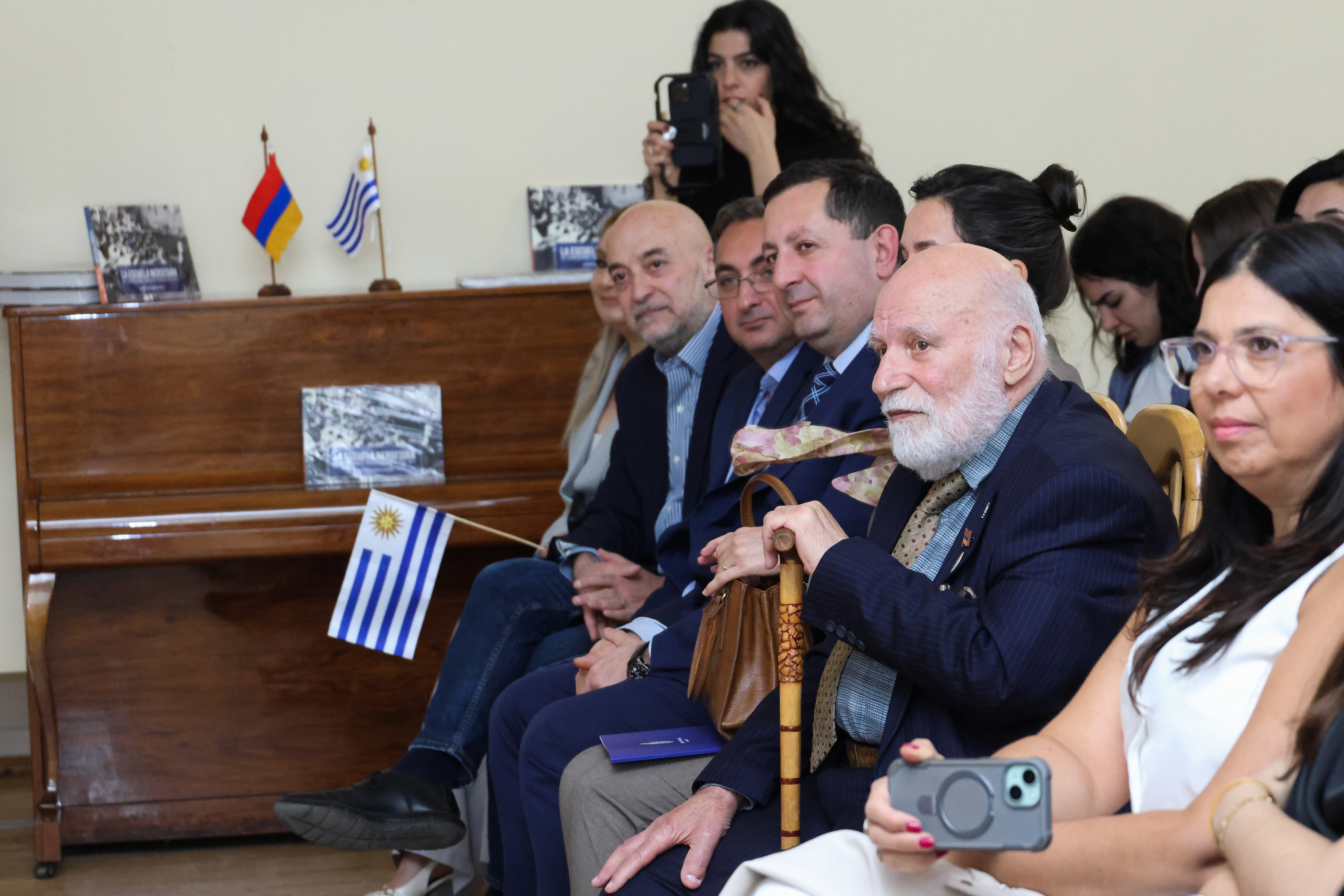
Notably, the event was attended by Mihran Taschyan, a graduate of the school from nearly 70 years ago, who was born in Uruguay and returned to Armenia through a repatriation program. His presence symbolized the living continuity of the homeland-diaspora connection.
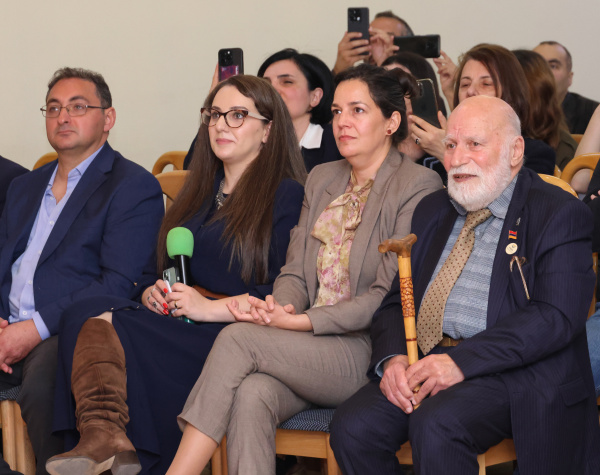
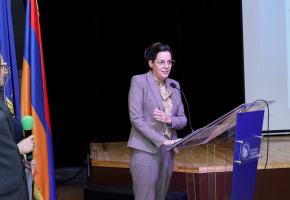
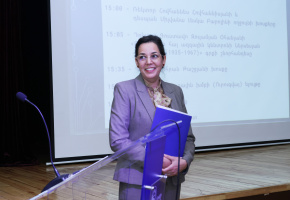
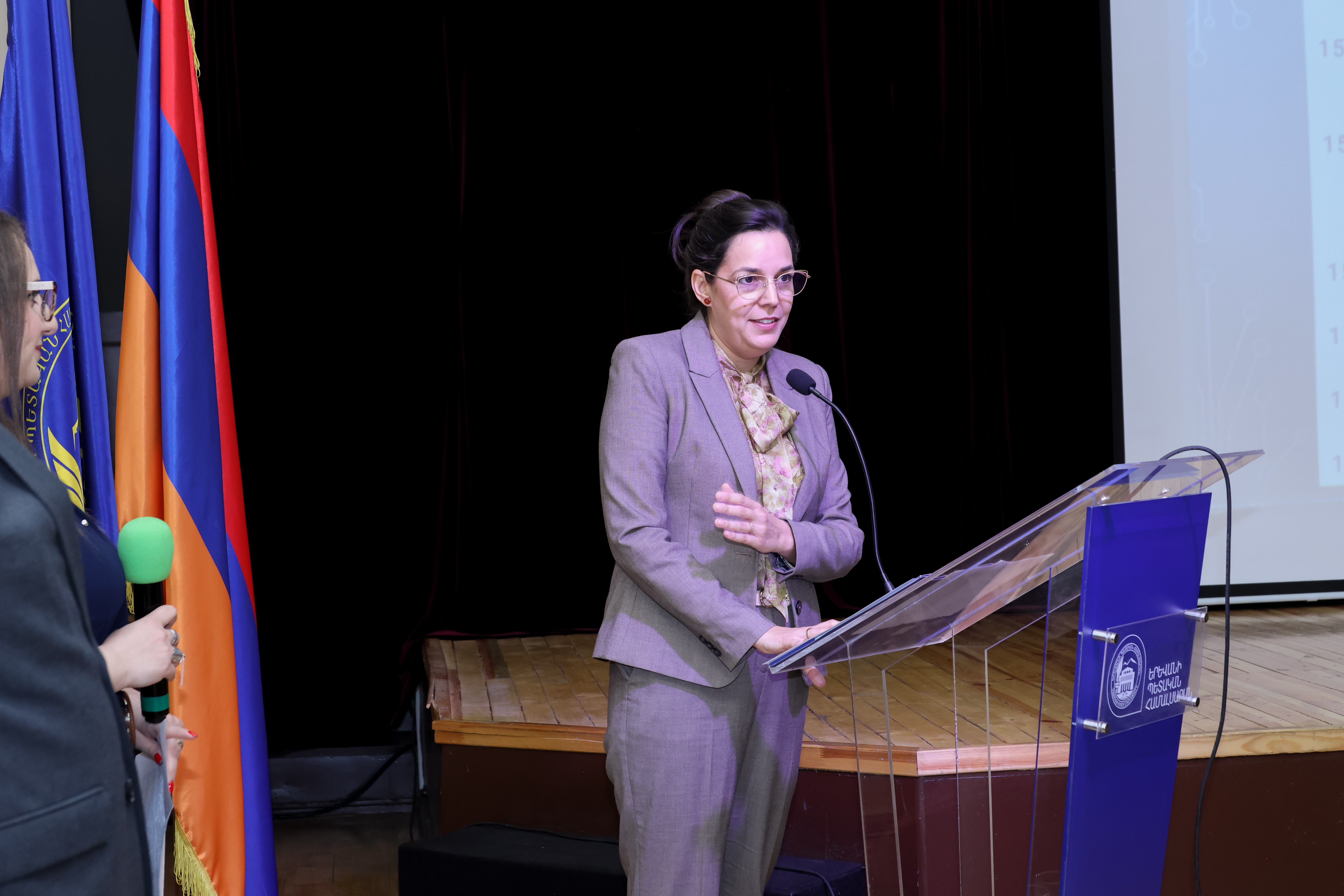
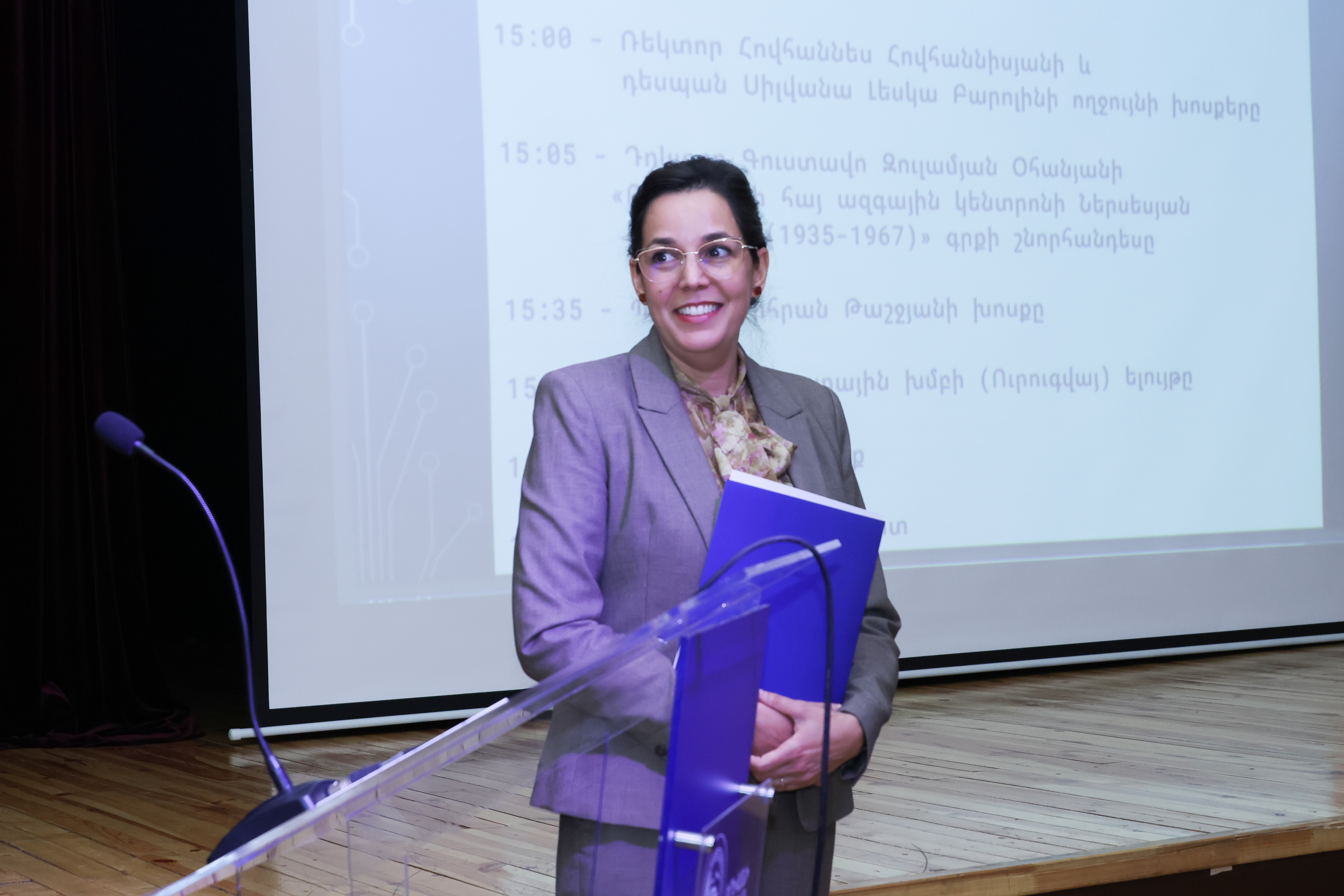
Uruguayan Ambassador Silvana Lesca Barolin stressed that since the establishment of the embassy, this was the first time so many members of the Uruguayan-Armenian community had gathered for such a significant occasion, highlighting the importance of the initiative.
The author also addressed the difficulties of preserving identity in the diaspora, noting the challenges of maintaining national memory, language, and cultural ties while living far from the homeland for many years.
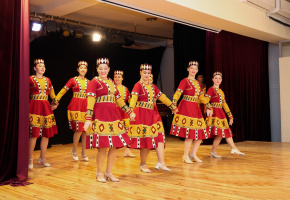
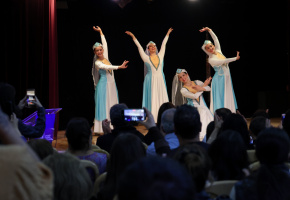
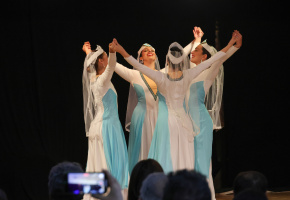
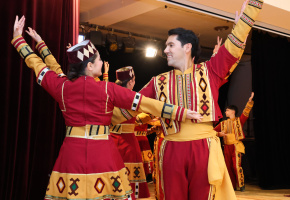
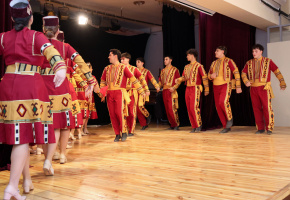
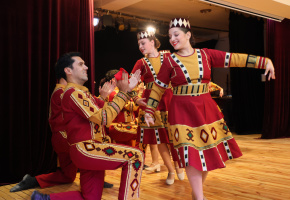
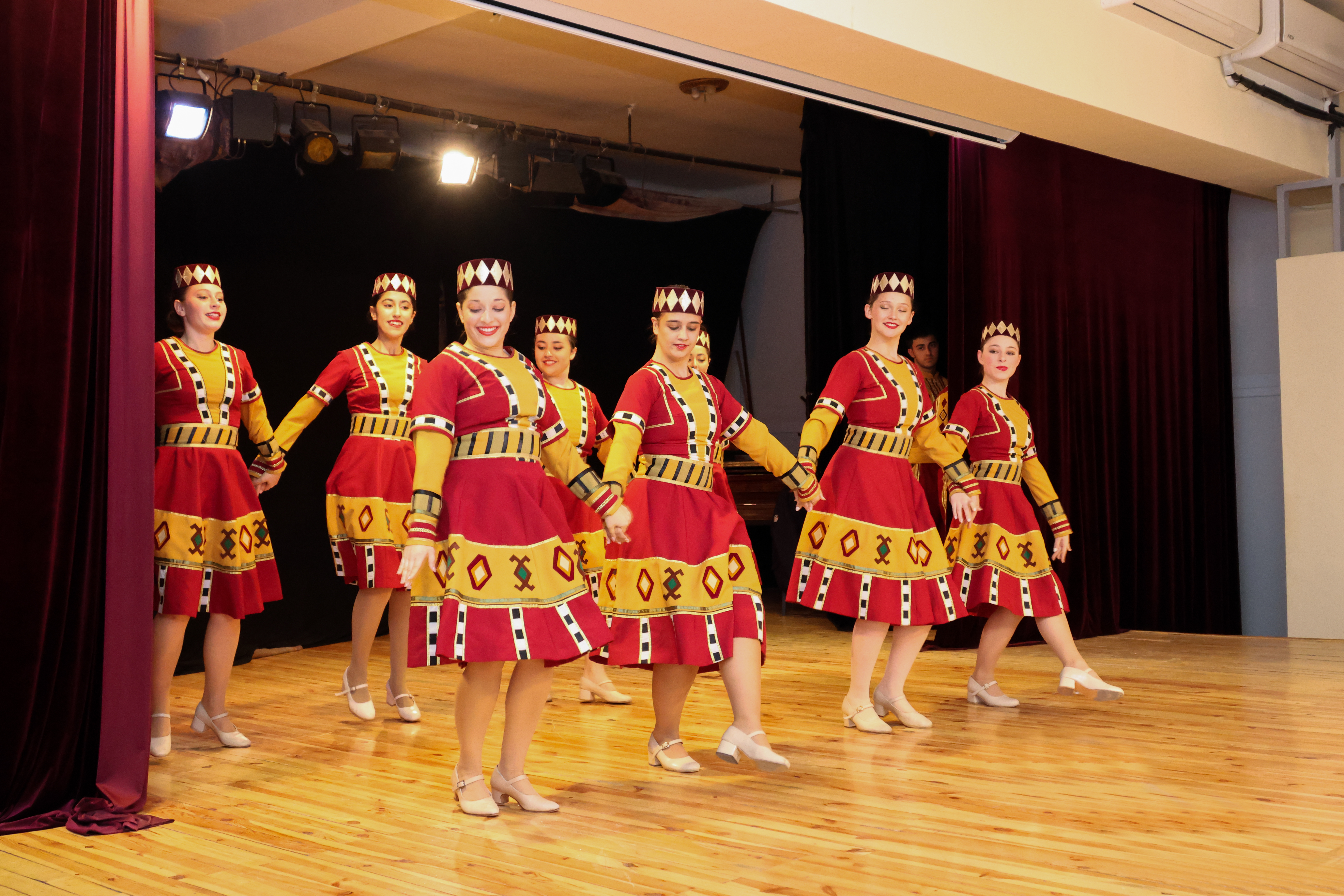
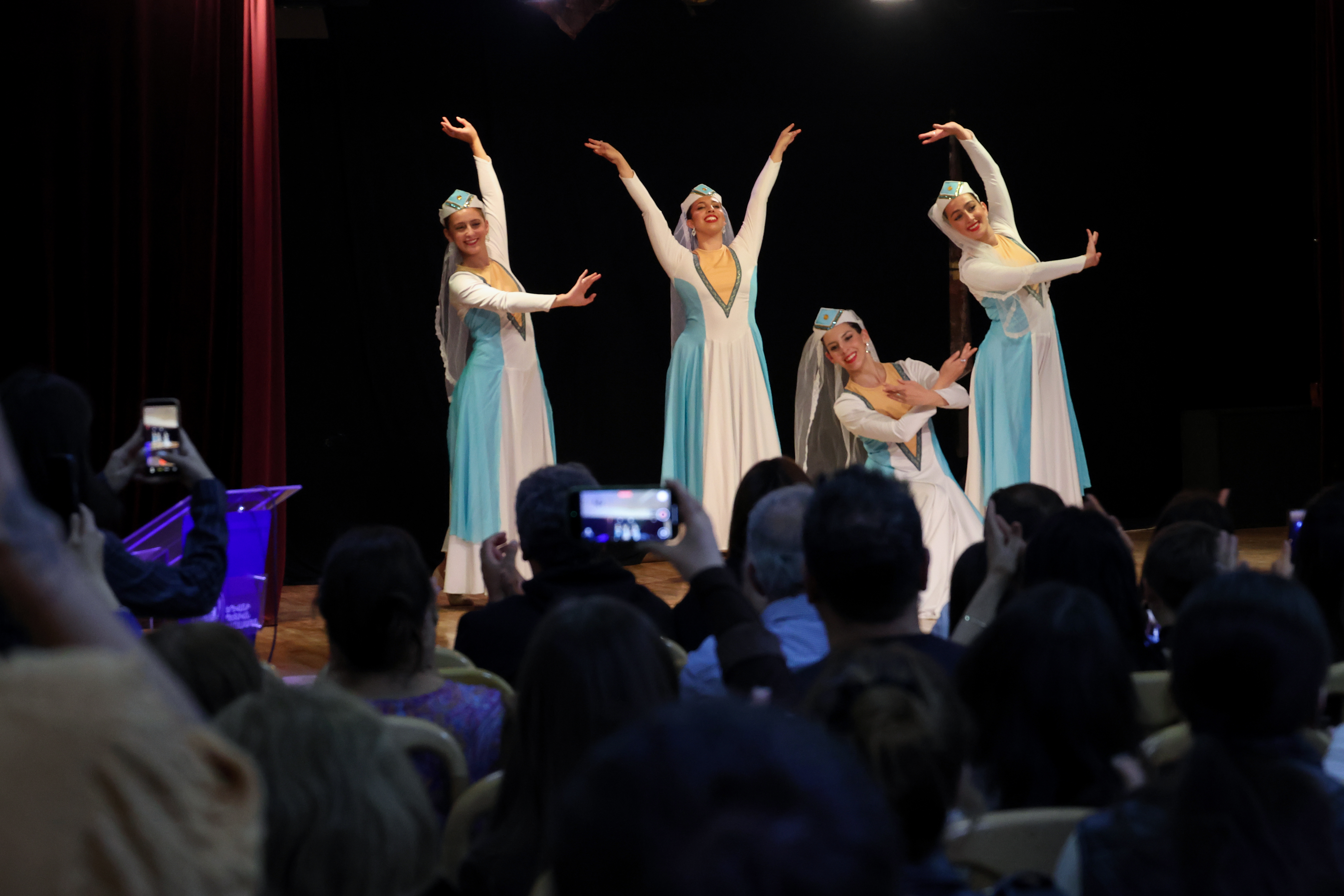
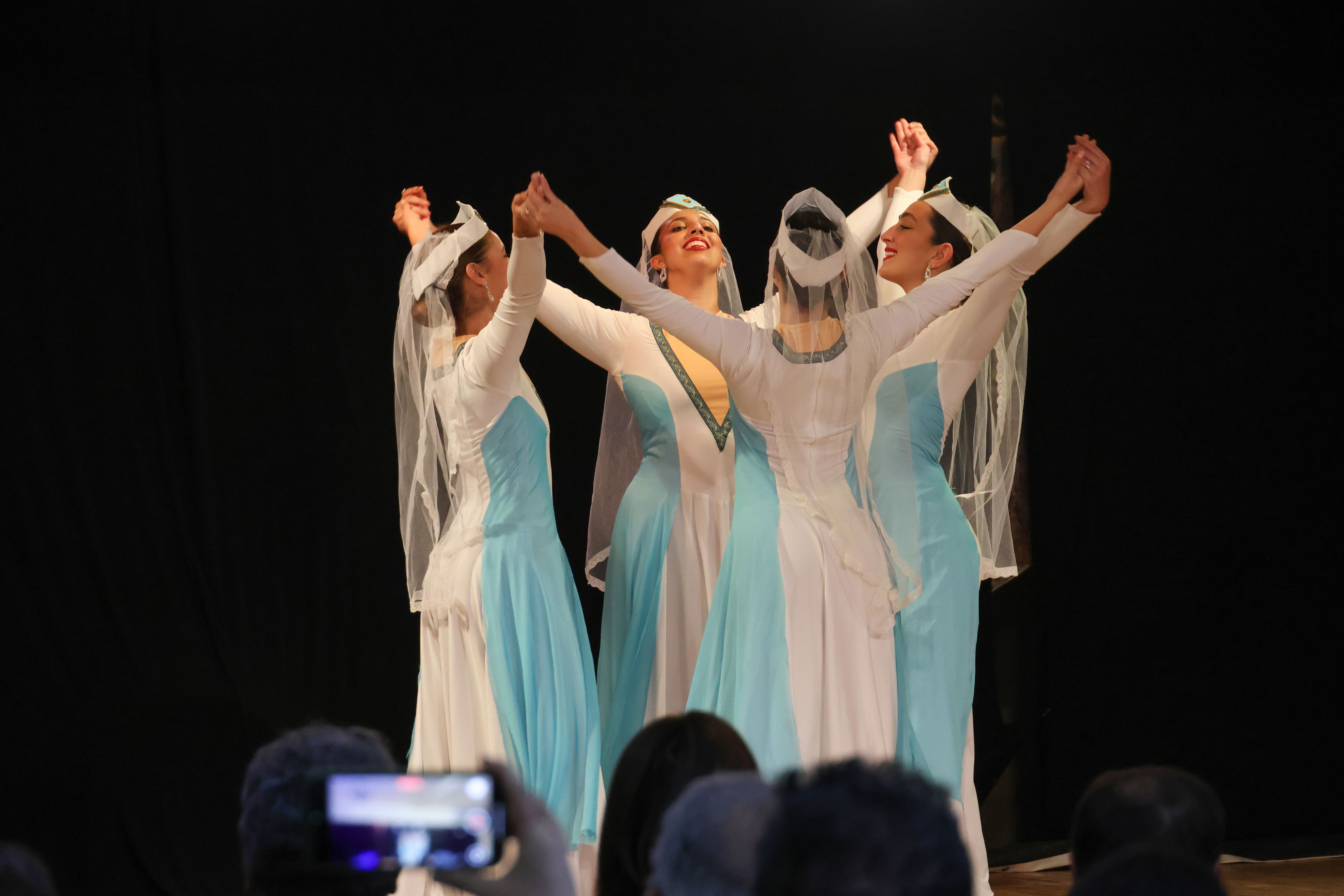
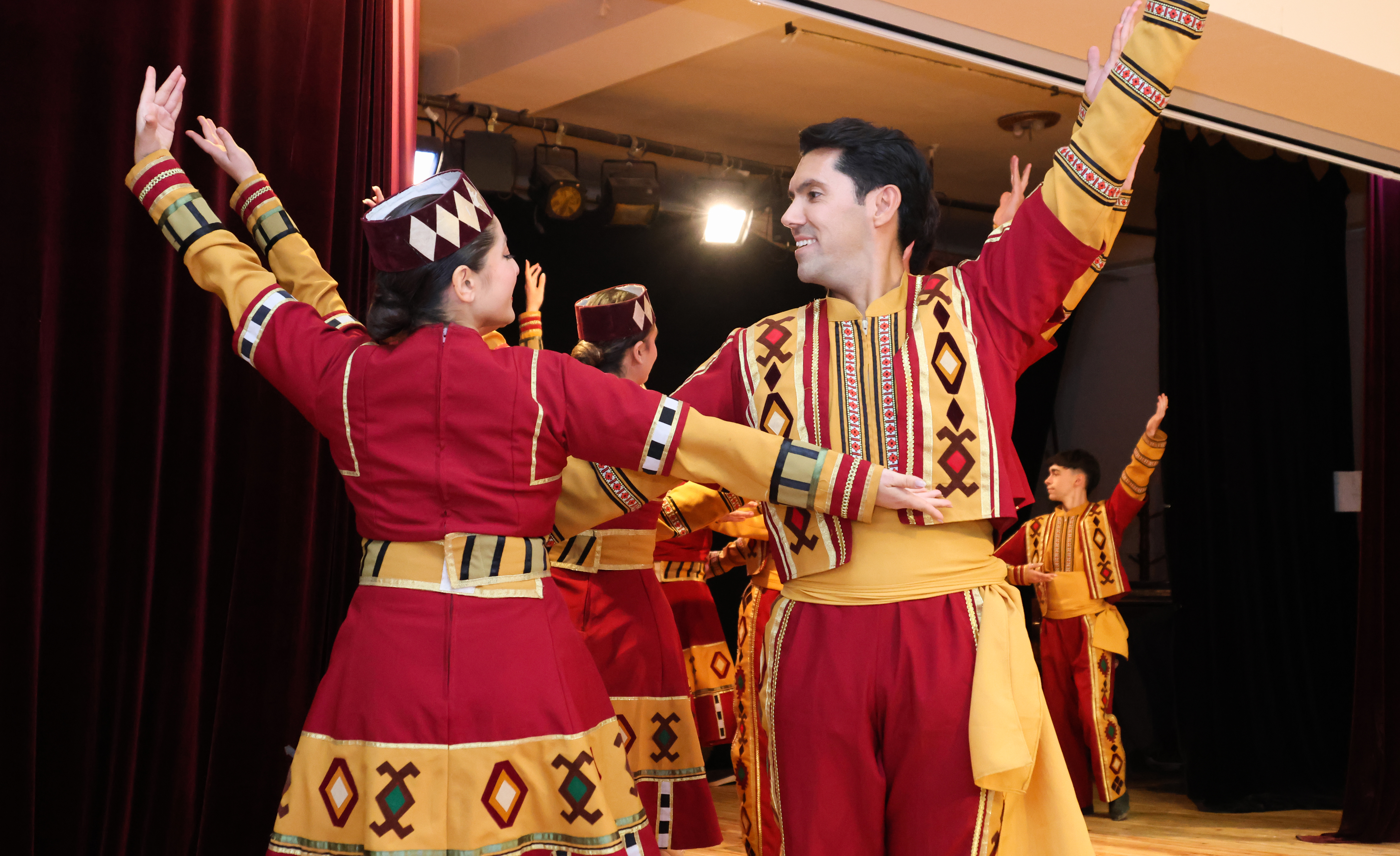
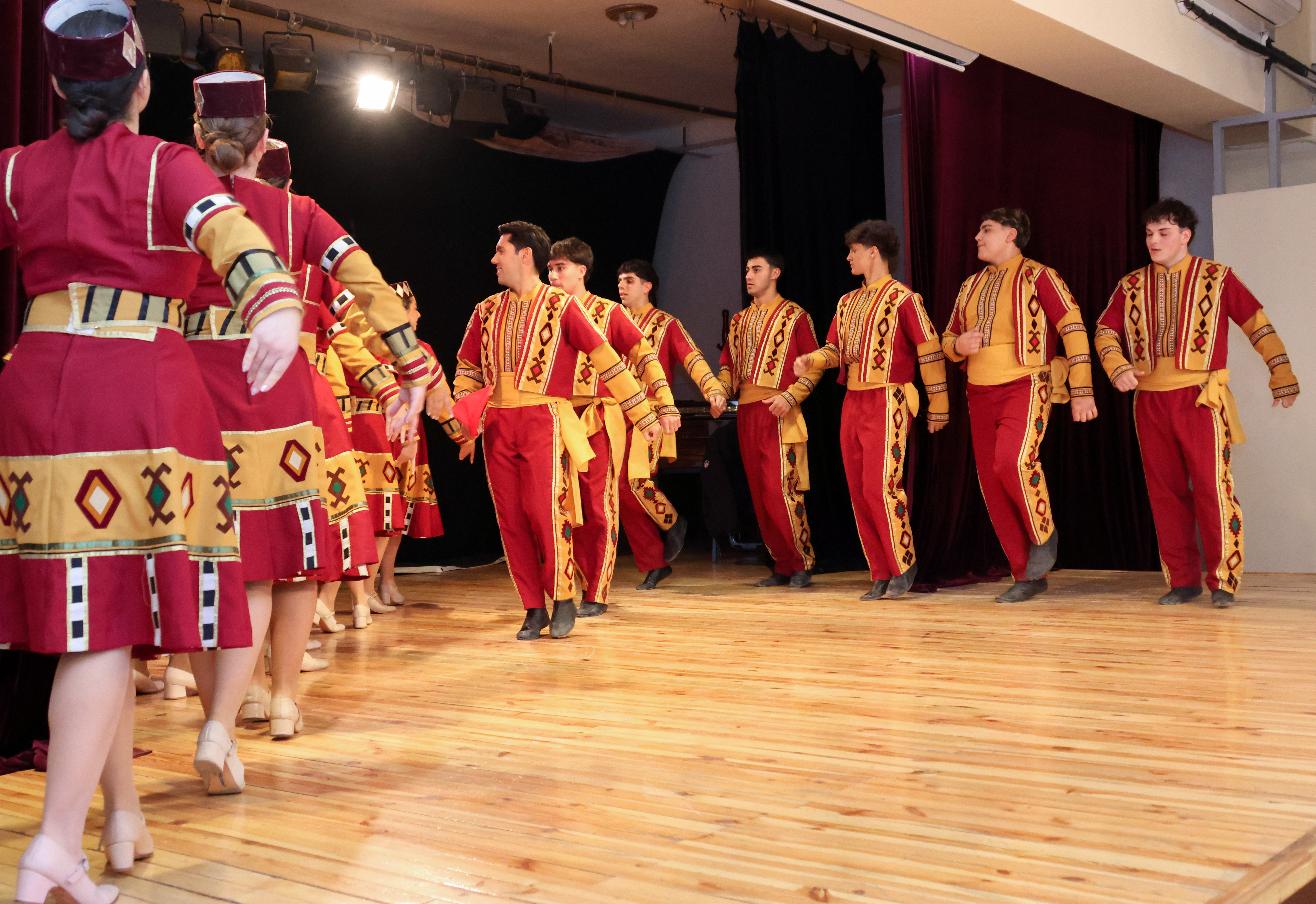
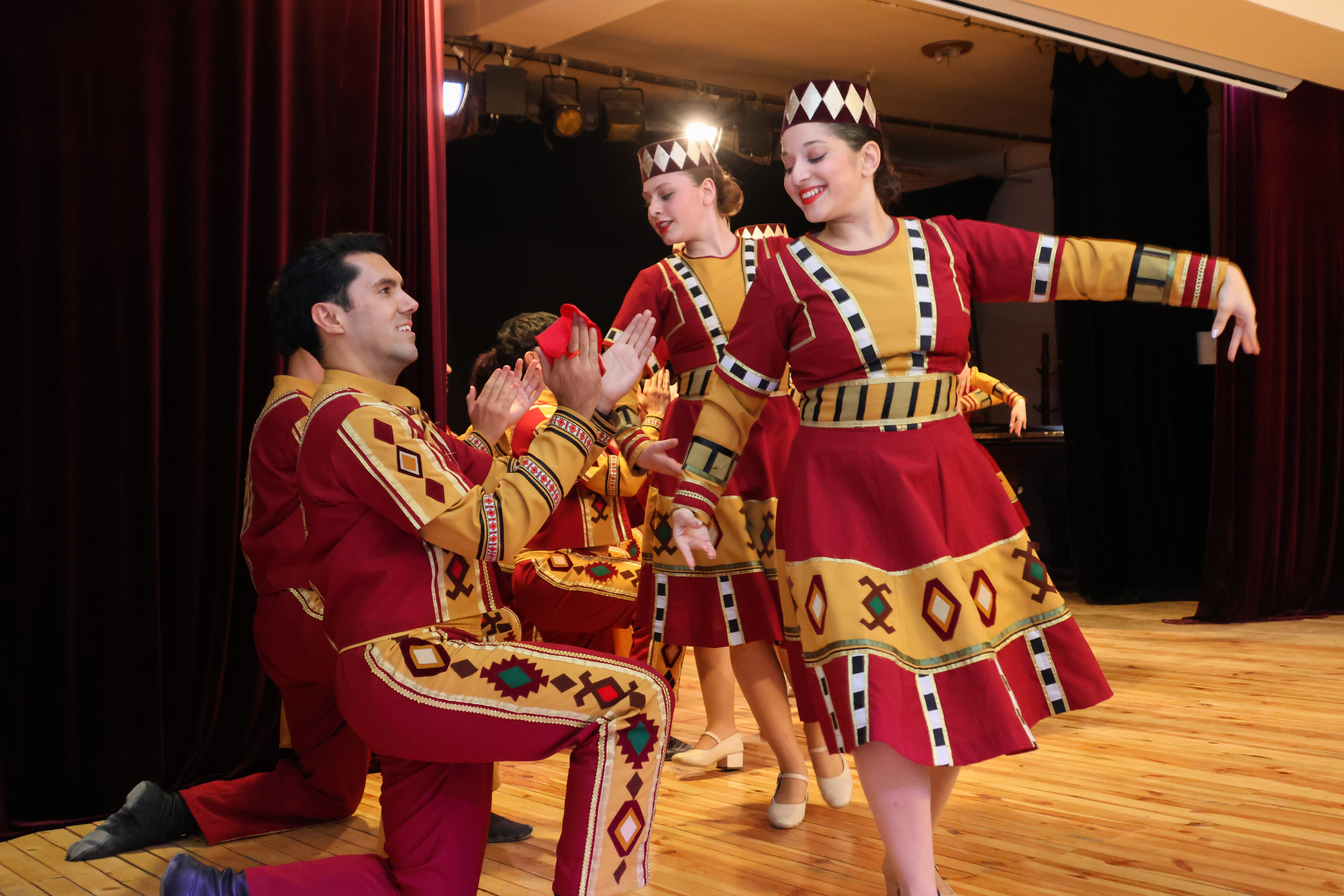
The event concluded with a performance by the Gayane dance ensemble from Uruguay, presenting traditional Armenian folk dances, thereby bringing a vibrant presence of national culture and a festive close to the book launch.