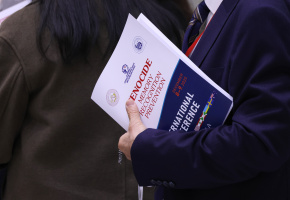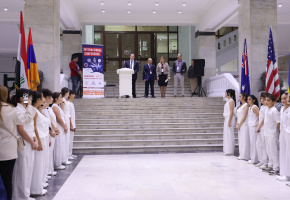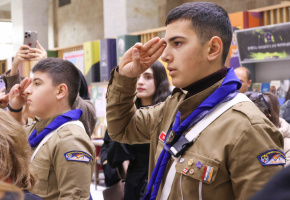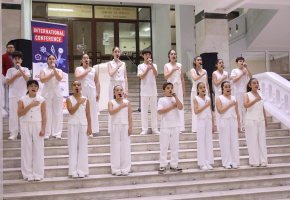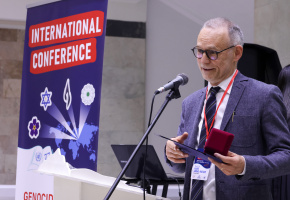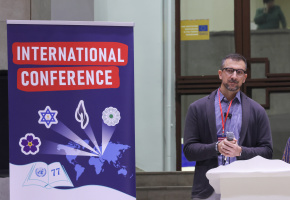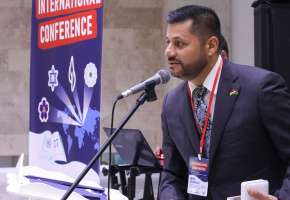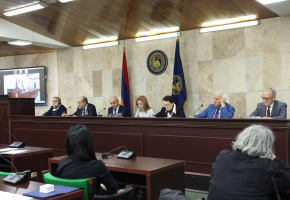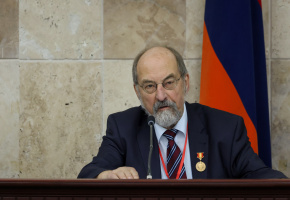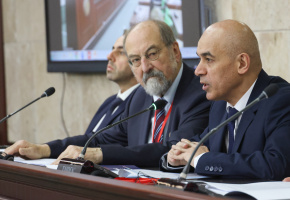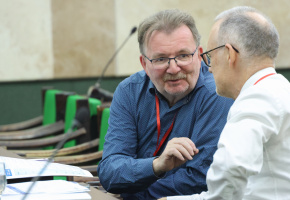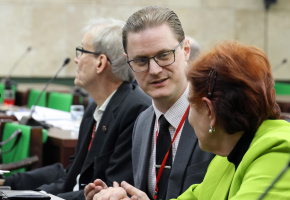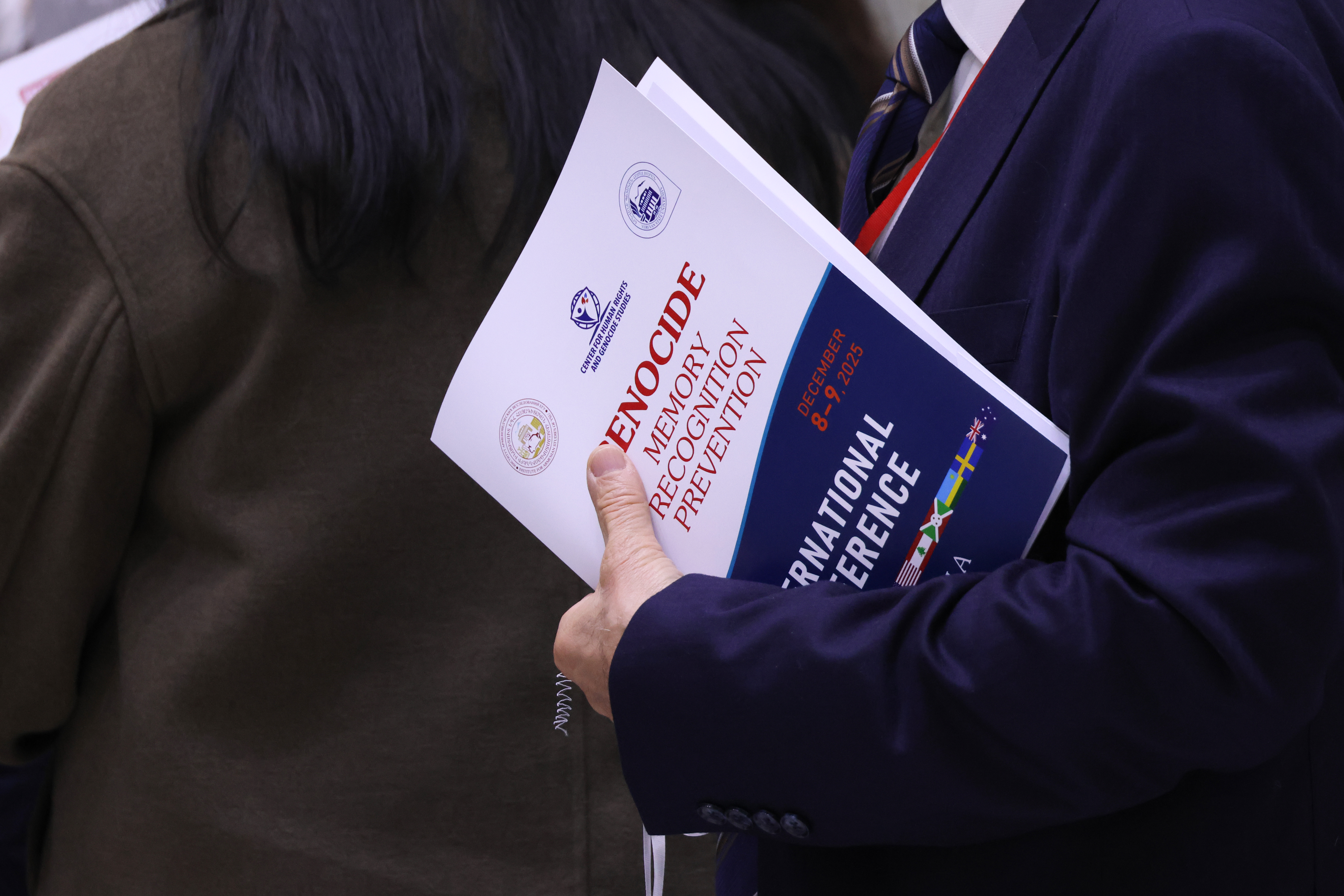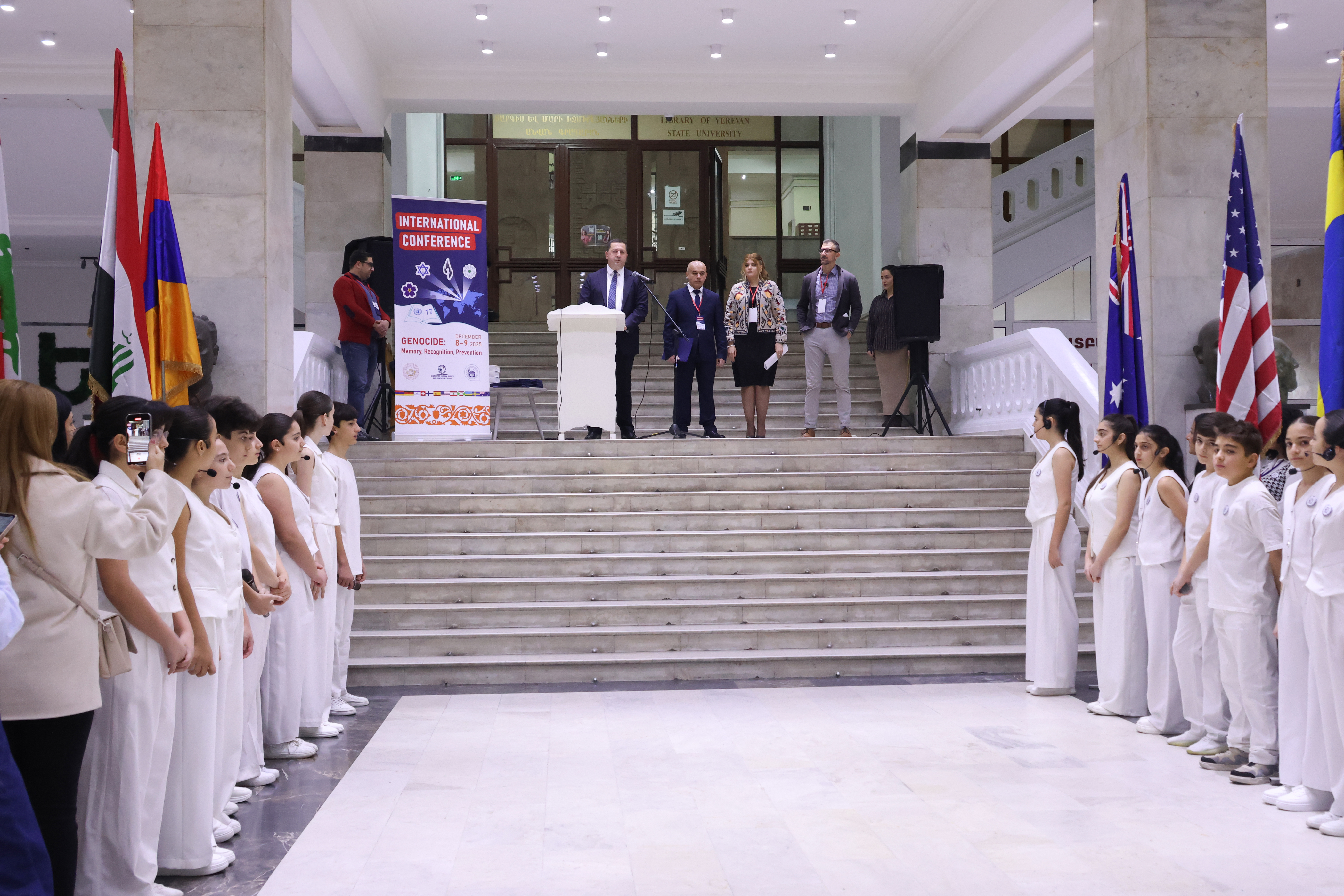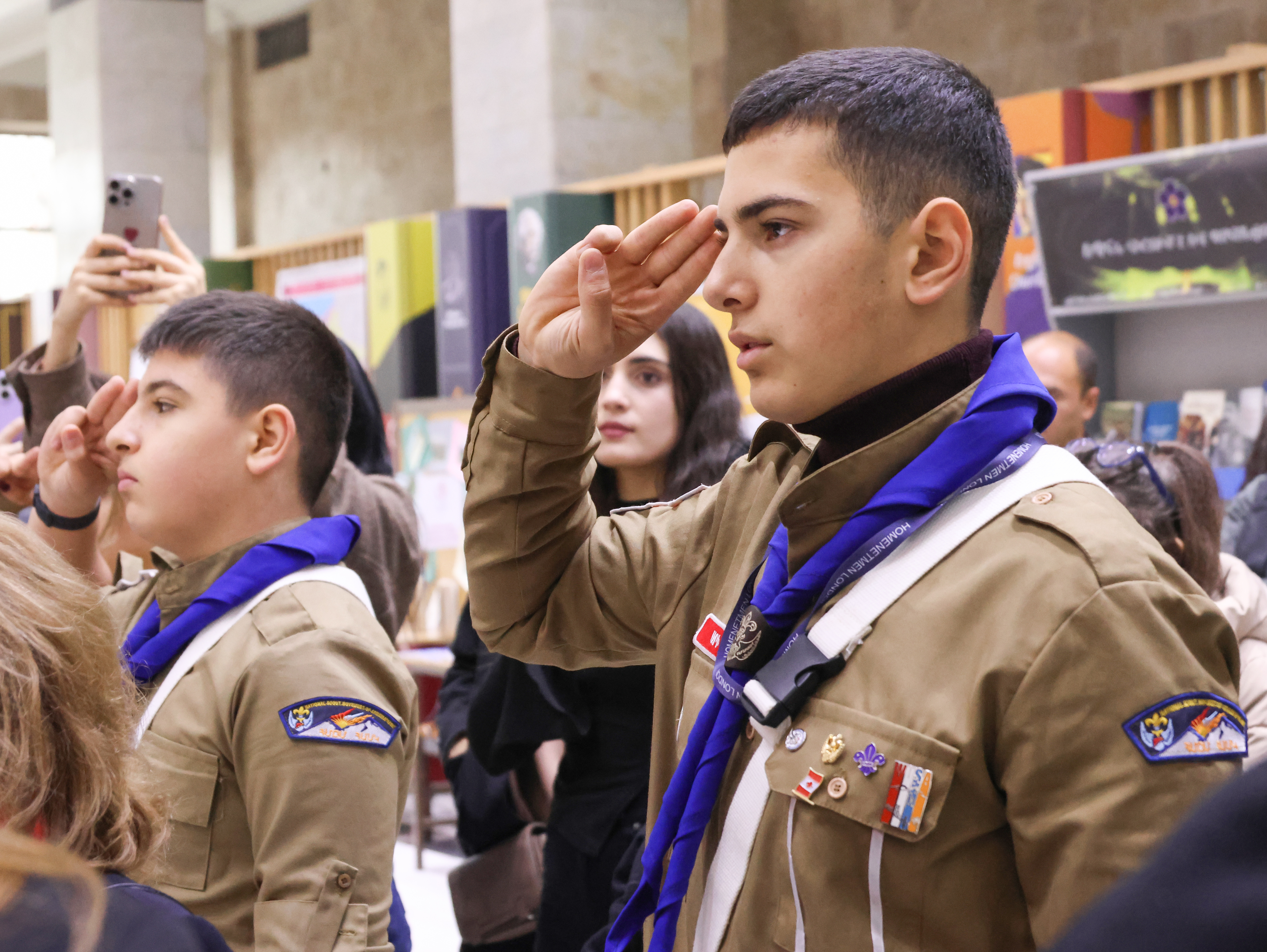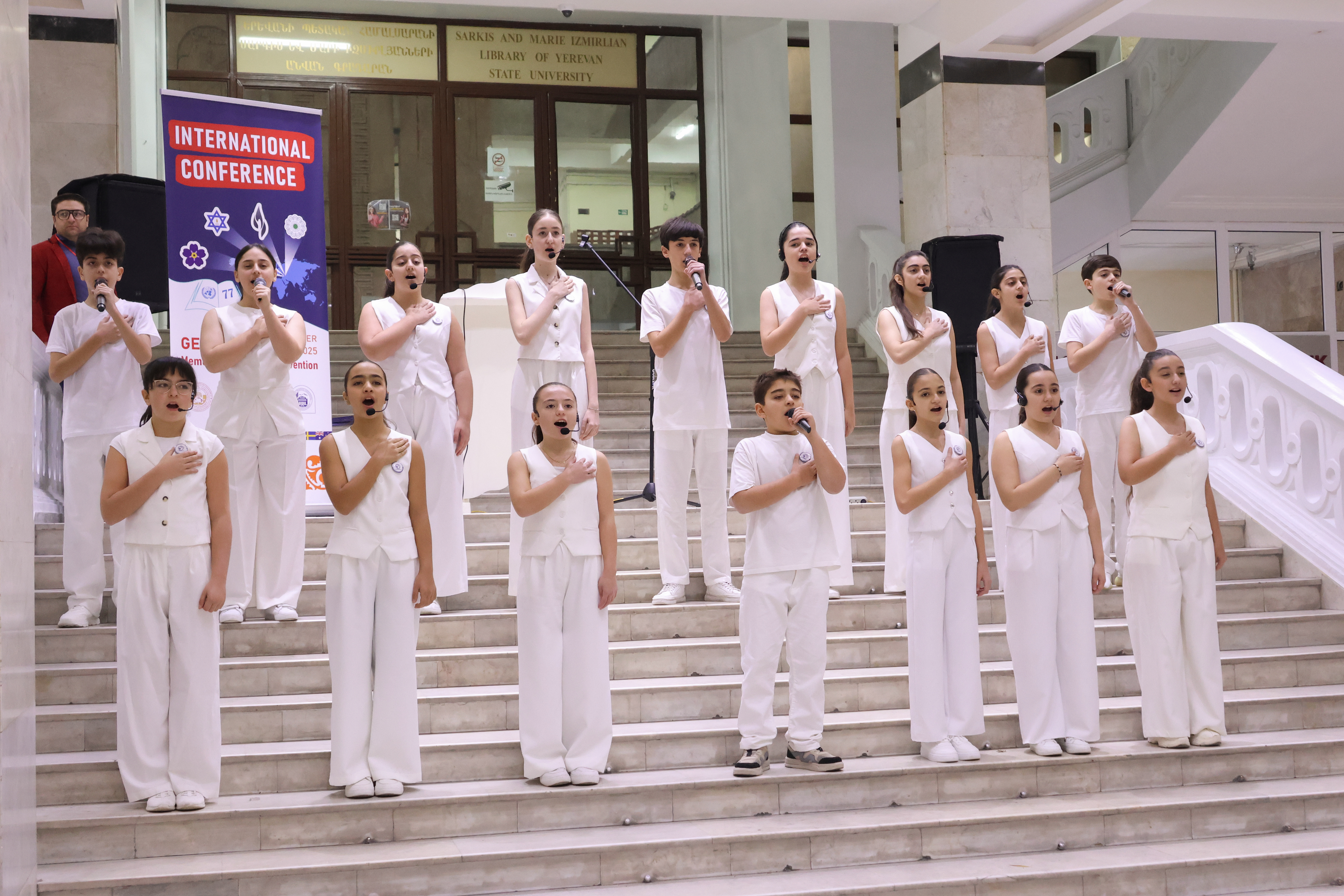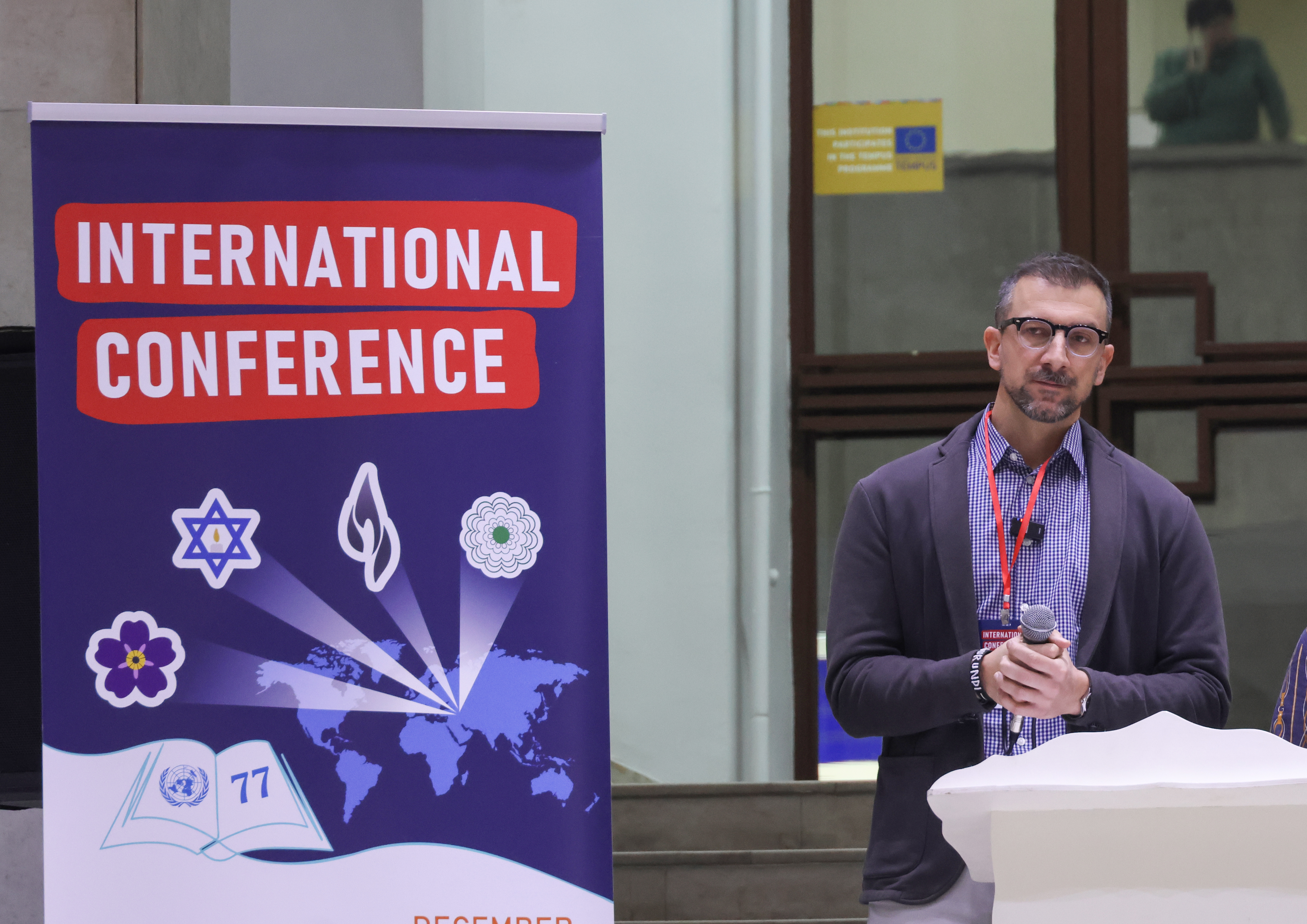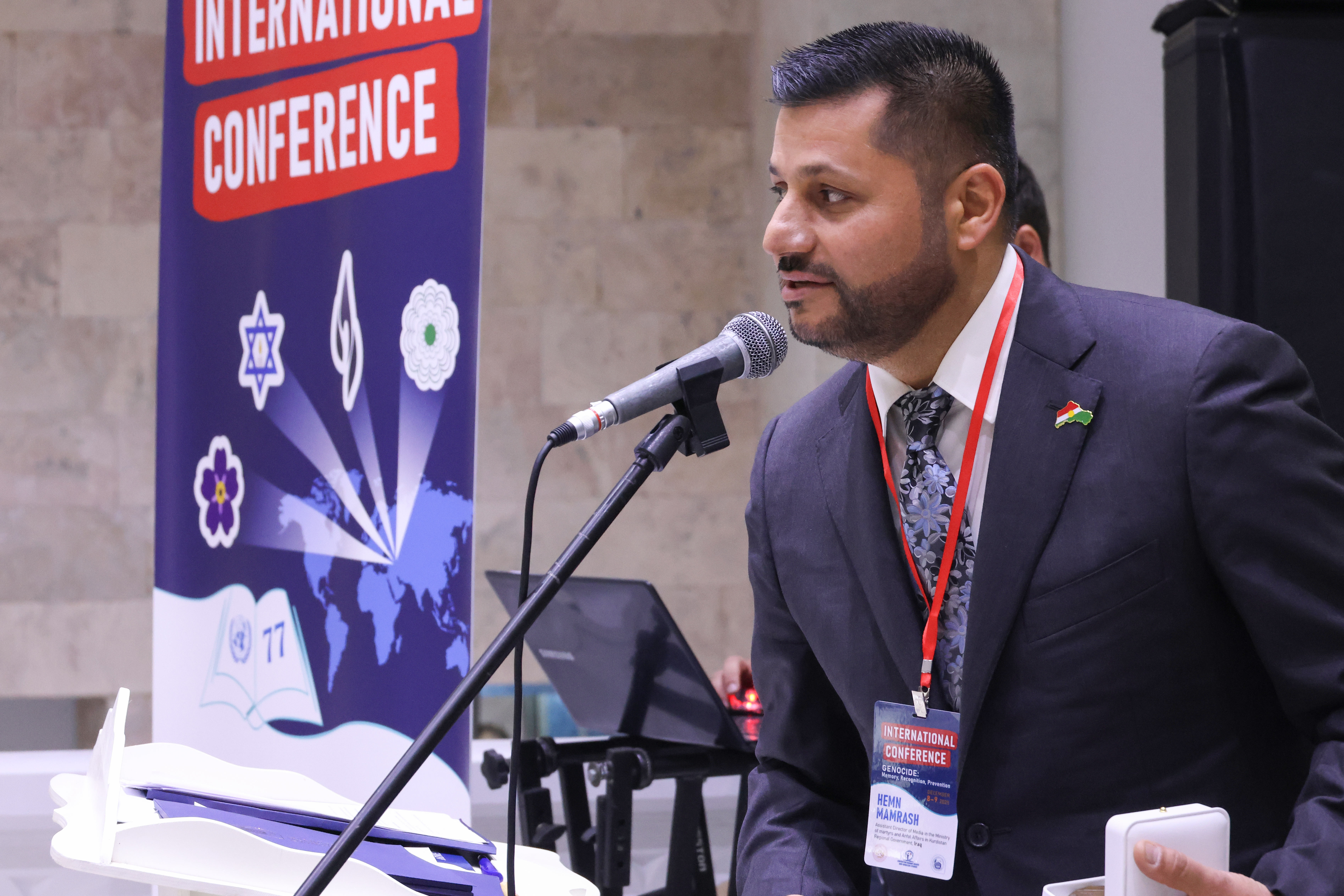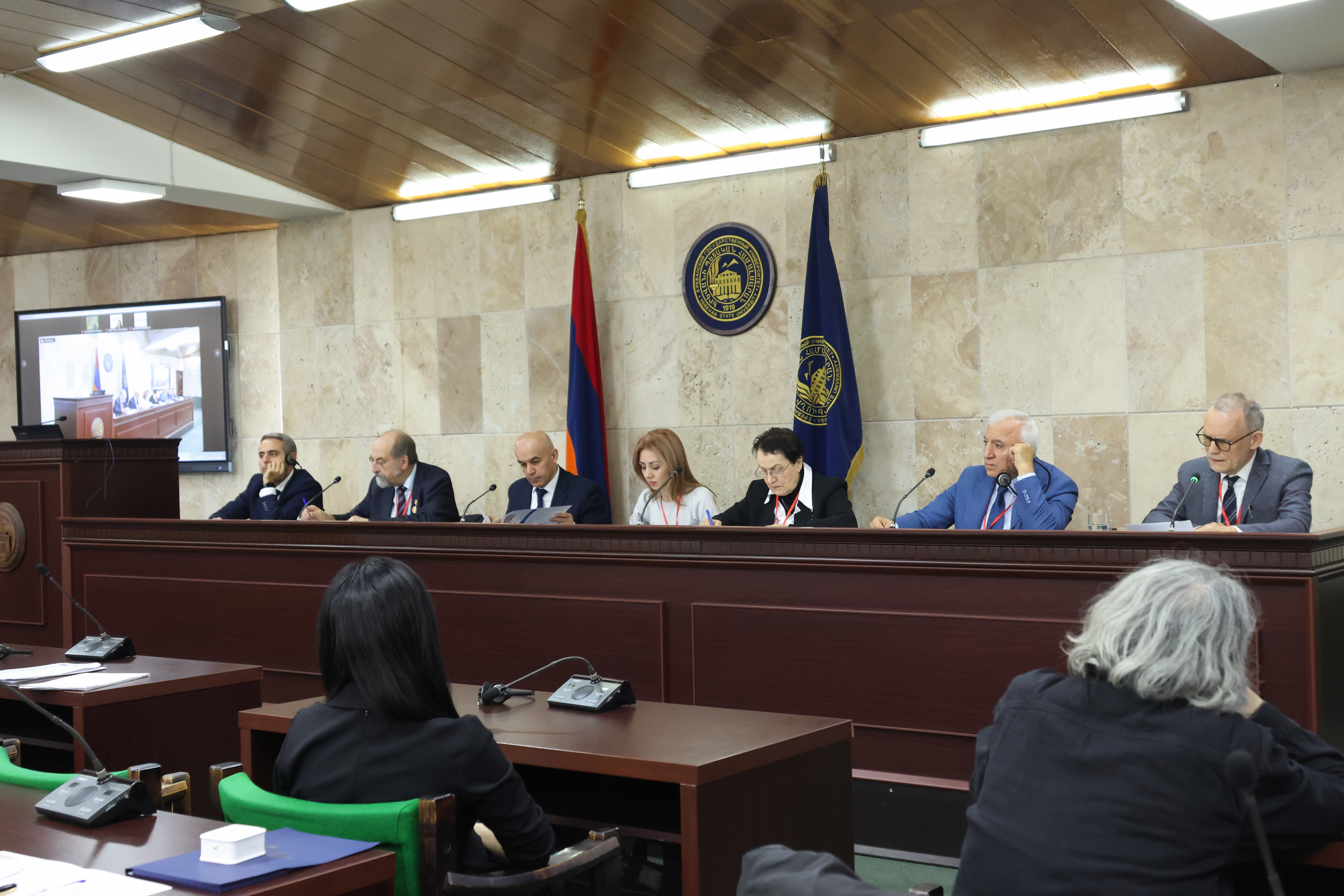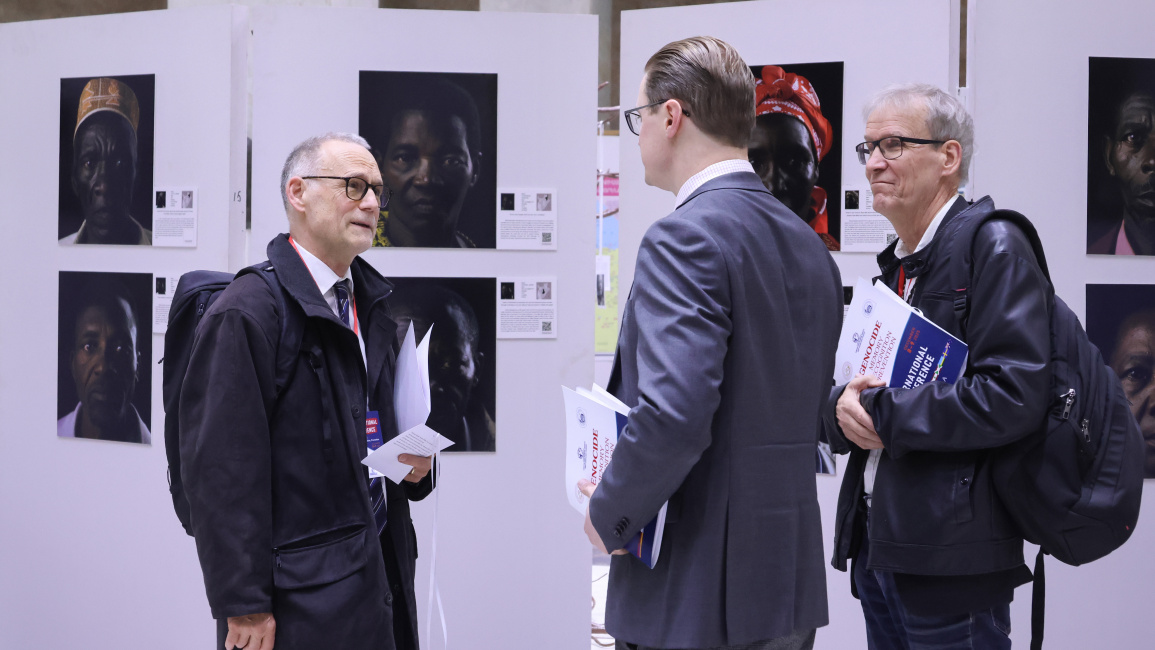
An international conference titled "Genocide: Memory, Recognition, Prevention" was held at YSU, aimed at developing innovative strategies to counter genocide and mass atrocities. The scientific event was organized at the initiative of the YSU Institute for Armenian Studies (IAS) and the Center for Human Rights and Genocide Studies NGO.
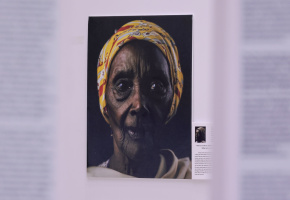
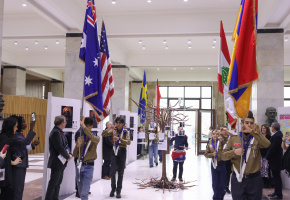
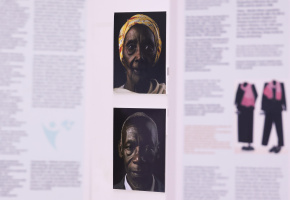
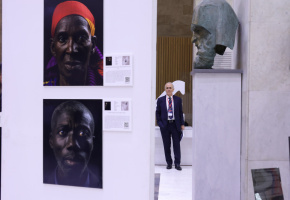
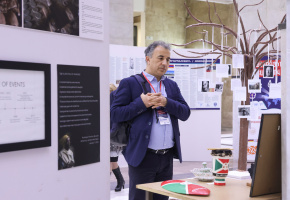
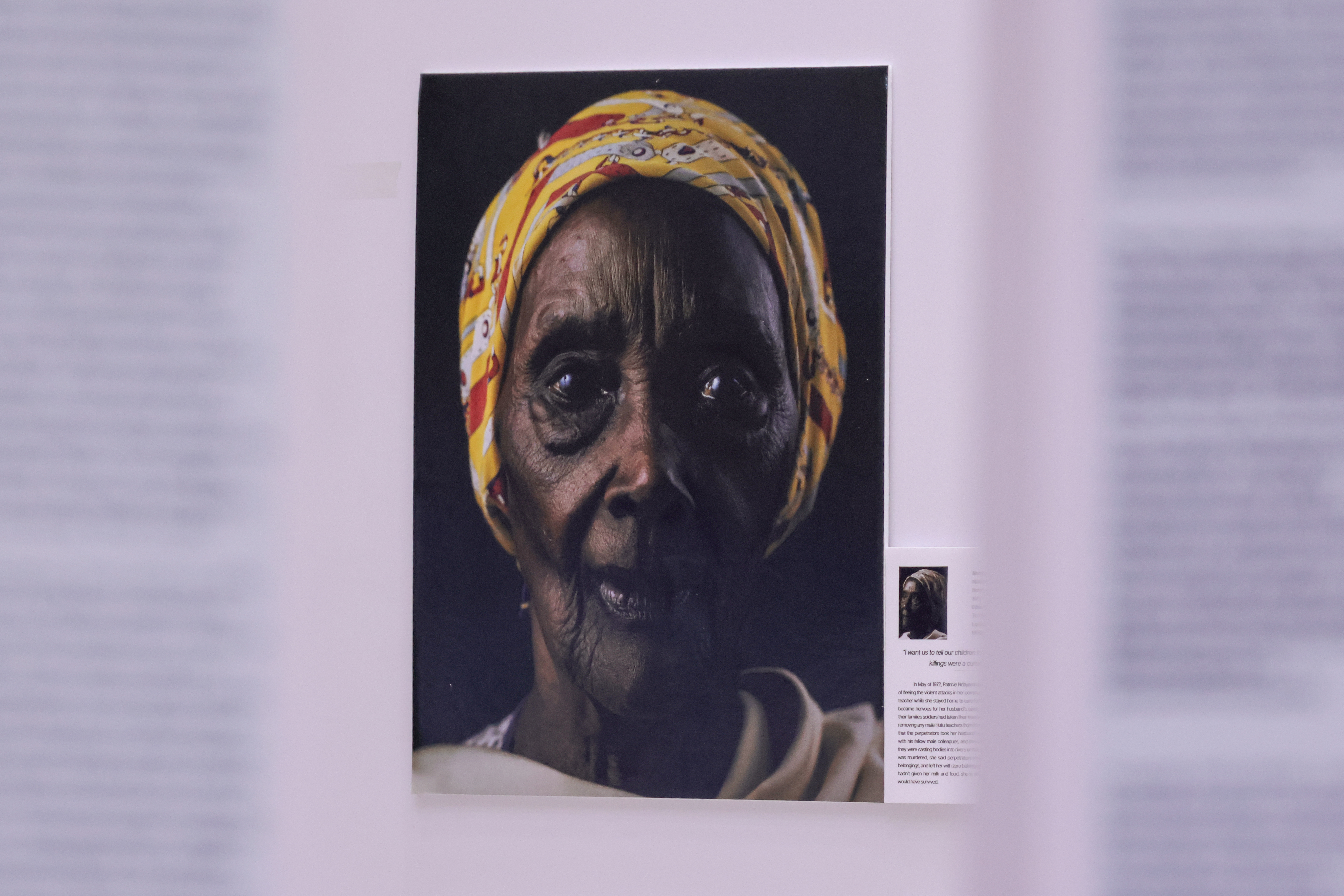
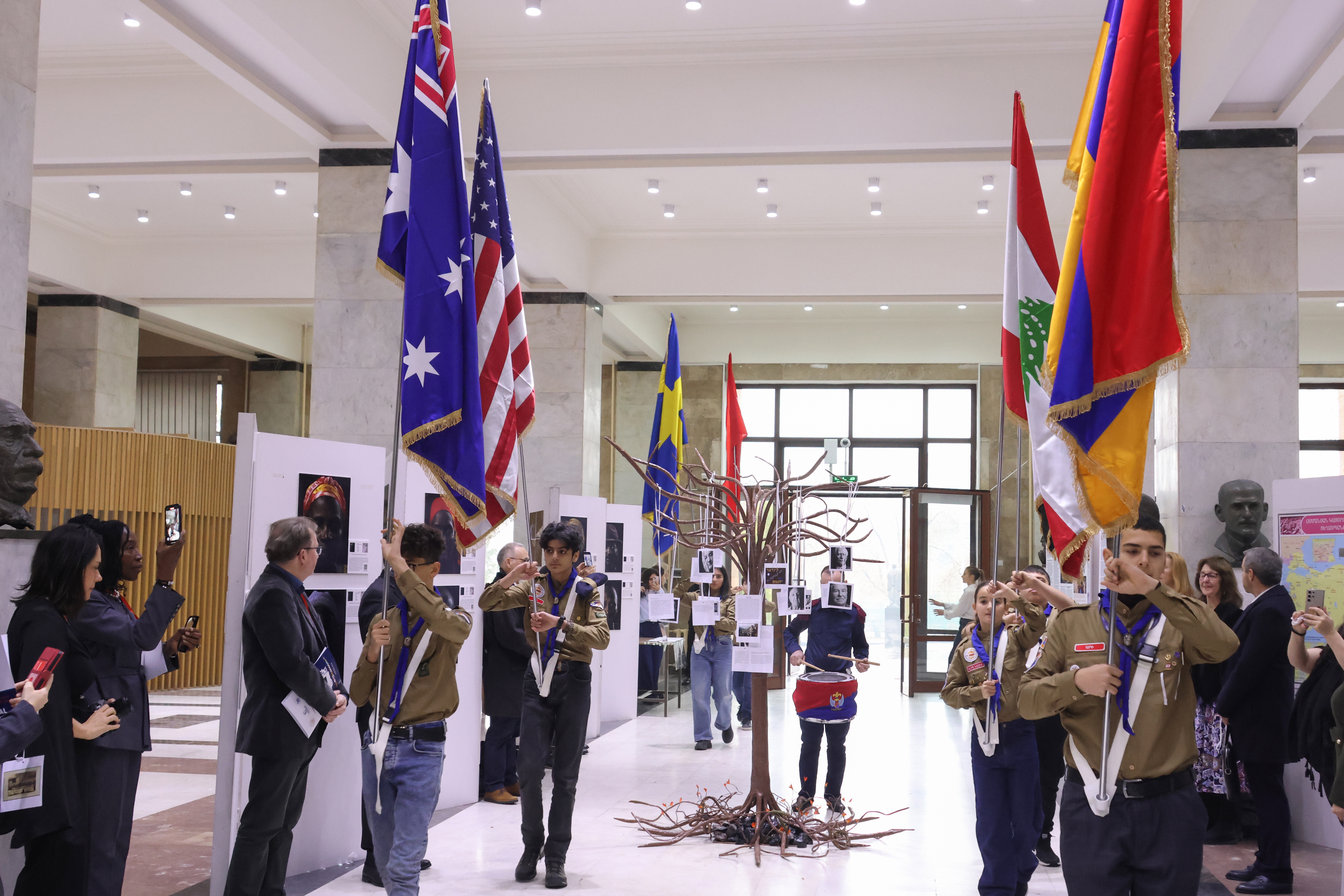
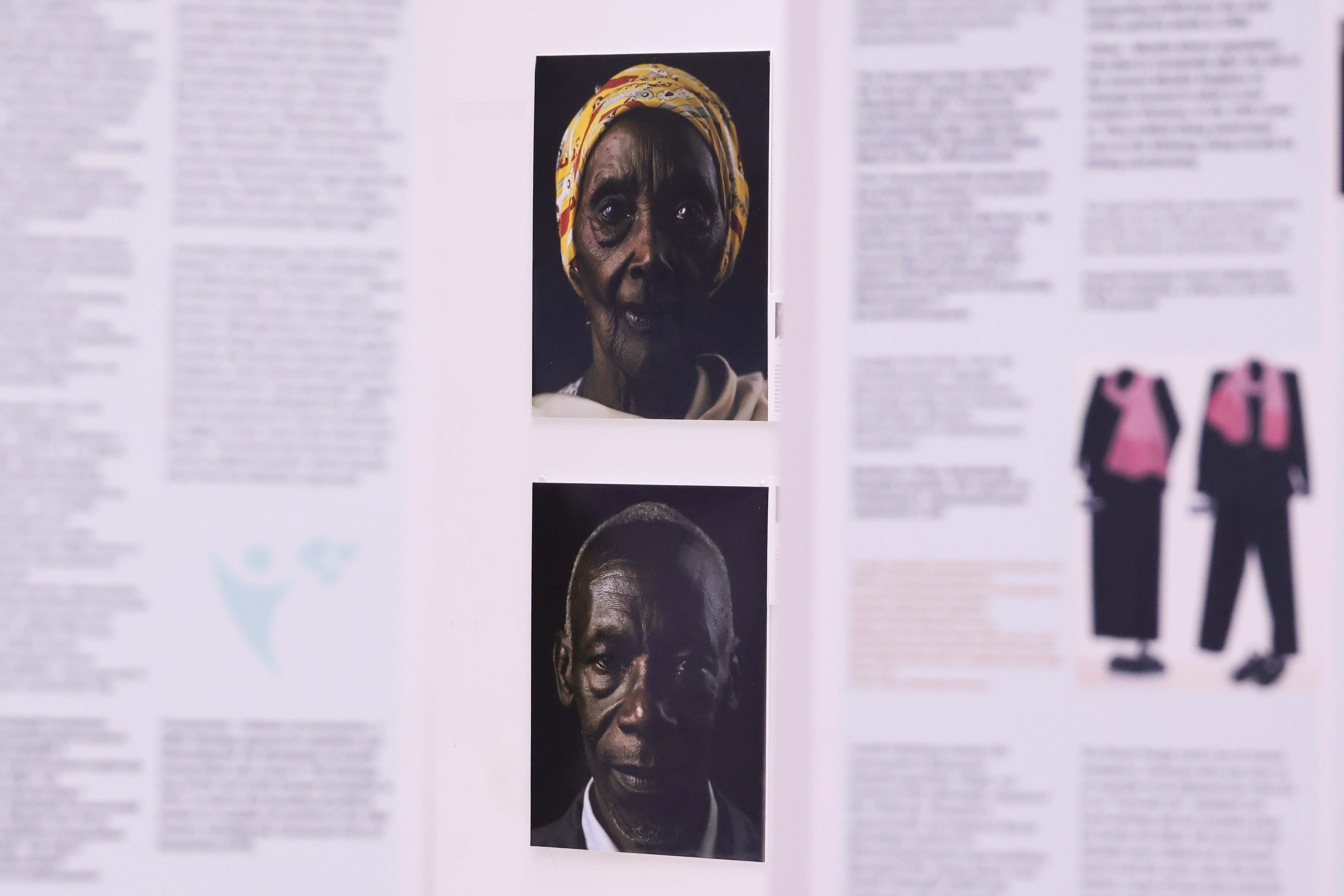
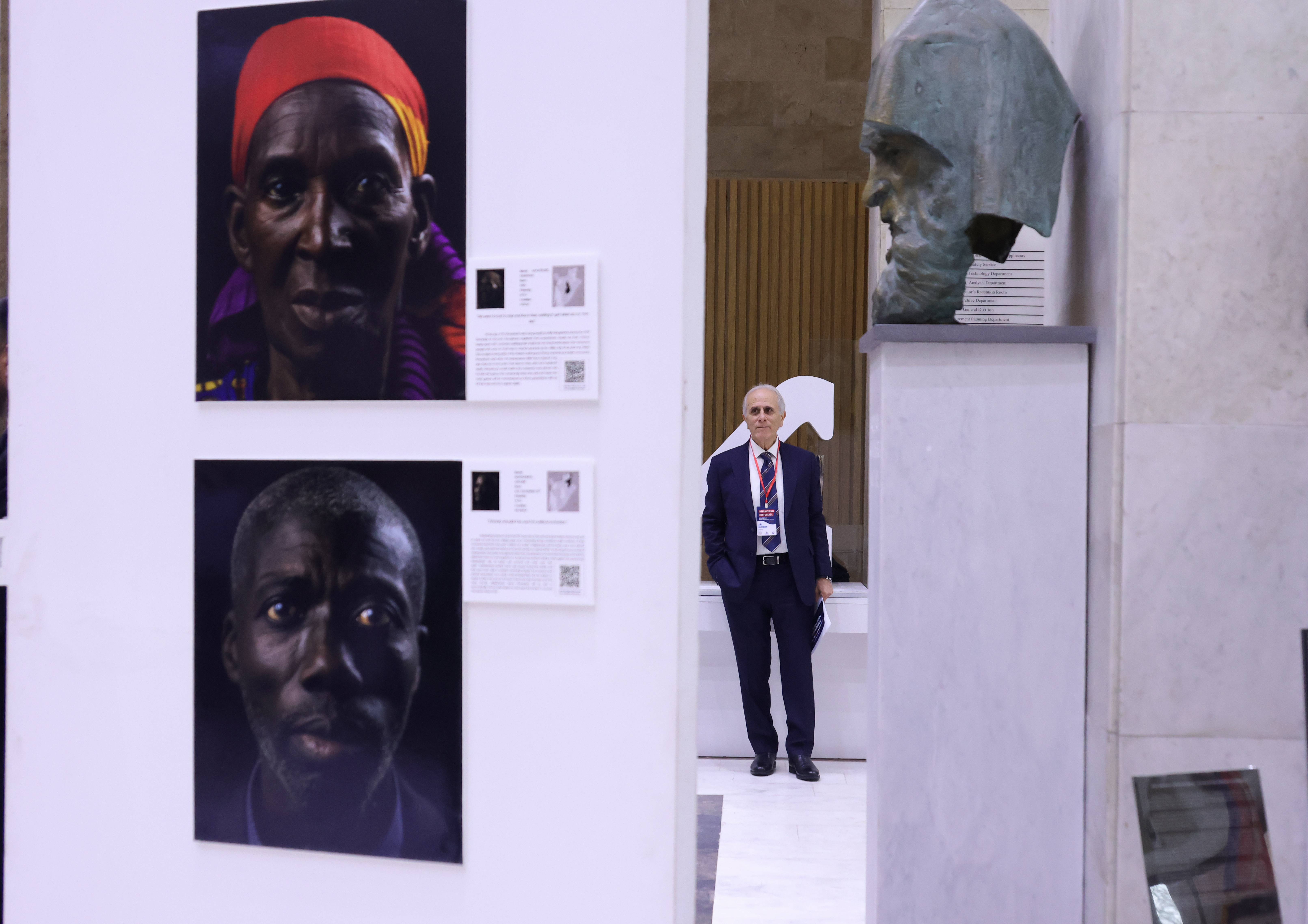
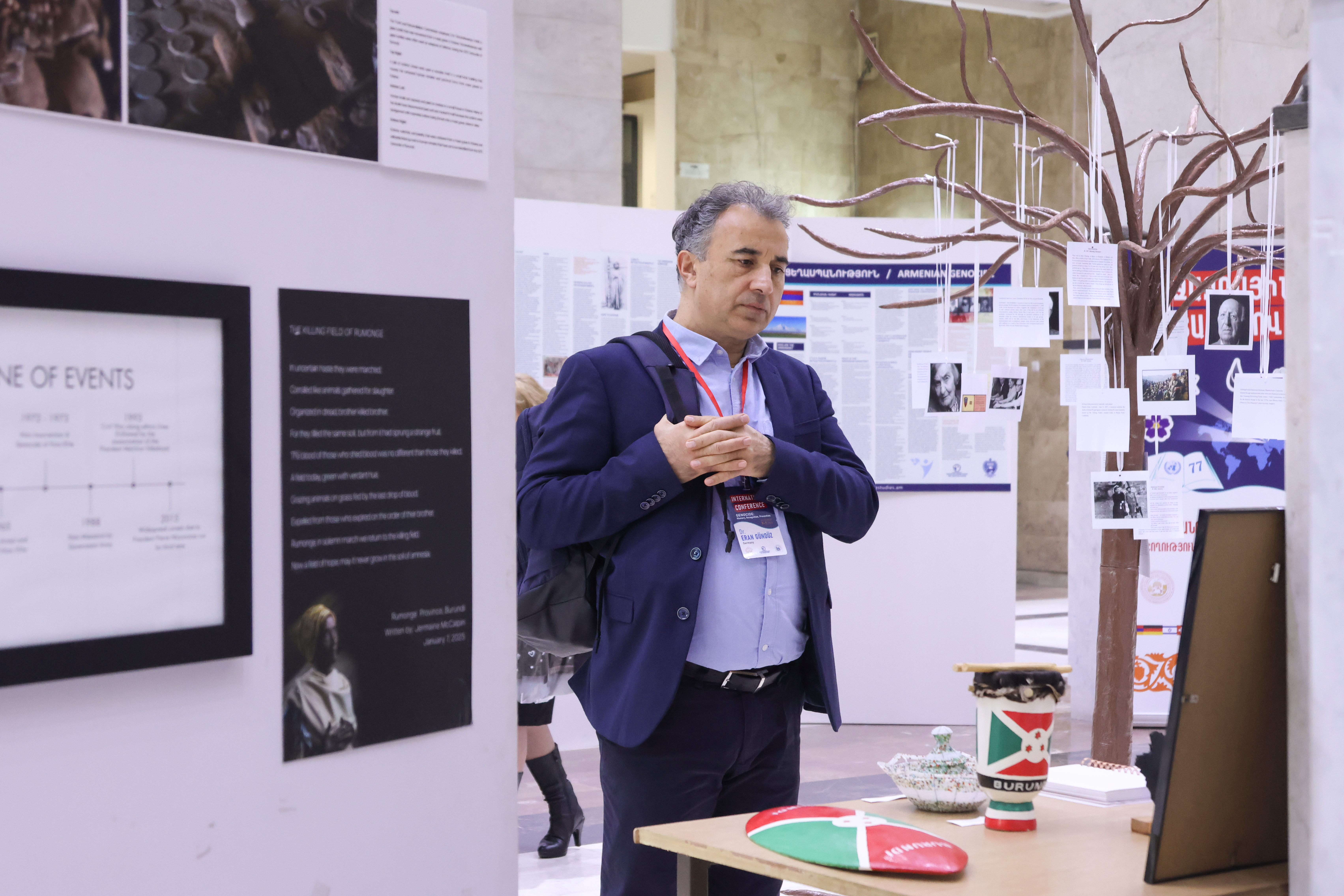
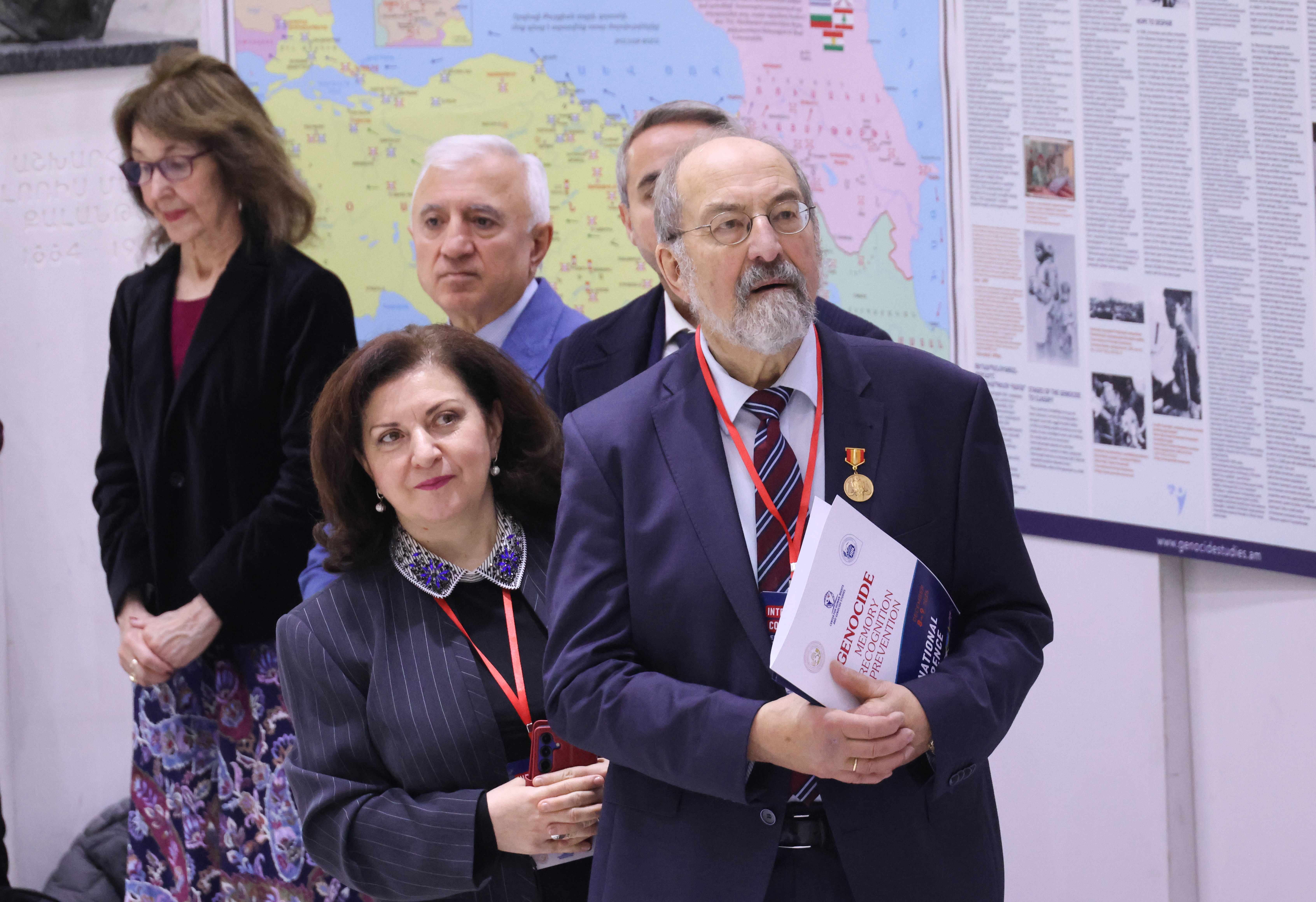
The conference opened in the university foyer with a "memory tree" dedicated to genocide victims and an exhibition on the history of genocides, presenting the background, causes, course and consequences of the Armenian, Jewish and other genocides. A photo exhibition titled "Echoes of Silence" by photographer Viktor Gerasimovski showcased the stories, reflections and photographs of survivors of the 1972 Burundian genocide, underscoring the powerful role of education in preventing future atrocities.
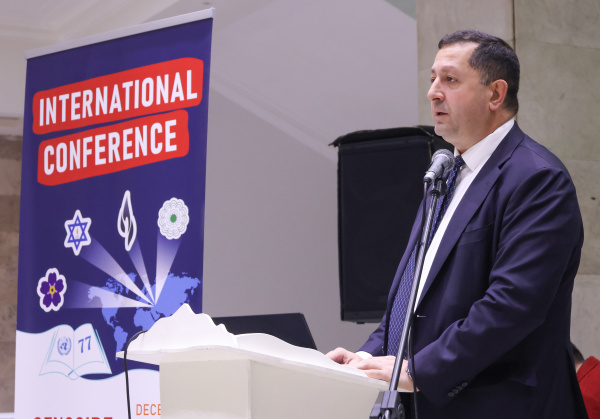
YSU Rector Hovhannes Hovhannisyan, emphasizing the participation of professors, experts and researchers from more than 20 countries, noted, "Genocide studies and genocide prevention do not concern only the Republic of Armenia. Representatives of various countries spoke during the conference about how memory is shared by all. Events of this kind are aimed primarily at preventing genocides in different parts of the world. Unfortunately, after the genocide of 1915, we have witnessed other genocides in the 21st century."
He added that although it may sometimes seem that the efforts of the academic community have little impact on political decision-making, this does not mean that scholars should remain silent or refrain from responding to the causes and consequences of genocides. In this context, he stressed, "Prevention is possible when countries around the world recognize the genocides of others. The Armenian Genocide has already been recognized by hundreds of states, which gives us hope that future genocides will not occur—or at least there will be fewer of them."
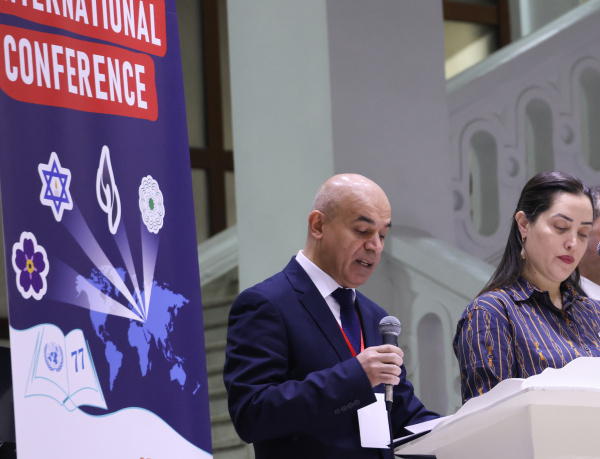
Vahram Petrosyan, Director of the YSU Institute for Armenian Studies, noted that genocide is not a historical accident but a calculated act aimed at erasing a people, its culture, its lineage and its future.
"Genocide is a horrifying crime born of silence, fueled by indifference and carried out with bureaucratic precision," Vahram Petrosyan said, quoting Jewish writer and genocide scholar Elie Wiesel: "To forget the dead would be akin to killing them a second time."
Reflecting on what genocide perpetrators expect from the world, he pointed out, "After mass atrocities, perpetrators often place their hope in two things— the world's amnesia and global denial. They hope to rewrite history to cleanse the violence and erase its traces. Today we collectively declare: we will witness, we will act, and we will not forget."
Lilit Martirosyan, President of the Center for Human Rights and Genocide Studies NGO, added that the Armenian people—having themselves survived genocide—have long been at the forefront of the global fight against this crime.
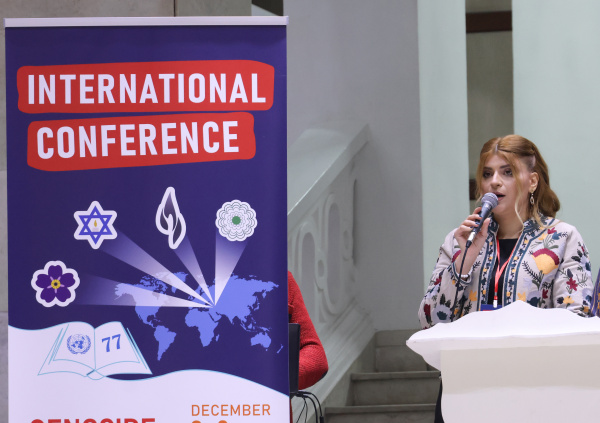
"We are proud that the Armenian people have managed to transform their tragic historical experience into an initiative of universal significance. Our collective memory obliges us not only to remember but also to act. Genocide begins with stereotypes, prejudice, discrimination and hate speech. It begins when people are divided into 'us' and 'them', when the humanity of others is denied, when indifference overshadows solidarity," she said.
Lilit Martirosyan emphasized that among the tools of genocide prevention, education remains the most powerful and irreplaceable.
"Passing knowledge, developing analytical thinking, exchanging experience and educating new generations in the field of genocide studies can save lives in the future," she noted, stressing the importance of holding such a conference with the participation of foreign experts, researchers, lawyers and human rights defenders.
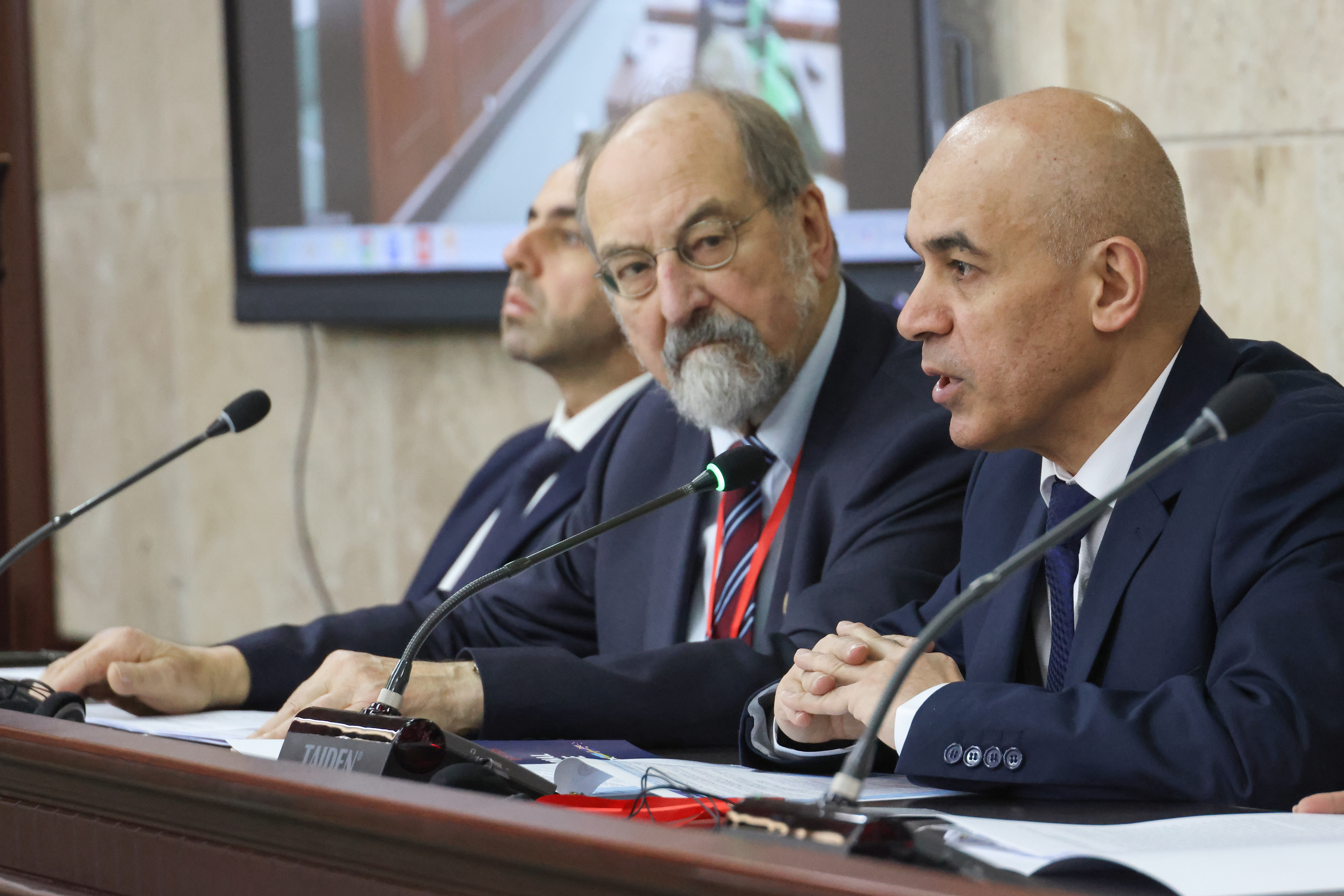
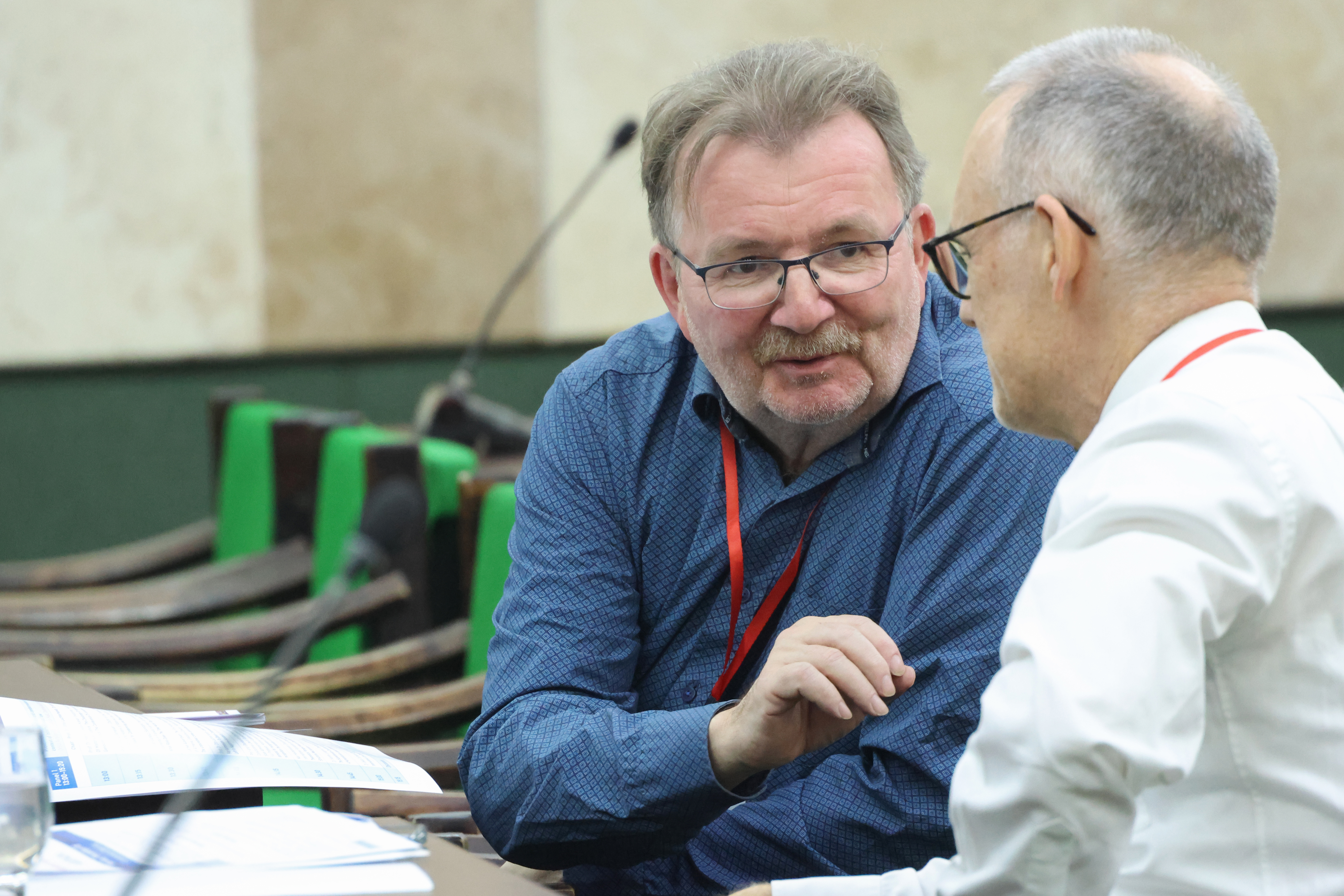
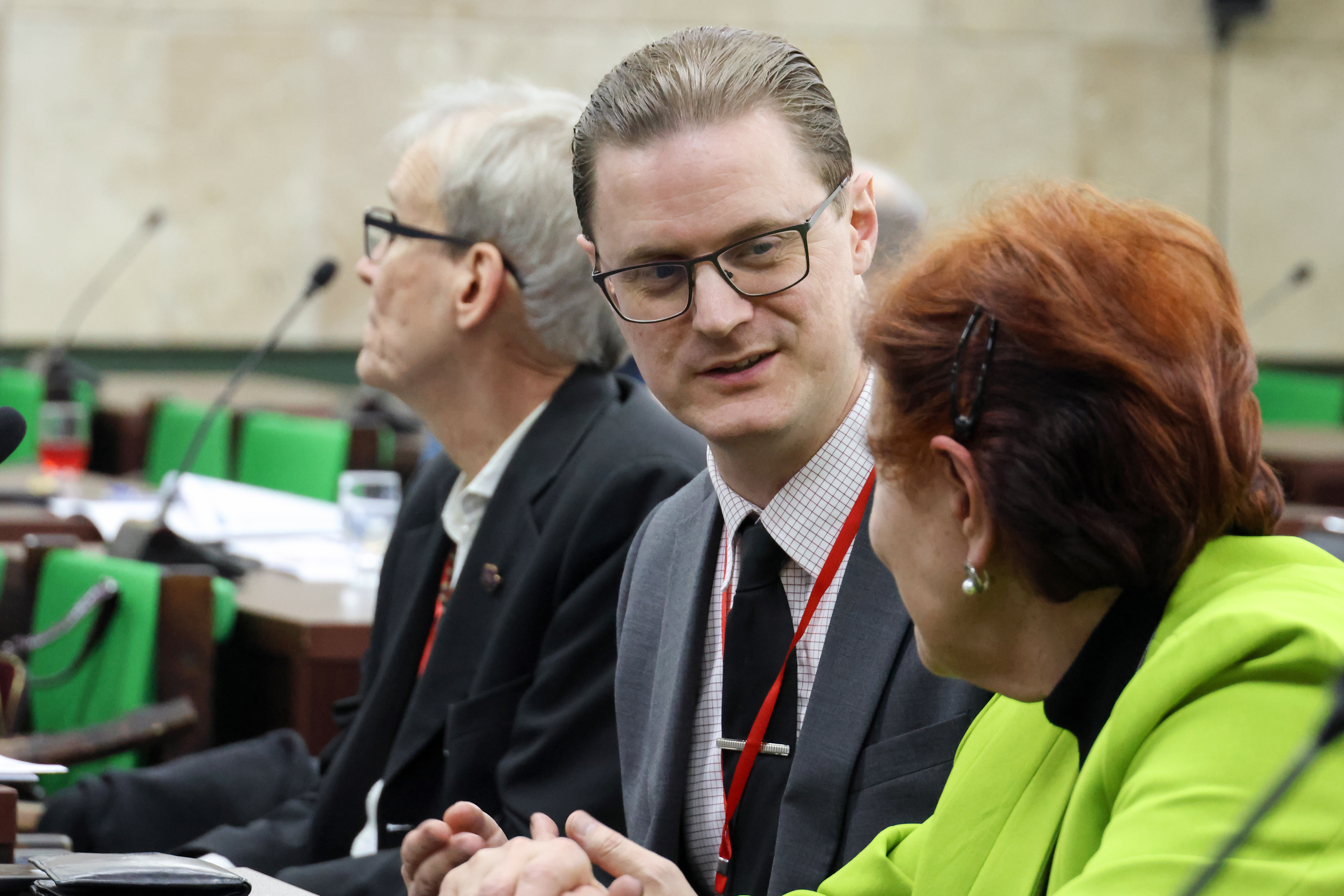
During the conference, participants discussed early-warning mechanisms, prevention strategies, issues of justice and the role of memory.
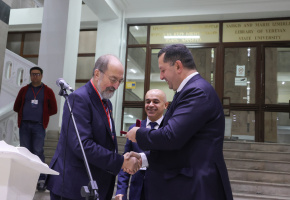
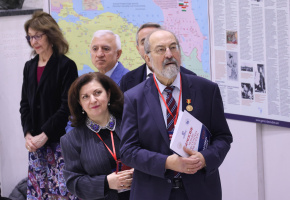
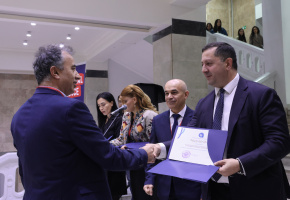
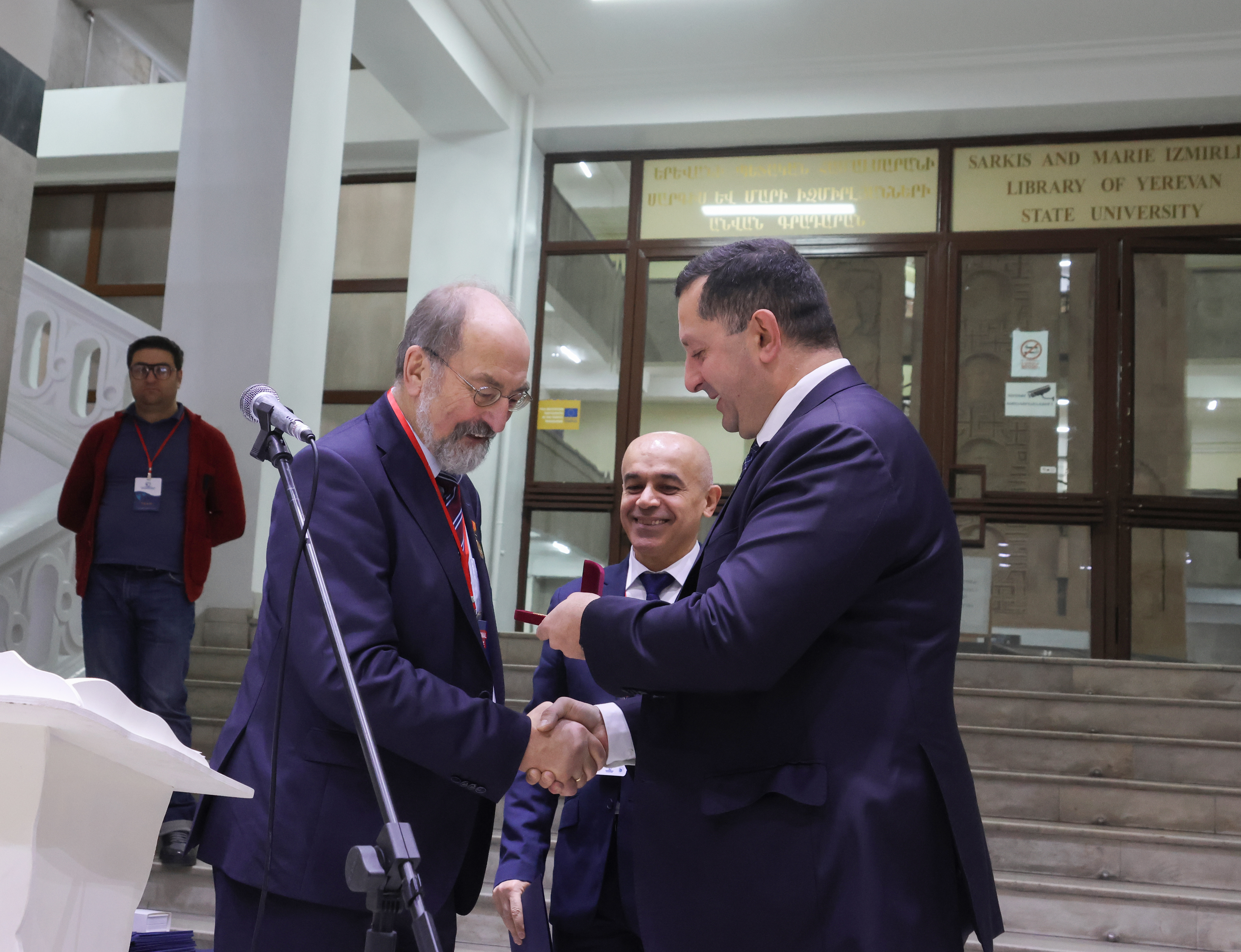
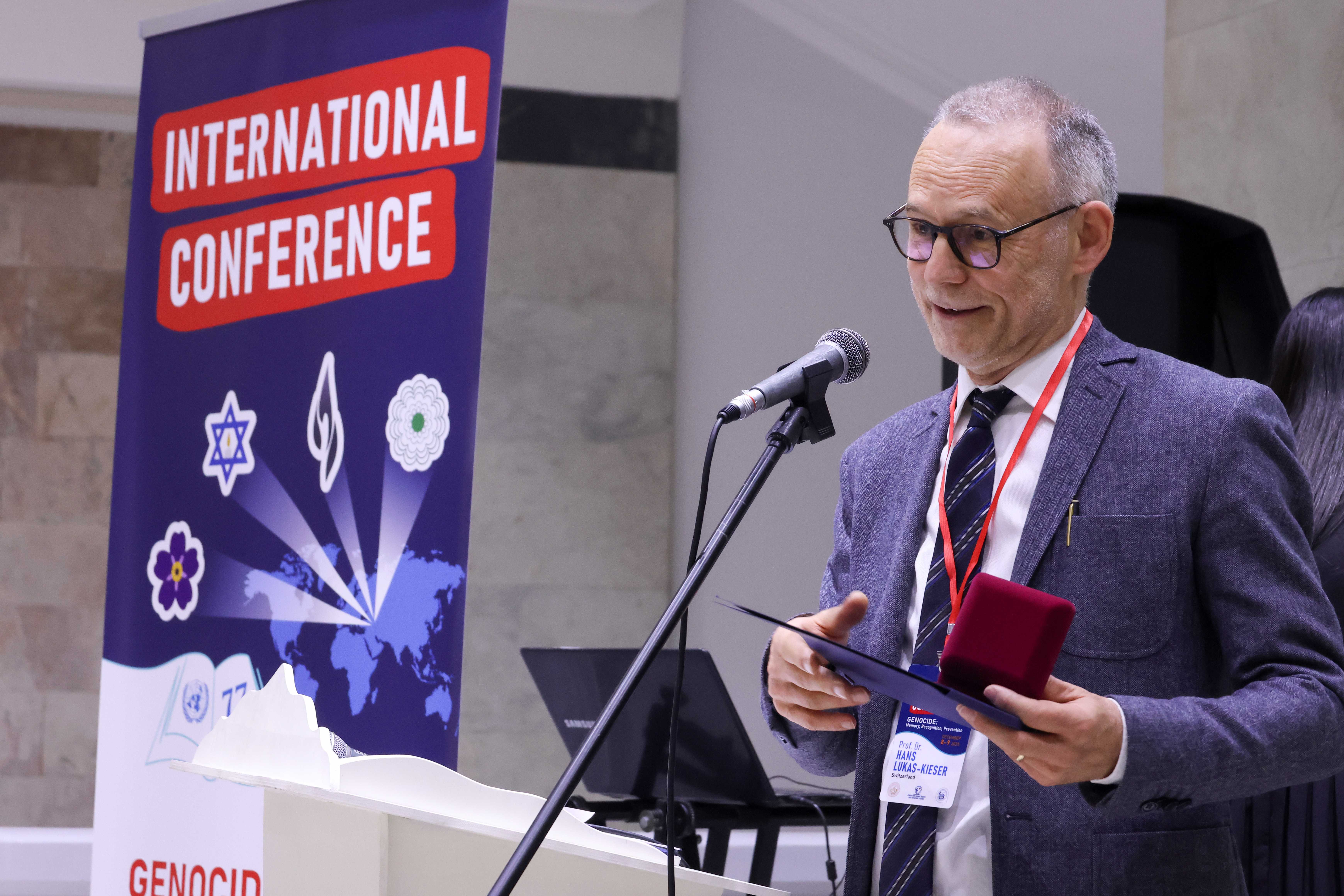
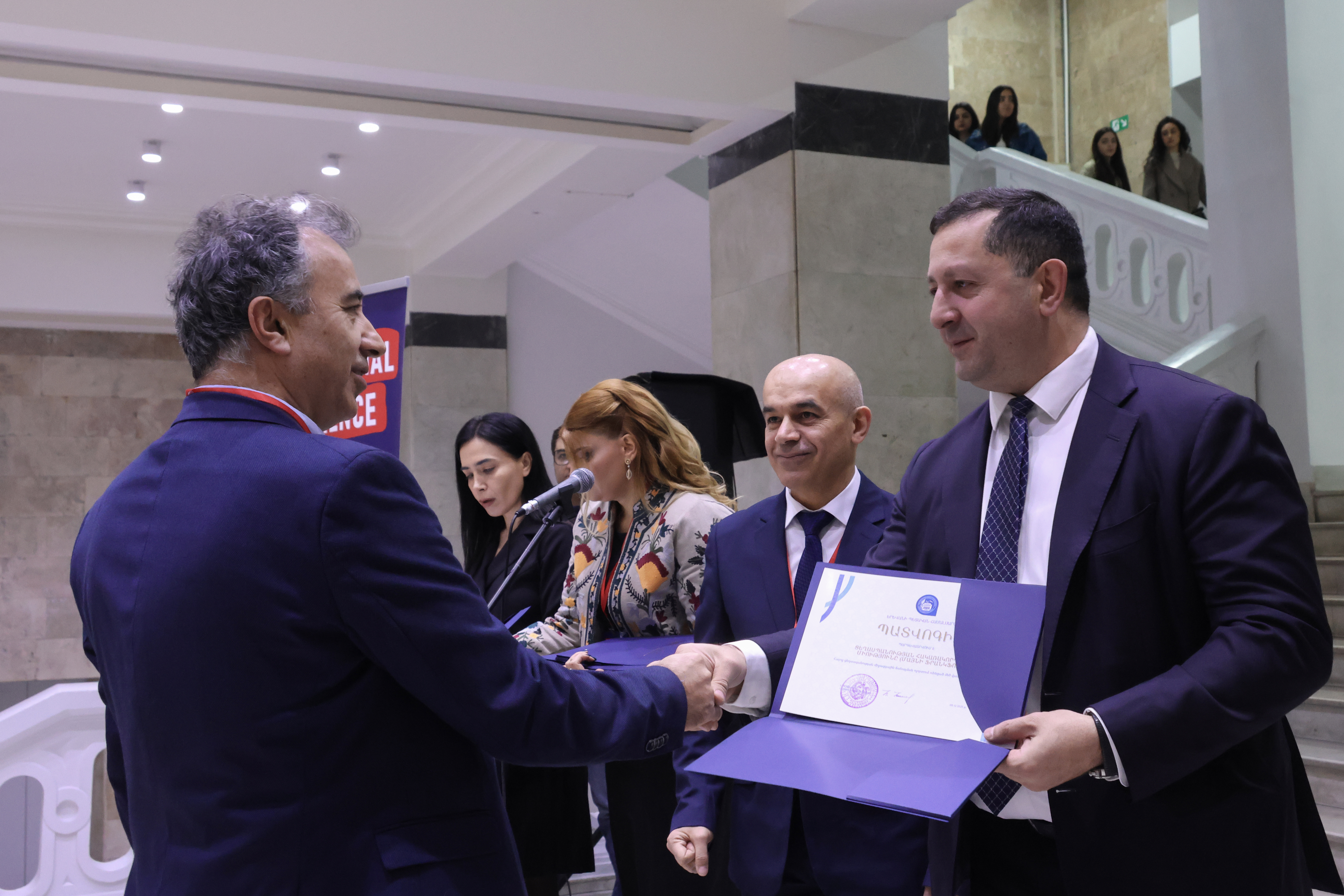
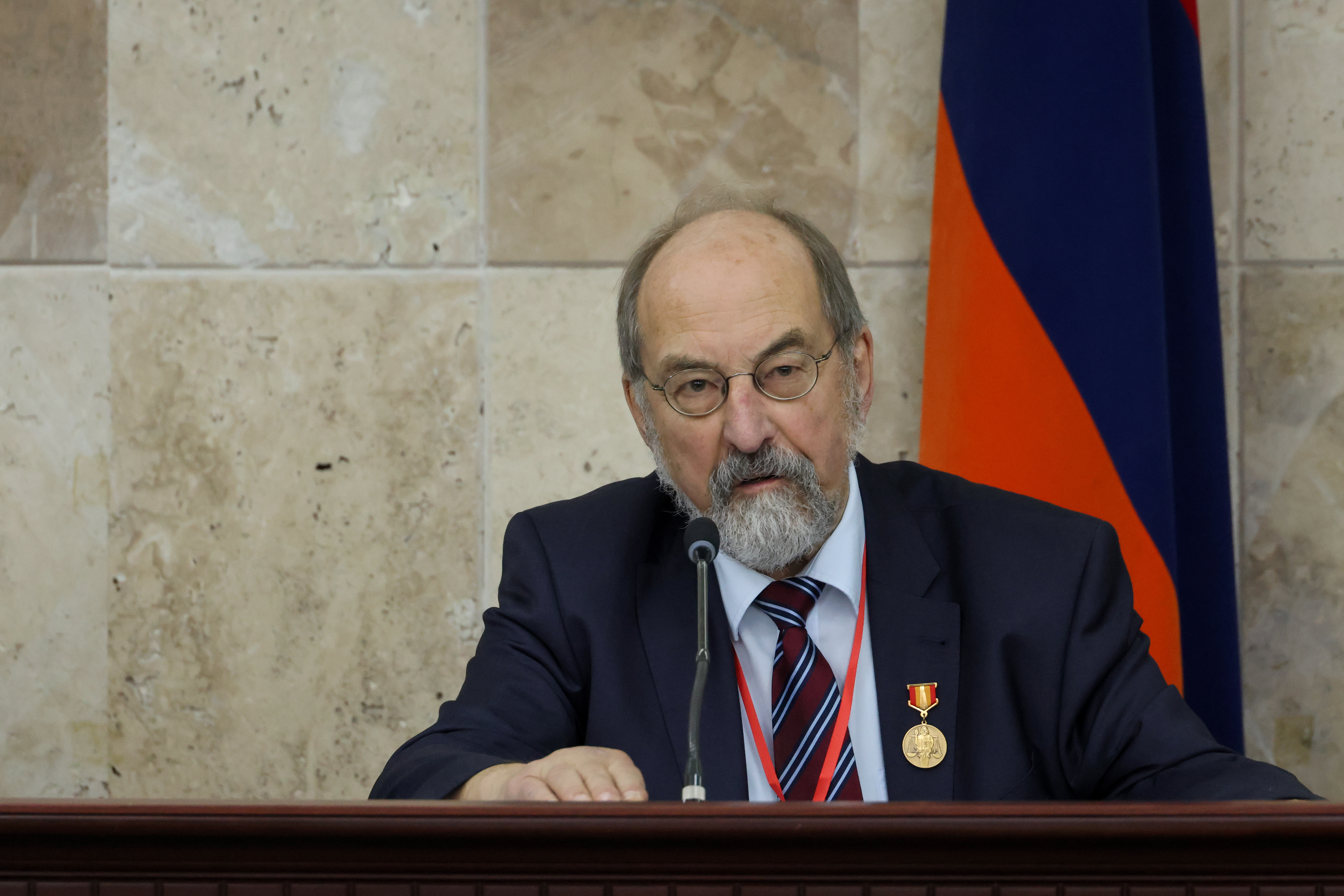
At the event, YSU Rector Hovhannes Hovhannisyan awarded medals and certificates to individuals who have contributed to the study and prevention of genocides and to promoting awareness of the issue on international platforms, as well as to supporters of the international conference "Genocide: Memory, Recognition, Prevention".
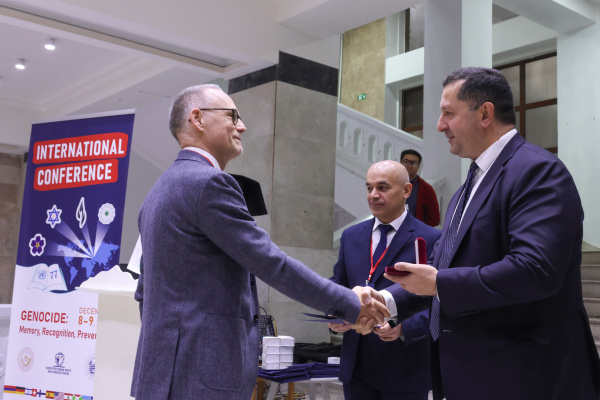
The YSU Gold Medal was awarded to Dr. Otto Luchterhandt, Professor at the University of Hamburg; Dr. Tessa Hofmann-Savvidis of the Free University of Berlin; and Professor Hans-Lukas Kieser of the University of Zurich, President of Research Foundation Switzerland-Turkey. The Charles Aznavour commemorative medal, the Glory of Musa Dagh medal and certificates of appreciation were also presented.
The conference brought together more than 50 leading experts, scholars and specialists from countries including Germany, France, Rwanda, Burundi, the United States, Israel, Russia, Sweden, the United Kingdom, Australia and Argentina.