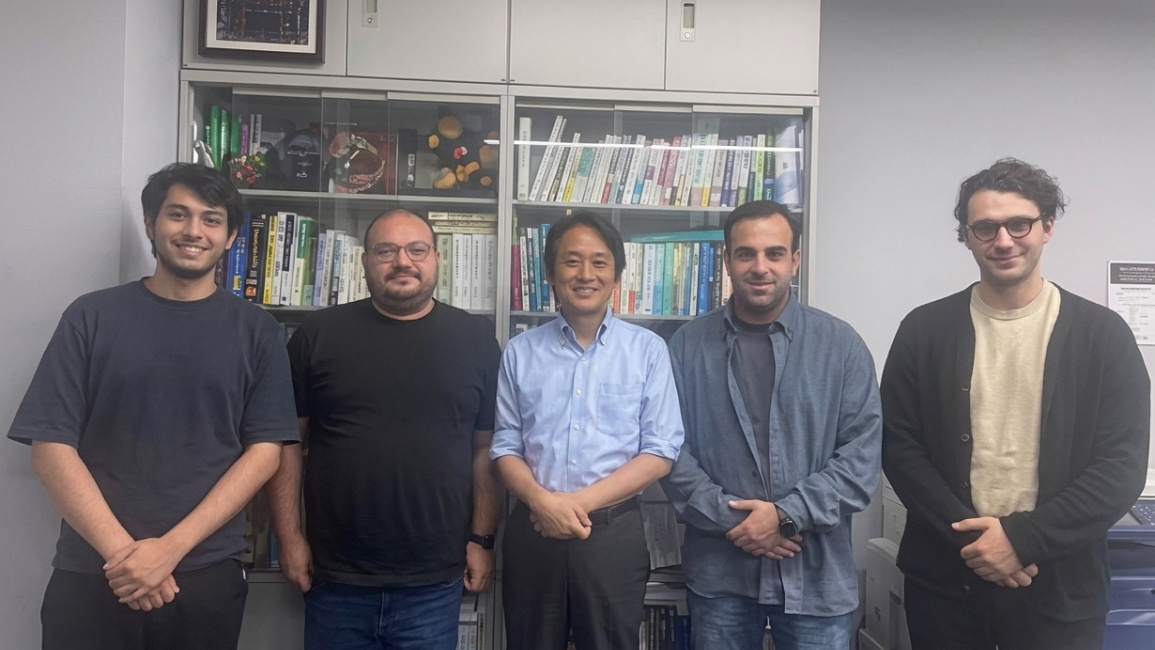
Representatives of the YSU Faculty of Geography and Geology visited the University of Tokyo and the University of Hyogo in Japan as part of a research visit. The delegation included Artak Piloyan, Head of the Chair of Cartography and Geomorphology, and Vahan Manukyan, Head of the Chair of Regional Geology and Mineral Exploration.
The visit took place under grant project 25RL-1E009, funded through the "Establishment of Remote Laboratories - 2025" competition organized by the Higher Education and Science Committee of Armenia's Ministry of Education, Science, Culture and Sport.
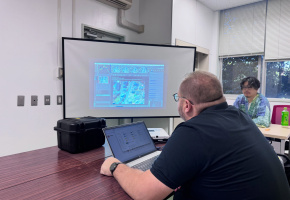
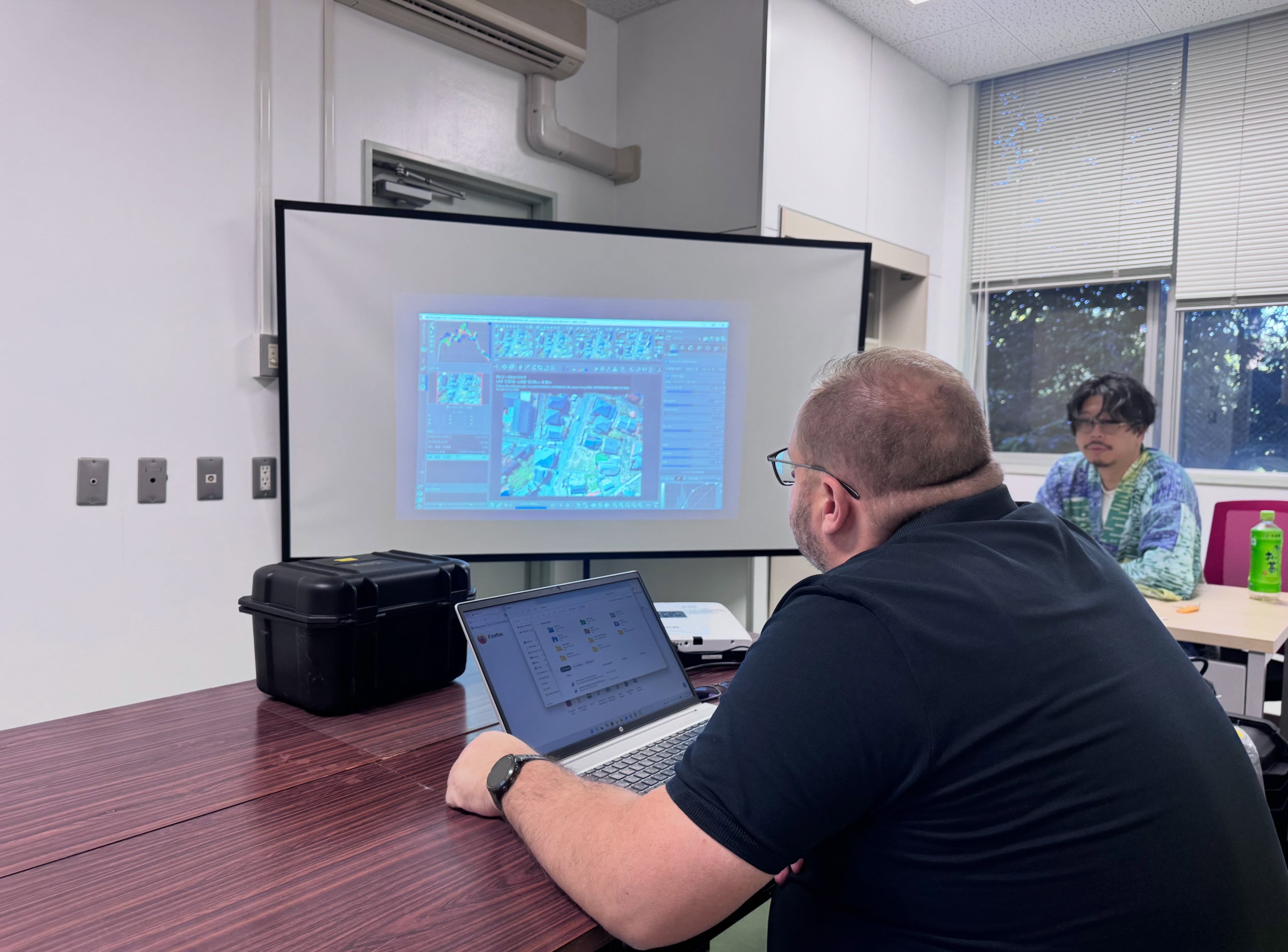
During the visit, Piloyan and Manukyan met with Japanese colleagues and learned how research laboratories are organized and operated, explored their technical capabilities, and became familiar with modern research methodologies. At the University of Tokyo's Center for Spatial Information Science (CSIS), they were hosted by Professor Yoshihide Sekimoto and his research team. The visit included workshops on urban mobility and large-scale spatial data analysis, as well as discussions about the research project's progress and opportunities for future collaboration.
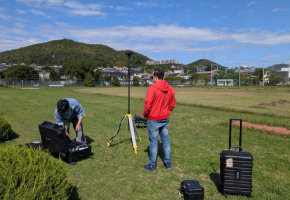
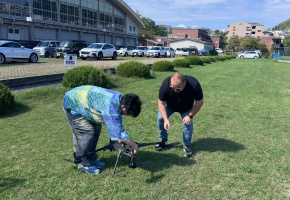
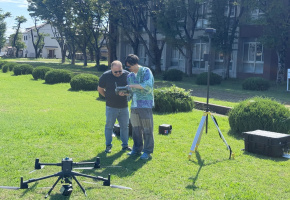
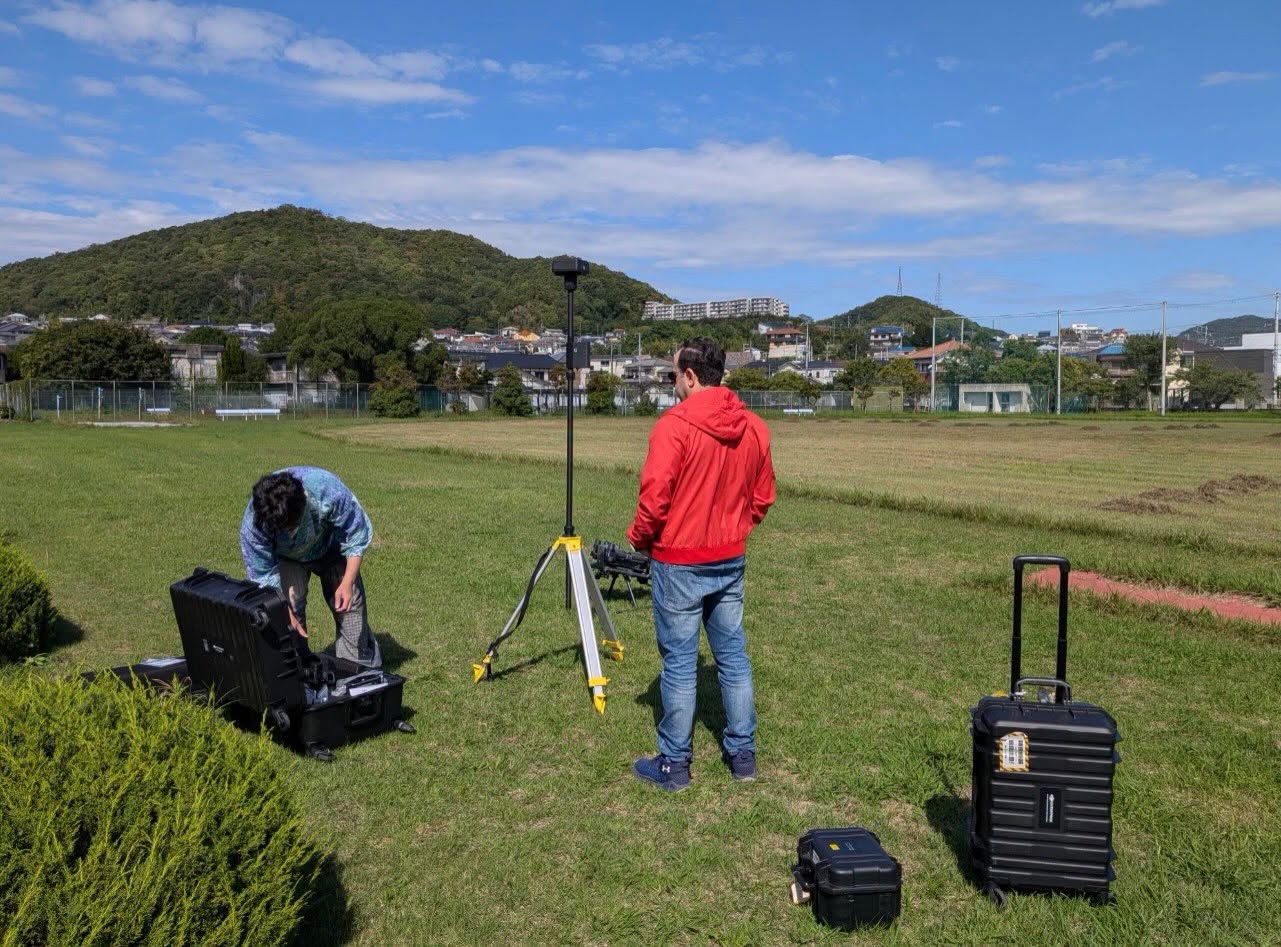
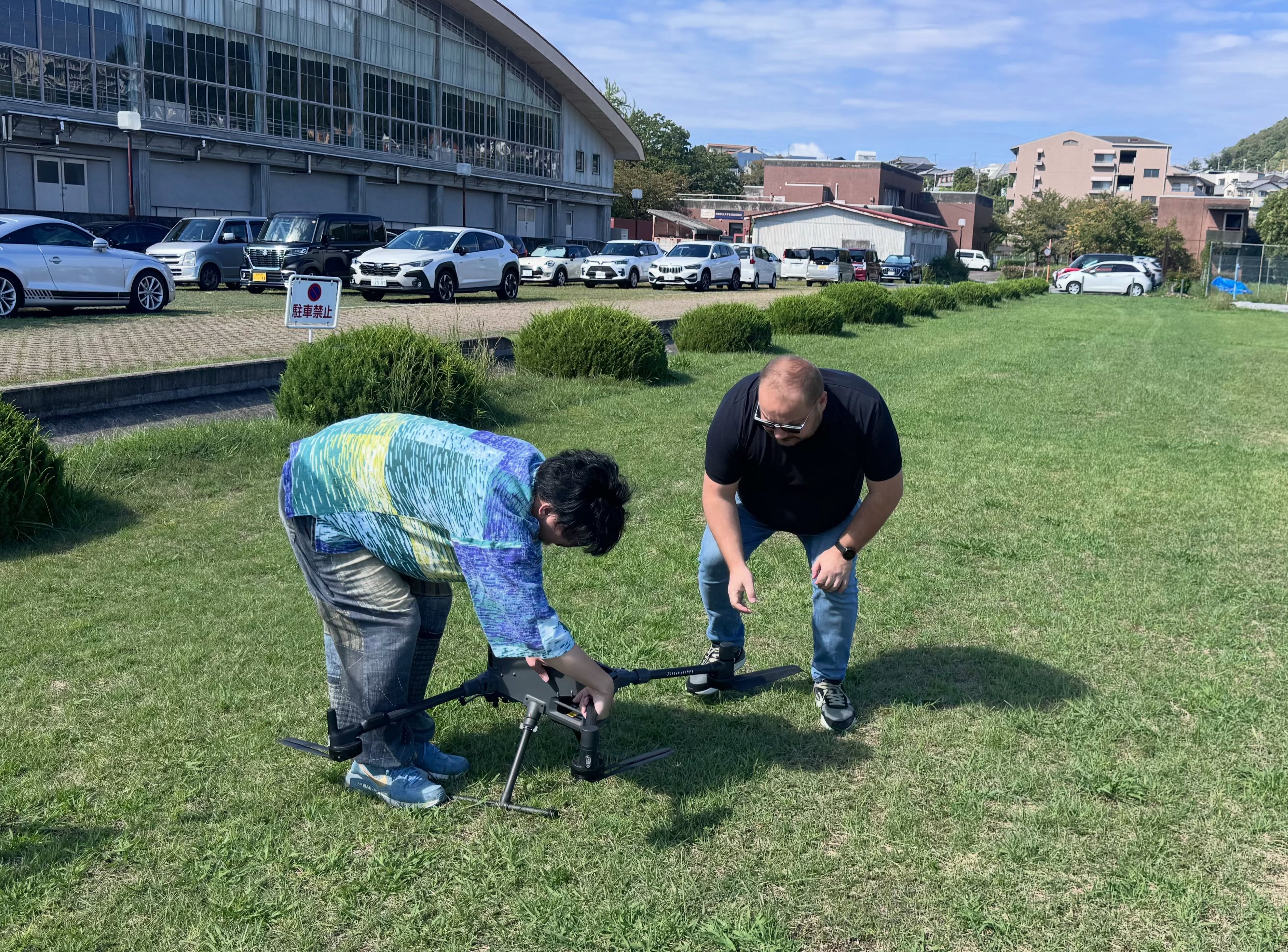
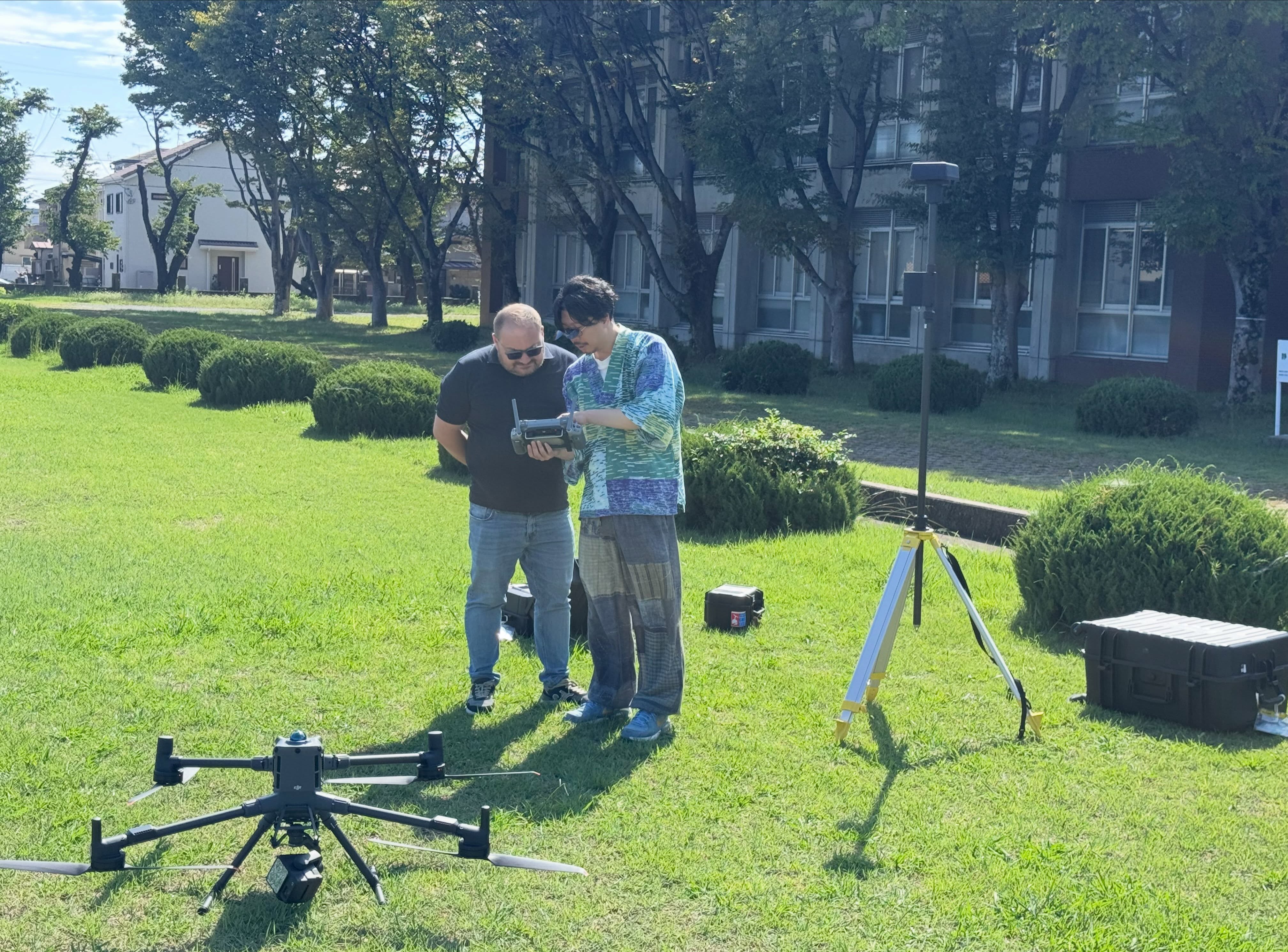
The professional discussions focused on the study of urban environments, spatial data analysis, and the application of modern remote sensing technologies. In discussions with Professor Kotaro Iizuka, the researchers examined methodological aspects of applying radar interferometry (InSAR) using Sentinel-1 satellite data to study Yerevan, approaches to improving the reliability of surface displacement estimates, and methods for interpreting the results. They also conducted LiDAR scanning in urban areas.
The workshops and professional meetings also addressed the study of human behavior and movement in urban environments, spatial data modeling, and methods for generating synthetic data. At the University of Tokyo's Kashiwa Campus, discussions with Professors Fuko Nakai and Takashi Oguchi explored potential areas for further research collaboration.
The experience gained and discussions held during the visit are valuable for strengthening the faculty's research activities, applying modern spatial data analysis methods, and expanding international academic cooperation. The knowledge and experience gained may also support research on Yerevan's urban environment and future joint scientific initiatives.