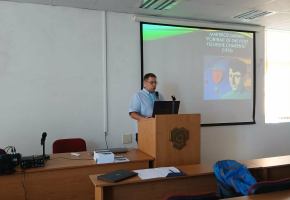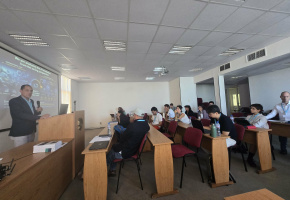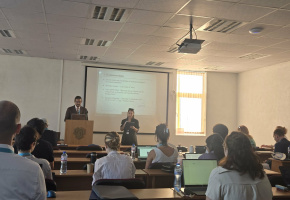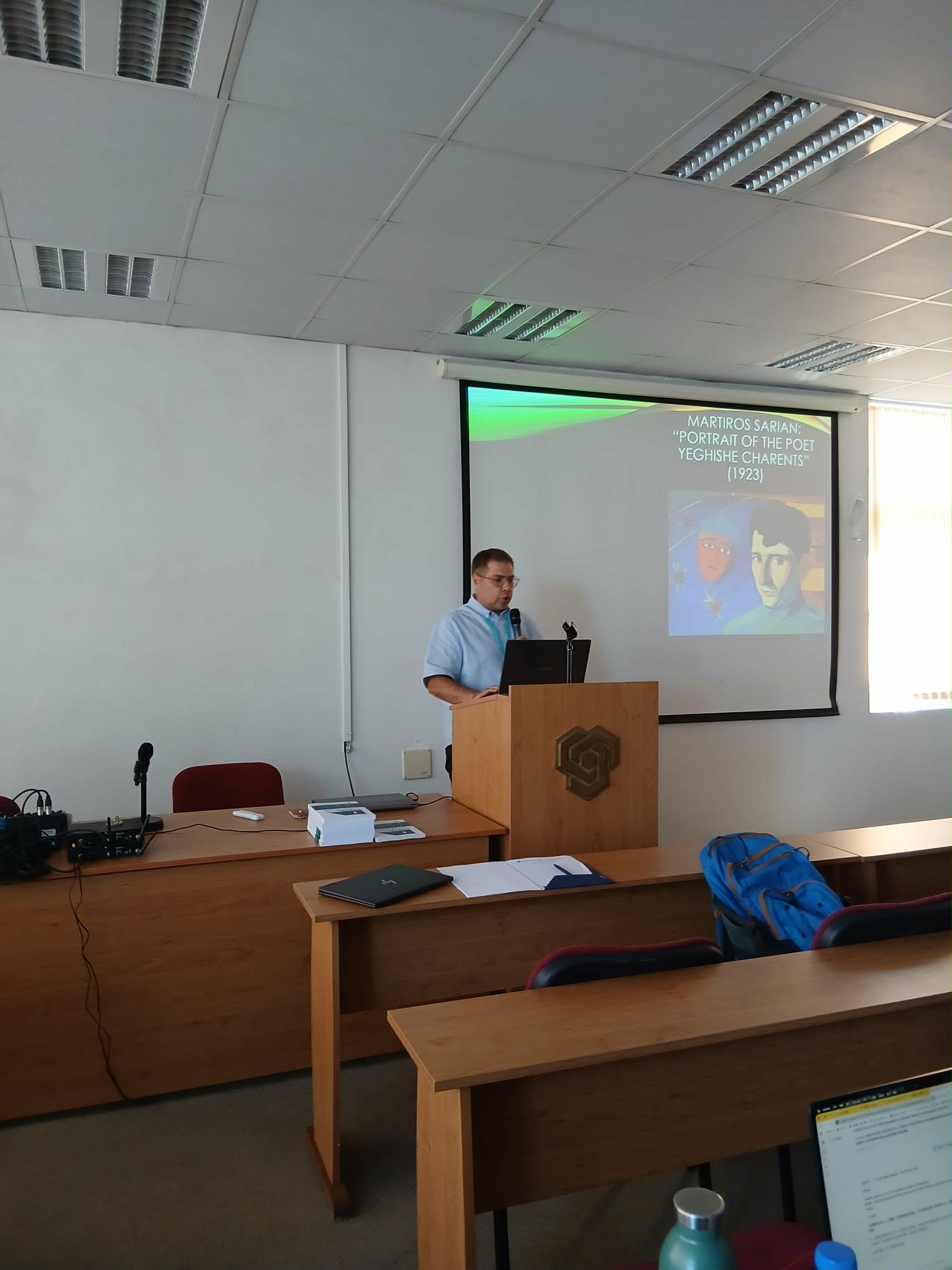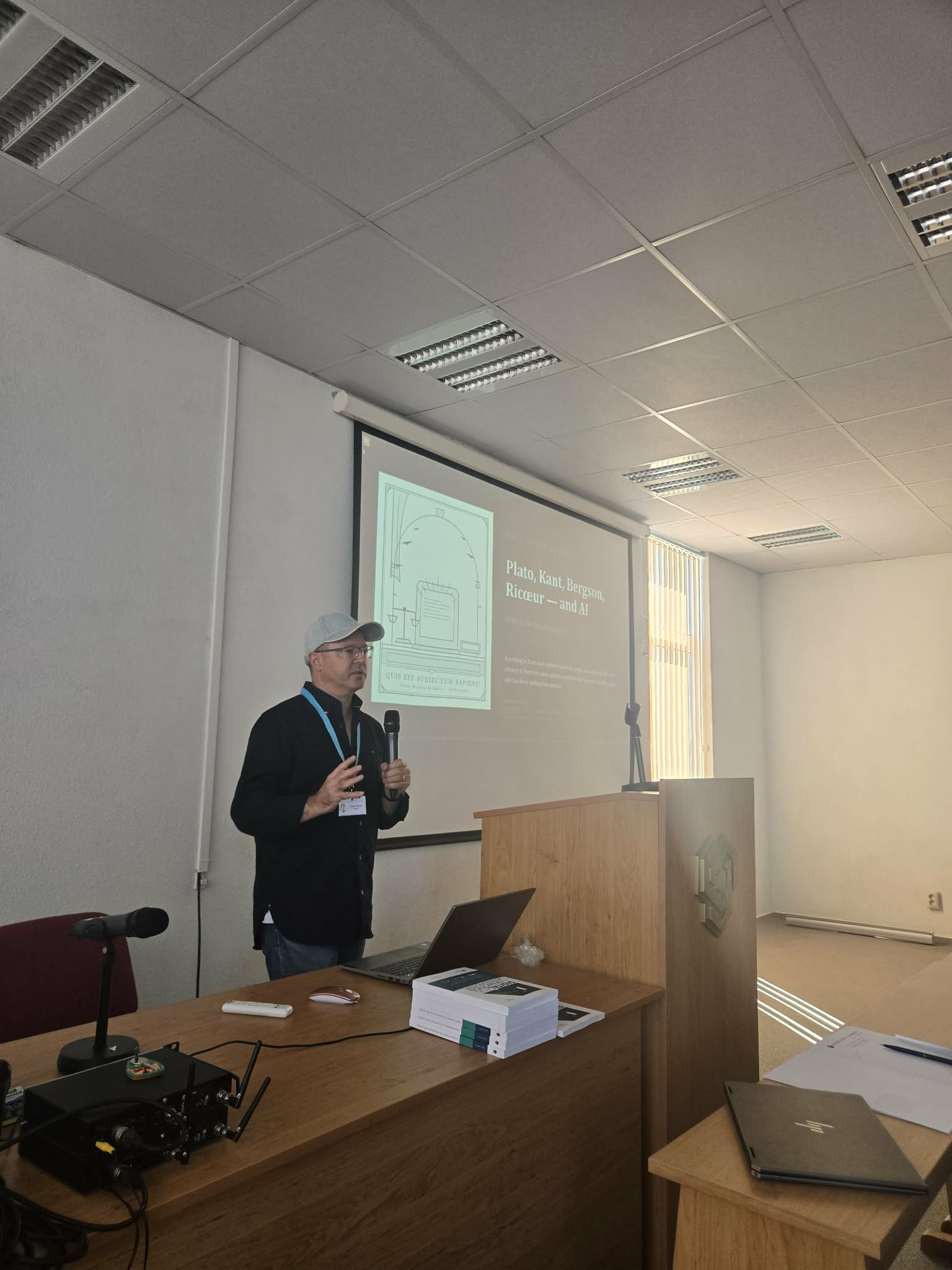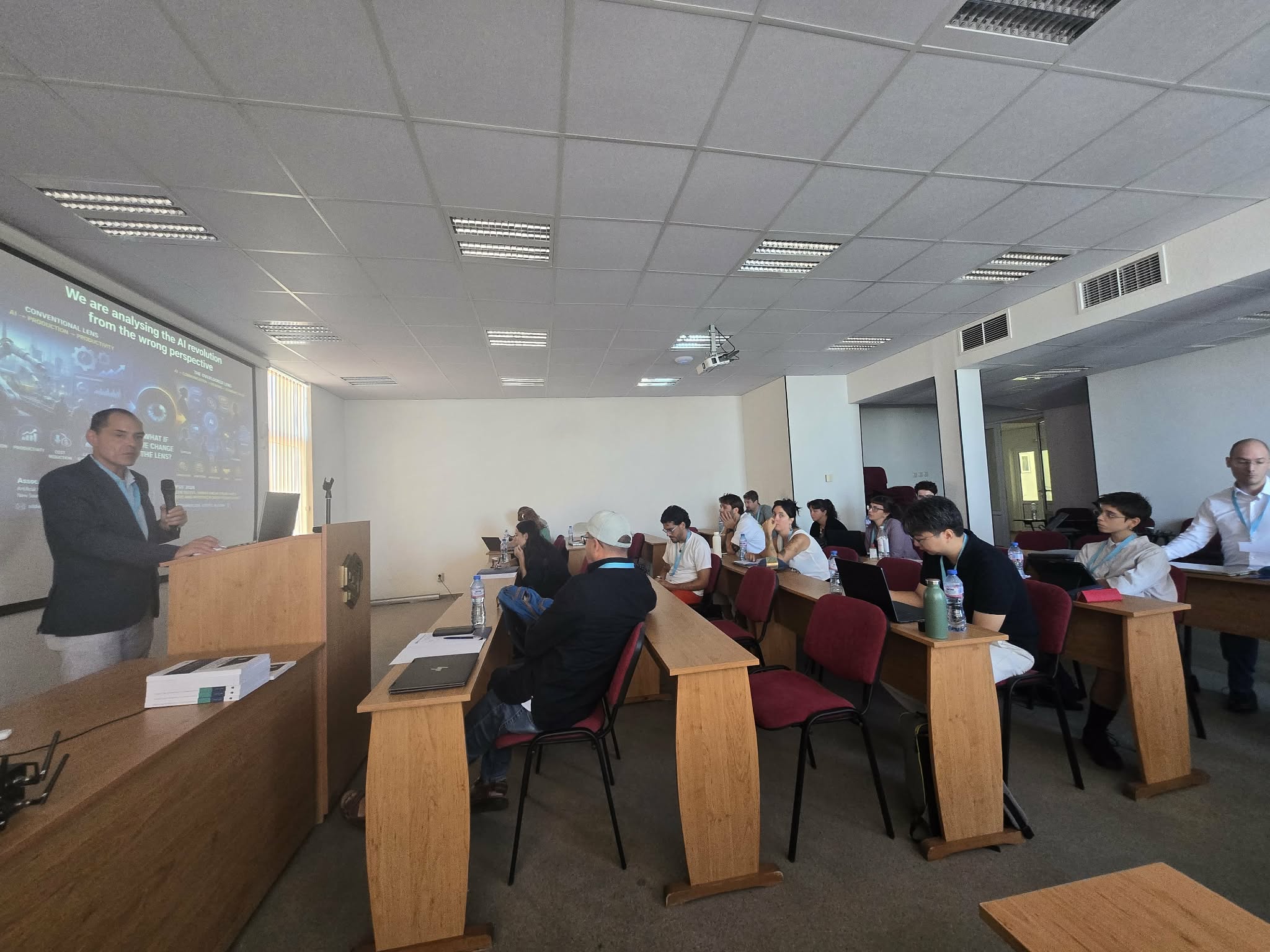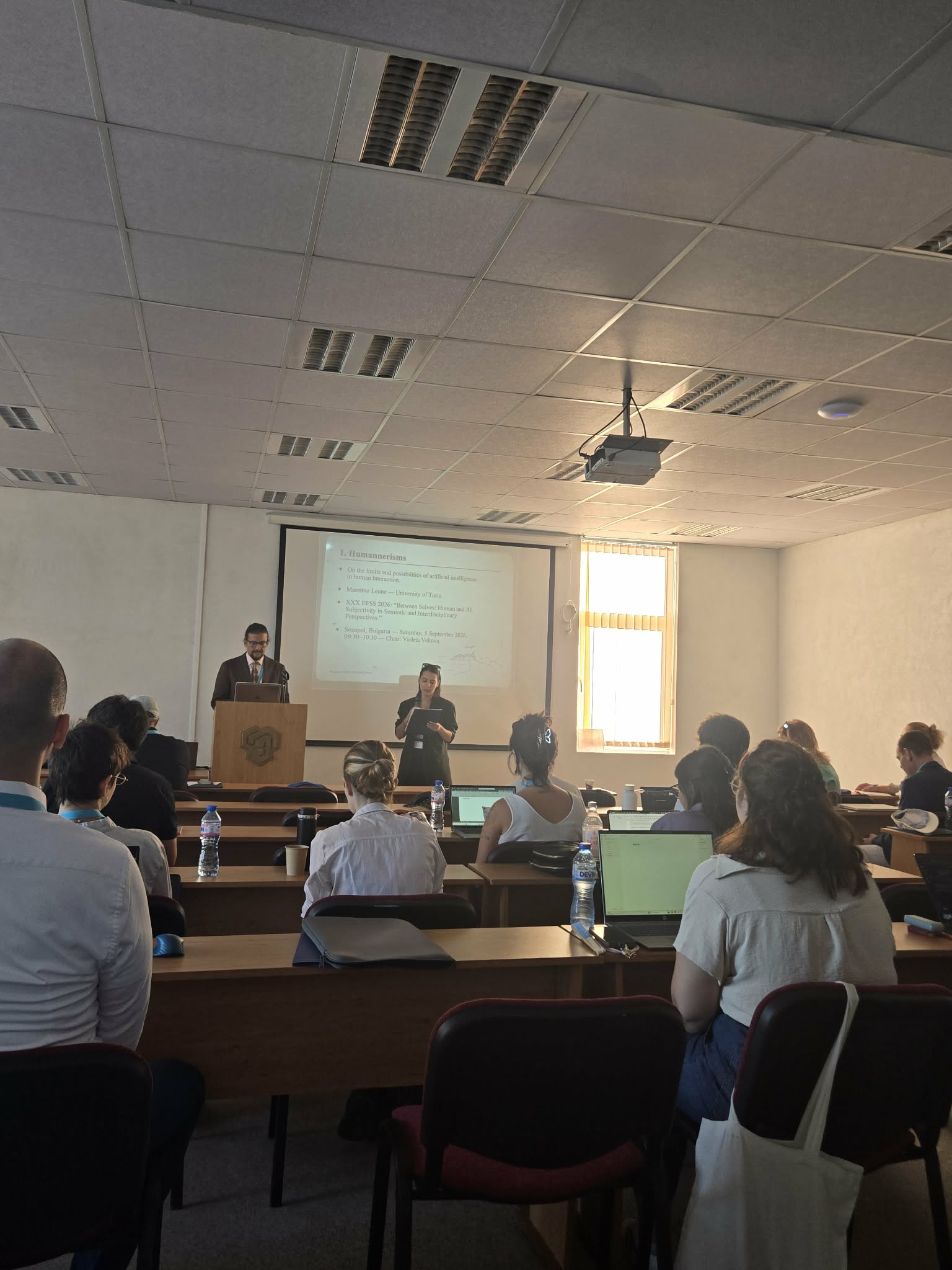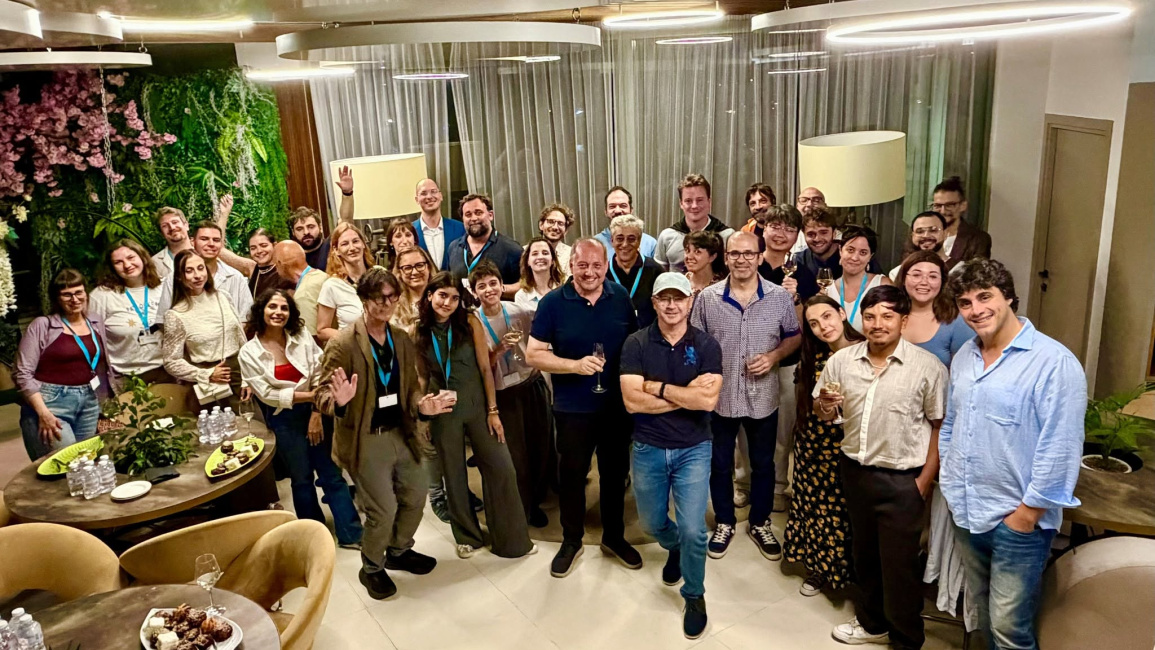
Head of the Chair of Media Studies and Semiotics at the Faculty of Journalism, Yerevan State University, Professor Tigran Simyan, participated in the conference in Sozopol (September 4-7, 2026, XXX Early Fall School of Semiotics, dedicated to the topic “Between Selves: Human and AI Subjectivity in Semiotic and Interdisciplinary Perspectives”
One way to institutionalize science is through international schools that combine scientific conferences, seminars, and colloquia. Such permanent platforms create opportunities for synergy; in other words, they serve as a springboard for future research and scientific cooperation. The experience of semiotic schools is particularly important in this regard.
Four summer schools (1964, 1966, 1968, 1970) and one winter school (1974) played a crucial role in the formation of the Tartu–Moscow Semiotic School. Over time, the regular meetings of researchers from the Tartu–Moscow Semiotic School became more than a series of separate scientific events. They developed into a stable intellectual tradition and a means of building an international scientific community around Tartu semiotics. The modern Tartu Semiotics Summer School operates according to the same logic.
The Early Fall School of Semiotics (EFSS) demonstrates a similar model of institutionalizing scientific dialogue at New Bulgarian University. The school has been held since 1995 and, over three decades, has developed into a permanent international platform of the Southeast European Center for Semiotic Studies at New Bulgarian University, headed by Professor Kristian Bankov.
From September 4 to 7, 2026, the XXX anniversary Early Autumn School of Semiotics took place in Sozopol. The school’s central problem was rethinking subjectivity in the age of AI: semiotic models of the human and artificial “I”, issues of authorship and intentionality, and the boundaries between subjectivity as experienced by humans and as modeled by artificial intelligence.
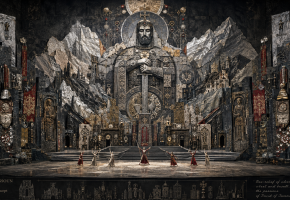
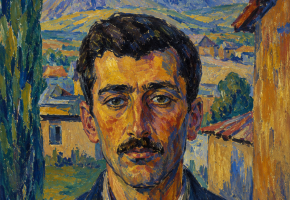
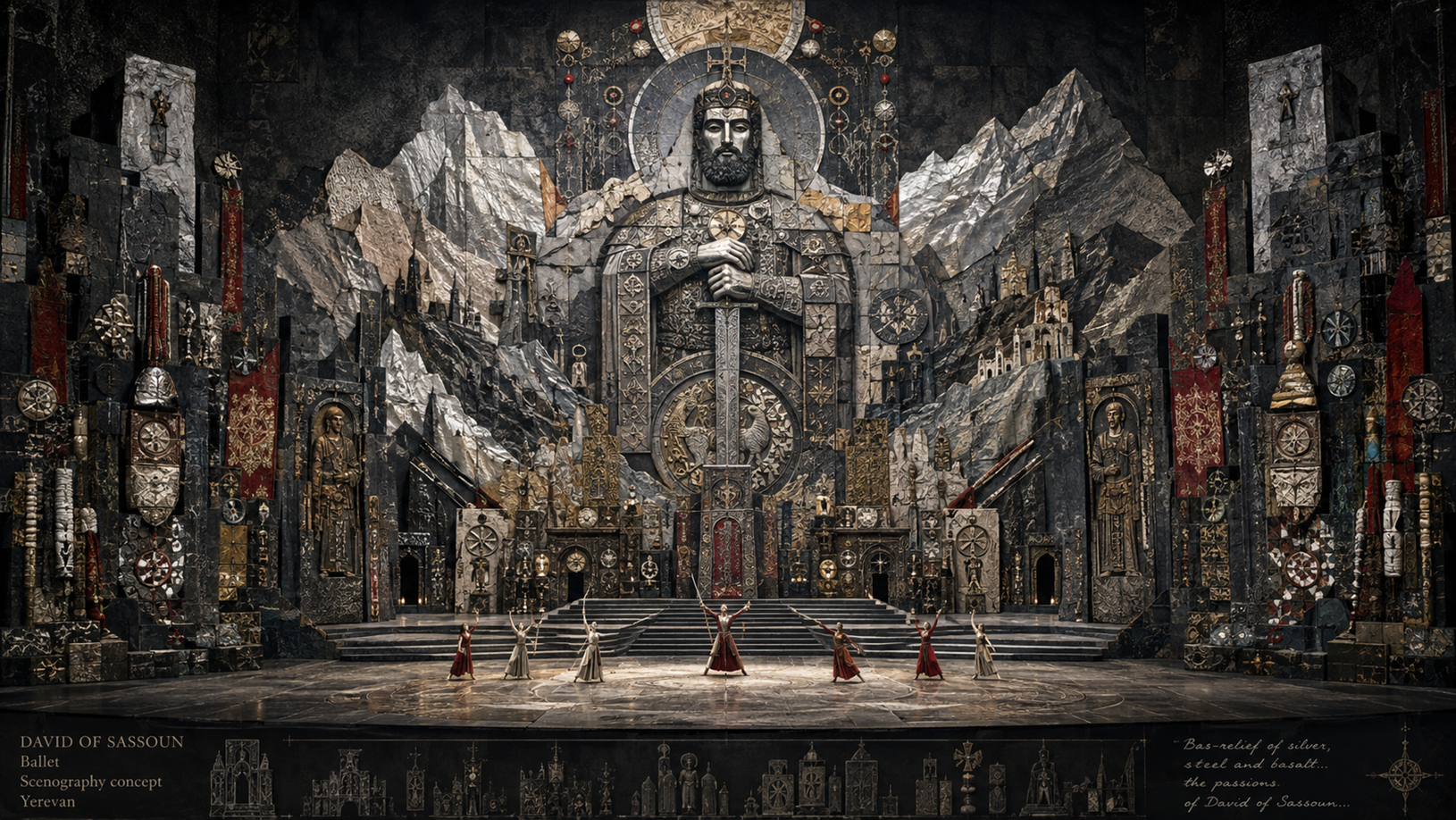
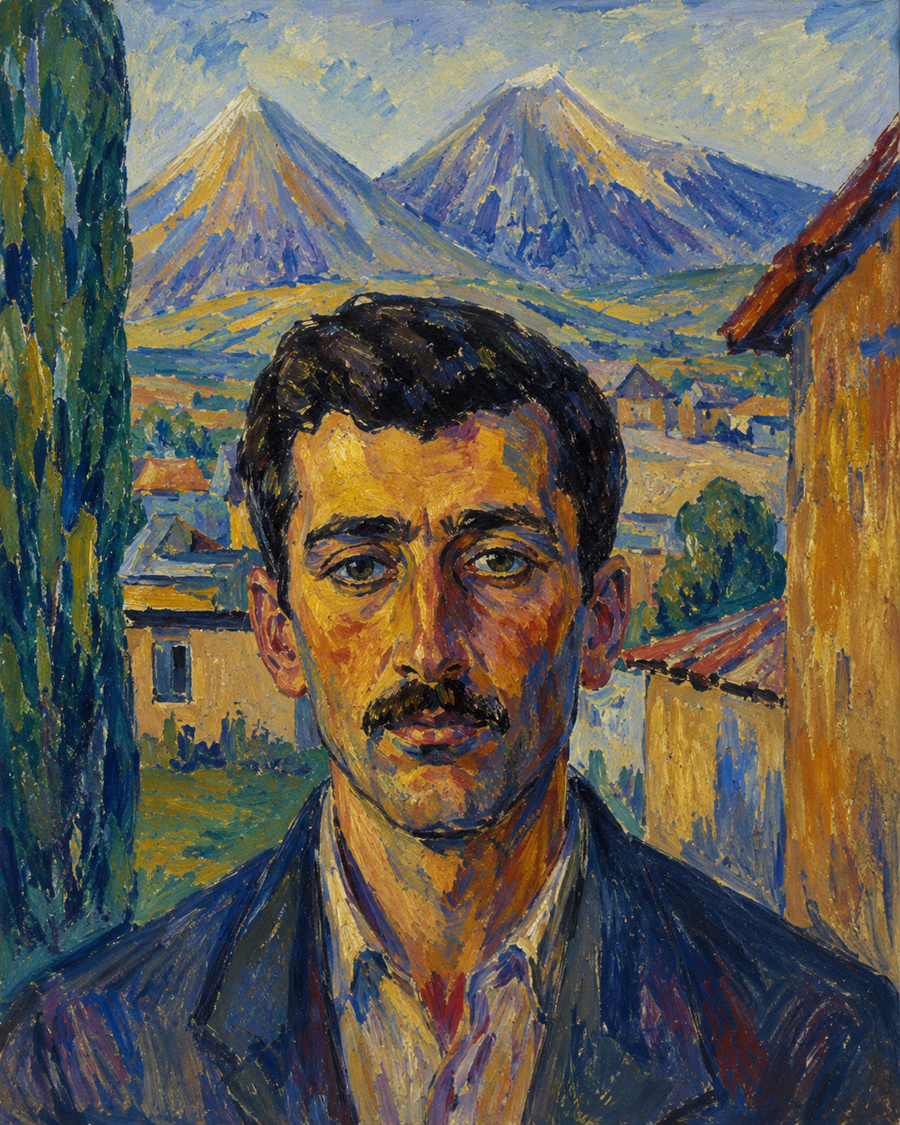
Professor Tigran Simyan, Head of the Department of Media Studies and Semiotic also contributed to the school’s discussion of subjectivity, drawing on the Armenian epic David of Sassoun and the works of the Armenian artist Martiros Sarian. During his stay in Bulgaria, the YSU professor also conducted field research in Bulgaria’s coastal cities, including Varna, Nessebar, Pomorie, Sozopol, and Burgas, with financial support from the Committee on Higher Education and Science of the Republic of Armenia (Project topic – Daredevils of Sassoun in Art and Socio-political Discourse: Social Memory, Identity, Typology, and Multimodality, No. 24SSAH-6B014).