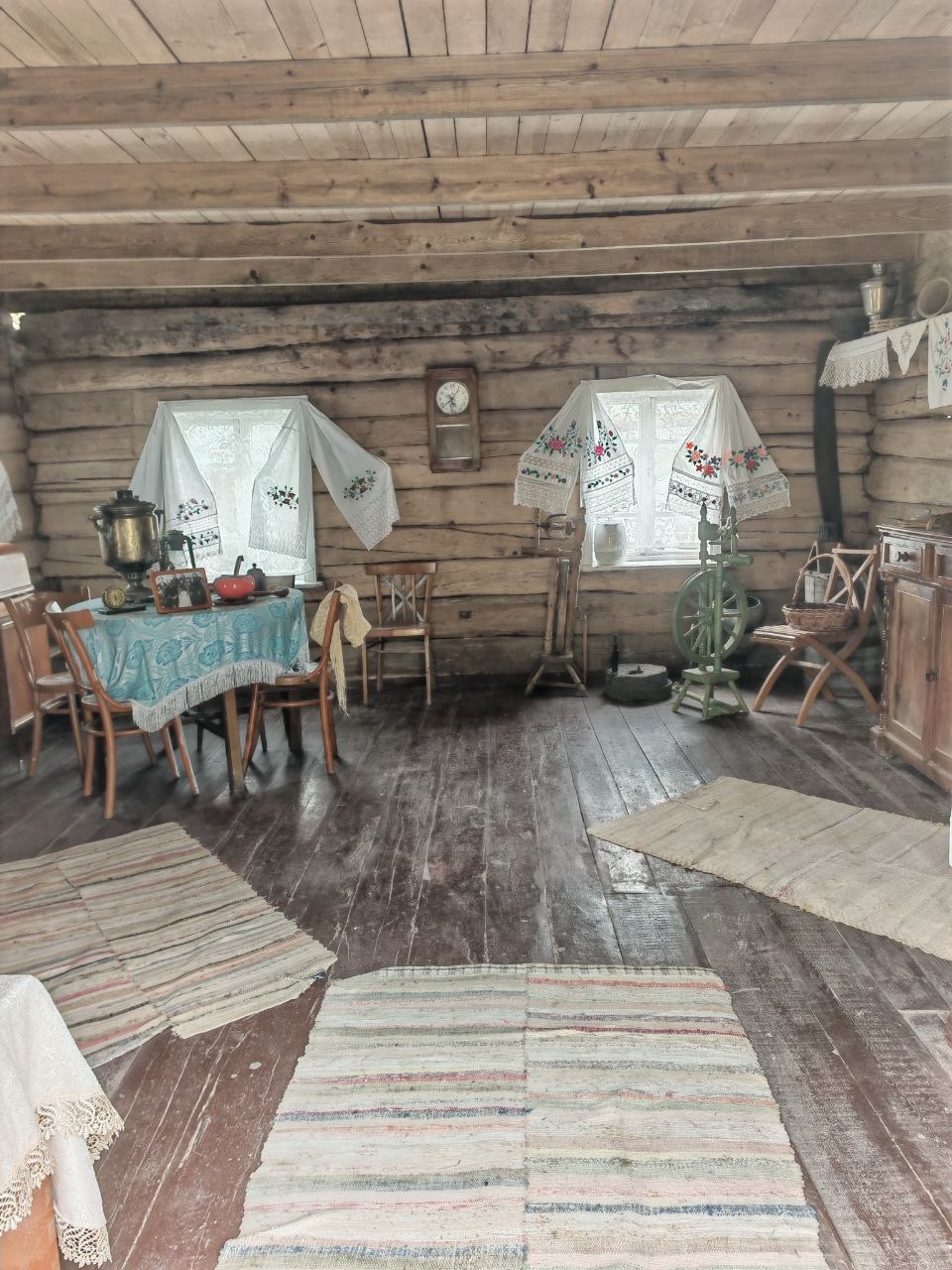
Students of the YSU Faculty of Russian Philology visited the village of Fioletovo once again, one of Armenia's best-known Russian settlements, where the traditions of the Molokan community are still carefully preserved.
Visits to Fioletovo have already become a regular tradition for the faculty. For several years, students have been traveling to the unique village under the guidance of faculty lecturer A. Khizantsyan to become familiar with the history, culture, language, and way of life of the Molokans. The Molokans are a group representing Russian Spiritual Christianity who were resettled in Armenia in the 19th century.
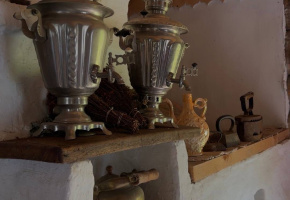
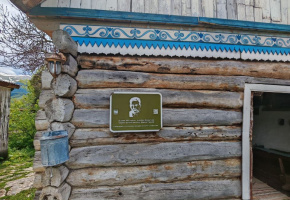
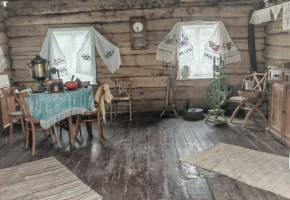
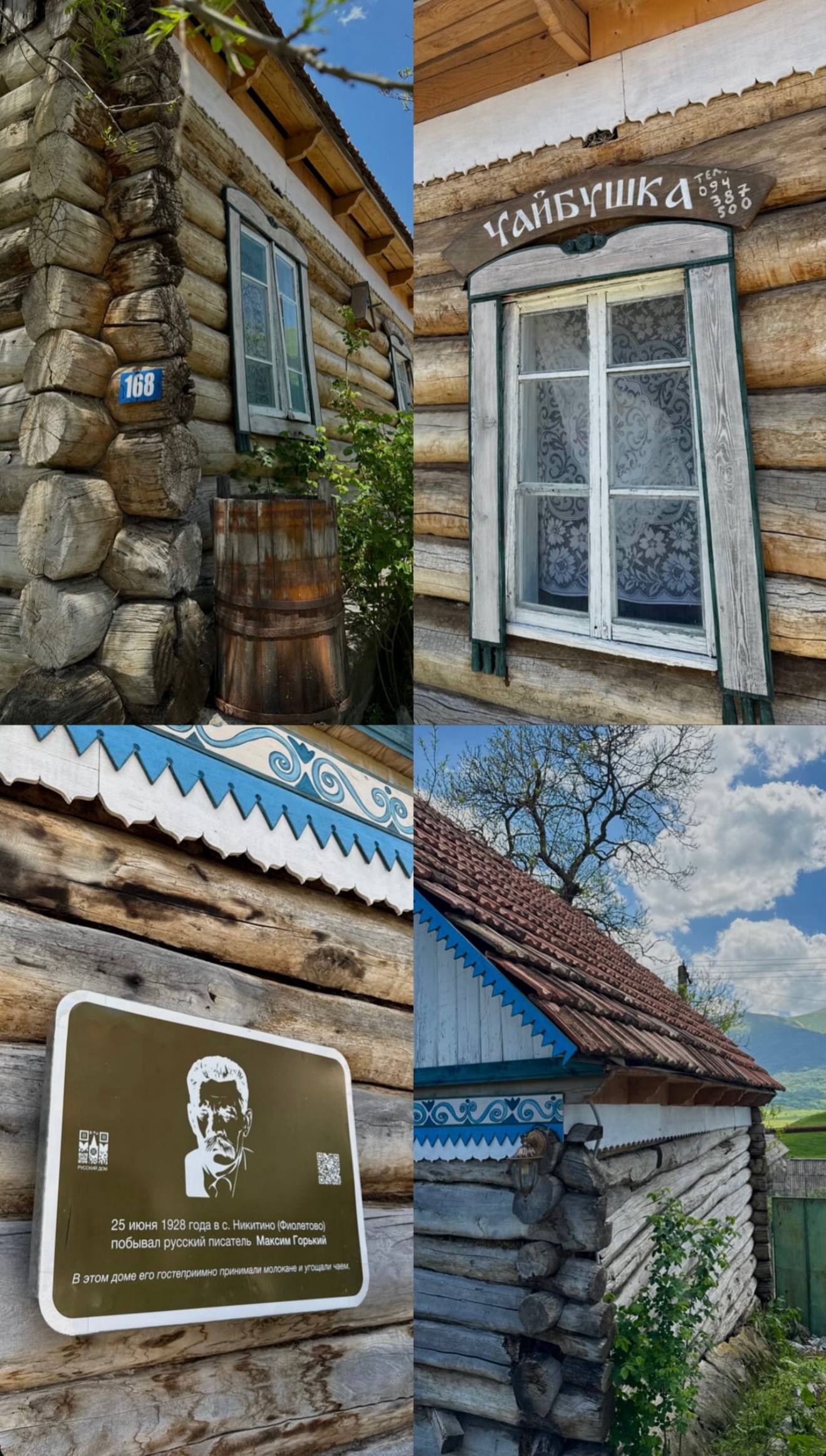
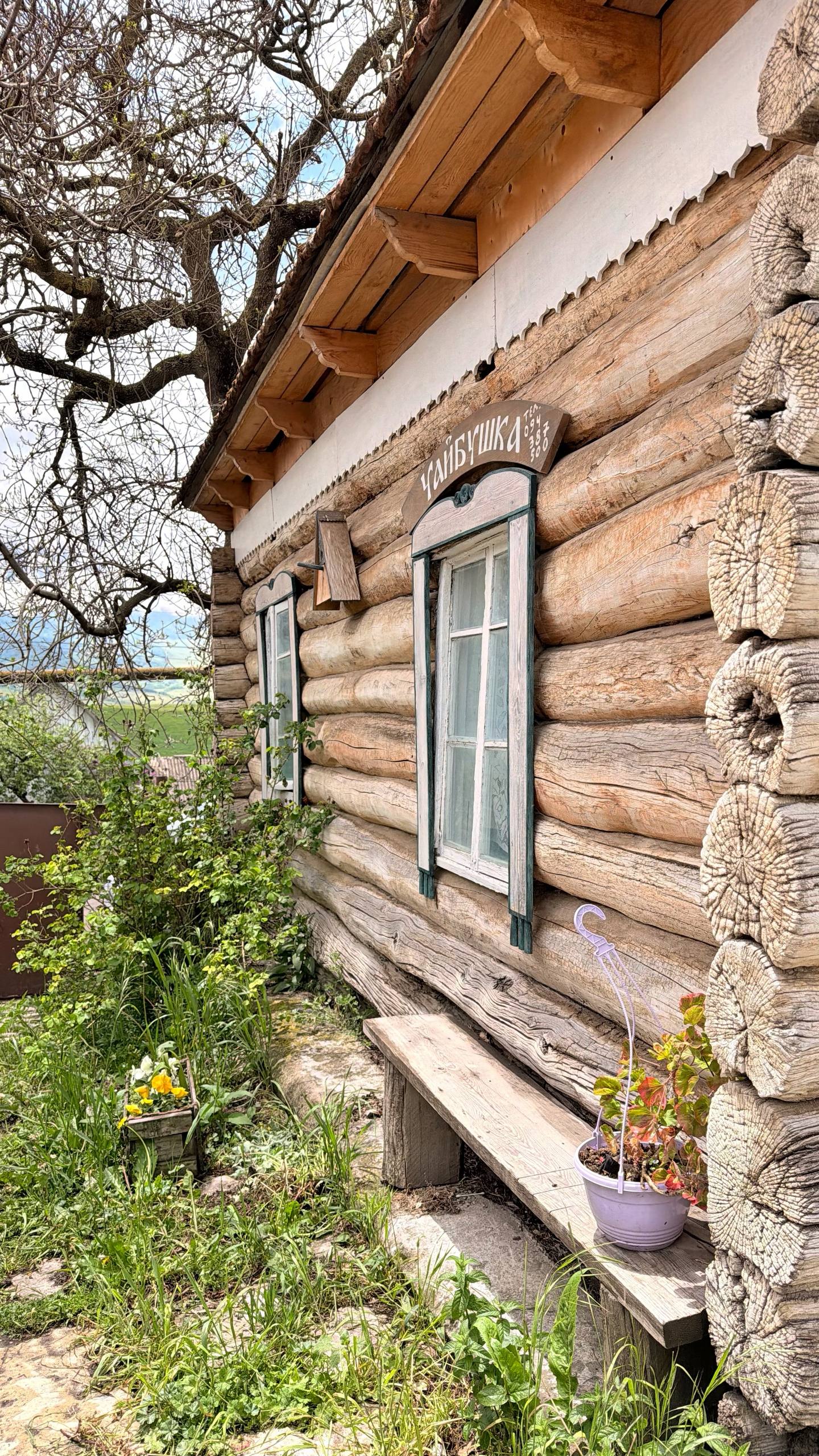
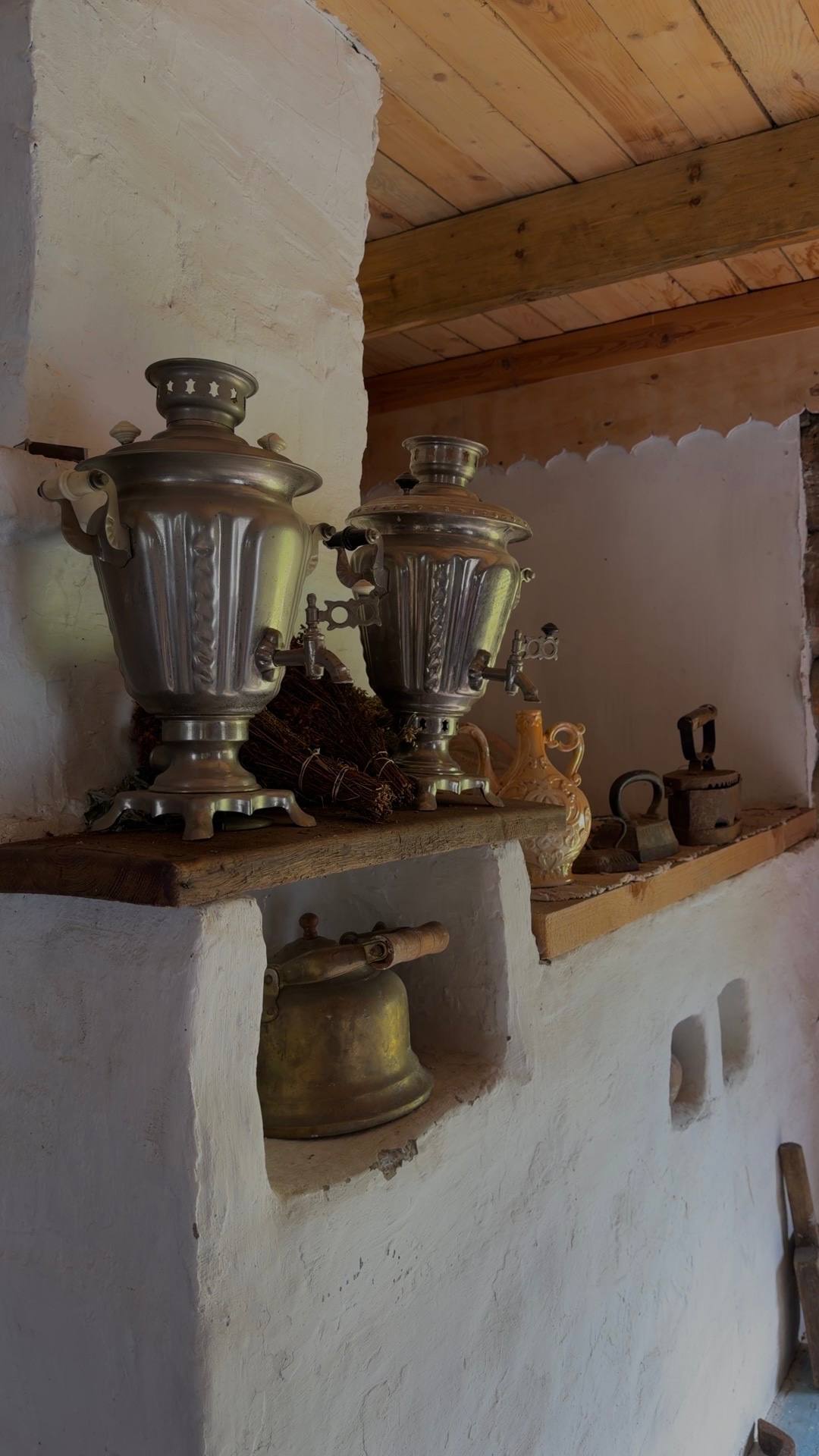
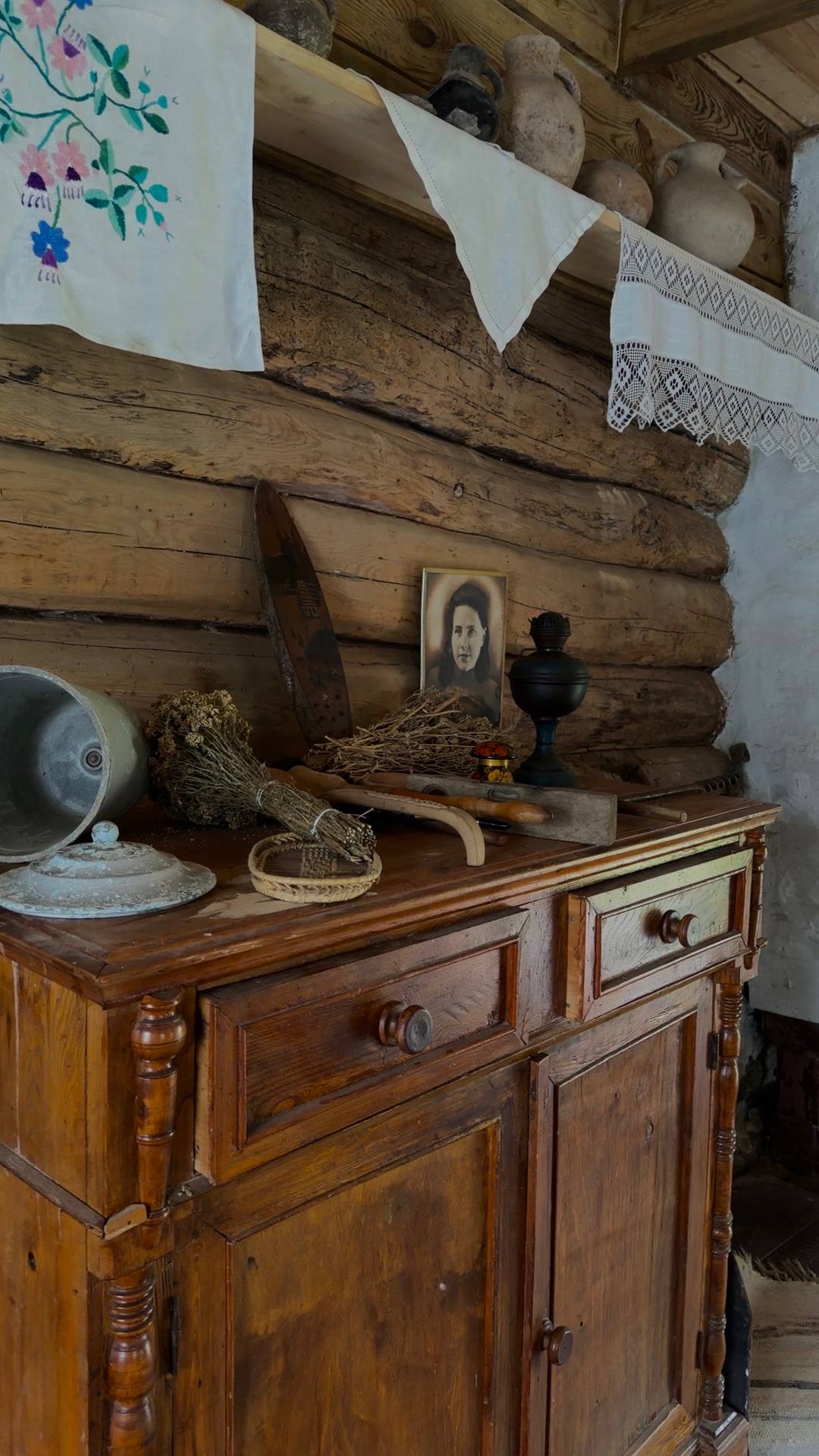
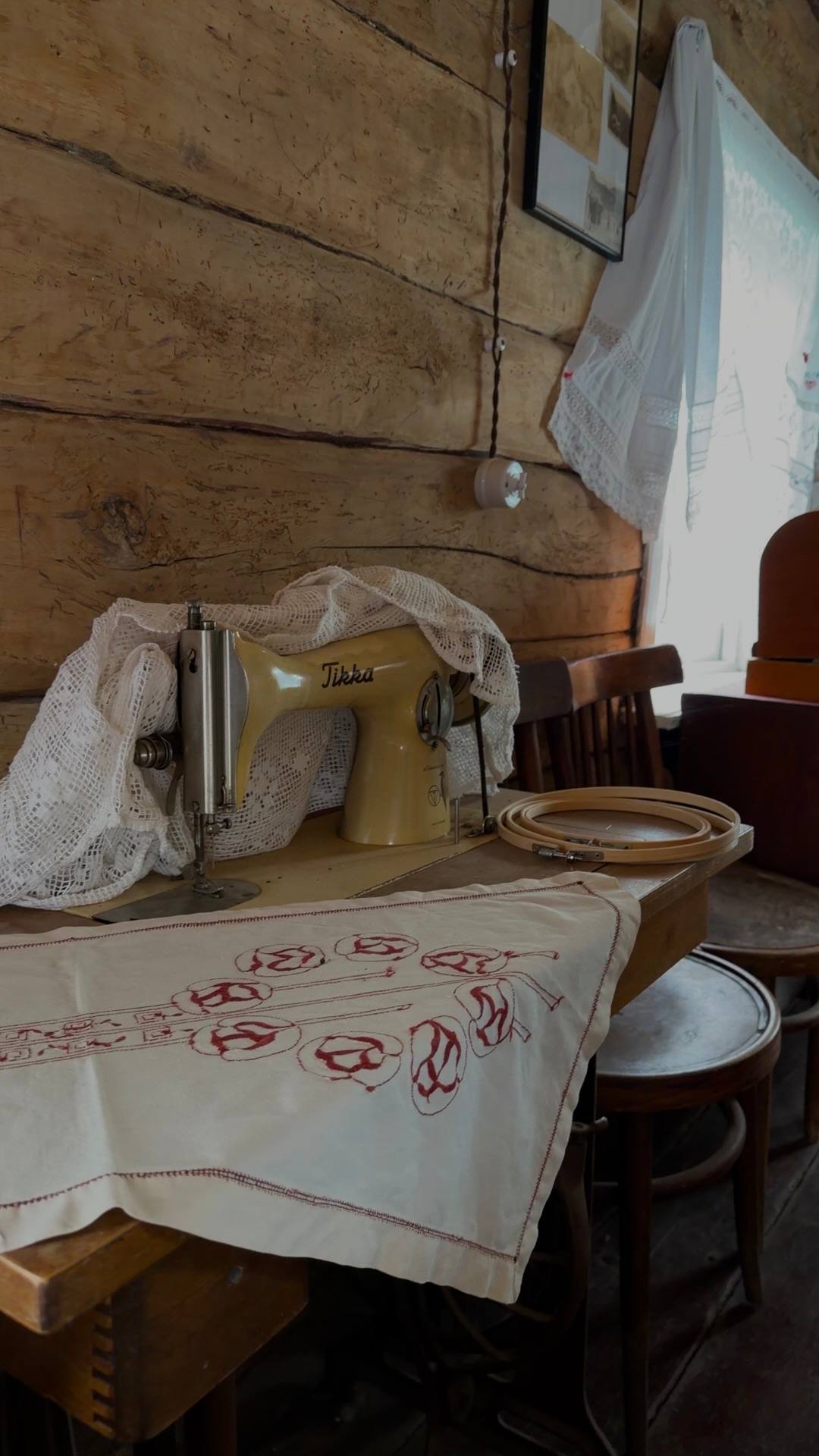
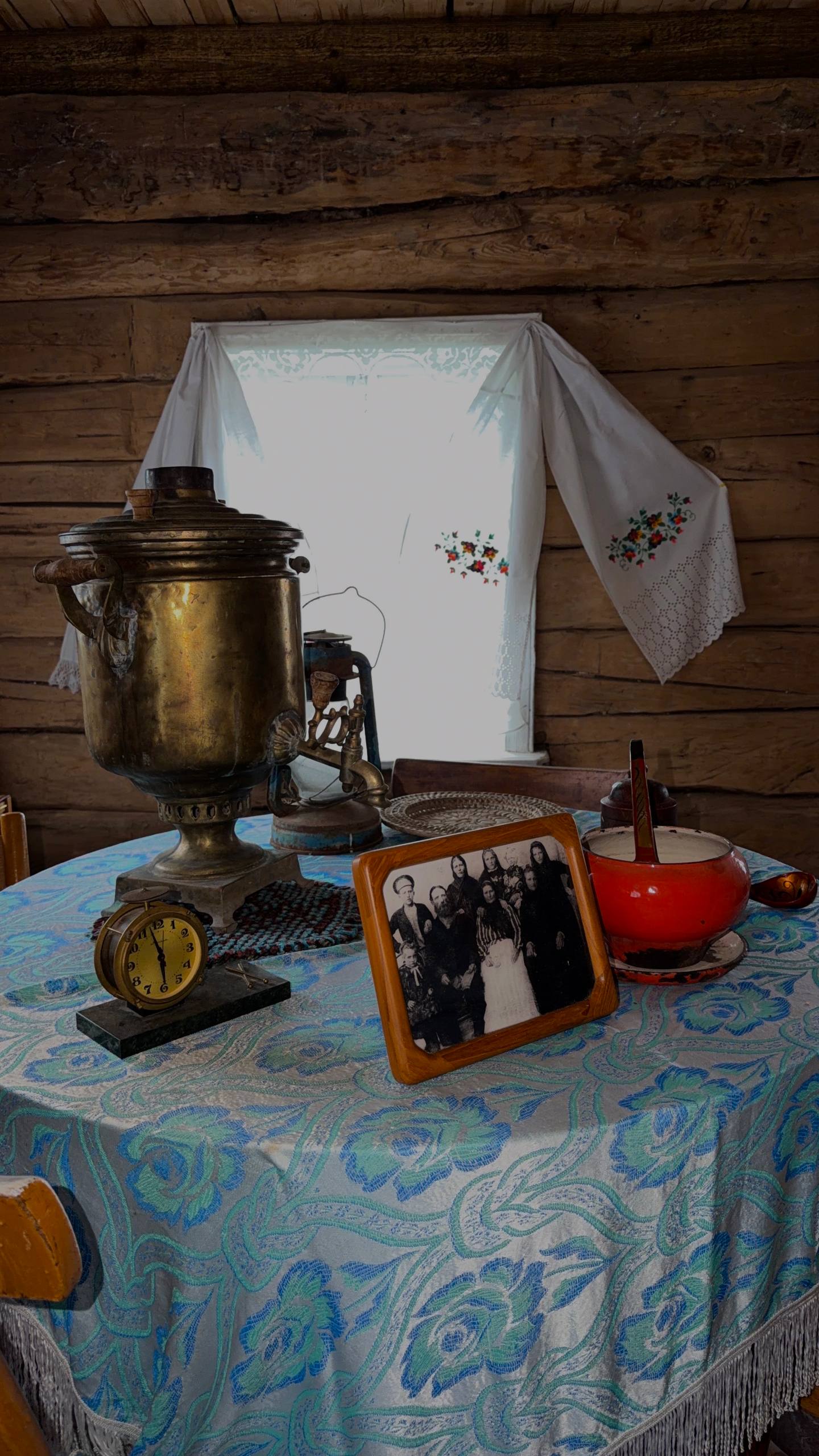
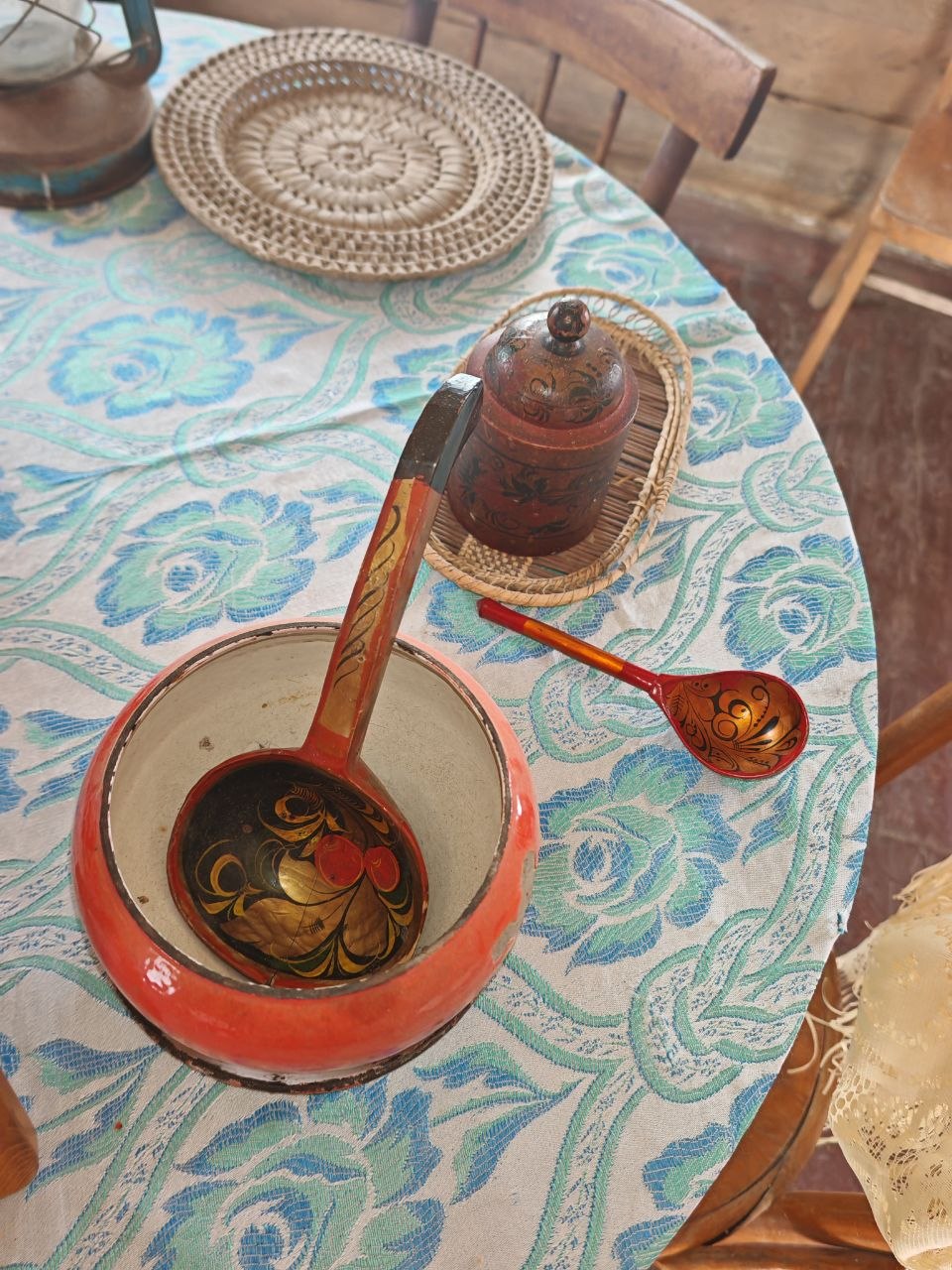
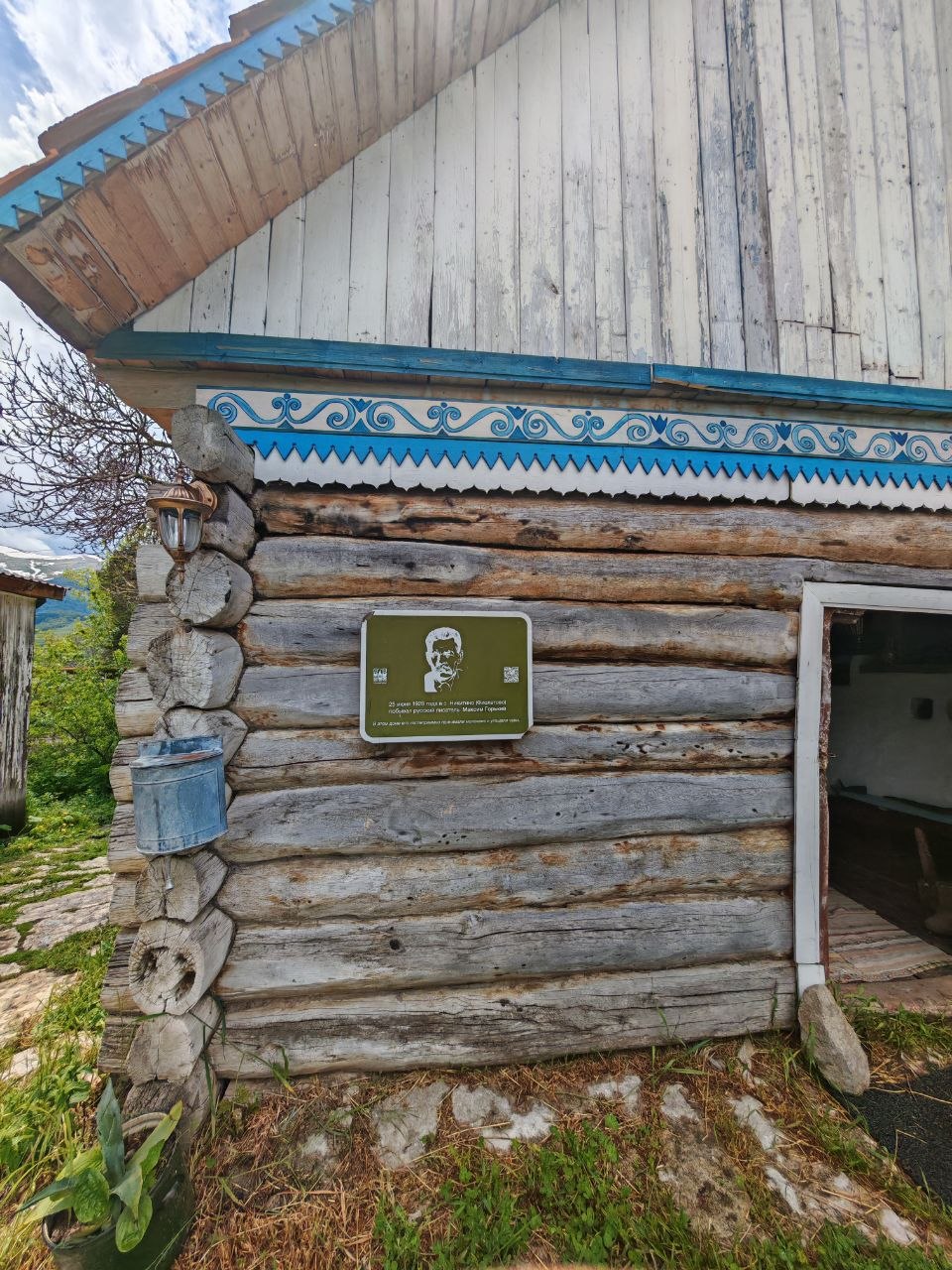
Located in the picturesque Lori Province, Fioletovo is one of the few places in Armenia where a distinct Russian cultural identity has been preserved. Traditional wooden houses can still be seen, Russian speech with distinctive dialectal features can be heard, and visitors can learn about local customs, family traditions, and the everyday life of residents.
During the visit, students interacted with villagers and learned about the history of the Molokans' relocation to Armenia, their religious views, educational traditions, economic practices, and attitudes toward preserving their cultural heritage.
"Such visits are of great importance for future philologists, translators, and specialists in intercultural communication. They allow students not only to expand their knowledge of Russian culture beyond the borders of Russia, but also to see how language and tradition are preserved in a multicultural and multiethnic environment," lecturer A. Khizantsyan said.
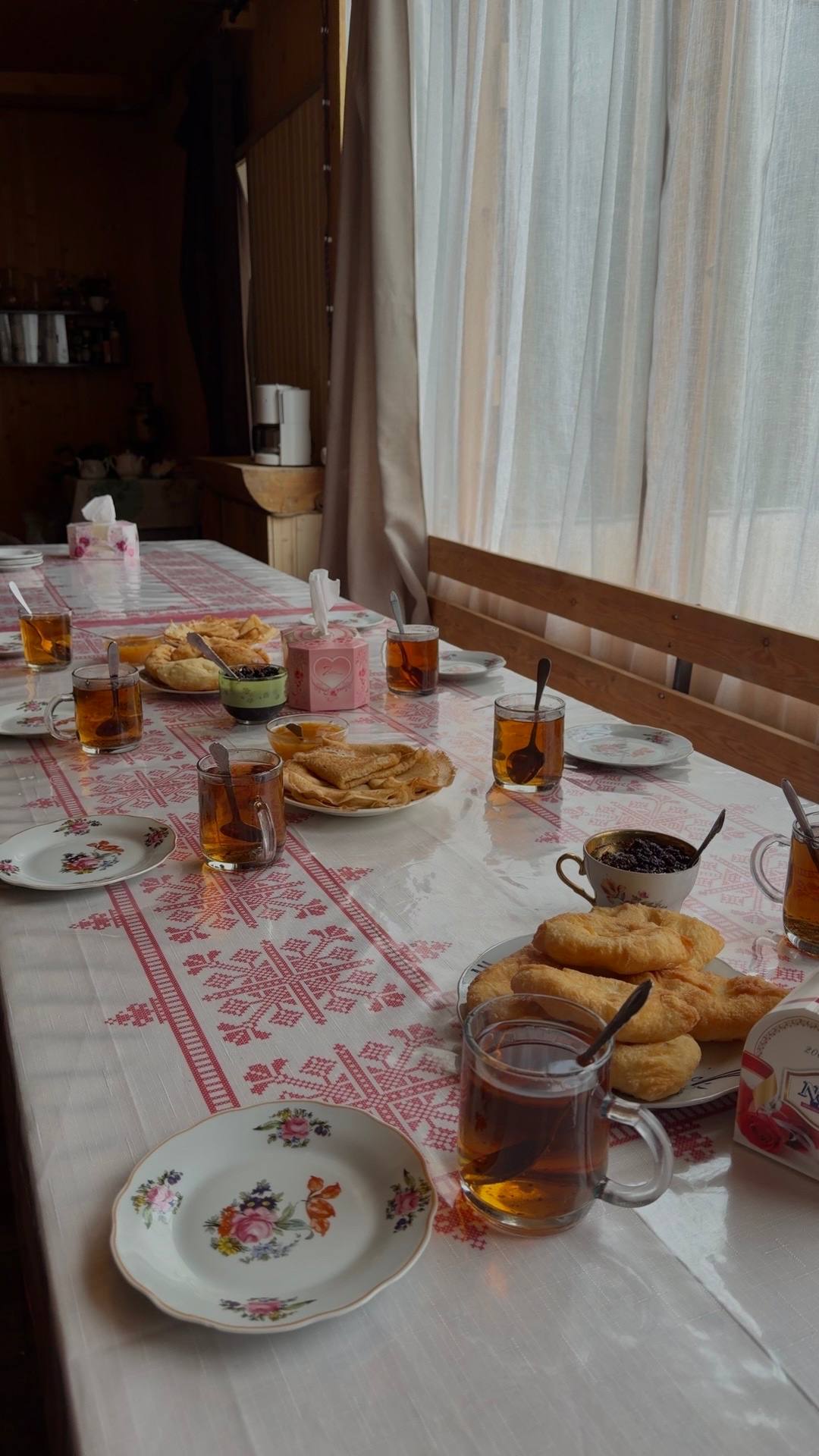
"Fioletovo left a very strong impression on me. It was remarkable how people have preserved their traditions, language, and way of life across generations. The hospitality of the residents and their sincere willingness to share their culture were especially noteworthy," one of the faculty students said.
Other participants also emphasized that such meetings help them better understand the specifics of intercultural communication and experience the living connection between language, history, and culture.
"You cannot replace such trips with textbooks. When you hear living speech, see traditions, and interact with people, you perceive culture in a completely different way," another student noted.
The staff of the YSU Faculty of Russian Philology stays committed to ensuring students' practical engagement with the region's cultural and linguistic diversity, combining academic education with real-life intercultural experience.