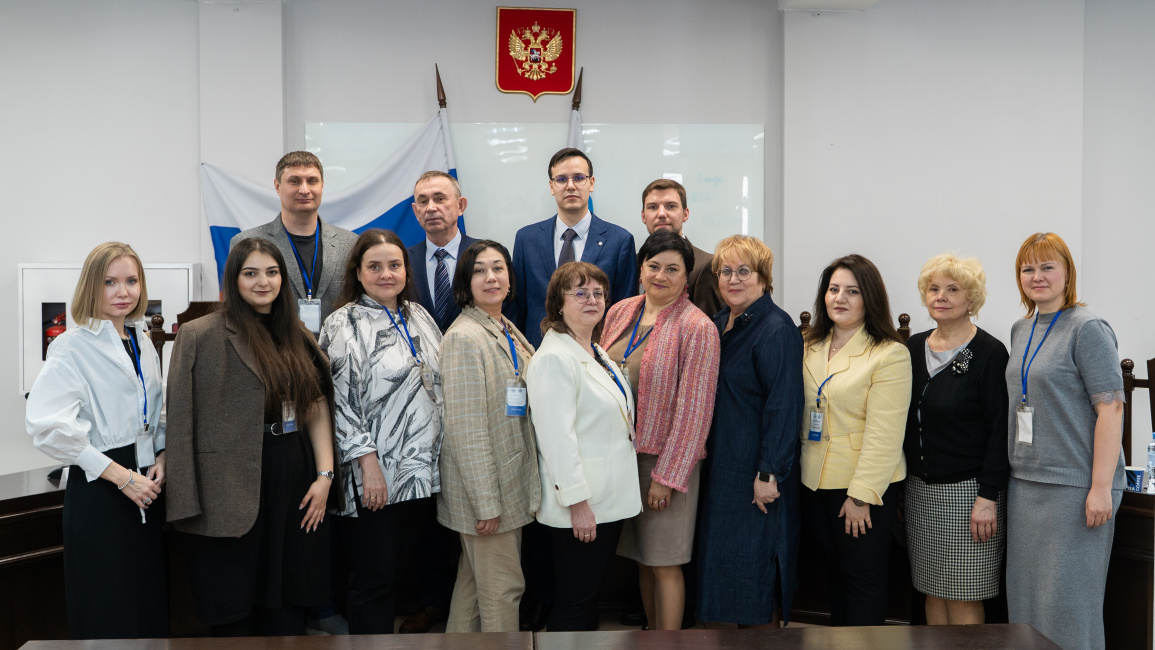
The Director of the Legal Clinic at the YSU Faculty of Law, K. Vardanyan, and Assistant Director S. Mkrtchyan participated in the Legal Clinics International Forum held on April 2–3 at Ural State Law University. The event brought together leading practitioners, academics, and students in the field, with the aim of advancing clinical legal education methodologies and expanding international partnership networks.
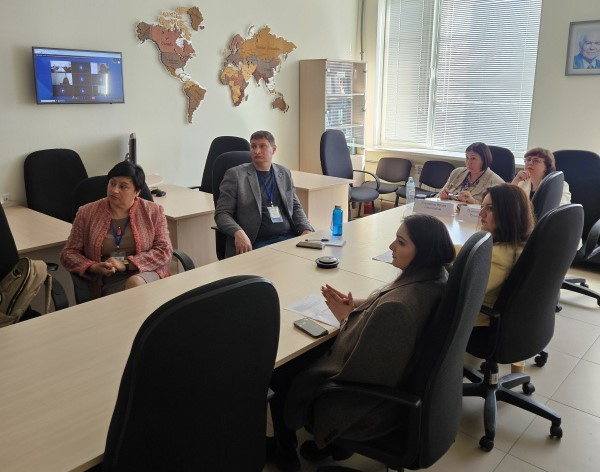
Representatives from several countries across the region, as well as from various regions of the Russian Federation, participated in the event. This broad representation provided the YSU Legal Clinic delegation with an opportunity to familiarize themselves with the operational models of legal clinics at higher education institutions in different countries, review their best practices and achievements, and share the YSU Legal Clinic's own effective experience with international partners.
The forum featured targeted group discussions involving clinic directors, supervising lecturers, and students. Key topics included the most pressing challenges in clinical legal education, particularly the integration of innovative technologies and artificial intelligence into legal consultation processes, the opportunities these developments create, as well as the risks associated with their implementation and expansion.
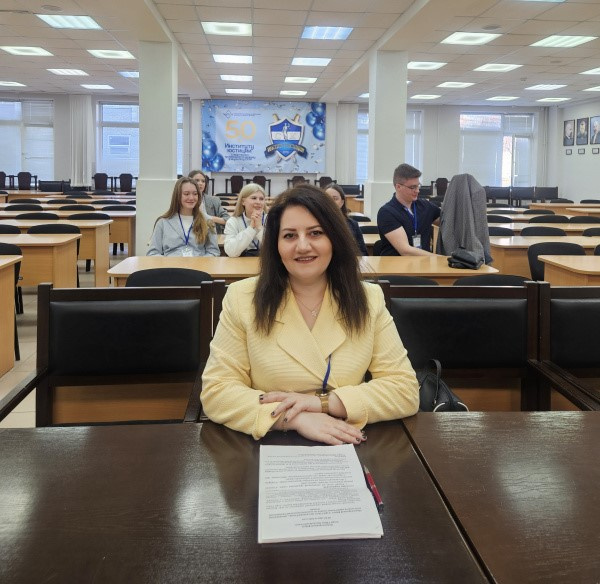
Discussions also addressed the role of supervising instructors in conducting client interviews and organizing case management procedures. Participants emphasized the importance of ensuring psychological resilience and support mechanisms for clinic staff and student legal consultants, strict adherence to ethical standards in client communication, technical aspects of case handling, ongoing student assessment, certification processes, and a range of related issues.
During the plenary session, the significance and role of the forum were highlighted in welcoming remarks by the human rights ombudsman of Sverdlovsk Region, the vice-rector of Ural State Law University, members of the university's legal clinic leadership, as well as senior representatives from the Russian Ministry of Justice, the Sverdlovsk Region Department for Supporting Mediation Activities, and the Center for Development of Legal Clinics.
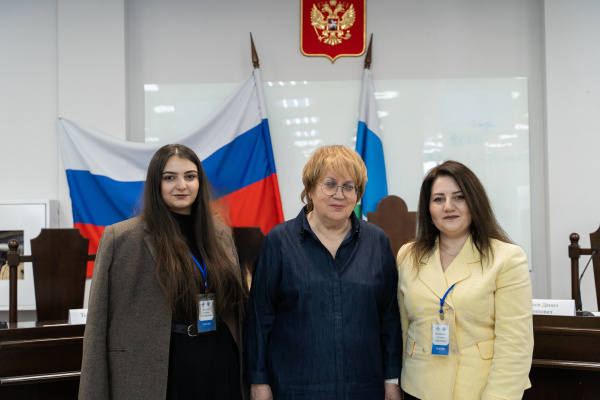
Speakers underscored the pivotal role of legal clinics both as an essential component of legal education and as a social institution providing free legal assistance to citizens.
At the conclusion of the event, participants agreed that the Legal Clinics International Forum served not only as an effective platform for exchanging experience, but also as an important opportunity to establish and strengthen sustainable international partnerships. The newly formed collaborations are expected to provide a solid foundation for joint programs, as well as for expanding and further developing the global reach of clinical legal education.