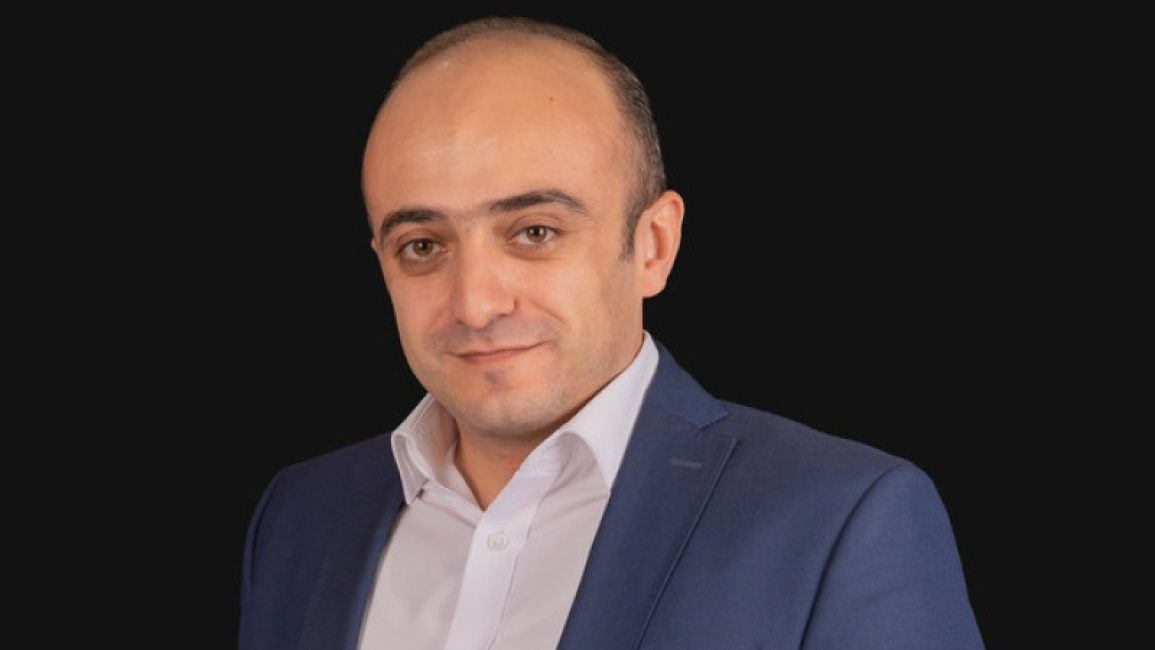
Taron Simonyan, Associate Professor at the YSU Faculty of Law's Chair of Theory and History of State and Law, is the guest of the latest installment of Beyond Jurisprudence. In this interview, we sought to uncover the creative world of lawyers and the secrets behind their inspirations.
– Mr. Simonyan, there is a common misconception that lawyers are inherently rigid and emotionally detached individuals. Do you agree with this view?
– I cannot agree with that perception. The lawyers I know are, for the most part, very open-minded, humane, humorous, and most often highly creative individuals. The difference is that some remain confined to the narrow boundaries of the legal profession and routine work, without seeking to explore its broader dimensions—including its harmony with other fields of knowledge.
As Hovhannes Tumanyan once said, goodness, beauty, and truth are the essentials in life. Lawyers deal with all three; they cannot be rigid and cold. They may simply not be aware of Tumanyan's words. But once they do, everything falls into place.
– We know that you are passionate about various forms of creative work. Would you share some of your secrets?
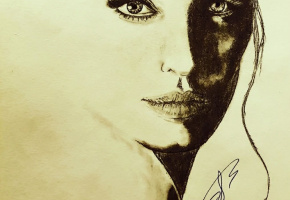
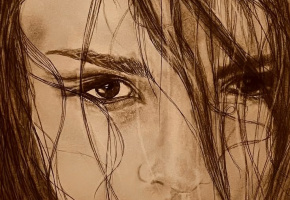
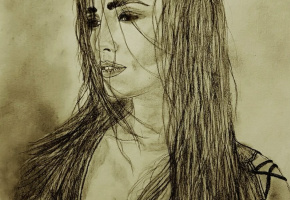
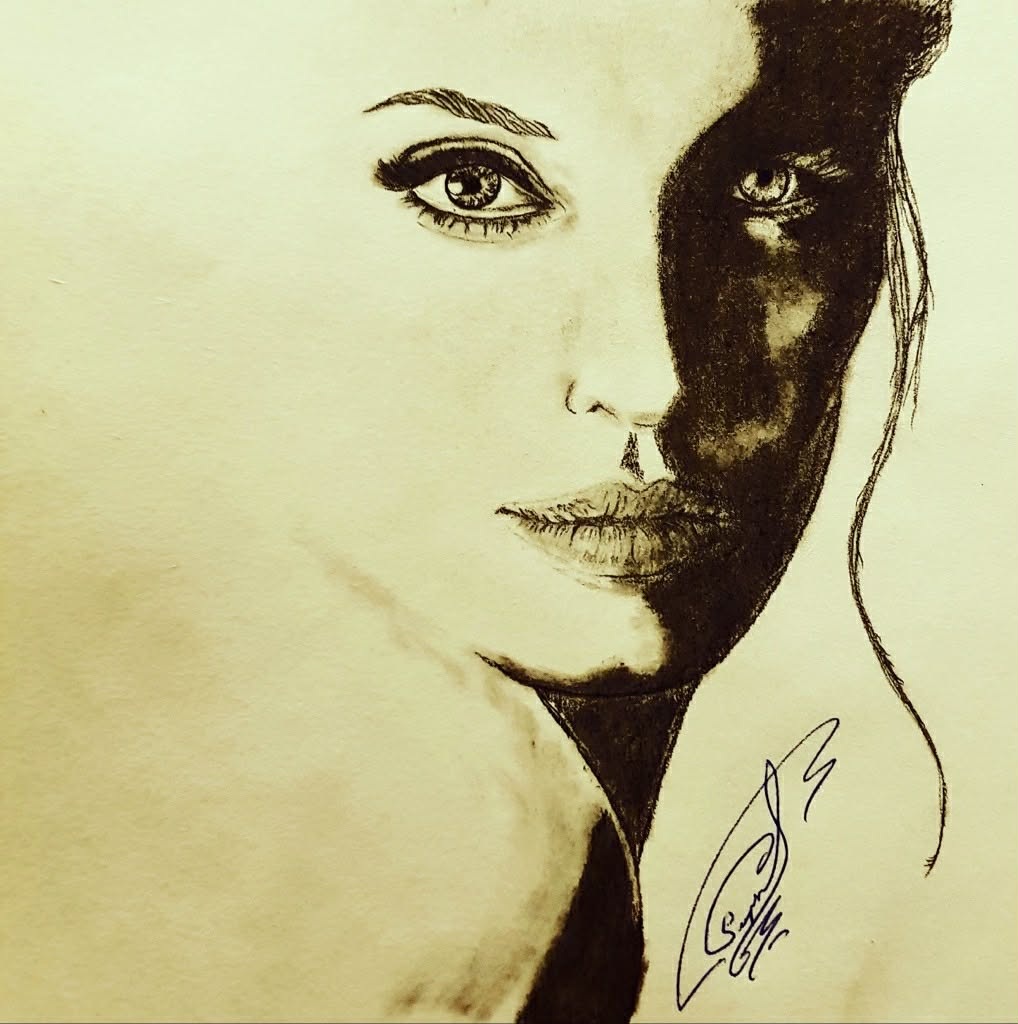
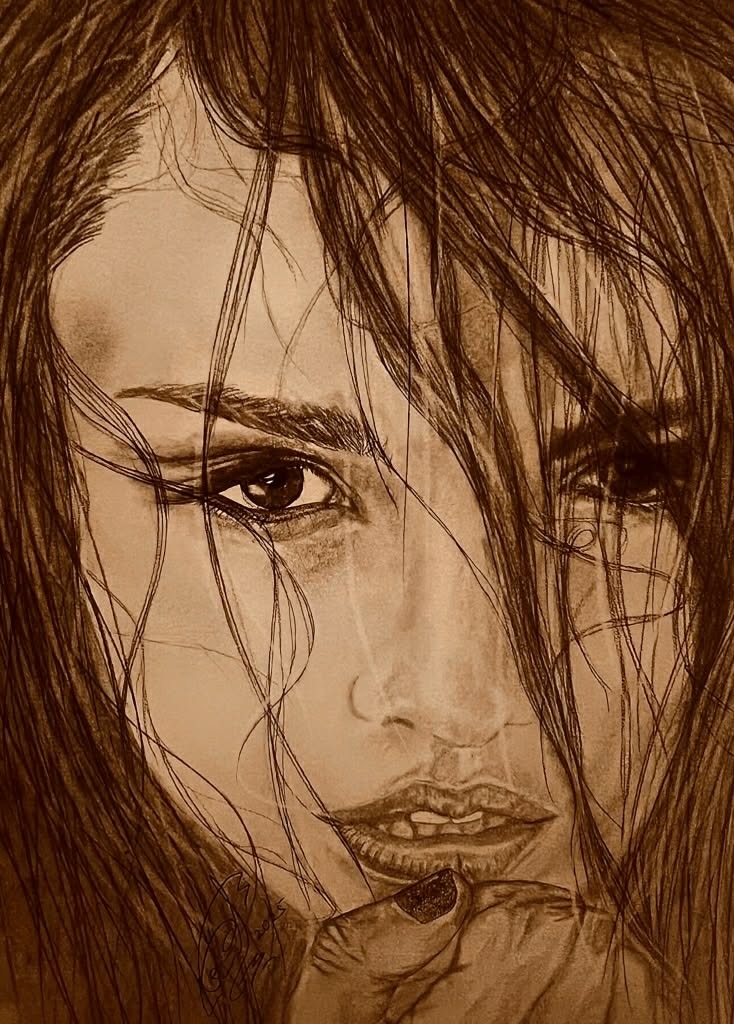
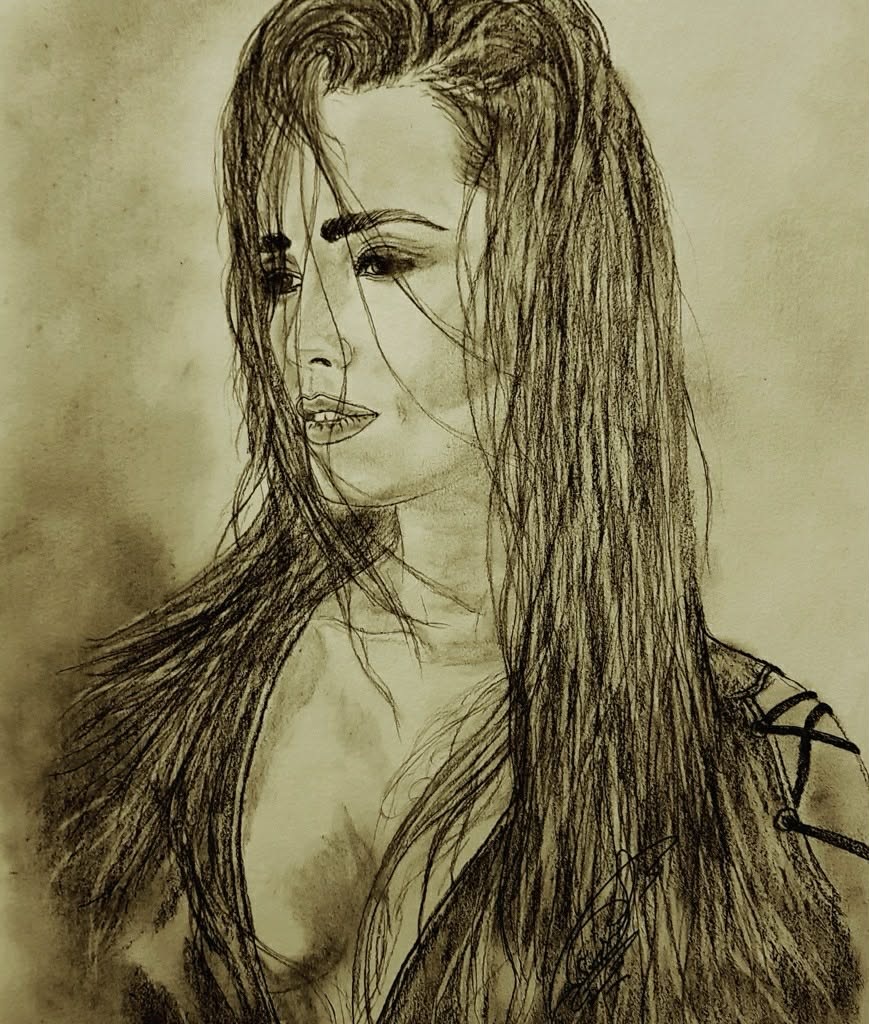
– There are no secrets. My friends and family know that I enjoy drawing and, at times, writing, especially when I feel the need to "escape" everyday routine, spend some time alone, or when I am inspired by expressions of beauty in life and the human spirit, or by the desire to discover them.
I draw people—mostly women—and I work primarily in pencil.
I also write from time to time, though not often—only when I feel a genuine need. For instance, I recently wrote an anthem titled TheCall to Awakening (ԿՈՉԸ ԶԱՐԹՈՆՔԻ). It was performed in the center of Vanadzor, in Artsakh Park, during the opening ceremony of the Awakening of Lao memorial complex. The piece was composed by a close friend of mine, arranged by the State Symphony Orchestra, and performed by the Vanadzor Chamber Choir.
– Your book ARBANE was published in 2018. How did it come about?
– Much like my other books and articles, though with a slight difference. When I cannot find the book or article I wish to read, I feel compelled to write it myself. In other words, I study the existing literature in a given field until I reach the point where I realize that the only way to resolve the issue—and to find answers—is through creation.
In the case of ARBANE, the process unfolded somewhat differently. While studying the existing literature on the obstacles to the development of the Armenian nation—a people with phenomenal potential—as well as the diagnoses offered up to that point, I could not find answers to questions that deeply concerned me. As a result, I decided to travel beyond the Armenian Highlands in search of an external perspective on these challenges.
My destination was the Himalayan region, where I spent some time and even formed friendships with several local spiritual figures. Observing our civilization from the standpoint of another culture allowed me to identify certain patterns in Armenia's civilizational development. Upon my return, I presented these insights in the book.
– What profession would you have chosen if you had not become a lawyer?
– I have always loved physics and astronomy. I still do, and as a hobby I study physics, cosmology, astronomy, and quantum mechanics.
I believe that if I had not become a lawyer, I would have pursued astrophysics.
– How do you combine law and art?
– Law is also a form of art—an art of justice and goodness, as well as of making people's lives more harmonious. For that reason, I do not separate them. And if we interpret art in the narrower sense—for example, visual arts—then combining them comes quite naturally.
During the day, I devote myself to law—university life, work at our law firm, and my professional responsibilities. In the evenings, after intensive legal work, various meetings, negotiations, and dispute resolutions, I try to activate another function of the brain—one responsible for what you refer to as art. I put on classical, rock, or blues music and try to engage in what you call artistic expression.
In a sense, this is done so that both functional domains of the brain—ethics and aesthetics—remain active, support one another, are not left idle, and ultimately enhance the overall intellectual productivity.
– What is your life motto?
– In the forthcoming continuation of ARBANE, to be published this year, I elaborate on the qualities of what I consider the virtuous individual of the 21st century. I have formulated eight mottos that can be distilled into two core ideas.
Perhaps these can also be considered mottos directed at myself:
With a sense of mission and by creating more than you consume, rise—and help others rise as well.
For the sake of expanding the horizon, by understanding both the world and yourself, take on the courage of progress through disciplined work.
– What is the key to success?
– It is when we dare to make the decision to rely on our own reason and persistently fight for the goal we have set before us.
– When faced with a choice, what guides you—heart or reason?
– In my view, these should not be opposed, especially because it is the correct, balanced functioning of the heart that supplies the brain with the necessary periodic flow of blood and oxygen, enabling its effective operation and, consequently, sharpening reason and the awareness of the interconnections among the factors influencing a decision.
If the question refers to whether a person—in this case myself—is guided by emotions or calculations, it depends on age, environment, circumstances, the nature of the issue at hand, and the scope of my social responsibility when making that decision.
If the decision I make affects other people and their future as well, then priority is given to strict calculation and the assessment of possible consequences. However, if the outcome concerns only me, I may sometimes allow myself the luxury of not overexerting reason and yielding to inertial emotions.
– If an unfulfilled dream could speak, what would it say to you?
– It would look at me with a somewhat ironic smile and remind me of Hamo Sahyan's poem "And was it worth it for you to come into this world?"
– Do you have a promise you have made to yourself?
– Not to give up.
– In which historical period would you like to live?
– That time has not yet come. I would like to live in an era when interplanetary travel and the discovery of new worlds become possible.
– What do you never speak about?
– I will not speak about it this time either.
Interview by Anahit Ghazaryan