September 17, 2026 | 10:44
Science
Education
International cooperation
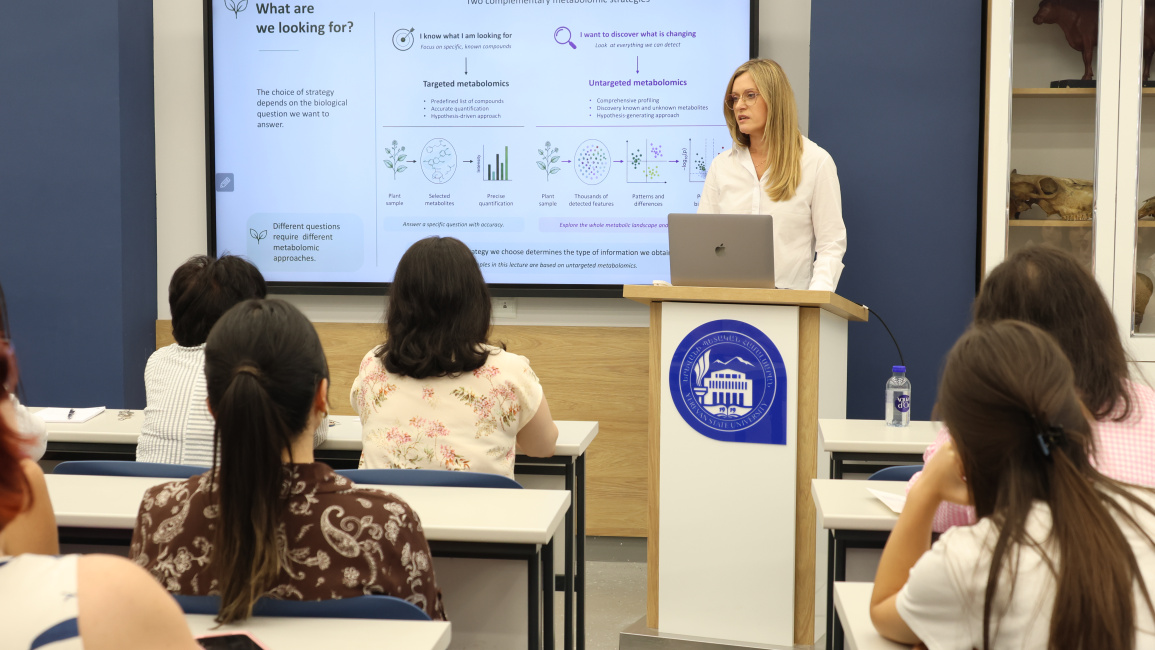
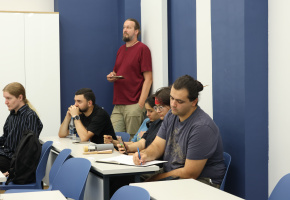
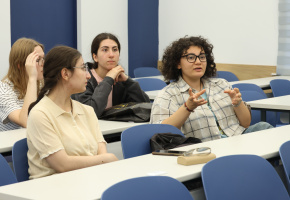
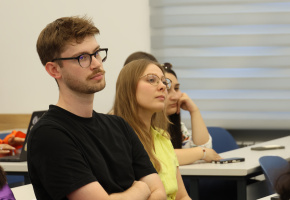
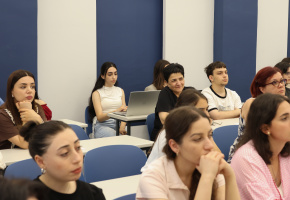
Two such recent meetings focused on modern taxidermy and plant metabolomics. Experts Ricarda Wistuba from Germany and Barbara Kusznierewicz from Poland presented their professional work at YSU, along with contemporary approaches and research methods used in their respective fields.
Ricarda Wistuba, a taxidermist at Museum Koenig Bonn of the Leibniz Institute for the Analysis of Biodiversity Change in Germany, delivered a lecture titled "Modern Taxidermy" at YSU Faculty of Biology.
Wistuba's interest in animals and biology began in childhood. Finding animal bones, collecting and studying insects, and observing animals in nature later led her toward biology and, during her university studies, to the taxidermy department at Museum Koenig.

She was particularly drawn to the natural habitats recreated at the museum. As Wistuba explained, animals there are presented within complete natural environments featuring plants, soil, insects and other animals. This allows visitors not only to see an individual specimen but also to learn about its natural habitat.
Wistuba described taxidermy as a combination of biology, craftsmanship and art. In a museum setting, however, its role extends beyond these elements. When preparing specimens for scientific collections, specialists take measurements, collect tissue samples and record other scientific data that can later be used for research. In this context, taxidermy also becomes part of the scientific process.
"We are part of the scientific system," Wistuba emphasized, noting that taxidermy can also involve independent scientific research, including studies of how different materials and methods affect the preservation of animal skins.
Ethics is another important component of modern museum taxidermy. According to Wistuba, attitudes toward collecting animals have changed significantly. Today, most animals represented in museum collections come from specimens that died of natural or accidental causes, as well as from zoos. When necessary, collection for scientific purposes is carried out on a limited scale and in compliance with relevant legal requirements and permits.
During the lecture, Wistuba also discussed career opportunities in the field, encouraging young people to explore different areas of taxidermy. She said specialists may focus on methods for preserving scientific collections, preparing specimens for exhibitions, or recreating natural habitats.
Another technologically advanced area of biology was presented by Dr. Barbara Kusznierewicz of the Department of Chemistry, Technology and Biotechnology of Food, Faculty of Chemistry, Gdańsk University of Technology.
During her lecture, "Plant Metabolomics: From Comprehensive Profiling to Biological Insight," Kusznierewicz explained how large and complex datasets on the chemical composition of plants can be transformed into biologically meaningful information.
Metabolomics encompasses modern analytical methods that make it possible to obtain comprehensive data on the chemical composition of different samples. Generating the data, however, is only the first step. Statistical and bioinformatic analyses can reveal biologically significant patterns and a deeper understanding of processes occurring in plants.
The lecture also addressed effect-directed analysis, which makes it possible to identify compounds with biological effects in complex chemical matrices.
One important application of metabolomics is the study of how plants respond to environmental changes. The method allows comparison of samples from different plant species, plants at different development stages or those grown under different conditions, and examination of how environmental factors affect their chemical composition.
This capability is particularly important for studying plant responses to drought, high temperatures and other forms of stress. Modern analytical techniques make it possible to track changes in the metabolome, while statistical and bioinformatic analyses help identify biomarkers and determine the compounds responsible for the observed changes.
According to Kusznierewicz, however, interest in the field extends beyond its technological capabilities. She noted that modern science is opening new possibilities for understanding humanity's centuries-old relationship with plants. Long before modern analytical techniques were developed, people were aware of the health-promoting effects and biological activity of certain plants.
"Today, metabolomics makes it possible to scientifically determine which compounds are responsible for certain effects of plants," she emphasized.
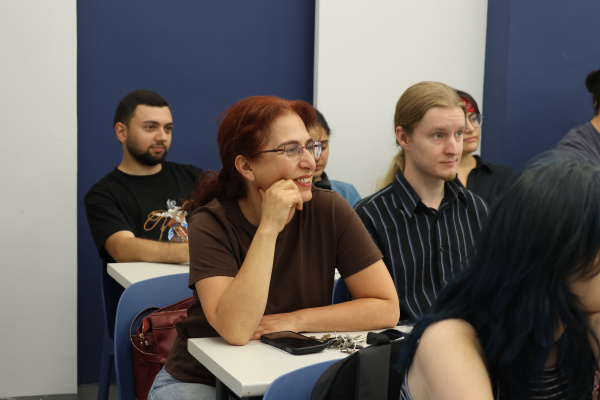
The lectures by Ricarda Wistuba and Barbara Kusznierewicz introduced two distinct areas of biology, highlighting the importance of both scientific collections and modern analytical methods in the field.
By continuously engaging international experts, the faculty is creating an environment that enables students and specialists to gain direct exposure to international scientific expertise, expand their professional networks and become familiar with contemporary areas of biology.