October 07, 2026 | 12:59
Science
Partners
Education

– Ariana, how important do you think it is for higher education to meet the demands of the labor market?
– Education should be closely aligned with the demands of the labor market. Simply imparting knowledge is not enough. Students should be able to apply what they have learned in a real professional environment and understand the skills and competencies needed to succeed in the labor market.
– What role can similar events play in helping students explore career options and shape their future careers?
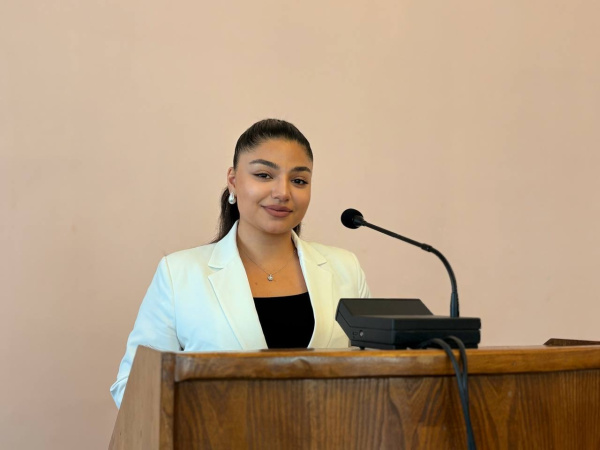
– Such events allow students to learn directly about different career paths, organizations and opportunities. They can help young people understand their professional interests, connect with industry professionals and make decisions about their career paths.
– Beyond professional knowledge, what skills are most in demand among young professionals today?
– Communication skills are particularly important. Professional knowledge provides an essential foundation, but today's labor market also requires the skills to communicate effectively, work in teams, express ideas clearly and collaborate in different situations.
– How can university-employer cooperation help students translate the knowledge they acquire into practical professional experience?
– One effective way to achieve this is through joint programs between universities and employers. It is important to provide students with opportunities not only to gain theoretical knowledge but also to apply it in practice, interact with professionals and become familiar with real-world work processes.
– In your opinion, what is the biggest challenge students face when entering the labor market today?
– One of the main challenges is a lack of work experience. Many young people have the necessary theoretical knowledge but struggle to apply it in practice when they first enter the workforce. In this context, joint programs between universities and employers are important, as they can give students opportunities to gain practical experience while still studying and enter the labor market better prepared.

– How important are non-formal education, volunteering and project work for students?
– It is important for young people to have opportunities to explore different fields. They can participate in various programs, carry out projects, volunteer and interact with different people to explore their interests and find the direction they want to take. Such activities help build a sense of responsibility, teamwork skills and the ability to work independently. Very often, we find our own path not just by thinking, but by trying new things and taking action.
– In your opinion, what should every student take away from today's "Learn & Work" expo, apart from new contacts and information?
– I think every student should leave with at least one concrete next step. It could be sending out a CV, exploring a new field, contacting an organization or simply gaining a clearer understanding of the direction they want to pursue. Ultimately, an opportunity becomes valuable when we decide to make use of it.