October 01, 2026 | 12:00
Science
Education
Events
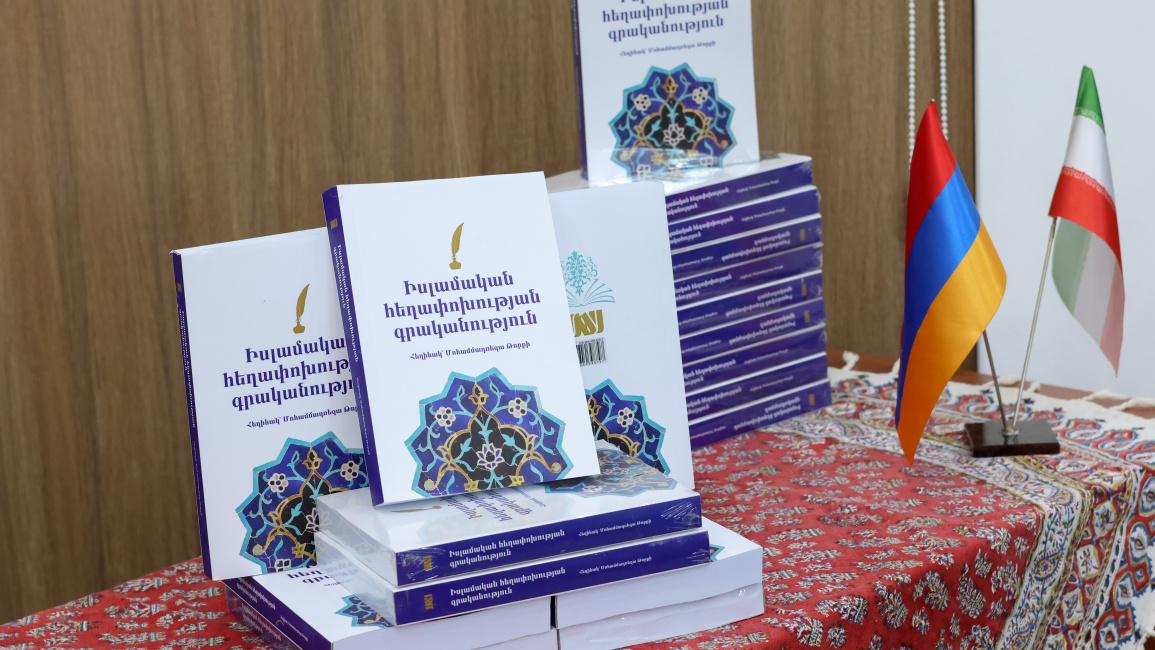
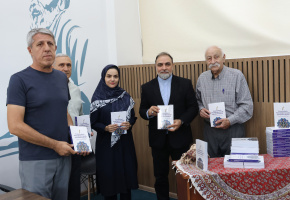
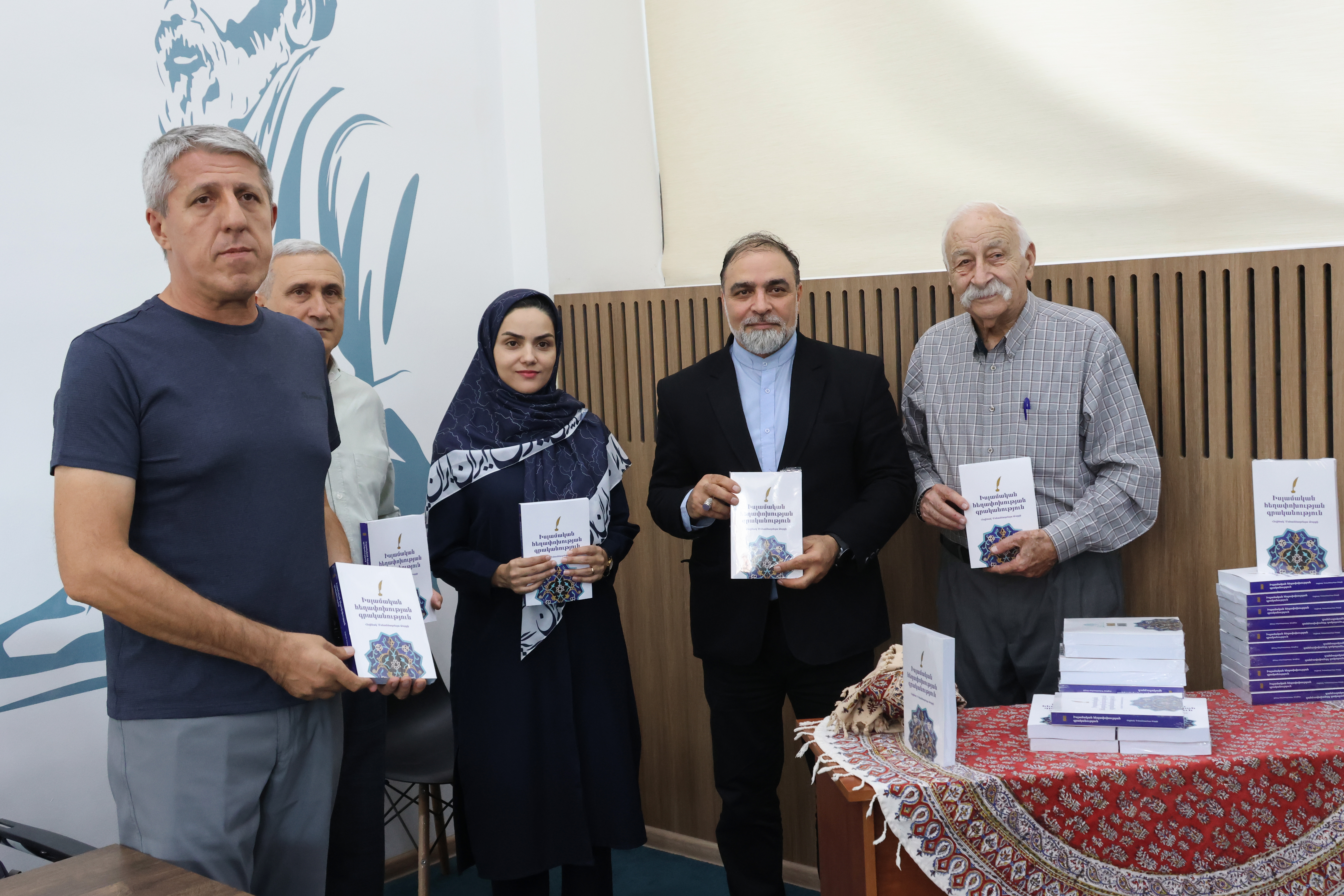
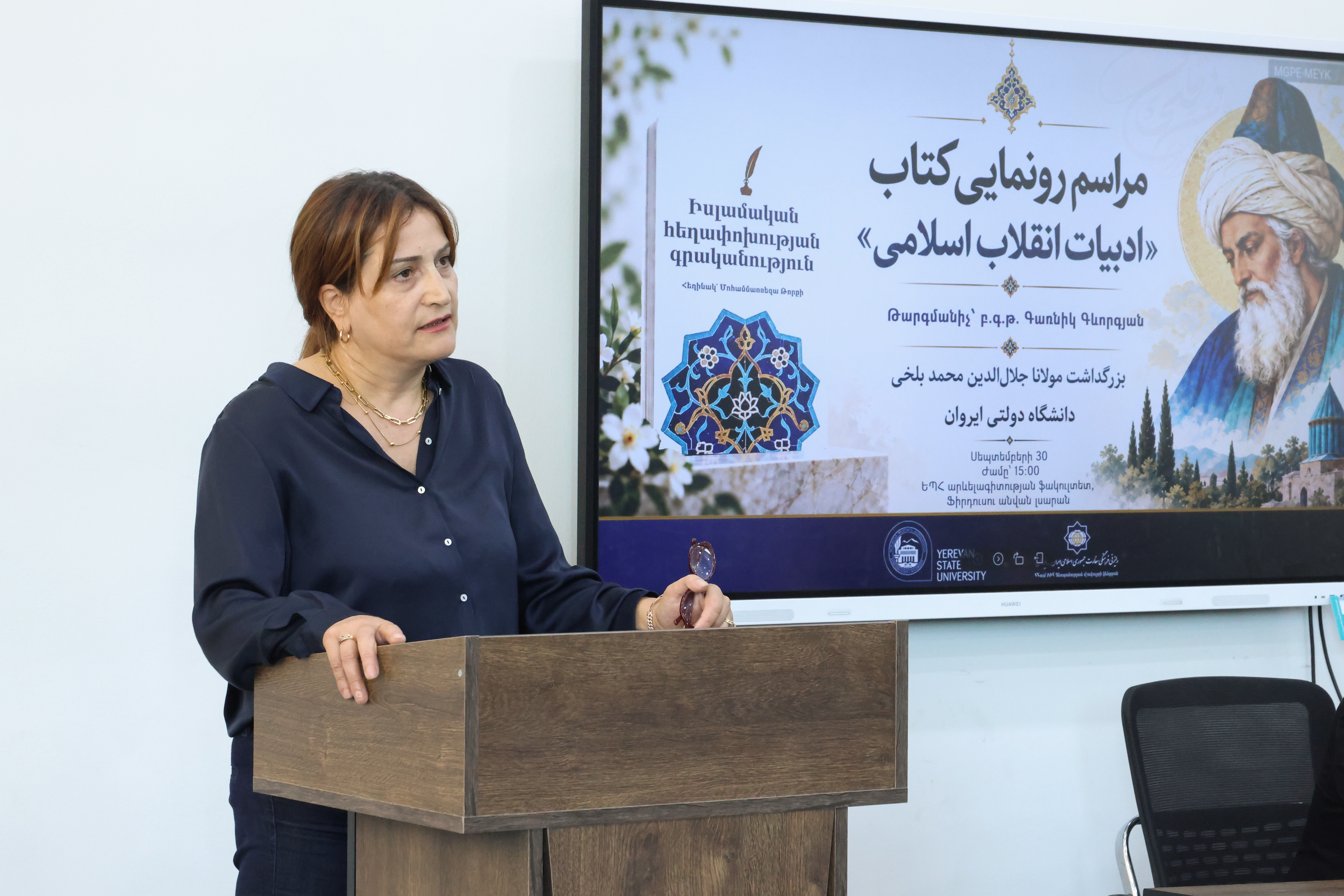
As part of cooperation between the Chair of Iranian Studies at the YSU Faculty of Oriental Studies and the Cultural Center of the Embassy of the Islamic Republic of Iran (IRI), the Armenian translation of the book was presented to Armenian readers. The work was translated from Persian by Garnik Gevorgyan, Associate Professor at the Chair of Iranian Studies at the YSU Faculty of Oriental Studies and Candidate of Philological Sciences.
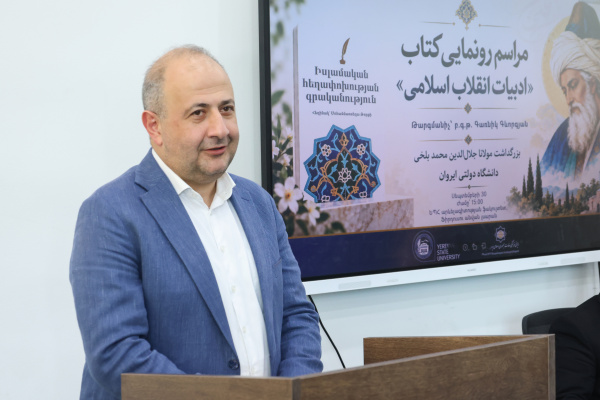
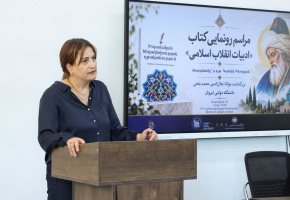
Ruben Melkonyan, Dean of the YSU Faculty of Oriental Studies, highlighted the work carried out to translate and publish the book, emphasizing the importance of making specialized literature available in Armenian.
"Every Orientalist's professional journey reaches a point when they want not only to study the field, but also to contribute to its development through their own translation work, creating an opportunity for other specialists and young people to become familiar with studies and literature written in the language of the country they study," he said.
The day of the book presentation was also symbolic for another reason: it coincided with the day honoring Molana, one of the prominent figures of Persian literature, Jalal al-Din Muhammad Balkhi. This provided an opportunity to discuss contemporary Iranian literature in the context of the centuries-old tradition of Persian literature.
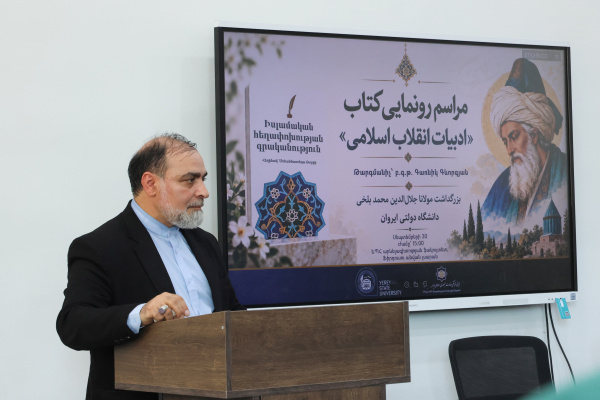
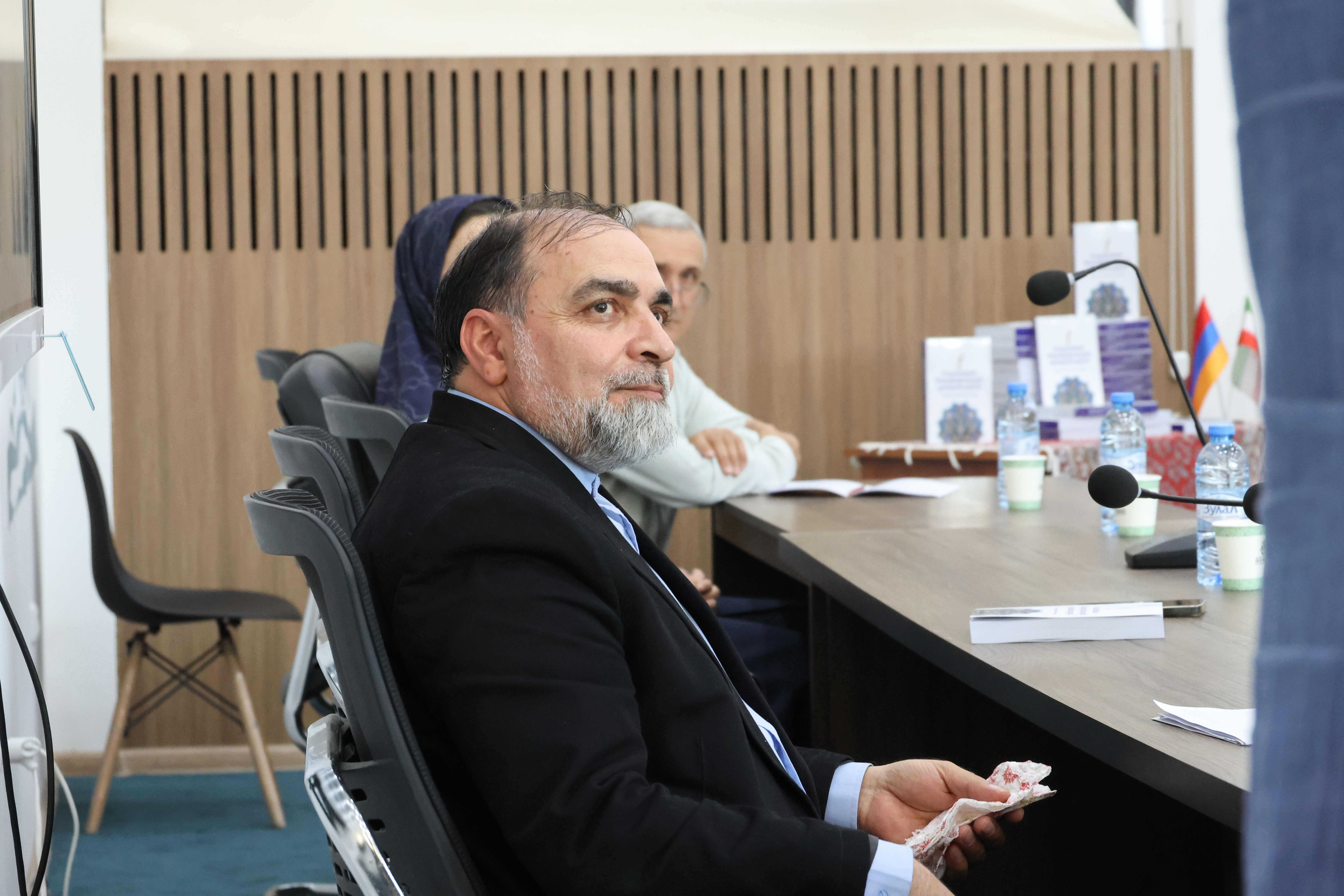
Mohammad Asadi Movahed, Cultural Attaché of the Embassy of the Islamic Republic of Iran in Armenia, particularly emphasized the symbolic significance of the occasion, noting that it coincided with two events: the presentation of the new publication and the commemoration of Molana's legacy.
"Molana constantly calls on us to 'be thirsty for knowledge'. It is a wonderful occasion that, alongside presenting the book today, we are also marking his day of commemoration. We are hopeful that many more such occasions will be created in the future and that many more books will be translated, contributing to the development of cultural ties between the peoples of Iran and Armenia," he said.
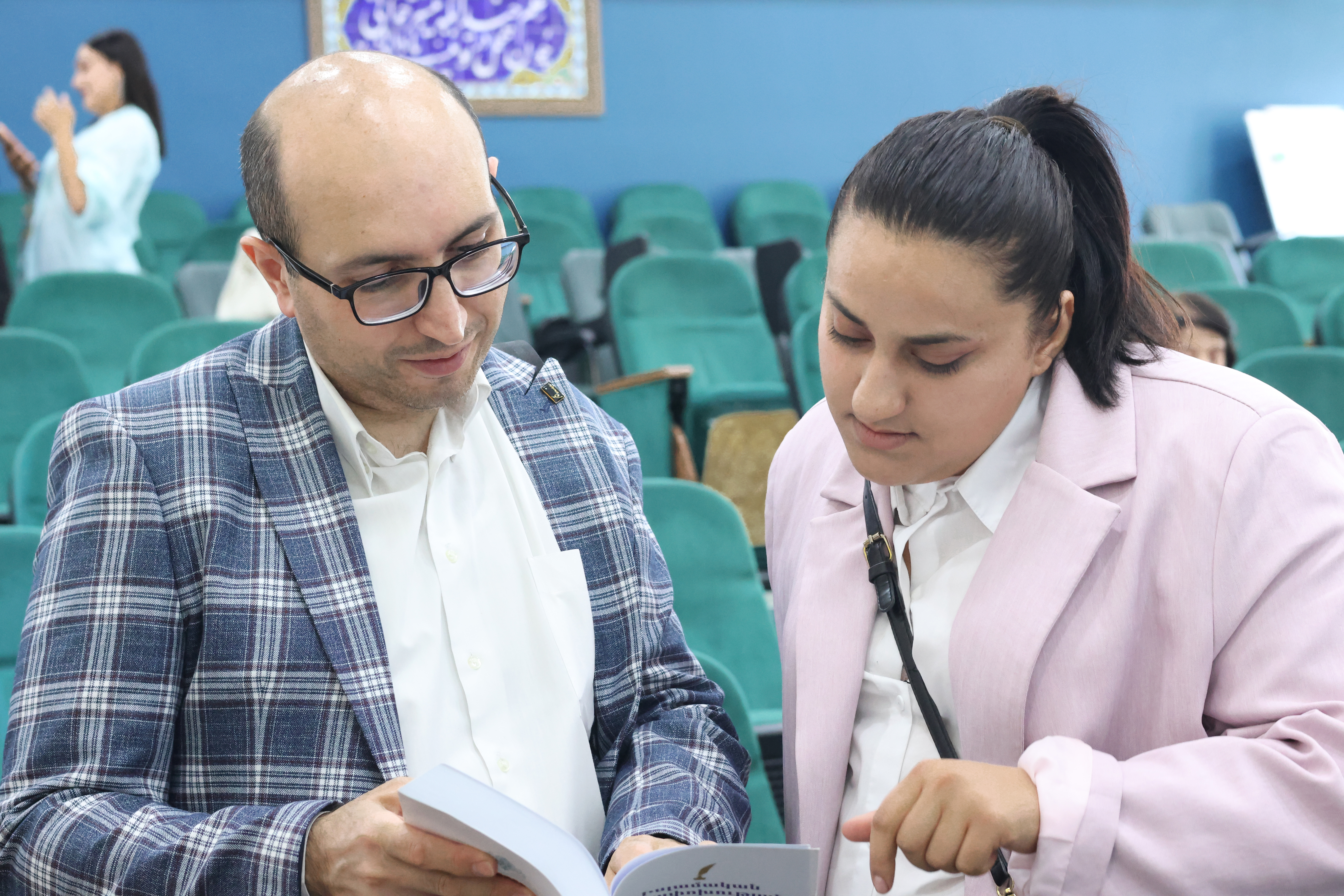
One of the book's key features is the broad range of material it presents. The study is based on the works of around 20 scholars who examine various authors and genres of Iranian revolutionary literature. Specialists particularly highlighted the fact that the work is not limited to a single ideological perspective, but presents readers with different viewpoints and diverse manifestations of the literary environment. In this respect, the book may be particularly useful for students, lecturers and researchers working on Iranian literature, serving as both educational material and a primary source.
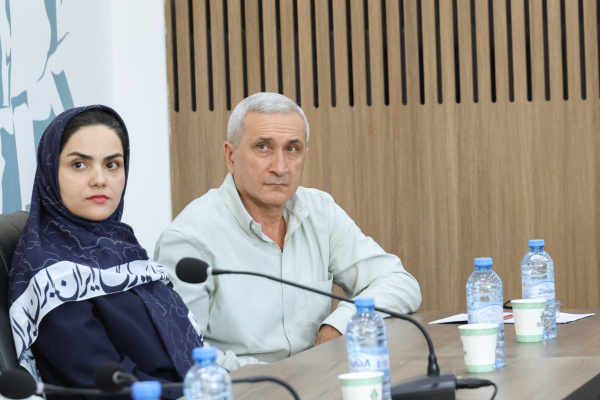
Garnik Gevorgyan, the Armenian translator of the book, spoke about the translation process. According to him, the main challenge, beyond rendering the Persian text into Armenian, was making its religious, cultural and ideological layers accessible to Armenian readers.
"I will not hide the fact that there have been many difficulties. Religious-revolutionary literature is not a familiar phenomenon to Armenian readers, particularly Islamic religious-revolutionary literature — a world that differs from our perceptions," he said.
Gevorgyan also noted that the work features not only Iran's best-known authors, but also intellectuals representing different ideological orientations. In his assessment, this diversity allows readers to gain a more comprehensive understanding of the literary environment shaped by the revolution. Referring to the ideological and philosophical layers of the works by the authors featured in the book, he noted that some passages require in-depth reading and reconsideration.
The Armenian translation of "Literature of the Islamic Revolution" offers Armenian readers a new opportunity to explore Iranian revolutionary literature in Armenian and consider it in the context of literary studies.
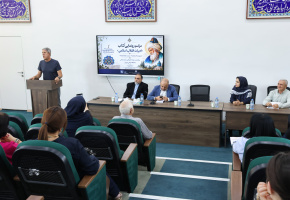
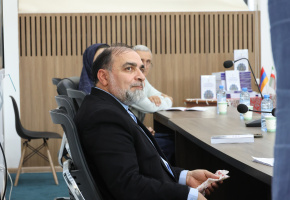
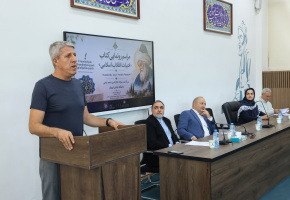
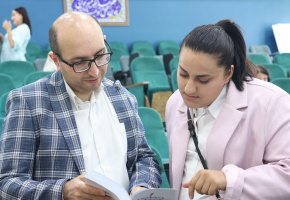
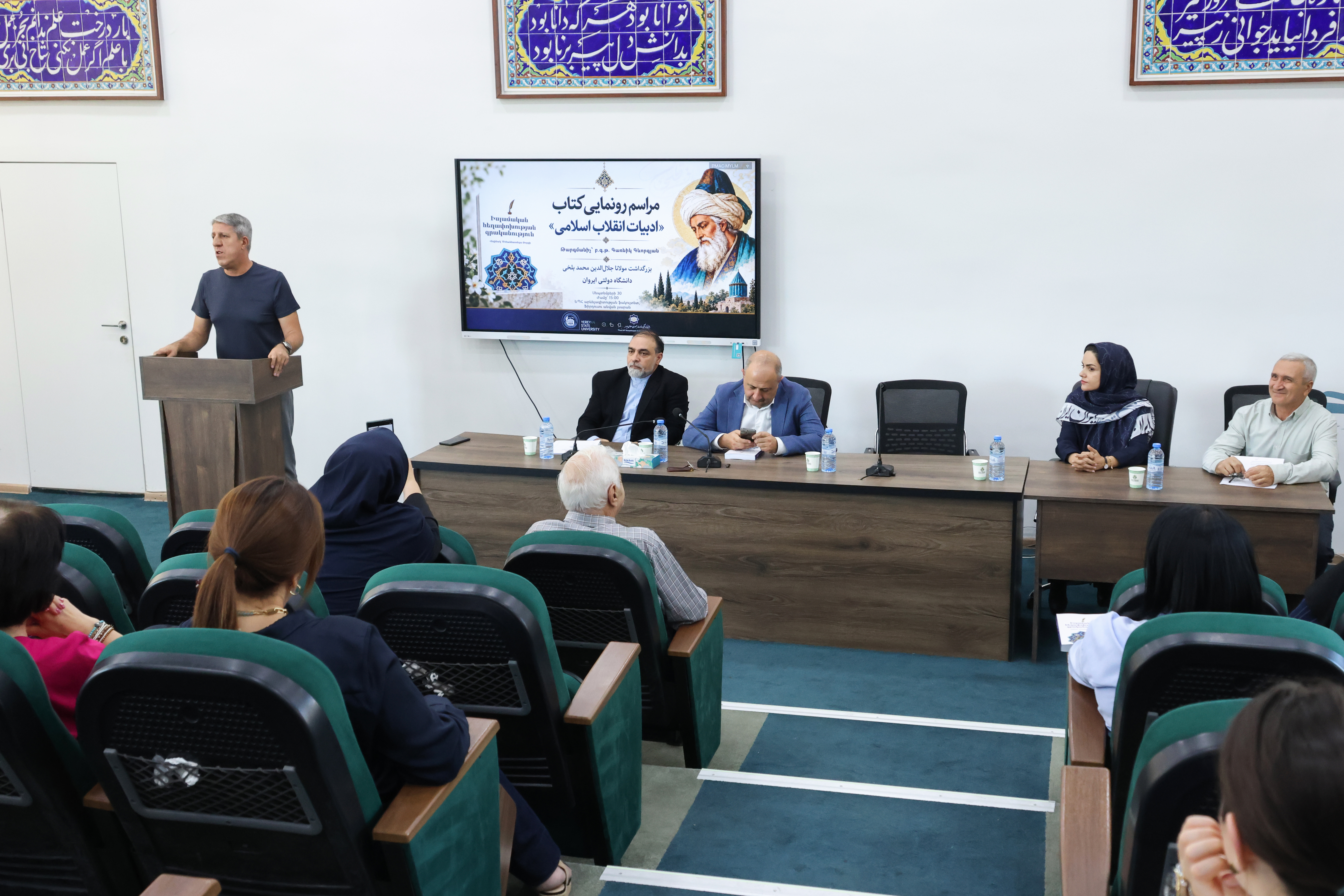
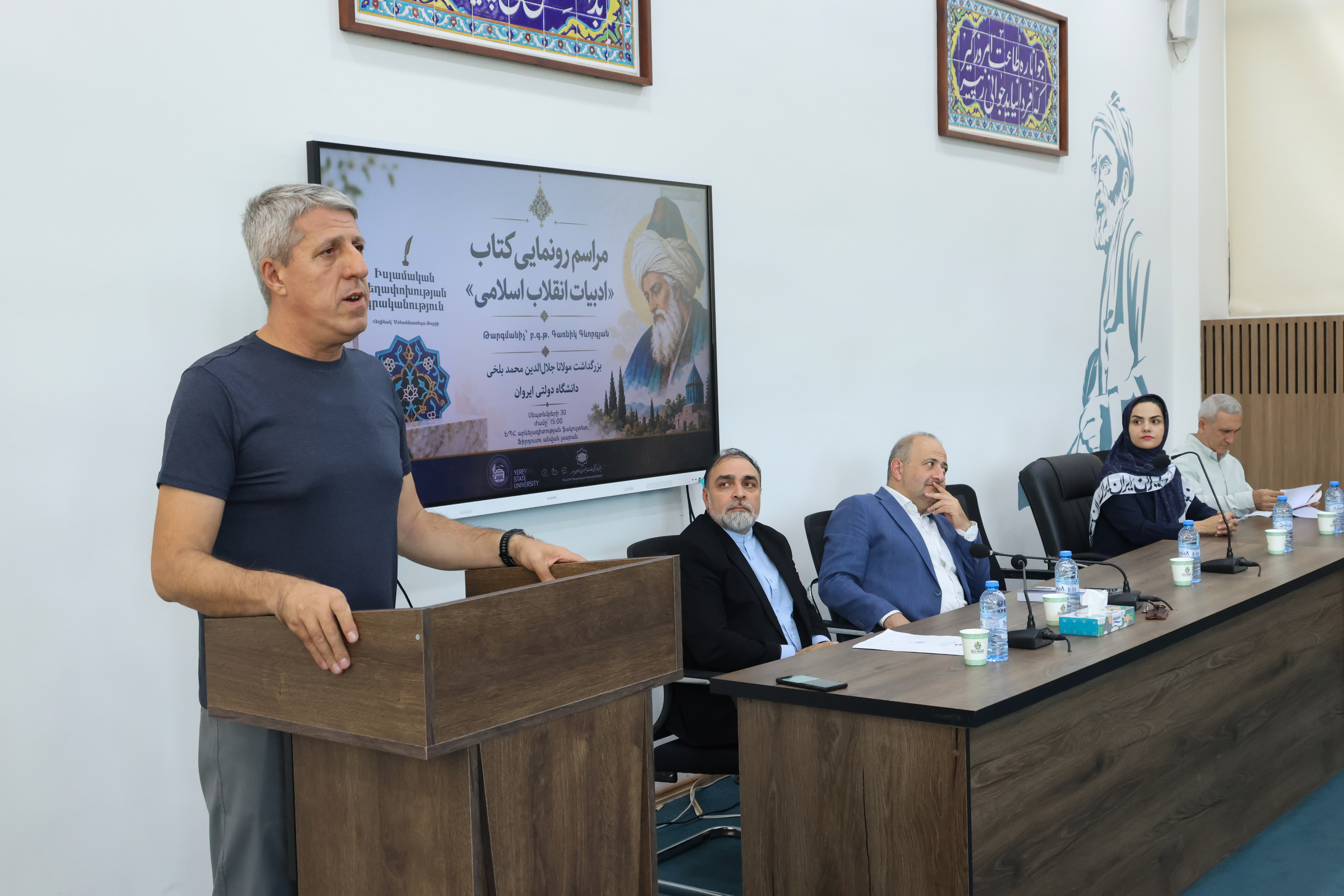
The event, held in the Ferdowsi Hall of the YSU Faculty of Oriental Studies, was attended by the faculty dean and lecturers, Iranian studies specialists, students, representatives of the Cultural Center of the Embassy of the Islamic Republic of Iran, and guests interested in the subject.