October 05, 2026 | 10:26
Science
Education

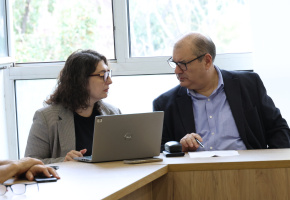
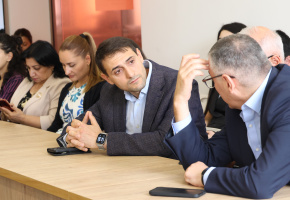
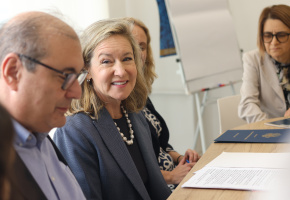
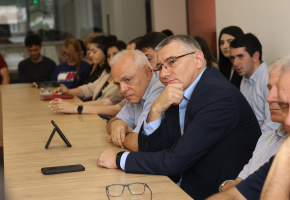
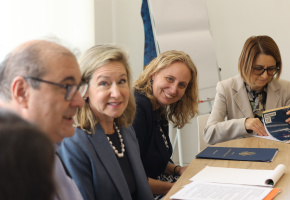
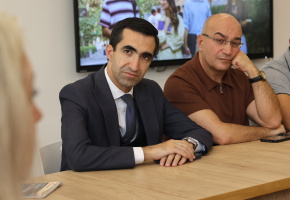
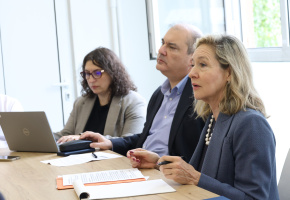
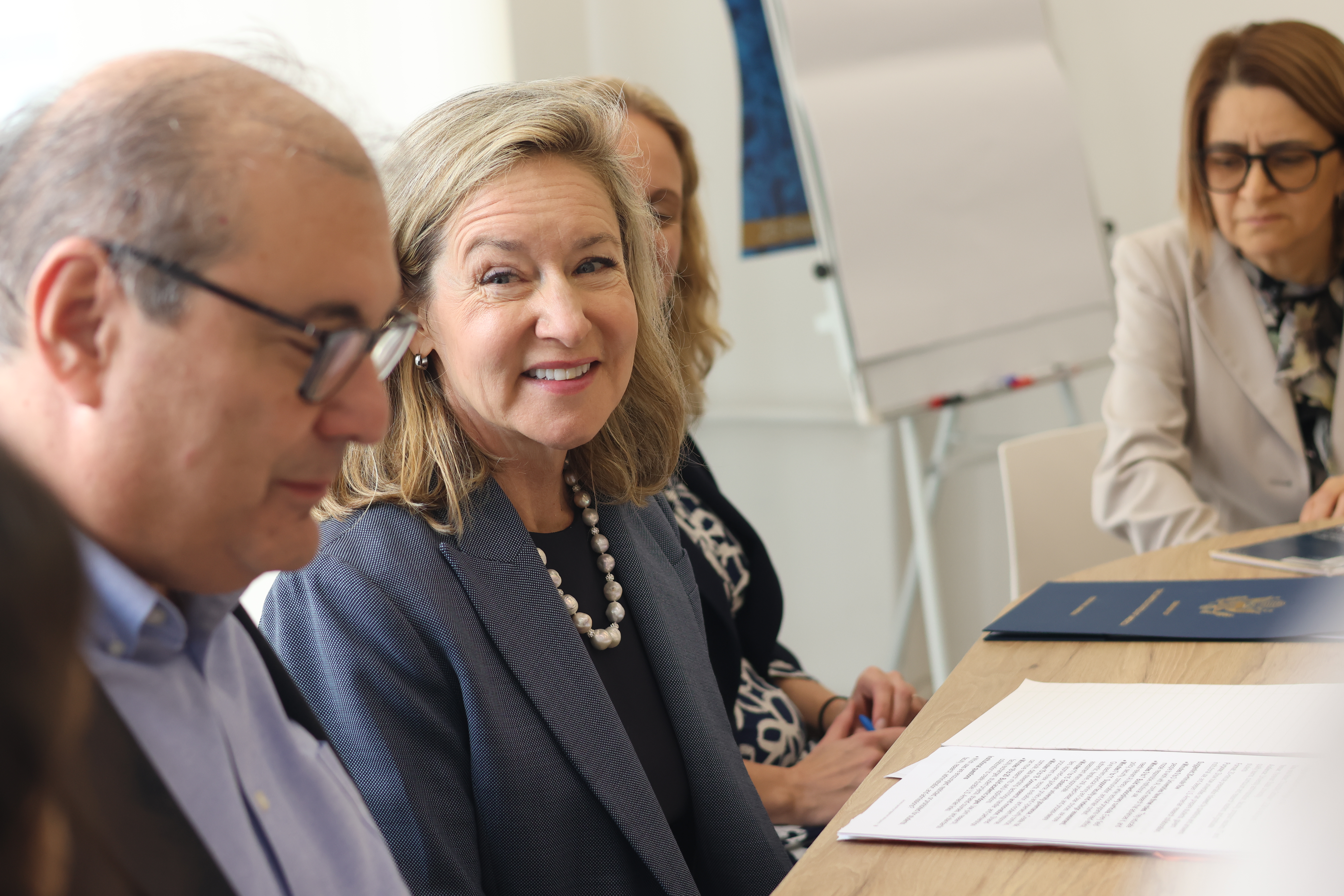
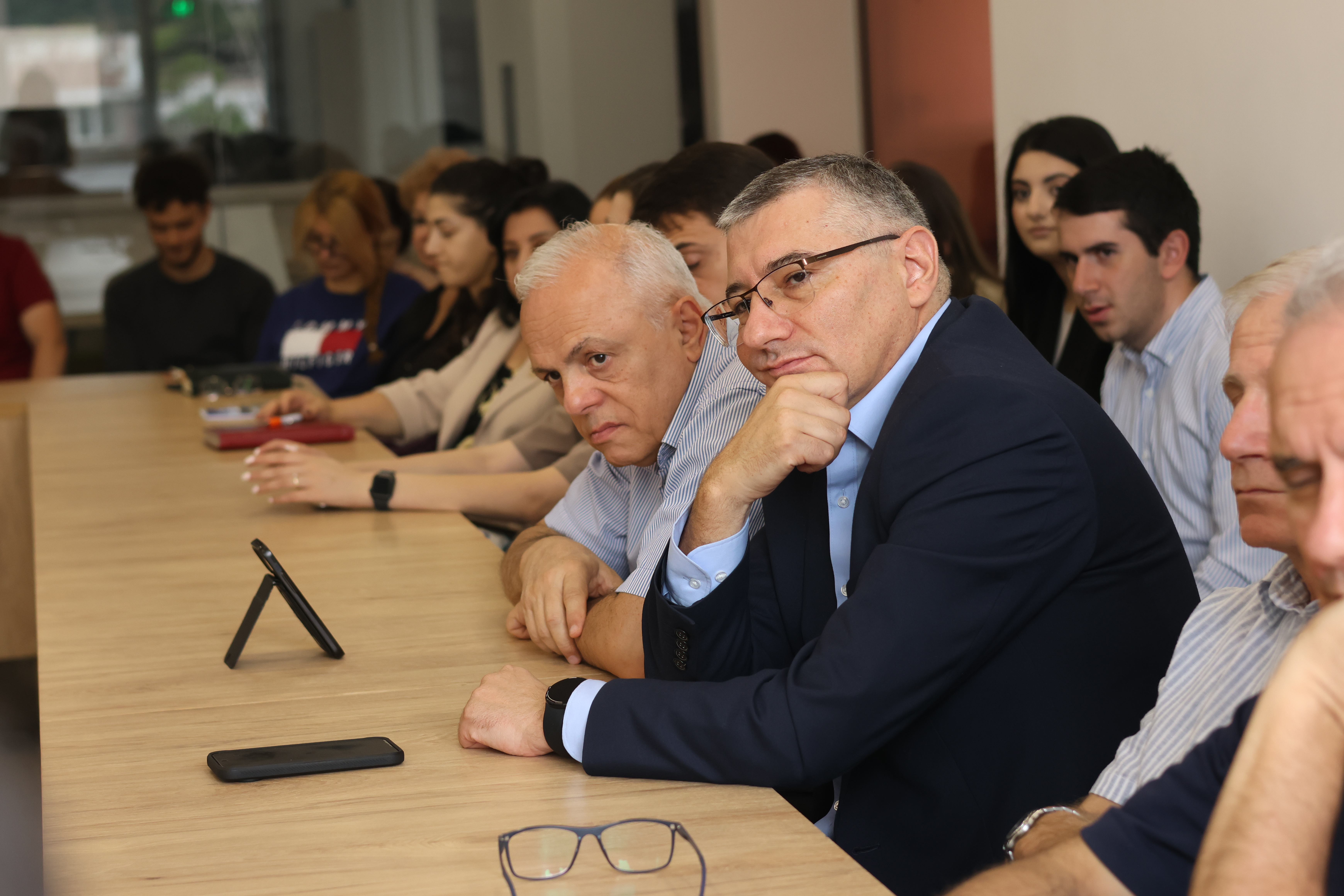
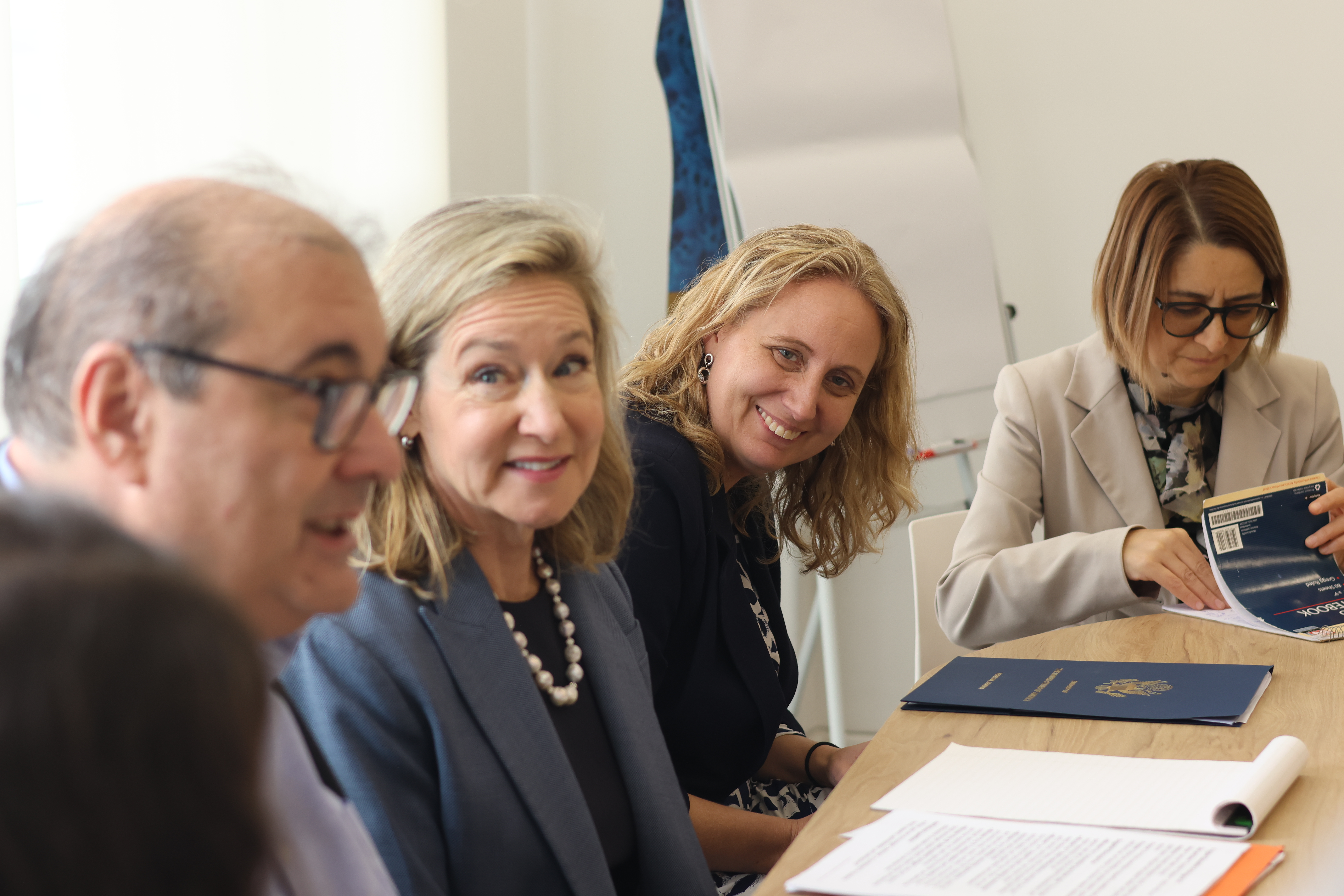
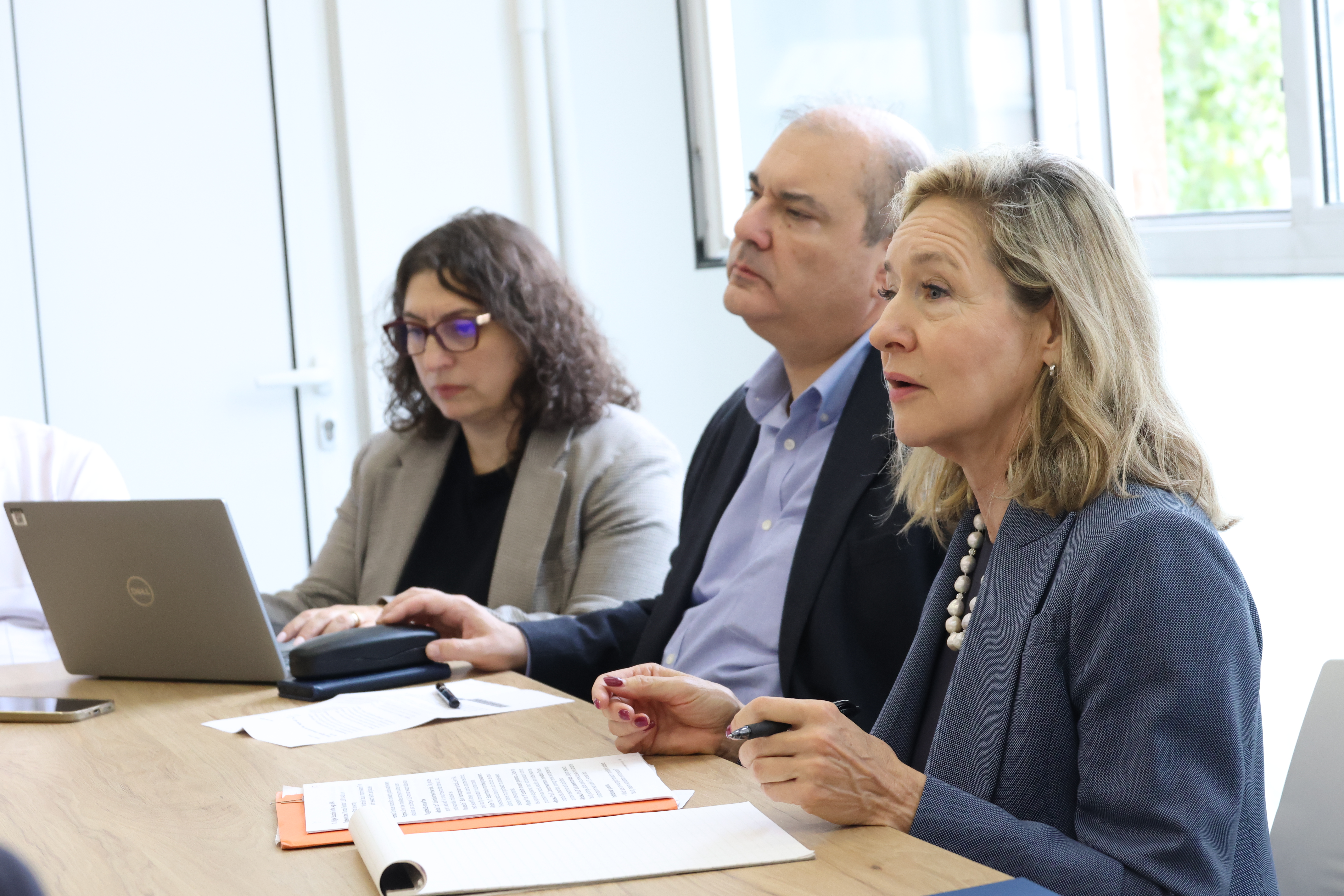
Organized by the YSU International Cooperation Office, the meeting addressed the rapid development of artificial intelligence and its impact, particularly in the context of higher education and professional skills development. The discussion focused on how universities can adapt to rapid technological change while helping future professionals develop the skills needed to use emerging technologies responsibly and effectively.
The speaker was Shane Tews, President of the strategic consulting firm Logan Circle Strategies and a nonresident senior fellow at the American Enterprise Institute (AEI), specializing in artificial intelligence, 5G/6G networks, data privacy and internet governance.
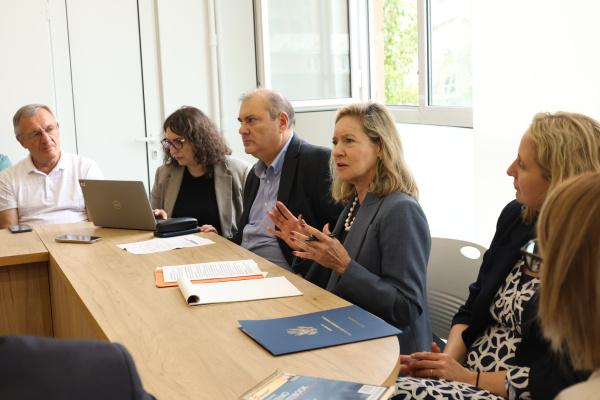
Tews highlighted the importance of AI governance, emphasizing that developing artificial intelligence requires not only technological innovation but also appropriate governance, accountability and security mechanisms for its use.
Particular attention was also given to higher education and the role of universities. The discussion explored the skills future professionals need to use AI tools effectively and responsibly. In this context, the importance of not only providing technological knowledge but also developing critical thinking, digital literacy and data protection skills was emphasized.
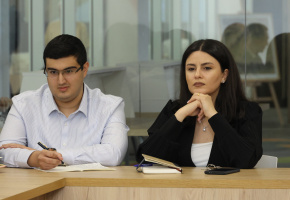
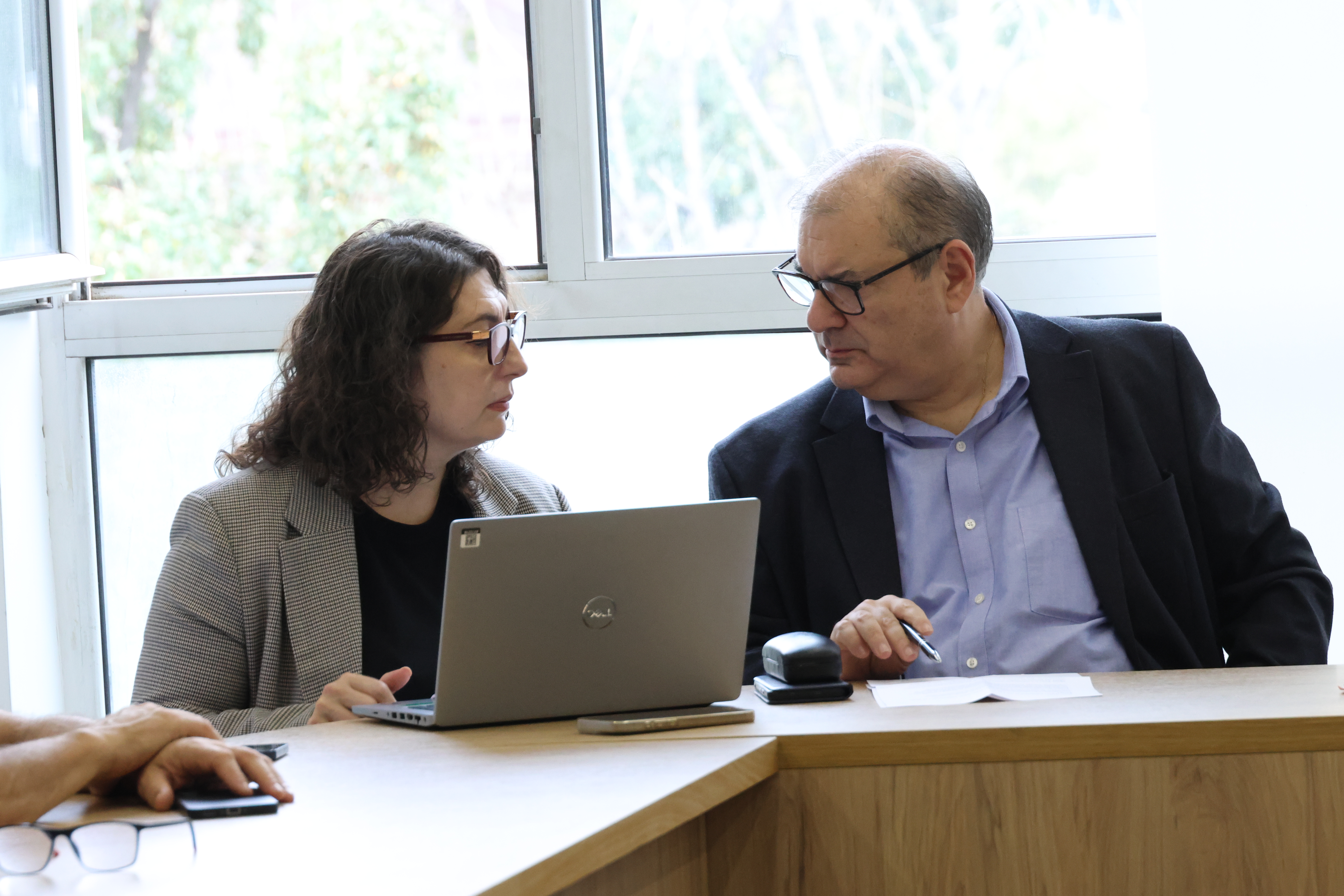
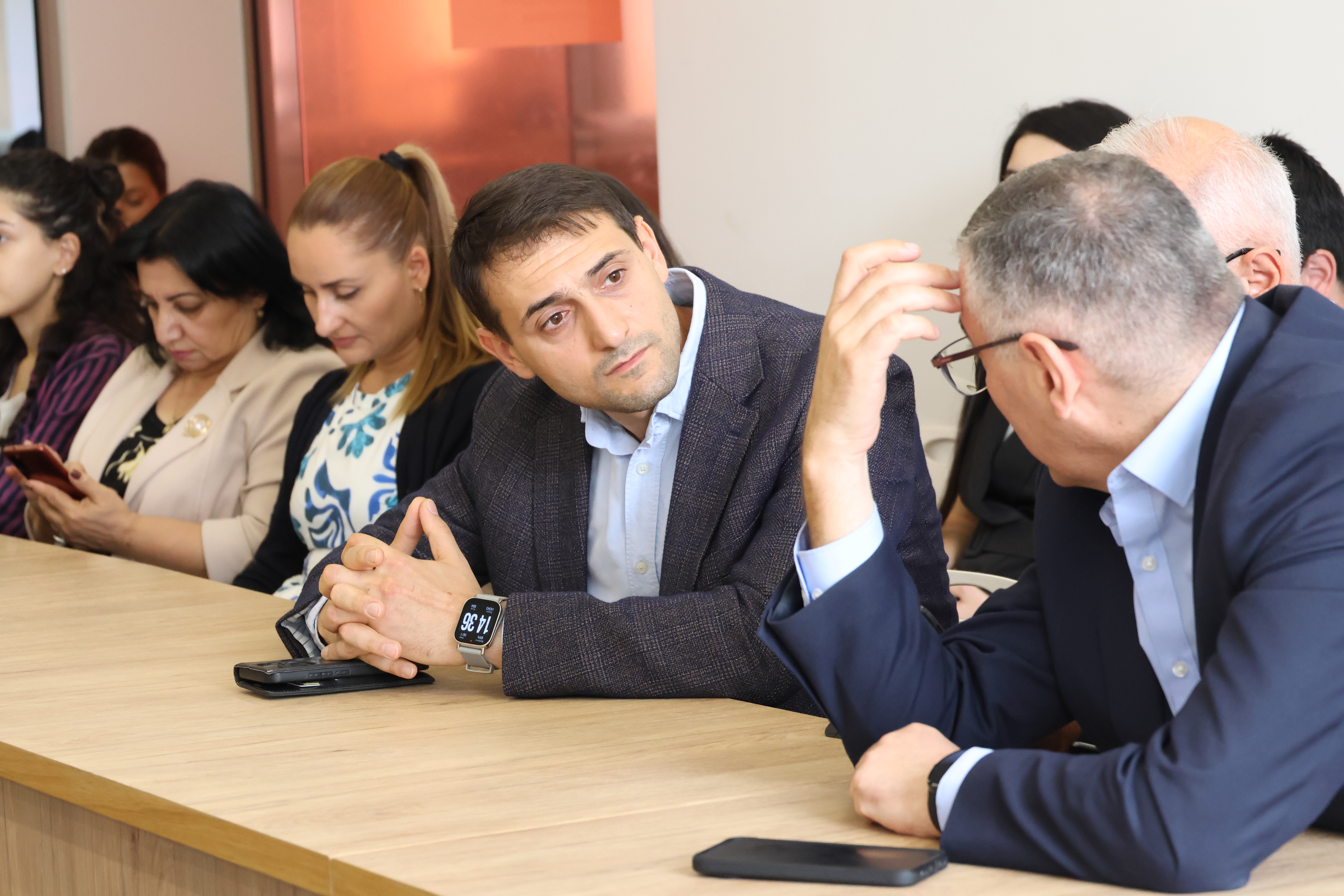
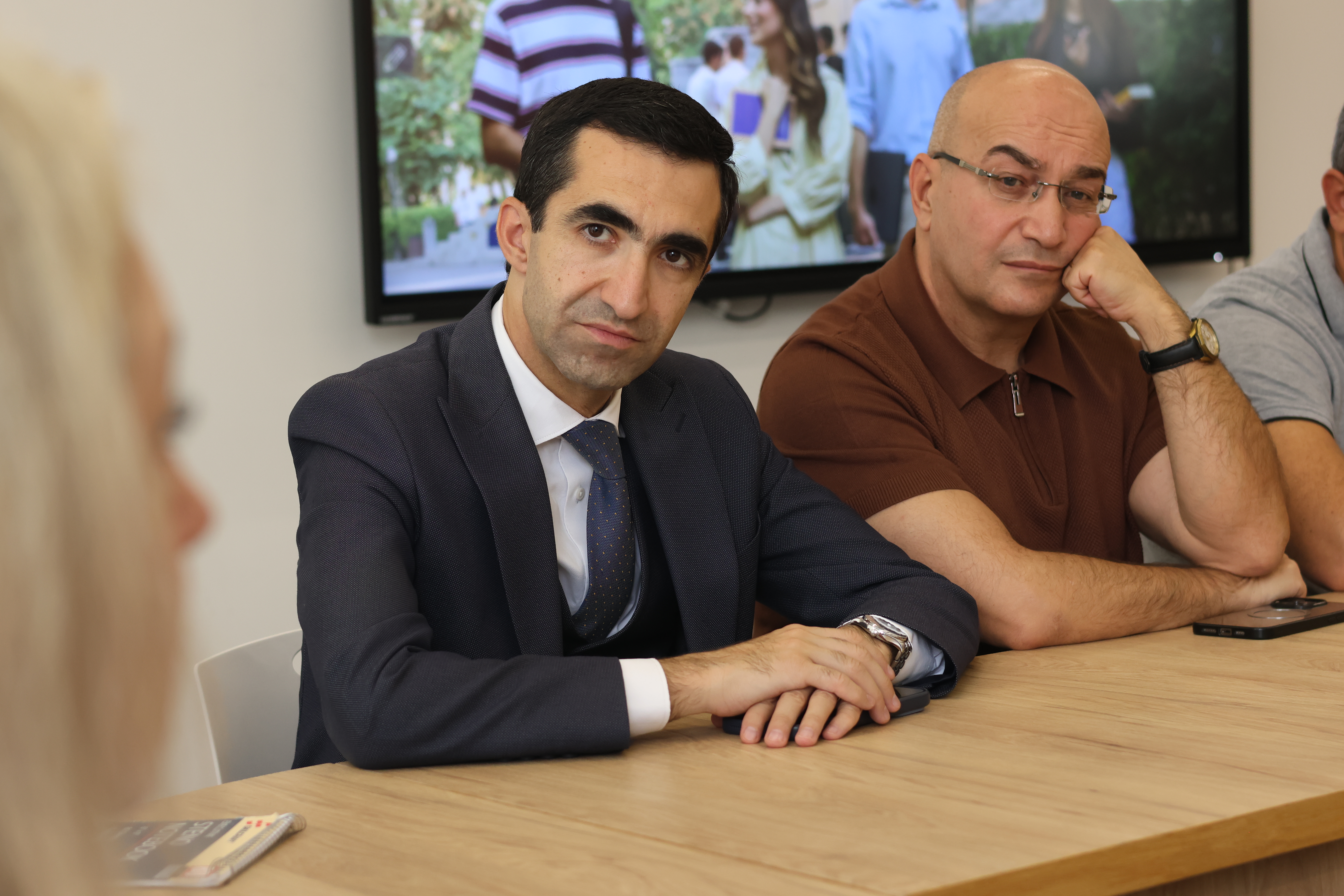
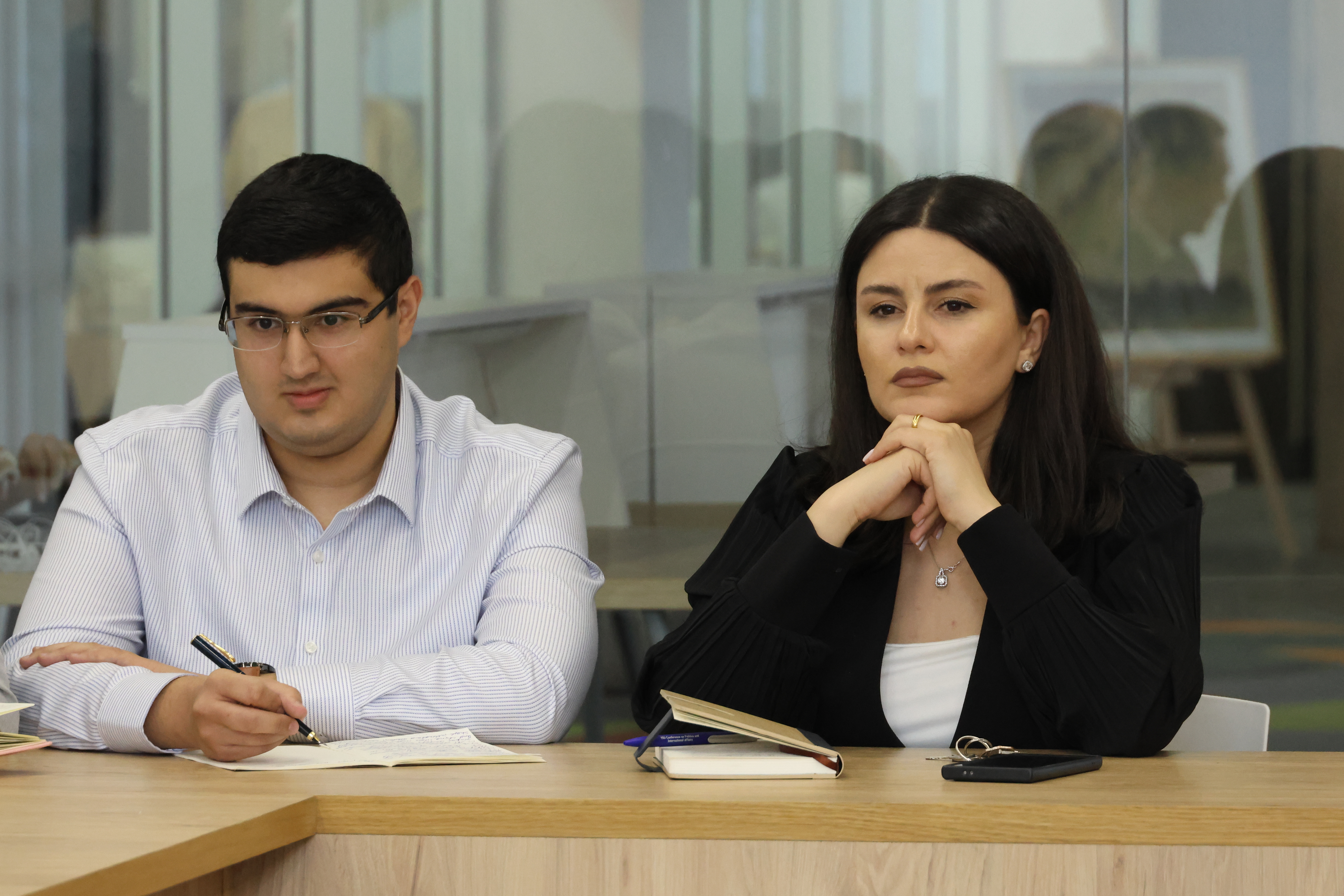
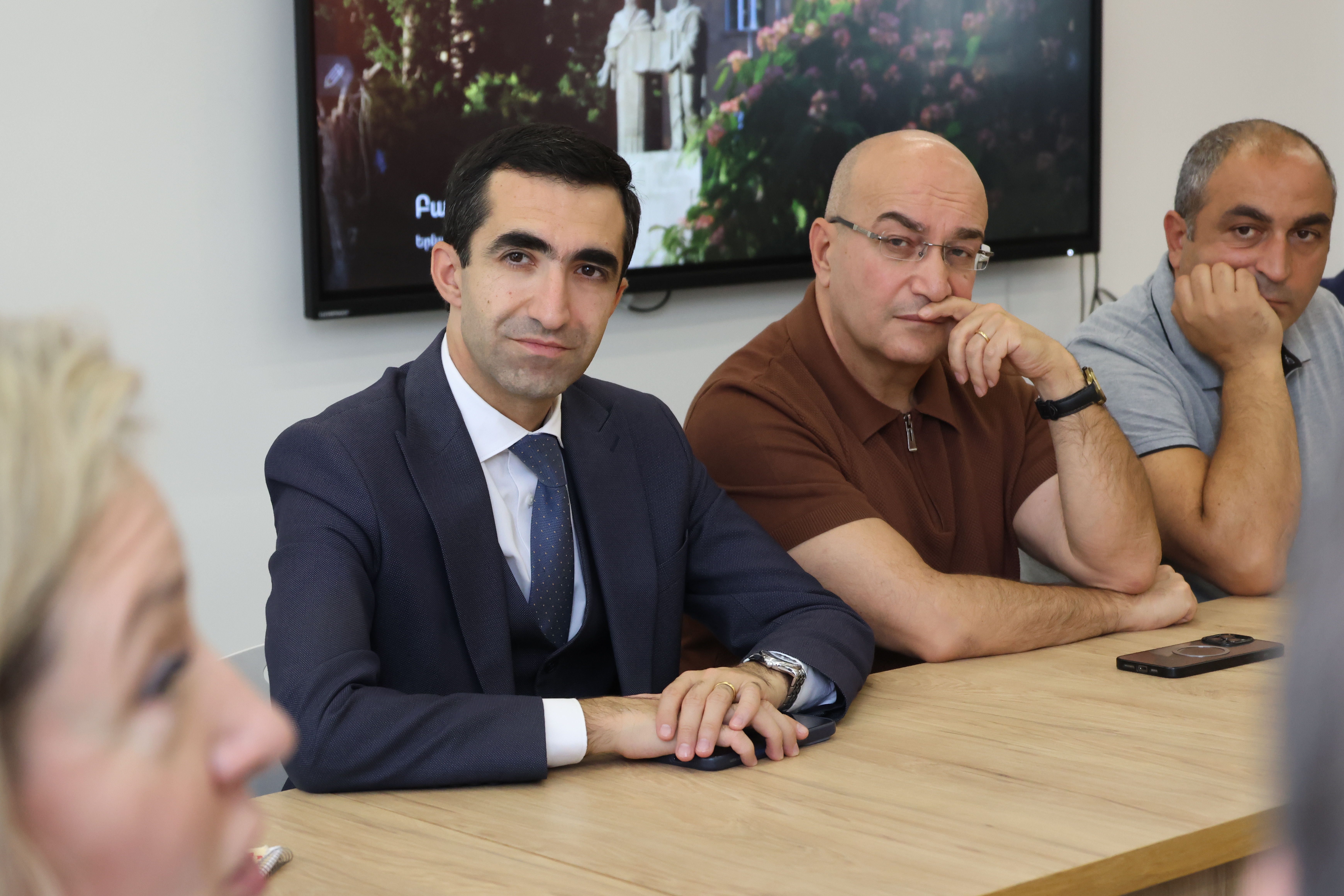
The meeting also featured an interactive discussion, during which YSU students and lecturers asked the speaker questions about artificial intelligence, its potential applications, risk management and future professional skills. The question-and-answer format allowed participants not only to receive answers directly from an expert but also to share their own experiences with artificial intelligence.
It was underscored that, in a rapidly evolving AI environment, the education system must also continuously reassess its approaches in response to changes in the technological and professional landscape.
The meeting provided an opportunity to address current issues related to AI development and discuss the role of higher education in preparing professionals for these changes.