October 26, 2026 | 14:11
Science
Education
Research
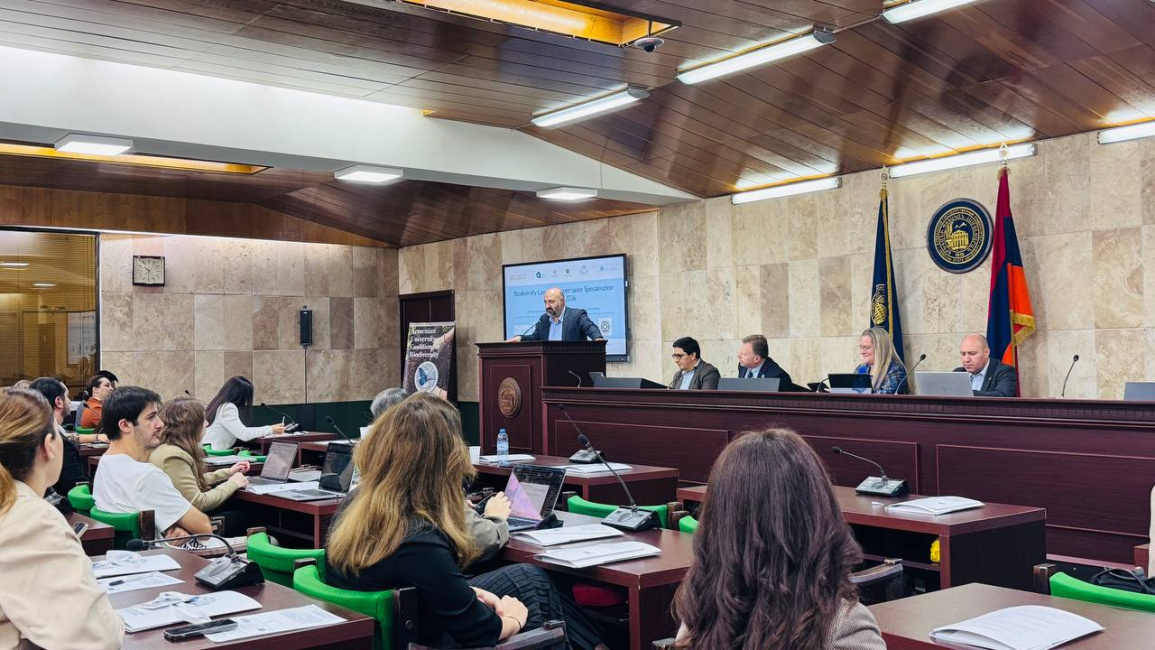
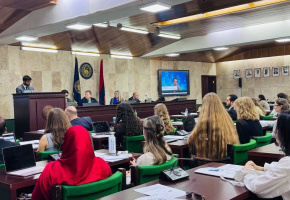
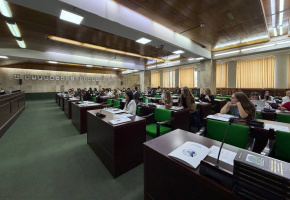
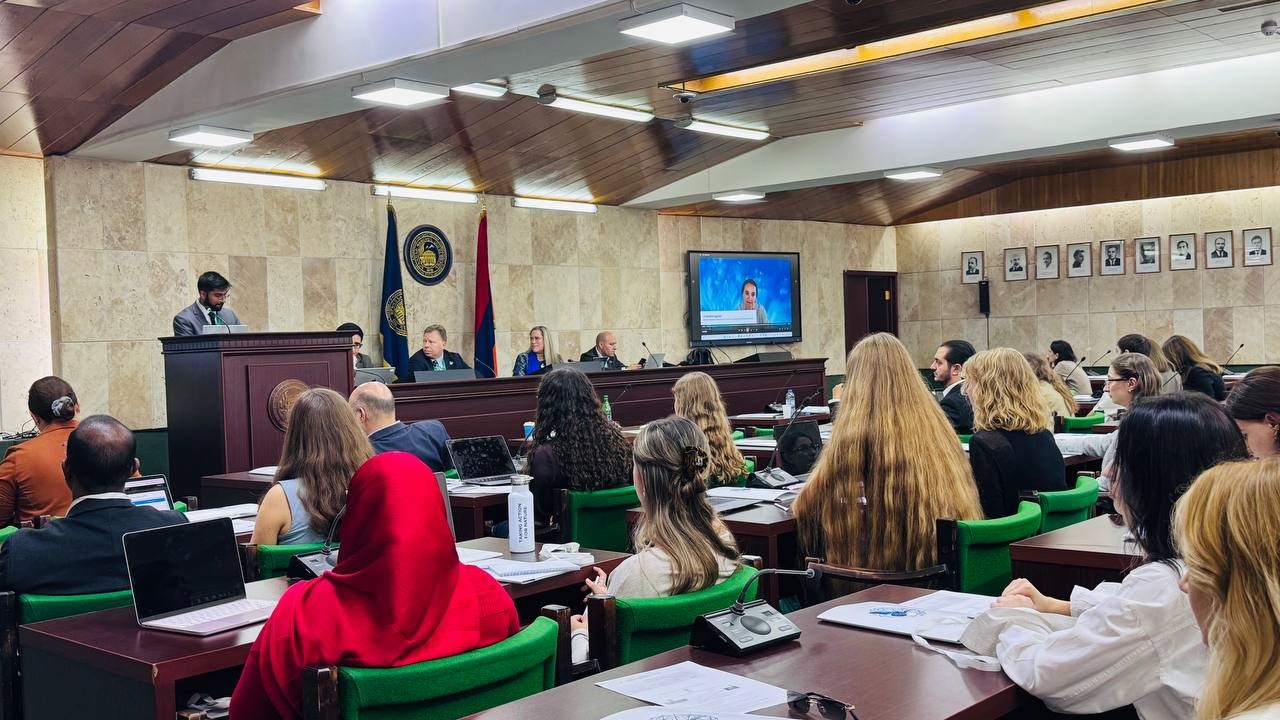
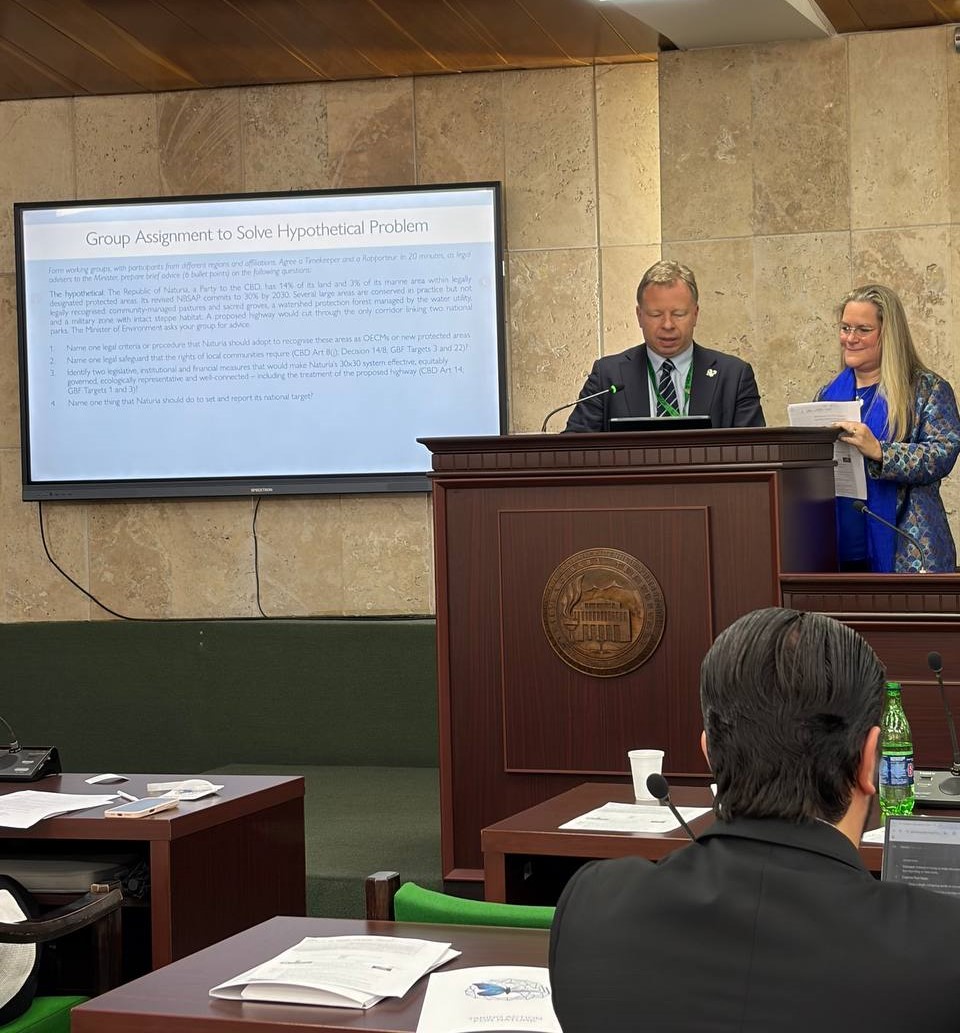
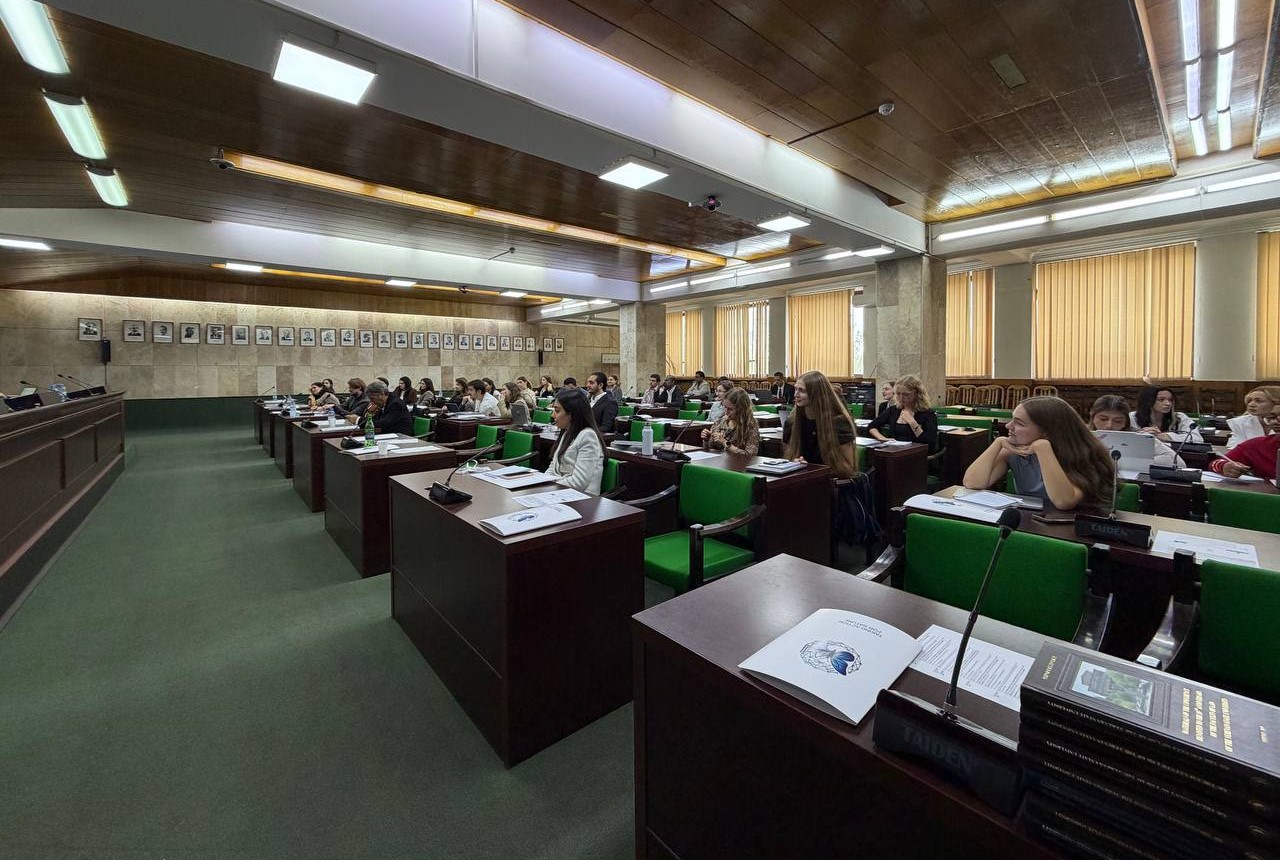
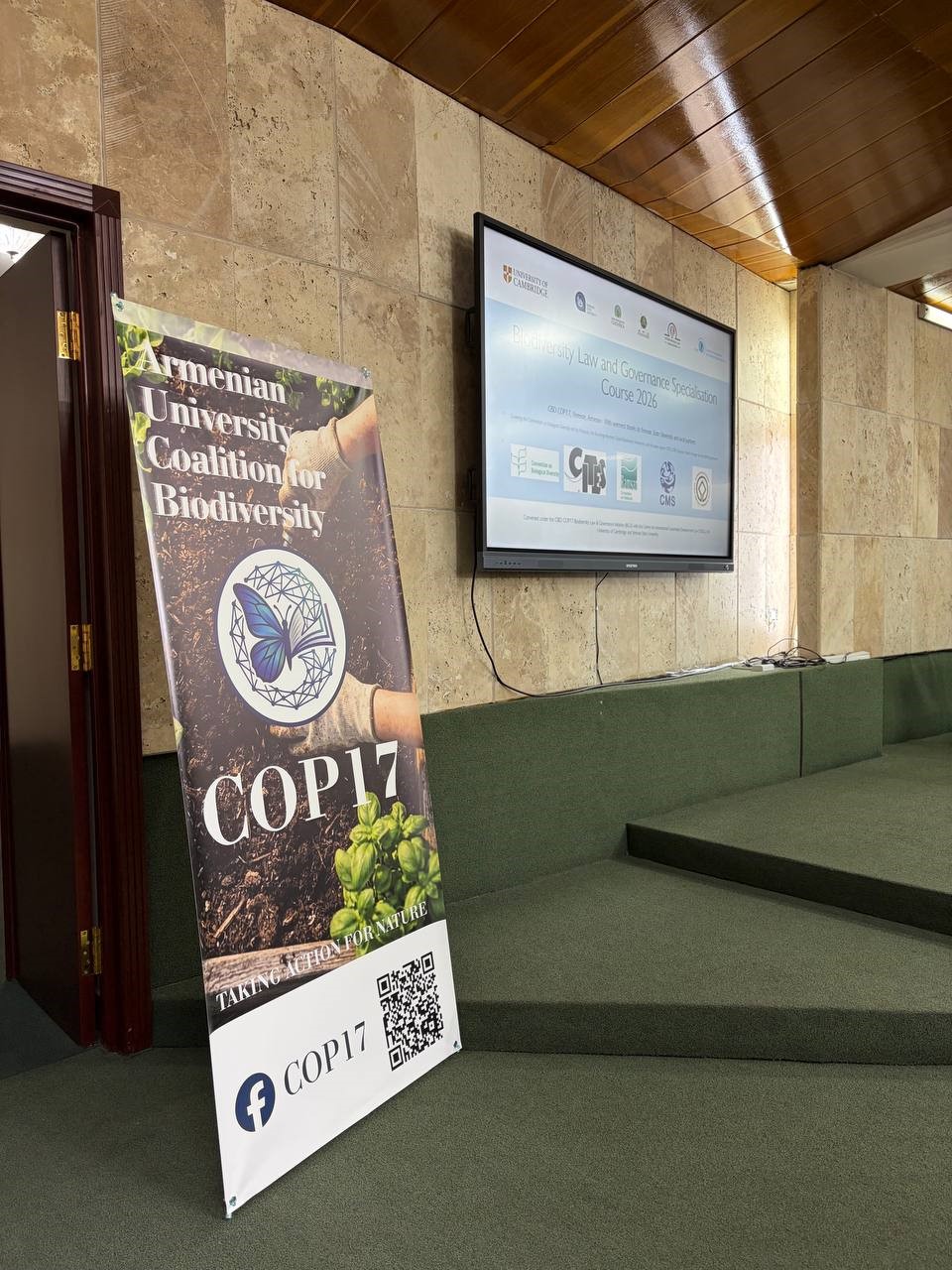
The international online symposium, held on October 23-24, brought together experts in law, environmental protection, science and public administration, along with representatives of international organizations and civil society, to discuss legal and governance challenges related to biodiversity conservation.
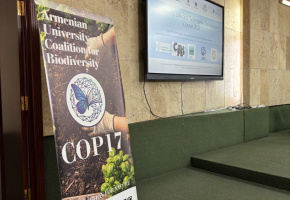
The event was organized in collaboration with Yerevan State University, the University of Cambridge, the University of Costa Rica and other universities, as well as international legal and environmental organizations, as part of the 17th meeting of the Conference of the Parties to the UN Convention on Biological Diversity (COP17).
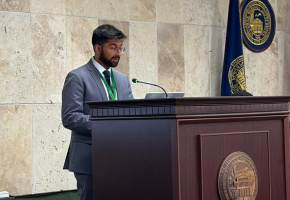
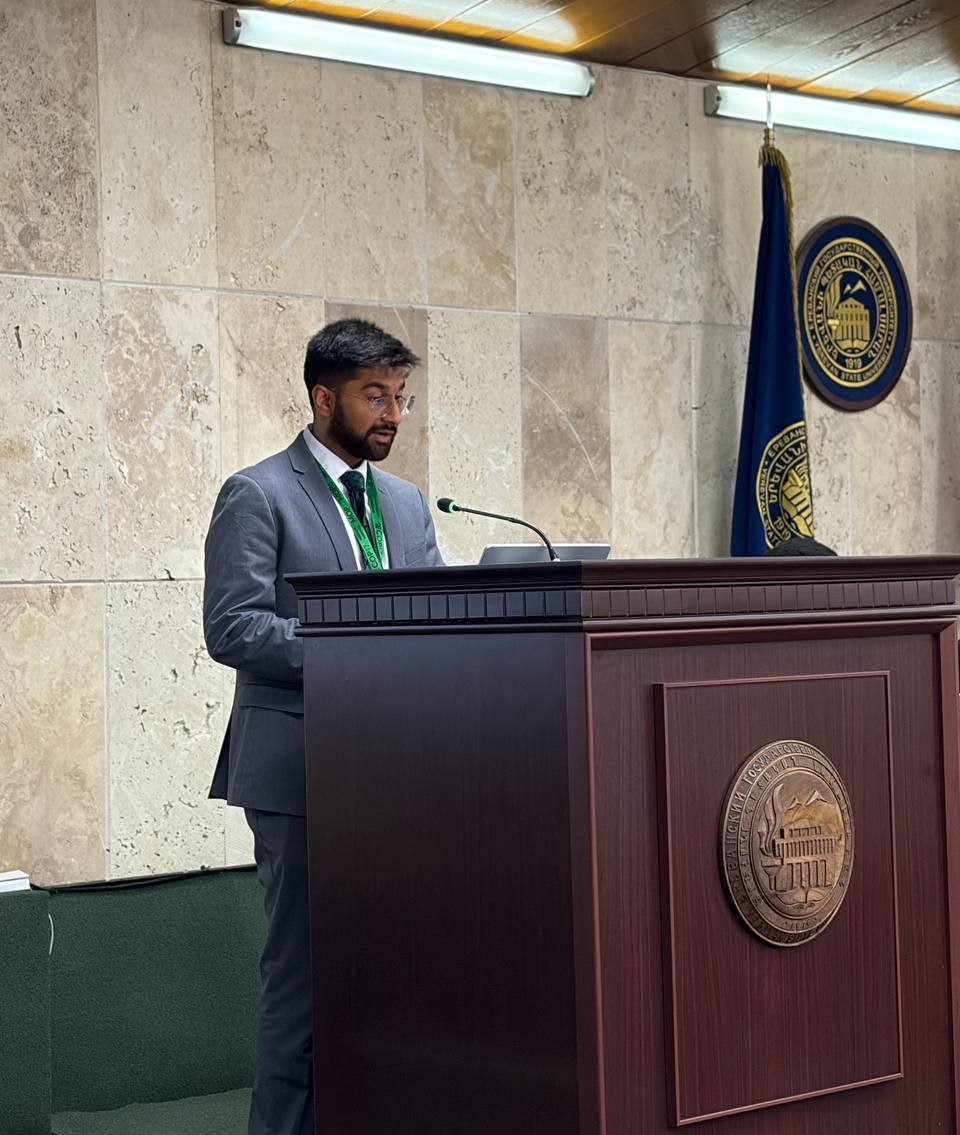
Opening the symposium, YSU Rector Hovhannes Hovhannisyan emphasized that biodiversity conservation is no longer just an environmental concern but is closely connected to human health, economies, community well-being, and the world future generations will inherit.
According to the rector, scientific research makes it possible to assess the impact of human activities on nature, identify risks and develop solutions to address them. But knowledge alone is not enough, he stressed. It must inform sound public policies, effective laws and decisions that make a difference.
Hovhannisyan highlighted the role of universities in strengthening the link between science and public policy. He noted that combining expertise in biology, environmental science, law and international relations could help develop more effective approaches to biodiversity conservation.
The rector also stressed that protecting Armenia's rich biodiversity requires not only national efforts but also regional and international cooperation. He said hosting COP17 offers Armenia an opportunity to expand international professional networks and bring the country's scientific expertise into international discussions.
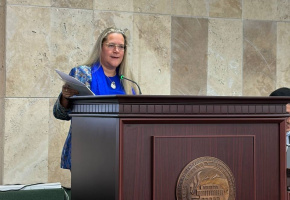
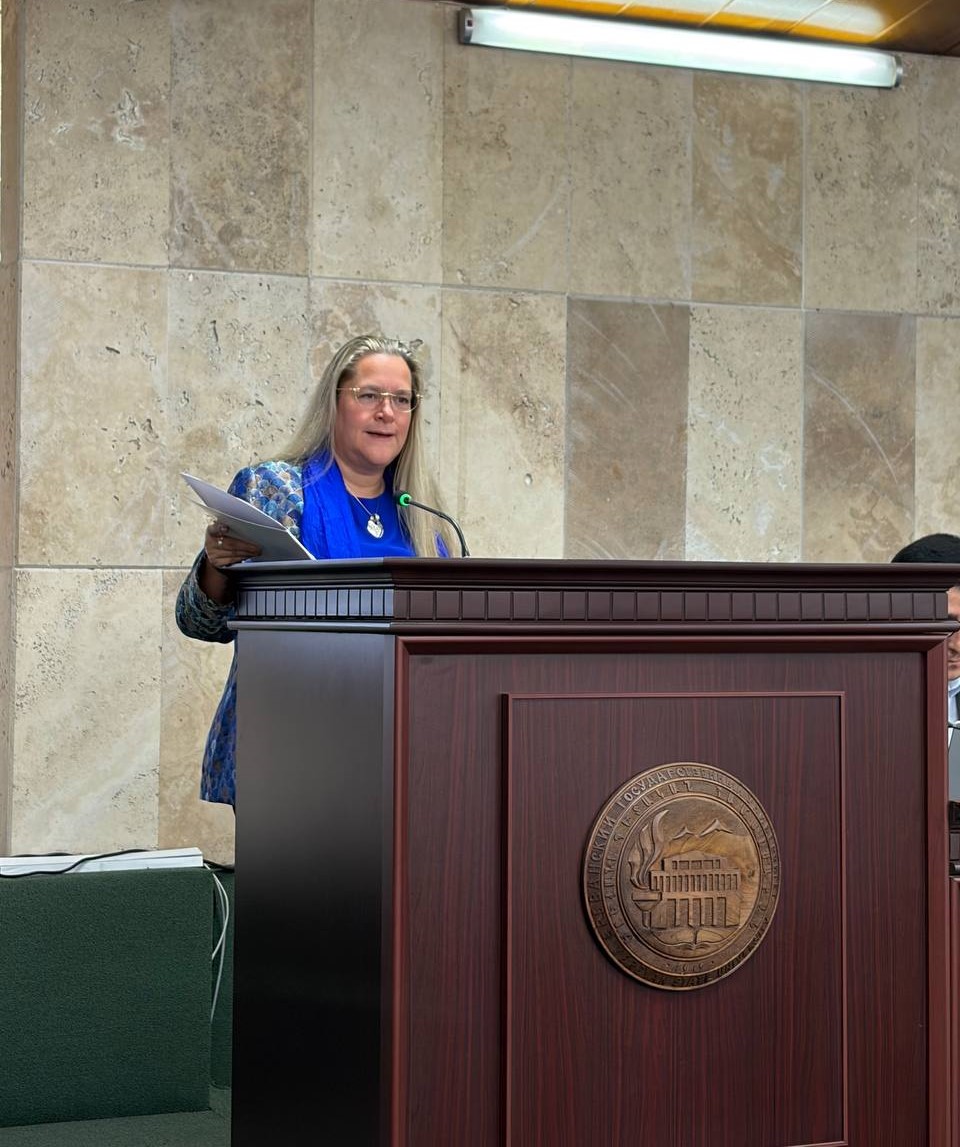
Armenia's Minister of Justice, Srbuhi Galyan, addressed biodiversity conservation in the context of the rule of law, effective governance and human rights.
In her remarks, the minister emphasized the need to implement international environmental commitments through national legislation, accountable institutions and effective governance mechanisms.
Referring to the Kunming-Montreal Global Biodiversity Framework, Galyan stressed that achieving its goals depends on the effectiveness of national legal systems and the capacity of public institutions to fulfill their commitments.
She also highlighted the role of the Convention on Biological Diversity and the Cartagena and Nagoya Protocols in providing the legal foundations for biodiversity conservation, biosafety and the fair and equitable sharing of benefits arising from the use of genetic resources.
Drawing on Armenia's experience, the minister underscored the importance of domestic legislation, clearly defined responsibilities for state institutions and effective coordination in meeting international obligations.
A central theme of the conference was the implementation of the Kunming-Montreal Global Biodiversity Framework, which sets international targets for biodiversity conservation and ecosystem restoration by 2030.
Among its key targets is "30x30," which calls for at least 30% of terrestrial and inland water areas, and at least 30% of coastal and marine areas, to be effectively conserved and managed by 2030.
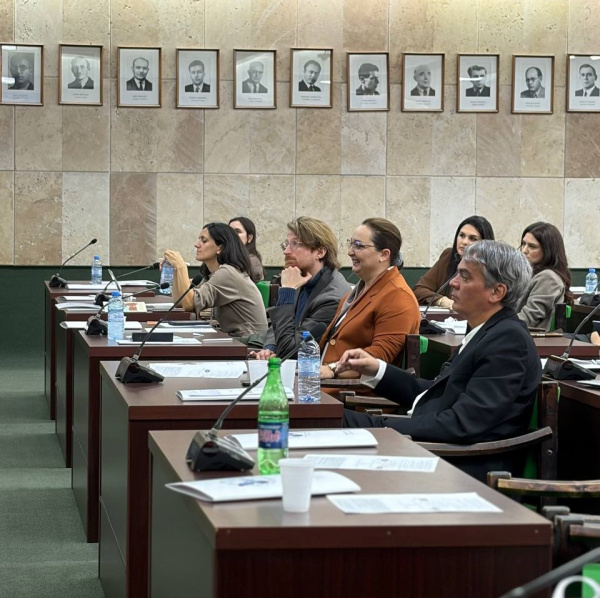
However, legal designation as a protected area is not enough on its own. Effective management, monitoring, oversight and sustainable financing mechanisms are also essential.
The conference agenda covered the incorporation of international environmental commitments into national legislation, protected area management, environmental justice and the participation of local communities in decision-making.
Participants also examined the fair and equitable sharing of benefits arising from the use of genetic resources, the use of digital sequence information and the legal challenges posed by emerging technologies. Other discussions addressed biodiversity financing, the mobilization of public and private funding, and legal accountability.
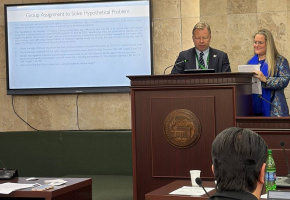
As part of the conference, YSU organized an expert discussion titled "Implementing Biodiversity Treaties in Post-Conflict Settings: From Conflict to Dialogue."
Environmental challenges often extend beyond national borders, and addressing them may require cooperation even amid difficult regional relations. Water resource management, ecosystem restoration and biodiversity monitoring can provide opportunities for dialogue, while international environmental treaties can serve as legal frameworks for such cooperation.
The discussion focused on the application of international environmental treaties in post-conflict settings and opportunities for dialogue on environmental issues. In this context, biodiversity conservation was also examined from the perspectives of regional cooperation and international law.
Examining the legal mechanisms for biodiversity conservation requires expertise across environmental sciences, law, economics and governance. Universities can help foster cooperation between these fields by linking scientific research findings to the development of legal frameworks and public policy.
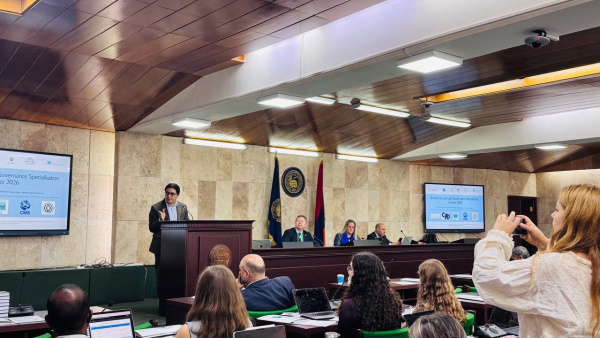
Yeghishe Kirakosyan, co-founder and head of YSU's "International Courts and Arbitration" master's program, said the symposium and its accompanying specialist training course gave YSU representatives and other professionals an opportunity to deepen their understanding of the legal mechanisms for biodiversity conservation.
He added that such events also help strengthen cooperation with government institutions to support the effective implementation of Armenia's international commitments on biodiversity.
YSU's involvement in organizing the conference and hosting a discussion on environmental cooperation in post-conflict settings helped broaden international professional dialogue on the legal aspects of biodiversity conservation.
Since 2016, Biodiversity Law and Governance Day events have been held alongside meetings of the Conference of the Parties to the UN Convention on Biological Diversity. The series brings together scientists, legal experts, policymakers and representatives of international organizations to help put international environmental commitments into practice.