November 03, 2026 | 16:00
Society
Events
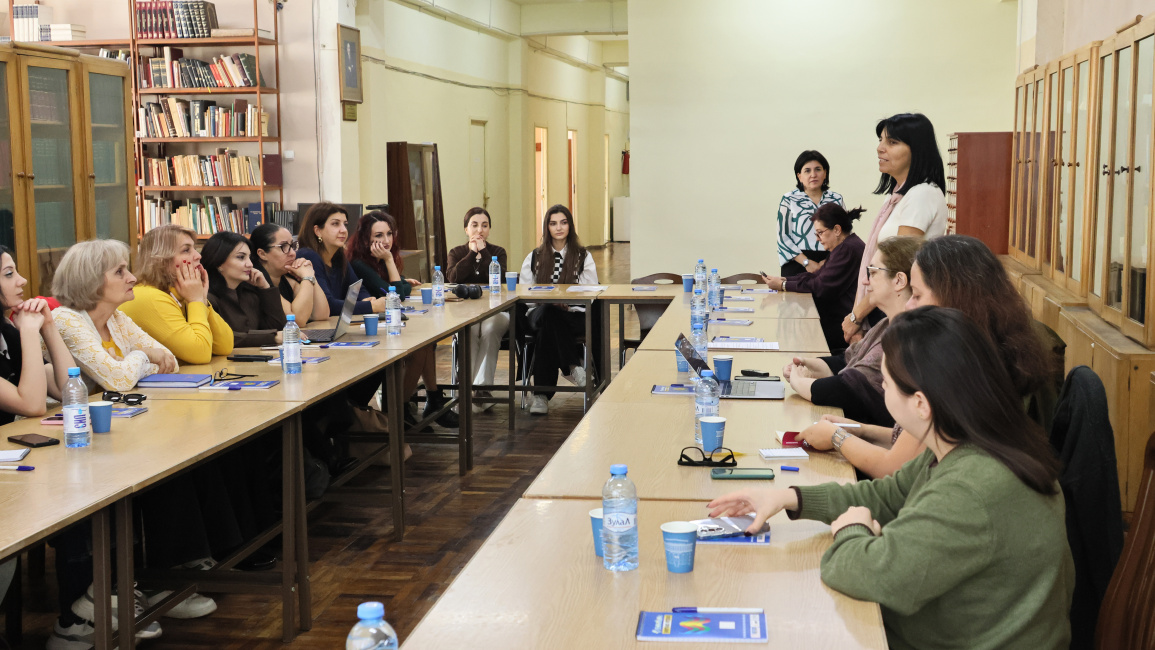
The program, running every Tuesday from November 3 to December 8, consists of six sessions bringing together members of the university community and participants from various fields with an interest in the subject. Participants will explore the connections between folklore and fantasy through lectures, discussions, and practical and creative assignments. Some assignments will be completed independently between sessions.
At the opening session, Jivanyan emphasized the importance of such workshops, noting that they offer opportunities to explore subjects not covered in university curricula. She said libraries, museums and publishing houses could serve as additional platforms for studying these areas.
During the first session, Jivanyan covered the perception of the term "fantasy," its Armenian equivalents, and the genre's boundaries. She noted that the Armenian terms "հրաշապատում արձակ" and "հրաշավեպ" do not always fully capture the concept's range of meanings.
"If we walk into any bookstore and ask for fantasy literature, we will be directed to certain shelves containing mostly works from the late 20th and early 21st centuries," she said.
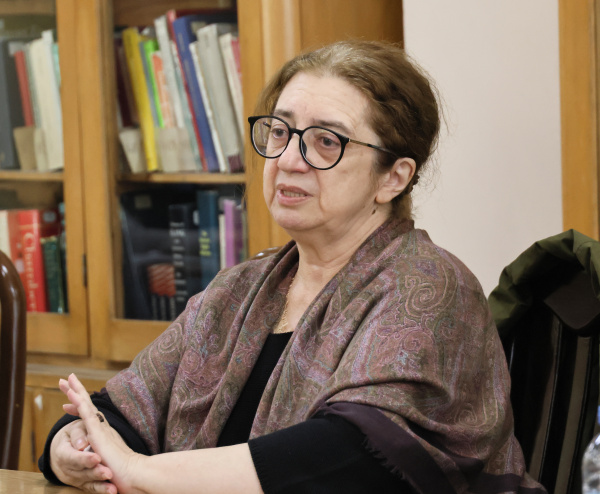
According to Jivanyan, viewing fantasy solely within the confines of a particular period or set of subgenre conventions limits our understanding of it. Fantasy also represents a way of imagining and creating possible, parallel and "other" worlds.
Jivanyan examined the connections between fantasy and folklore, emphasizing that motifs from folk tales and myths continue to live on in contemporary literature. She explained that familiarity with these traditions helps readers and translators recognize the imagery and layers of meaning underlying literary works.
Using J.K. Rowling's "Harry Potter" series as an example, she also highlighted the importance of worldbuilding, particularly the consistent construction and internal logic of a fictional world.
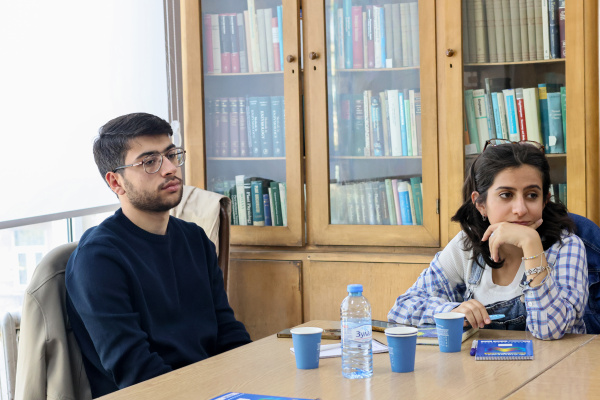
During the session, participants asked questions, discussed the similarities and differences between fantasy and folklore, and shared their own observations.
Throughout the workshop series, participants will examine the defining characteristics of fantasy literature, supernatural characters, everyday life in other worlds and translation challenges. The program covers the following topics:
Terminological and genre-related issues: Fairy tales, myths, fantasy novels, fantastic narratives and fantasy.
"Once upon a time": Possible, parallel and "other" worlds.
Supernatural characters: Fiery spirits, "extraordinary beings" and shapeshifting creatures.
The poetics of fantastic genres: Openings, endings and other narrative formulas. The triumph of good as a genre convention of fairy tales and fantasy novels.
Everyday life in other worlds: Clothing, food, tastes and smells.
Authors and audiences of fantasy works and translation challenges: How to translate the supernatural.
Alongside theoretical discussions, creative assignments will allow participants to apply the approaches they have studied to their own work.