November 20, 2025 | 14:23
Conferences
Education
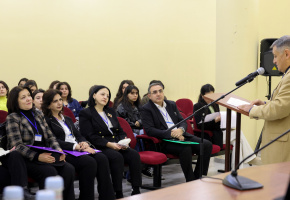
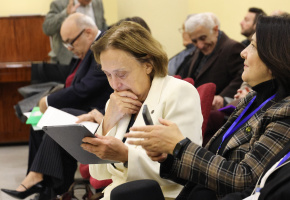
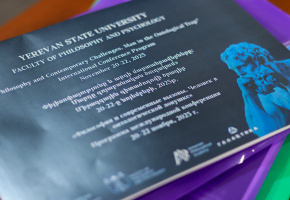
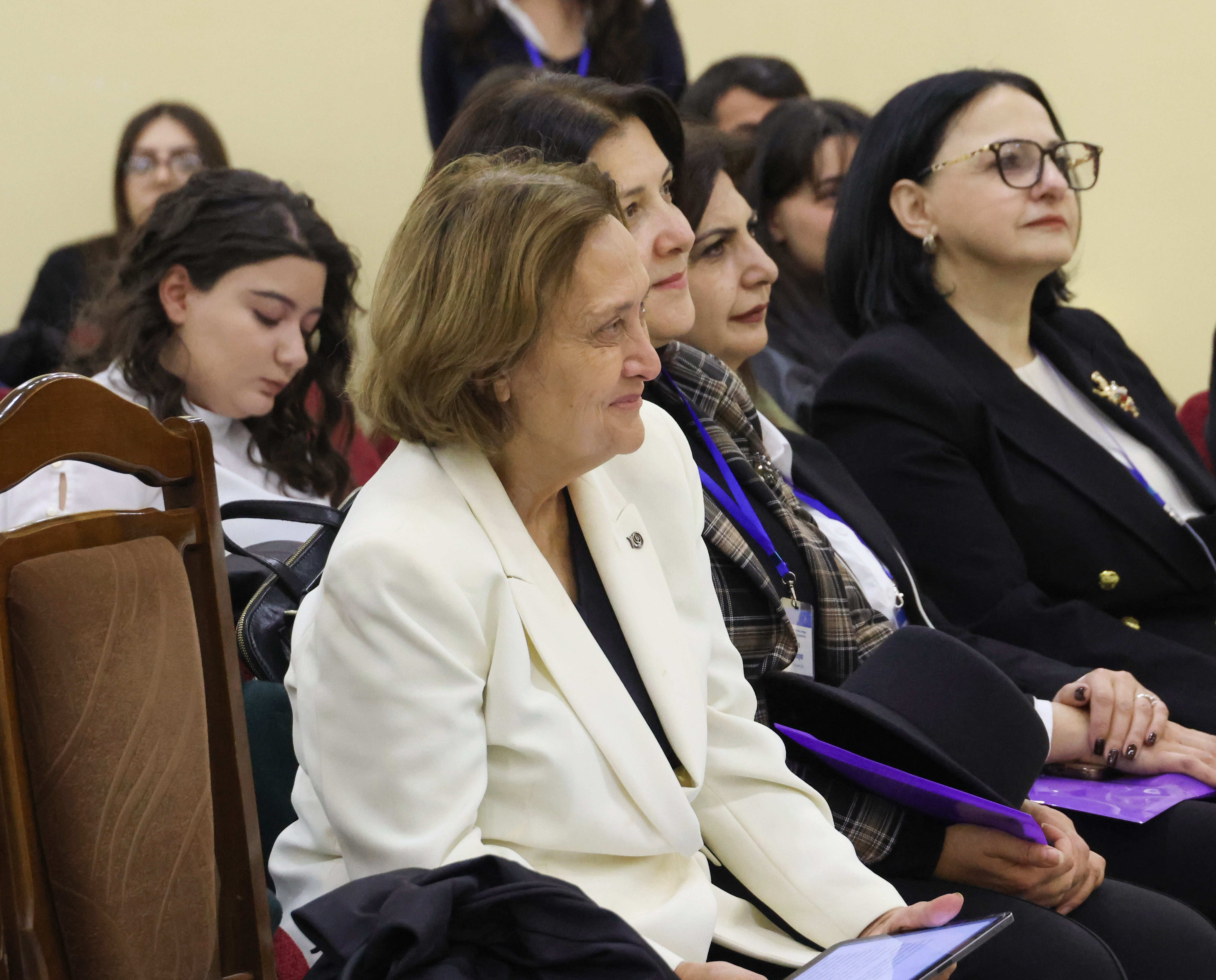
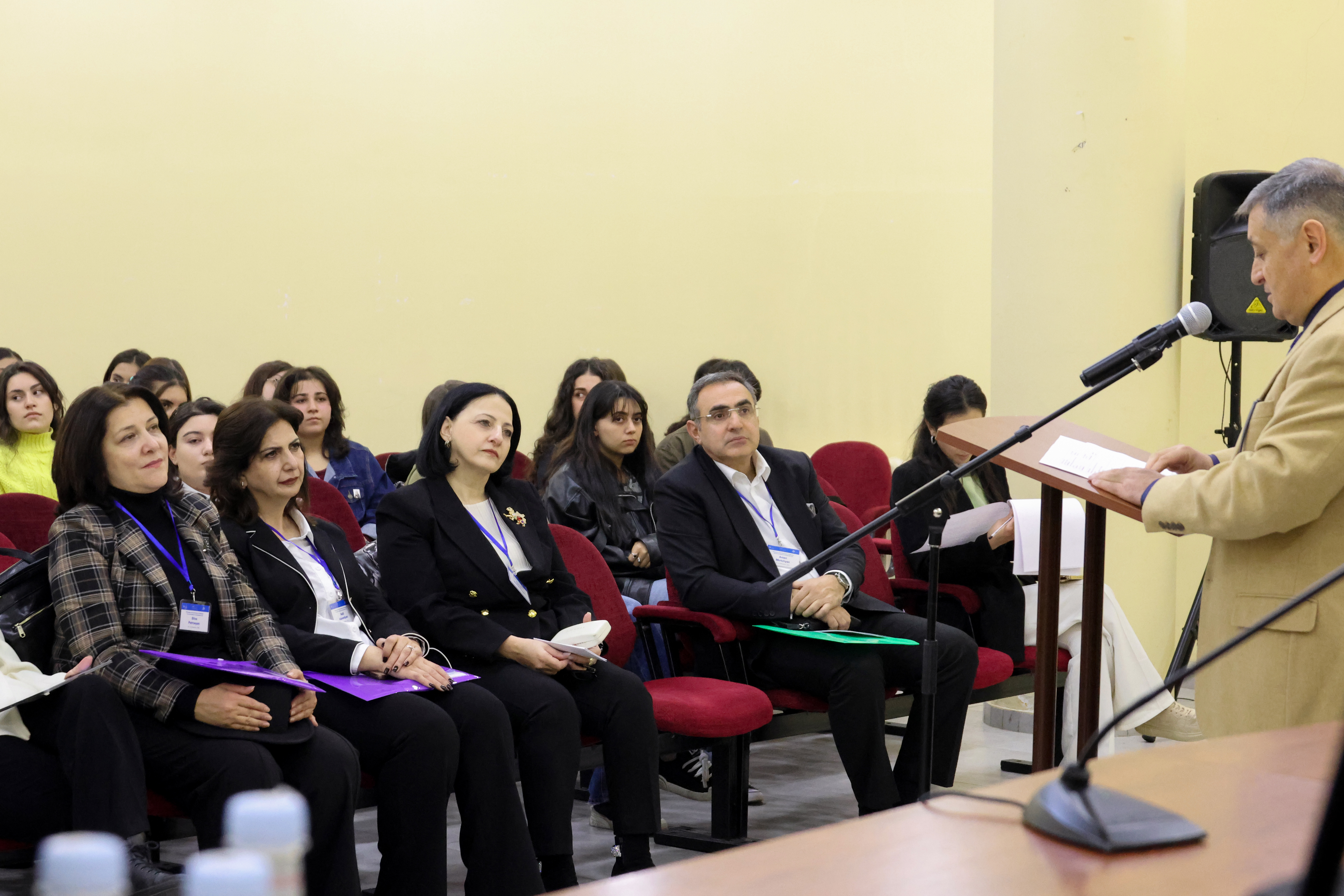
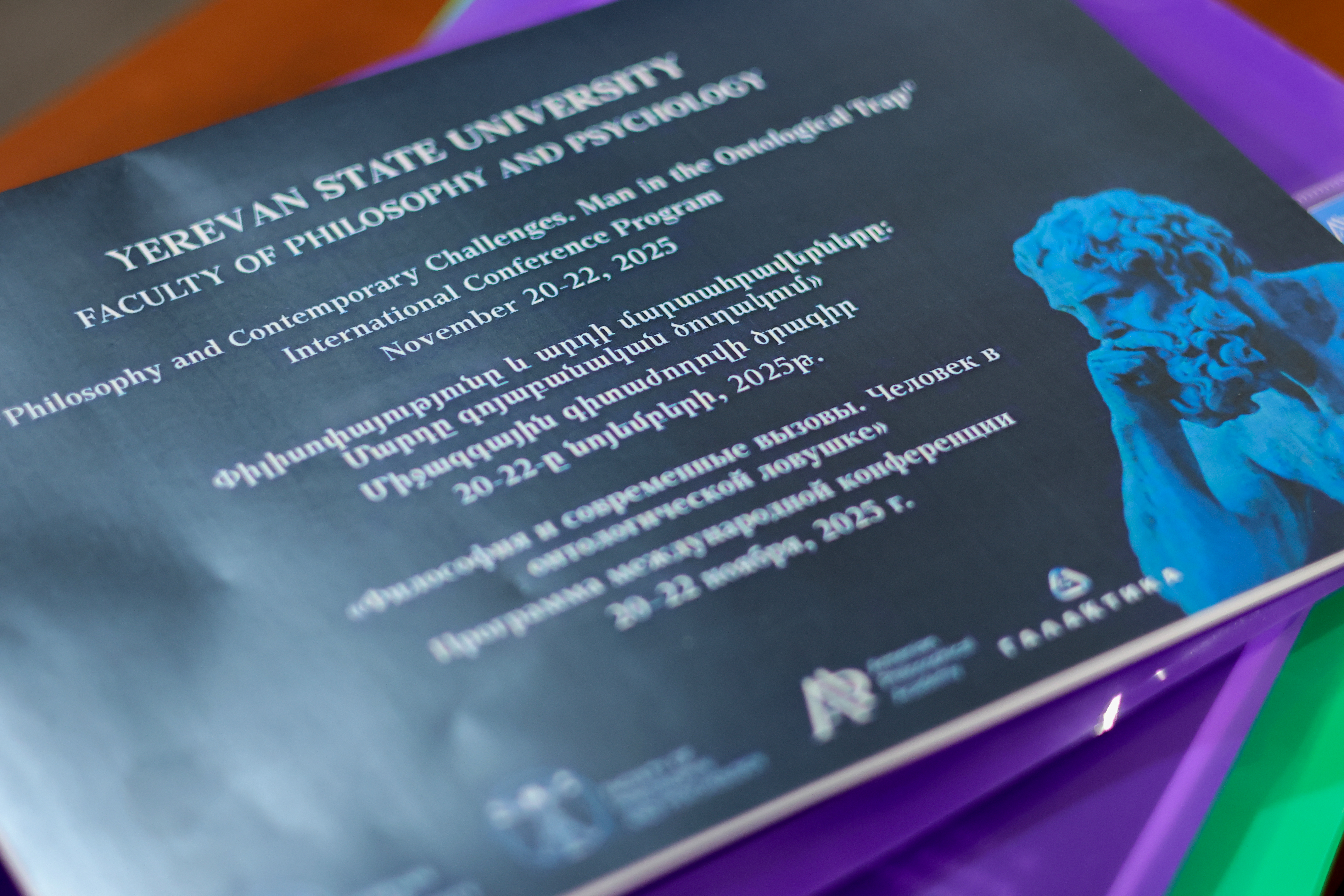
Organized by the YSU Faculty of Philosophy and Psychology and the Armenian Philosophical Academy, the conference is being held from November 20 to 22 and is dedicated to philosophy and the analysis of contemporary challenges. The event features presentations addressing the philosophical interpretation of current social, value-based, economic, political-civilizational, moral-psychological, scientific, and educational issues.
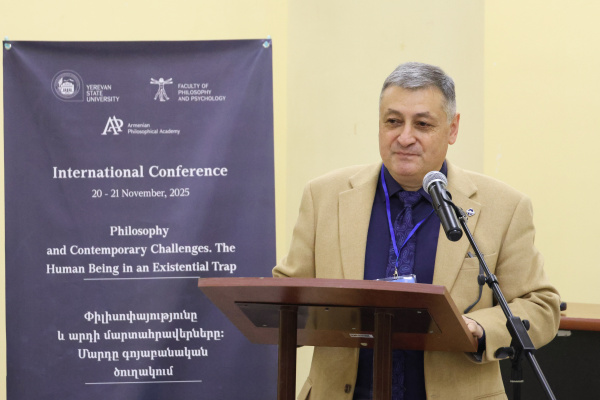
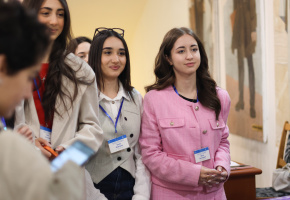
Hovhannes Hovhannisyan, Chairman of the Conference Organizing Committee and Associate Professor at the Chair of History, Theory, and Logic of Philosophy at the YSU Faculty of Philosophy and Psychology, noted that participants are present for two significant events: the official opening of the conference and World Philosophy Day, which has been observed on the third Thursday of each November since 2002 at UNESCO's initiative.
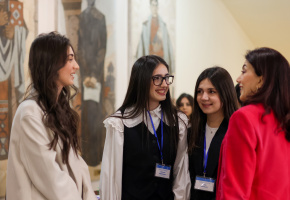
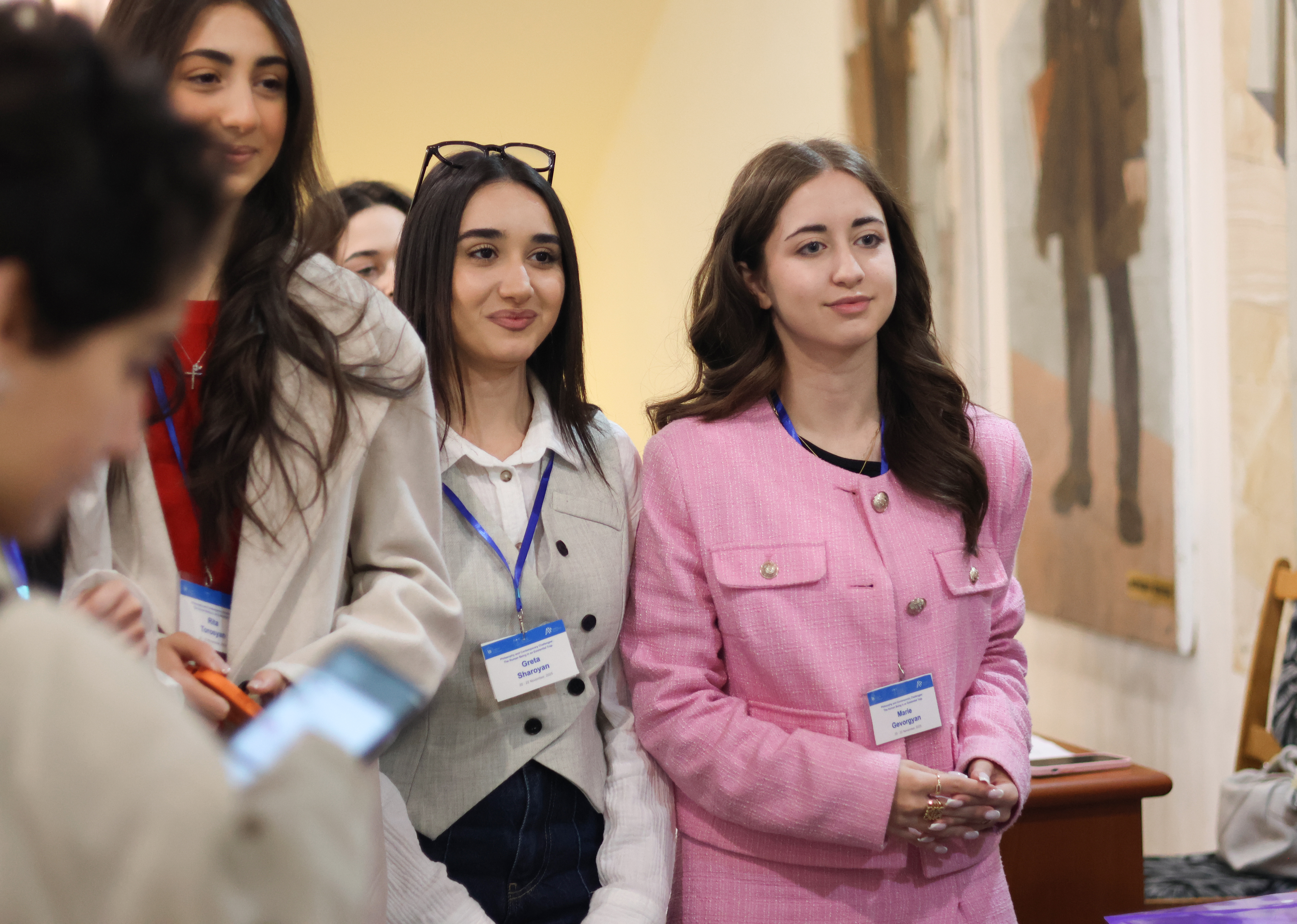
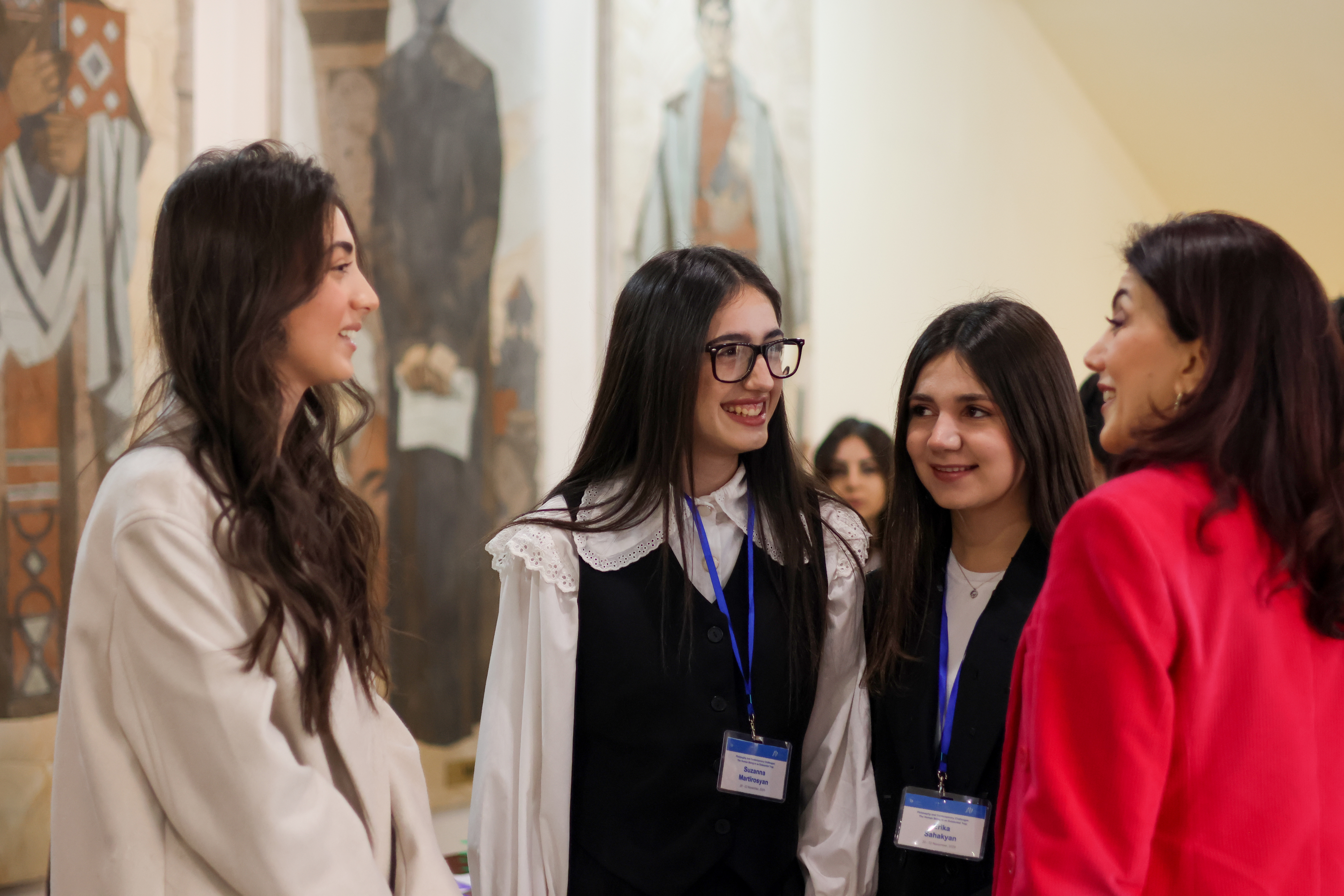
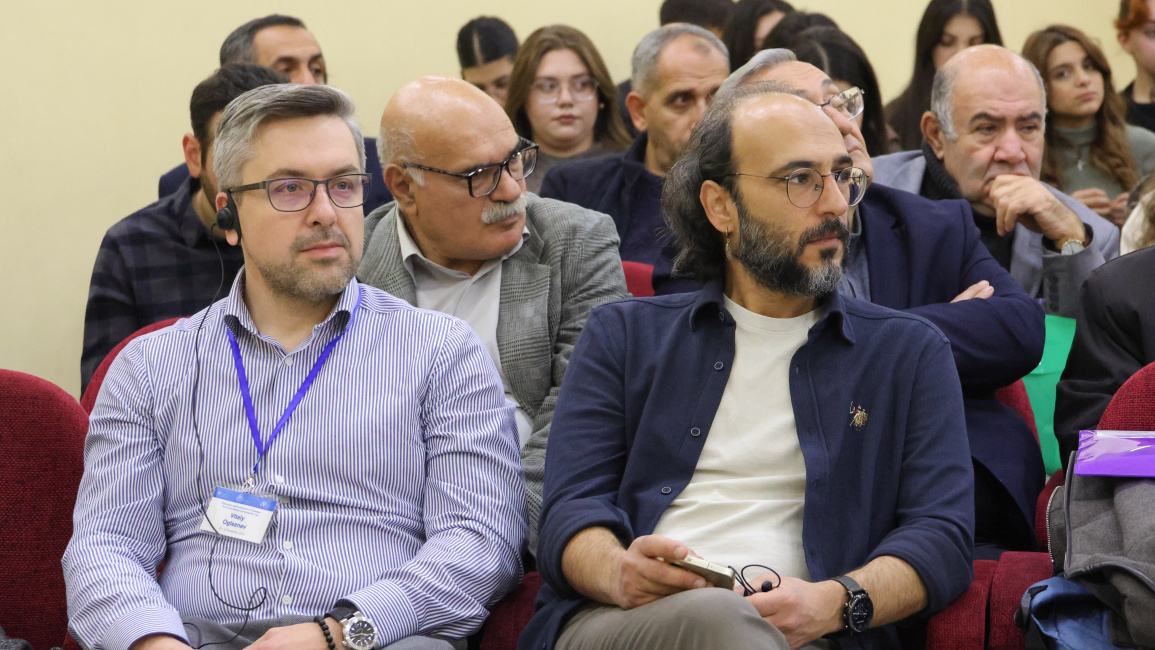
"About forty researchers are taking part in the conference—both renowned scholars with considerable contributions to the field and young researchers taking their first, yet already meaningful, steps in academia. The event has brought together staff members and students of the YSU Faculty of Philosophy and Psychology, as well as lecturers, colleagues, and representatives from various YSU faculties and other universities. We expect interesting presentations and substantive discussions," Hovhannes Hovhannisyan said.
Researchers representing prominent academic institutions from Germany, Romania, Spain, Russia, Kazakhstan, Belarus, and several other countries are participating in the conference. Additionally, researchers from abroad are taking part online.
Referring to World Philosophy Day, YSU Vice-Rector for Academic Affairs Elina Asriyan noted that the purpose of this celebration is to popularize philosophy and promote the skills that help generate and cultivate philosophical thought.
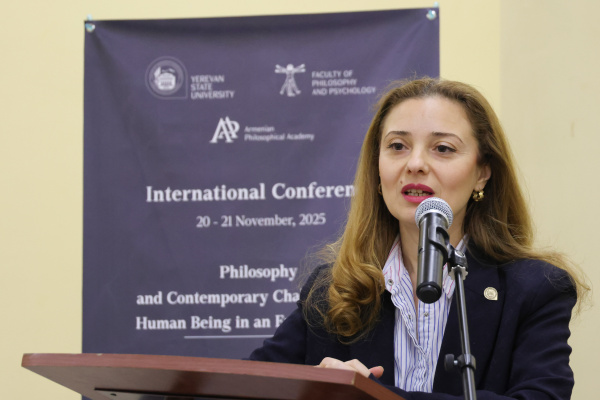
"I believe that if we were to ask random passersby or even students in a lecture hall what philosophy is about, two words would be mentioned most often: analysis and abstraction. In my view, these are precisely the abilities most lacking today—both in our society and worldwide. Abstraction allows us to solve pressing problems, from global warming to challenges in education. Analysis enables us to view the issues we attempt to solve in practice from a different perspective," Elina Asriyan said.
She suggested that instead of remaining consumers, we should strive to be thinkers, idea-generators, and creators.
Among the attendees was Tatevik Karapetyan, Adviser to the President of the Republic of Armenia, Vahagn Khachaturyan, who read the president's message. The message emphasized that the theme titled "Philosophy and Contemporary Challenges. Man in the Ontological Trap" is not only a scientific topic but also an invitation for sincere and responsible reflection on our daily life, society, and future.
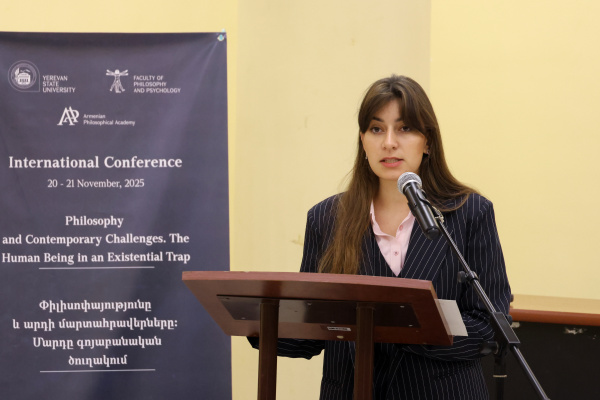
"The 21st century, with unprecedented speed, is transforming all layers of human existence—technological advancements, the endless diversity of information flows, and more. The opportunities created by artificial intelligence are reshaping our mindset and the logic of both public and personal relations. How can we preserve rationality under conditions of informational pressure? How can we build healthy relationships within rapidly changing social environments? How can we avoid losing the human being as a value amid the influence and sometimes dominance of technological media, algorithms, and artificial intelligence? To answer these questions, philosophy once again assumes its ancient yet enduring mission: to help human beings understand the foundations of their existence, the boundaries of their freedom and responsibility, and the complex—sometimes painful but inevitable—path toward truth," the president stated in his message.
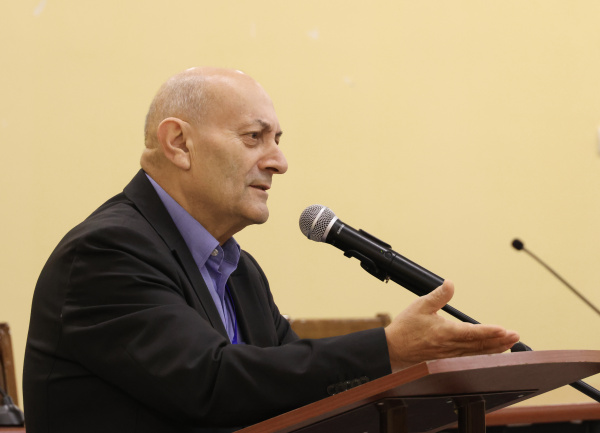
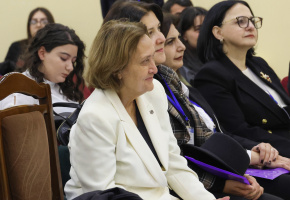
Hasmik Hovhannisyan, President of the Armenian Philosophical Academy, and Aleksan Baghdasaryan, Dean of the YSU Faculty of Philosophy and Psychology, highlighted the significance of the conference. Aleksan Baghdasaryan emphasized that these sessions will provide an opportunity not only to seek answers to important questions but also to identify new issues and propose solutions.
Maria Baghramian, Vice-President of the International Federation of Philosophical Societies, stressed that today's conference has brought together Armenian and international philosophers from various academic institutions, representing diverse areas of specialization. Such collaborations can strengthen not only the field of philosophy but also academic excellence in Armenia at large.
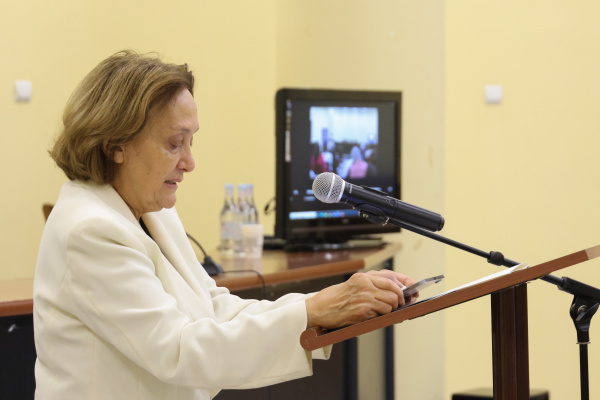
During the event, the faculty's students presented a theatrical performance titled "The Digital Cave of the 21st Century", addressing the negative impact of digital technologies on human beings.
Several presentations will be delivered at the conference, including "Philosophical Analysis of the Search for the Meaning of Life", "Challenges of Sustainable Development and Armenia's Position", "Are Rights Reducible to Reasons?", "The Christian Humanism of Grigor Narekatsi", "The Self-Awareness of Modernity in the Philosophy of History of Yervand Frangyan", "Artificial Intelligence: Dizzy with Success", "Digital Immortality and Mourning in the Age of AI", "Non-Classical Logic and Neo-Rhetoric", and others. The conference program is available here.
This conference will serve as a platform for discussing the current issues of philosophy. Such initiatives not only contribute to the development of scholarly analysis and critical thinking but also create opportunities for the emergence of new directions in scientific thought.