December 05, 2025 | 16:23
Partners
Education
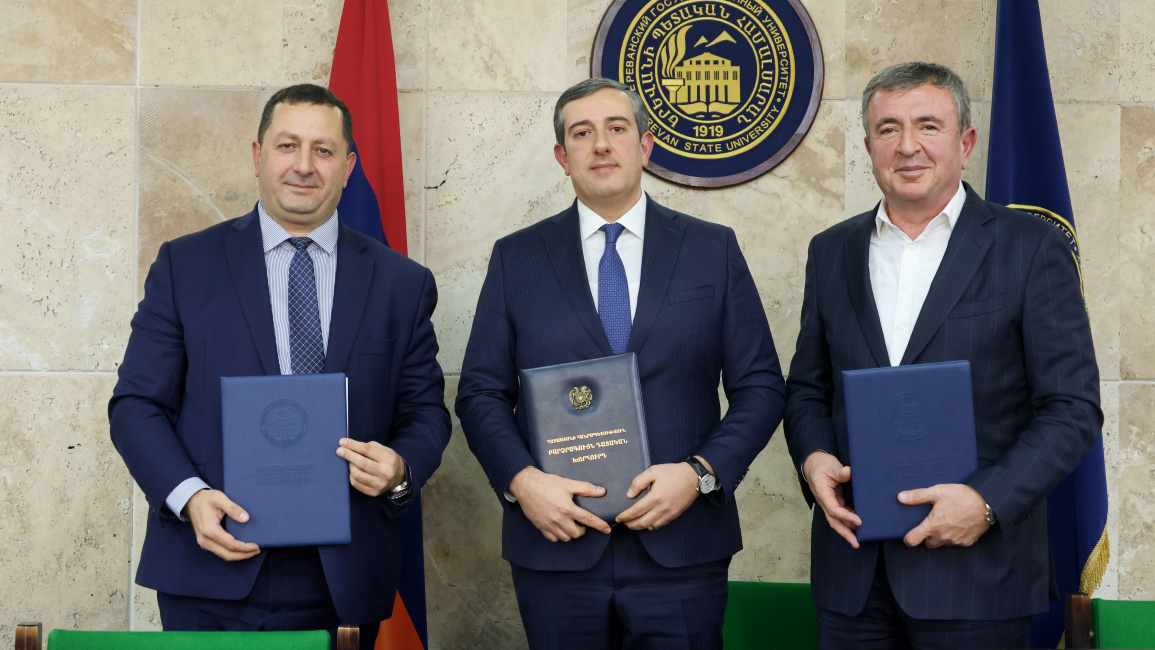
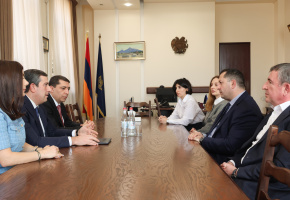
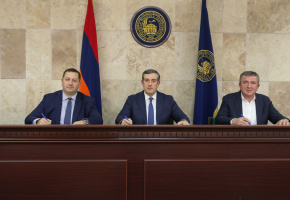
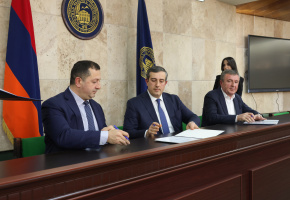
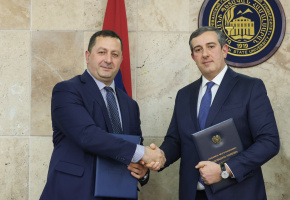
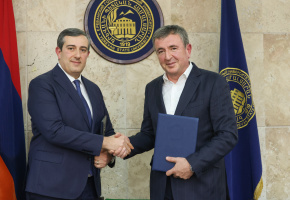
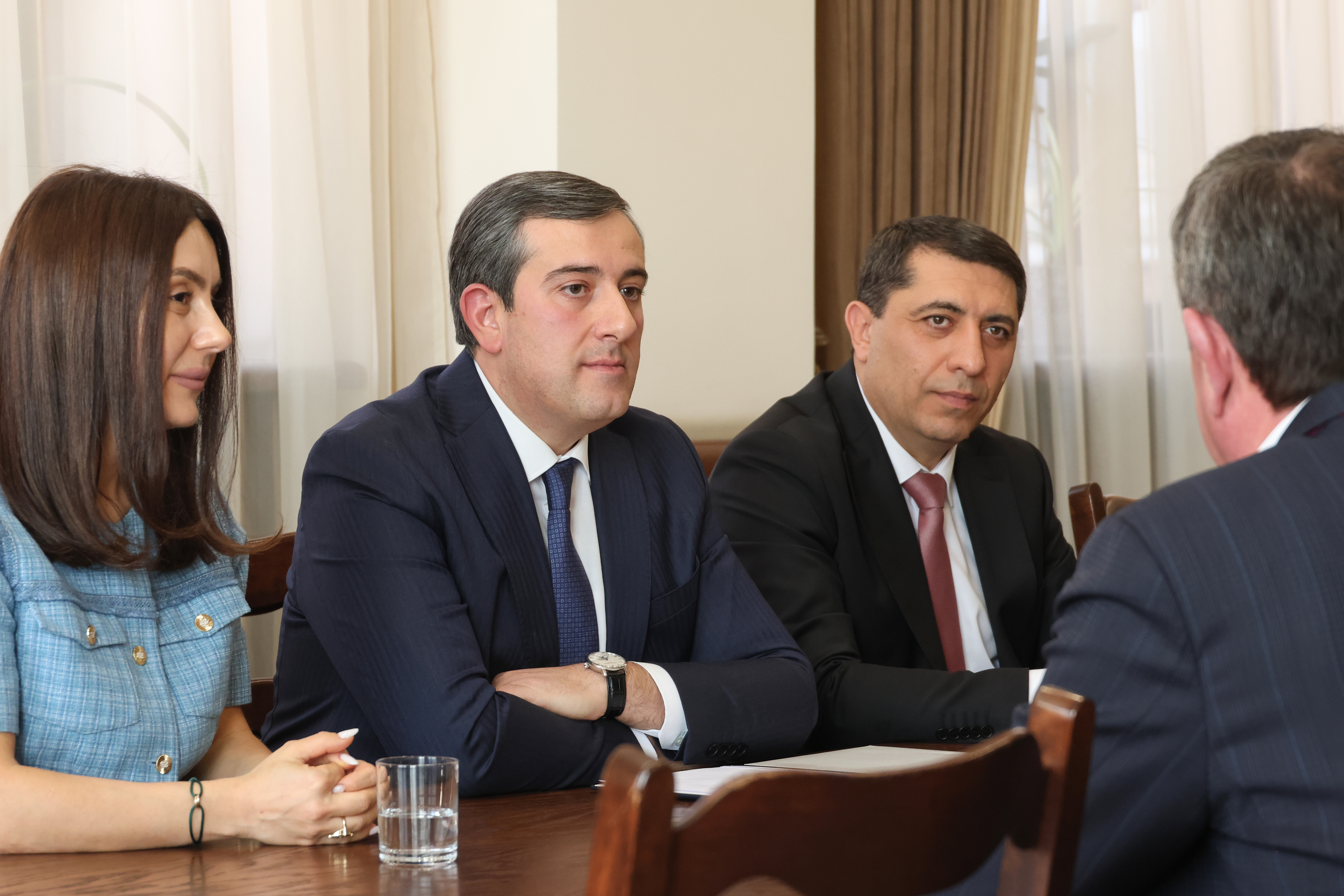
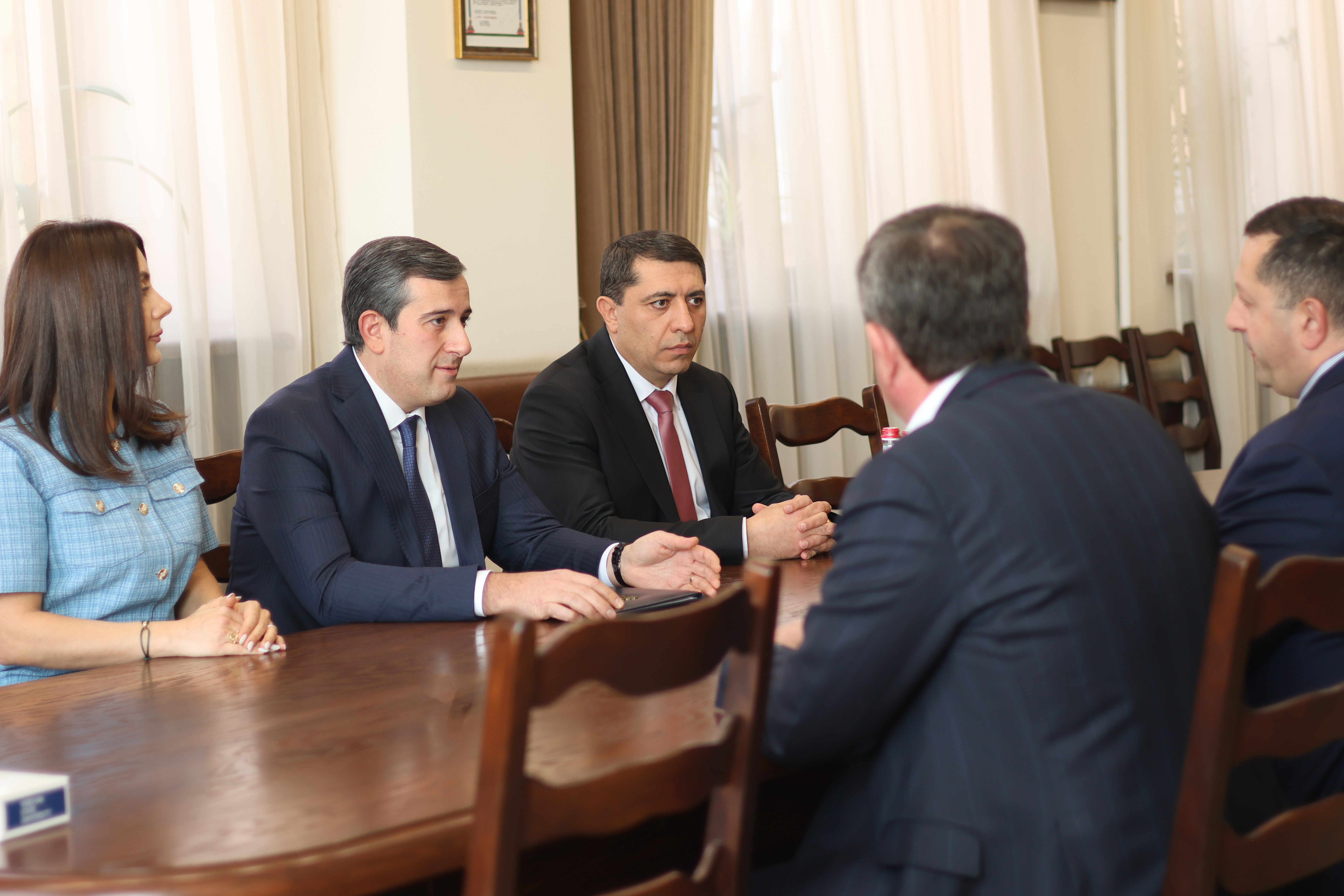
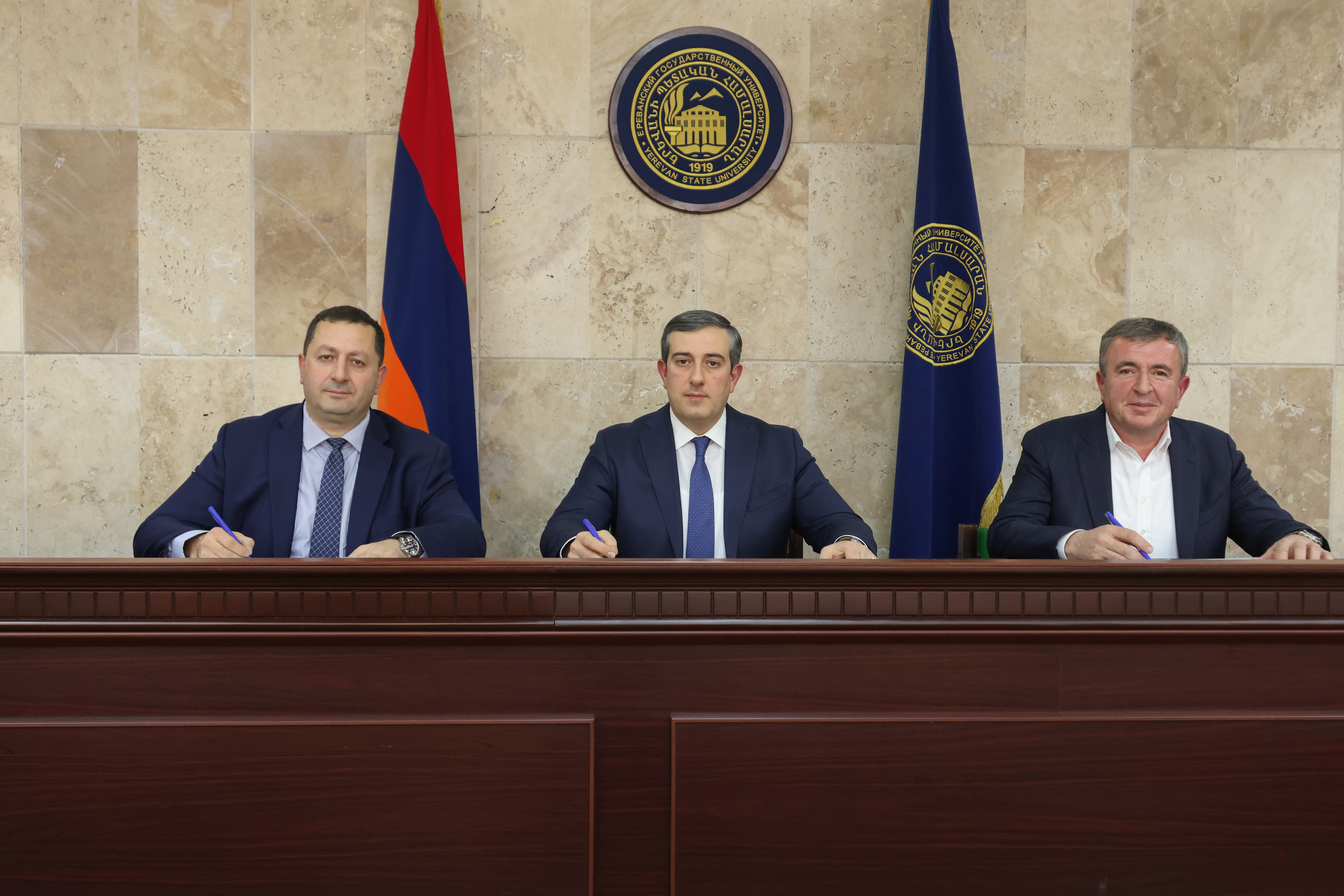
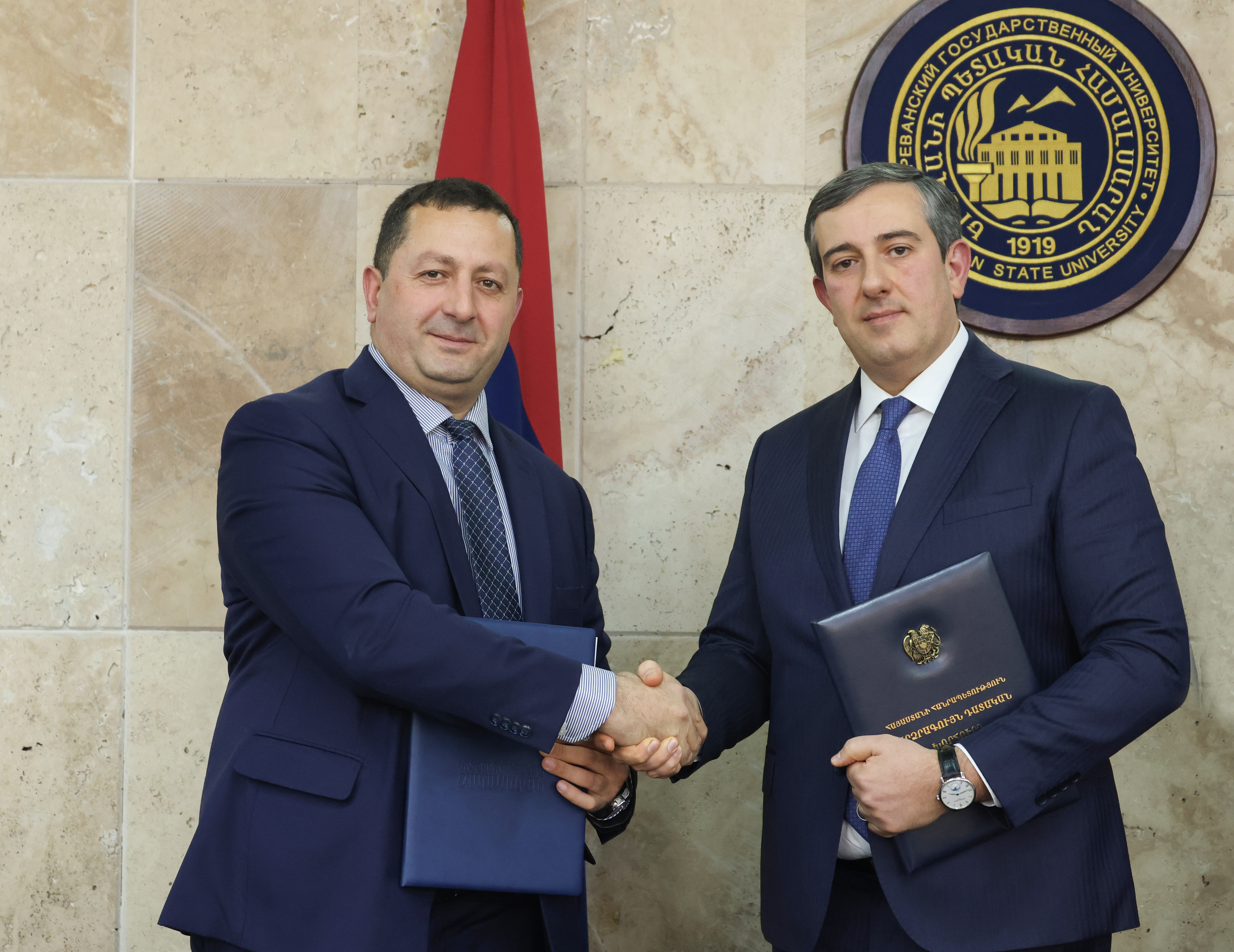
The purpose of the memorandum is to deepen effective, constructive, and continuous cooperation between the parties, promote the exchange of professional experience, strengthen the link between theory and practice in training legal professionals, and conduct scientific research that will help improve the justice system and enhance its efficiency.
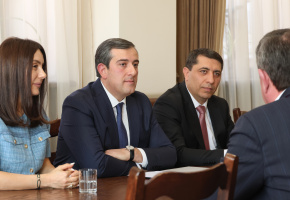
YSU Rector Hovhannes Hovhannisyan stressed that this cooperation will yield positive results, contributing to the development of the university as well as to the advancement of legal education and the justice sector.
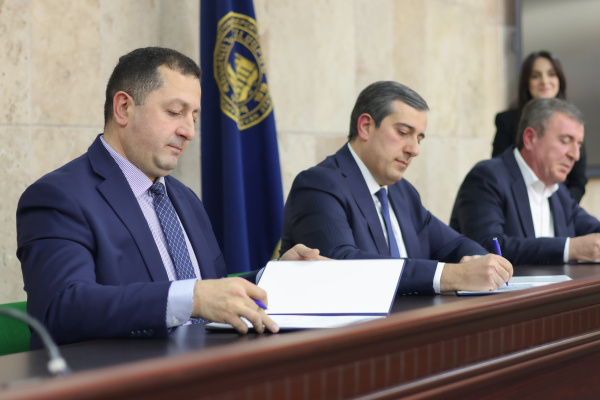
"I am convinced that our cooperation will be fruitful. It will strengthen the link between theory and practice, allowing students to gain practical skills and engage with experienced professionals," the rector said. He emphasized that significant steps have already been taken within the framework of cooperation with the judicial system, highlighting the opening of the YSU Legal Laboratory in the administrative building of the Prosecutor General's Office as the most vivid example.
Within the framework of the signed memorandum, the parties will cooperate in several key directions, particularly in organizing the professional internships necessary for developing students' ability to apply theoretical knowledge in practice. Lectures will be organized with experienced specialists from the YSU Faculty of Law and the judicial system, along with other educational initiatives involving them.
Chairman of the Supreme Judicial Council Artur Atabekyan highlighted the importance of noting that the involvement of judges in the educational process is extremely valuable.
"In my view, it is important that judges also teach, because a judge's conduct, ethics, demeanour, and other qualities play a crucial role in shaping a professional. Presenting all of this to students, I believe, is an effective way to form a new generation and instill the right values," he said, adding that judges are allowed to teach up to eight hours per week in educational institutions.
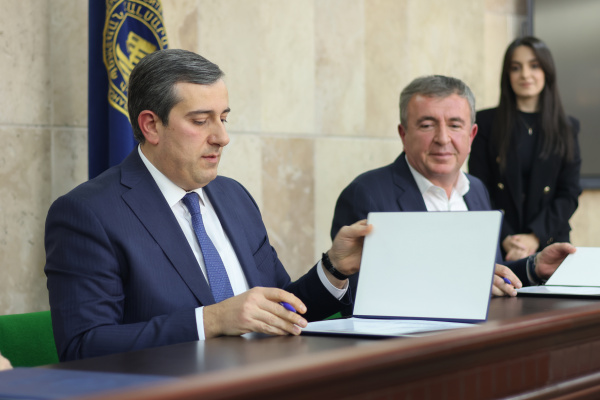
Artur Atabekyan emphasized that they are ready to continuously develop and strengthen the cooperation, noting that such partnerships help train better-prepared specialists and reinforce the connections between the fields.
According to the memorandum, scientifically grounded advisory opinions on legal issues will be provided at the proposal of the Supreme Judicial Council. Joint conferences, discussions (round-table discussions), moot courts, and other activities aimed at exchanging professional experience will be organized.
Dean of the YSU Faculty of Law Harutyun Khachikyan highlighted the faculty's long-standing cooperation with the judicial system and said the university is now seeking to bring this collaboration to a new level through mutual agreement. He emphasized that combining theory with practice and developing practical skills is especially important for students, and that interaction with judges plays a key role in achieving this.
Harutyun Khachikyan also pointed out that this reflects a longstanding culture of cooperation, which continues to be upheld and is now being expressed in more effective and commendable ways.
According to the memorandum, the parties will conduct joint research work, prepare and publish monographs, scientific articles, and practical manuals, particularly in YSU's "State and Law" and "Bulletin of Yerevan State University: Jurisprudence" journals, and on other platforms.
The cooperation will also lead to the development and implementation of programs aimed at improving the quality of justice and reforming legal education. Additionally, books authored by faculty members will be provided to the library of the Supreme Judicial Council.