December 11, 2025 | 14:41
Society
Lifelong learning
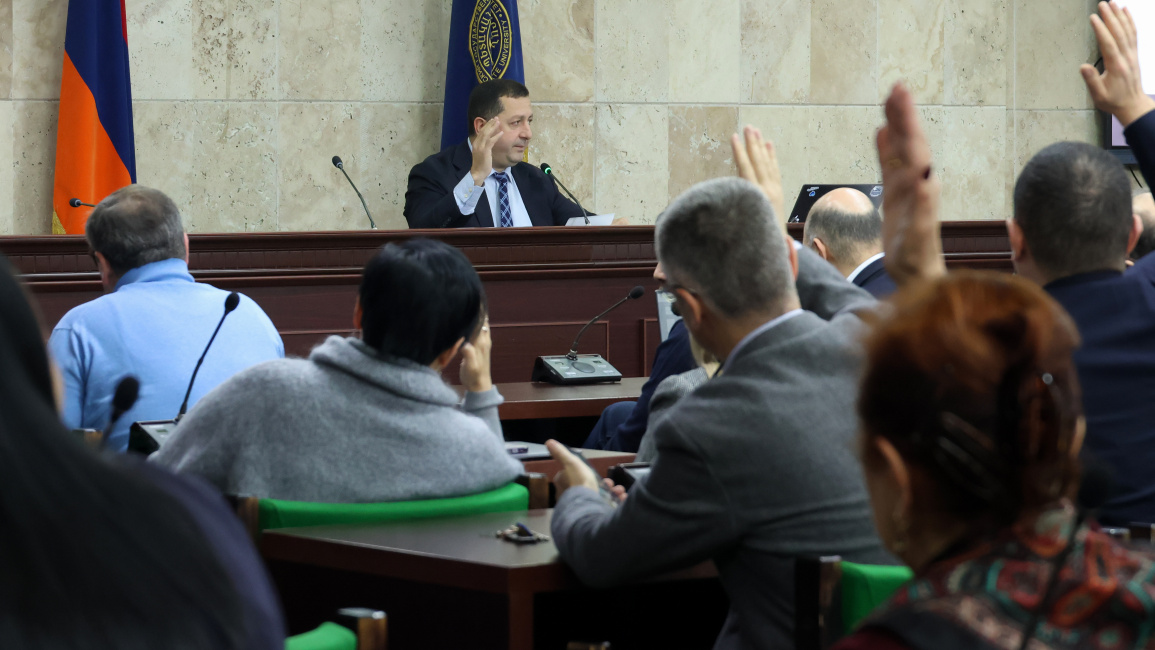
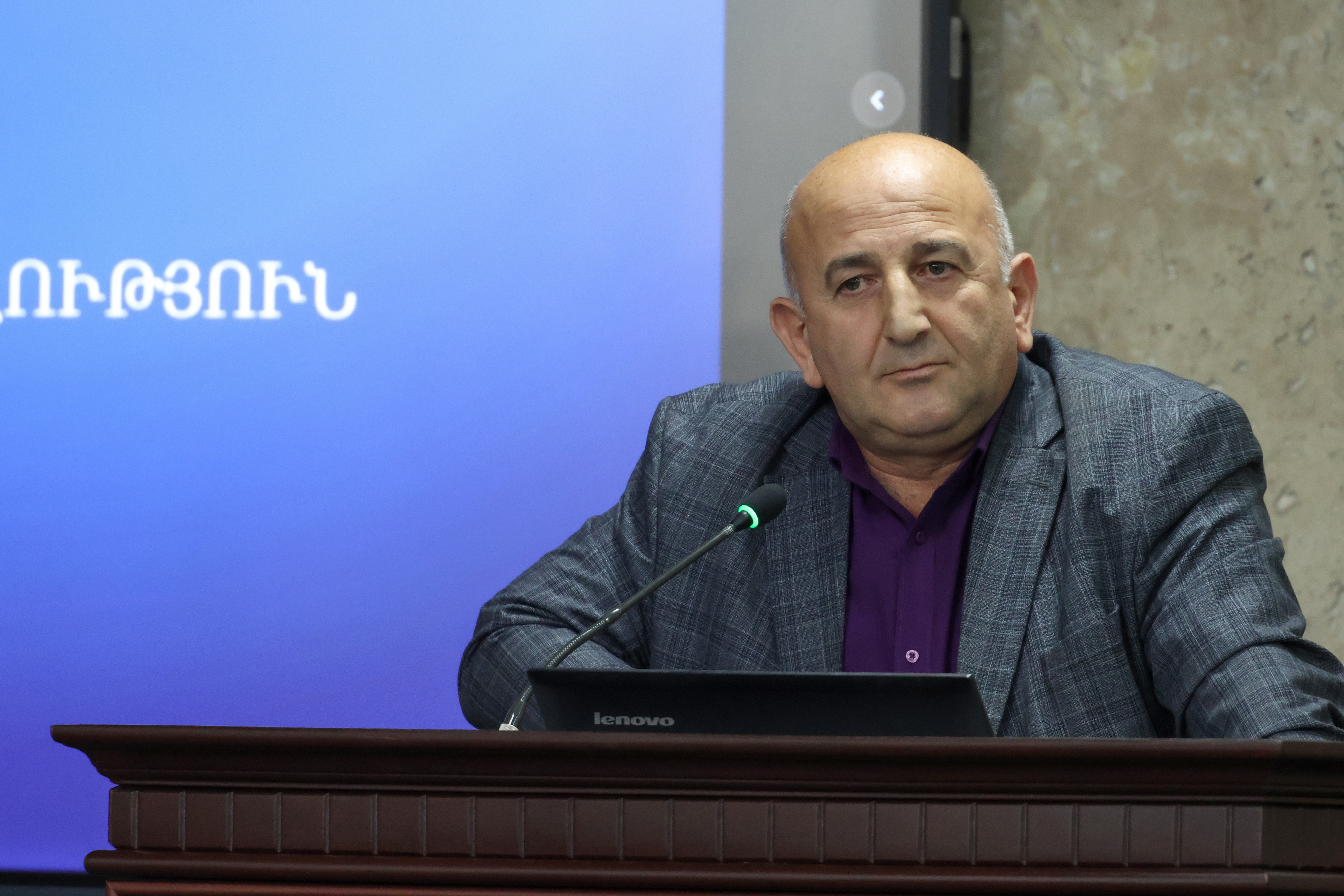
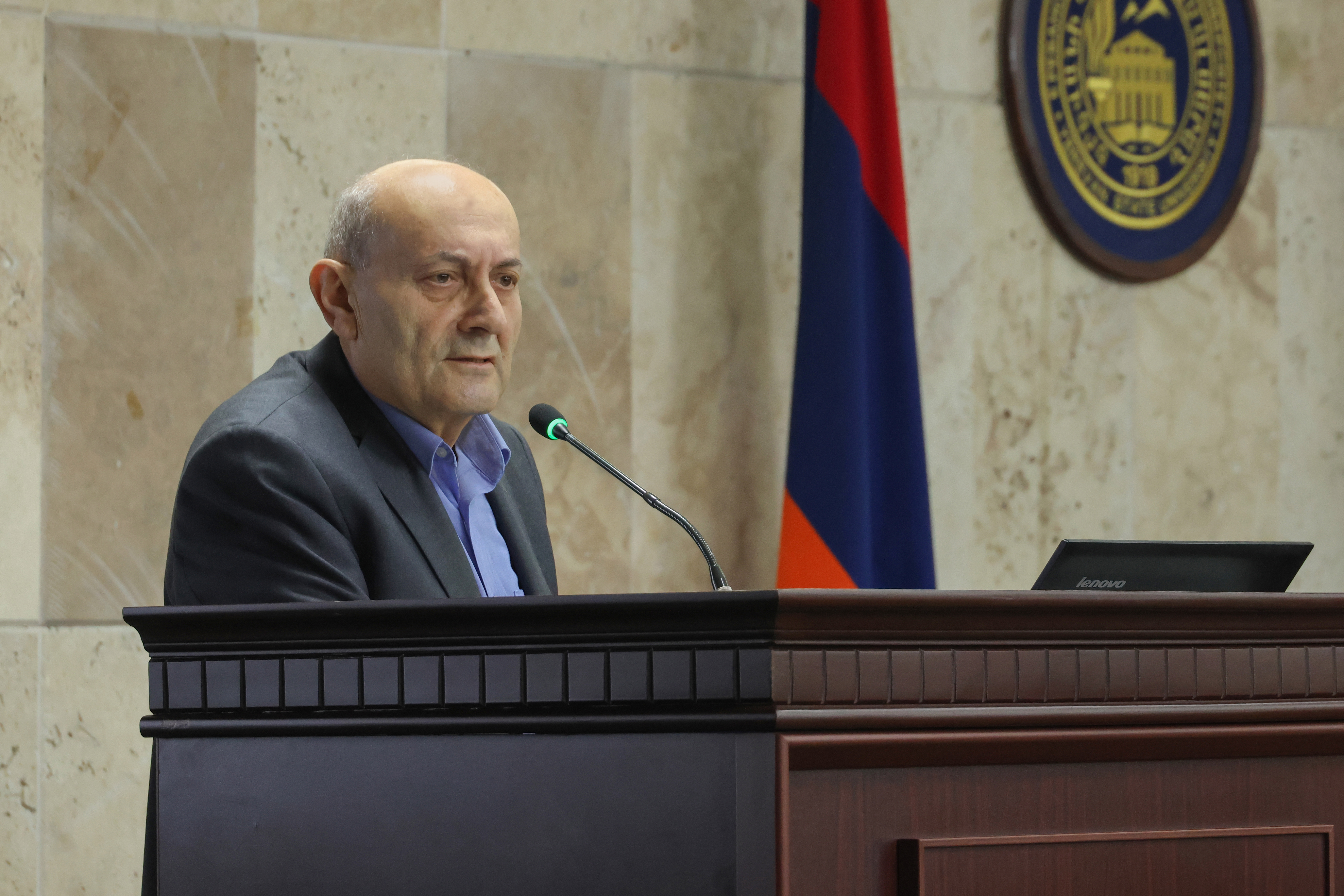
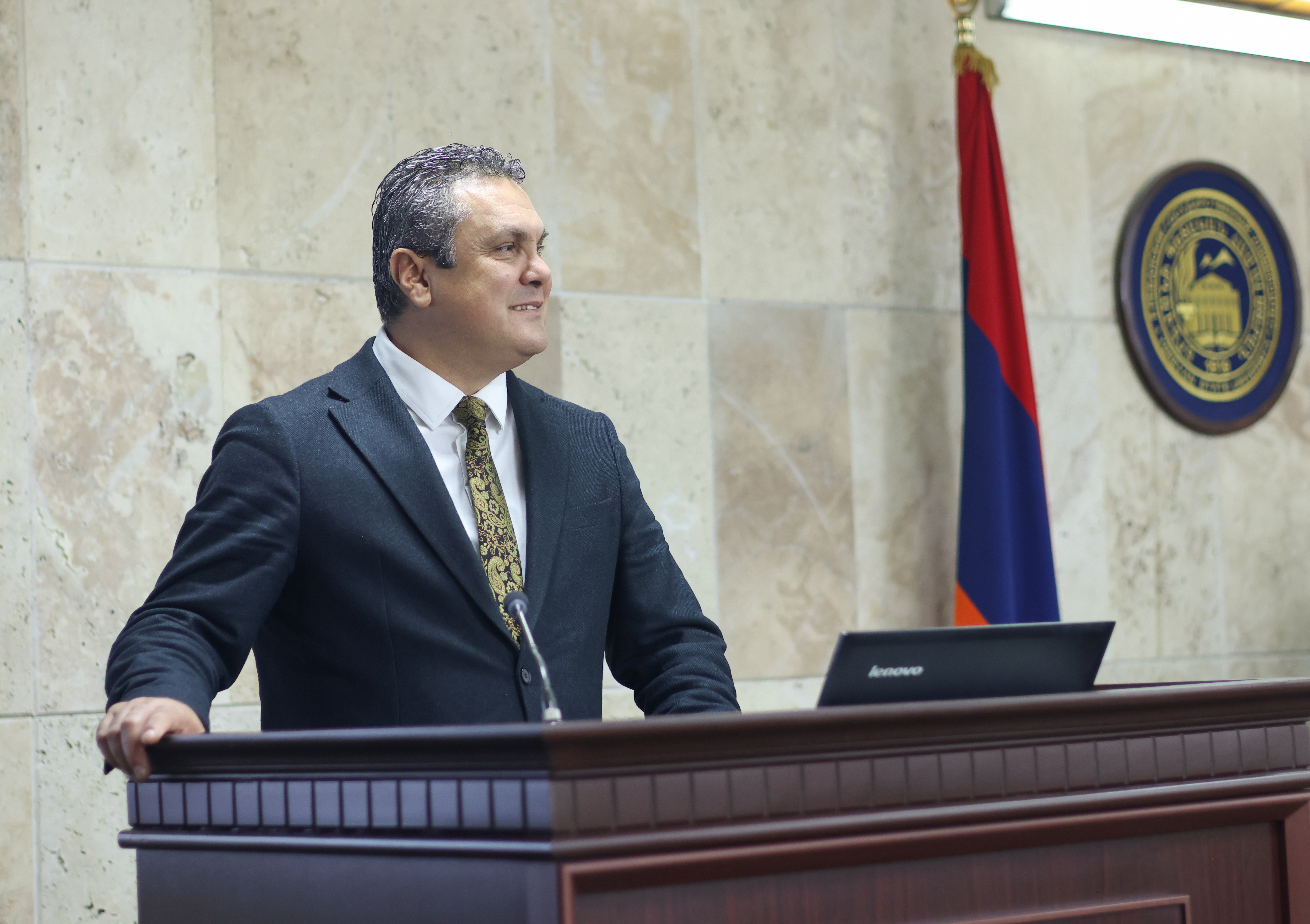
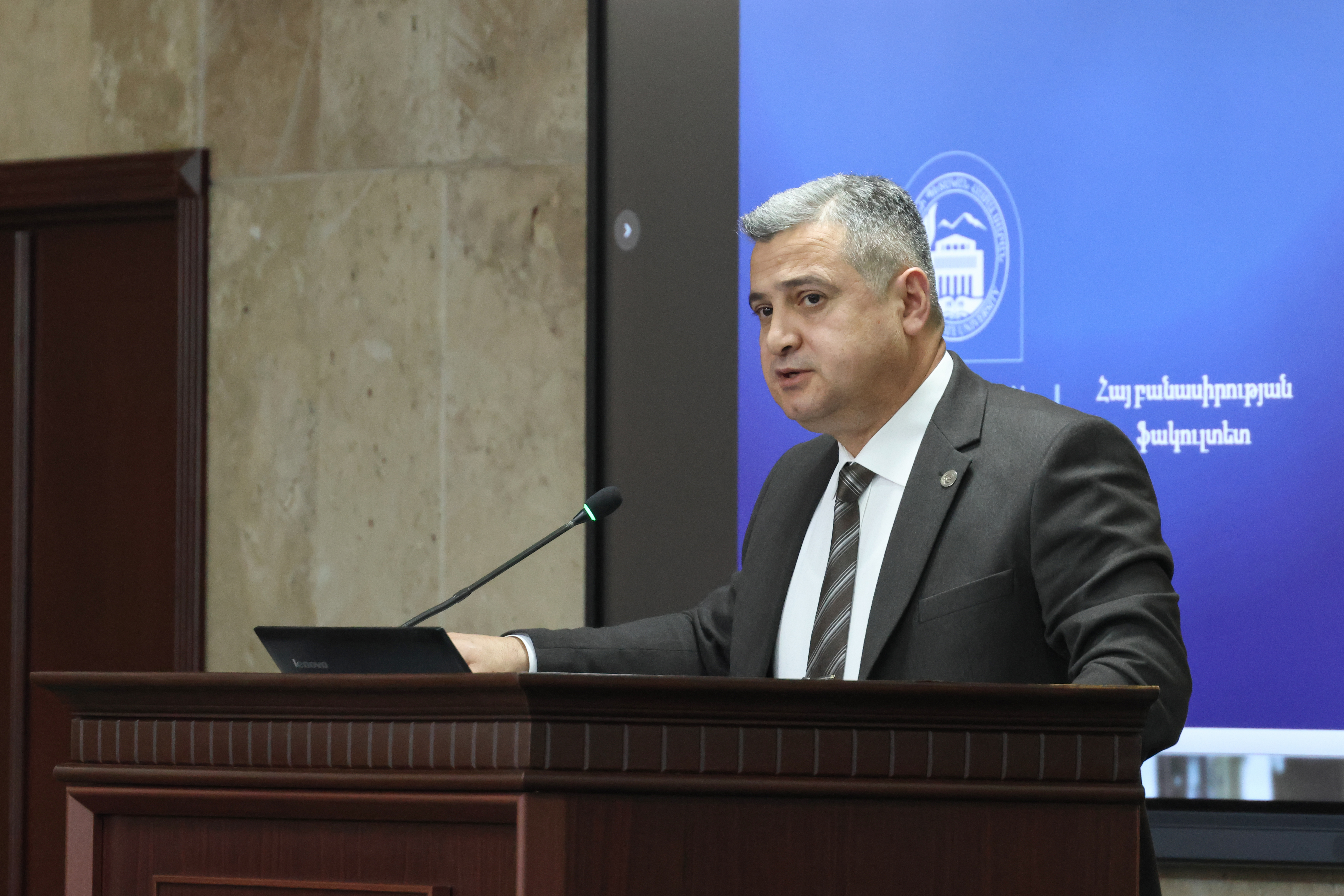
The year-end session provided an opportunity to summarize the annual activities of the university's various faculties, centers, and institutes, evaluate the work accomplished, and outline the strategic priorities for the upcoming year. During the first session, the heads of twelve academic subdivisions presented their reports, covering both achievements and priority challenges.
Following the approval of the agenda, the presentations of the reports commenced.
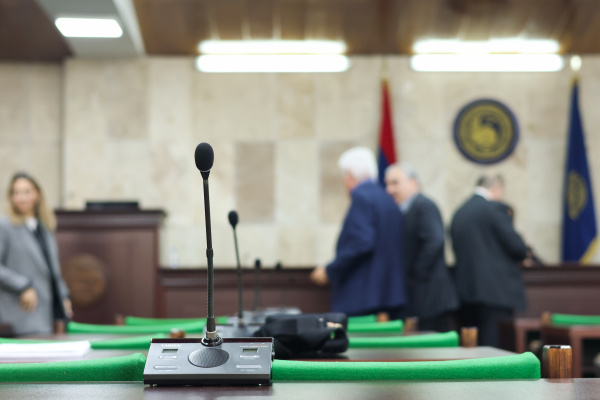
Aleksan Baghdasaryan, Dean of the YSU Faculty of Philosophy and Psychology, emphasized that the faculty had implemented the majority of the planned actions over the course of the year. He noted that the faculty's priorities for the next year are focused on enhancing the quality of educational programs, strengthening research potential, expanding collaborative networks, and developing the capabilities of the academic community. The next steps will build upon the successes already achieved, thereby creating an environment conducive to a competitive, research-driven, and internationally aligned educational setting.
In the 2024–2025 academic year, the results of admissions to the bachelor's and master's programs at the Faculty of European Languages and Communication indicate, according to the dean's report, that the faculty's educational programs are currently relevant and aligned with labor market demands. Speaking on the matter, Dean Gevorg Barseghyan noted that the high level of applicant interest demonstrates both the competitiveness of the programs and the necessity for their continuous development. In the 2024–2025 academic year, a total of 1,450 students were enrolled in the faculty's bachelor's and master's programs in both full-time and part-time modes of study.
According to the dean, efforts to enhance and modernize the quality of educational programs continued throughout the reported academic year. Fifteen curricula for bachelor's and master's programs were reviewed, including course content and the accompanying instructional materials. Particular attention was given to integrating a research component, reflecting the faculty's strong emphasis on research-based education.
According to Pargev Barseghyan, Acting Dean of the YSU Faculty of Theology, the 2024–2025 academic year was quite successful. A high number of applicants was recorded for the "Archimandrite Theology" master's program. Unlike the previous academic year, this year the faculty succeeded in filling most of the available tuition-free and tuition-based places with its own graduates as well as applicants from other universities. The newly established "Religious Tourism" one-year master's program was successfully licensed, and work was also carried out to improve the "Archimandrite Theology" master's program.
Presenting the achievements of the YSU Faculty of Armenian Philology and the details of the conferences held during this year, Dean Arshaluys Galstyan stated that faculty members, undergraduate and postgraduate students presented reports at these conferences. During the reporting year, the faculty hosted 12 book presentations, which were attended by numerous specialists from both Armenia and abroad.
A dedicated platform has been established within the faculty to maintain contact with graduates. Efforts have been made to compile data on graduates from previous years, enabling the faculty to establish feedback with alumni and keep them informed throughout the year about conferences, workshops, and various events taking place at the faculty.
The faculty has undertaken efforts to collect data on its graduates and establish a dedicated platform to maintain contact with them, keeping them informed throughout the year about conferences, workshops, and various events taking place at the faculty.
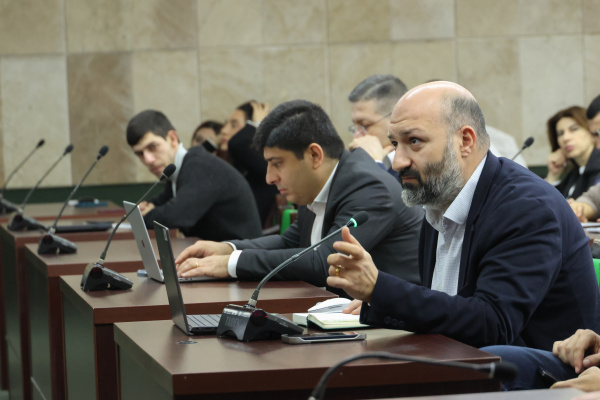
Tigran Yepremyan, Dean of the Faculty of International Relations, speaking about the faculty's current activities and achievements, emphasized that the implemented programs and initiatives are aimed at enhancing the quality of the educational process, expanding international cooperation, and creating opportunities for students' professional development.
Regarding the priorities for the upcoming academic year, Tigran Yepremyan noted plans to establish a think tank named "Center for International Relations Research", continue the internationalization and indexing of the YSU Journal of International Affairs (YSUJIA), launch a new master's program "International Security and Sustainable Development", and actively involve foreign lecturers and exchange programs.
Harutyun Khachikyan, Dean of the Faculty of Law, stated that the faculty's cooperation has recently intensified with several state institutions, including the Ministry of Justice, the Constitutional Court, the Judicial Department, the Ministry of Internal Affairs, the Human Rights Defender's Office, the National Assembly, the Prosecutor General's Office, and the Investigative Committee. According to the dean, these collaborations have facilitated professional and extracurricular internships, discussions, guest lectures, and conferences for students. He emphasized that, with the faculty's support, more than 30 students have been employed in the judicial system. Khachikyan considers it necessary to organize meetings with employers in various formats to make the process of securing employment for graduates more effective. For instance, job fairs, during which employers can meet students and select the personnel needed for their institutions.
Nazik Harutyunyan, Director of the YSU Pedagogy and Education Development Center, emphasized that the center has been actively working on improving bachelor's and master's educational programs, organizing distance learning for students with special educational needs, strengthening the connection between schools and the university, and fostering international and academic collaboration. She added that the center has continued efforts to enrich student life, develop research skills, and implement new educational initiatives, including the establishment of a Laboratory of Applied Social Pedagogy (the preparatory work for the laboratory has already begun) and the organization of various professional training programs.
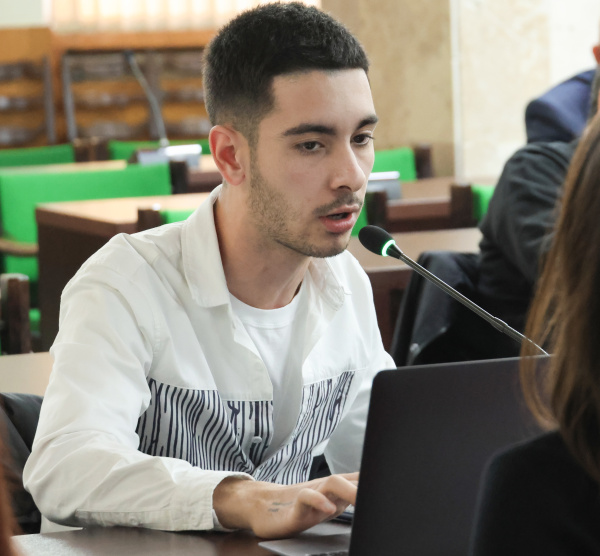
Naghash Martirosyan, Dean of the YSU Faculty of Journalism, noted that the 2024/25 academic year has been a period of qualitative transformation for the "Television Journalism" master's program, marked by the expansion of collaborative models and the strengthening of interdisciplinary approaches. Implemented in partnership with the Public TV Company of Armenia, the program is aimed at introducing a dual education model, providing students with both knowledge and practical skills that enable them to produce tangible results, in alignment with international standards and labor market requirements.
According to him, in the context of digital transformation and evolving professional demands, the modernization of university educational programs is a strategic priority. He emphasized that today the primary goal of universities is to develop flexible programs that prepare specialists to achieve excellence in rapidly changing and multidisciplinary environments.
Vladimir Martirosyan, Director of the YSU Center for European Studies, discussed the educational and scientific events organized under the center's initiatives and, in addition to improvements in educational programs, highlighted the significance of the "Jean Monnet Centre of Excellence in European Studies: Democracy, Human Rights, and Security (DeHuRiS)" project, which was launched on January 1, 2025 and will run for 36 months, until December 30, 2027. Within the framework of the DeHuRiS project, spring, summer, and winter schools, seminars, roundtable discussions, annual lectures, professional training sessions, conferences, and other events are planned.
He stated that the center's priority objectives include promoting international cooperation, ensuring inclusive education, and improving program quality through continuous monitoring mechanisms. He also emphasized the need to enhance the center's outreach efforts through conferences, discussions, and professional networks, as well as to foster interdisciplinary research involving students and alumni, facilitating the exchange of knowledge and innovative solutions.
Ruben Melkonyan, Dean of the YSU Faculty of Oriental Studies, noted that during the reporting period, the overall picture of the faculty's student performance, attendance, and social and organizational engagement has been positive. Speaking about future plans, he added that the faculty intends to continue developing the main directions that promote its advancement, particularly the enhancement of educational programs, the expansion of international cooperation, and the organization of conferences and summer schools. Notably, under a recently established agreement, the Orbeli International Oriental Studies Summer School will take place in Saint Petersburg in 2026.
Plans are also underway to establish a turkology library-lecture hall within the faculty, which will be stocked with turkological literature published in various countries and will serve as a highly valuable resource for students.
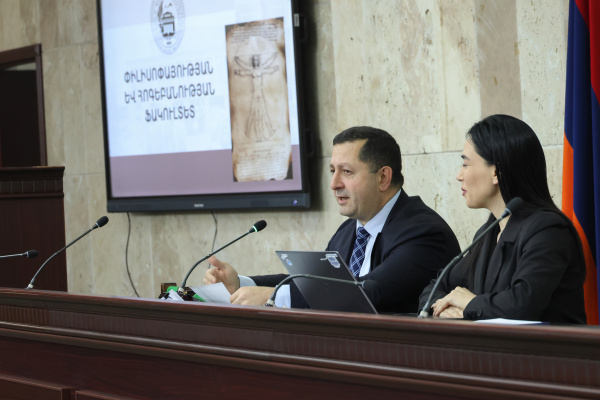
Artur Mkrtichyan, Dean of the YSU Faculty of Sociology, summarized the faculty's activities, highlighting progress in educational programs, achievements of undergraduate and postgraduate students, active research work, local and international collaborations with partners, engagement of alumni, infrastructure conditions, and the faculty's development prospects.
He emphasized that the priorities for the next academic year include deepening teaching and internship programs, continuously monitoring the quality of educational programs, ensuring professional development of the academic staff, updating distance learning courses, expanding international cooperation, and increasing scientific publications in accordance with international standards.
Vahram Petrosyan, Director of the YSU Institute for Armenian Studies, also concluded the series of reports by presenting the institute's research activities, developments in educational programs, international collaborations, and upcoming priority directions in the field of Armenian studies.
He highlighted the efforts to modernize and relaunch the "Genocide Studies" master's program, the active engagement of the academic staff, the expansion of research and international collaborations, student achievements, involvement in research projects, and accomplishments in grants and publications. He also addressed the state of the institute's infrastructure and outlined the educational, scientific, and international initiatives planned for 2026, in line with the institute's strategic goals and efforts to enhance its international visibility.
All reports presented by the members of the YSU Academic Council were approved following a closed and secret ballot conducted at the end of the session.
The second session of the annual reports for this year will take place on December 12, during which the activities and future plans of the other subdivisions will be presented.