December 11, 2025 | 15:55
Partners
Human rights
International cooperation
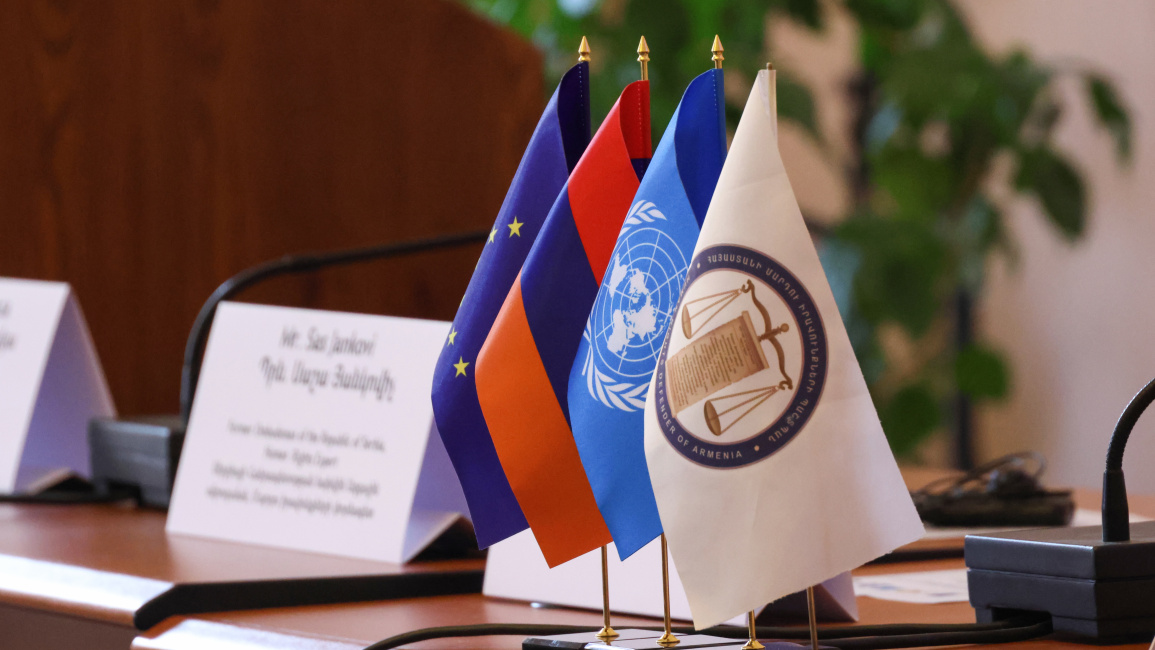
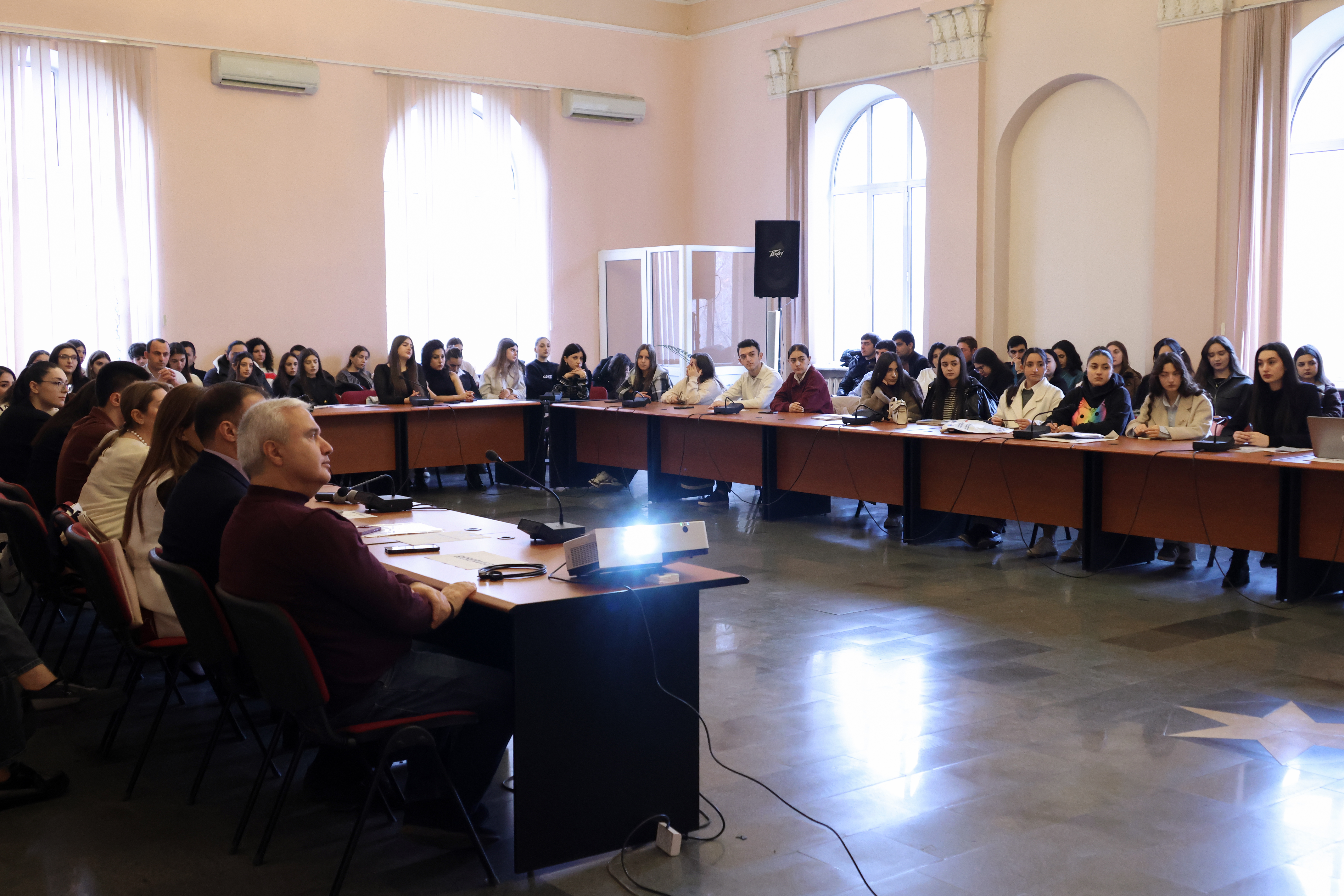
Welcoming the guests, YSU Rector Hovhannes Hovhannisyan noted that as an essential and mandatory component of education, the university regularly organizes meetings and discussions for students with international experts, professors, and lecturers. In this context, he emphasized the importance of international partners' participation in the meeting at YSU during their visit to Armenia for International Human Rights Day.
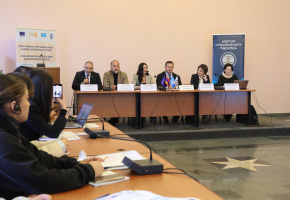
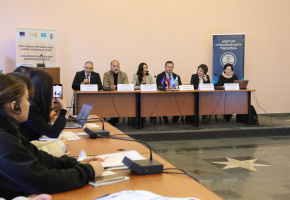
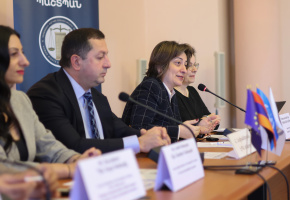
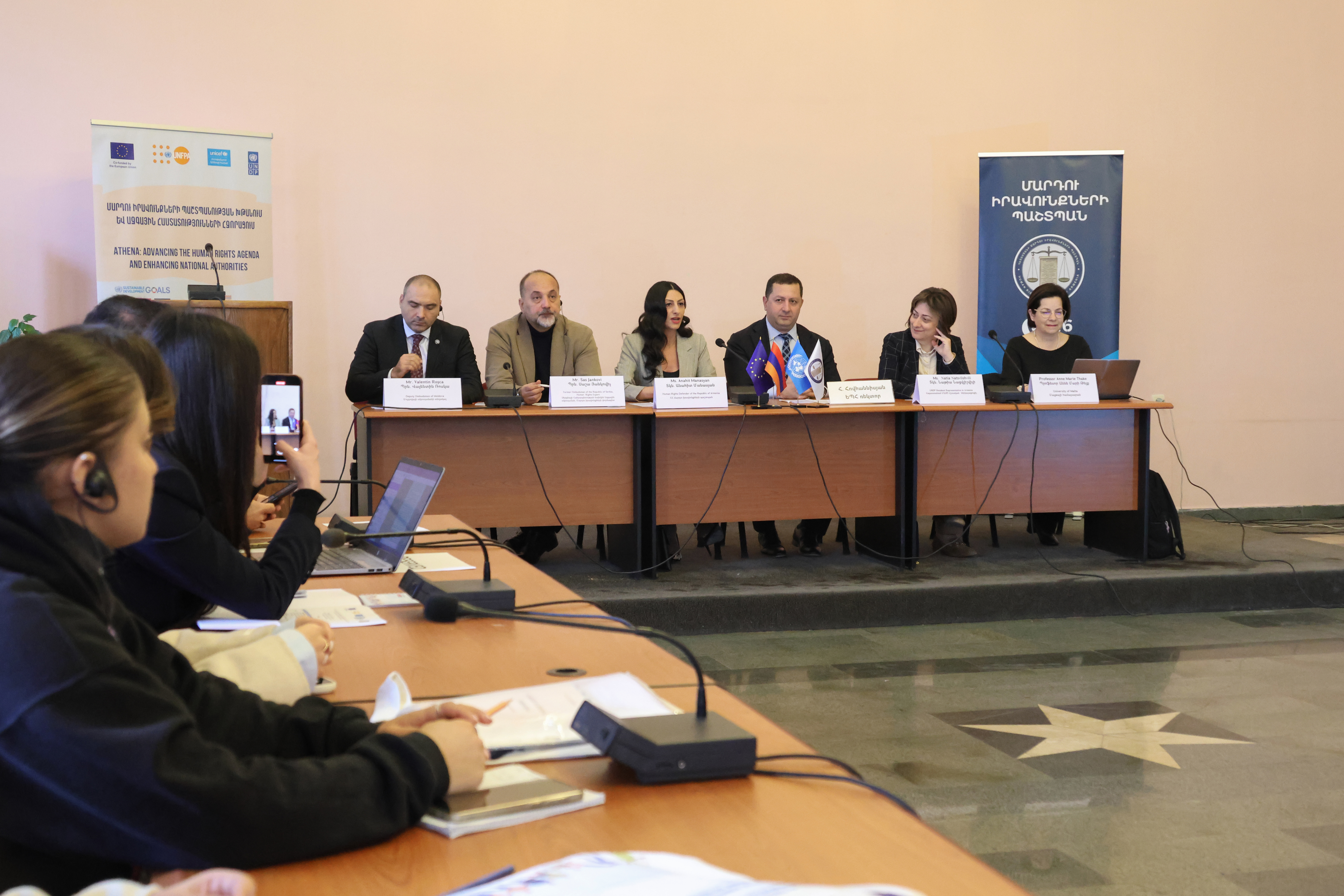
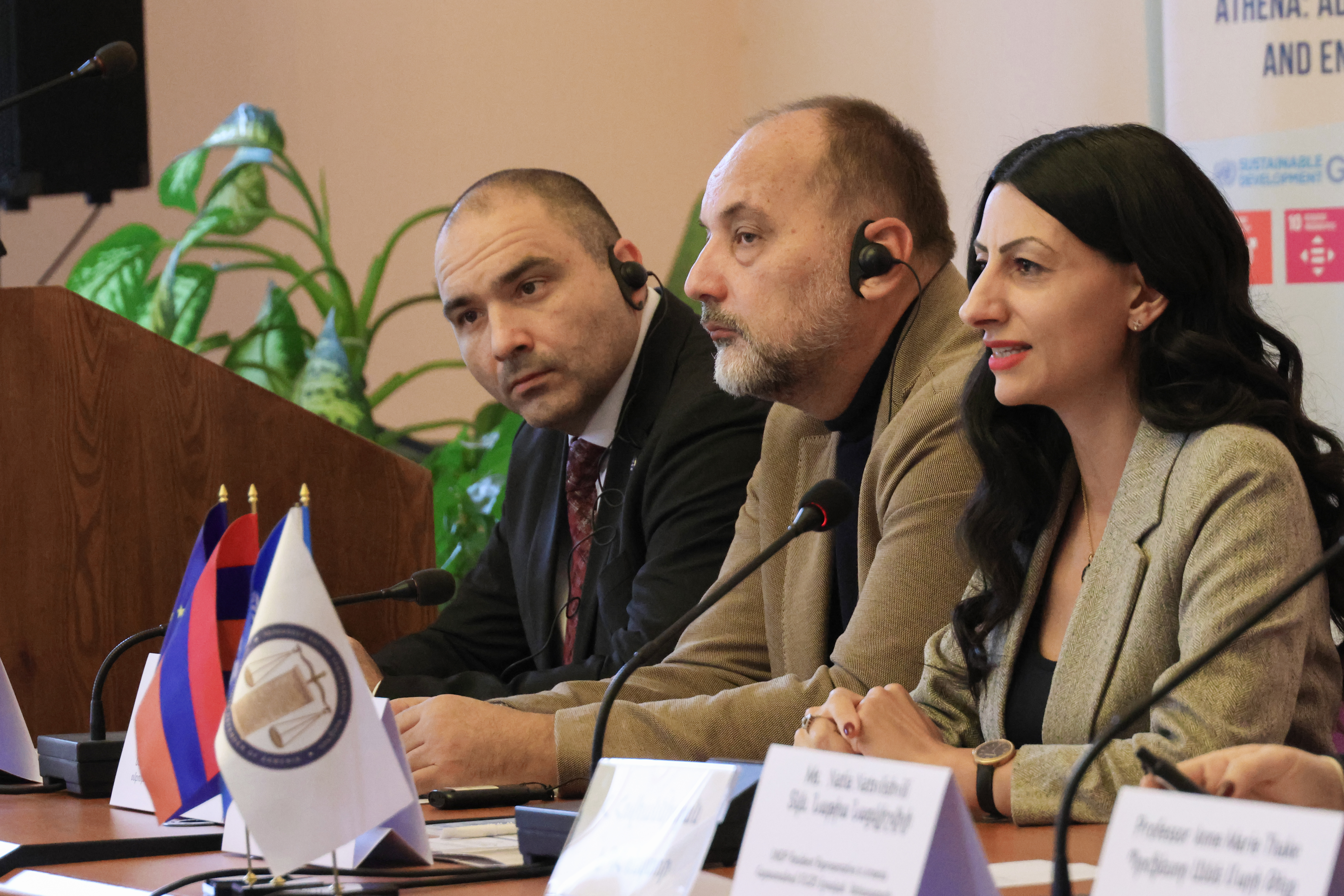
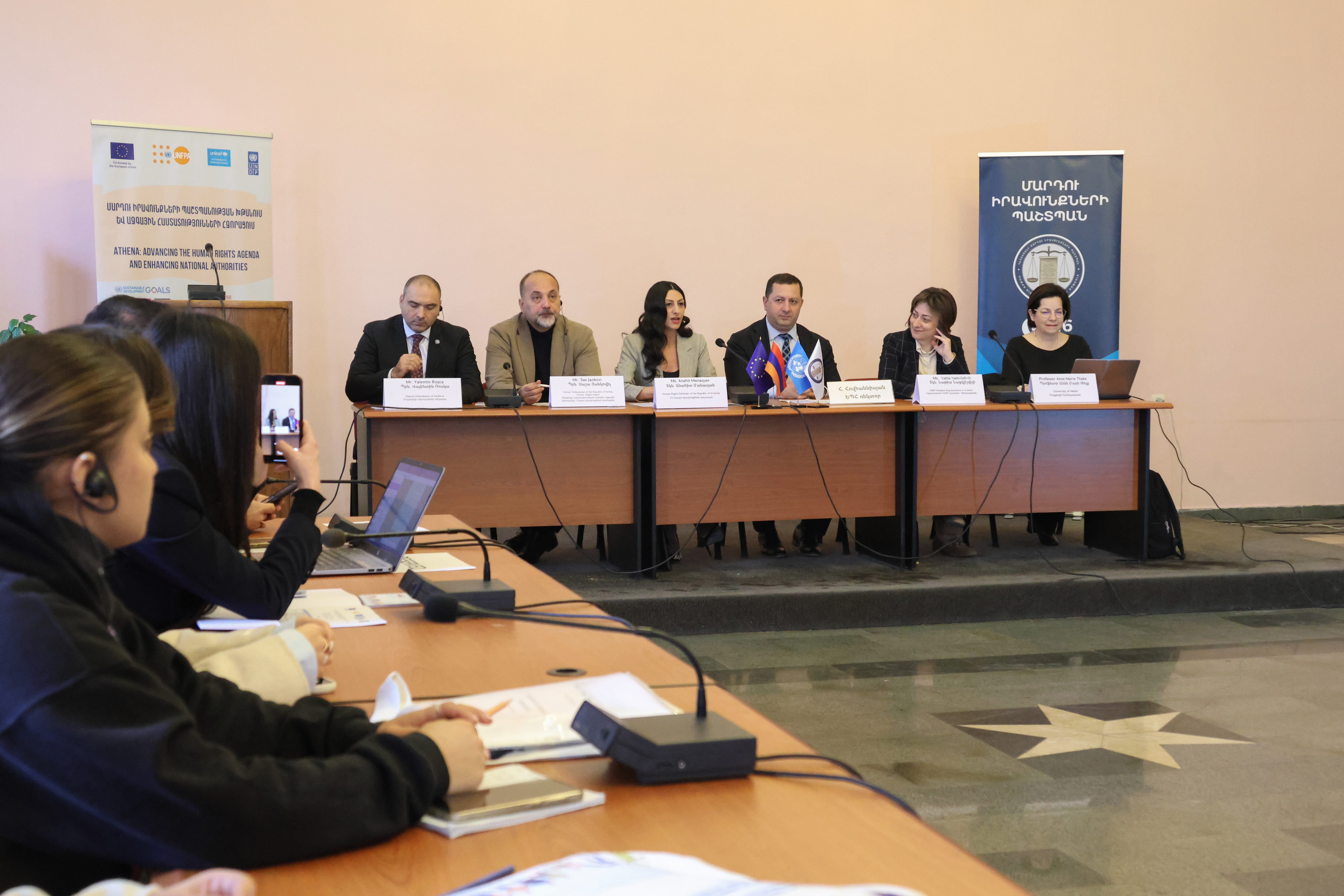
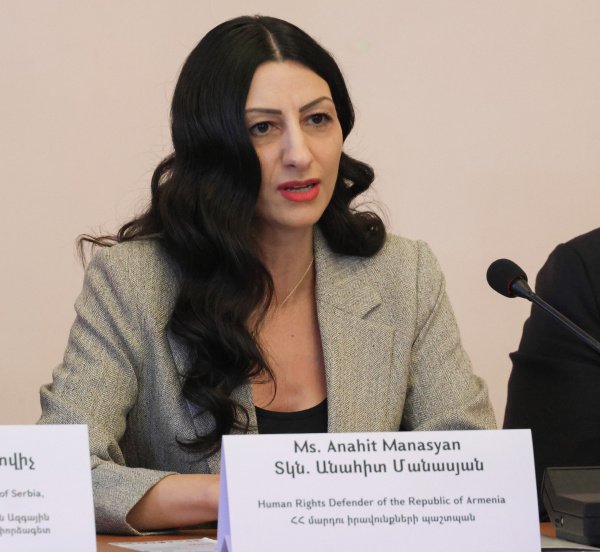
Armenian Human Rights Defender Anahit Manasyan, during a seminar-discussion titled "The Role of National Human Rights Institutions and Existing Challenges in the Field," spoke about the objectives of the "Promotion of Human Rights and Strengthening of National Institutions" program, implemented through the efforts of the United Nations Development Programme (UNDP), the Population Fund, and UNICEF.
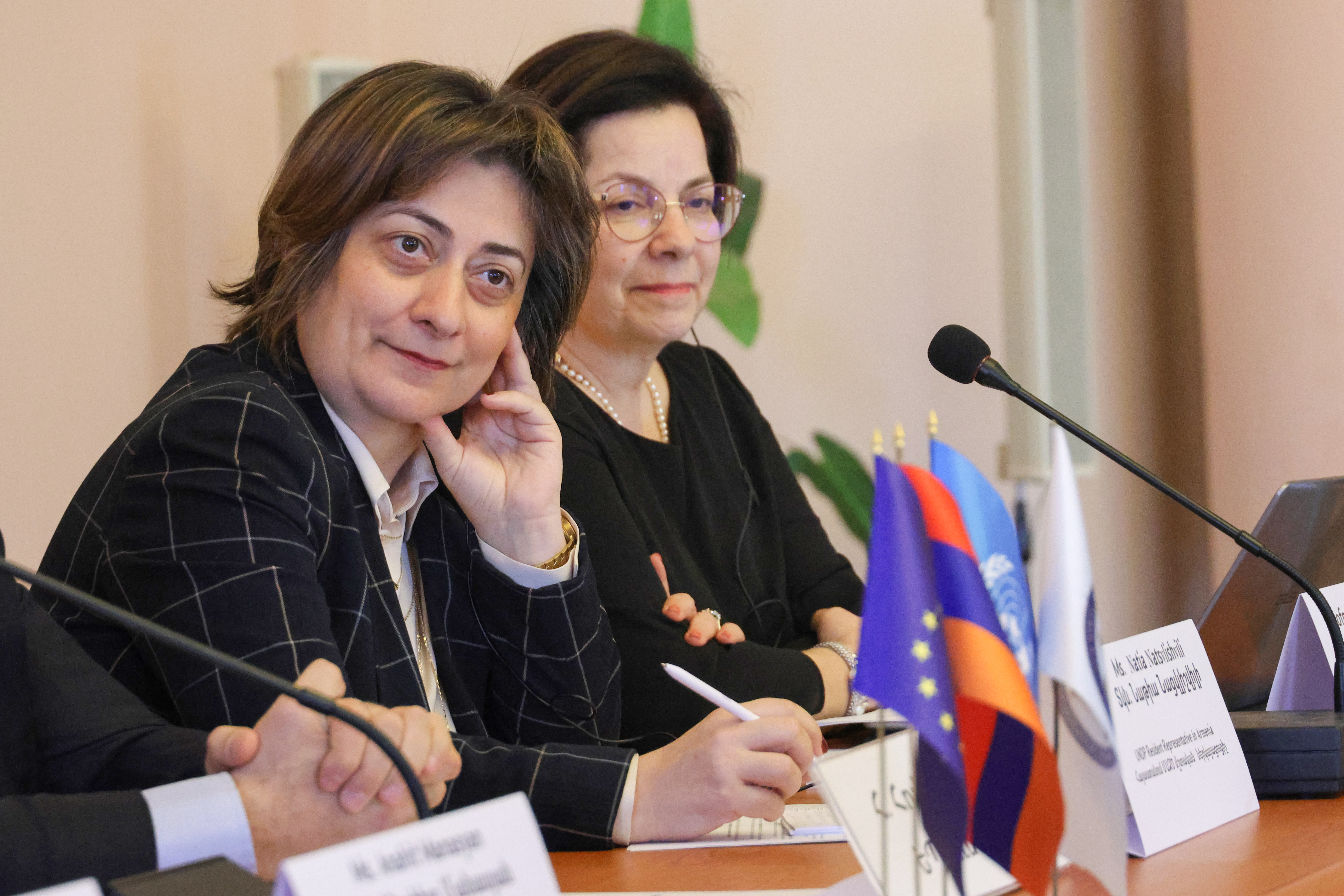
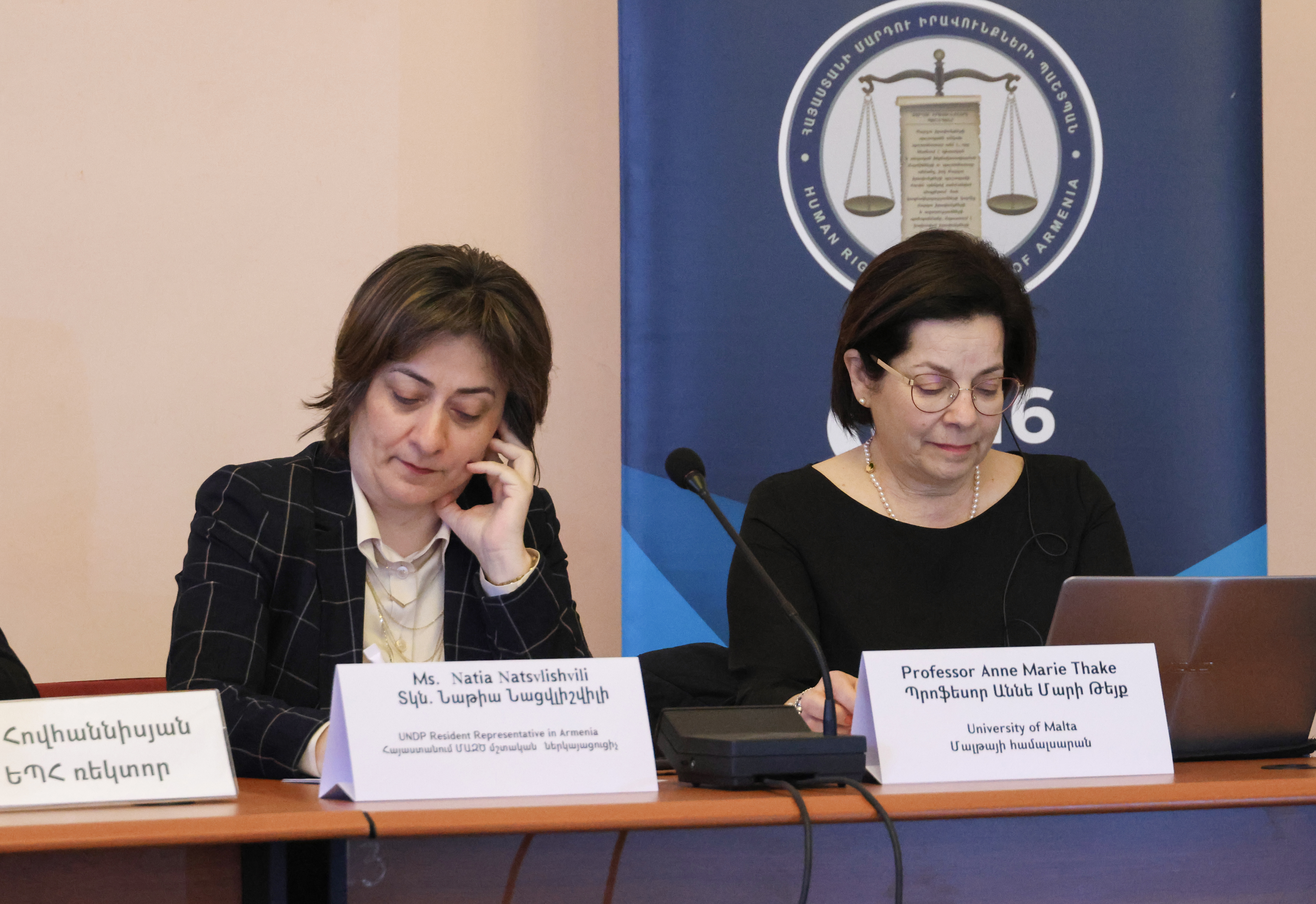
Addressing the topic under discussion, UNDP Resident Representative in Armenia Natia Natsvlishvili underlined: "One of humanity's greatest achievements is the protection of human rights. Yet as an institution—a system—it is the achievement of the United Nations."
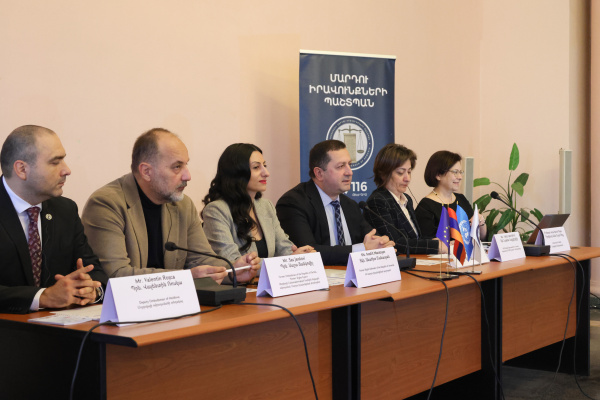
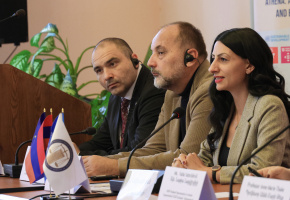
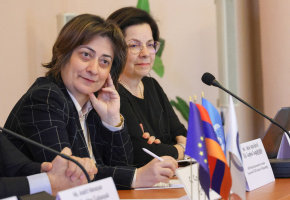
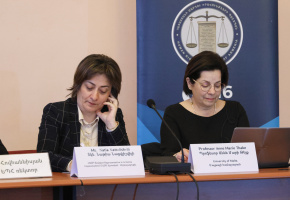
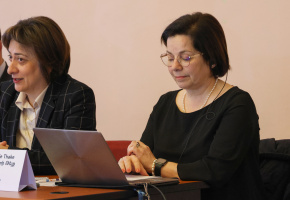
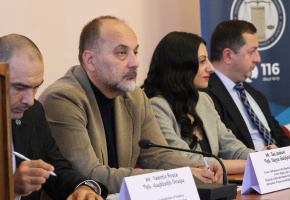
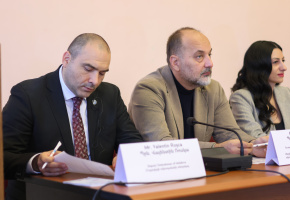
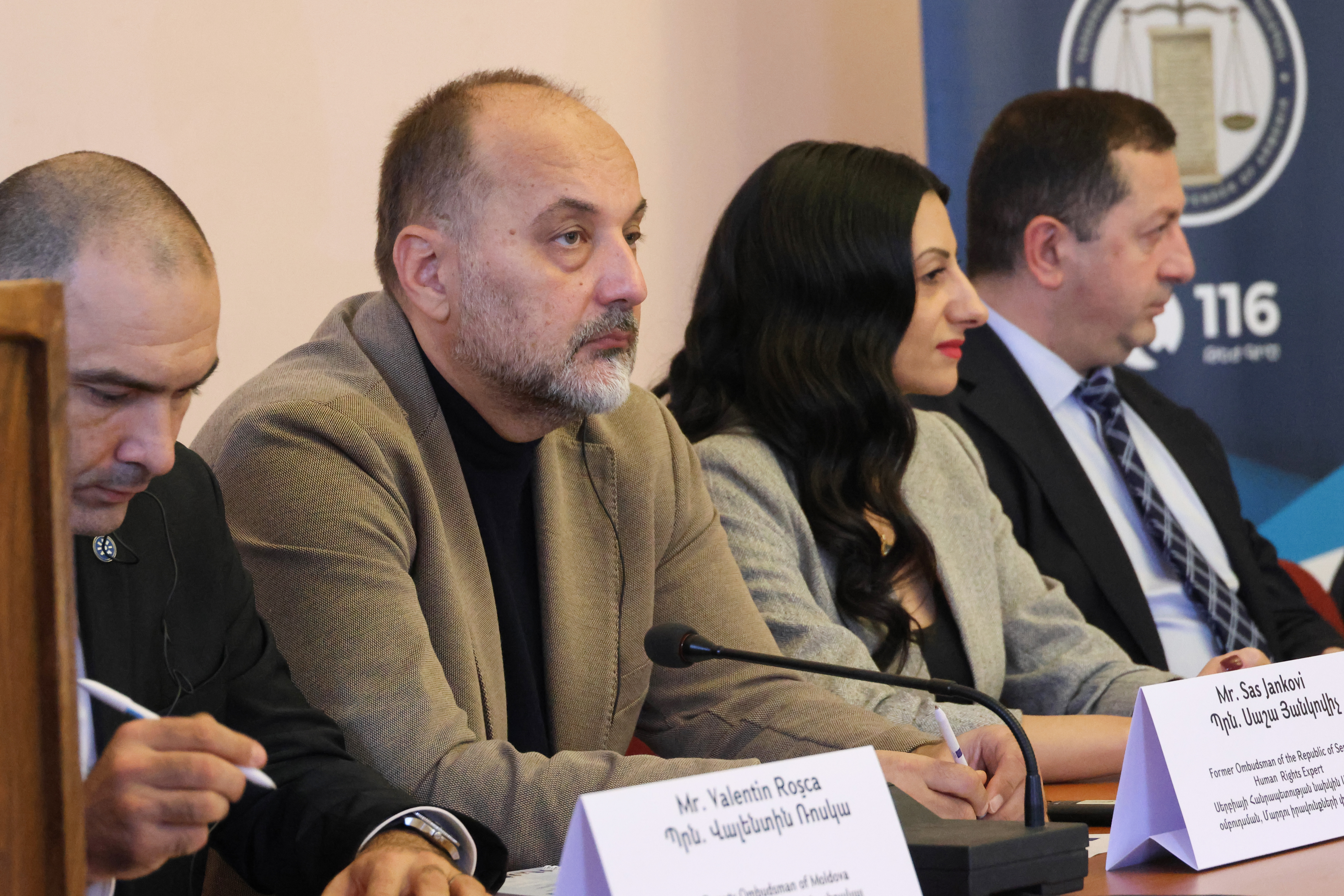
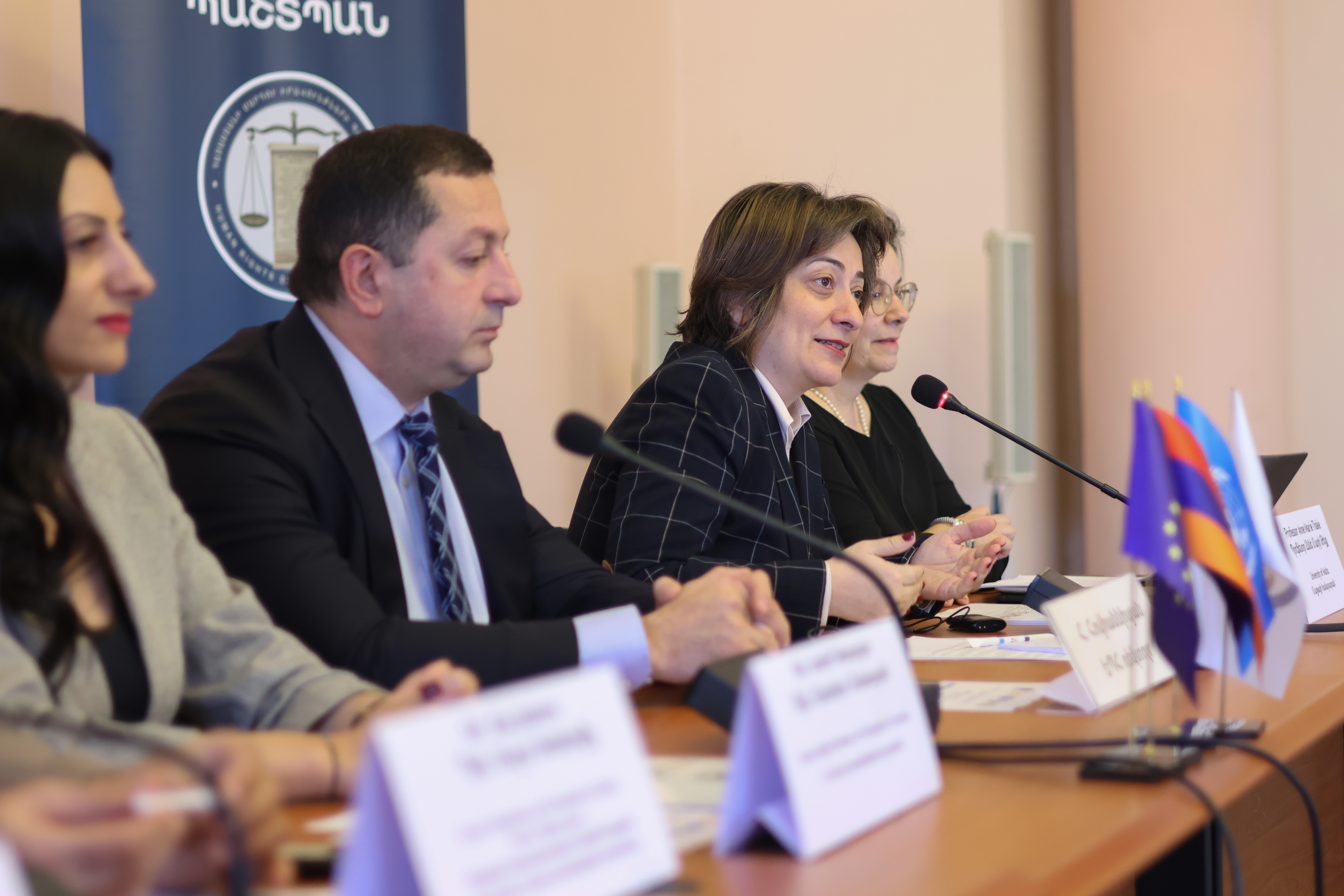
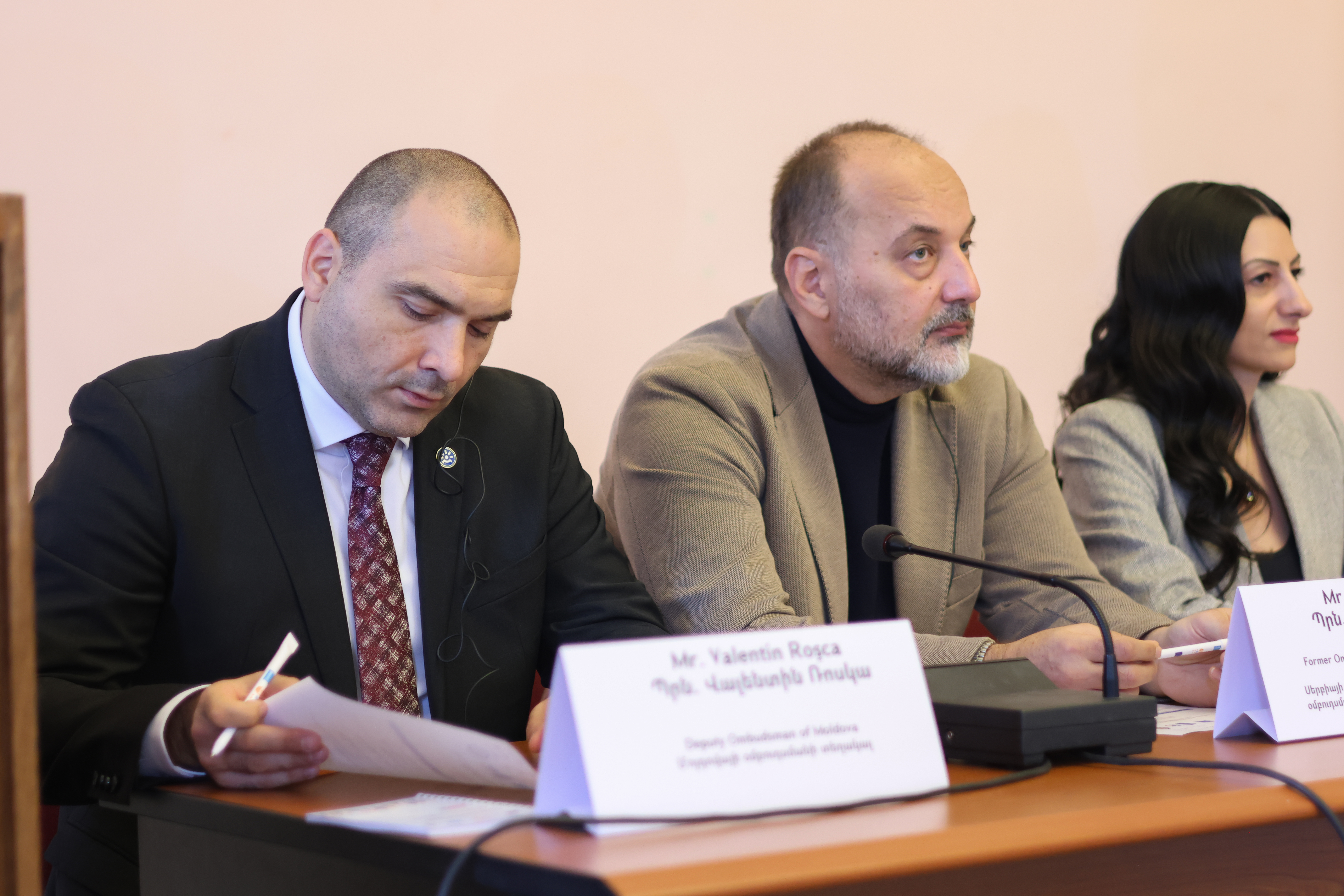
Speakers at the event included Anne Marie Thake, representative of the Republic of Malta and professor; Sasa Jankovic, former Ombudsman of the Republic of Serbia and human rights expert; and Valentin Rosca, Deputy of the People's Advocate of the Republic of Moldova.
The speakers addressed the necessity of consistent domestic reforms and international cooperation in the field of human rights. Democracy and effective governance form the foundation and primary precondition for the development of every state. A democracy, a just society, and effective governance are unimaginable without the protection of fundamental human rights. In this context, according to the speakers, an educated youth is both a prerequisite and a pillar of a well-established state.
Sasa Jankovic, former Ombudsman of Serbia and human rights expert, presented several important sectoral issues, focusing on concerns arising from the technological advances and unpredictable global changes of the 21st century, including the fluid and volatile international security environment. He noted that in the chaotic conditions of today, human rights are often "sacrificed" under the pretext of ensuring security—an undoubtedly serious challenge.
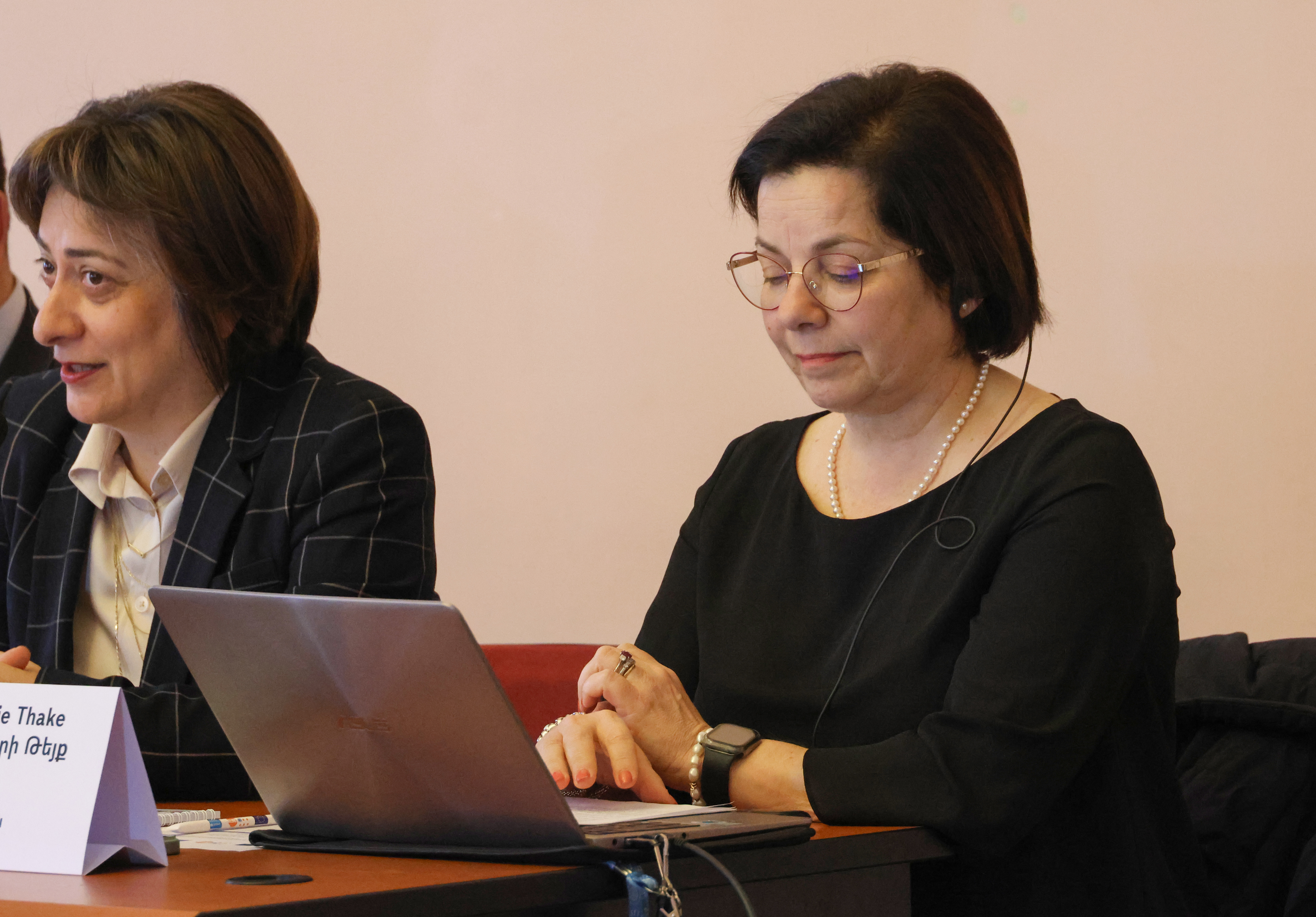
Anne Marie Thake, representative of the Republic of Malta, spoke about how issues related to human rights in the field of education can be addressed, drawing on the example of Malta. Mechanisms and methods ensuring the protection of human rights vary, and the proper fulfilment of international obligations can play a key role. Equally important is the role of the individual, as everyone can contribute to the system by raising tolerance towards vulnerable groups.
Valentin Rosca, Deputy of the People's Advocate of the Republic of Moldova, stressed that human rights are presented in a new light in the 21st century. According to the speaker, human rights-based education must encompass preschool, school, and university levels. He emphasized that the delivery of human rights, combined with the responsibilities of individuals, is the best approach to fostering a healthy society and state. He also underscored the need for public awareness and the application of international law in the field of human rights.
Summarizing the meeting, Human Rights Defender Anahit Manasyan stated that human-rights-based approaches and the strengthening of the rule of law constitute the foundation and one of the key directions of ongoing reforms in the Republic of Armenia. Within this framework, the Human Rights Defender's Office has its own distinct role and significance.
National and international institutions involved in human rights protection—including the Human Rights Defender's Office, the Ministry of Justice, the Representative for International Legal Affairs, the Ministry of Labor and Social Affairs, the Ministry of Internal Affairs, the Chamber of Advocates, and the Public Defender's Office—are not free from difficulties and challenges, and therefore require continuous improvement and enhancement.
Strengthening the systemic capacities and strategic communication of target institutions remains a global priority aimed at advancing human rights protection, effective governance, and institutional performance.
In this regard, human rights expert Sasa Jankovic offered a vivid yet apt characterization of the role and importance of ombudspersons, describing them as the "conscience" of the state—something that must never be lost.
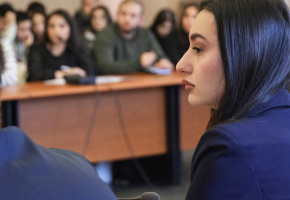
The meeting concluded with a productive and instructive Q&A session between students and the foreign guests.