December 12, 2025 | 15:53
Science
Education
International cooperation
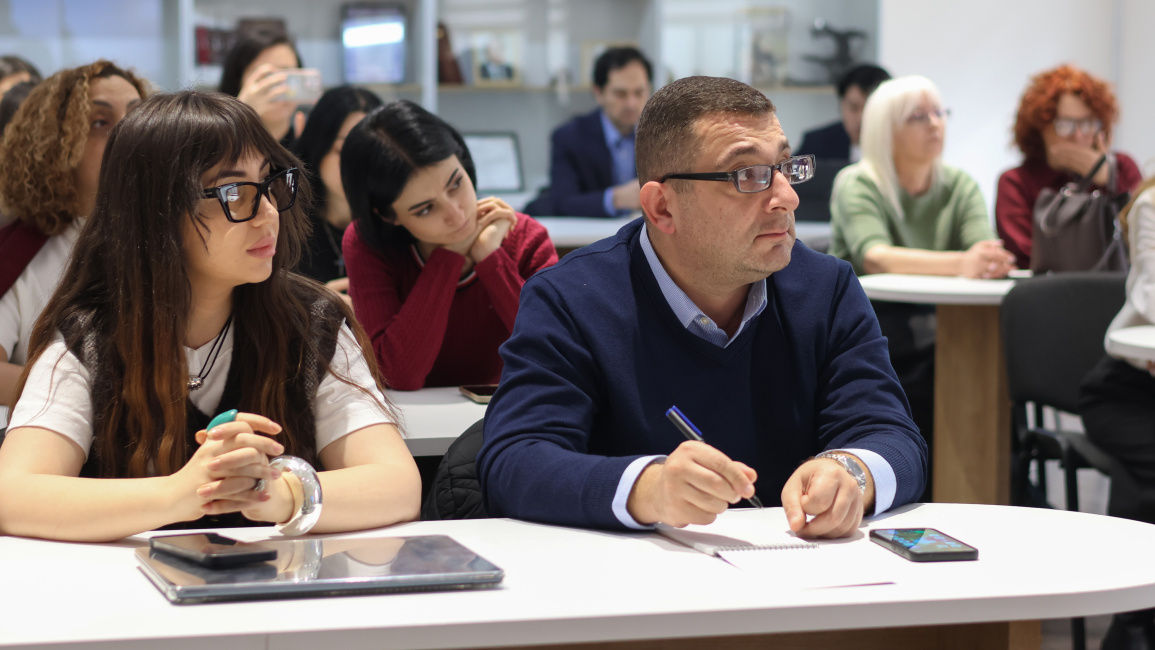
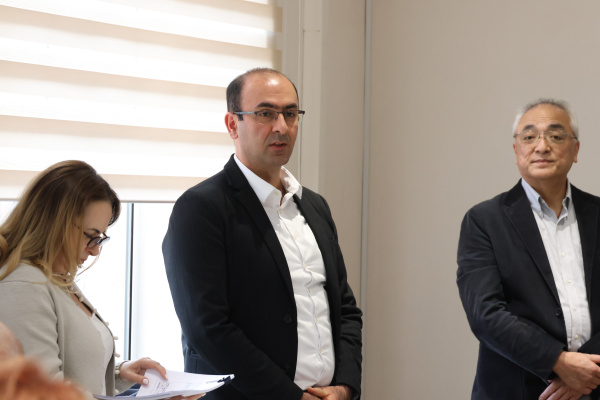
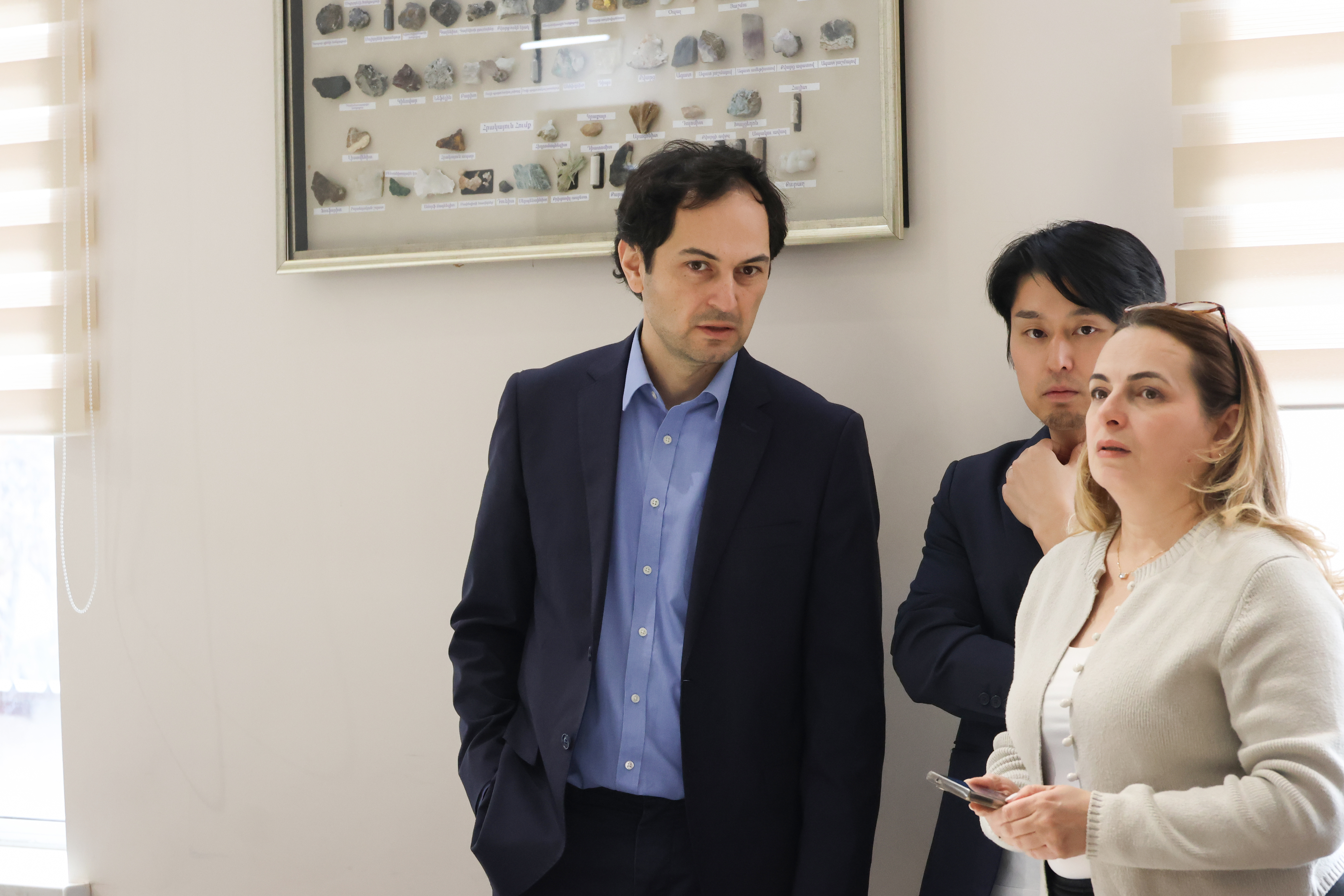
Associate Professor Gor Aleksanyan of the Chair of Service at the Faculty of Geography and Geology described the meeting with the professor as a significant event in the history of the faculty, as students studying tourism were provided with the opportunity to hear from one of the world's most renowned and authoritative experts in the field. According to him, the ideas and emphases presented during the lecture offered valuable insights, particularly from the perspectives of territorial management, the proper organization of tourist flows, and the effective utilization of community potential, which is of exceptional importance for students preparing to pursue careers in the tourism sector.
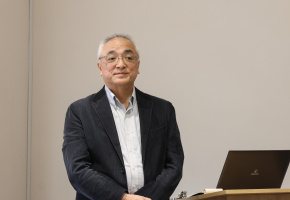
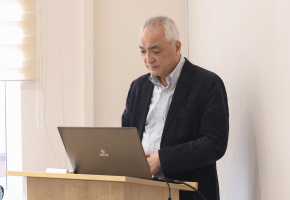
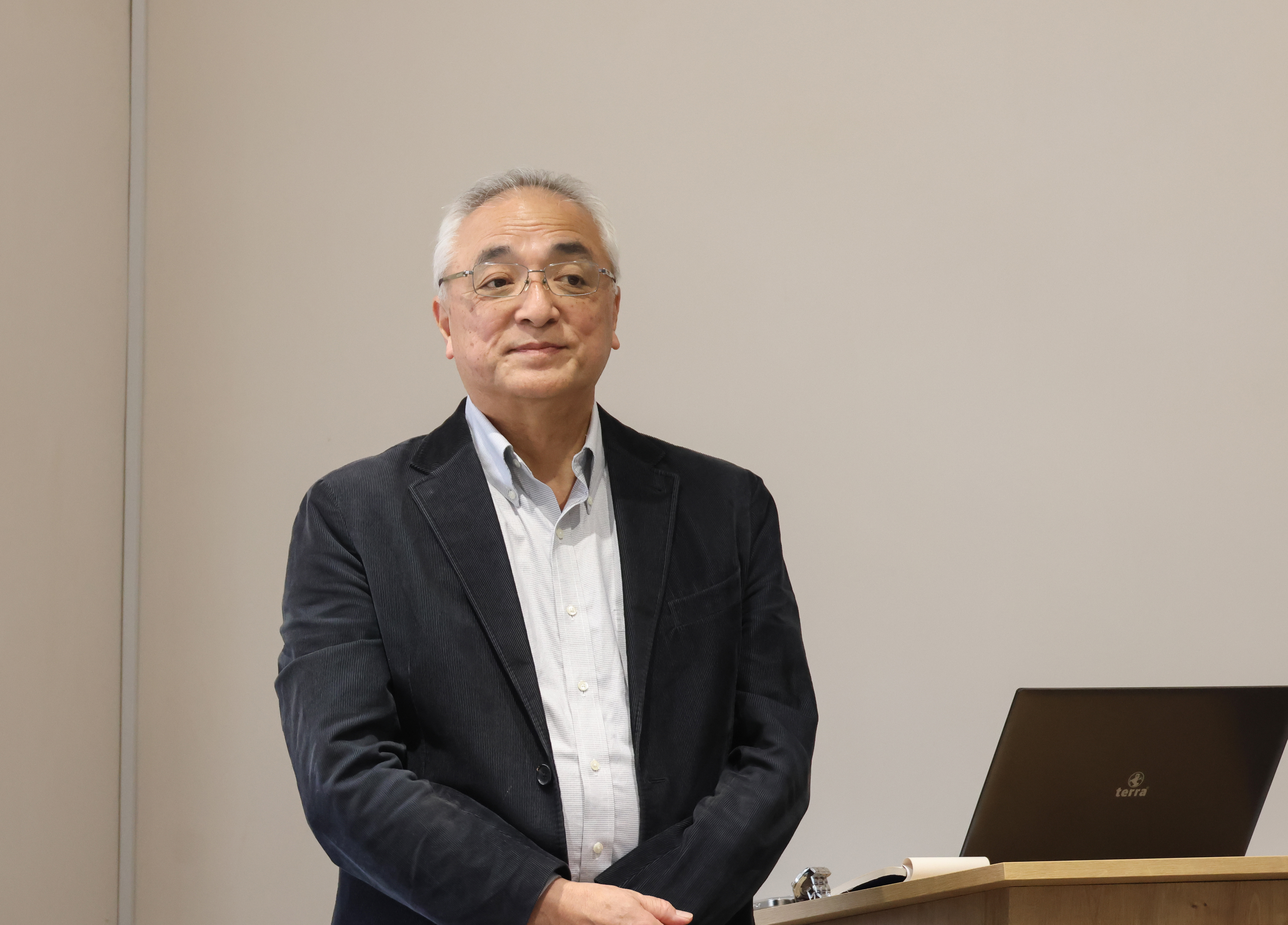
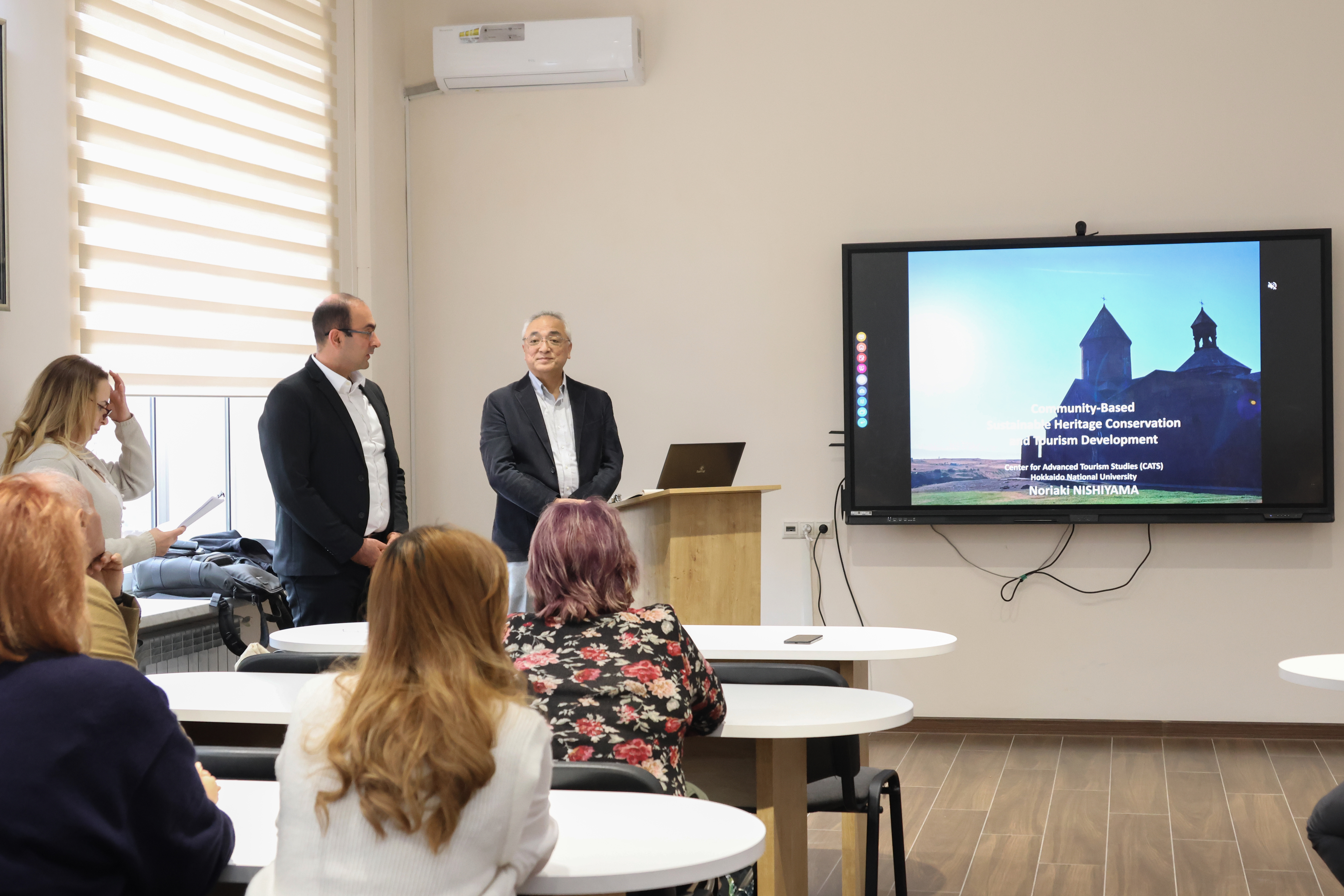
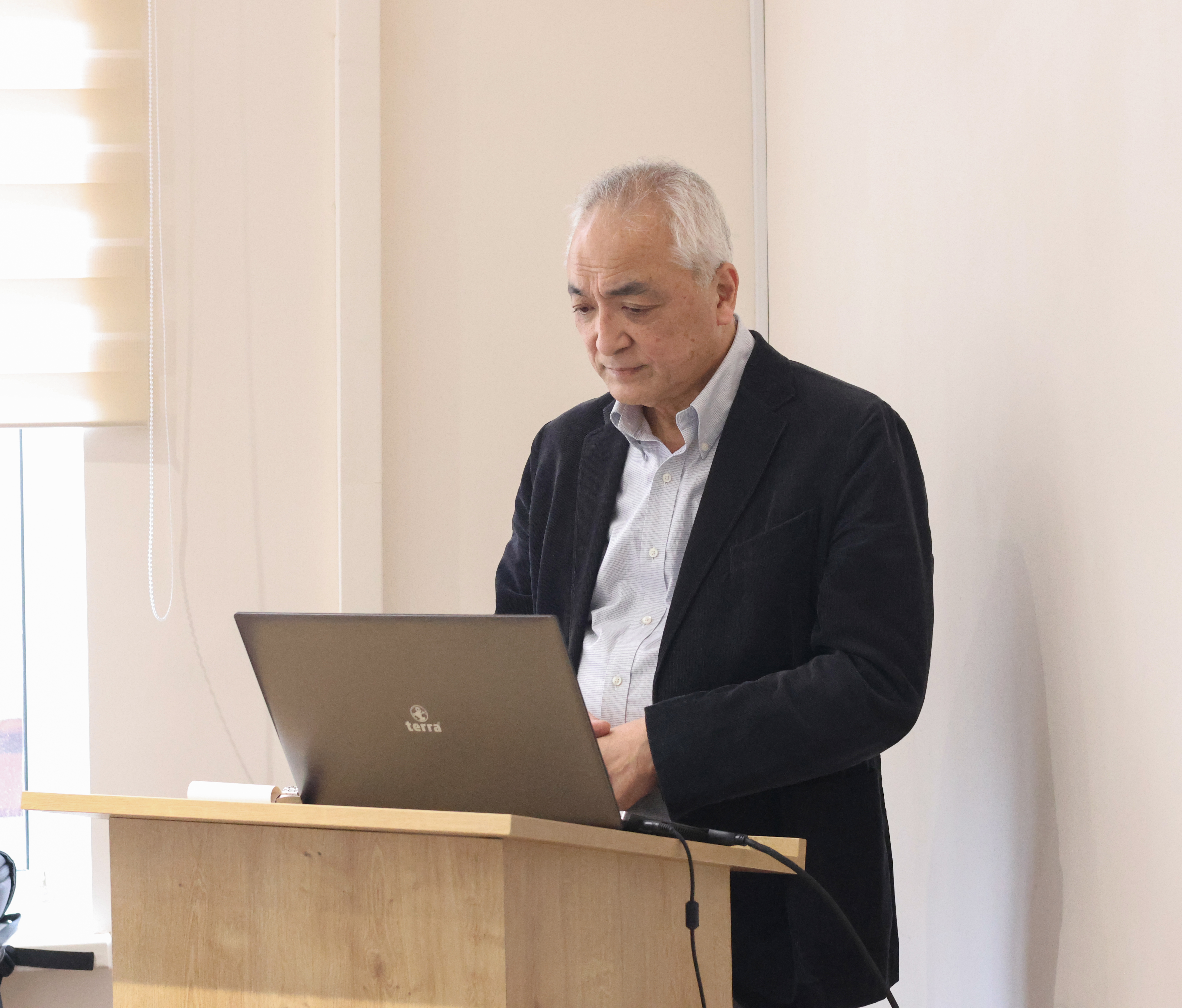
In his address, Professor Noriaki Nishiyama noted that it was a great honor to be at YSU and to discuss topics directly related to tourism development programs implemented in various countries worldwide. He explained that his professional interests include areas such as architecture, urban planning, and tourism design. The professor also added that the knowledge and experience developed in Japan are widely applied by his university within the framework of international cooperation, supporting tourism development initiatives in different countries.
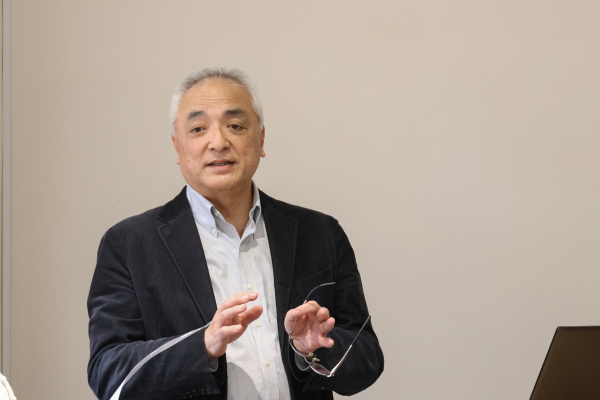
Speaking about the activities of the Center for Advanced Tourism Studies at Hokkaido University, the professor emphasized that the center is founded on the philosophy of tourism development and operates on the principle of value creation. Among the center's primary objectives are strengthening partnerships with local communities, studying their distinctive characteristics, promoting the development of regional identity, and increasing public participation in tourism projects. The professor emphasized that students play a central role in the center's work, as the development of future professionals and the enhancement of their intellectual potential are of vital importance at both local and international levels.
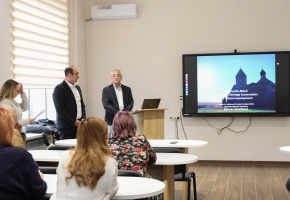
During the lecture, particular emphasis was placed on the significance of community-based tourism, which is considered one of the most fundamental approaches in the modern world. According to Professor Nishiyama, it is now almost impossible to envision the sustainable development of tourism without the direct involvement of communities, as it is communities that are the true custodians of the cultural and historical values that can serve as the foundation for tourism development. He stressed that the future of tourism depends not only on attractions that draw visitors, but also on the people—communities—who create them, whose potential must be properly identified and developed.
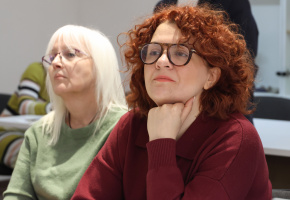
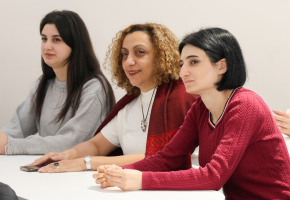
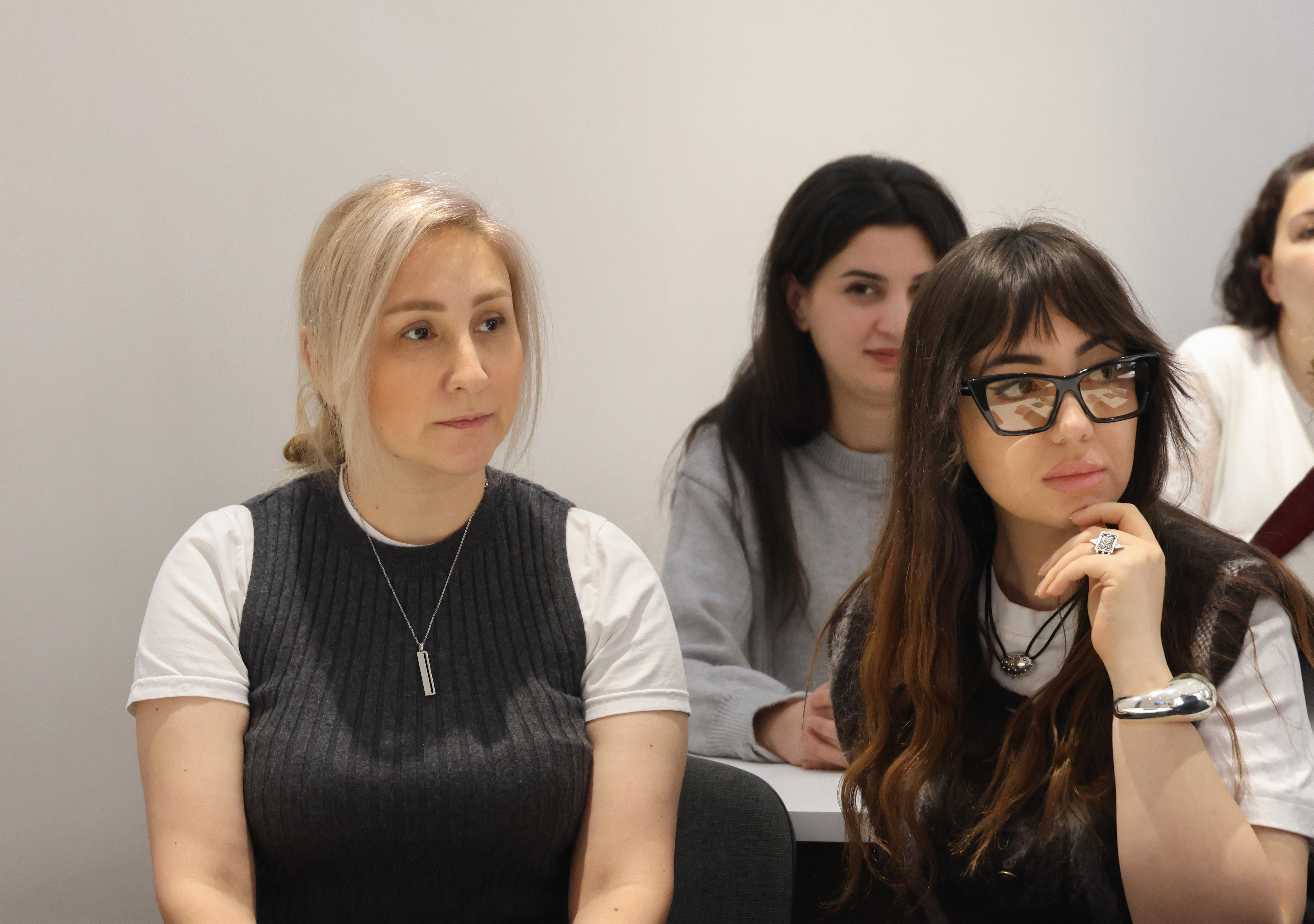
At the conclusion of the event, students addressed questions to Professor Nishiyama, engaging in discussions on international experience, methods for conserving natural and cultural heritage, and the latest approaches to tourism development.