January 19, 2026 | 12:00
Science
Research
Competitions
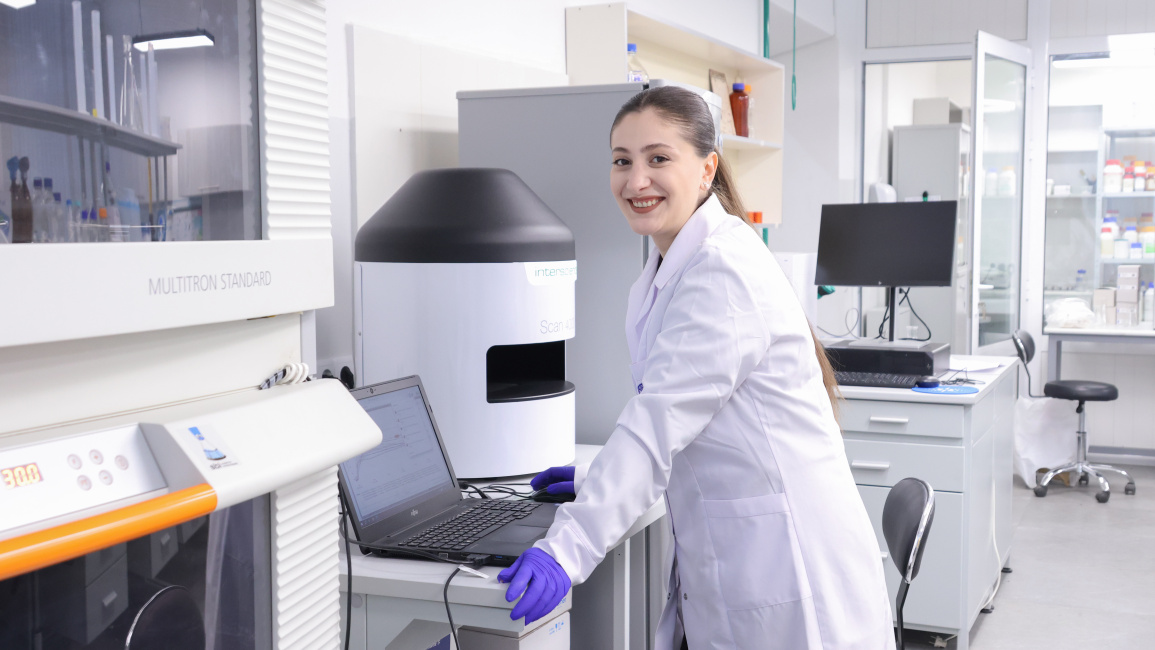
The scientific project by Gohar Azbekyan, a PhD student at the Chair of Biochemistry, Microbiology, and Biotechnology, titled "Effect of Acetic Acid on Biochemical and Bioenergetic Characteristics of Different S. cerevisiae Strains Depending on Environmental pH", has been awarded funding through the "Research Support Program for PhD Students and Young Applicants – 2025" competition, organized by the Higher Education and Science Committee of the Ministry of Education, Science, Culture, and Sports of the Republic of Armenia.
Presenting her project, the YSU PhD student noted that yeast has been known since ancient times and is widely used across various industries, with S. cerevisiae being the most common laboratory model organism.
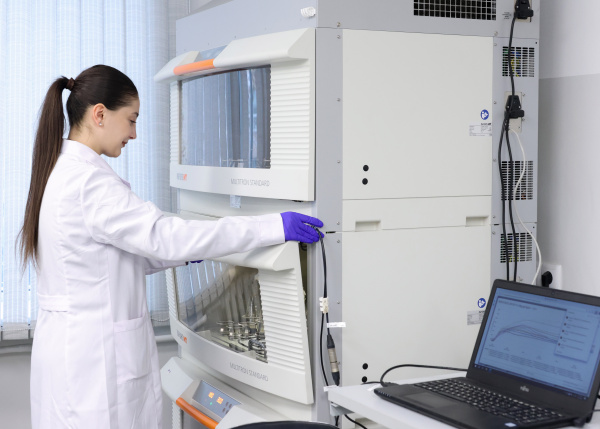
Gohar noted that acetic acid (AA) has long attracted significant interest in yeast research. It is produced during alcoholic fermentation in yeasts, as well as through the processing of lignocellulosic biomass.
The PhD student chose this topic because the changes in yeast metabolism induced by acetic acid are still not fully understood and remain an important area of scientific research.
"The relevance of this topic is linked to the fact that controlling and regulating yeast metabolic processes is a key challenge in modern science. Therefore, studying the effects of acetic acid aims not only to optimize metabolic processes but also to uncover the potential for producing valuable compounds such as ethanol and glycerol," she explained, noting that these substances are widely applied in industries including food production, biofuel manufacturing, and biochemical production.
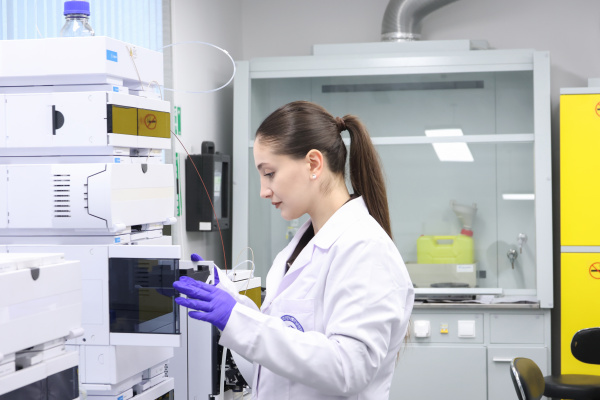
Gohar expects that the results obtained during the study will allow for a more detailed examination and identification of the key mechanisms regulating bioenergetic and biochemical processes in yeast in the presence of acetic acid.
"It will be possible, in particular, to clarify how acetic acid affects cellular metabolism, energy production, and biochemical balance. The data obtained will serve as a basis for developing new approaches to the targeted regulation of metabolic processes in yeast," she added.
The project also involves collaboration with partners from the University of Bari Aldo Moro, Italy.
"In particular, I will be working with Associate Professor Nicoletta Guaragnella. Within the framework of this collaboration, my scientific supervisor, Professor Karen Trchounian, Director of the Research Institute of Biology, and I will conduct joint scientific research with international colleagues, including experimental work, data collection, joint analysis of the obtained results, and preparation of scientific articles. This will contribute to the strengthening and further development of international collaboration," said the PhD student, emphasizing that the cooperation, aimed at reinforcing international scientific ties, will also provide a foundation for future projects, grants, and successful participation in international scientific programs.
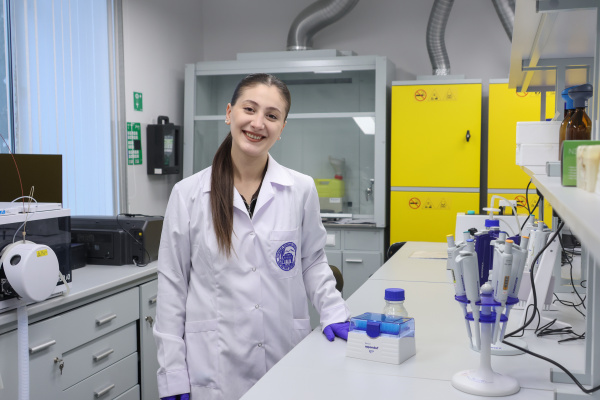
The YSU Biology Faculty PhD student has been engaged in yeast research since her bachelor's studies.
"During my master's studies, I investigated the effects of acetic acid stress on the growth and physicochemical characteristics of S. cerevisiae strains ATCC 9804 and ATCC 13007, depending on environmental pH. The results showed that yeast responded differently to the stress factor depending on acetic acid concentration and oxygen availability," Gohar highlighted.
Her research findings have been published in scientific journals as theses and presented in poster and other formats at multiple conferences, including the European Bioenergetics Conference 2024, FEMS MICRO 2025, and Biological Sciences and Environmental Solutions for Sustainable Development 2025.