January 19, 2026 | 15:50
Science
Competitions
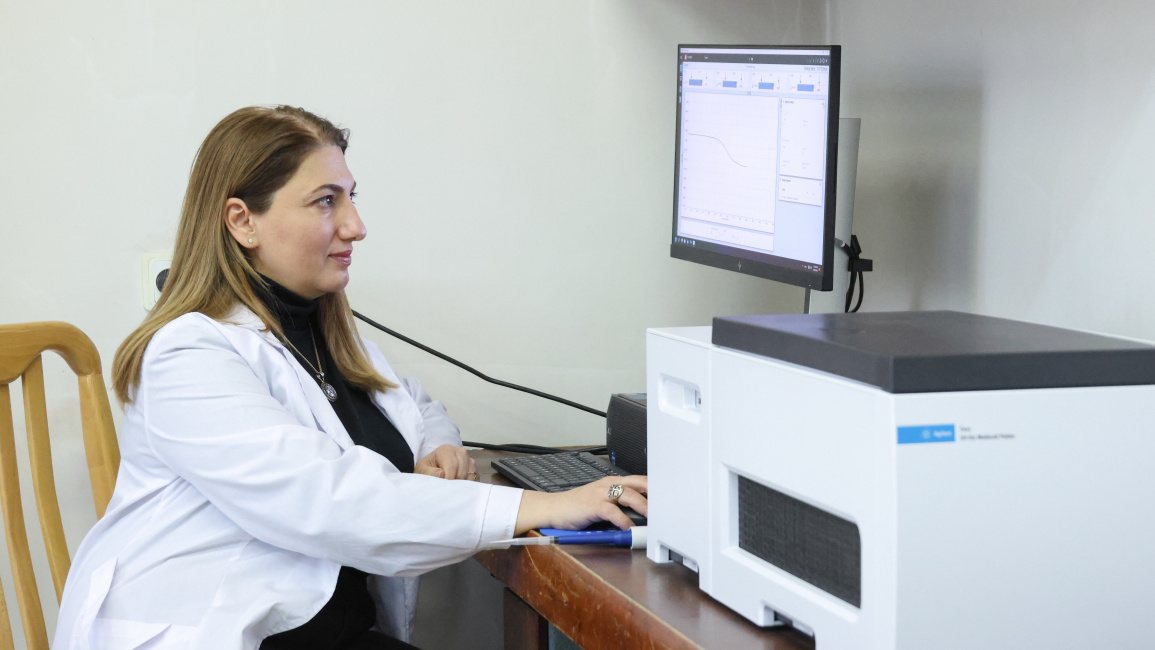
"As a scientist, I often saw that many studies remained confined to laboratories without reaching real-world application. Mini MBA provided an opportunity to bring scientific ideas into life by bridging science and the market," the associate professor notes.
Reflecting on her main motivations for participating in the program and considering her specialization in physics, Lusine Aloyan emphasizes that her decision to join was driven by the desire to take scientific work beyond the academic environment and transform it into solutions to real problems faced by real people. In her view, physics offers a deep understanding of natural phenomena; however, in order to convert that knowledge into value-creating solutions, business thinking is also essential. It was precisely for this purpose that she sought to learn how to bring the findings of her research into the business sphere and make them applicable.
"Within the framework of the program, we learned not theoretical business concepts, but practical business thinking—through real-life examples, mentors, and teamwork."
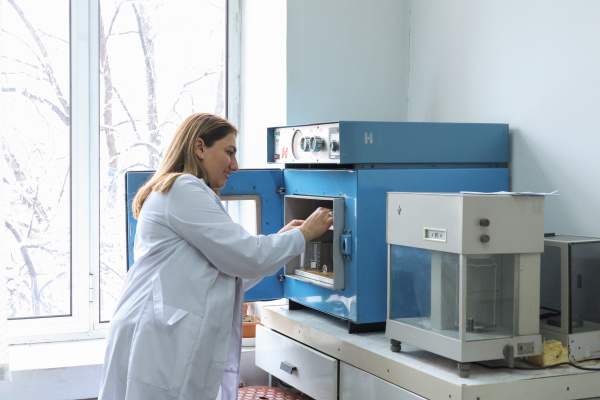
Speaking about the most useful knowledge and skills acquired through the Mini MBA program, Lusine Aloyan highlights business modeling, market analysis, value proposition formulation, pitching, and technology commercialization. According to her, these are skills that are scarcely addressed during formal education, yet they are vital for innovation.
"I am already preparing to apply these tools in my professional and research work, in particular, the business model canvas, the customer discovery method to understand real needs in the medical field, and the lean startup approach to test and refine technology in small steps. Besides, I plan to use financial modeling. All of this helps me view a scientific project not only as research, but also as a solution to a specific problem," says the YSU associate professor, adding that the strength of Mini MBA lies in its practical orientation.
"The program changed my way of thinking about science: innovation does not begin in the laboratory, but with a specific problem."
Lusine Aloyan notes that working with representatives of different professions helped her to view her own idea from a different perspective, and discussions often raised questions she had not previously considered. Moreover, collaboration was formed within the framework of the program, which, in her assessment, may continue to develop even after the program's completion.
– Ms. Aloyan, your project titled "Development of a New Generation of Porphyrin Photosensitizers for Antimicrobial Photodynamic Therapy" is very interesting. Could you present its objectives and practical significance?
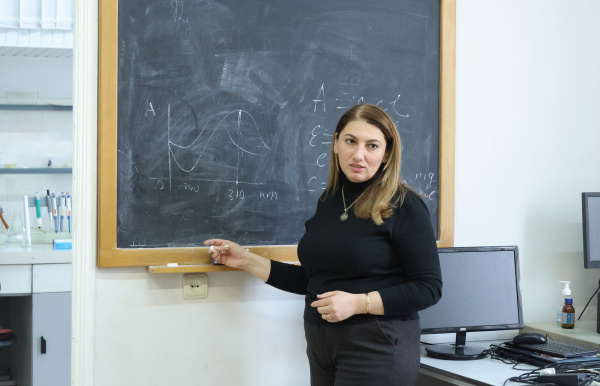
– The objective of our project is to address one of the global challenges of modern medicine: overcoming antibiotic resistance. Within this framework, we are developing light-activated molecules that selectively target and destroy antibiotic-resistant bacteria without harming surrounding healthy tissues. This approach may have broad applications in various fields of medicine, including wound treatment, dermatology, and dentistry, offering a safe and effective alternative to traditional treatment methods.
– How did Mini MBA contribute to the clear formulation of your idea and its presentation in competitions?
– The program helped me present my scientific idea in a simple, clear, and value-oriented language. I learned how to transform scientific depth into a business proposal that is understandable to investors or partners.
– Are there practical approaches or business models you plan to apply to your scientific project?
– Yes, I plan to apply B2B and licensing models by collaborating with pharmaceutical or medical technology development companies.
– What steps do you plan to take to transfer and apply the project's results to the research field? Do you also plan to develop your project as a business with monetization potential?
– The next step is to consolidate experimental results and deepen the research with a more applied focus. At the same time, we are considering the project from a business perspective as well, assessing development and monetization opportunities so that the scientific outcome can be transformed into a sustainable and practical solution.
Below are brief questions summarizing the winner's experience and key takeaways from the Mini MBA program.
– Mini MBA in one word.
– Bridge.
– The most useful skill you acquired during the program.
– Pitching.
– The biggest discovery during the program.
– Value.
– Theory or practice?
– Practice.
– Teamwork or individual approach?
– Teamwork.
– Five weeks: fast or effective?
– Effective.
– Science + business =
– Innovation.
– Next step after Mini MBA.
– Project implementation.