January 20, 2026 | 12:05
Science
Education
International cooperation
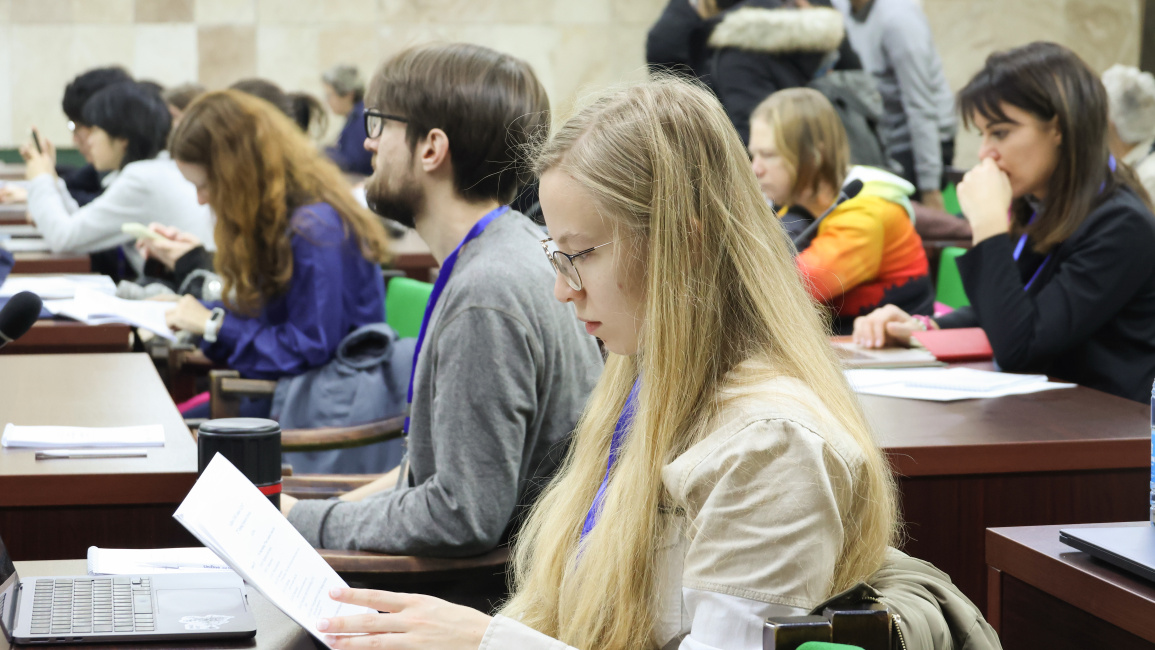
The Research Laboratory of Armenian Language Technologies is supported by the Language Committee of the Ministry of Education, Science, Culture, and Sports of the Republic of Armenia (RA MoESCS). The program is implemented within the framework of a state-targeted scientific and technical grant from the RA MoESCS Higher Education and Science Committee and bring together more than a dozen researchers from the humanities, social sciences, as well as mathematical and technical disciplines.
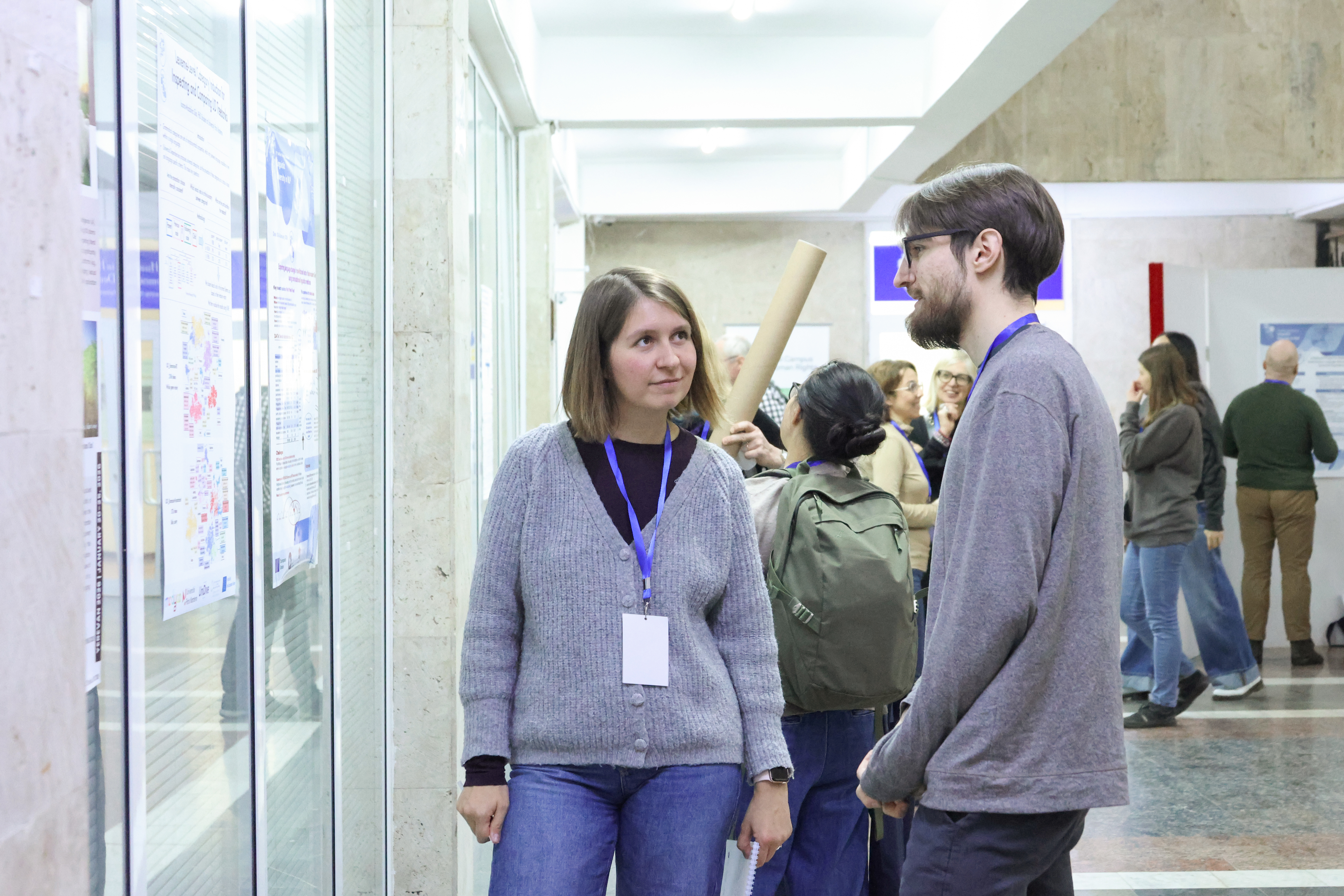
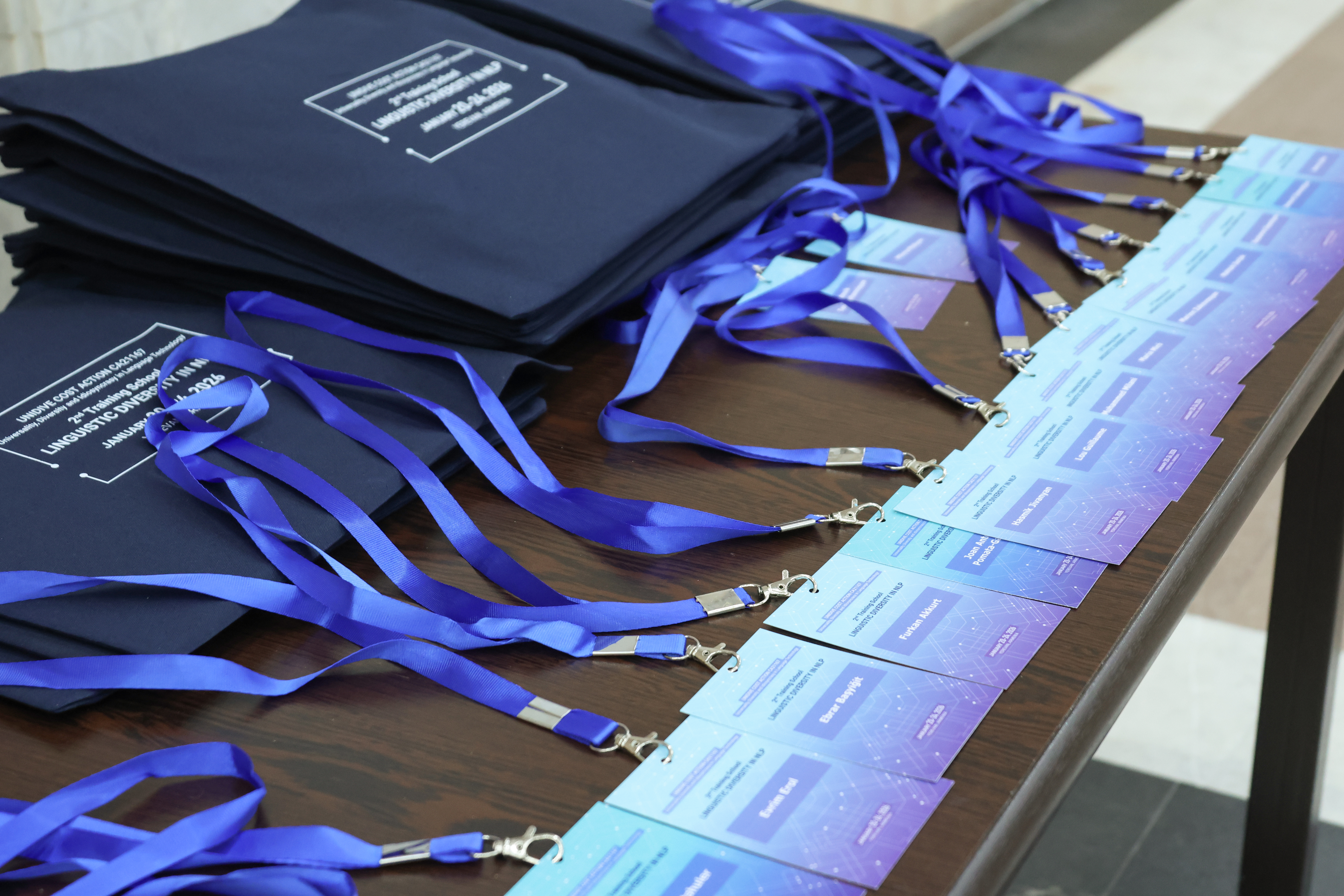
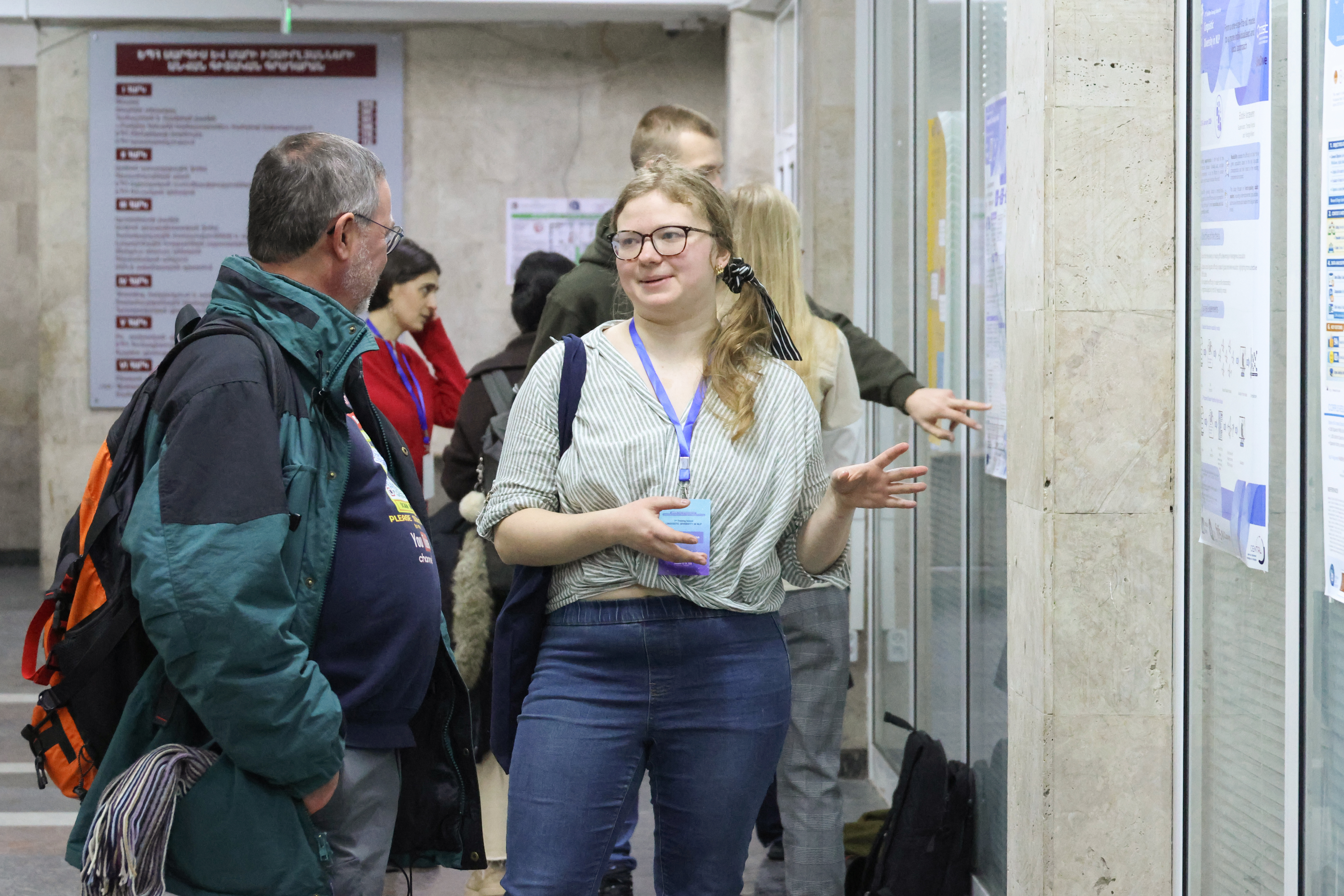
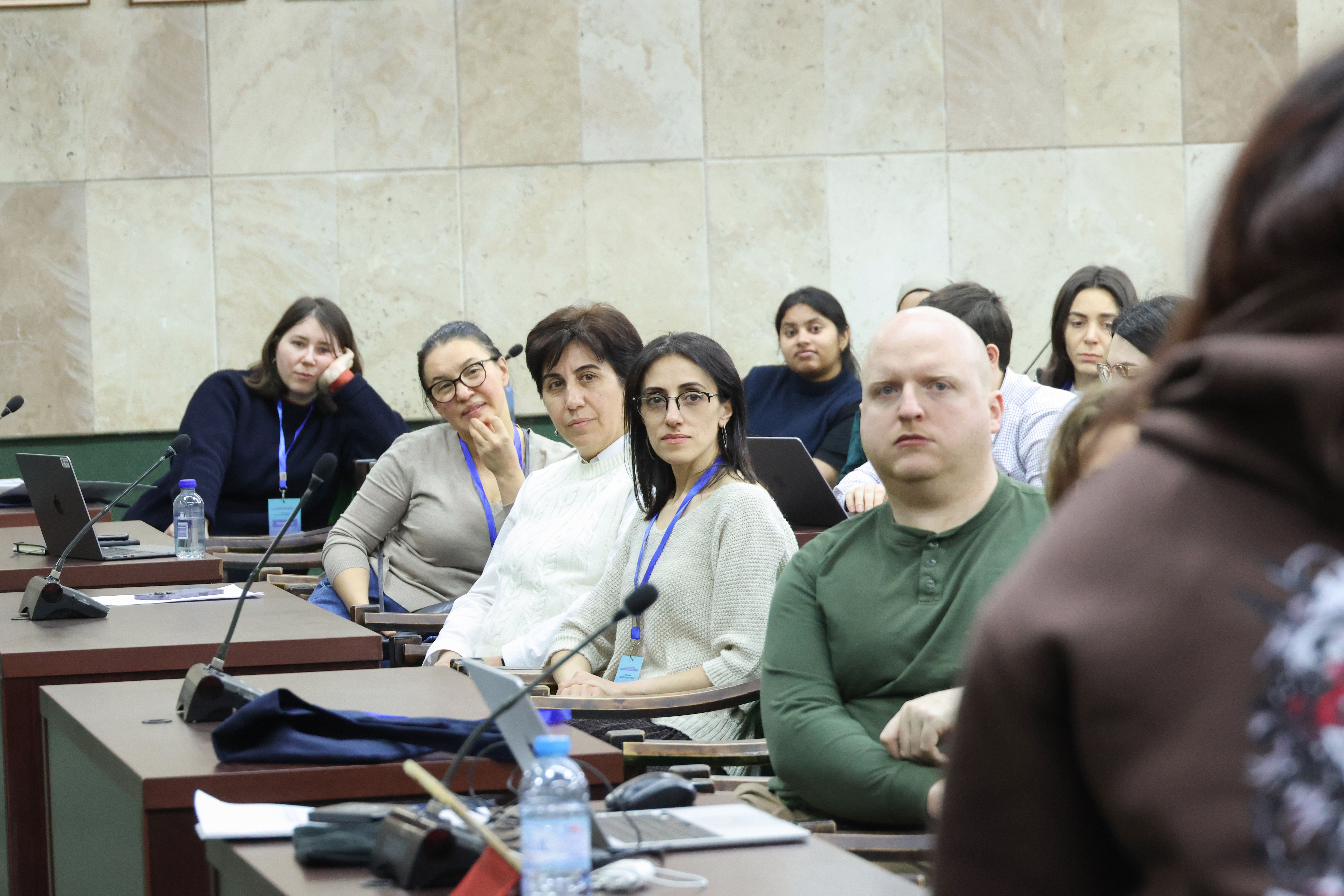
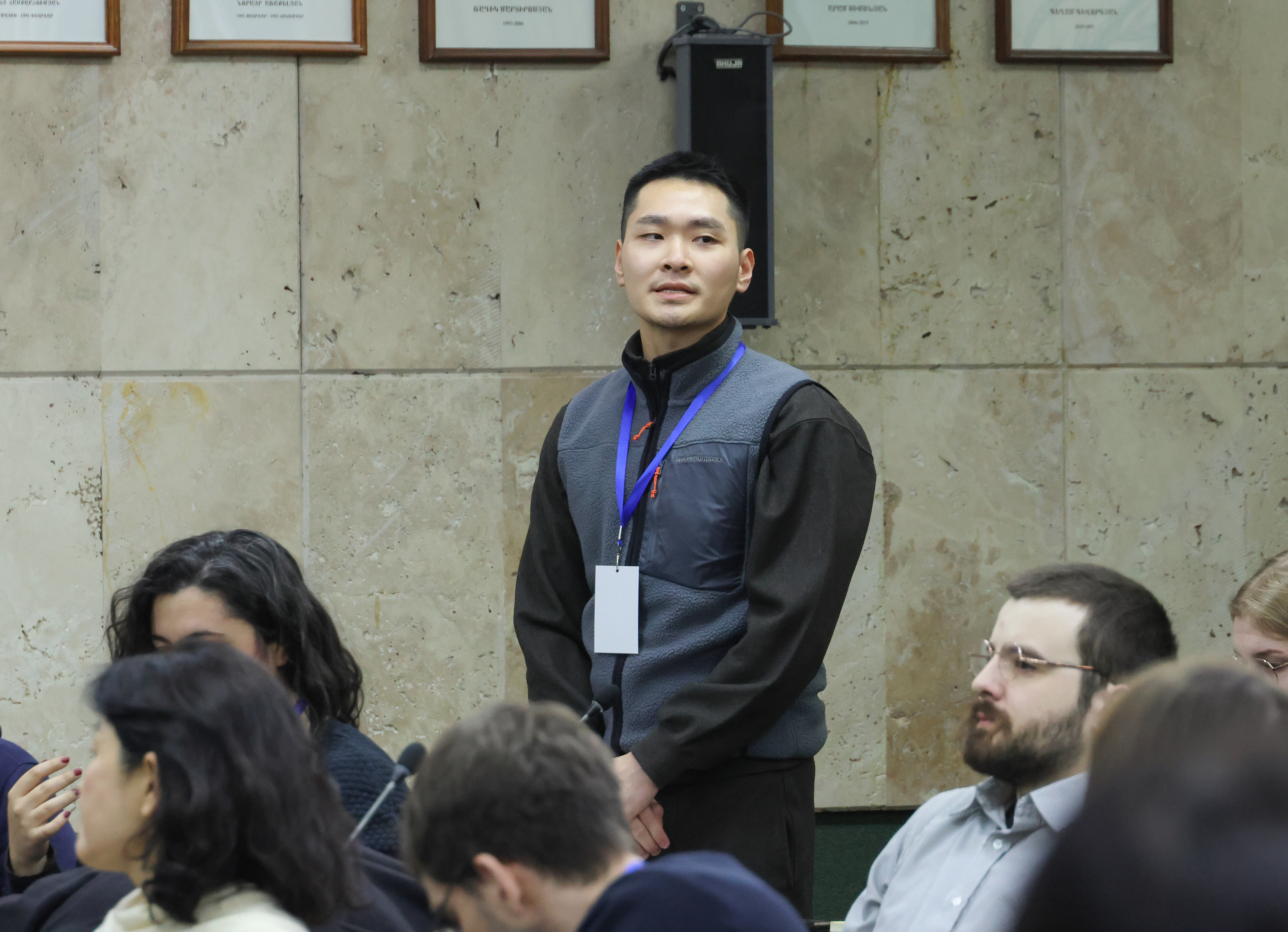
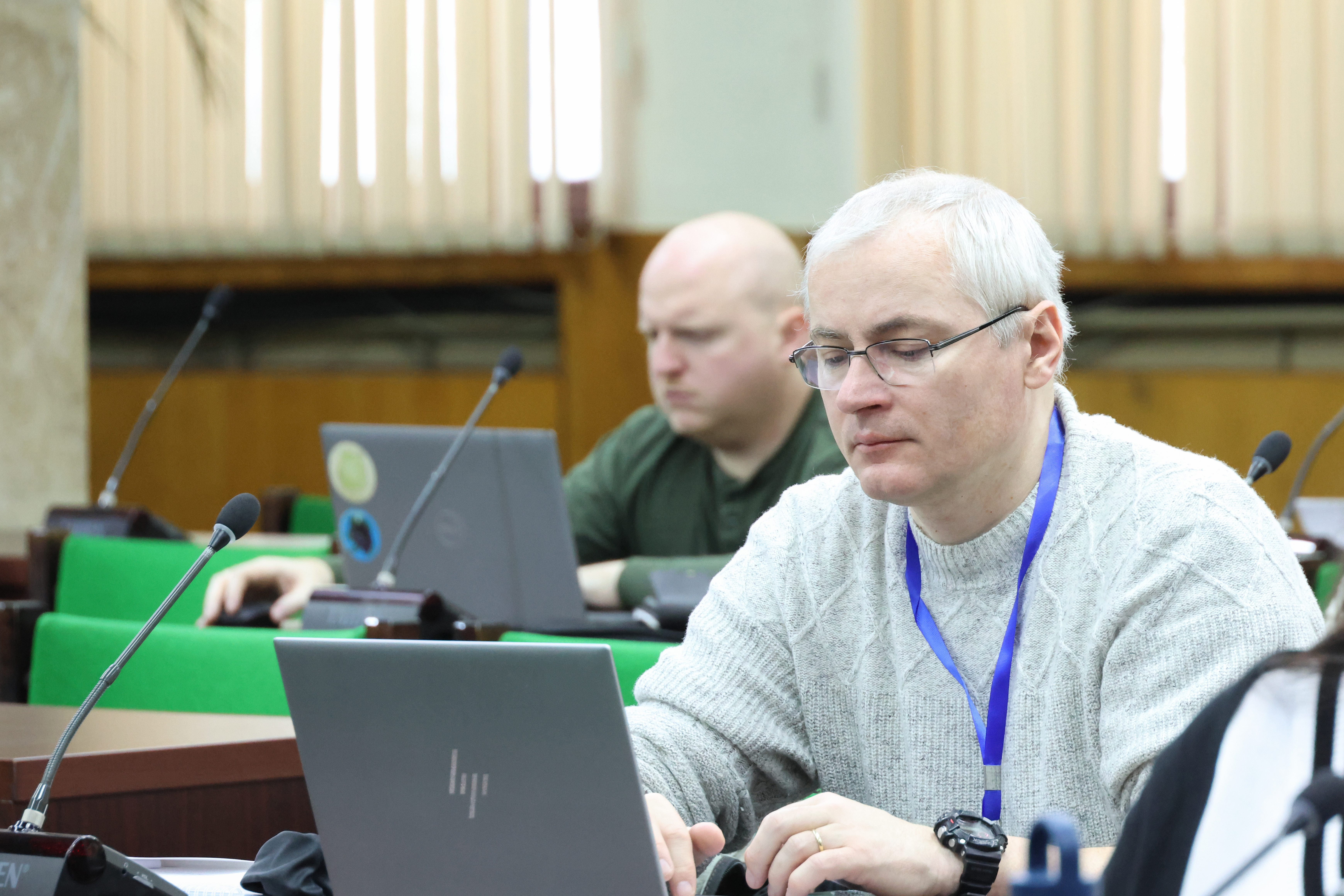
During the winter school, discussions focus on the challenges of linguistic diversity, as well as the extent to which language technologies allow for the description and inclusion of the full diversity of the world's languages in everyday life and artificial intelligence tools.
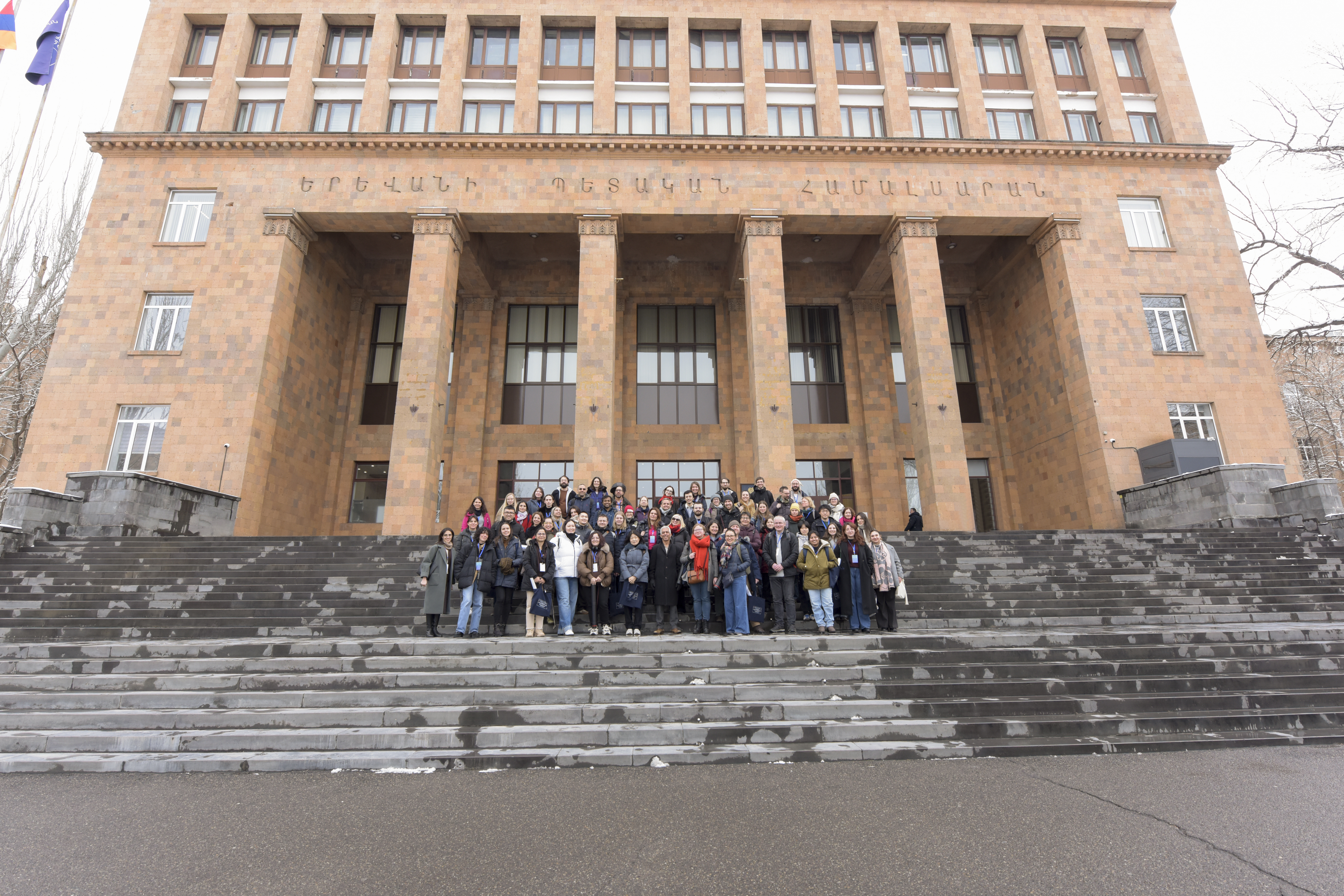
As part of the partnership, YSU has hosted representatives from universities and prestigious research institutions, including Paris-Saclay University, Charles University (Prague), Uppsala University (Sweden), Saarland University (Germany), Heidelberg University (Germany), among others.
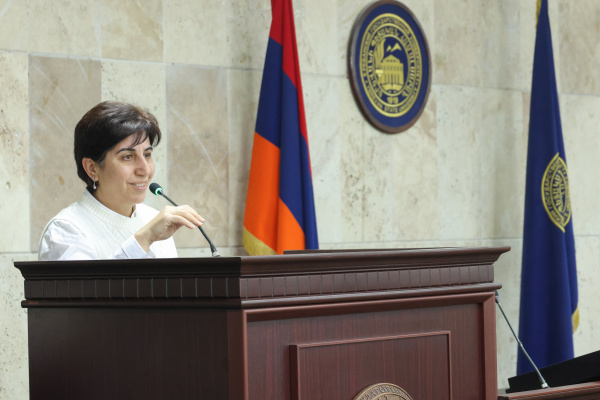
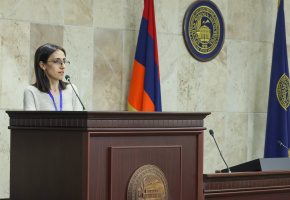
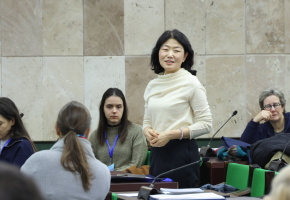
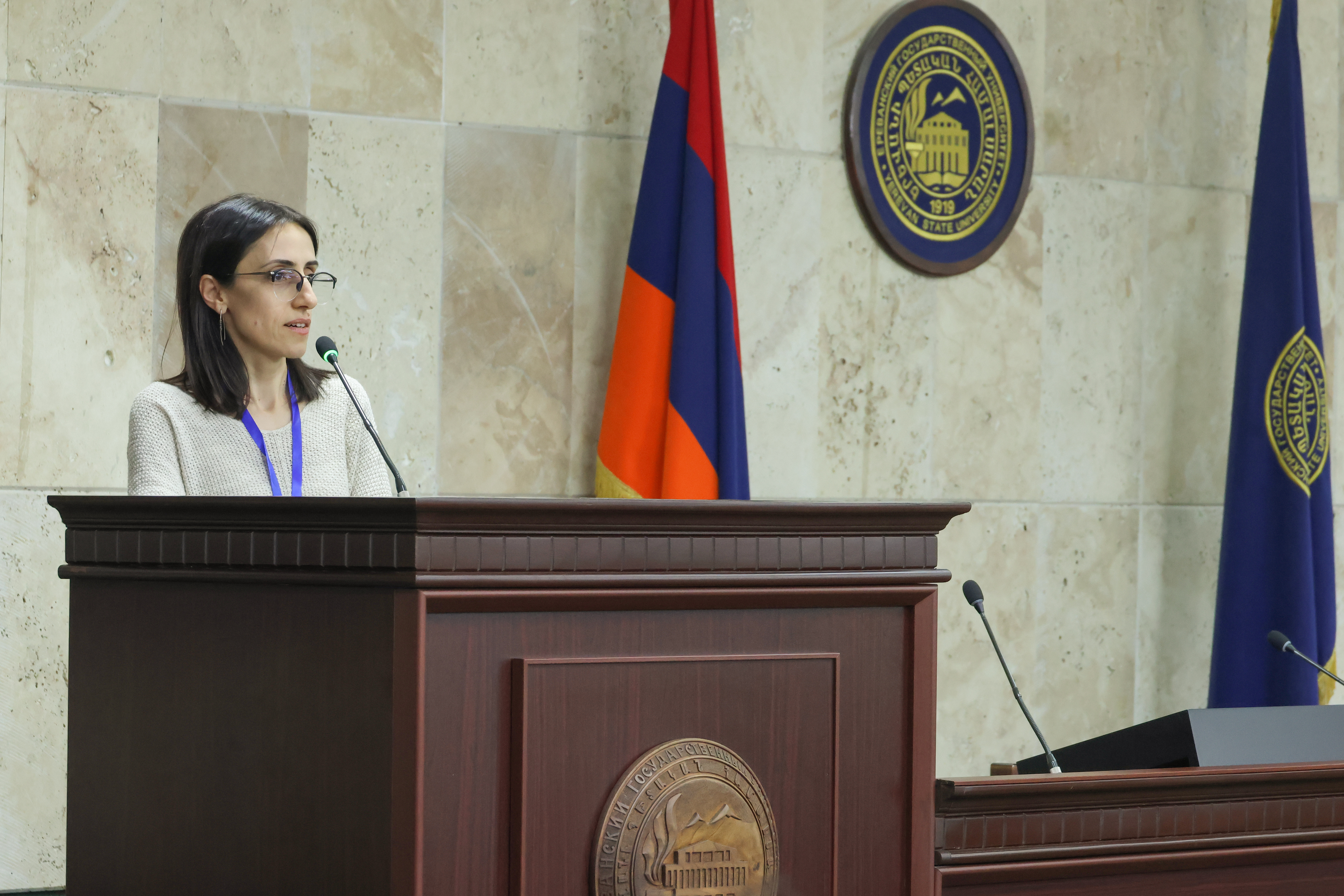
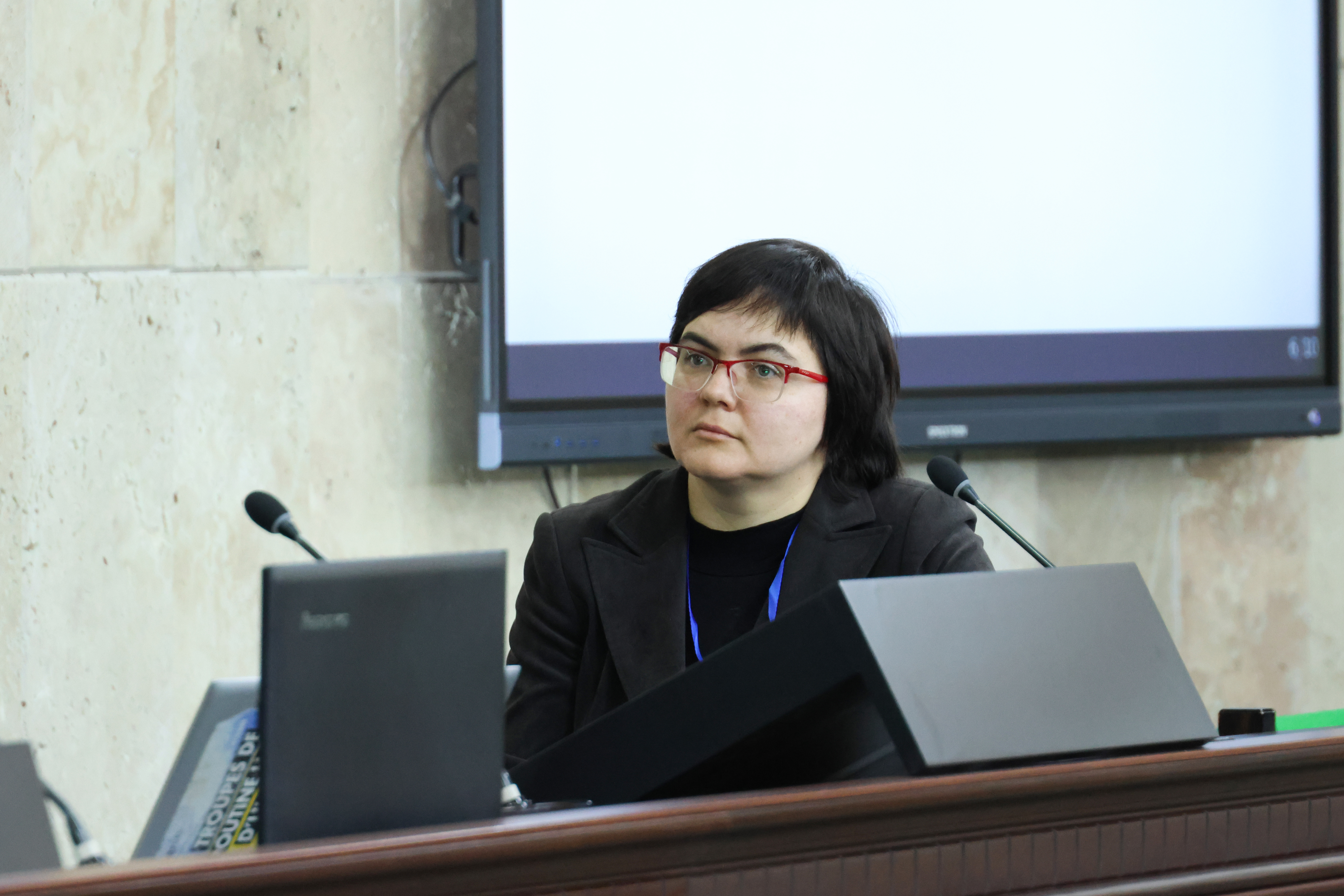
ՀՀ ԿԳՄՍՆ լեզվի կոմիտեի նախագահ Siranush Dvoyan, Chairperson of the MoESCS Language Committee, emphasized the importance of the initiative, stating: "In the coming days, around 60 participants will have the opportunity to discuss issues related to linguistic diversity in the context of modern technological developments. The key focus of these discussions is how language technologies address linguistic diversity, particularly within the field of artificial intelligence, which has already become a part of our daily lives."
According to the chairperson, for specialists, this represents a challenge in technology development, while for ordinary users who employ AI tools for various purposes, advances in language technologies often appear as an almost "magical world".
"It is hard to believe, yet language technologies have already changed—and continue to change—our perceptions of the world, languages, and their interrelations. These changes are made possible through the daily diligent work and close collaboration of the specialists gathered here," she added.
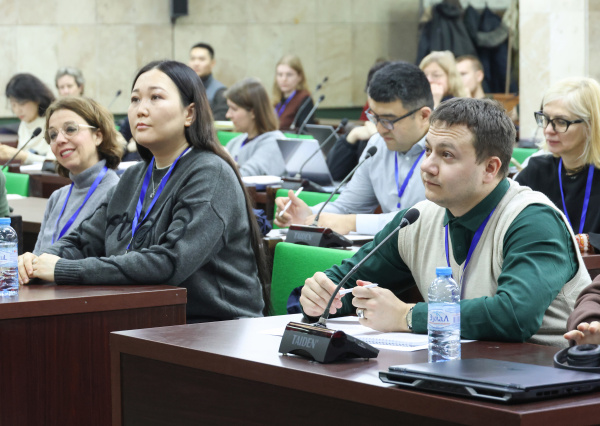
Siranush Dvoyan highlighted the work of the researcher team of the YSU Research Laboratory of Armenian Language Technologies, as well as the efforts of the European Cooperation in Science and Technology (COST) in implementing the initiative. According to her, this is a vivid example of how YSU's integration into European research infrastructures and projects can foster the establishment and development of digital humanities in Armenia.
The winter school also serves as an example of effective collaboration among the university, research groups, targeted scientific projects, and government agencies. Such a collaboration model plays a crucial role in the creation of linguistic digital infrastructures, the development of a digital linguistic ecosystem, and the advancement of Armenian language technologies, in line with Armenia's language policy priorities.
The winter school will continue until January 24 of this year.