February 19, 2026 | 17:15
Education
Events
Culture
Simon, take this,
Simon, bring that…
Simon!
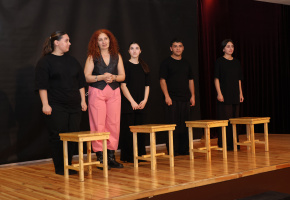
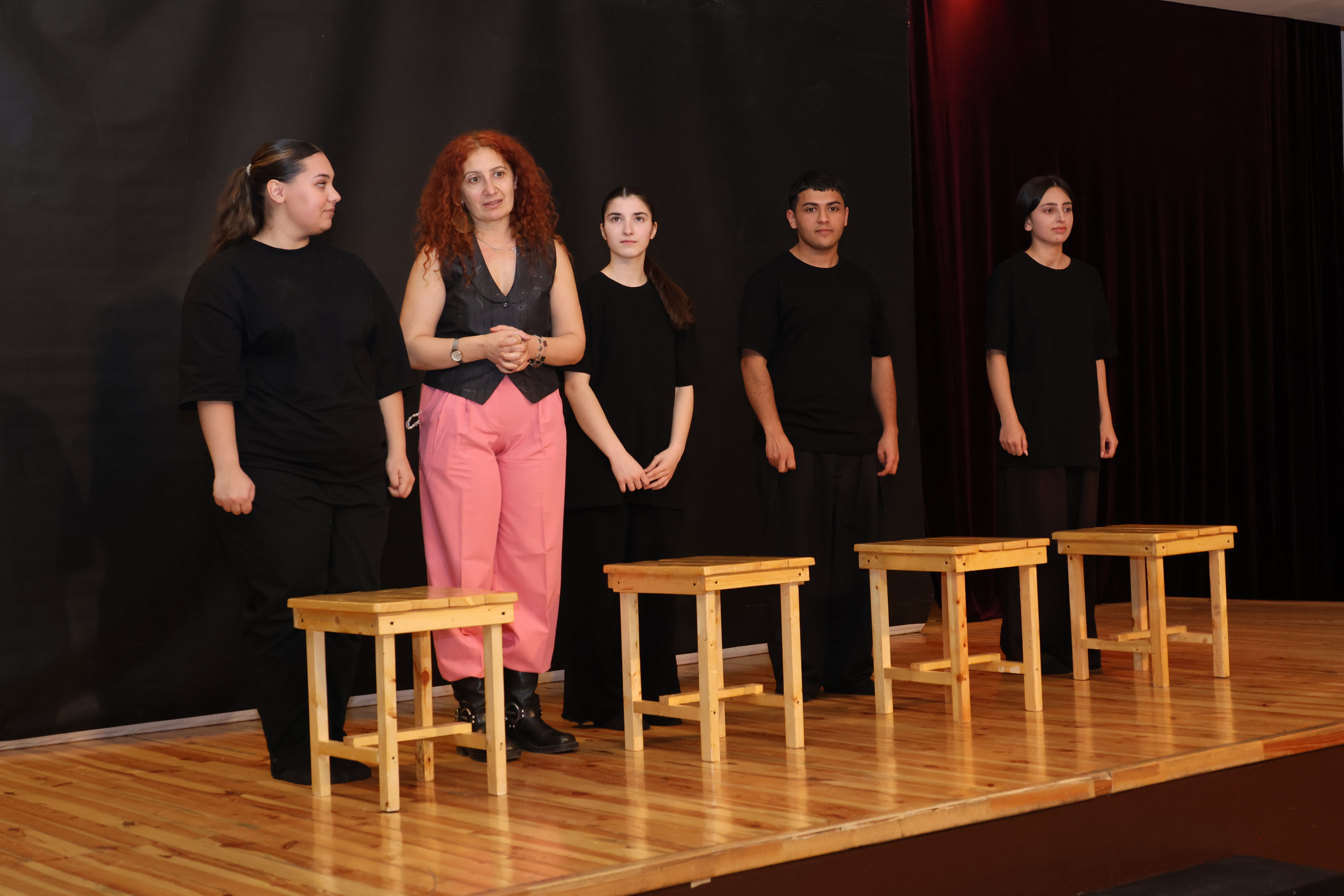
The literary and artistic legacy of Avetik Isahakyan perpetually commands the attention of practitioners across various artistic disciplines. The latest interpretation of his work is a theatrical performance directed by Gayane Yeghiazaryan, Artistic Director of the Universitarian Theater-Studio, based on Isahakyan's renowned work.
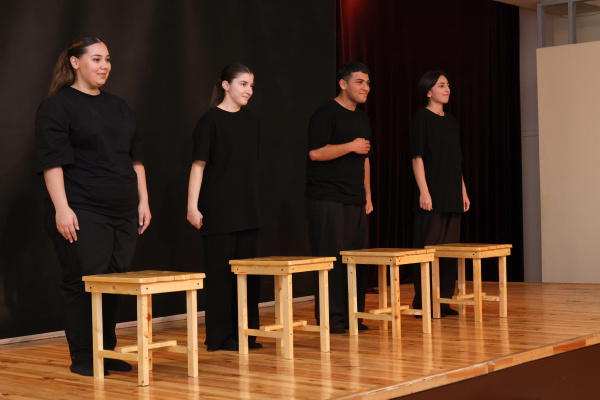
The unity of form and content in Isahakyan's "Servant Simon", alongside the thematic and ideological foundations of this literary masterpiece, remains profoundly relevant today. Emerging from a simple, direct, and candid everyday dialogue, the plot evolves through a swift and trenchant development. Written in the vernacular of the people, the work is noteworthy not only for its genre but for its sophisticated aestheticization and presentation of reality.
This narrative, characterized by a subtle satirical undertone yet remaining deeply tragic and humanitarian, serves as a quintessential specimen of realistic short prose. It features a single central character and situation, limited external action, but intense inner tension, encompassing reflections both on individual psychology and on social issues. Within its concise form, it conveys a profound message: monotonous, unrelenting labor, nervous strain, psychological exhaustion, and ultimately the loss of identity and escape.
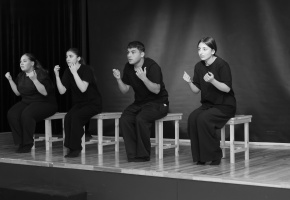
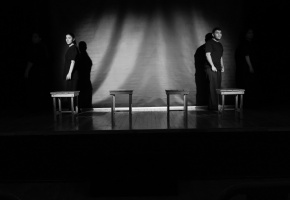
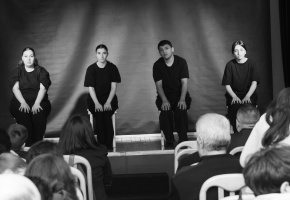
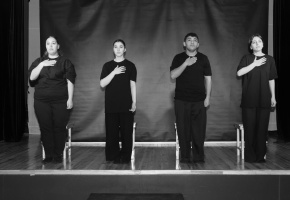
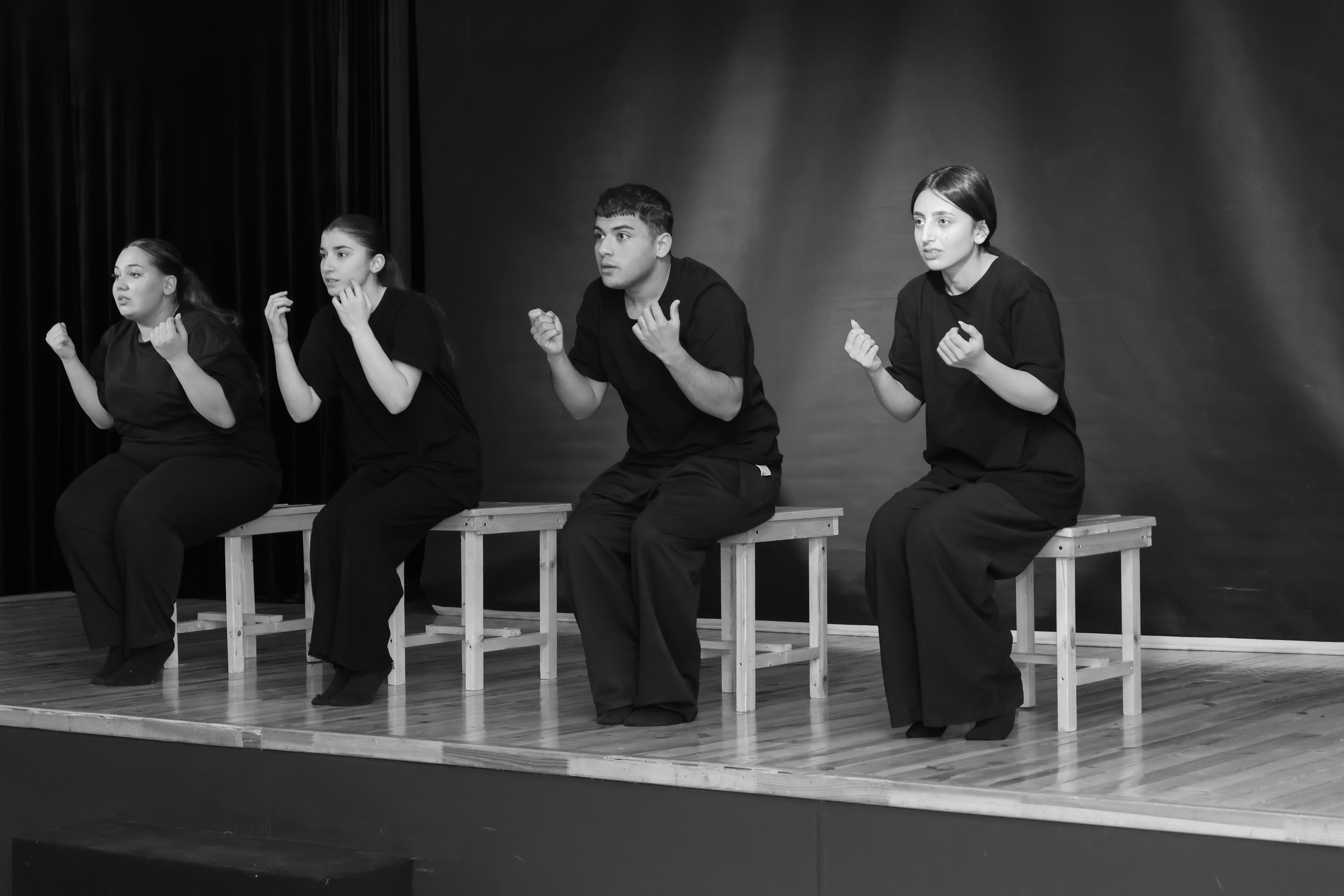
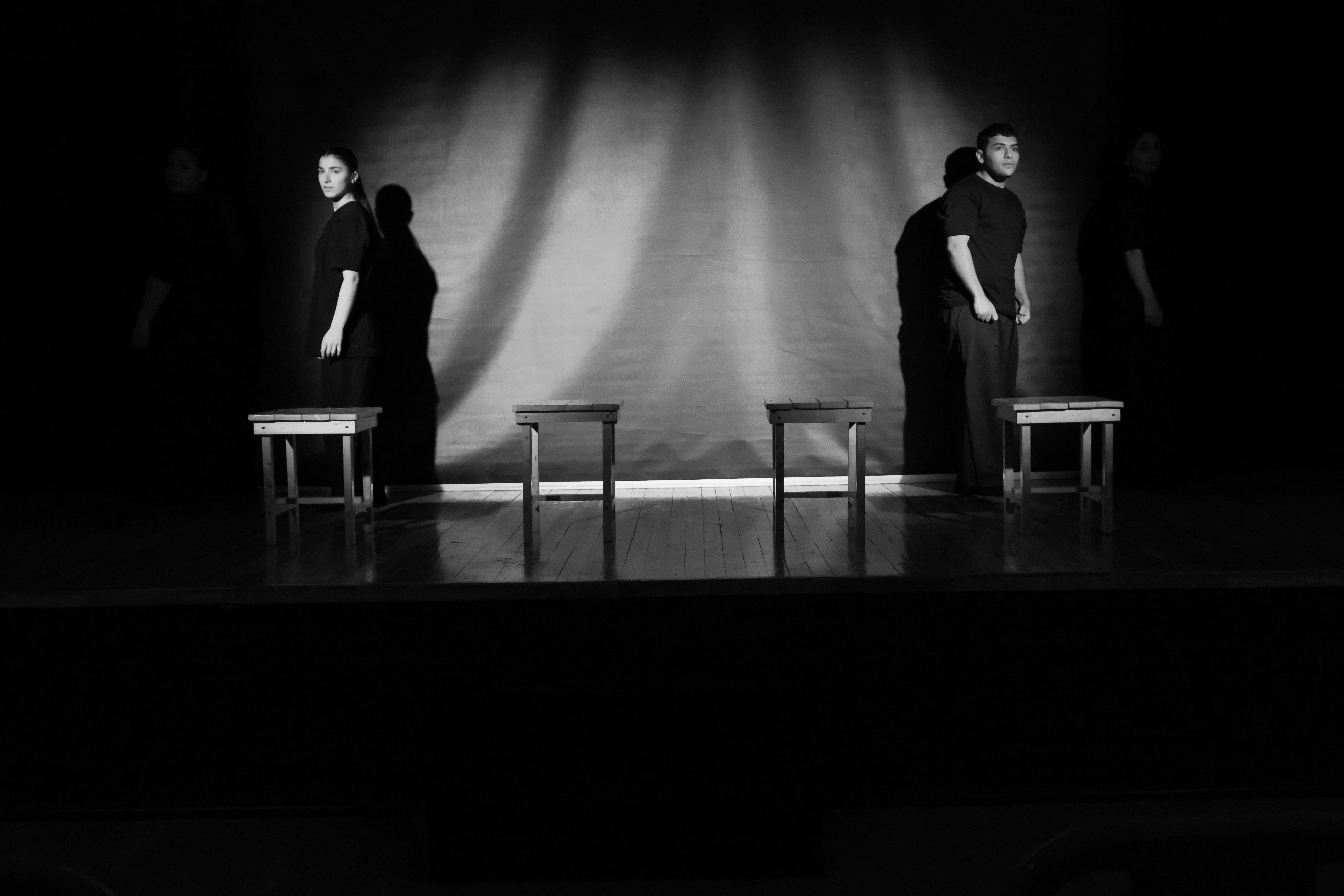
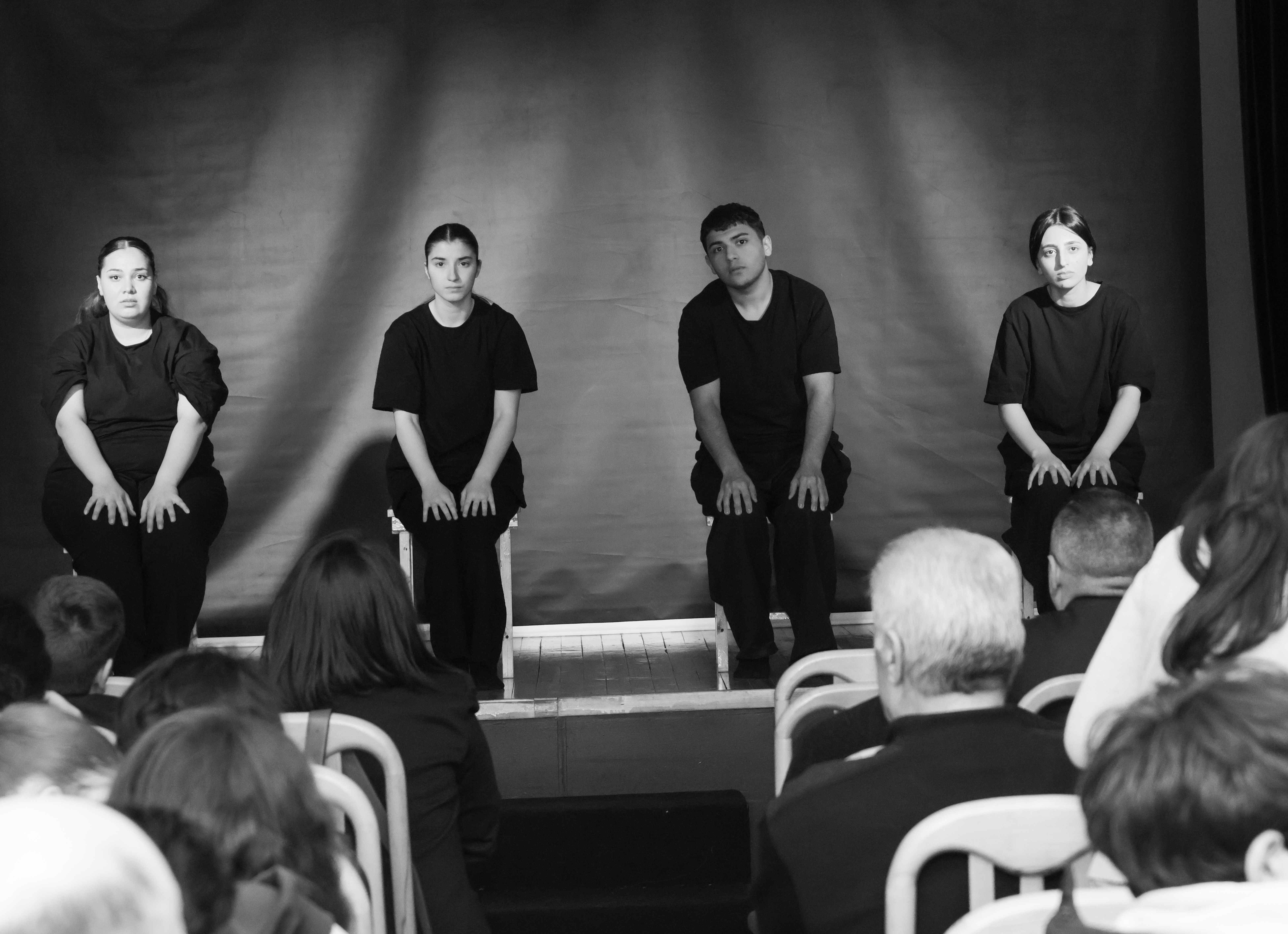
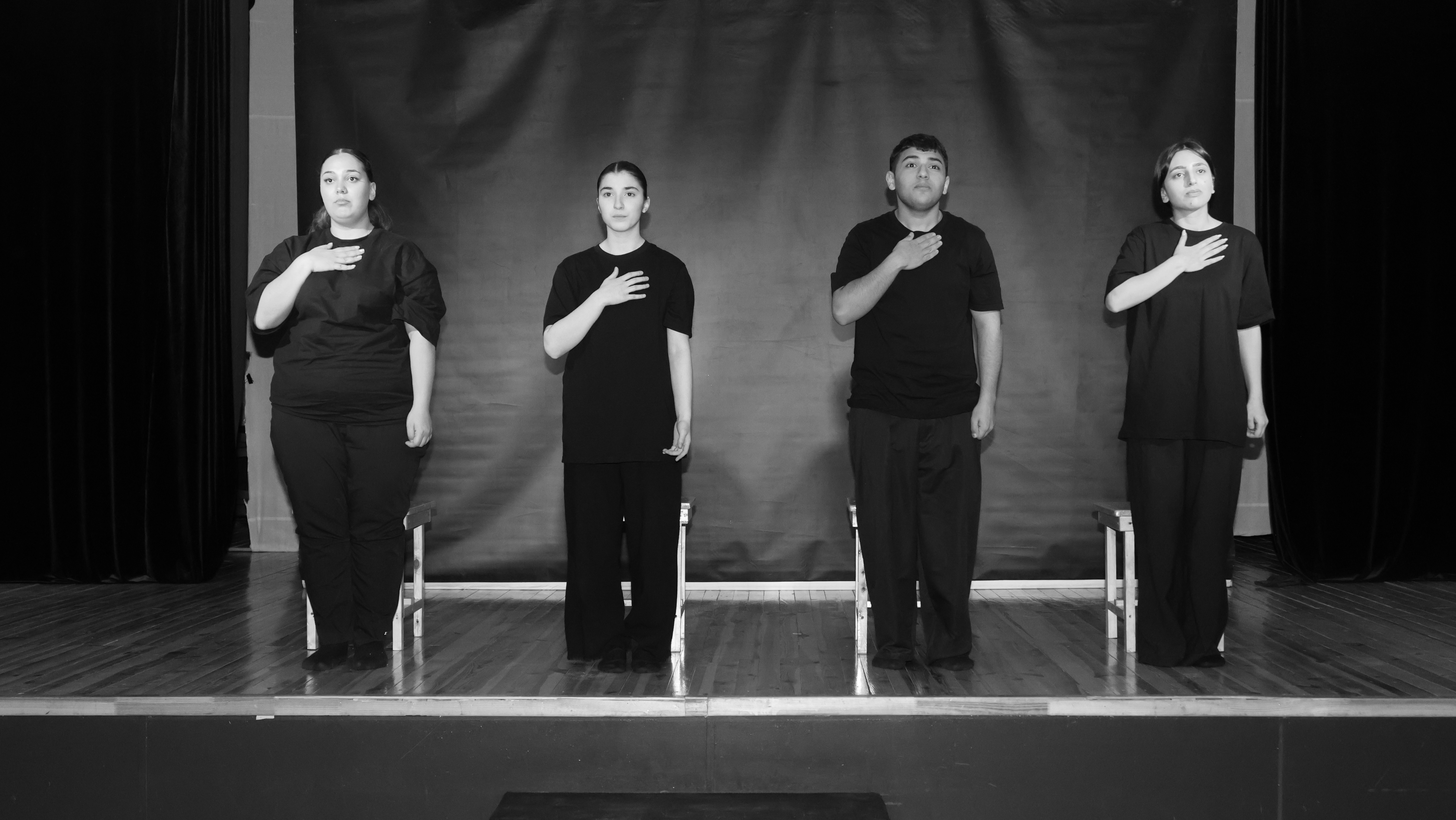
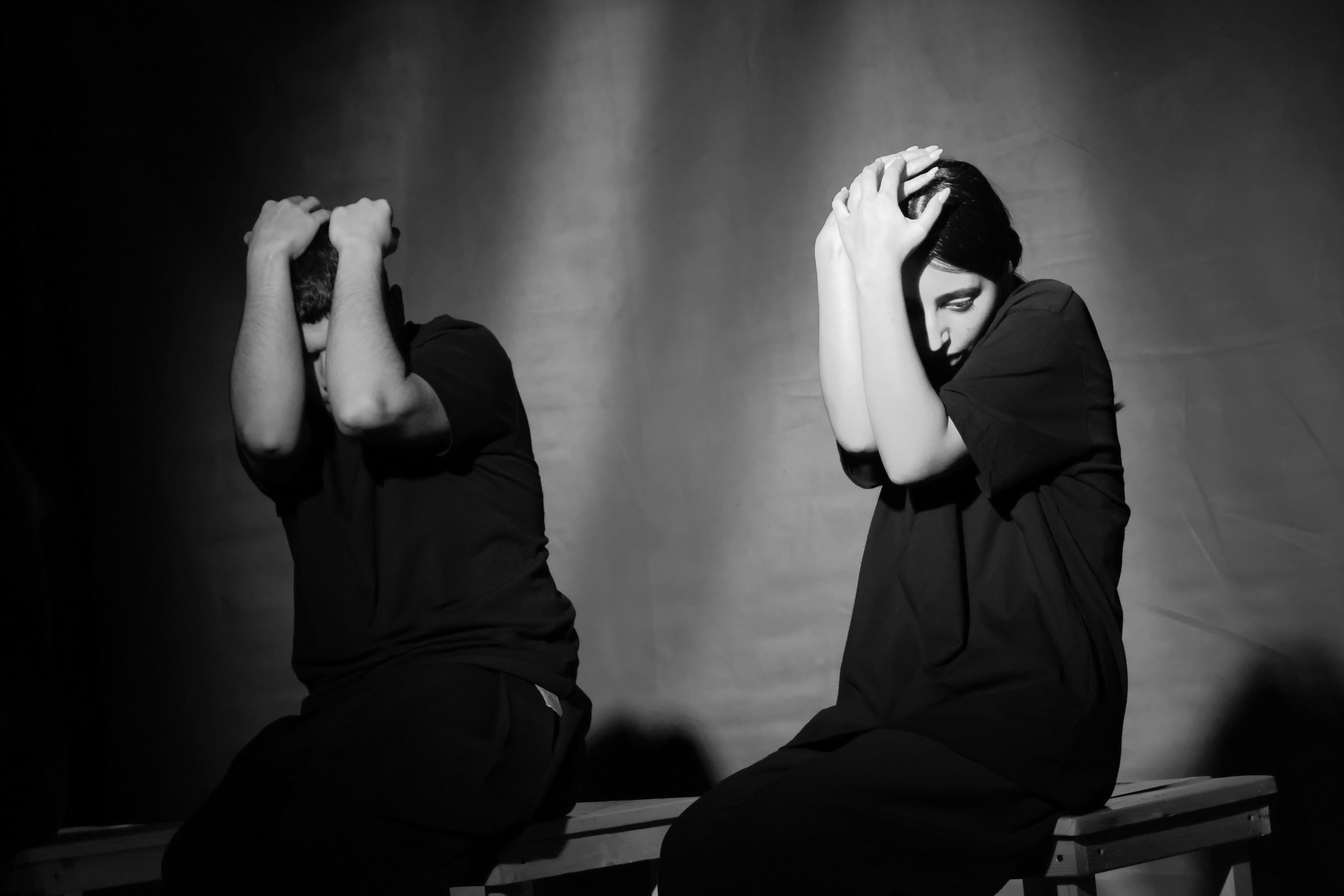
Through the distinctive creative vision of the artistic director and the evocative performances of Meline Davtyan, Narek Stepanyan, Angelina Mkrtchyan, and Diana Hovhannisyan, this contrast was successfully conveyed to the audience.
The protagonist’s daily existence is revealed step-by-step through a vivid on-stage self-representation, centering on his internal state of mind. The inner turmoil of servant Simon stems not from the physical rigor of his duties, but from the stifling monotony of daily life and the relentless sense of subordination. This culminates in a level of psychological distress so acute that he can no longer endure the sound of his own name—"Simon"—which begins to grate on his ears.
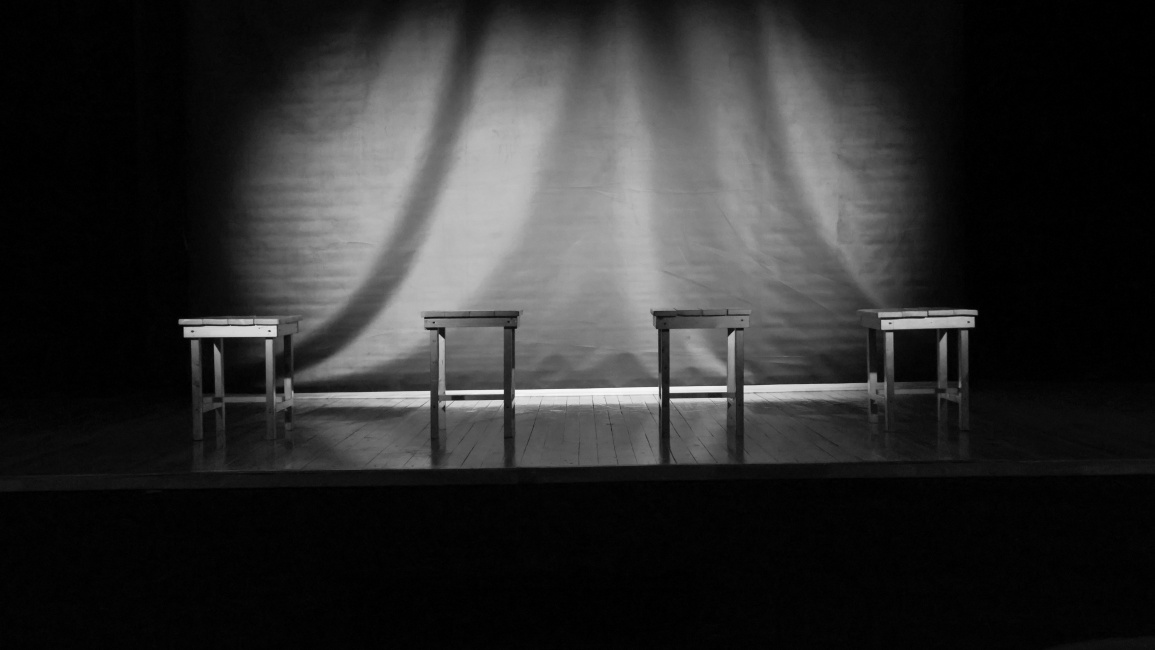
In this regard, Isahakyan's approach to synthesizing the semiotic external and internal frameworks of the literary text is equally compelling. While the former is objectively circumscribed—limited by spatiotemporal and genre-specific characteristics, authorial style, and the nuances of neologism and lexical application—the latter (comprising the semantic and substantive dimensions) represents the author's subjective orientation toward the depicted reality, transcending the aforementioned constraintsOwing to this latter dimension, the work, as a literary genre, was seamlessly transmuted—dissolving into and merging with the medium of theater through the director's creative vision and the evocative performance of the Universitarian Theater-Studio students.